
We had an unforgettable time exploring the French Riviera in the summer of 2024 (July 27 – July 31st 2024). For those less familiar with the region, the French Riviera—also known as the Côte d’Azur—refers to the stunning stretch of coastline along the Mediterranean Sea, renowned for its vibrant cities, scenic views, and timeless charm.
In this blog, I’ll take you through our 5-days, 4-nights trip based in Nice, covering not just the city itself but some of the most picturesque nearby destinations. Whether you’re visiting for the first time or returning to rediscover the magic, this guide is packed with everything you wish you knew before your trip—perfect for first timers and seasoned travellers alike.
Quick Itinerary Overview
- Day 1: Train journey from Paris to Nice
- Day 2: Exploring the Heart of Nice
- Day 3: Day trip to Monaco
- Day 4: Day trip to Cannes
- Day 5: Return to Dublin
Note: If you’re a regular reader of my travel blogs, you’ll know that I love meticulously planned, activity-packed itineraries—and this trip is no exception. While some travellers prefer a slower pace, I enjoy making the most of every single day. The best part? This itinerary is entirely public transport-friendly. The Côte d’Azur region is exceptionally well-connected with frequent, affordable trains and buses, making it easy to explore without renting a car.
Nice, France – Good to Know:
Before diving into the details of our itinerary, here are a few quick facts and helpful tips about Nice, one of the most iconic destinations on the French Riviera.
- City Profile: Nice is France’s fifth-largest city and the second-largest in the Provence-Alpes-Côte d’Azur region, after Marseille. Often nicknamed “Nice la Belle” (Nice the Beautiful), it truly lives up to its name with its Mediterranean charm and vibrant atmosphere.
- UNESCO Recognition: In 2021, Nice was designated a UNESCO World Heritage Site, celebrating its unique architecture, cultural heritage, and seaside scenery.
- Historic Charm: Dating back to the 18th century, Nice became a favoured winter retreat for the English aristocracy, attracted by its mild climate and coastal beauty. Even today, it remains one of Europe’s best warm-weather getaways.
- Icon of the Côte d’Azur: As the heart of the French Riviera, Nice offers a perfect blend of urban culture, seaside relaxation, and stunning views of the Mediterranean.
- Walkable City: The city is highly walkable, with many highlights easily reachable on foot. Strolling along the Promenade des Anglais is an experience in itself.
- Beaches: A quick tip—Nice’s beaches are pebble beaches rather than sandy ones, so bring water shoes to protect your feet while wading into the sea.
- Transportation: The public transit network is excellent, making it simple and affordable to explore nearby gems like Monaco, Cannes, Antibes, and Èze without needing a car.
- Language & Currency: The official language is French, though English and Italian are widely understood. The local currency is the Euro (€), and while cards are generally accepted, carrying some cash is helpful for small cafés or market purchases.
- Dining Tips: Nice can be somewhat touristy (& hence costly), but most restaurants display their menus outside, allowing you to choose spots that suit your taste and budget.
- Safety & Essentials: The sea is generally safe for swimming, though it’s wise to check local conditions before diving in. And of course—don’t forget your sunglasses!
Day 1 – Train journey from Paris to Nice
After experiencing the spectacular Olympics Opening Ceremony in Paris, we set off the next morning on a high-speed TGV INOUI train bound for Nice. Our tickets were conveniently booked through Trainline, an easy-to-use platform that makes comparing and booking European train journeys effortless.
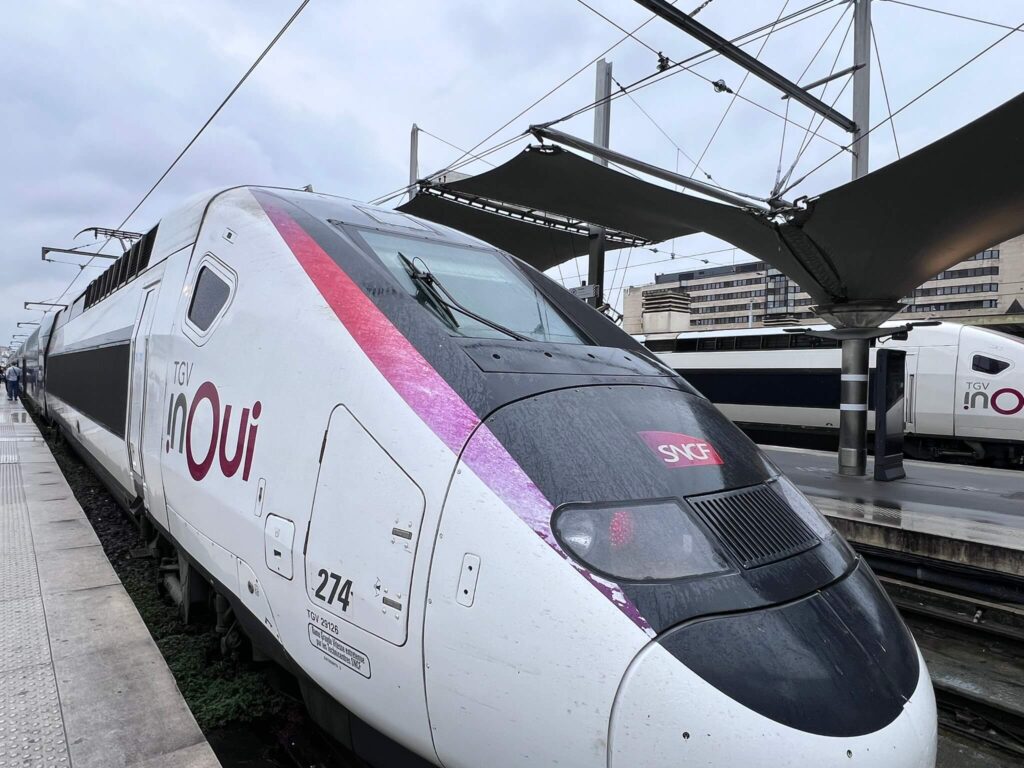
The journey took approximately 5 hours and 36 minutes, offering beautiful views of the French countryside along the way. The train itself was modern, comfortable, and well-equipped, featuring spacious seating and an onboard pantry for light snacks and refreshments—making the ride as enjoyable as the destination itself.
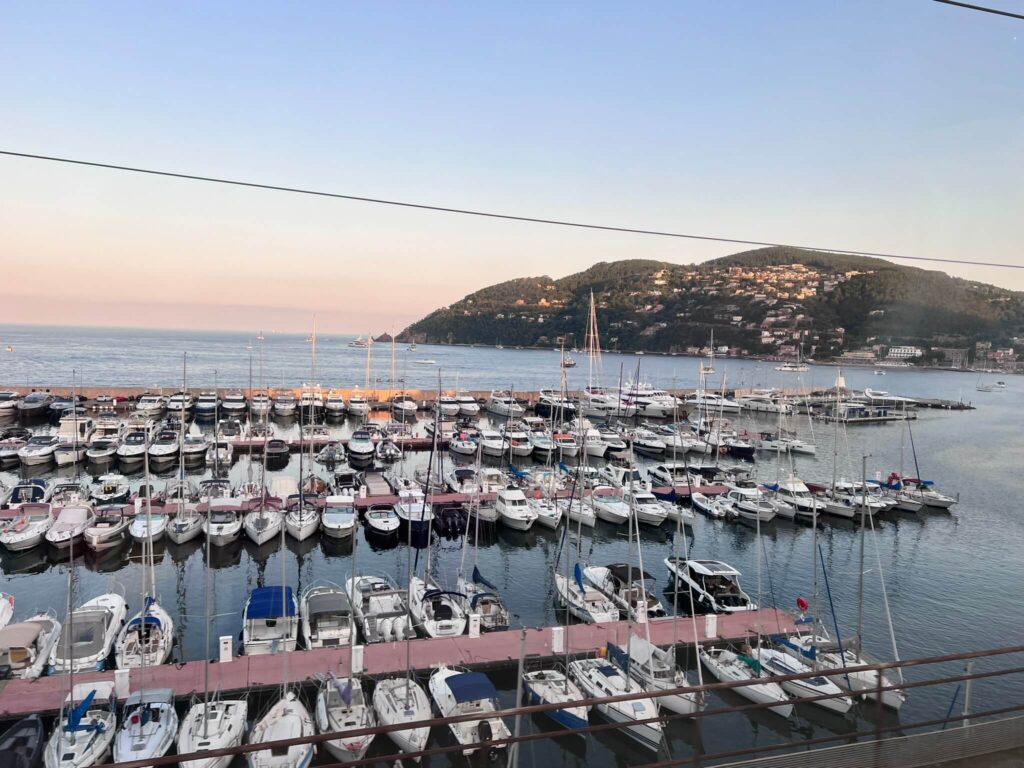
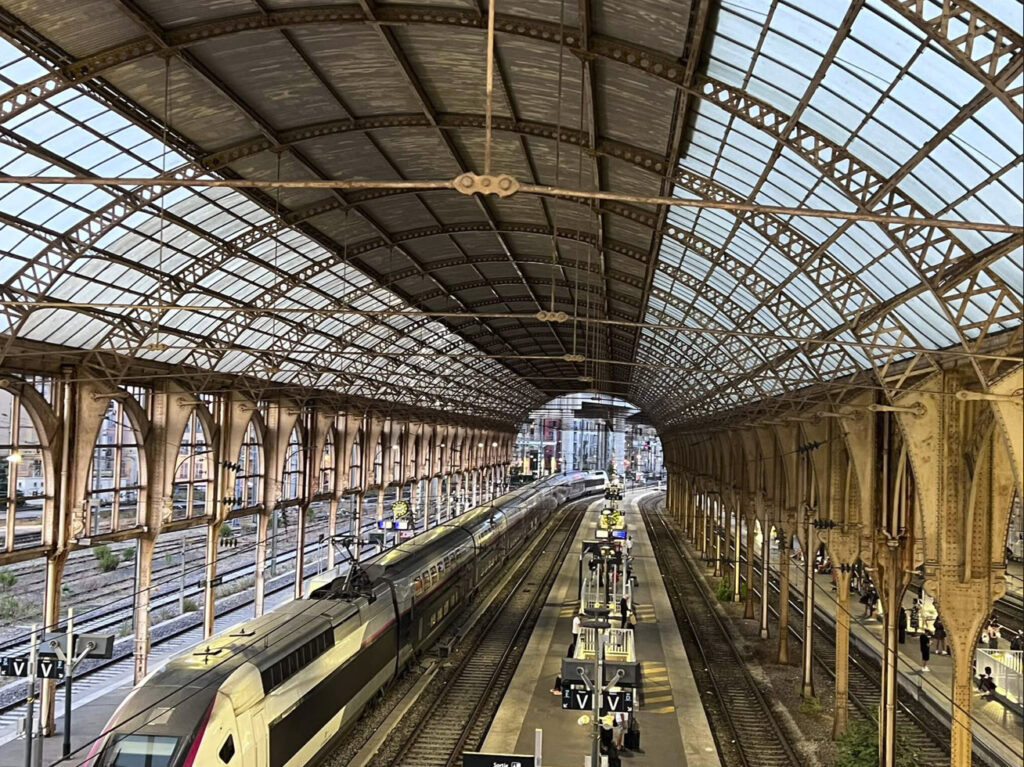
The train itself was modern, comfortable, and well-equipped, featuring spacious seating and an onboard pantry for light snacks and refreshments—making the ride as enjoyable as the destination itself.
Day 2 – Exploring the Heart of Nice
On Day 2, we spent the day discovering the many highlights that Nice has to offer. The list of places below isn’t arranged in any particular order—your itinerary may vary depending on where you stay and what interests you most. We based ourselves in the Garibaldi area, conveniently located near Nice’s Old Town (Vieux Nice), which made it easy to explore the city’s main attractions on foot and by public transport.
Exploring Vieux Nice – The Old Town:
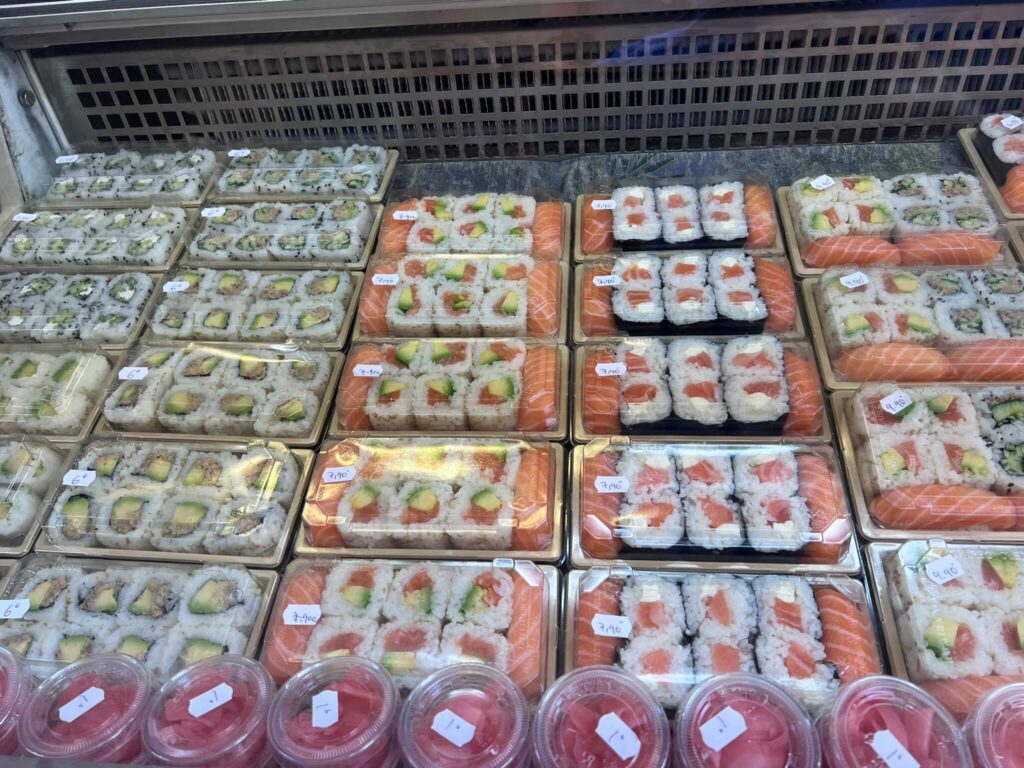
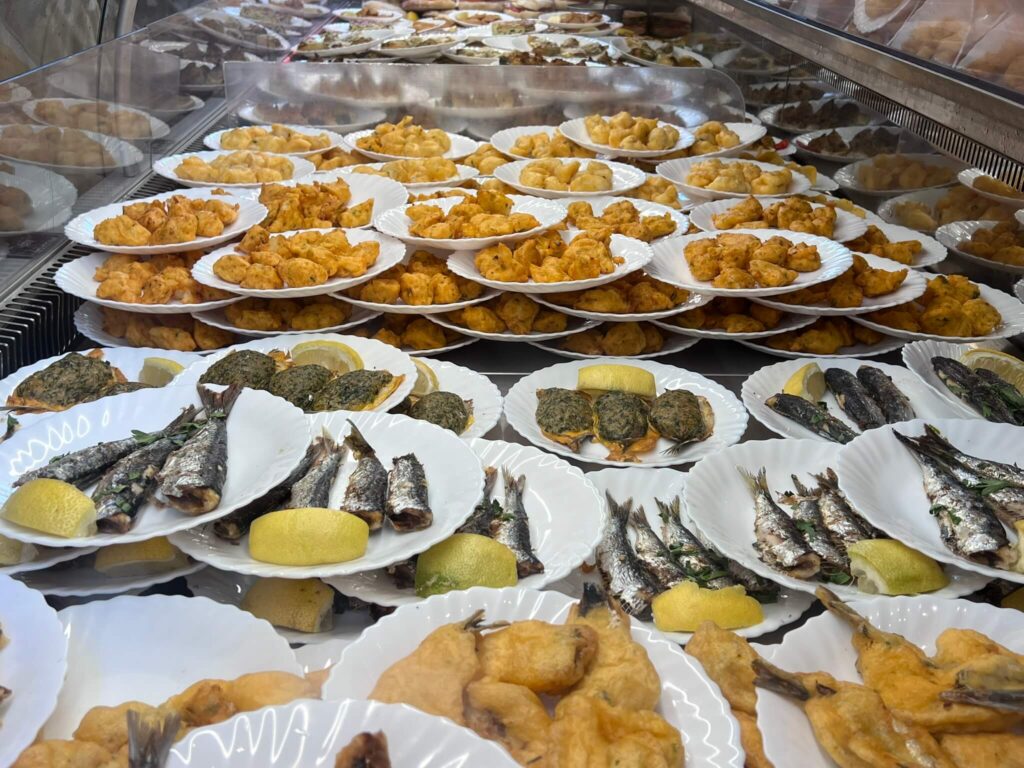
Wandering through the streets of Old Nice (Vieux Nice) feels like stepping back in time. This charming quarter, with its cobbled lanes, vibrant architecture, and Mediterranean flair, perfectly captures the spirit of the French Riviera. The narrow streets are filled with cozy bars, family-run restaurants offering prix fixe menus, and boutique shops selling everything from local crafts to souvenirs—a perfect spot to pick up fridge magnets or keepsakes. Do note that some smaller shops may prefer cash payments.
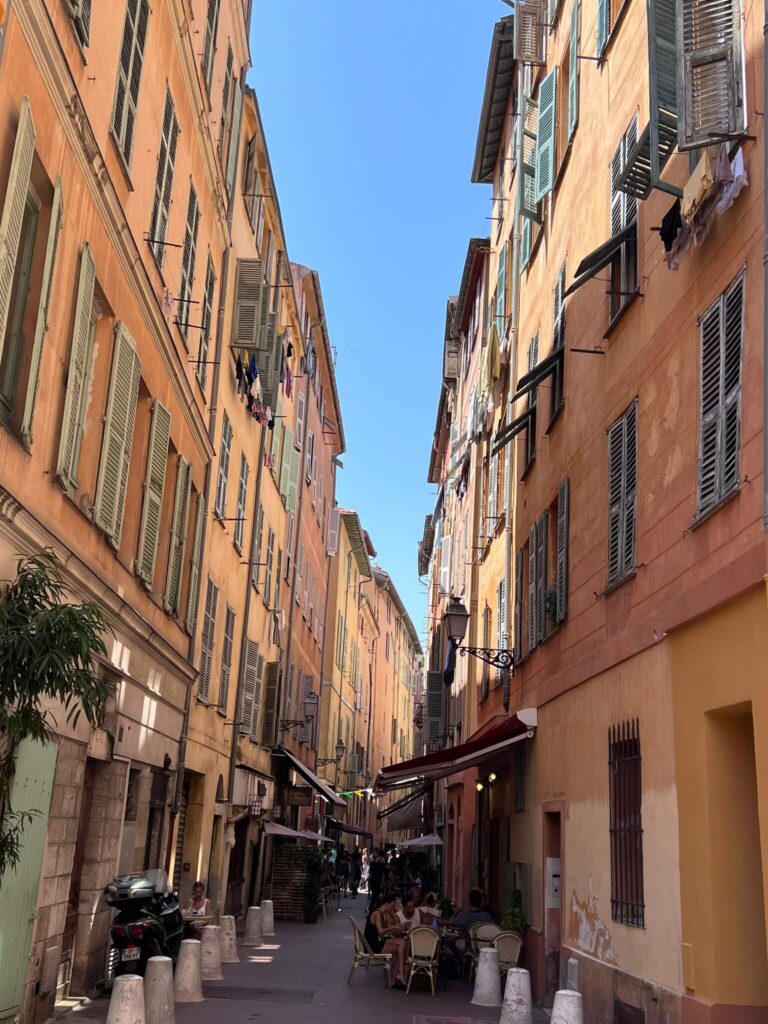
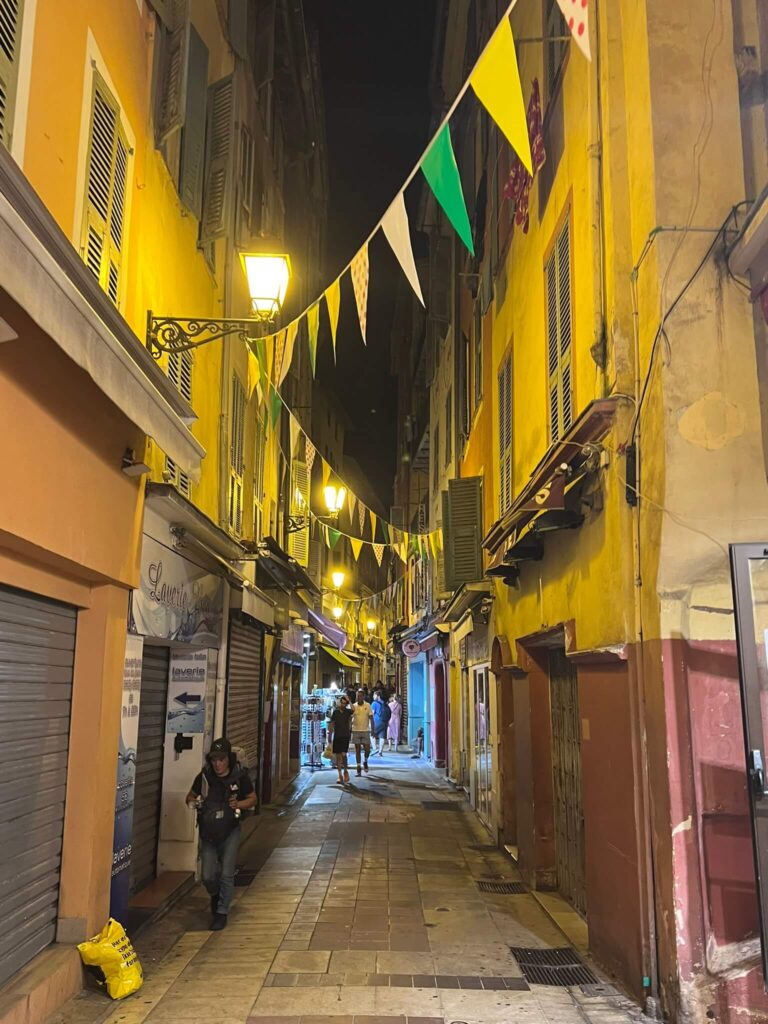
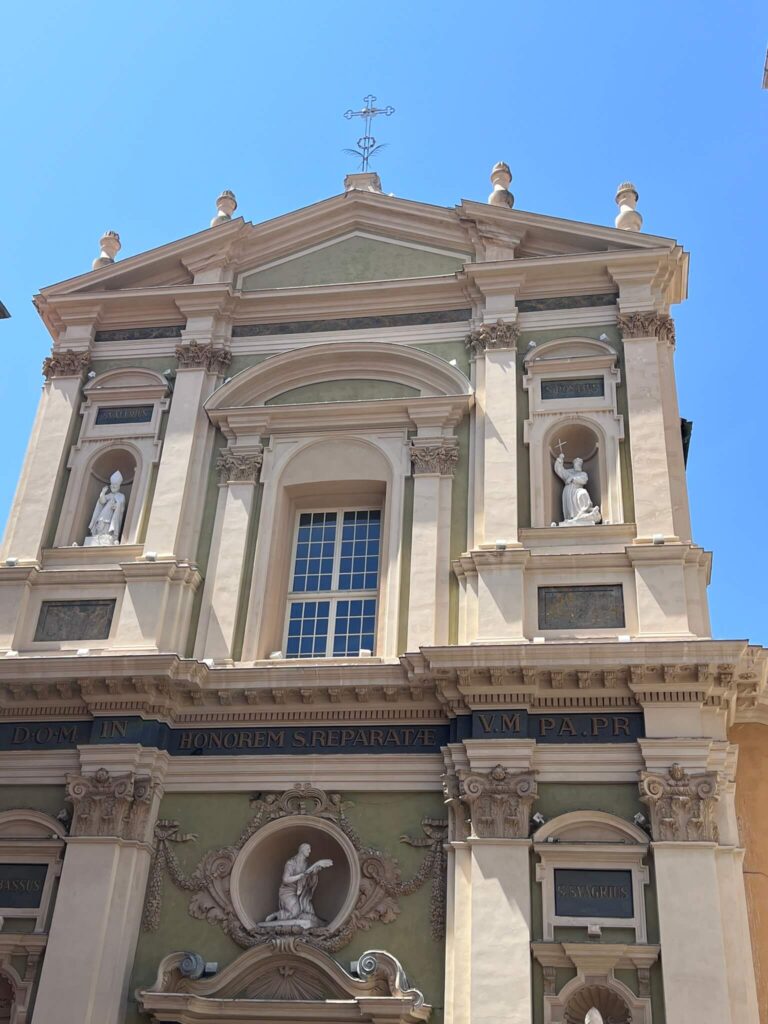
One of the highlights is the Baroque Cathedral of Sainte-Réparate, located in Place Rossetti Square, the beating heart of Old Town. The square is always bustling, and no visit is complete without indulging in a scoop (or two!) of creamy gelato from one of the nearby ice cream parlors.
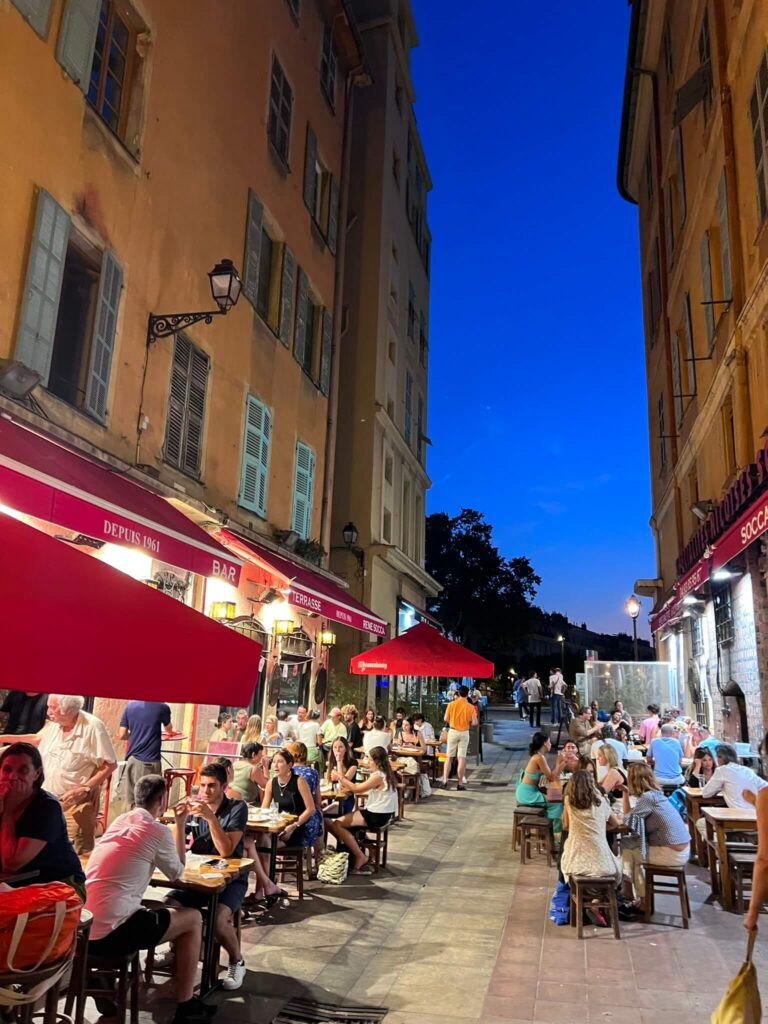
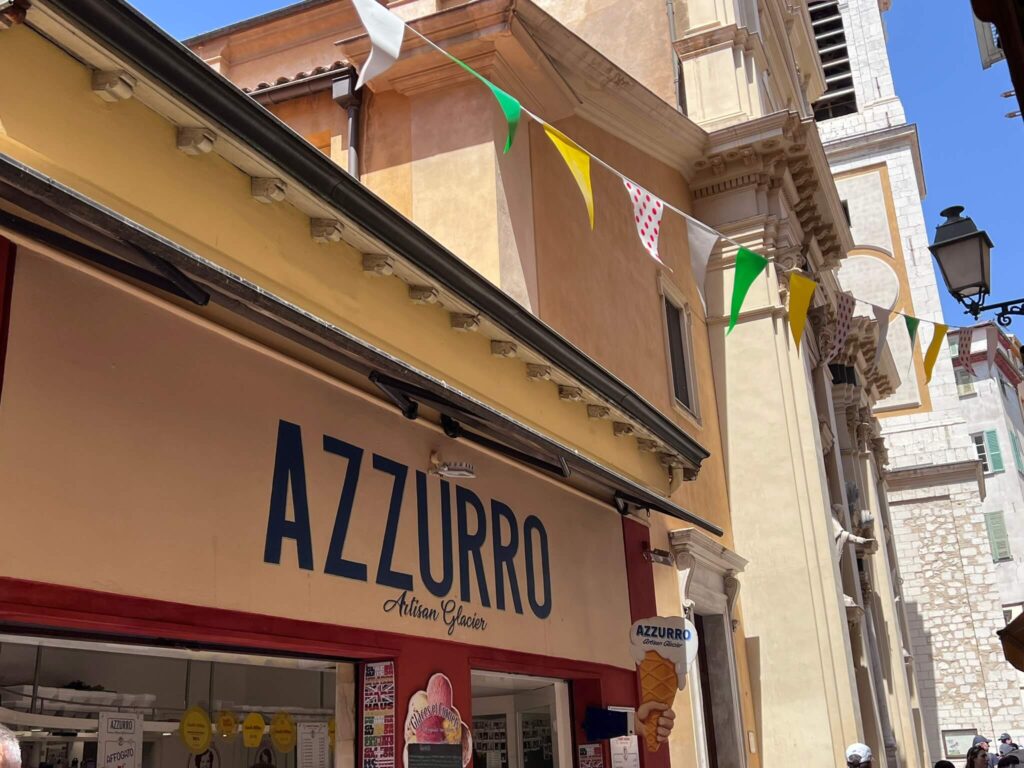
Exploring Vieux Nice is truly one of the most memorable things to do in the city. Its narrow streets, colorful buildings, and authentic charm evoke the feel of a small Italian town—making it a must-see for anyone visiting Nice or the French Riviera.
Squares & Monuments:
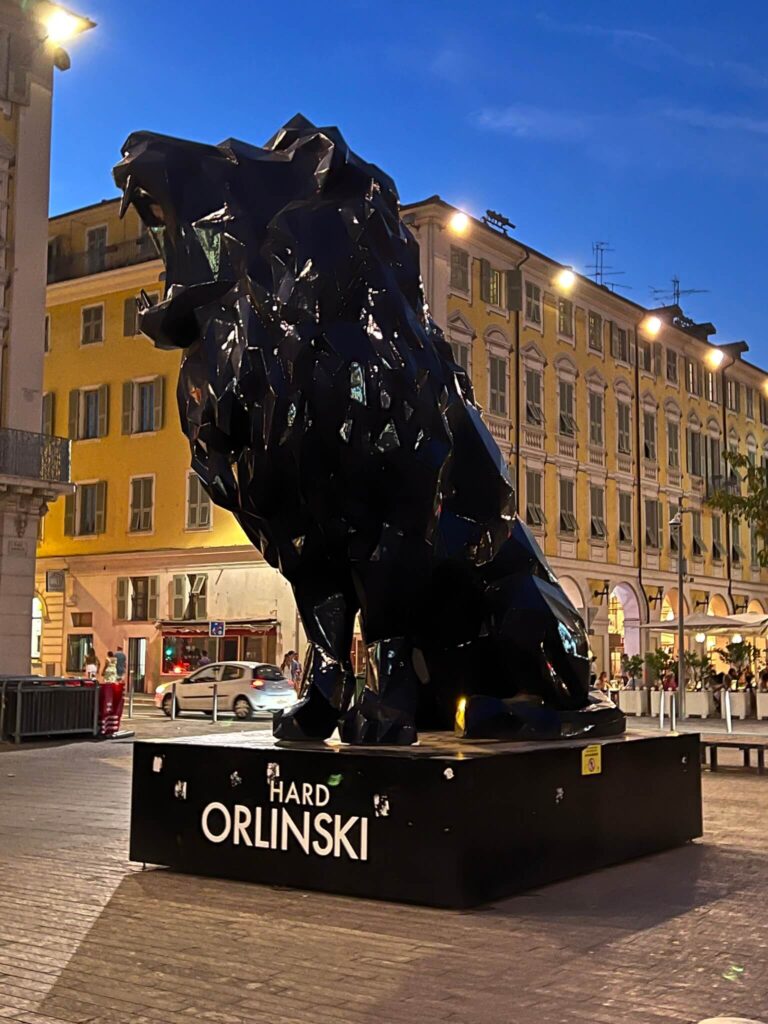
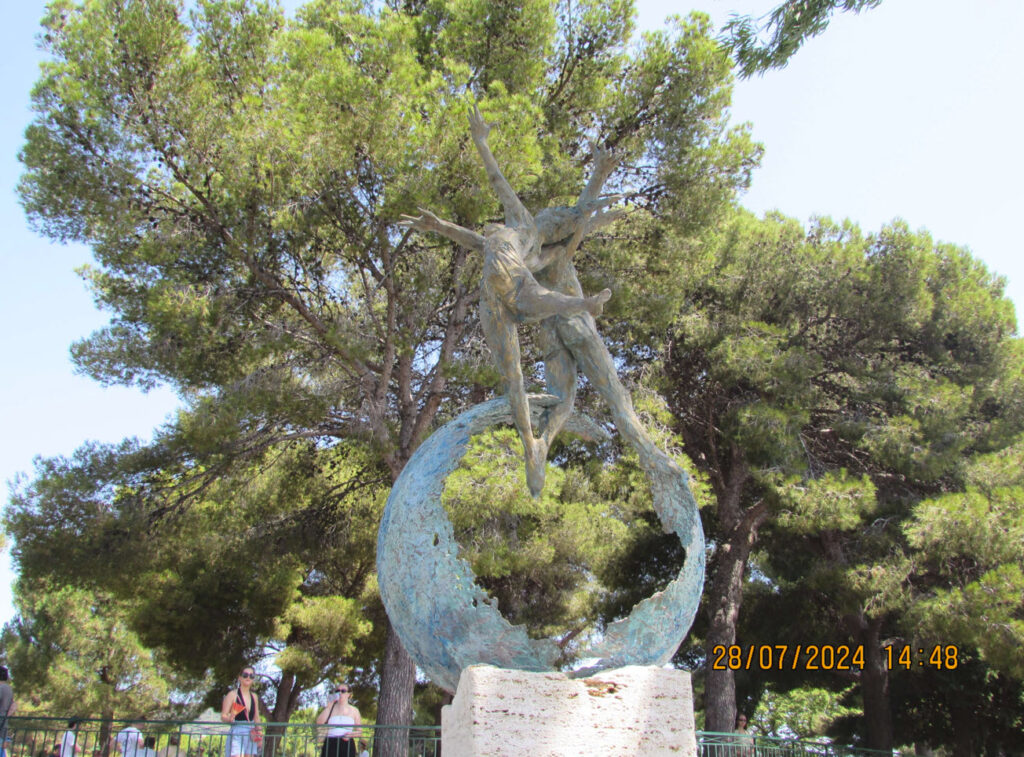
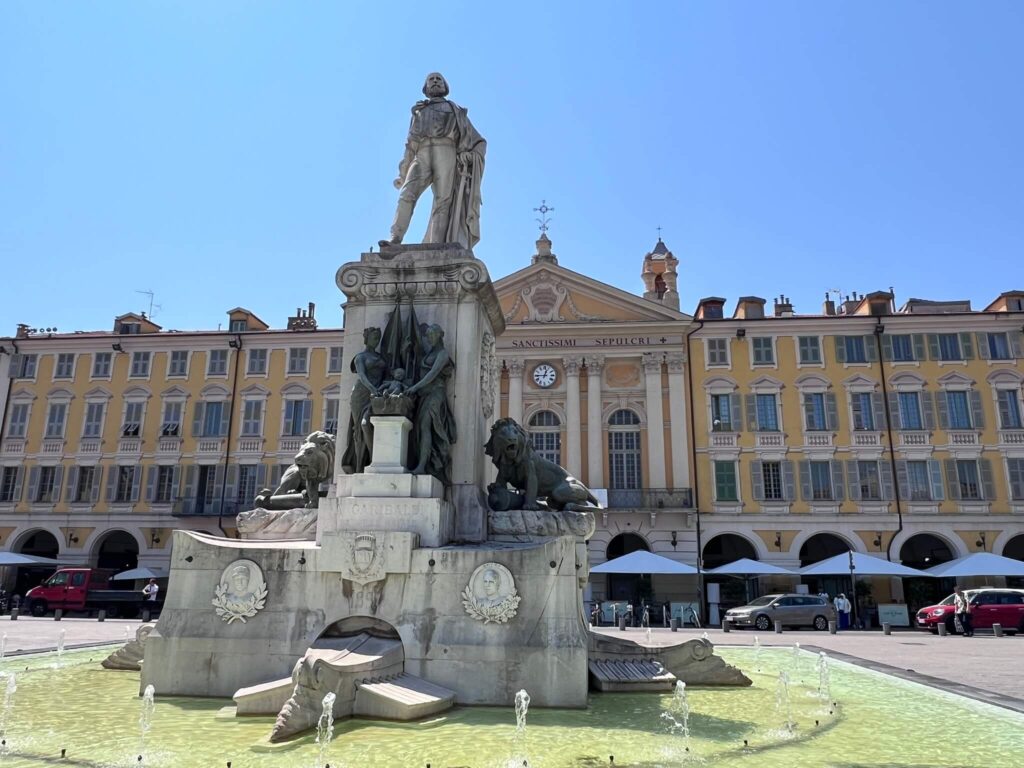
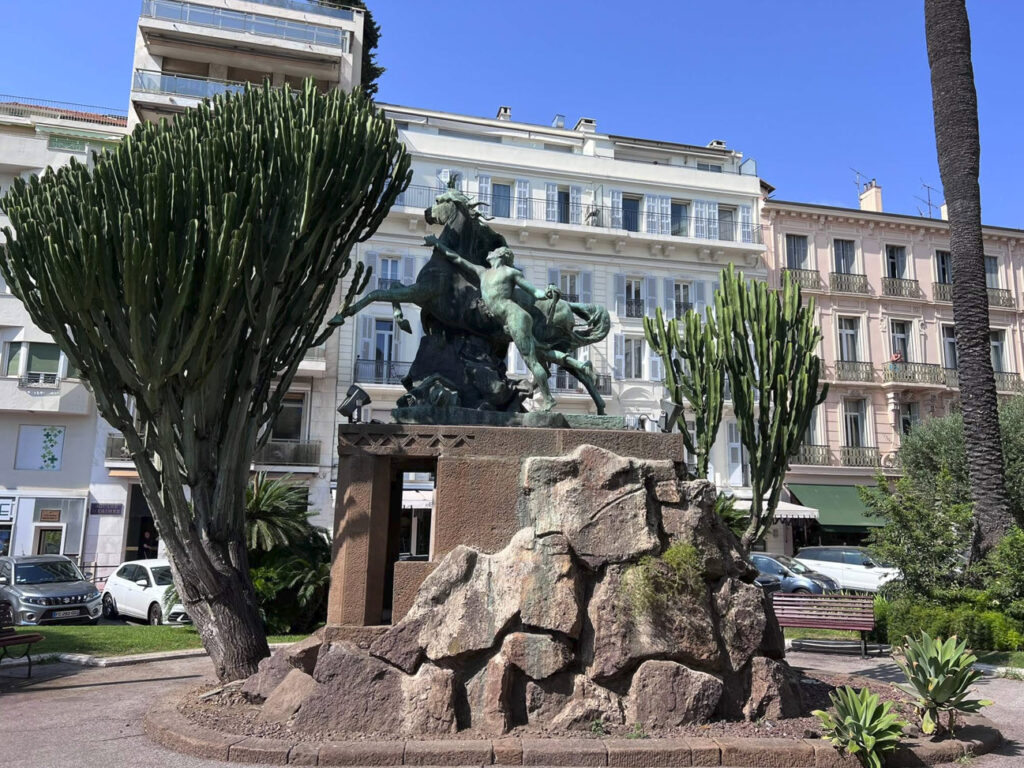
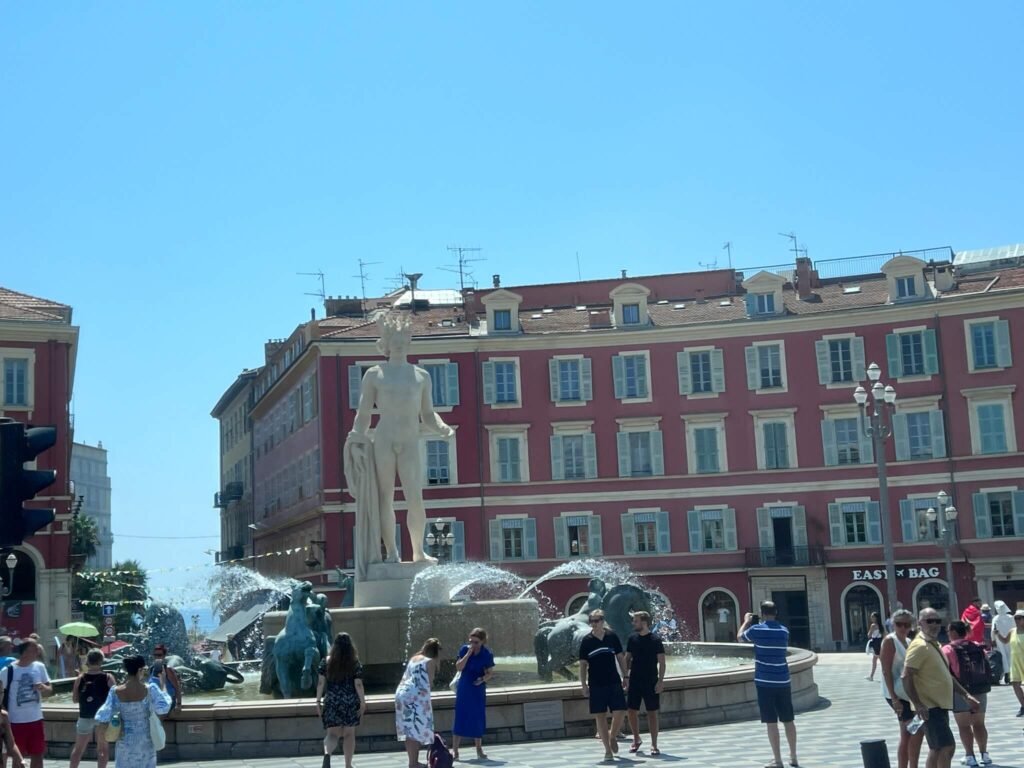
As you explore Nice, you’ll come across numerous historic squares and monuments that beautifully blend culture, history, and modern city life. Among them, Place Masséna stands out as one of the most famous and picturesque landmarks in the city. This grand square serves as a vibrant hub, connecting several of Nice’s main thoroughfares, including the bustling Avenue Jean Médecin. With its striking red façades, geometric paving, and lively atmosphere, Place Masséna perfectly embodies the elegance and energy of Nice.
Local Markets – The Beating Heart of Old Nice:
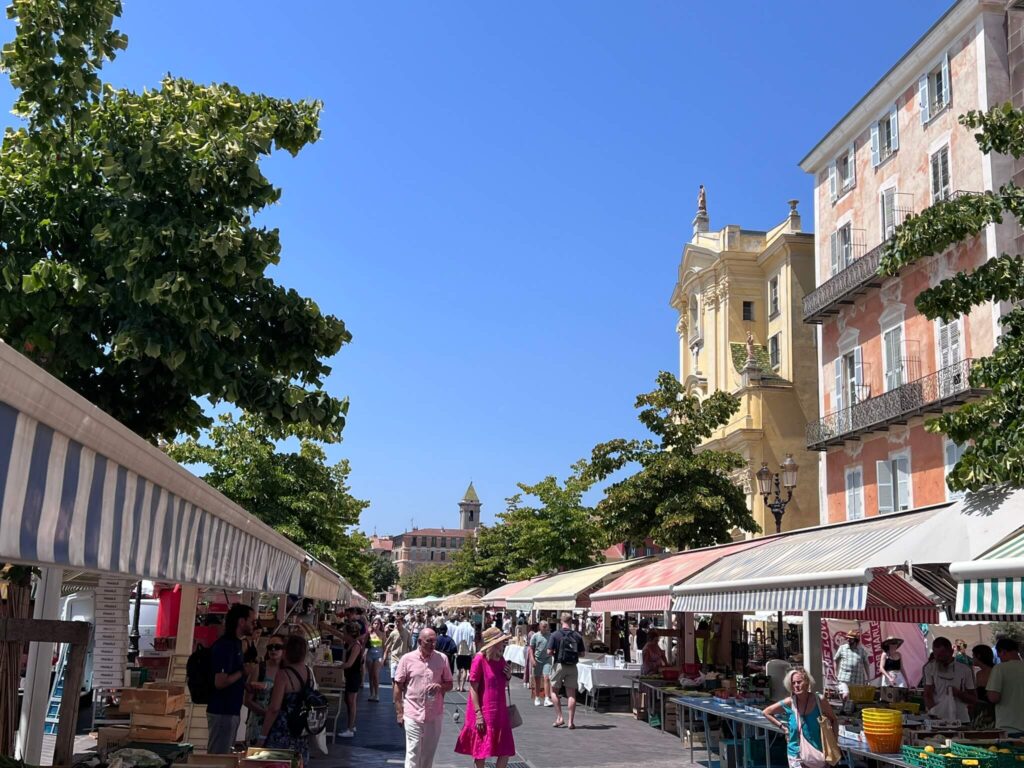
No trip to Nice is complete without experiencing its vibrant local markets, which perfectly capture the city’s Mediterranean charm. Among them, Cours Saleya stands out as the most famous and atmospheric. Located right in the heart of Old Town, this lively market buzzes with energy every morning, offering an irresistible mix of fresh produce, fragrant flowers, local spices, cheeses, and handmade spreads. The colors, scents, and sounds make it a feast for the senses—and a photographer’s delight.
If you happen to visit on a Monday, you’re in for a delightful surprise. The market transforms into a renowned antique bazaar, where dozens of vendors showcase everything from art and vintage jewelry to collectible dishware and designer finds. You might even spot luxury pieces like Chanel clothing or Louboutin heels among the treasures on display.
Even if you’re not in the mood to shop, strolling through Cours Saleya is an experience in itself. It’s a wonderful place to soak in the local atmosphere, chat with friendly vendors, and truly feel the pulse of Nice.
La Promenade des Anglais (The Iconic Seafront of Nice):
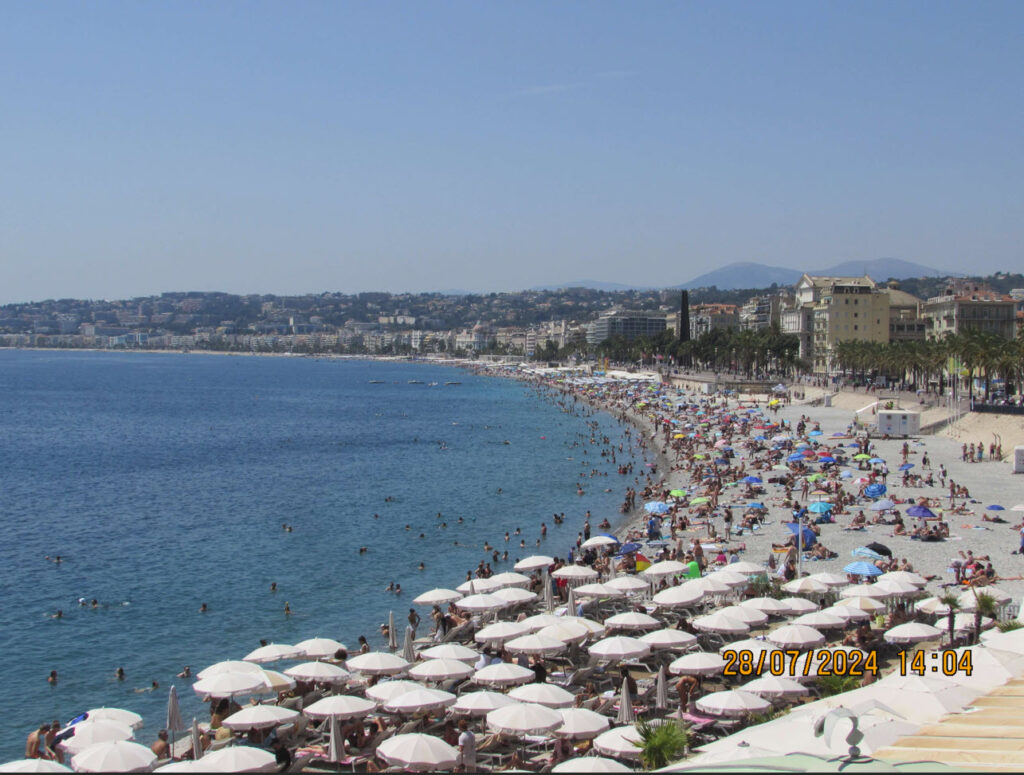
No visit to Nice is complete without a walk along the Promenade des Anglais, the city’s most famous seafront boulevard. Originally built in the 1820s, the promenade owes its name to the English aristocrats who spent their winters in Nice and contributed to its development. Today, it remains a timeless symbol of the city’s elegance and Mediterranean spirit.
Stretching for about 7 kilometers along the sparkling Bay of Angels, the Promenade offers breathtaking views of the deep blue Mediterranean Sea on one side and the graceful Belle Époque architecture of Nice on the other. It’s the perfect place for a leisurely stroll, cycling ride, or a moment of quiet by the sea. Lined with graceful palm trees and dotted with benches, it invites you to slow down and take in its relaxed coastal charm.
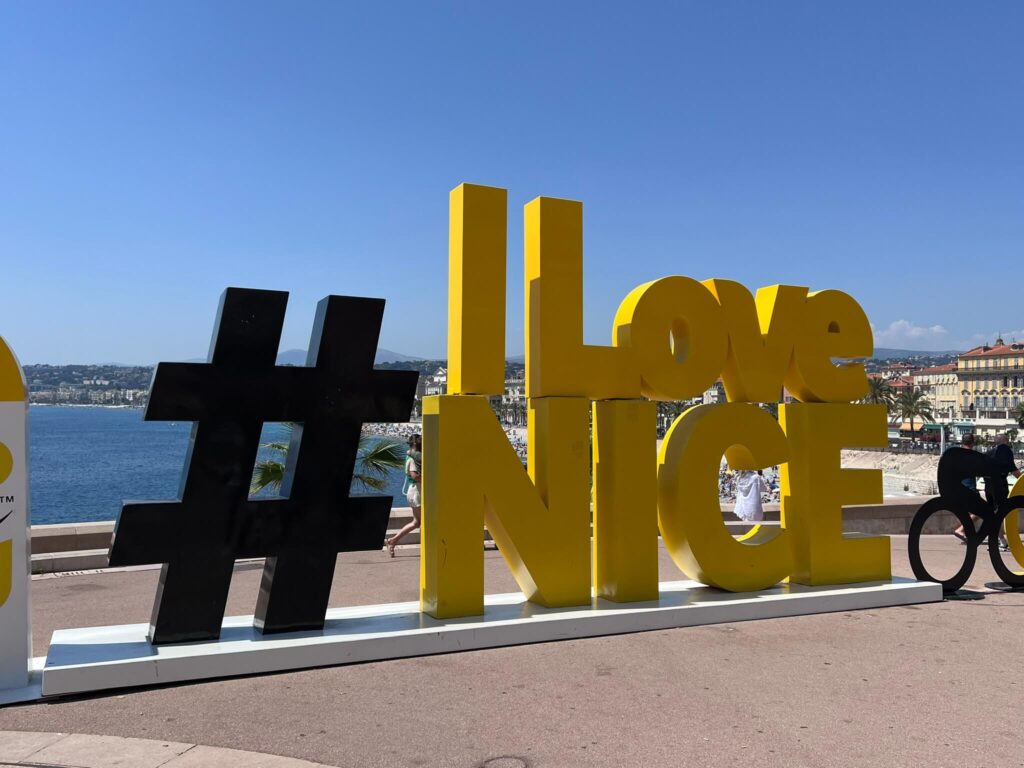
At the eastern end of the promenade, just before the road curves, don’t miss the vibrant **#ILoveNiceign—a must-stop for visitors and a perfect photo opportunity with the sea as your backdrop. You might have to wait your turn, but everyone’s quick, and it’s well worth the snapshot!
Colline du Château / Castle Hill (including Castle Hill Waterfall) – The Best Viewpoint in Nice:
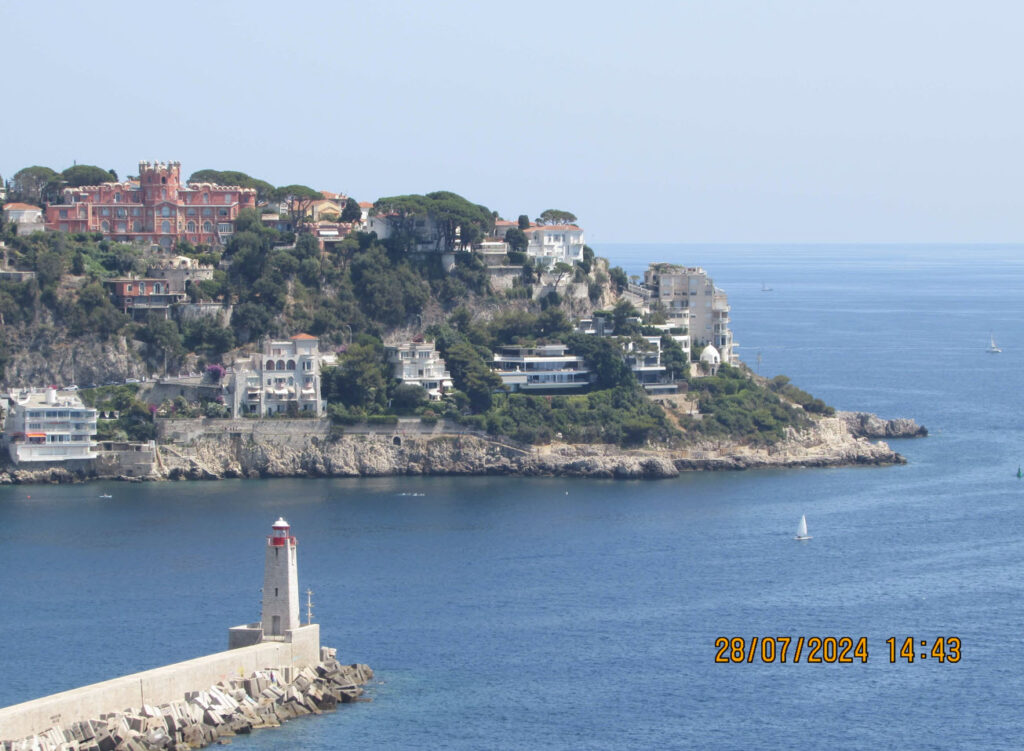
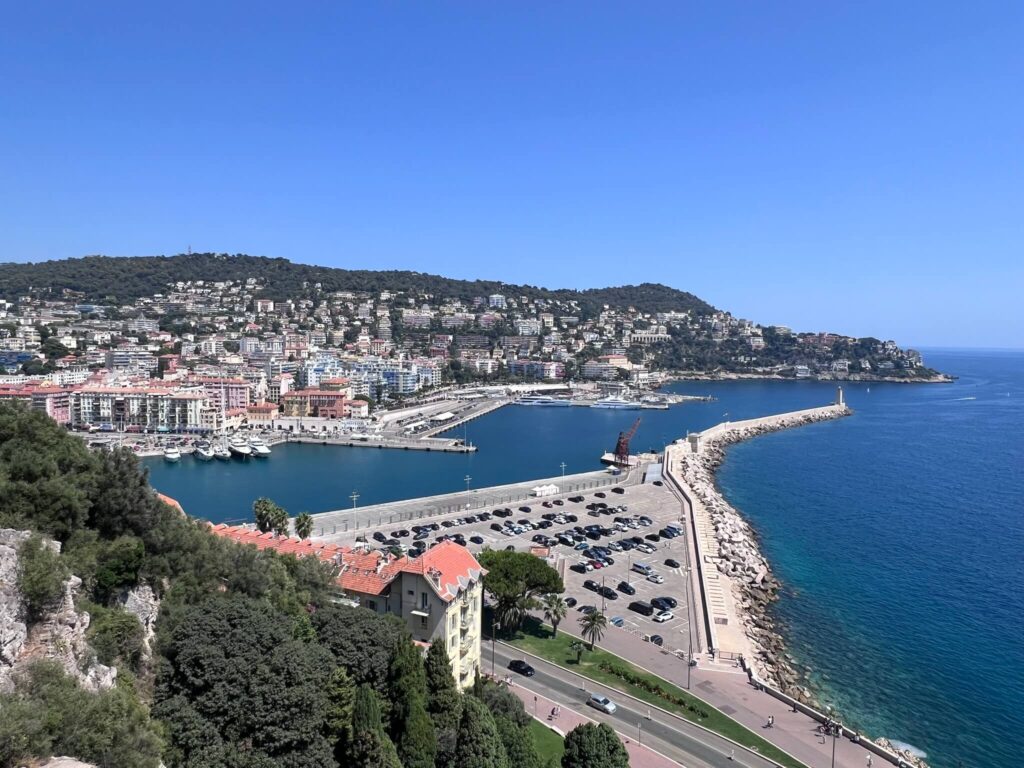
Towering above the city, Colline du Château, or Castle Hill, is one of Nice’s most iconic landmarks and one of the best places to visit for sweeping panoramic views of the city and the Bay of Angels. Rising about 92 meters above sea level, this lush hilltop park offers a tranquil escape from the city below, with green spaces, historic ruins, and stunning lookout points scattered throughout.
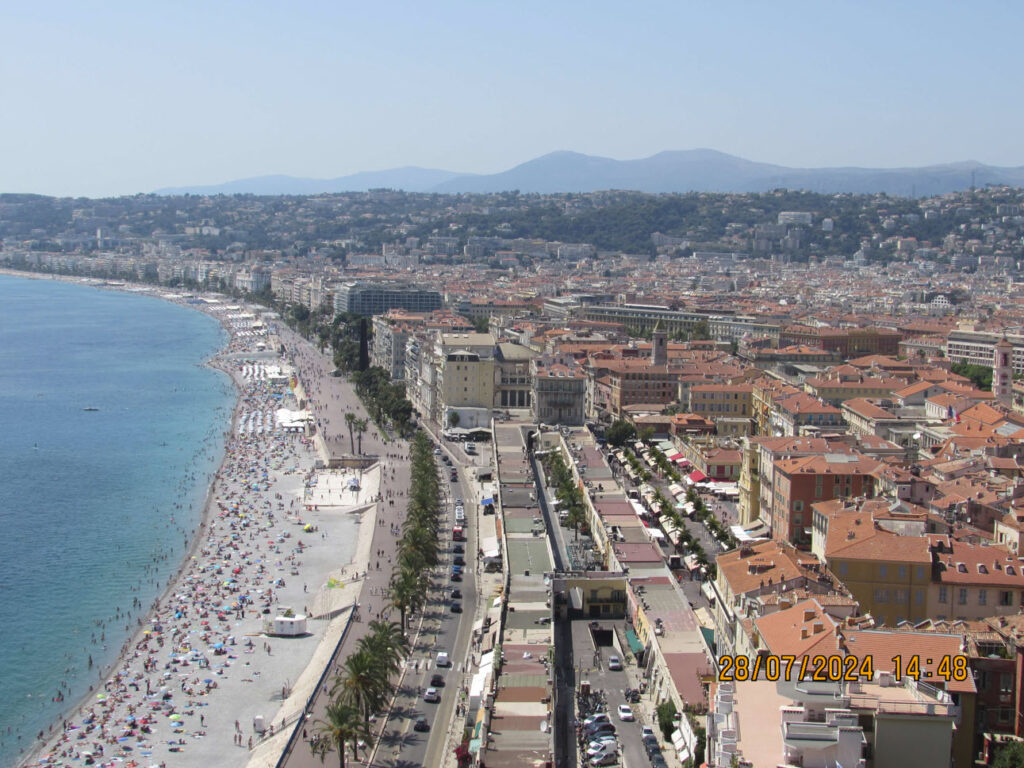
Although the original castle was demolished in 1706, the area remains steeped in history. You can still explore the ruins of an 11th-century cathedral, walk amidst ancient fortifications, and admire the 19th-century Cascade du Château, an artificial waterfall that’s become one of the most photographed spots in Nice. My favorite viewpoint here was the “Point de Vue Colline du Château”, which offers an unforgettable perspective of the coastline and terracotta-tiled rooftops below.
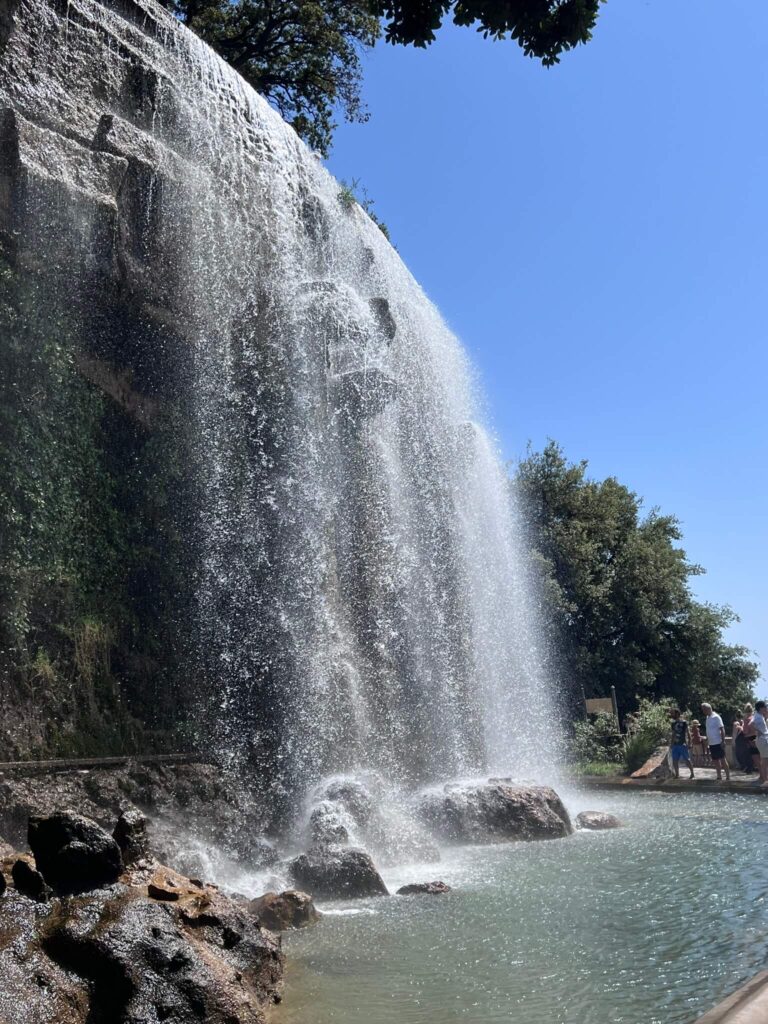
Castle Hill can be reached in several ways, depending on your energy level and time:
- On Foot: Staircases lead up from both the Old Town (Vieux Nice) and the Promenade des Anglais. The climb takes about 10–15 minutes and rewards you with scenic glimpses along the way.
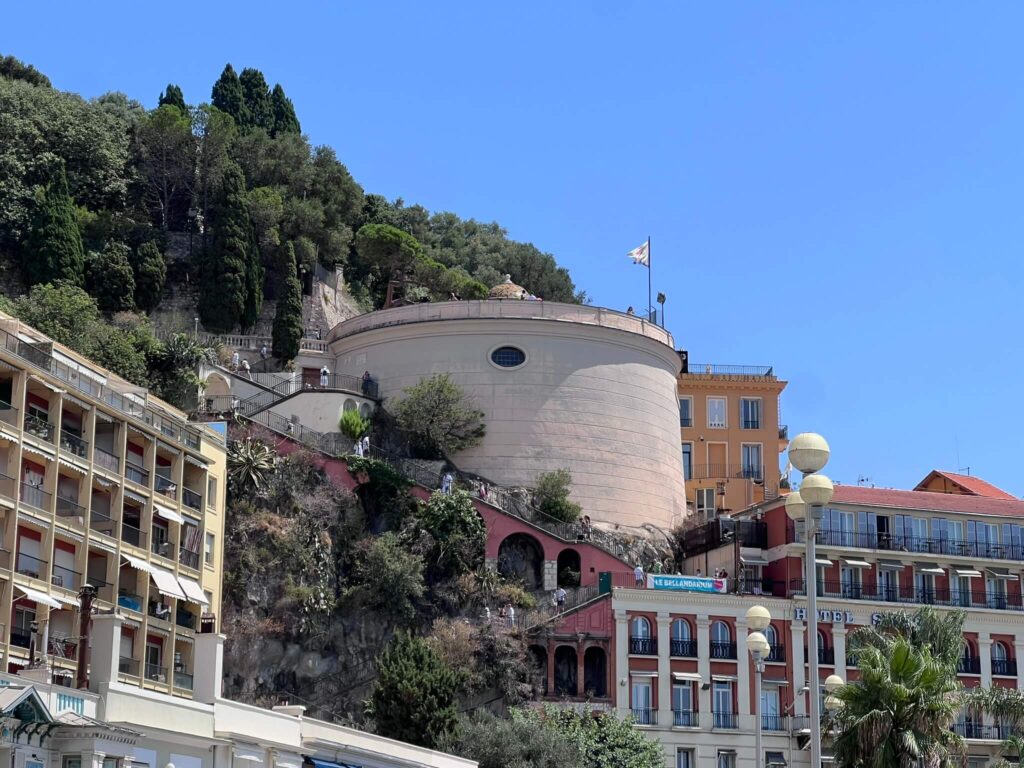
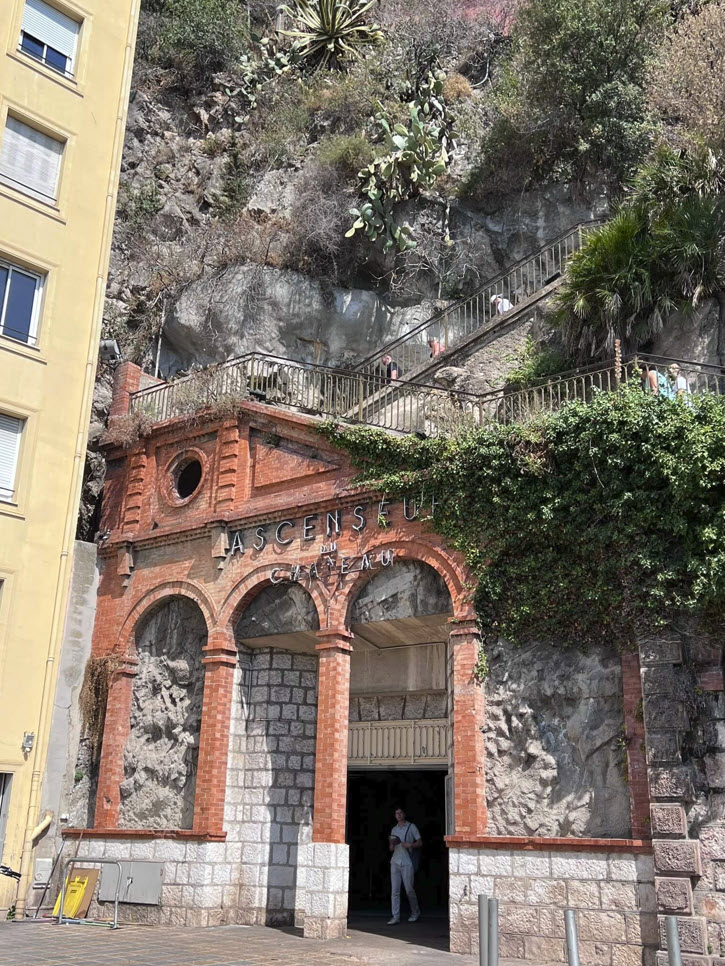
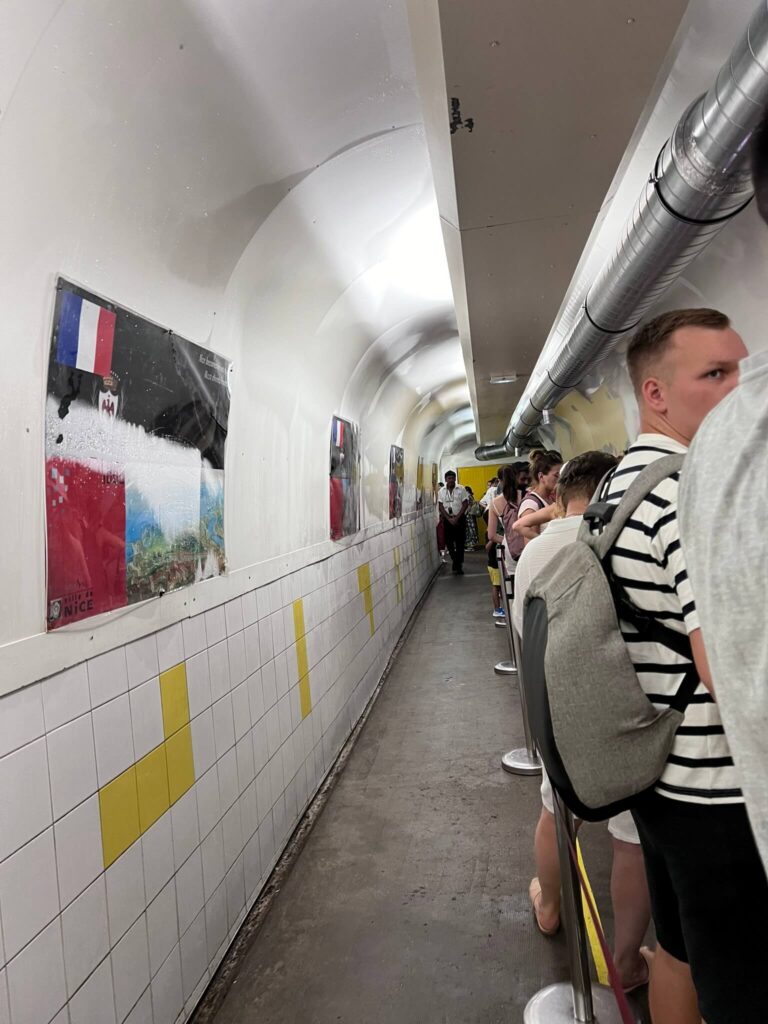
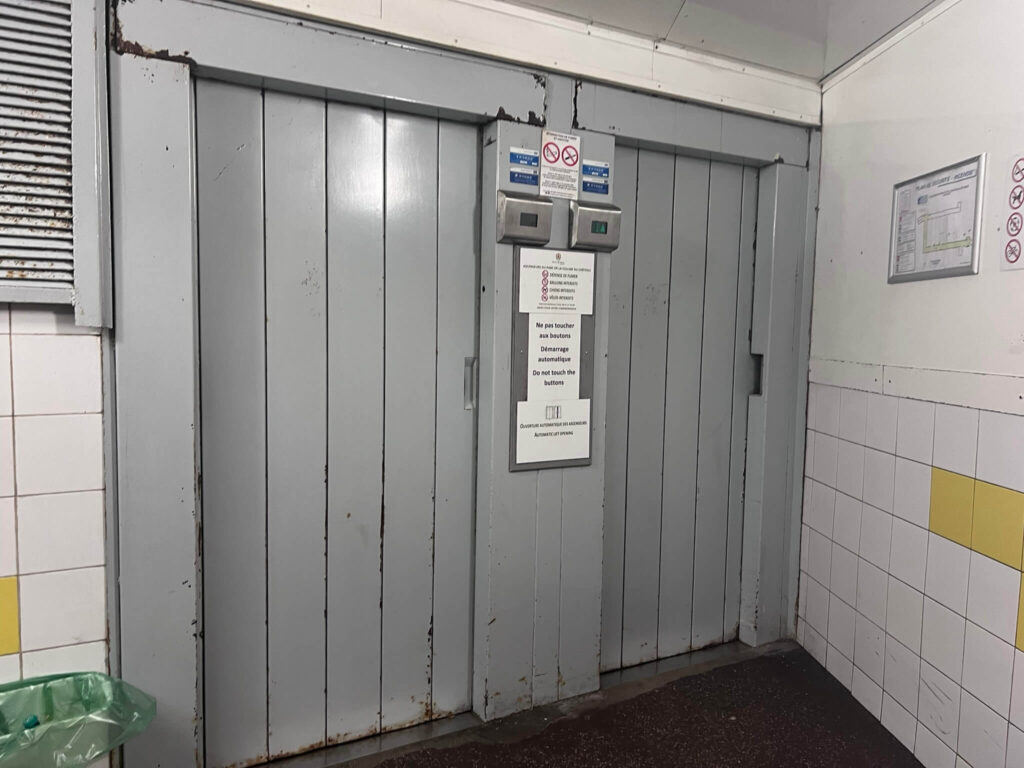
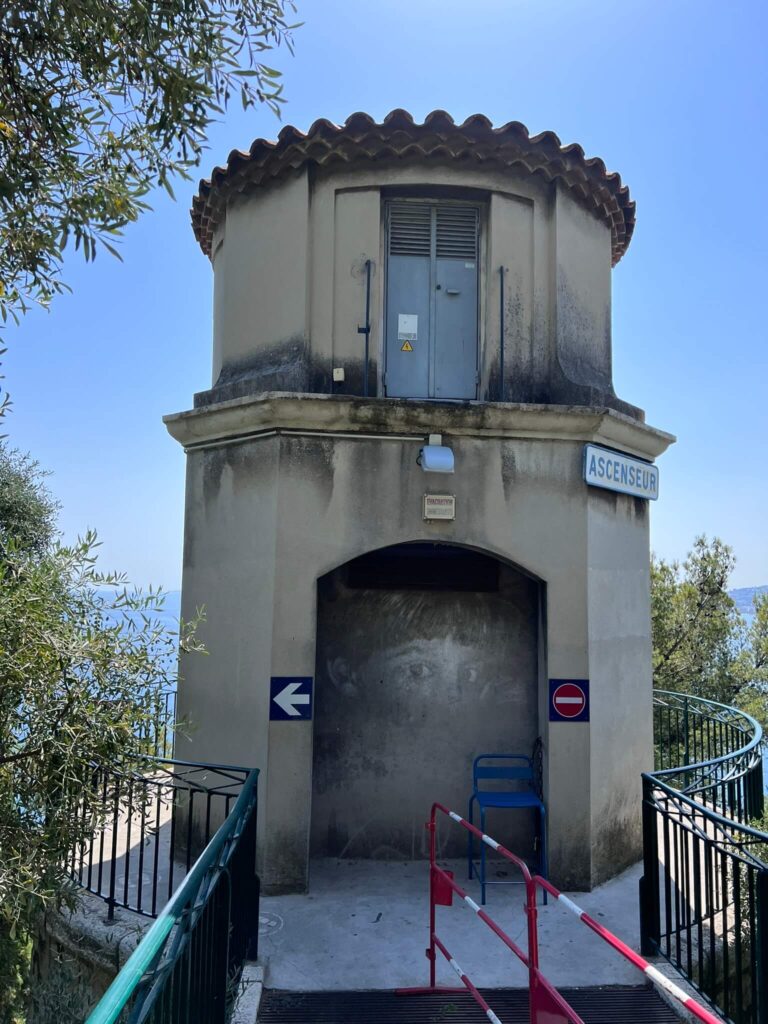
- By Elevator (Ascenseur du Château): We took this option—a free public lift near the Bellanda Tower on Quai des États-Unis. It’s convenient, though queues can form during the busy summer months. The elevator typically operates from mid-morning until early evening
- By Tourist Train (Petit Train de Nice): A fun and effortless option, the train departs from the Promenade des Anglais and makes a short stop at the top. It’s ideal if you want a quick overview of the area or prefer to avoid the climb, especially in hot weather.
- By Car: A small parking area is available at the summit, though spaces are limited.
Once at the top, you’ll find several viewpoints worth exploring, including Bellanda Tower, the Cascade du Château, and the main observation deck. There are also public toilets (paid ones) and refreshment stalls, making it easy to linger and enjoy the scenery.
Of all the spots in Nice, Castle Hill stands out for its breathtaking vistas and peaceful atmosphere. Whether you hike, ride, or glide up by elevator, the views from the top are truly unmissable—making this one of the most memorable experiences in the French Riviera.
Cathédrale Saint-Nicolas de Nice (A Touch of Russia on the Riviera):
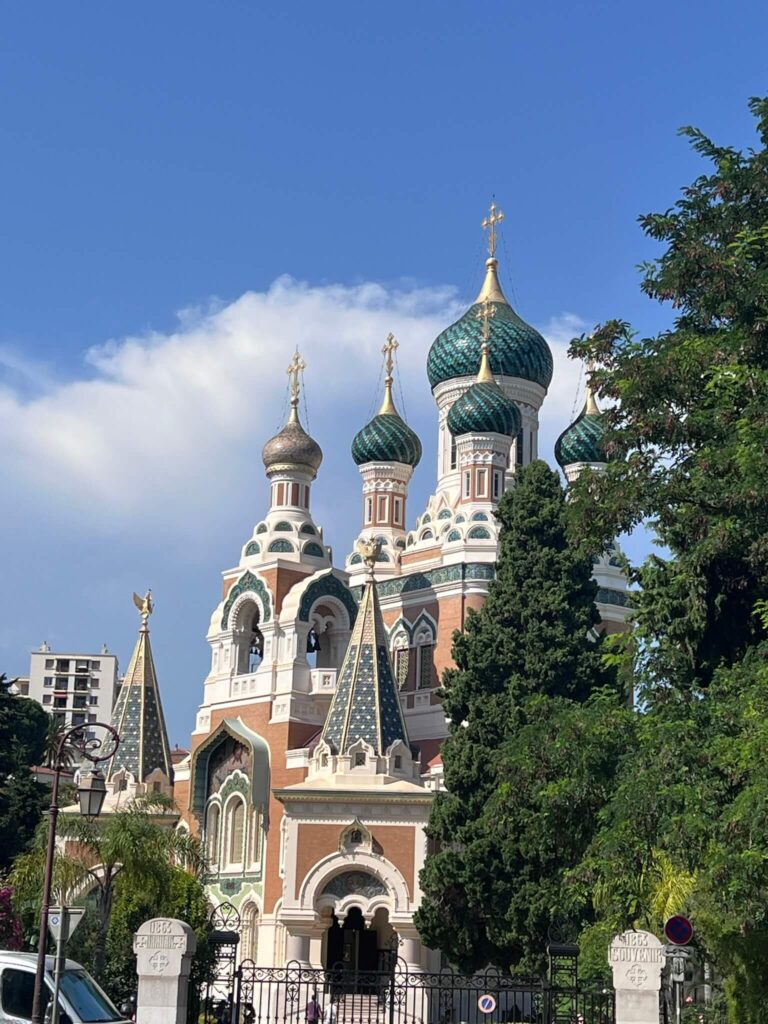
One of the most unexpected and fascinating landmarks in Nice is the Cathédrale Saint-Nicolas de Nice, a magnificent Russian Orthodox cathedral that feels worlds away from the typical Mediterranean aesthetic. Completed in 1912, the cathedral was commissioned by Tsar Nicholas II to serve the spiritual needs of Nice’s growing Russian community and to honor Tsarevich Nicholas Alexandrovich, who passed away in Nice in the mid-19th century.
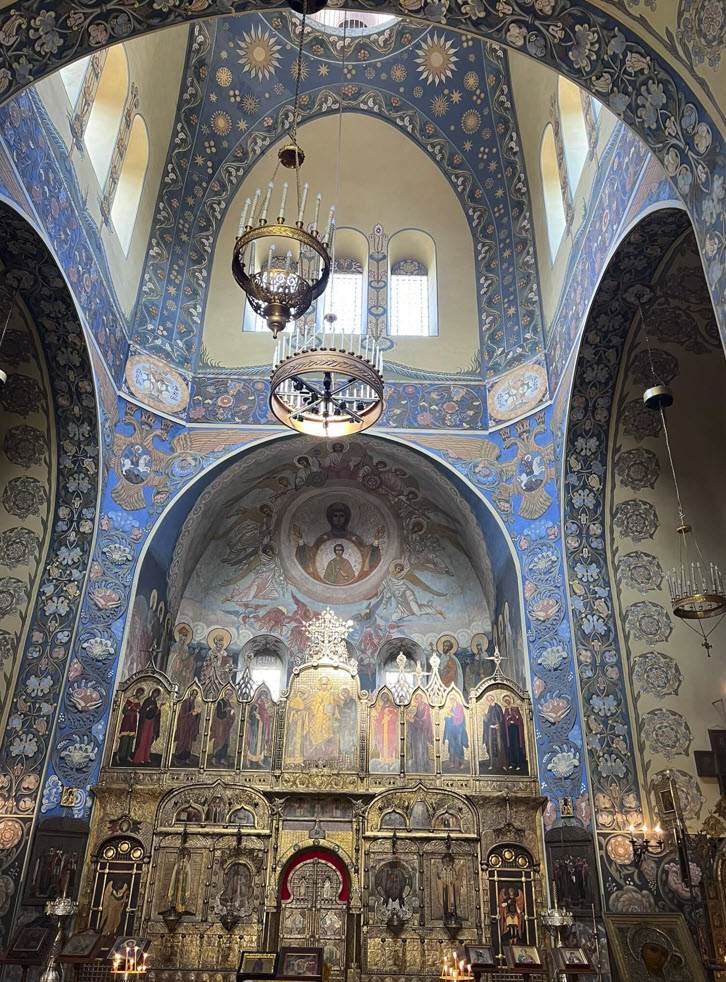
We reached the cathedral easily by bus, and as it came into view, its striking architecture stood in beautiful contrast to the surrounding French buildings. With its teal onion-shaped domes, intricate Byzantine-style detailing, and richly decorated interior filled with murals, icons, and wood carvings, the cathedral is a work of art inside and out.
This site holds the distinction of being the first Russian Orthodox church built in France, and even today, it remains one of the most significant outside Russia. It’s a reminder of the city’s cosmopolitan history and its enduring connection with Russian nobility who once flocked to the French Riviera for its pleasant winters.
When visiting, remember that it’s an active place of worship, so modest attire is expected—avoid sleeveless tops, short shorts, or beachwear. The serene atmosphere and ornate beauty inside make it a worthwhile stop, even if you’re not particularly religious.
Nice Harbor (Port Lympia) The Charming Harbor of Nice:
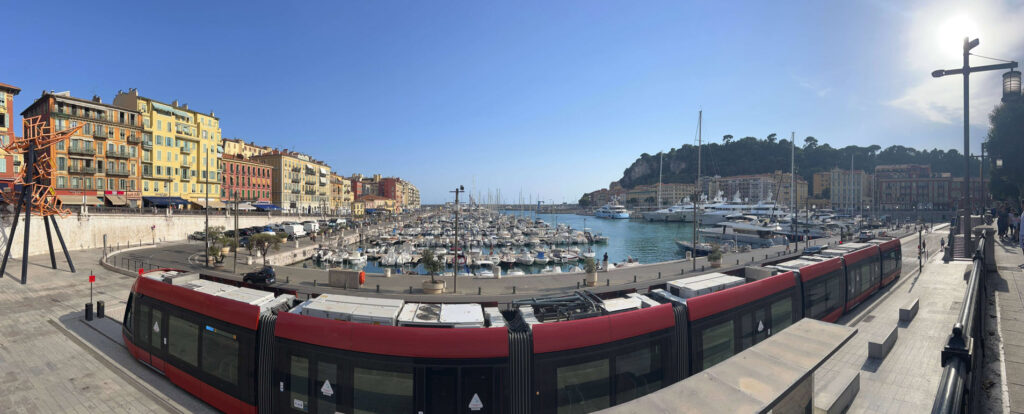
To end the day, we headed to Port Lympia, the beautiful harbor area of Nice, easily reachable by tram. This bustling marina offers a completely different atmosphere from the Old Town—more relaxed, nautical, and effortlessly elegant. It’s where sleek yachts and colorful fishing boats share the same waters, creating a captivating blend of luxury and local charm.
Take some time to wander along the quays, especially the Quai des Deux Emmanuels, where you’ll spot rows of picturesque wooden boats set against the turquoise water and pastel-colored buildings. The harbor is also lined with lively cafés and seafood restaurants, perfect for soaking up the Riviera vibe.
If you have the time, consider joining a one-hour harbor sightseeing cruise for a different perspective of Nice and its coastline. Although we didn’t manage to fit it into our schedule, it’s highly recommended for those wanting to see the city from the sea.
Below are some of the places / activities that we did not try but worth checking if you have more time:
- Matisse Museum (closed on Tuesday, I think)
- Musée des Beaux-Arts de Nice
- Museum of Asian arts
- Marc Chagall National Museum (closed on Tuesday, I think)
- Renoir museum
- Musée d’Art Moderne et d’Art Contemporain (MAMAC – The Museum of Modern and Contemporary Art)
- Museum of Photography Charles Nègre
- Private Beaches along the Promenade
- Ferry Ride
- Walking tours with local experts
- Various different beaches (Plage des Marinières, Paloma)
- The Gorges Du Verdon (2 hours from Nice)
- Rothschild Villa
- Dining at Le Plongeoir
- Gardens of the Promenade du Paillon
- Opéra de Nice
- Perfume Making Classes
- Basilique Notre-Dame de I’Assomption
- Av. Jean Médecin (shopping street)
- Mont Boron
- Nice carnival (in February for 2 weeks)
- Food Tour (tonnes of options)
- Allianz Stadium
- Cimiez Hill and Villefranche-sur-Mer
- Pub crawl (night life)
Day 3 – Day trip to Monaco
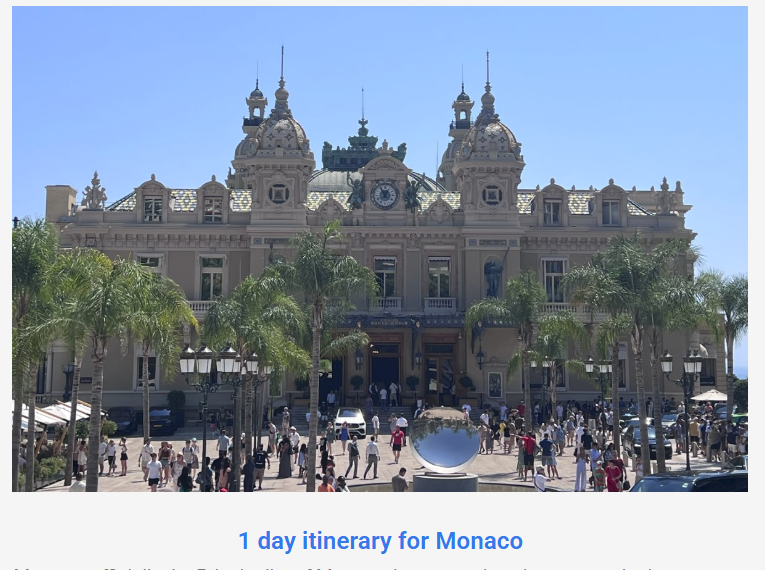
On Day 3, we set out on an exciting day trip to Monaco, the glamorous principality just a short ride from Nice. The full details of our Monaco adventure are available in a separate post, where I’ve shared highlights, travel tips, and must-see spots from this memorable excursion.
The details of that trip is available in :
https://www.mypassiontotravel.com/destinations/1-day-itinerary-for-monaco/
Day 4 – Day trip to Cannes
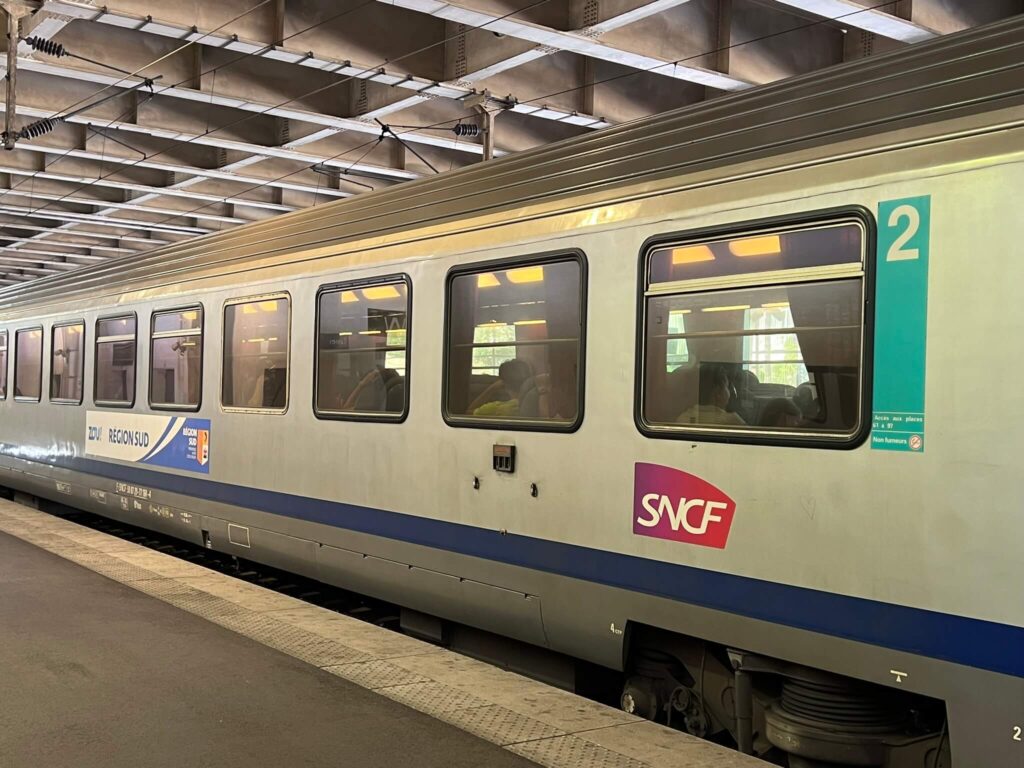
On Day 4, we took a delightful day trip to Cannes, another gem along the French Riviera. We travelled by train from Nice-Ville Station, though trains also depart from Nice-Riquier, with the journey taking no more than 35 minutes. The ride itself offers lovely coastal views, making it a pleasant and easy excursion.
Cannes is absolutely worth visiting, though it’s smaller than many travellers expect, so it helps to set realistic expectations before you go. Today, the city is world-renowned for its glamour, film festival, and luxurious charm, but its origins are far humbler—it began as a simple fishing village hundreds of years before the first Cannes Film Festival put it on the global map.
Located in the southeastern corner of France, Cannes has a population of around 75,000 and is one of the most popular destinations on the French Riviera. We explored as much as we could within five hours, though we’re sure there are still hidden corners we didn’t manage to see this time.
We explored Cannes over the course of about five hours, which meant we may have missed a few hidden gems—but it still gave us a wonderful glimpse into the city’s charm and coastal elegance.
Le Suquet & The Church of Notre-Dame-d’Espérance – Old Town Charm with a View:
For a different perspective on Cannes, make your way uphill to Le Suquet, the city’s atmospheric Old Town. This historic quarter is a picturesque maze of cobblestone lanes, pastel-colored houses, and flowering balconies, offering a glimpse into Cannes’ humble beginnings long before its glitzy film festival fame.
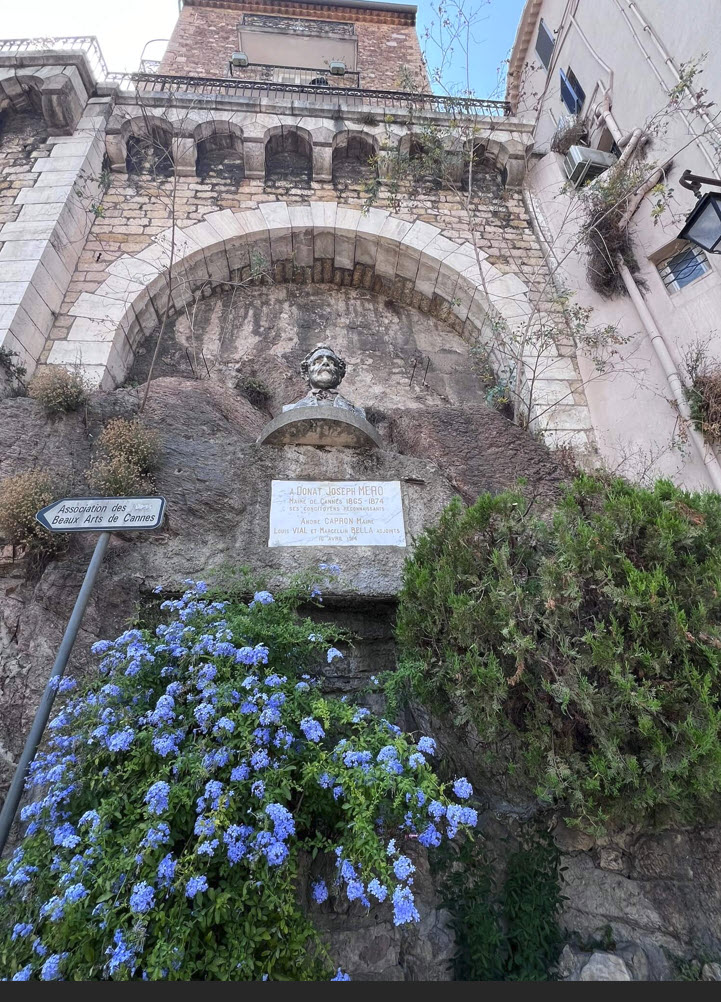
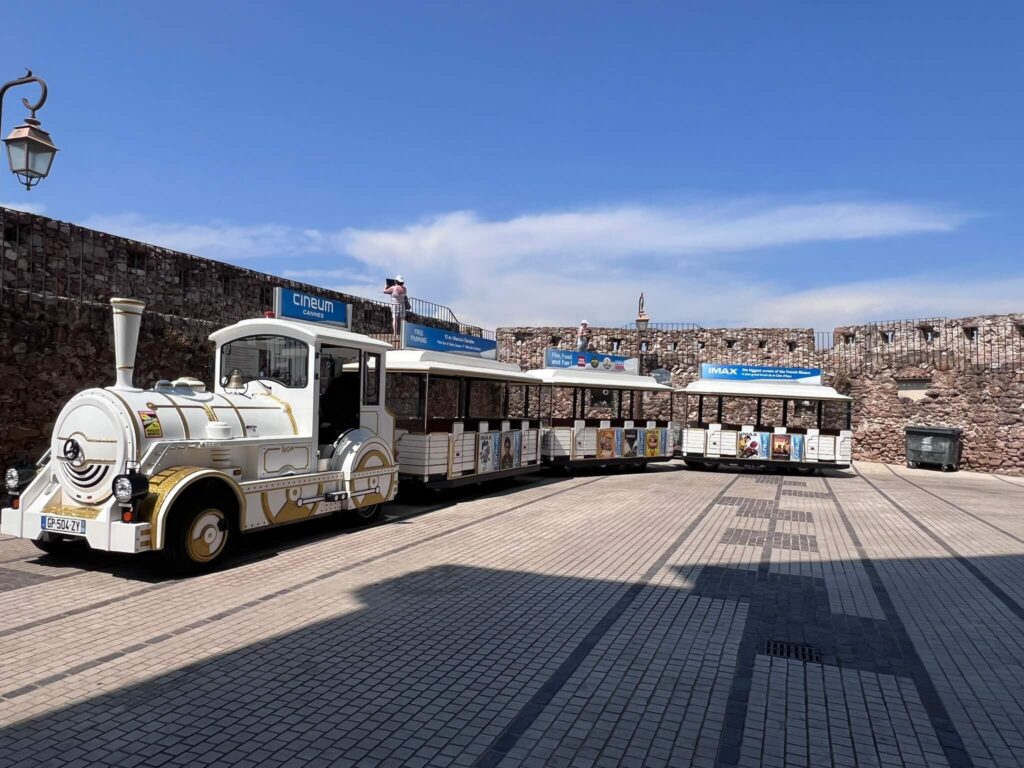
The climb to the top rewards you with breathtaking panoramic views over the harbor, the sea, and the city’s red-tiled rooftops. Whether you choose to walk up the staircases or take the gentler ramps, the journey itself is part of the experience. For those who prefer an easier ascent, there’s even a toy train-style shuttle from the Promenade area, as well as small white and pink transport cars that take visitors to the top.

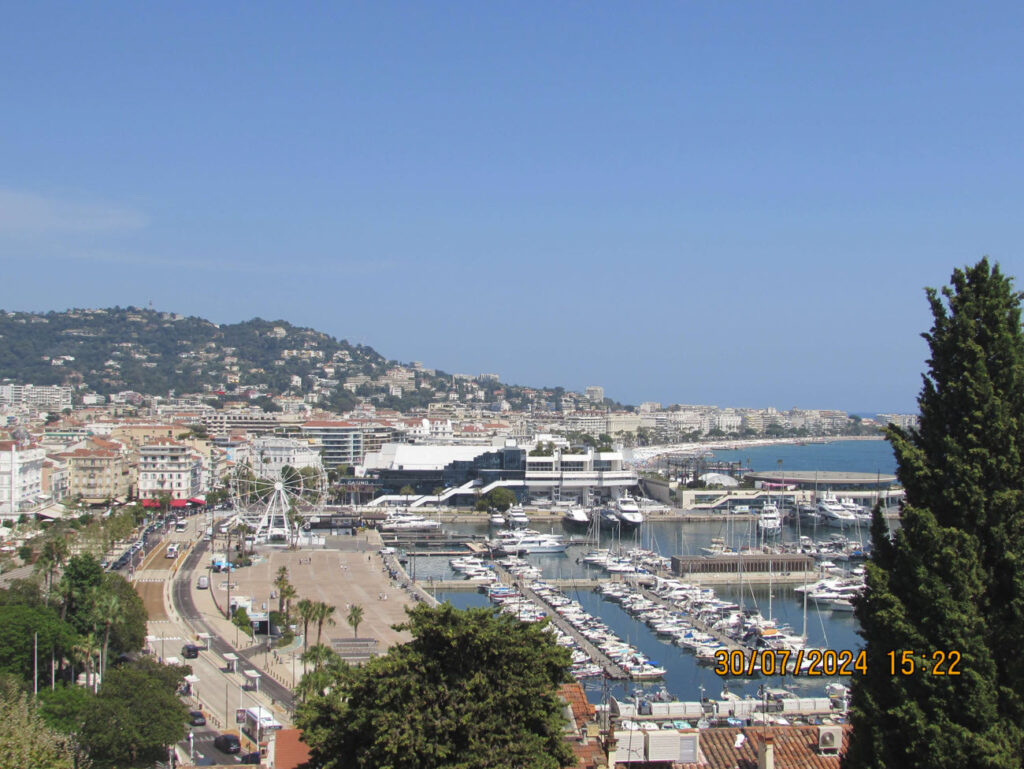
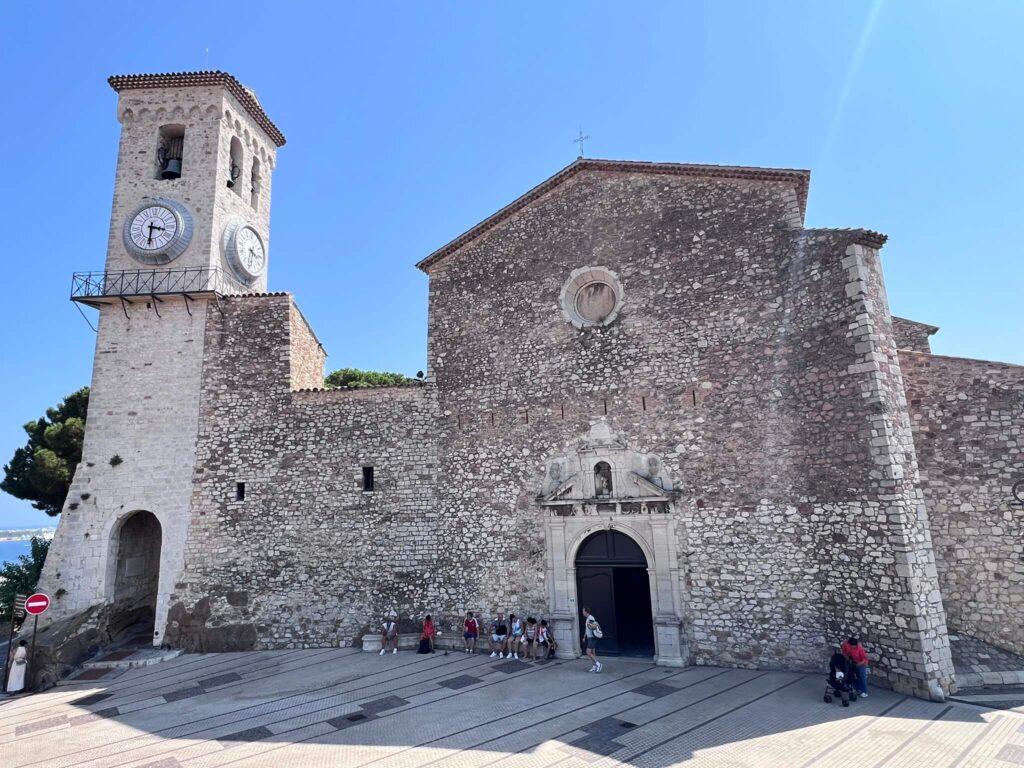
At the summit stands the beautiful Church of Notre-Dame-d’Espérance, a 16th-century landmark that adds a touch of serenity to the hilltop. The peaceful surroundings and sweeping views make it one of the most memorable spots in Cannes.
And if you’re searching for a few souvenirs, Le Suquet’s quaint shops are the perfect place to pick up fridge magnets or small mementos to remember your visit.
Palais des Festivals et des Congrès – The Icon of the Cannes Film Festival:
For film enthusiasts, a visit to the Palais des Festivals et des Congrès is an absolute must. This iconic venue is the epicenter of the world-famous Cannes Film Festival, a glamorous 12-day celebration of cinema held every May. It’s where movie stars, directors, and film industry professionals from across the globe gather to premiere their latest works, walk the legendary red carpet, and compete for the coveted Palme d’Or. The entire city comes alive during festival season, buzzing with elegance, energy, and star power.
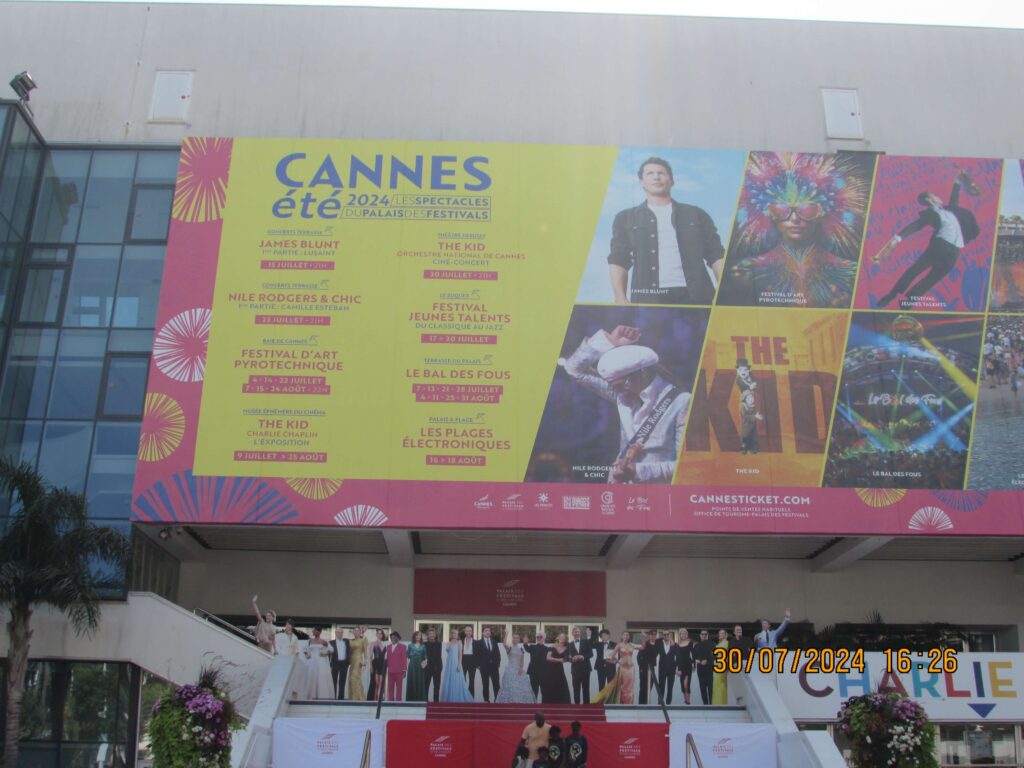
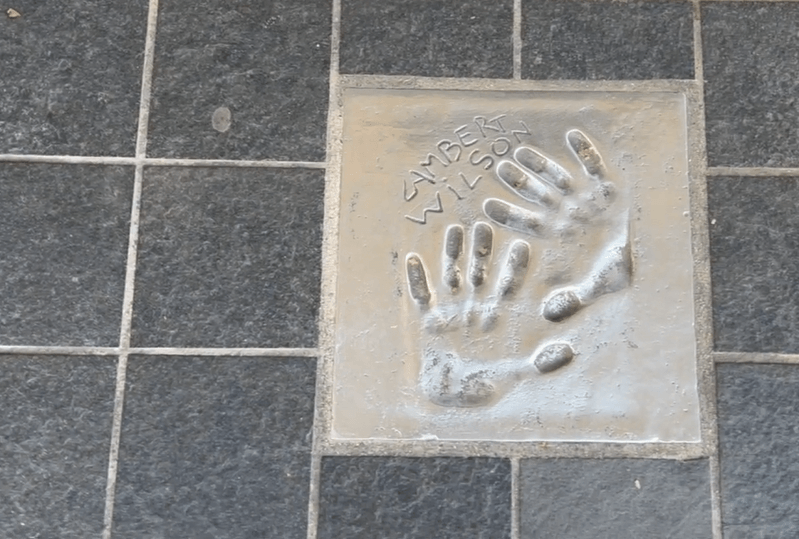
Even if you visit outside the festival period, the Palais remains one of Cannes’ most recognizable landmarks. You can walk up the famous red-carpeted steps—a must-do photo opportunity for every visitor—and explore the surrounding esplanade, which showcases handprints of numerous international film stars embedded into the pavement, much like Hollywood’s Walk of Fame.
Access to the interior of the Palais depends on ongoing events, so it may not always be open to the public. Still, standing on those stairs where countless celebrities have posed for decades offers a small but thrilling taste of Cannes’ cinematic magic.
La Croisette Promenade & Port de Cannes – Where Glamour Meets the Sea:
No visit to Cannes is complete without a walk along the Boulevard de la Croisette, the city’s iconic seafront promenade and the very heart of its Riviera glamour. Lined with towering palm trees, designer boutiques, and legendary hotels like the InterContinental Carlton, La Croisette perfectly captures the elegance and leisure that Cannes is known for. It’s the ideal place to enjoy a leisurely stroll, pause for a coffee at a seaside café, or simply take in the sparkling views of the Mediterranean.
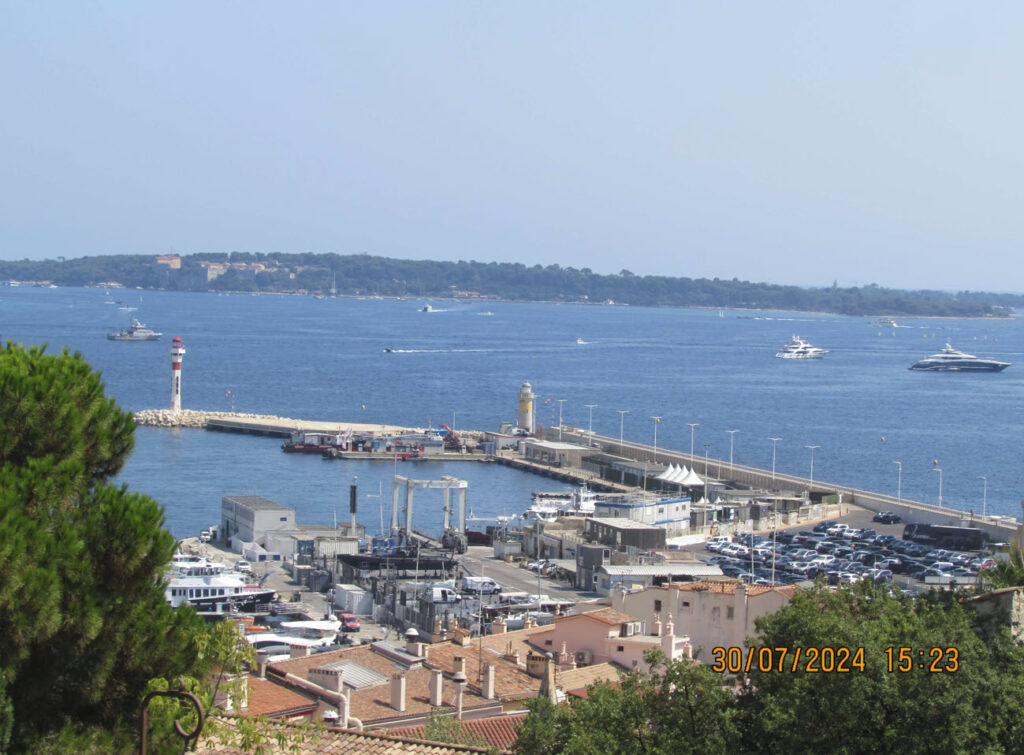
A short walk away lies the Port de Cannes (Vieux-Port), one of the most atmospheric spots in the city. Here, rows of luxury yachts and colorful fishing boats rest side by side, creating a postcard-perfect scene that embodies the allure of the French Riviera. The harbor area is especially beautiful in the late afternoon, when the golden sunlight reflects off the water and the city’s elegance shines at its brightest.
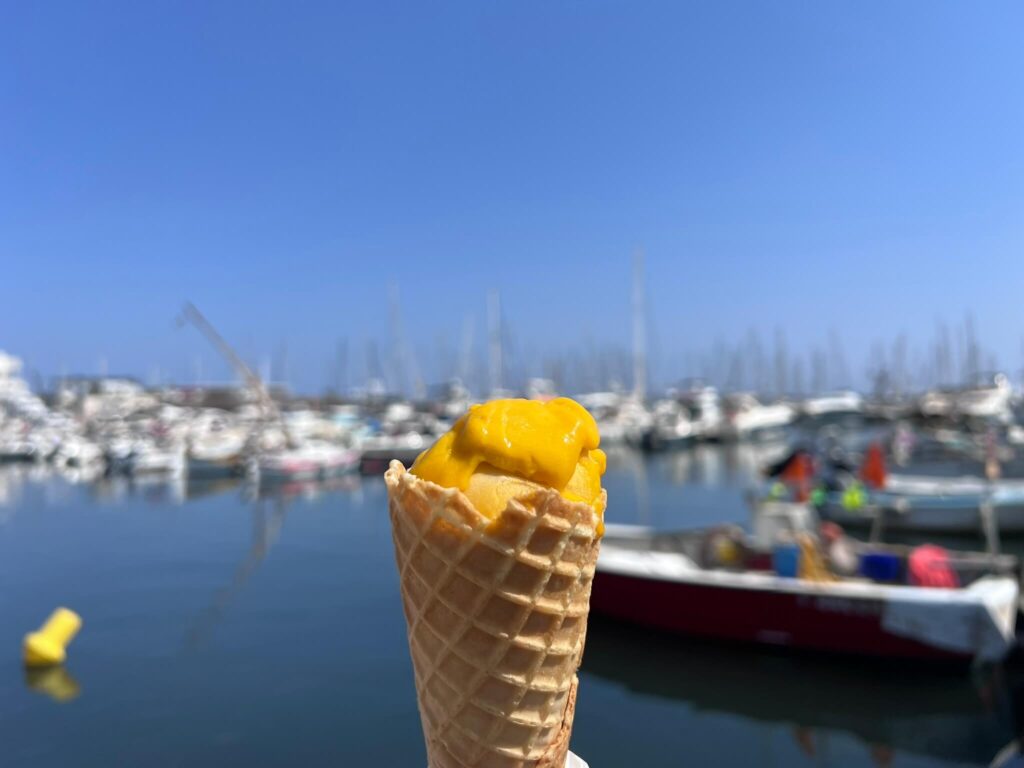
And of course, no promenade walk would be complete without indulging in some delicious gelato—a sweet treat that pairs perfectly with the sea breeze and Riviera views.
Beautiful Beaches – Sun, Sea, and Serenity:
Situated right along the Mediterranean coast, Cannes is blessed with some of the most beautiful beaches on the French Riviera. The deep blue water and pristine coastline make it a paradise for sunseekers. The city offers a mix of public and private beaches, each with its own character and charm.
For a more relaxed, local atmosphere, head to Plage du Midi or Plage de la Bocca, both known for their laid-back vibe and scenic views. If you prefer a livelier setting closer to the city’s energy, Croisette Beach and Palais des Festivals Beach are perfect, offering soft sands, lively cafés, and stunning seaside views just steps away from the glamour of La Croisette.
Designer Boutiques & Shopping in Cannes:
Cannes is also a haven for fashion lovers and shoppers, offering everything from high-end designer stores to charming local boutiques. The best shopping can be found along Boulevard de la Croisette, where luxury labels line the streets amid chic window displays. From world-famous brands to smaller designers, there’s plenty to browse—though the price tags often match the city’s glamorous reputation.
While we didn’t do any shopping during our visit, the variety of stores and stylish ambiance made strolling through the shopping district an experience in itself.
Check out the website for more details about Cannes : https://www.cannes.com/en/index.html
NOTE: There are some museums like Musée de la Castre and Centre d’art La Malmaison. We did not visit any museums.
From Cannes we took a train back to Nice.

Day 5 – Return to Dublin
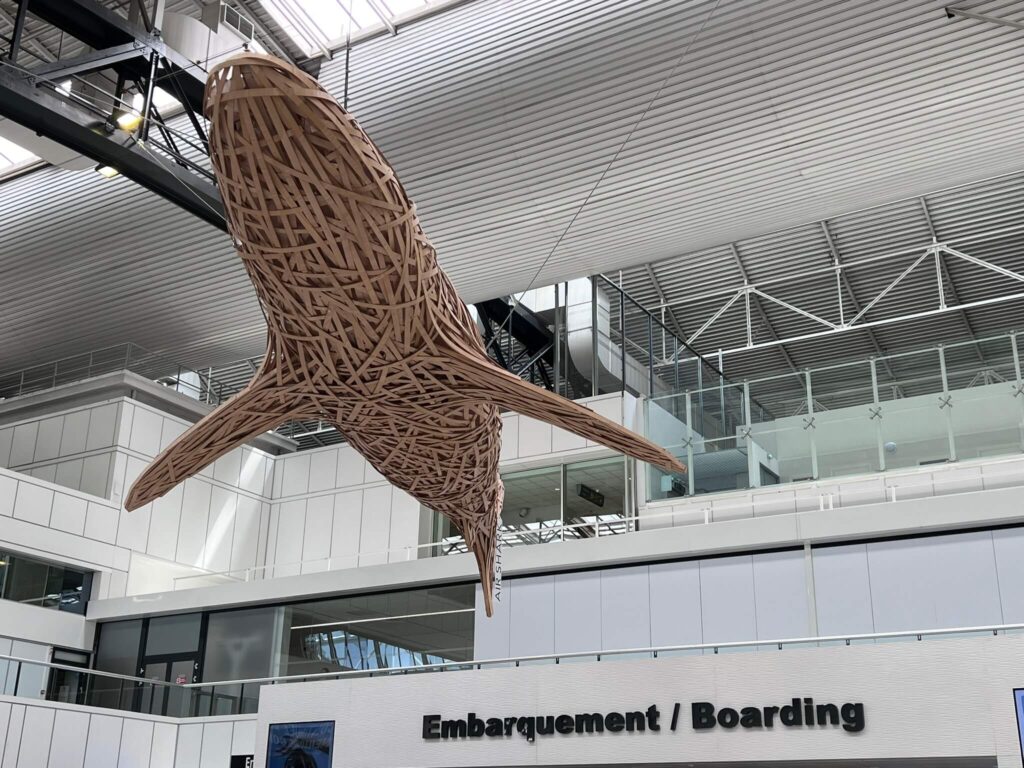
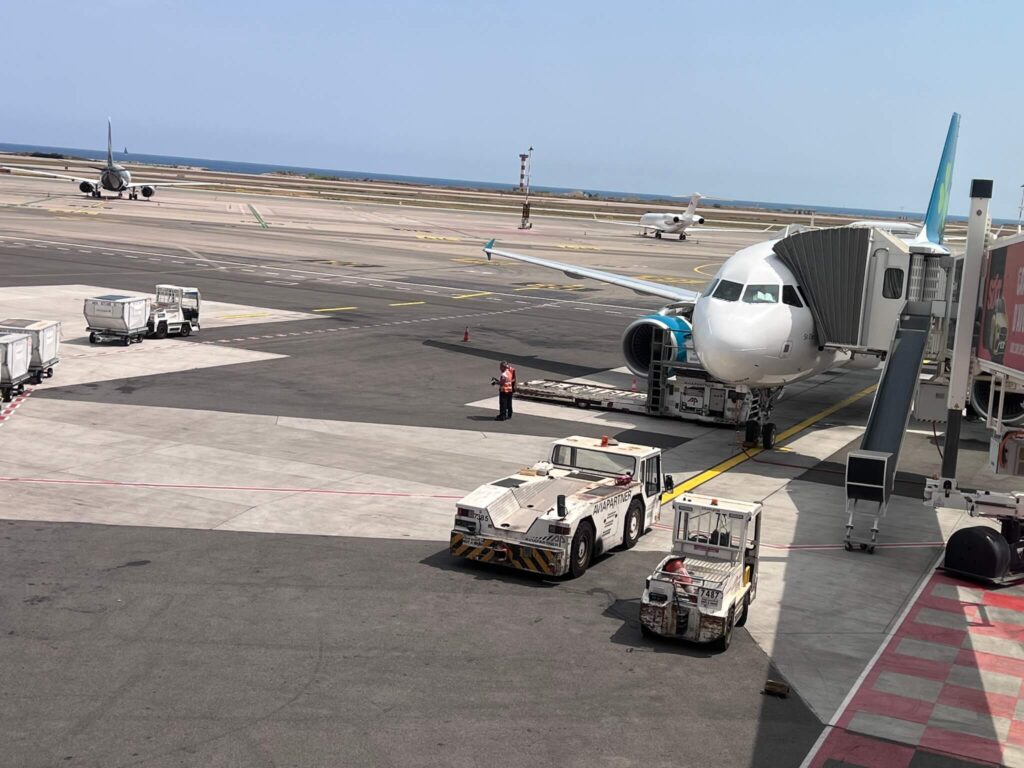
On Day 5, it was time to say goodbye to the French Riviera and head back to Dublin. Nice Côte d’Azur Airport is one of the best-connected airports along the Mediterranean, making departures and onward travel incredibly convenient. Located just a short distance from the city center, the airport is easily accessible by tram, making the journey both quick and hassle-free.
While the airport offers direct flights to many major international destinations, travelers may often find better deals on connecting flights through Paris. Either way, the seamless connection and scenic takeoff views over the coastline make it a fitting end to any trip to Nice.
Our Stay in Nice – Airbnb at Place Garibaldi:
During our time in Nice, we stayed at an Airbnb in Place Garibaldi, a lively and well-connected area situated between the Old Town and New Town. This location turned out to be ideal—tram lines and bus connections were just steps away, including convenient routes to Monaco and other nearby destinations along the Riviera.
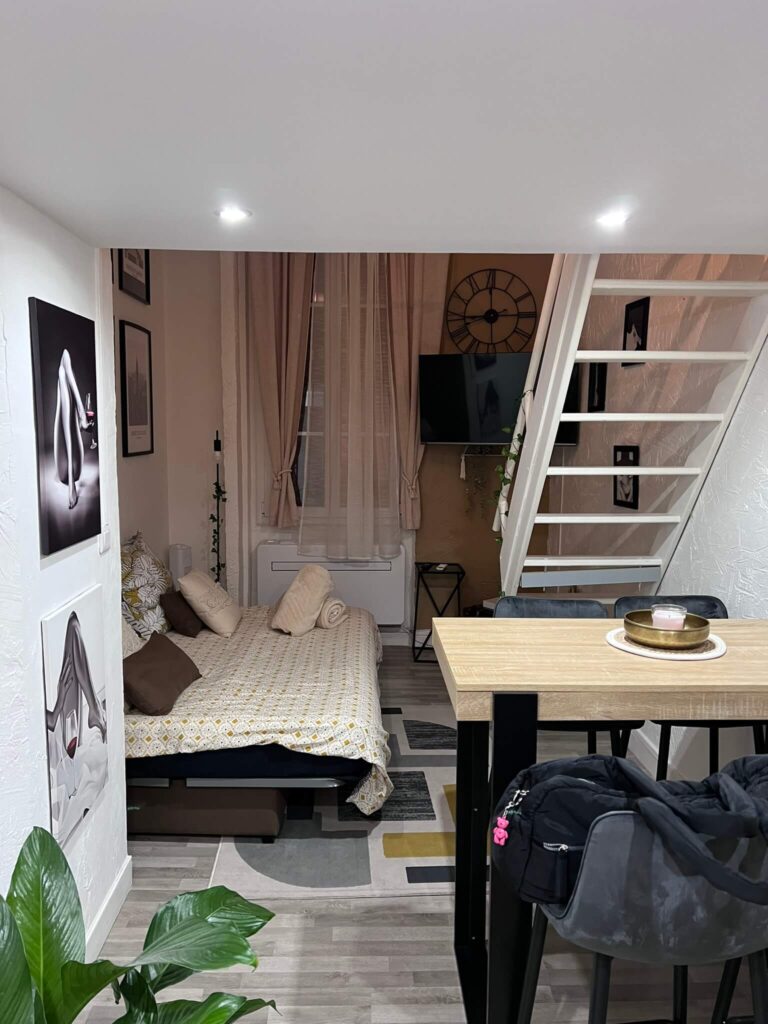
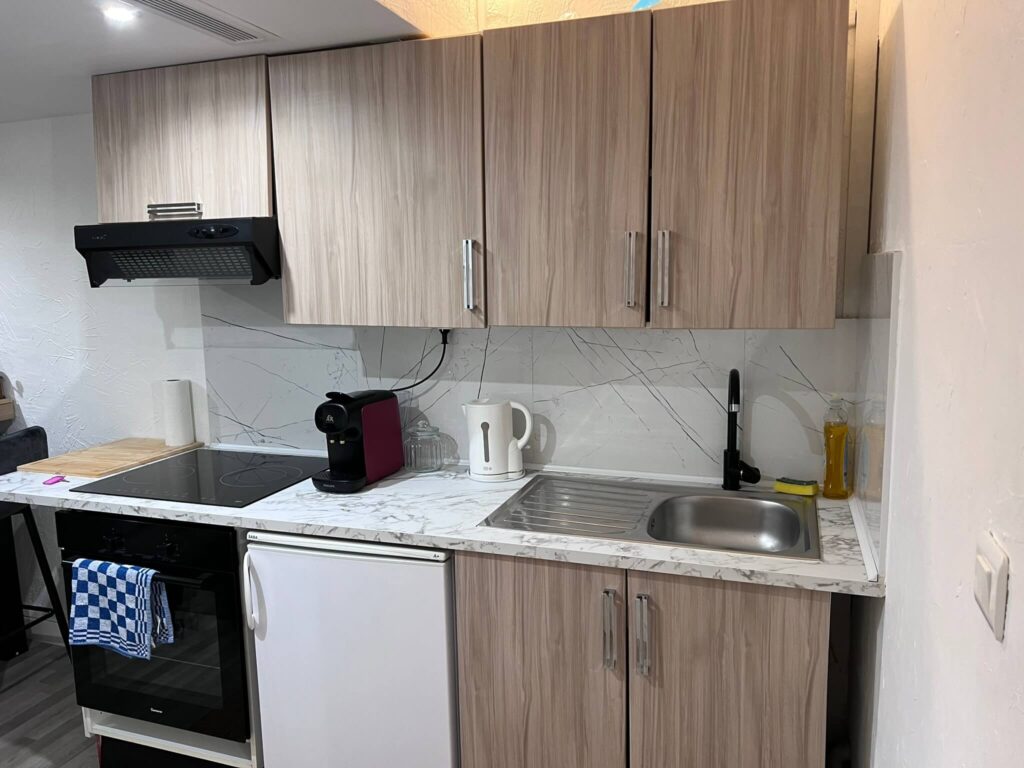
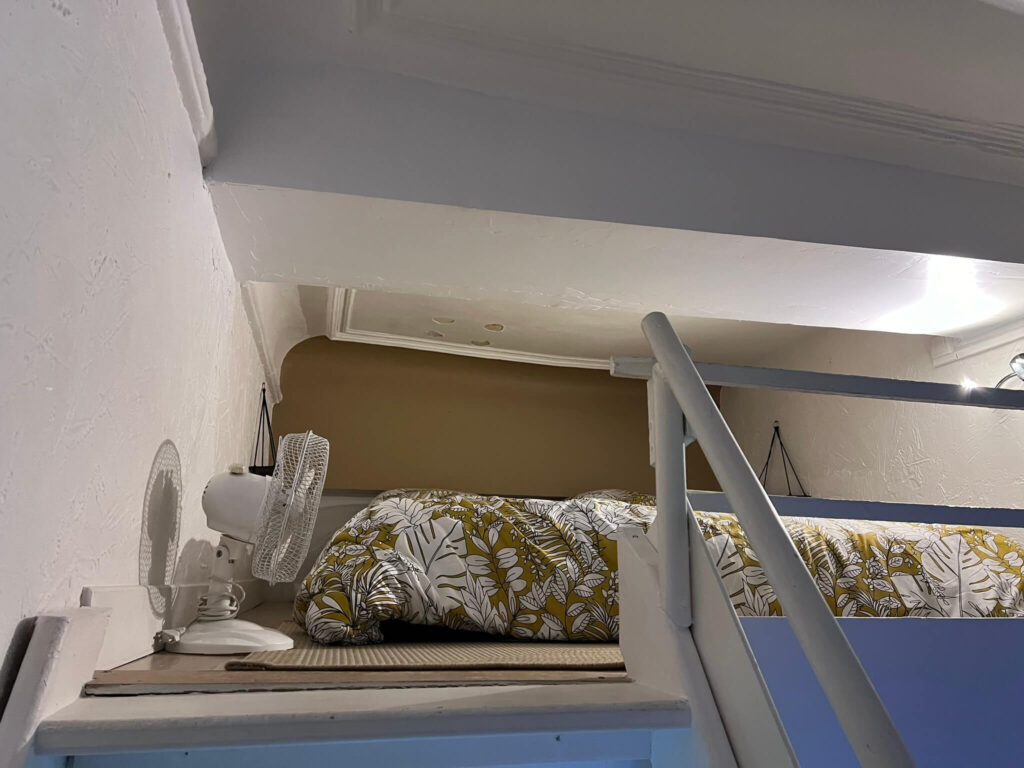
For travelers deciding where to stay, both Place Garibaldi and the Promenade des Anglais are excellent options. Garibaldi offers easy access to Vieux Nice and public transport, while the Promenade is perfect if you prefer a seaside atmosphere with direct views of the Mediterranean.
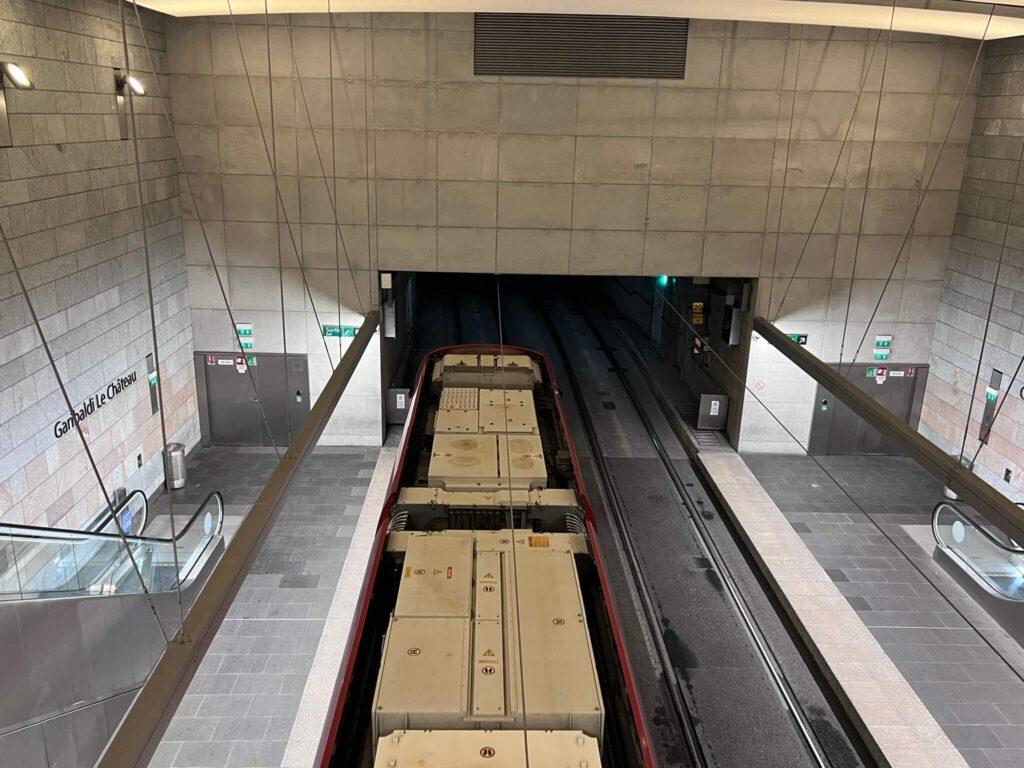
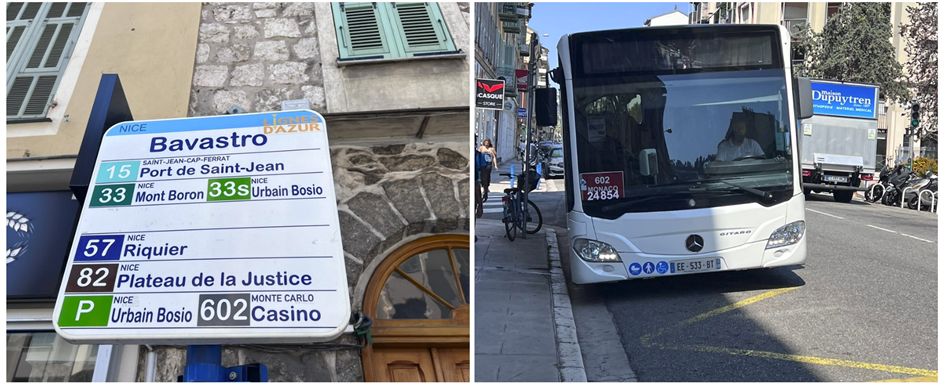
A common question when planning a trip to this region is whether to stay in Nice or Monaco. In our experience, Nice is the better choice—it’s more affordable, centrally located, and well connected. Buses and trains run frequently between the two cities, making Monaco an easy day trip. We took Bus No. 602 to Monte Carlo Casino from the Bavastro bus stop in Nice, and the journey took about an hour at a very reasonable fare of €2.10 per person.
Our Airbnb itself was comfortable and conveniently located, though one thing to note—the building didn’t have a lift, so carrying luggage / pram up the stairs was a bit of a workout. Still, the location and accessibility made it a great stay overall, and we’d happily recommend this area to fellow travellers.
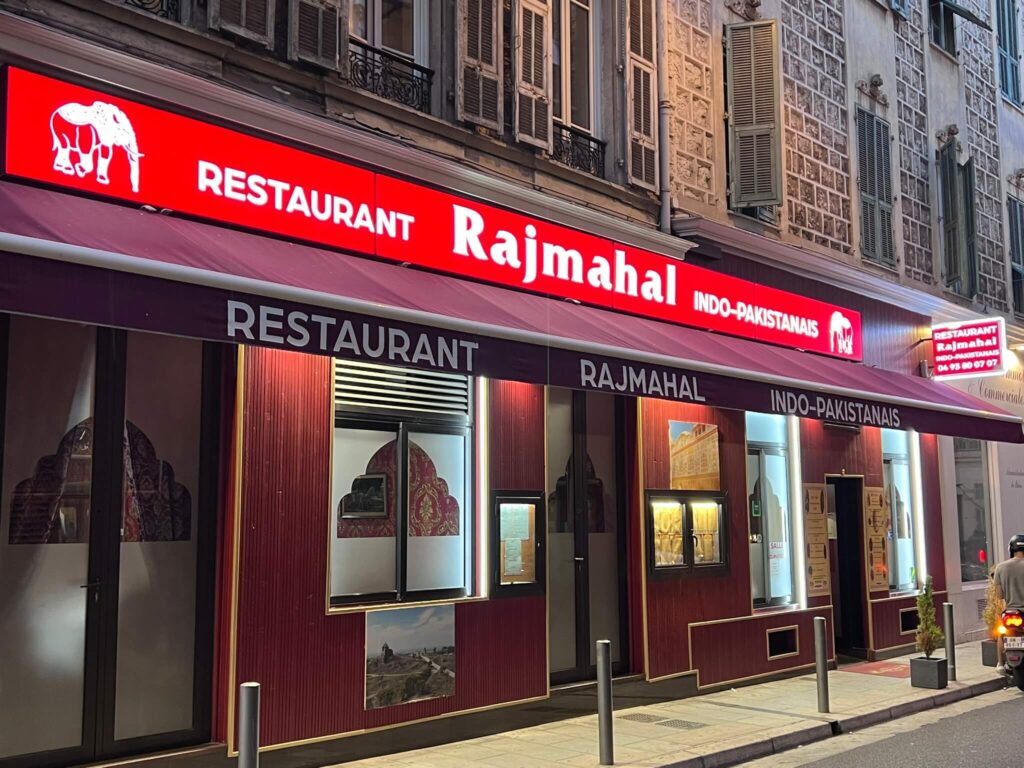
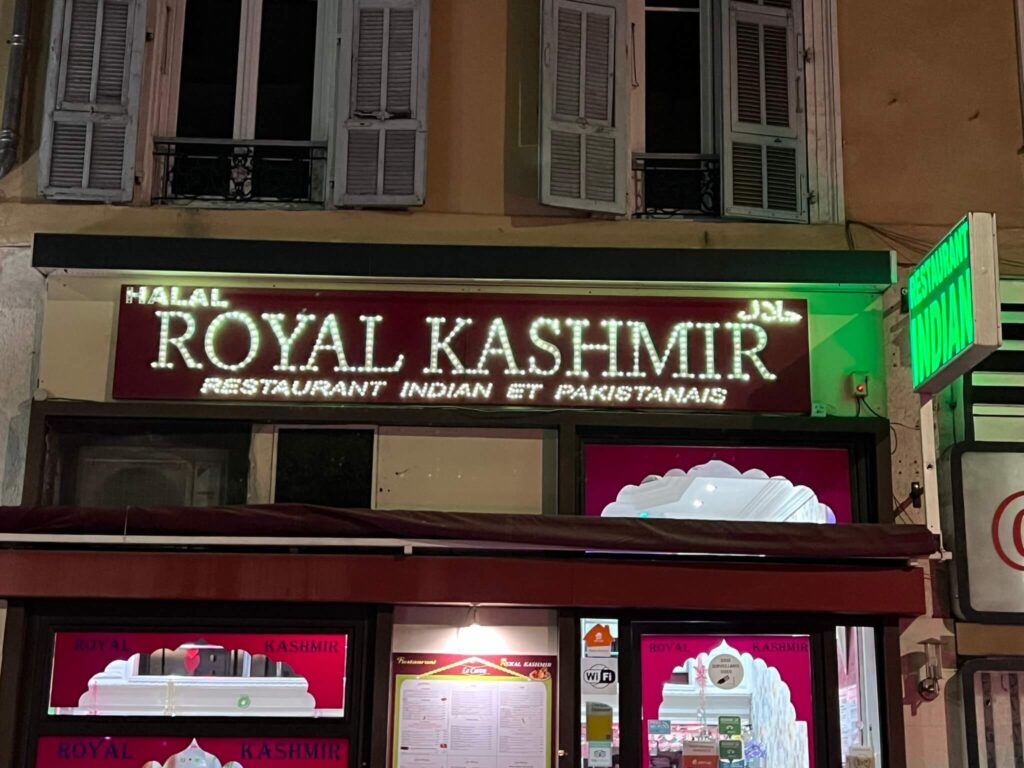
Indian restaurants:
We also tried few Indian restaurants in Nice.
Best Time to Visit the French Riviera:
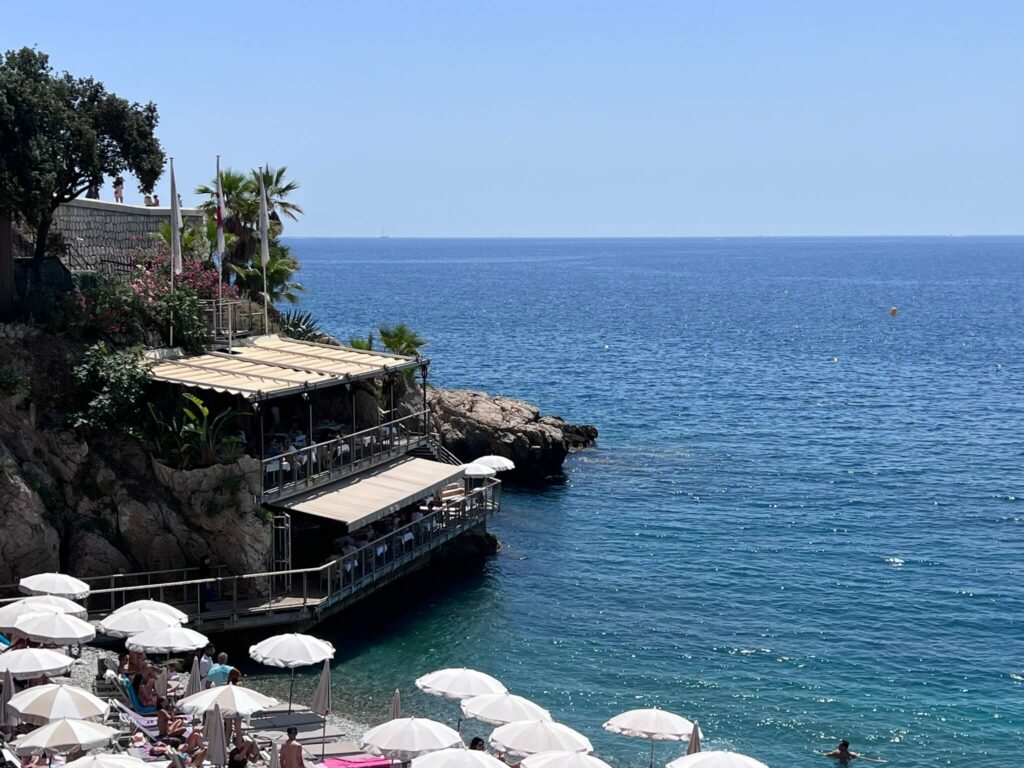
The French Riviera is a destination that shines year-round, but the best time to visit truly depends on what kind of experience you’re after.
For most travelers, the spring months (April to June) are ideal. The weather is pleasantly warm, the skies are bright, and the crowds are still manageable—perfect for sightseeing, seaside strolls, and outdoor dining without the summer rush.
If you’re looking for that quintessential Riviera vibe—sun-drenched beaches, buzzing beach clubs, and long summer days—then plan your trip between June and August, when the region is at its most vibrant. Keep in mind, though, that this is also peak tourist season, so accommodation and flight prices will be at their highest.
The shoulder seasons of April–May and September–October often offer the best balance of good weather and affordable prices, with warm seas and fewer crowds.
How to Get to Nice:
Getting to Nice is simple and convenient, no matter where you’re coming from. As one of the main gateways to the French Riviera, the city is exceptionally well connected by air, rail, road, and even sea. Here are the most popular ways to reach Nice:
By Plane:
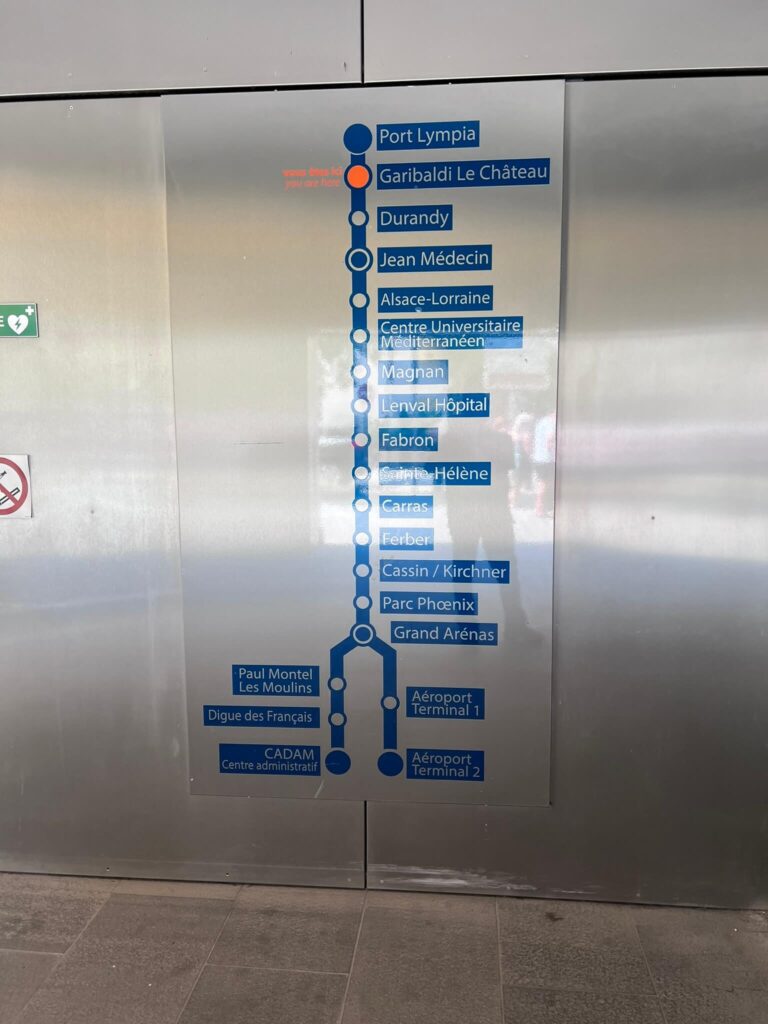
The Nice Côte d’Azur Airport (NCE) is the main international airport serving the region, with numerous direct flights from major cities across Europe and beyond. It’s also one of the busiest airports on the Mediterranean coast—and for good reason. From the airport, you can easily reach the city center by tram, bus, taxi, or airport shuttle. We flew out from this airport on our return to Dublin, and the experience was smooth and efficient.
By Train:
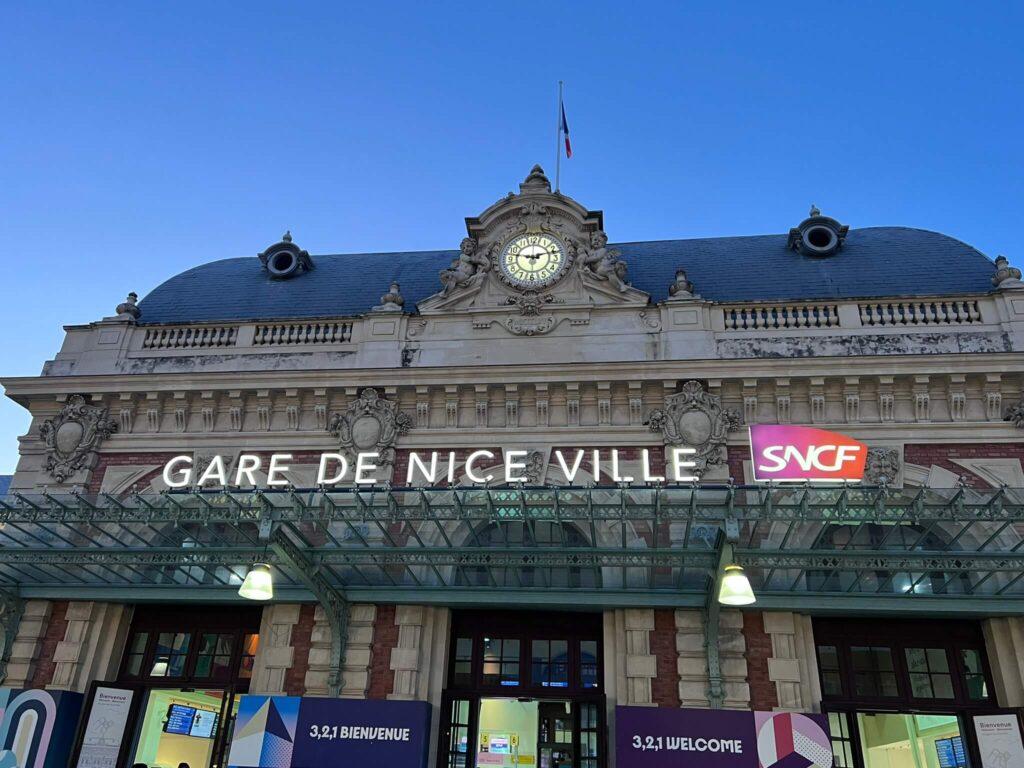
Nice is well-connected by rail, making train travel an easy and scenic option. The city’s main station, Nice-Ville, lies right in the heart of town and offers both domestic and international connections. We arrived in Nice by TGV INOUI from Paris, a comfortable and picturesque journey that took just over five hours.
By Car:
If you prefer the flexibility of driving, Nice is conveniently linked via the A8 autoroute, which connects it to Marseille, Lyon, and Paris. The drive promises beautiful views but can get busy during peak travel seasons, so plan accordingly.
By Bus:
Several long-distance bus services, including FlixBus and Eurolines, connect Nice with major cities across France and Europe. This is often one of the most affordable travel options, and modern buses offer comfortable seating and onboard amenities.
By Boat:
For something different, you can even reach Nice by ferry. Regular services operate between Corsica (Bastia and Ajaccio) and Sardinia (Porto Torres), offering a scenic and relaxing way to arrive on the Riviera.
How Much Time Do You Really Need in Nice:
While Nice is one of the largest cities in southern France, it’s surprisingly easy to explore. The city itself doesn’t have an overwhelming number of landmarks, but its charm lies in its neighbourhoods, seaside promenades, and coastal atmosphere.
For Nice alone, I’d recommend spending at least two full days. This gives you enough time to wander through the Old Town (Vieux Nice), enjoy the Promenade des Anglais, take in views from Castle Hill, and explore local markets such as Cours Saleya at a relaxed pace.
If you plan to include Monaco in your itinerary—as I strongly suggest—then allow for three full days in total. The short, scenic journey from Nice makes Monaco an easy and worthwhile day trip. Its unique glamour, seaside scenery, and cultural highlights make it a must-visit when exploring this part of the world.
Getting Around Nice:
The best way to get around Nice—especially during the summer months—is by foot, tram, or bus. The city is compact and very walkable, and its public transport network is clean, efficient, and affordable.
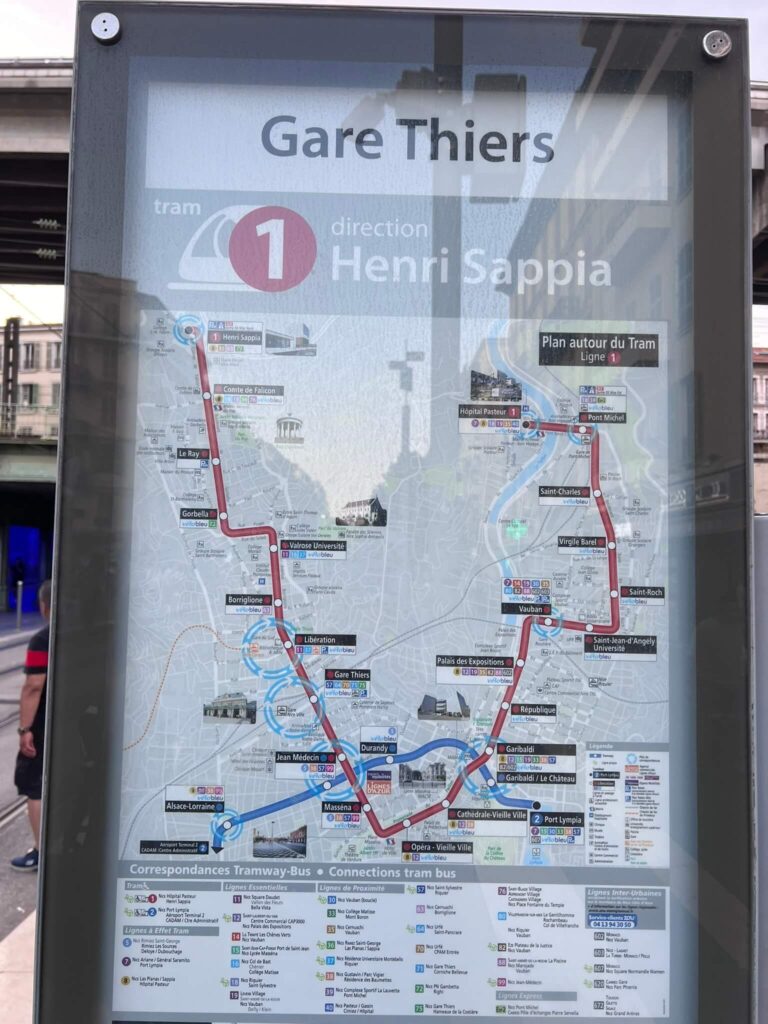
Driving, on the other hand, is not that recommended. Parking is scarce and expensive, and navigating the narrow city streets can be stressful. Instead, rely on the tram and bus system, which connects all major neighborhoods, tourist attractions, and even the Nice Côte d’Azur Airport.
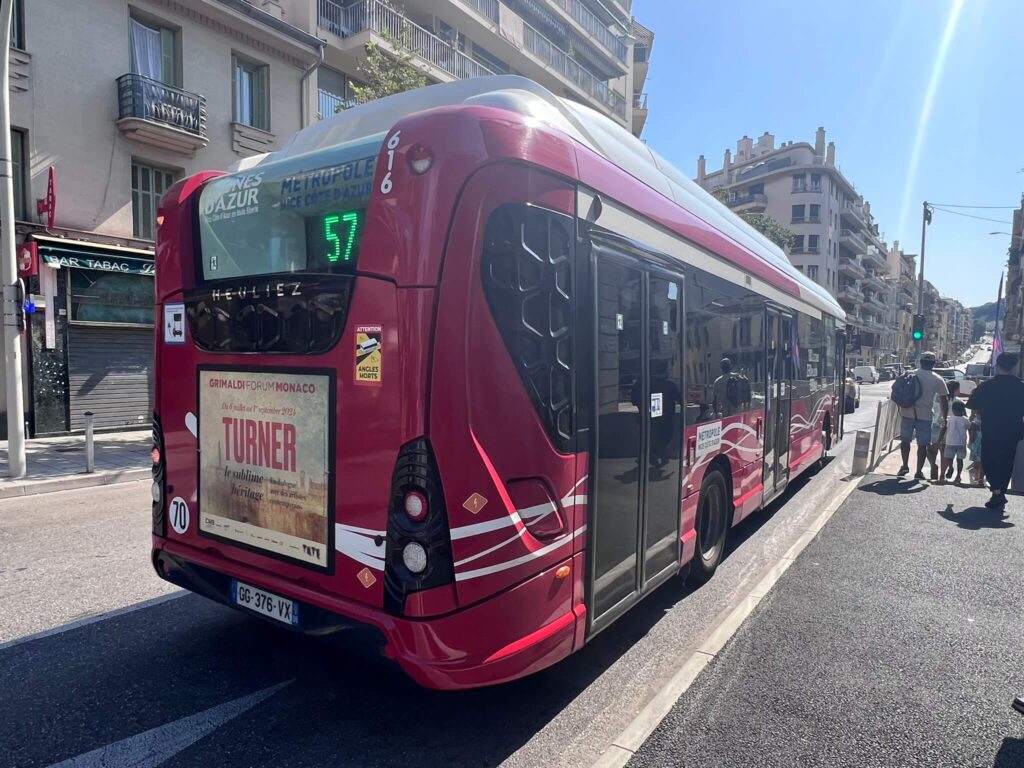
By Bus
Buses in Nice run frequently—every 10 to 15 minutes between 6 AM and 10 PM. A single ticket costs €1.50, and you can purchase it from the driver (cash only) or at vending machines located at tram stops. Tickets are valid for 74 minutes, allowing free transfers between buses and trams within that window.
Single and double-digit bus numbers serve local routes within Nice.
Triple-digit buses travel to destinations beyond the city, such as Monaco or Èze.
By Tram
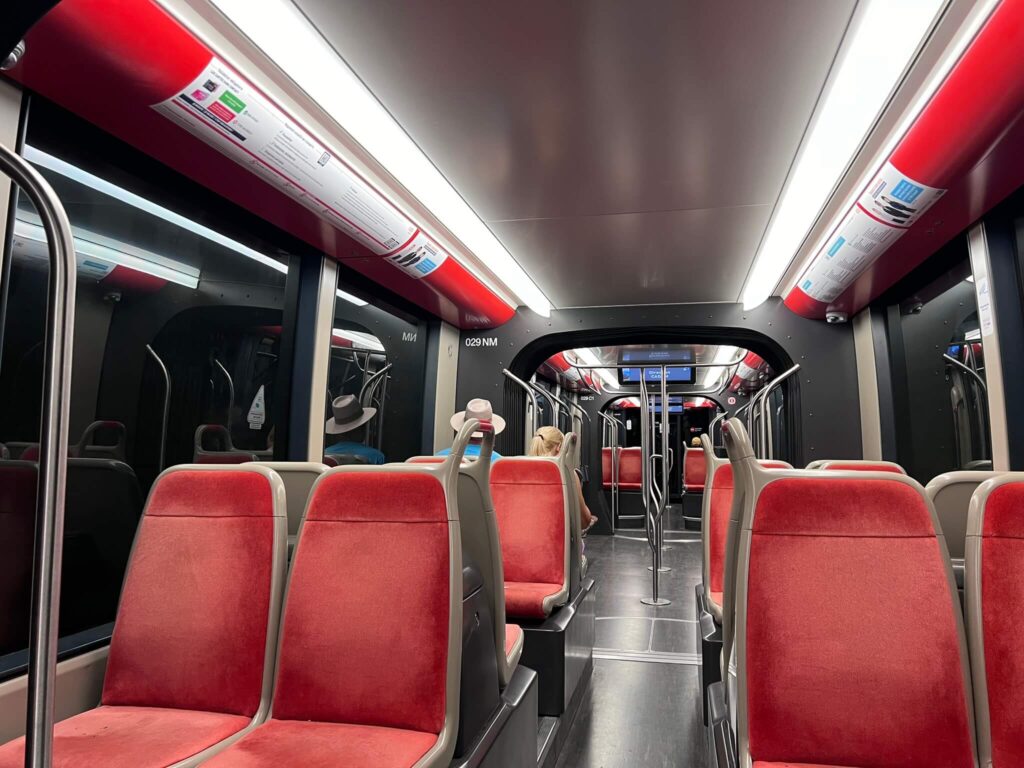
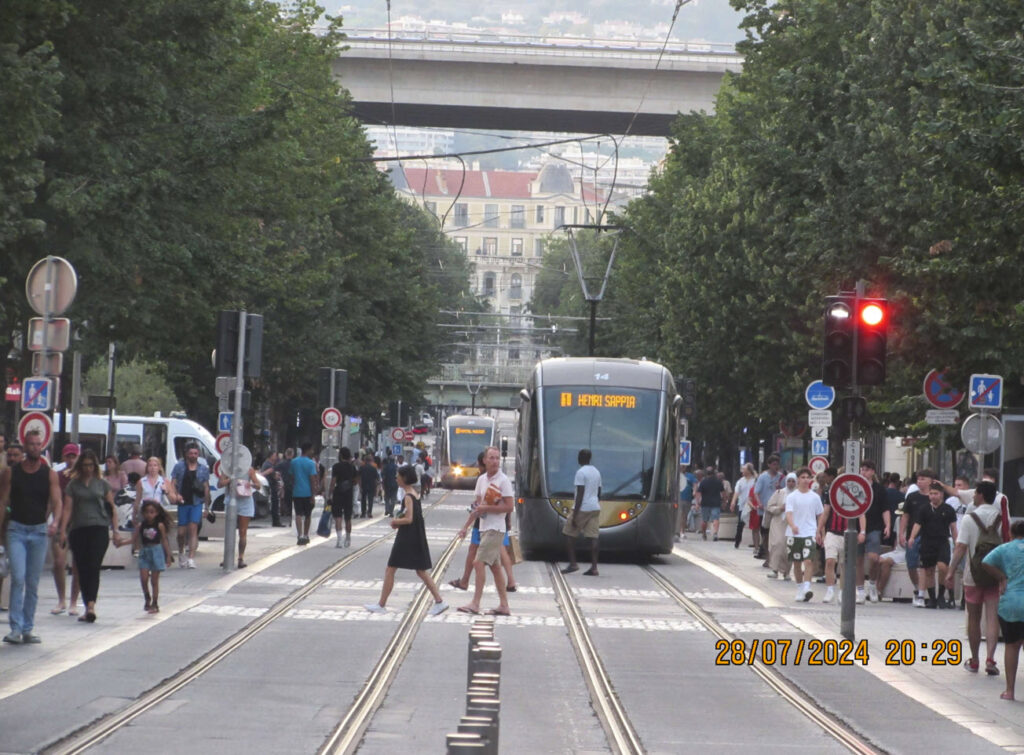
The tram system, operated by the same company as the buses, is another excellent way to get around Nice. There are three tram lines, connecting key areas of the city, including direct routes to and from the airport. Tickets cost the same as bus fares (€1.50) and allow free transfers within 74 minutes.
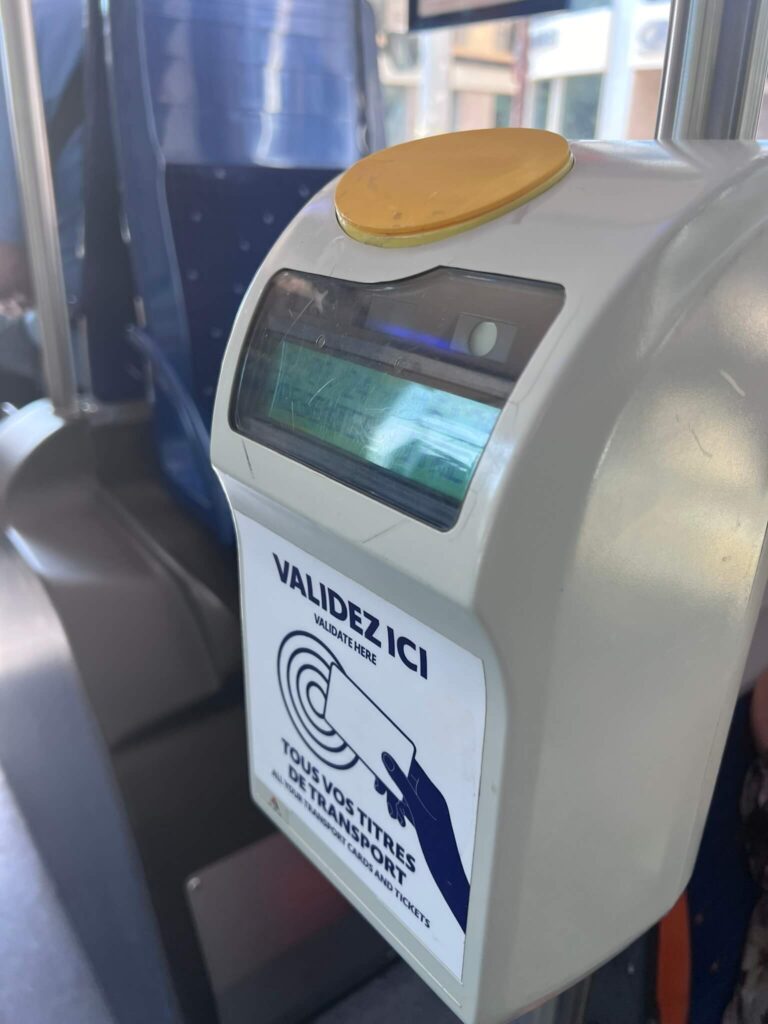
Tickets can be purchased from machines at each tram stop (not from the driver). Be sure to validate your ticket before boarding using the small validation machines available inside the tram.
Using “La Carte”:
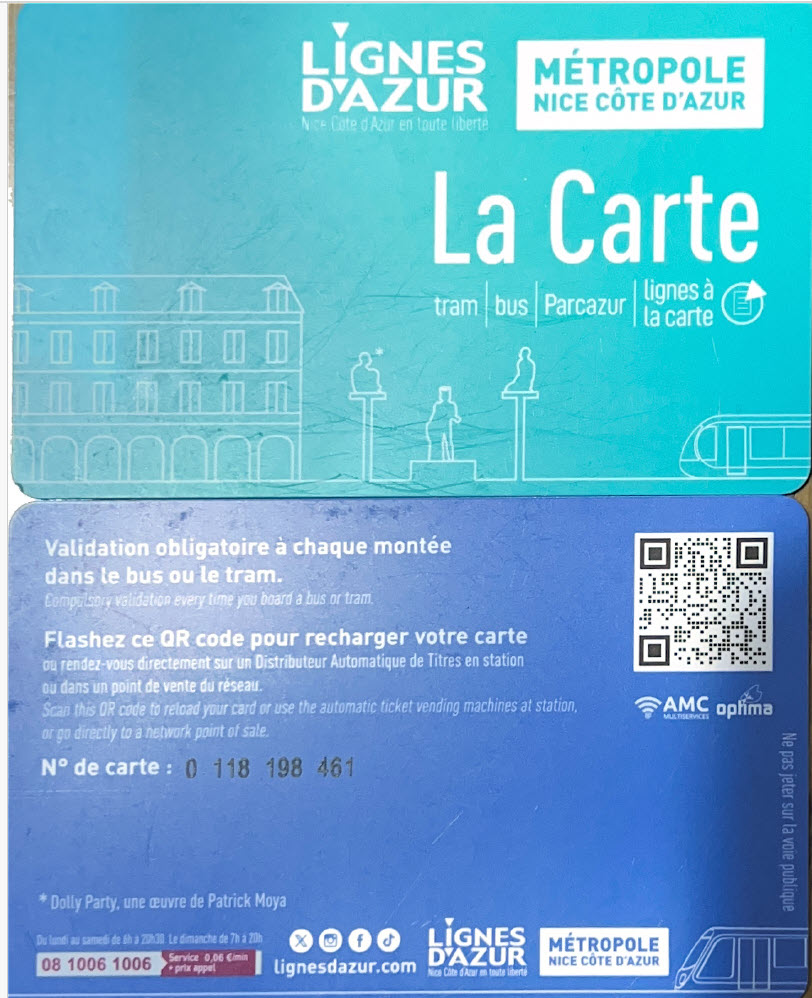
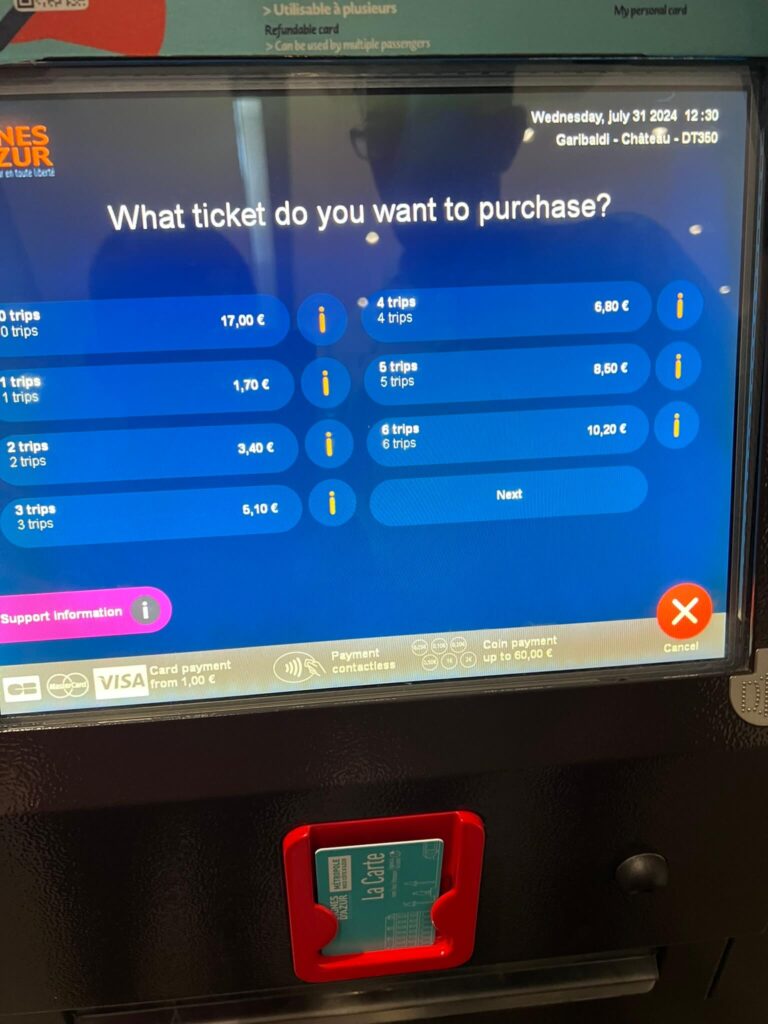
During our stay, we used the La Carte travel card—ideal for occasional travelers. It’s an anonymous, rechargeable card that costs €2 (refundable) and can be topped up with single rides, multi-trip options, or day passes. We purchased ours from a ticket machine near a tram station. Don’t forget to validate your card each time you board.
For detailed and updated information on routes and schedules, you can check: https://www.explorenicecotedazur.com/en/practical-information/getting-around/getting-around-by-bus-and-tramway/
Uber and Taxis:
If you prefer private transport, Uber is widely available in Nice and is generally cheaper and more convenient than local taxis.
Museum Pass:
Art and culture lovers can also check out the Nice Museum Pass, which offers access to many city museums at a reduced cost.
You can check for Museum pass : https://billetterie-museesnice.tickeasy.com/en-GB/home
Possible One day trips from Nice:
- Menton and Villefranche-sur-Mer (half day each)
- Gorges du Verdon
- Saint-Paul-de-Vence
- Saint-Tropez
- Eze Village
- Saint-Jean-Cap-Ferrat
- Juan-Les-Pins
- Île Sainte-Marguerite
- Cap d’Ai
- Grasse
- Gorges du Verdon
- Train des Merveilles (get the window seat for the best views)
- Auron (Ski resort, best in winter)
- Cannes and Antibes (we tried this)
- Monaco (we tried this, Afterall you get a country added to your list)
Summary – Why ‘NICE’ Truly Lives Up to Its Name:
Nice is so much more than just “nice.” It’s a city that captures both the glamour of the French Riviera and the authentic charm of southern France, offering a perfect mix of seaside beauty, cultural richness, and effortless style.
While it might not be the quietest spot along the Côte d’Azur, Nice has an undeniable sophistication and vibrant energy that instantly draws you in. From the sun-soaked Promenade des Anglais to the colorful streets of Old Town and the scenic views from Castle Hill, every corner has its own distinct character. Though a couple of days only scratch the surface, you truly feel immersed in the life and rhythm of the Mediterranean after exploring this city.
What makes Nice remarkable is its versatility—it offers something for every type of traveler. Whether you’re here to relax on pebble beaches, wander through markets and museums, discover coastal trails, or embark on easy day trips to Monaco, Cannes, or Èze, you’ll find yourself wishing you had a few extra days to savor it all. The public transport network makes exploring the entire Riviera seamless, while the local cuisine—from Niçoise specialties to French-Italian fusion—delights at every meal.
Beyond the warm summer months, Nice also holds a special charm in winter, when Europeans escape the cold to enjoy its mild climate and serene coastal atmosphere. With over 300 days of sunshine each year, pleasant temperatures, and a harmonious balance of city vibrancy and seaside calm, Nice is truly a year-round destination that never fails to inspire.
Whether it’s your first visit or a return trip, you’ll leave with a renewed love for the Mediterranean lifestyle—and plenty of reasons to come back.
