Milan, the capital of Lombardy and the second largest city in Italy after Rome, is renowned not only for its vibrant fashion scene but also for its rich cultural heritage, stunning architecture, and exquisite cuisine. This dynamic city perfectly blends modernity with authentic Italian charm, making it an ideal destination for enthusiasts of architecture, culture, tourism, fashion, and design.
As a global fashion hub, Milan hosts the headquarters of iconic designer brands such as Dolce & Gabbana, Versace, Prada, and Valentino, among others, solidifying its reputation as a paradise for fashion lovers.
We had covered Milan during our trip to Rome, Italy, and St. Moritz, Switzerland. For travellers with an extra day to spare in Milan, I highly recommend a one-day excursion to St. Moritz – it is undoubtedly a journey worth the Euros spent. More details about my St.Moritz trip from Milan can be found here: https://www.mypassiontotravel.com/destinations/swiss-alps-bernina-express-rail-tour-from-milan-italy-day-trip-from-milan-to-st-moritz/
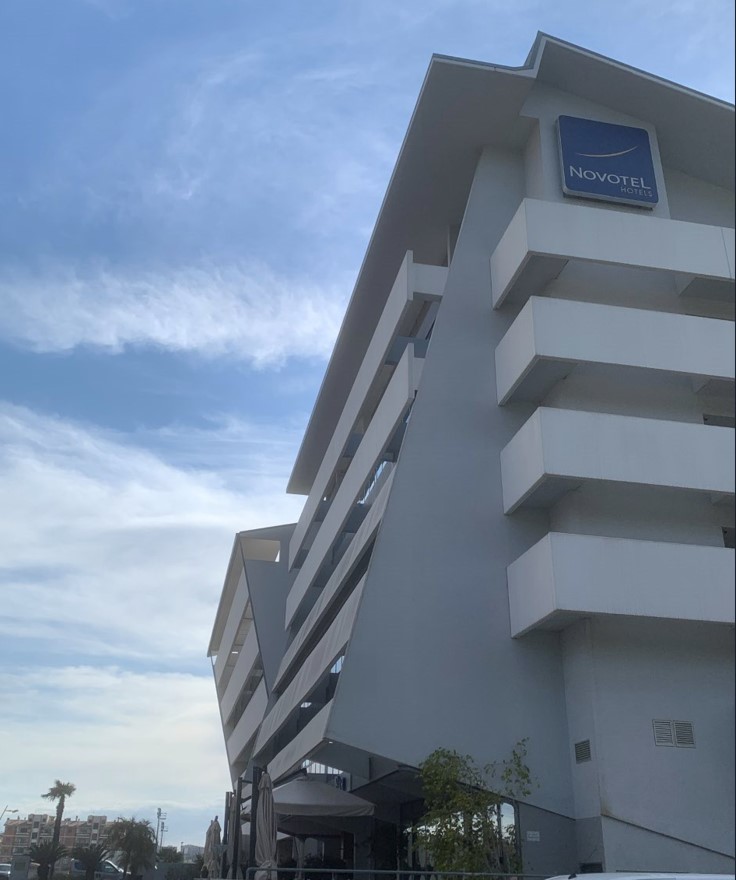
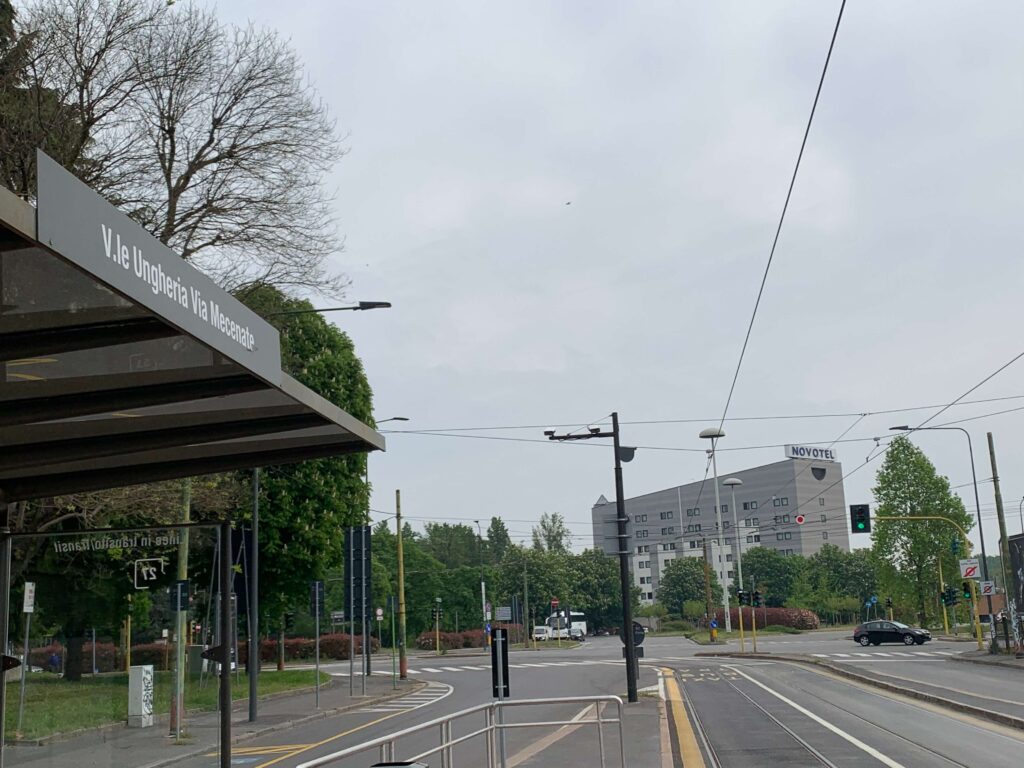
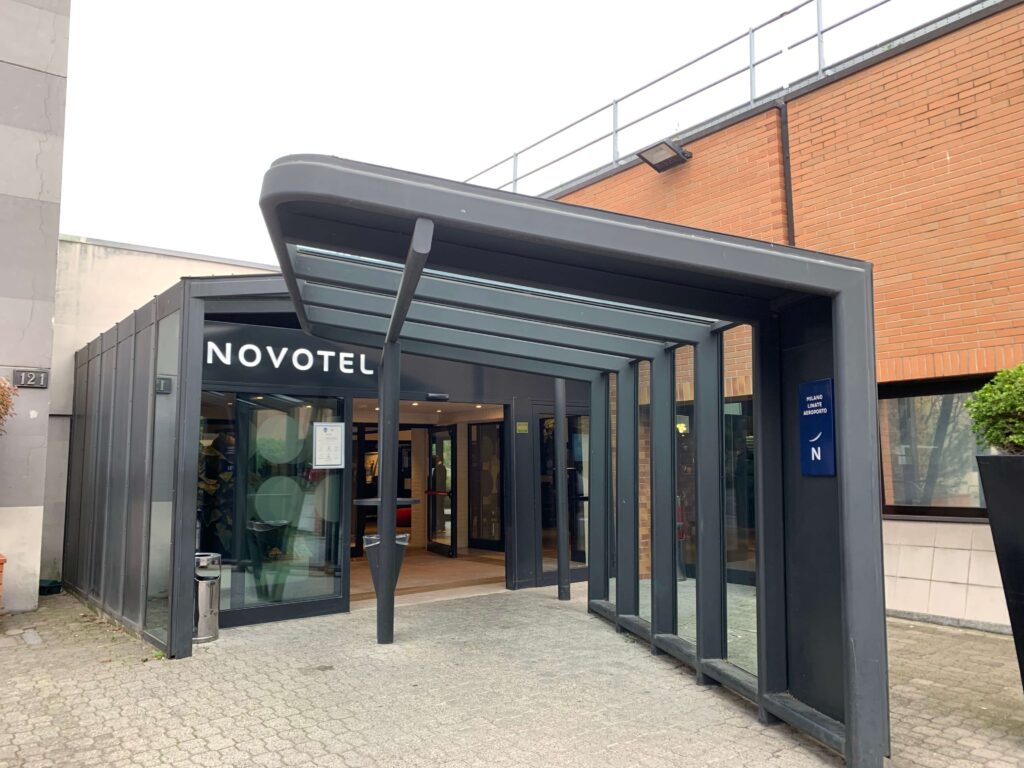
Our accommodation was at the Novotel Milano Linate Aeroporto, which, while comfortable, is situated a bit farther from Milan’s main attractions. For a more convenient and immersive experience, I strongly suggest staying in the city center, ideally close to the iconic Duomo, where visitors can fully enjoy the heart of Milan.
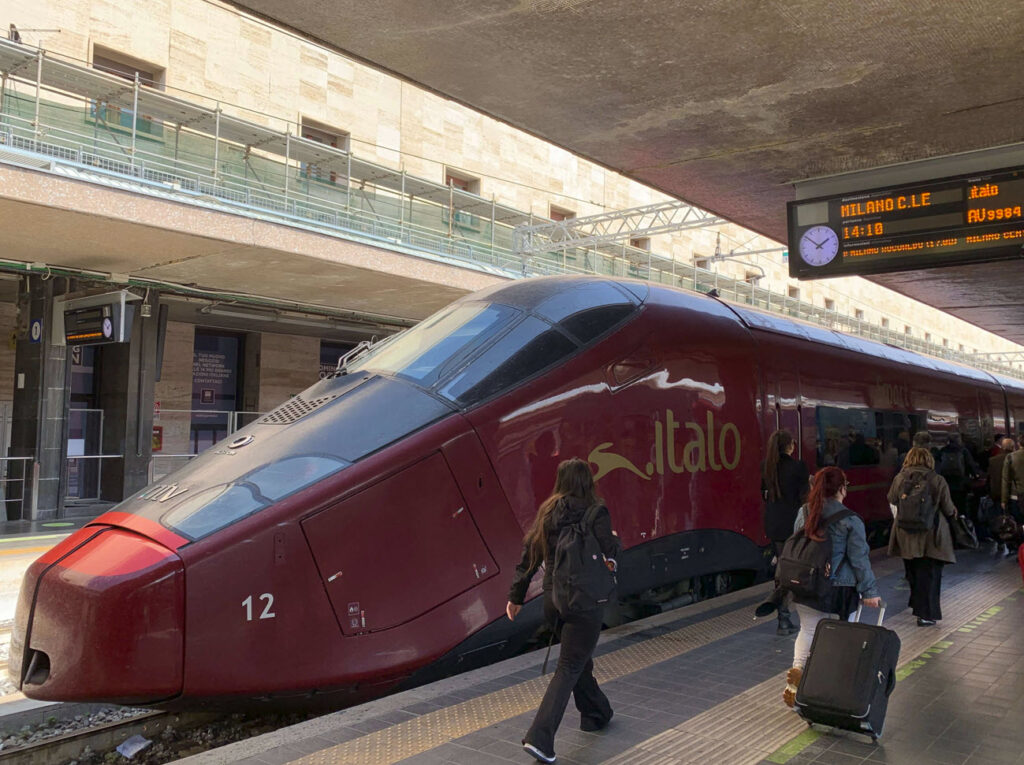
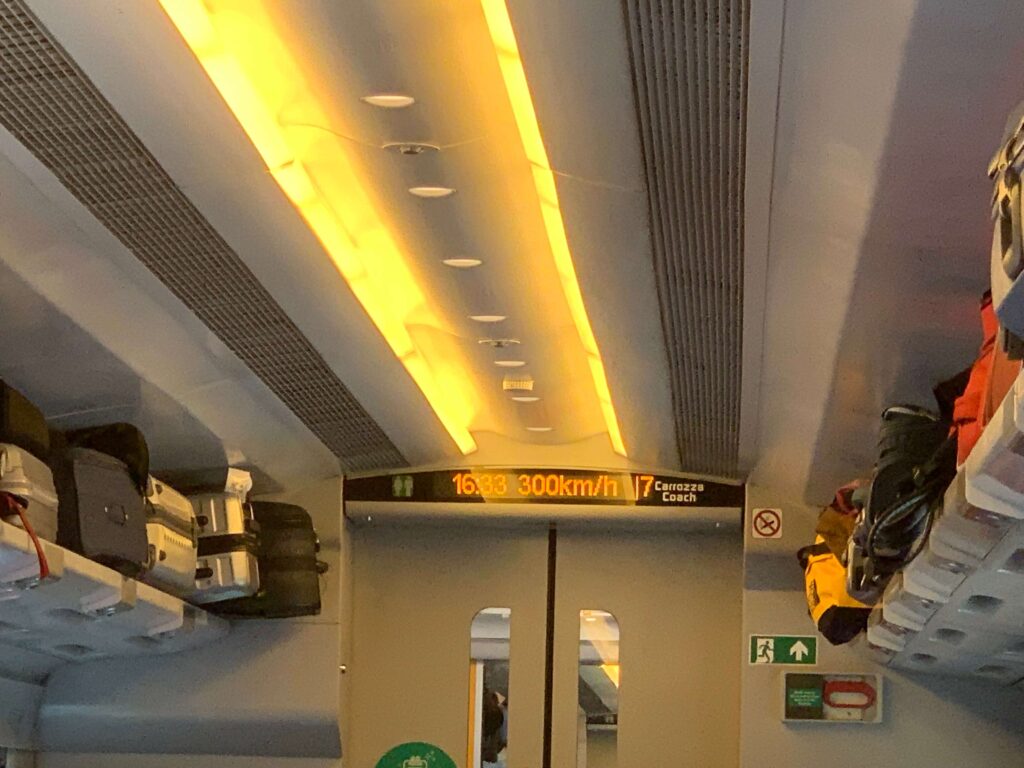
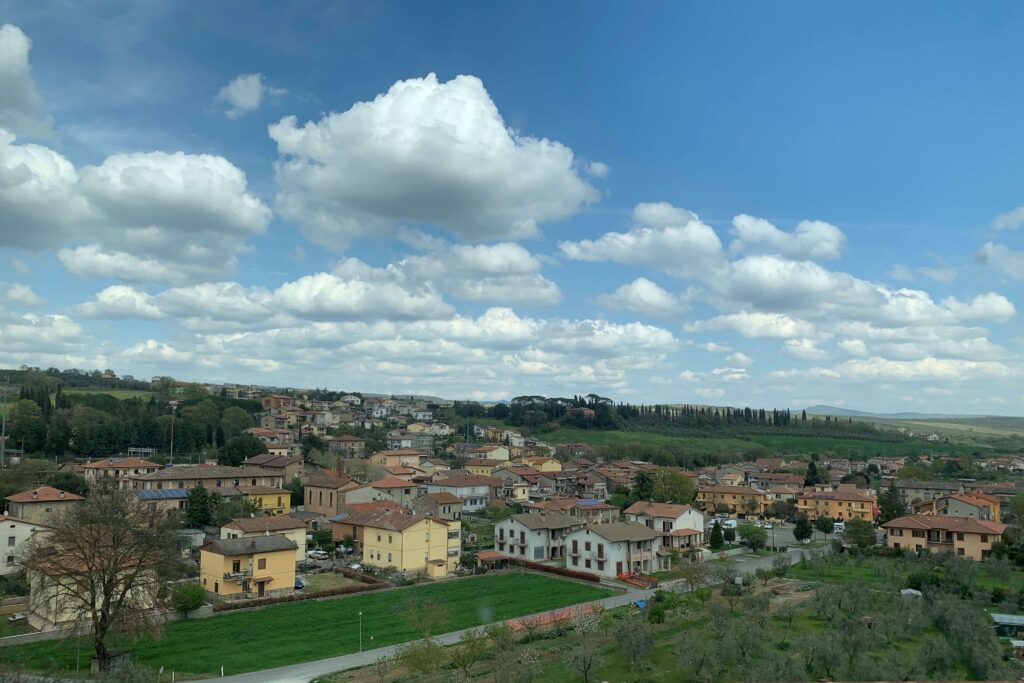
We travelled from Rome to Milan aboard the ITALO high-speed train (was travelling at a speed of 300+ Kms/hour) , departing at 14:10 and arriving in Milan at 17:15. This superfast service provides a comfortable and efficient way to traverse the Italian landscape.
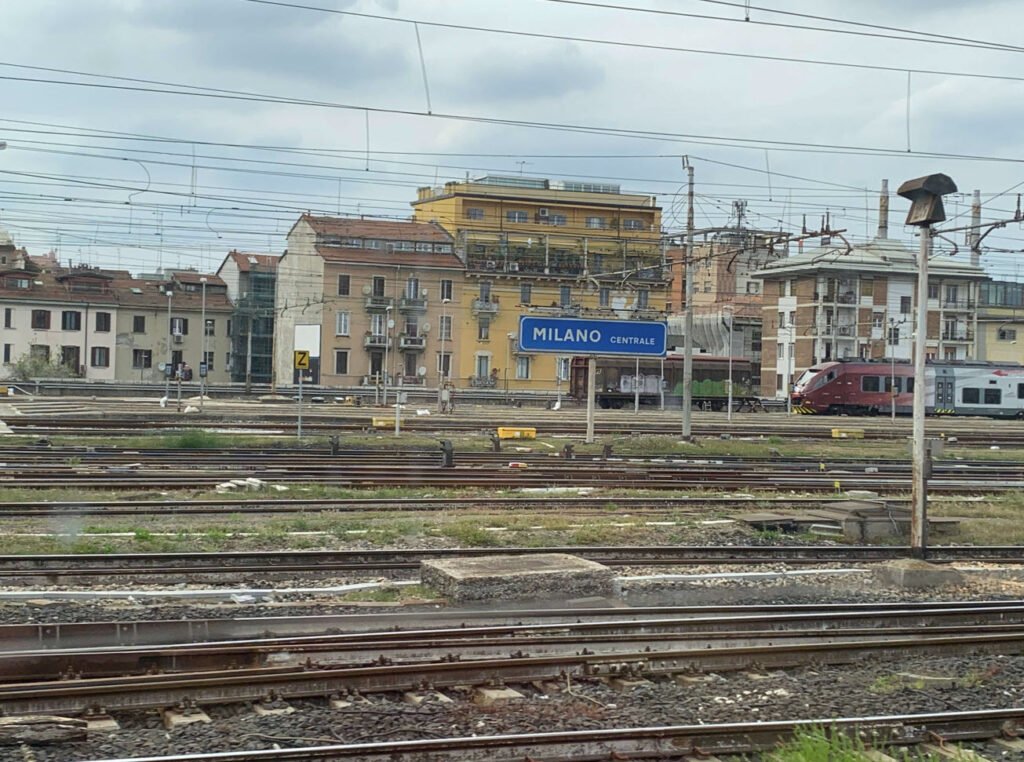
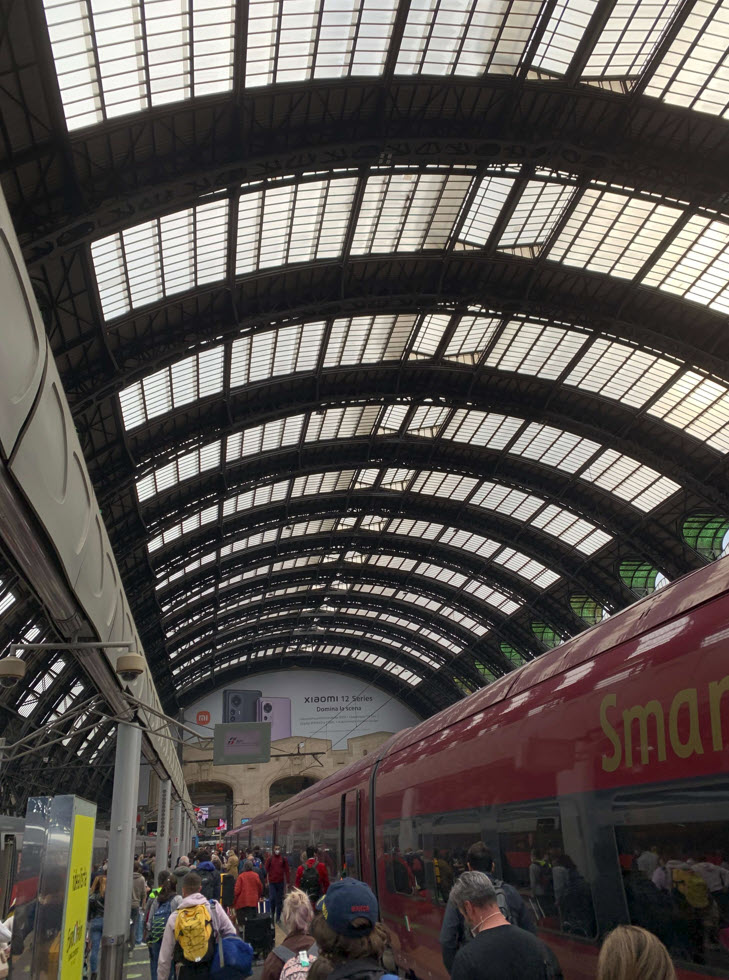
The train arrival point is Milano Centrale, the city’s primary railway station, which itself is a remarkable attraction. Renowned for its impressive architecture, Milano Centrale offers a captivating glimpse into Milan’s history, reflecting the city’s fascist past through its design and grandeur. Exploring the station is certainly one of the most intriguing experiences Milan has to offer.
Piazza del Duomo (Milan Catedral + Terraces):
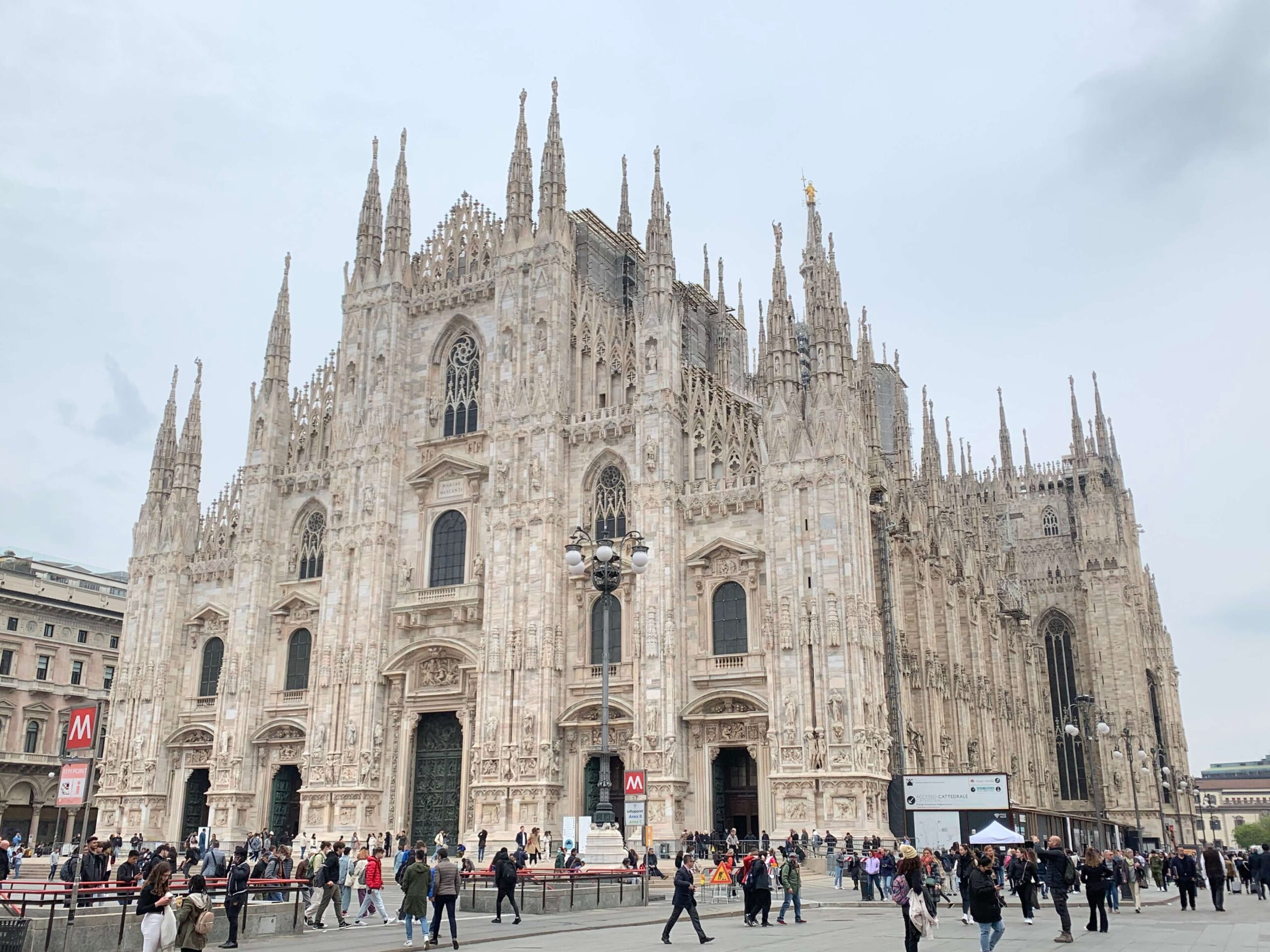
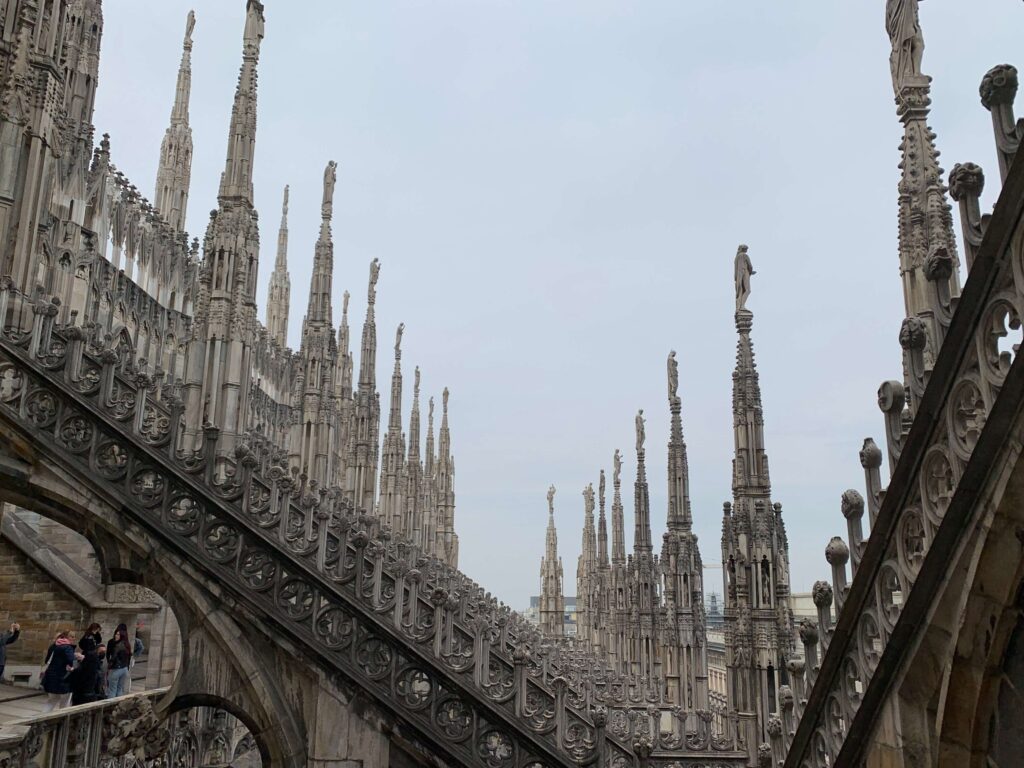
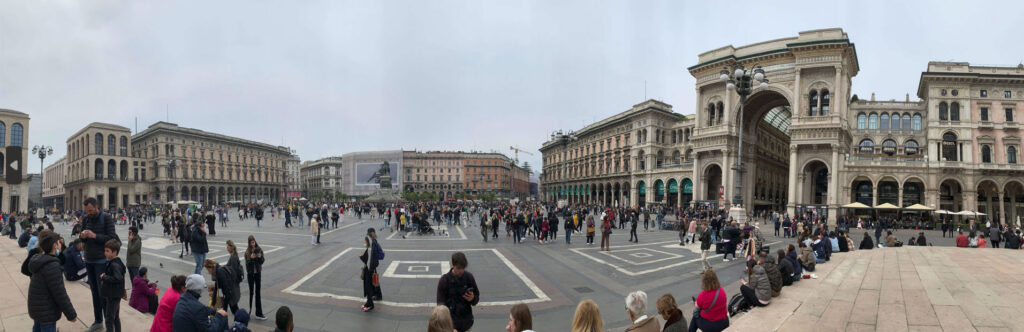
Piazza del Duomo is the beating heart of Milan and home to the iconic Milan Cathedral (Duomo di Milano), one of Northern Italy’s most renowned landmarks. This breathtaking cathedral, blending Gothic and Renaissance architectural styles, took nearly 600 years to complete. Napoleon notably played a key role in accelerating its completion during the 19th century. The Duomo stands as the largest church in Italy and holds the extraordinary distinction of having the most statues on any building worldwide.
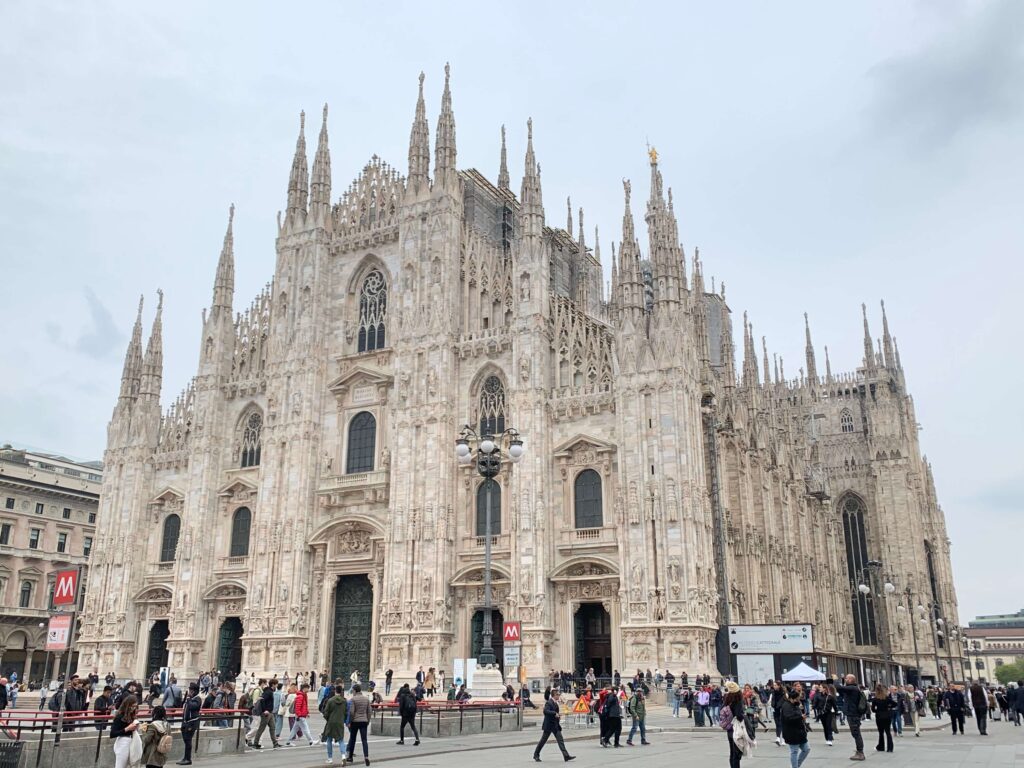
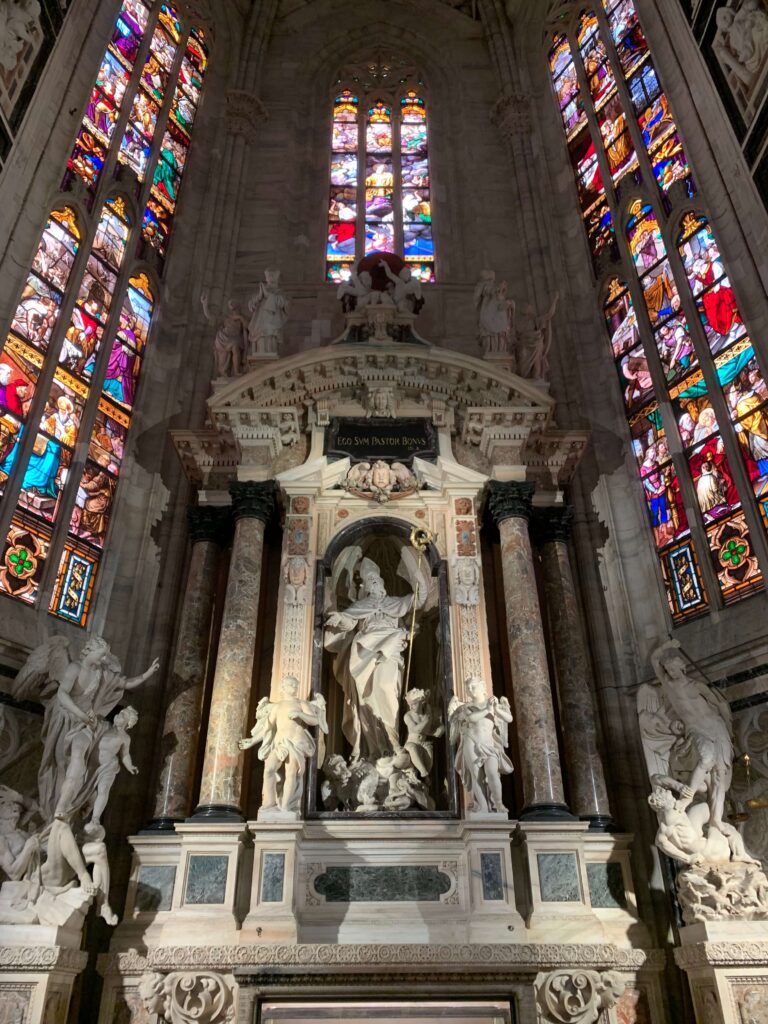
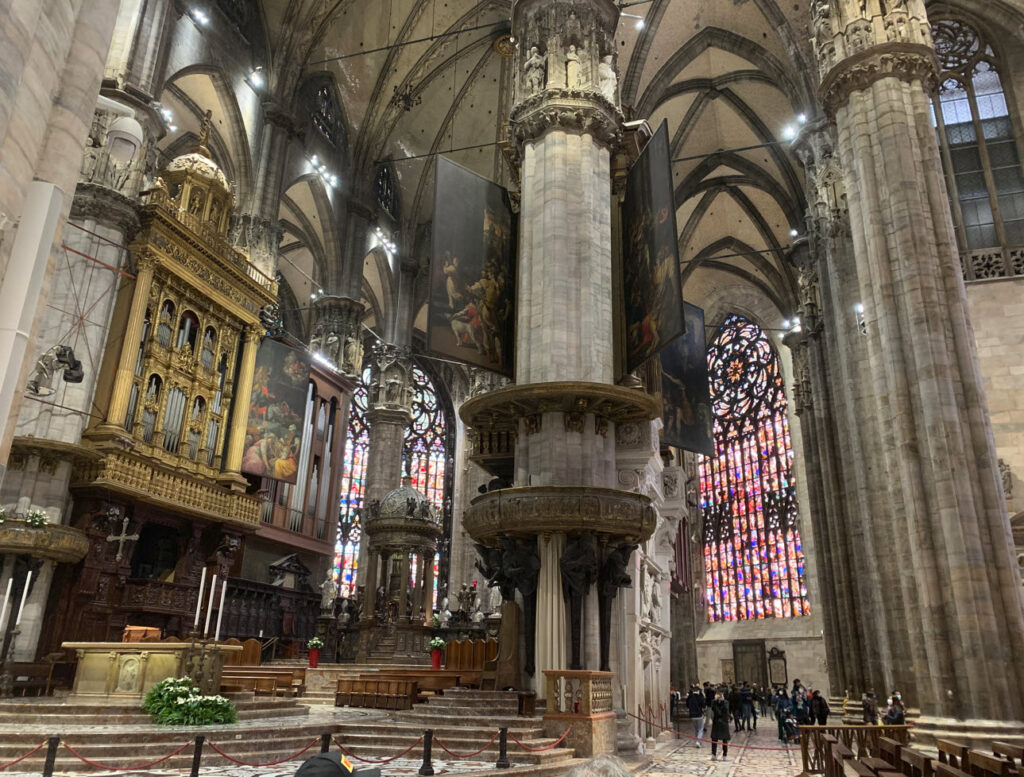
As the third largest cathedral globally following St. Peter’s Basilica in Vatican City and the Cathedral of Seville, the Duomo impresses with its stunning marble façades and exquisite stained glass windows. Its interior is equally captivating, featuring five grand naves and 52 columns, each symbolizing a week of the year. Visitors should note that the Duomo remains an active place of worship, so appropriate attire covering shoulders and knees is required for entry.
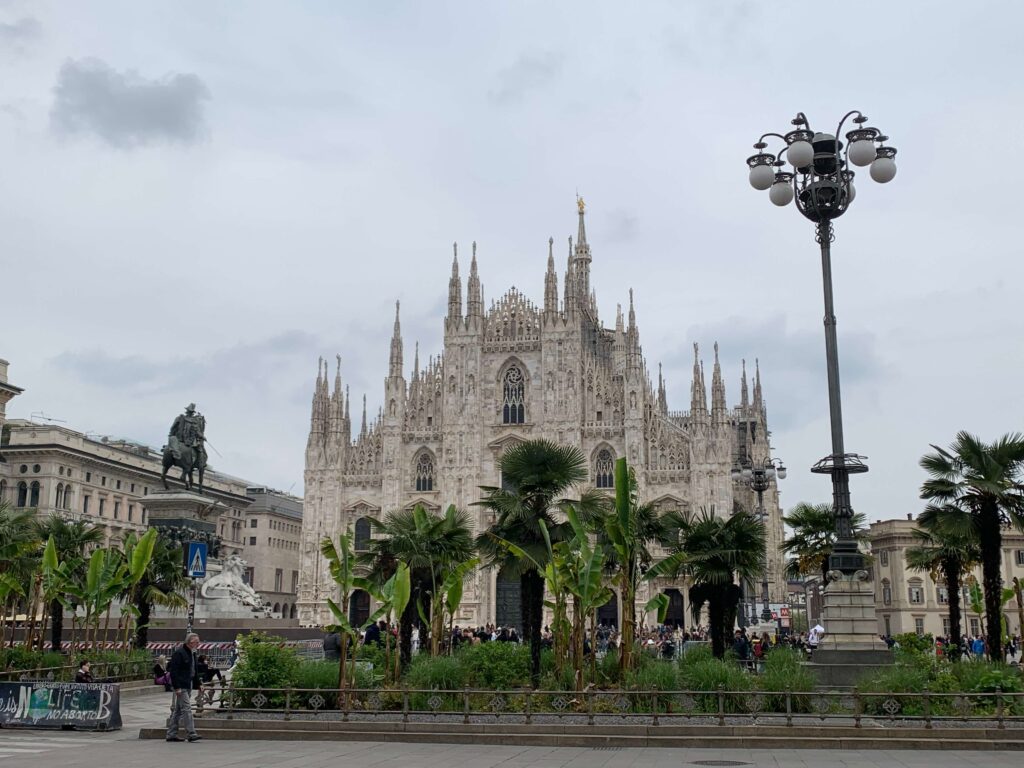
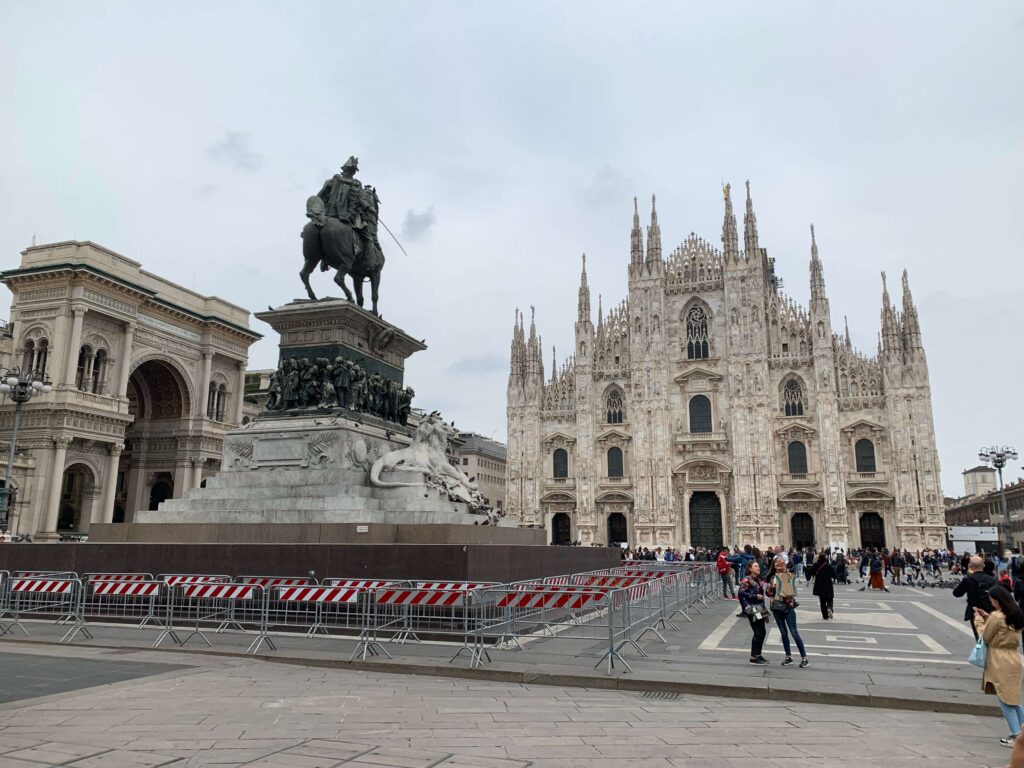
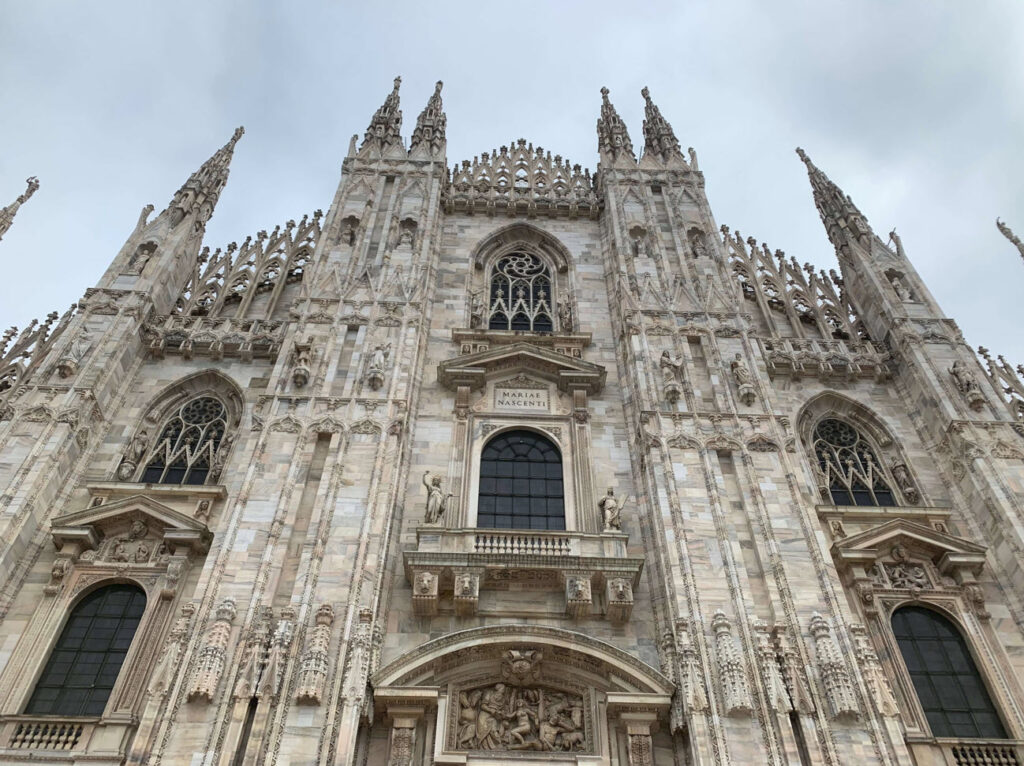
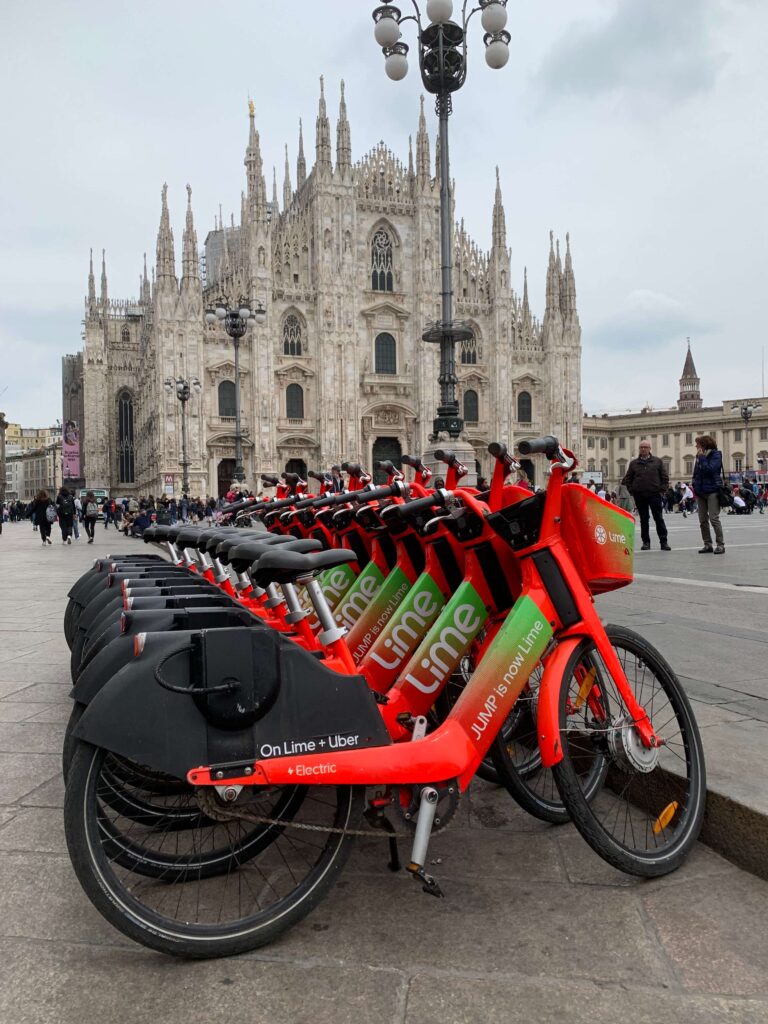
For a comprehensive experience, we opted for the Duomo ticket, which includes access to the rooftop lift, cathedral, archaeological area, and museum. Tickets can be booked online (https://ticket.duomomilano.it/en/categoria/biglietti/) with a preassigned date and time, allowing visitors to skip long queues. Booking early morning slots is recommended to avoid crowds, particularly during peak season when the cathedral can become quite busy. While the interior is magnificent, the cathedral’s exterior is equally spectacular.
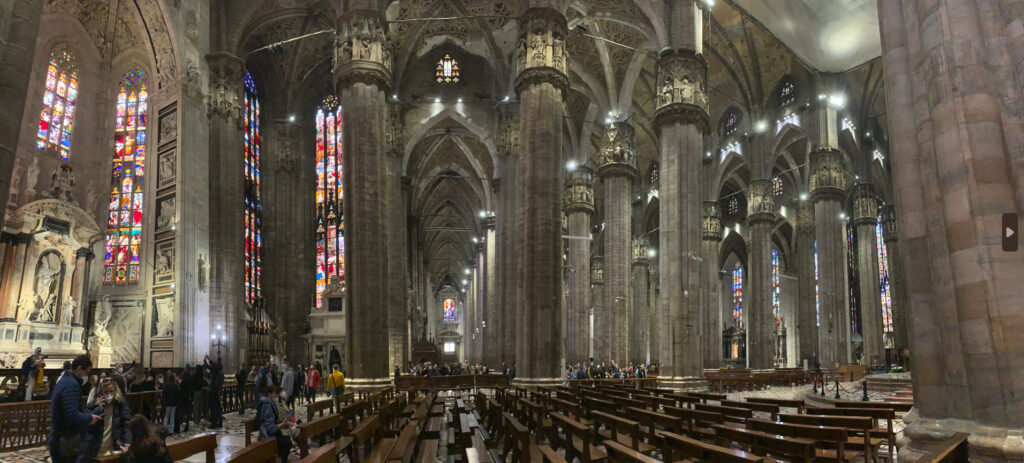
A visit to the Duomo’s terraces is a must. Featuring 135 towers and spires and over 2,000 decorative marble statues, the rooftop offers unparalleled panoramic views of Milan’s skyline. The contrast between the historic cathedral and the city’s modern architecture is truly remarkable. Access to the terraces is available via stairs or lifts, and our ticket included lift access for added convenience.
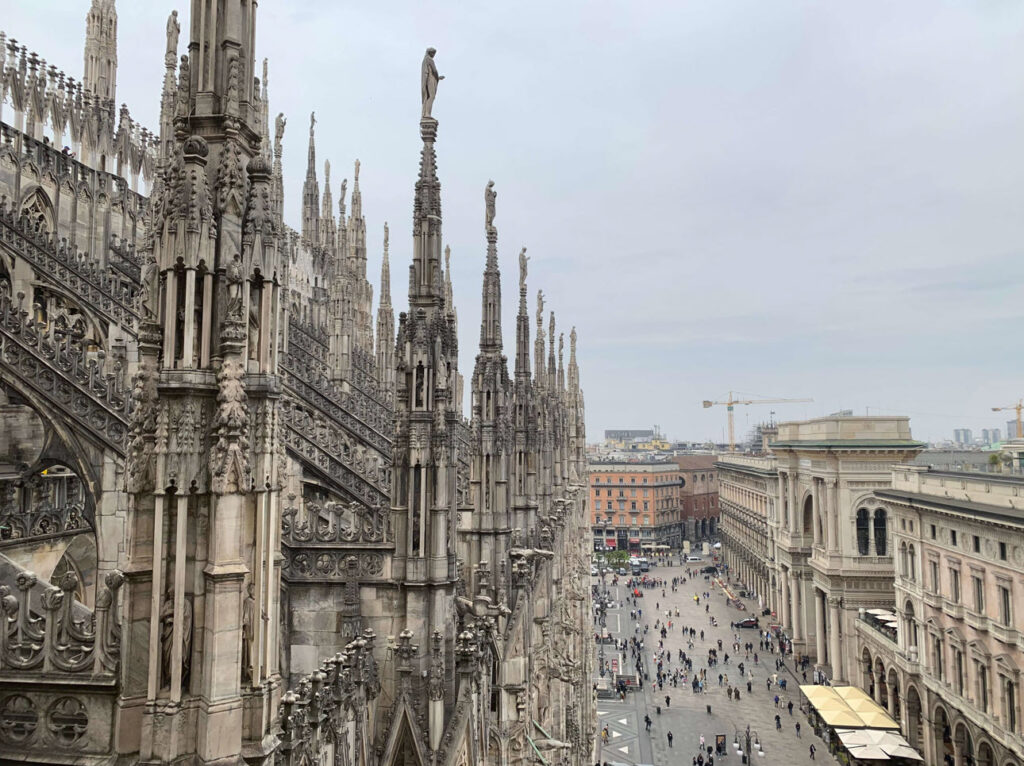
No trip to Milan is complete without experiencing the Duomo di Milano, a masterpiece of Gothic architecture and arguably the city’s chief attraction. Whether or not visitors tour the interior, Piazza del Duomo remains an essential stop.
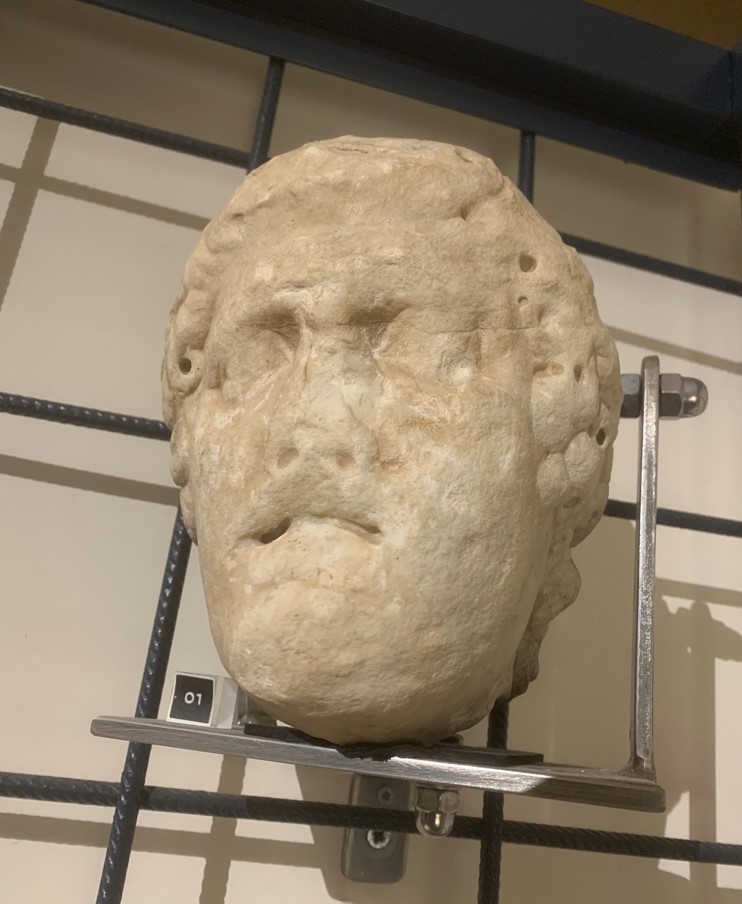
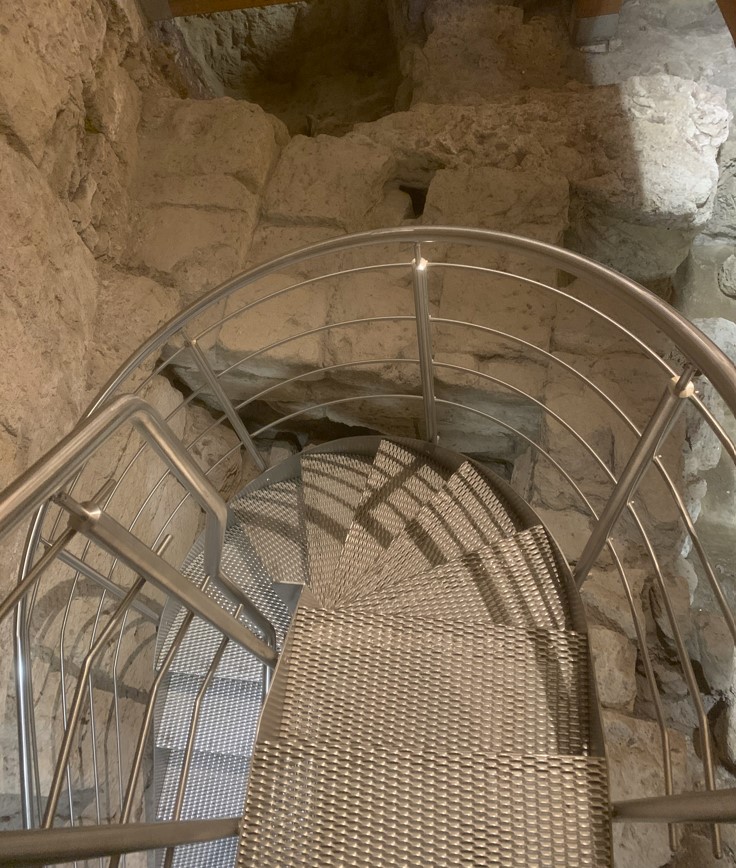
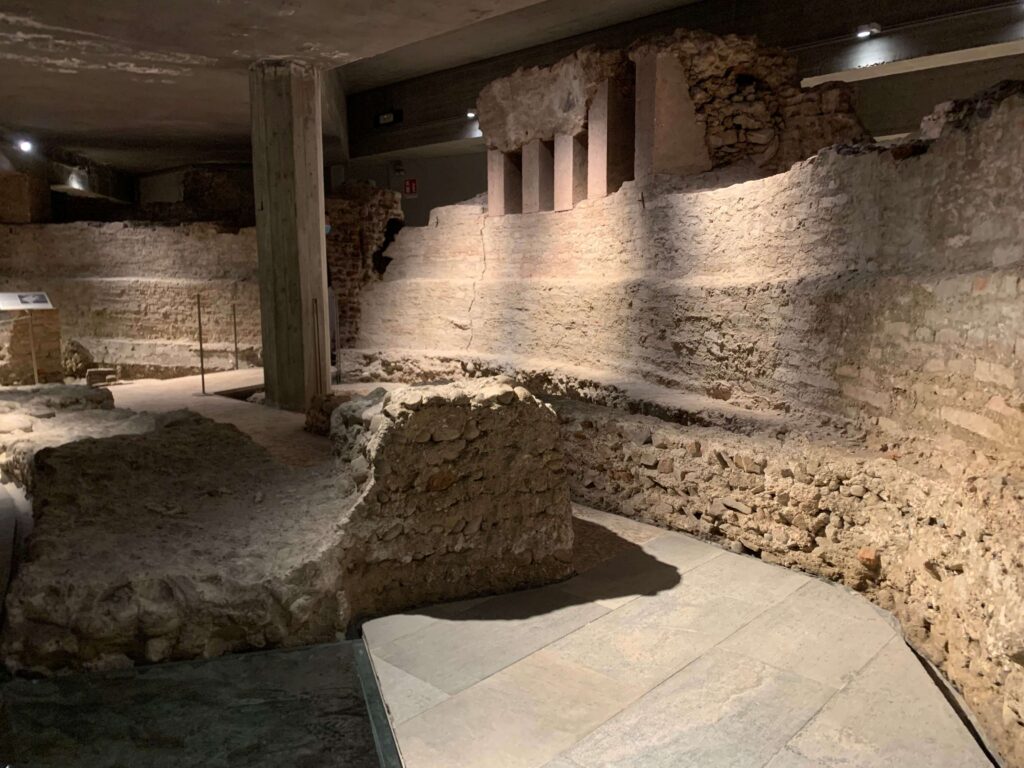
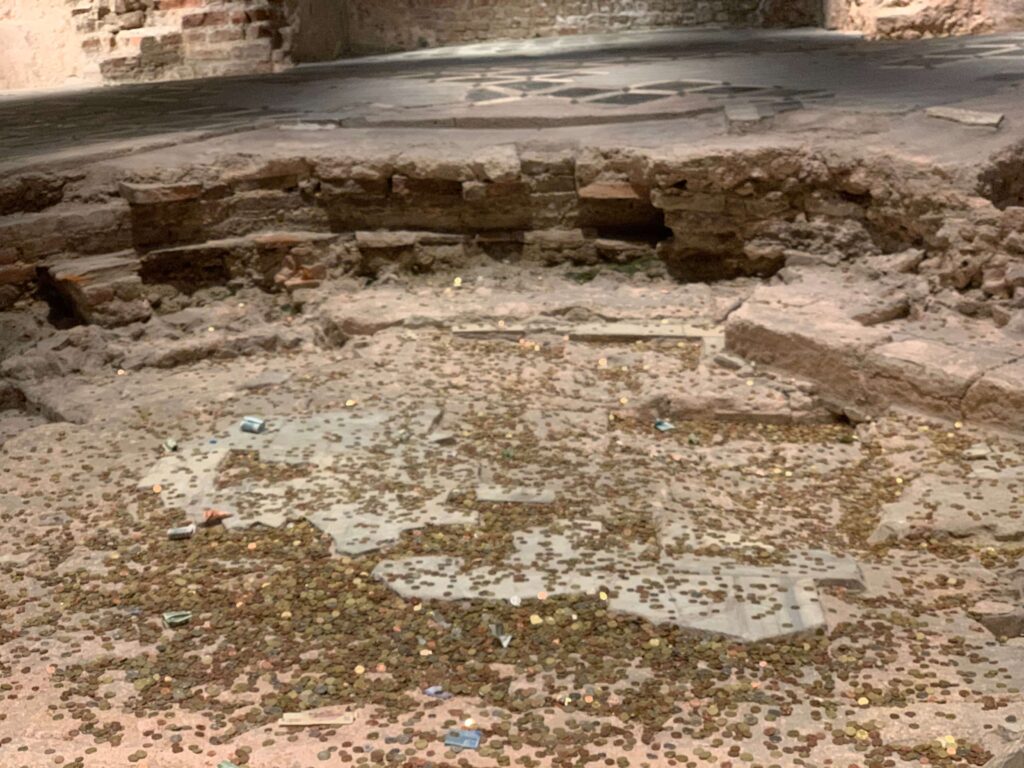
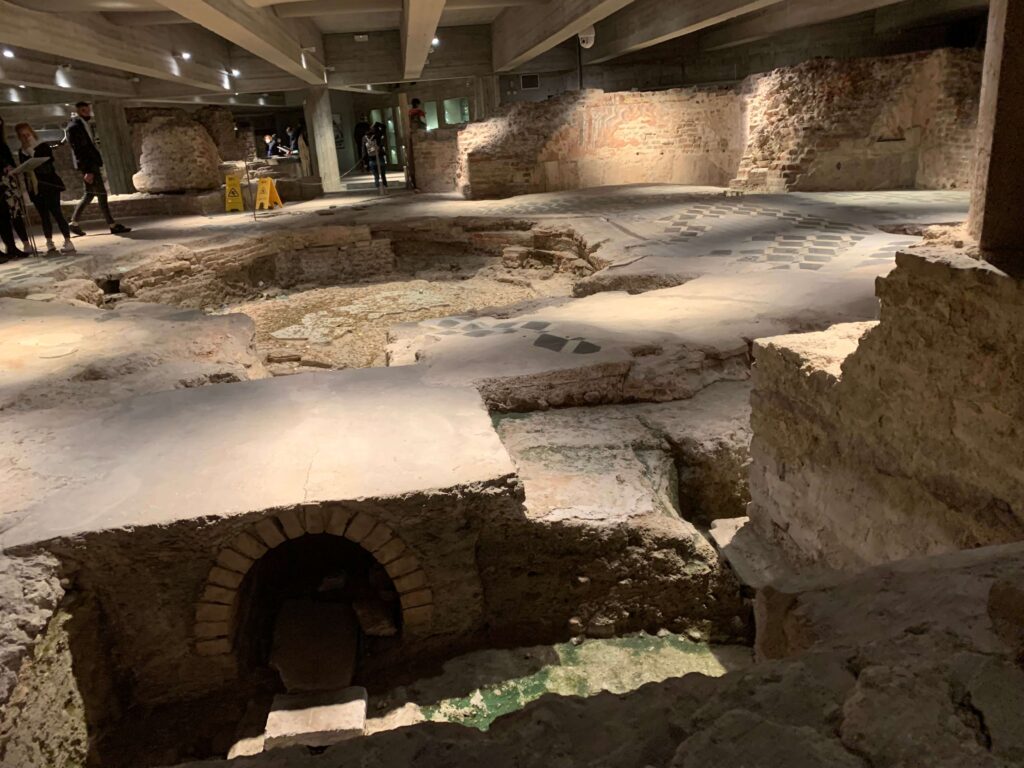
An exceptional highlight of our visit was descending into the cathedral’s underground archaeological area, where St. Charles Borromeo is buried. Beneath the Duomo’s parvis lies an extraordinary archaeological complex that reveals the remains of worship sites dating from the Roman Empire through the Middle Ages. These ruins were uncovered during the cathedral’s construction and offer a unique window into early Christian Milanese heritage. Access to this subterranean area is through a separate entrance and is well worth exploring.
Museo Del Duomo:
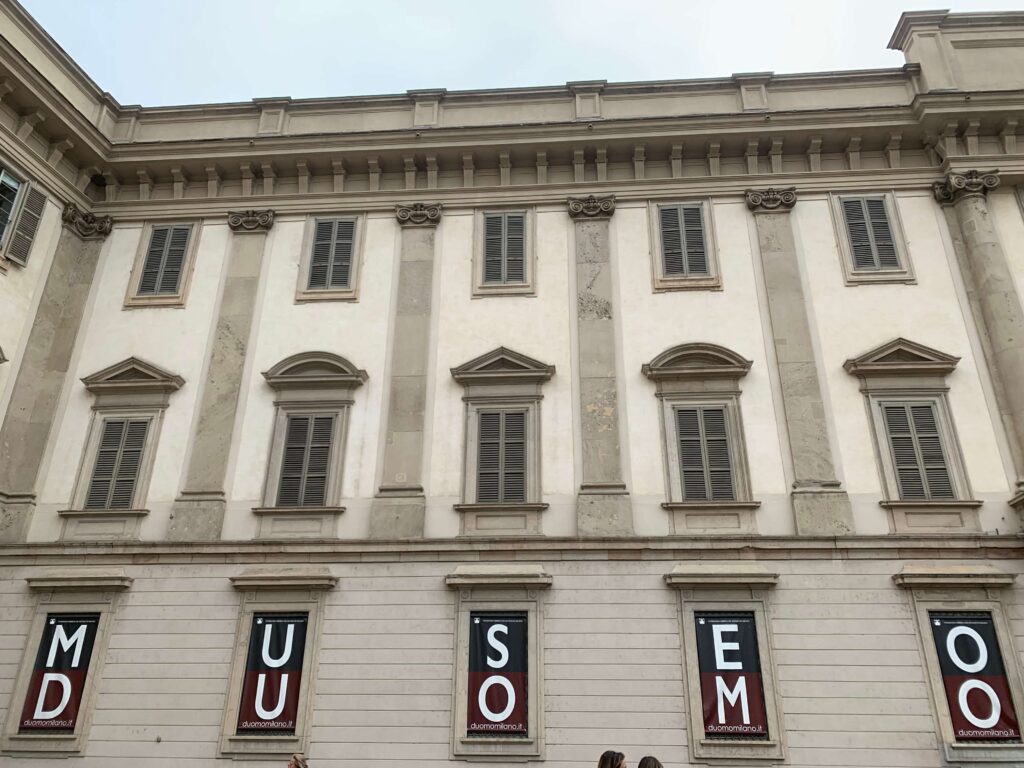
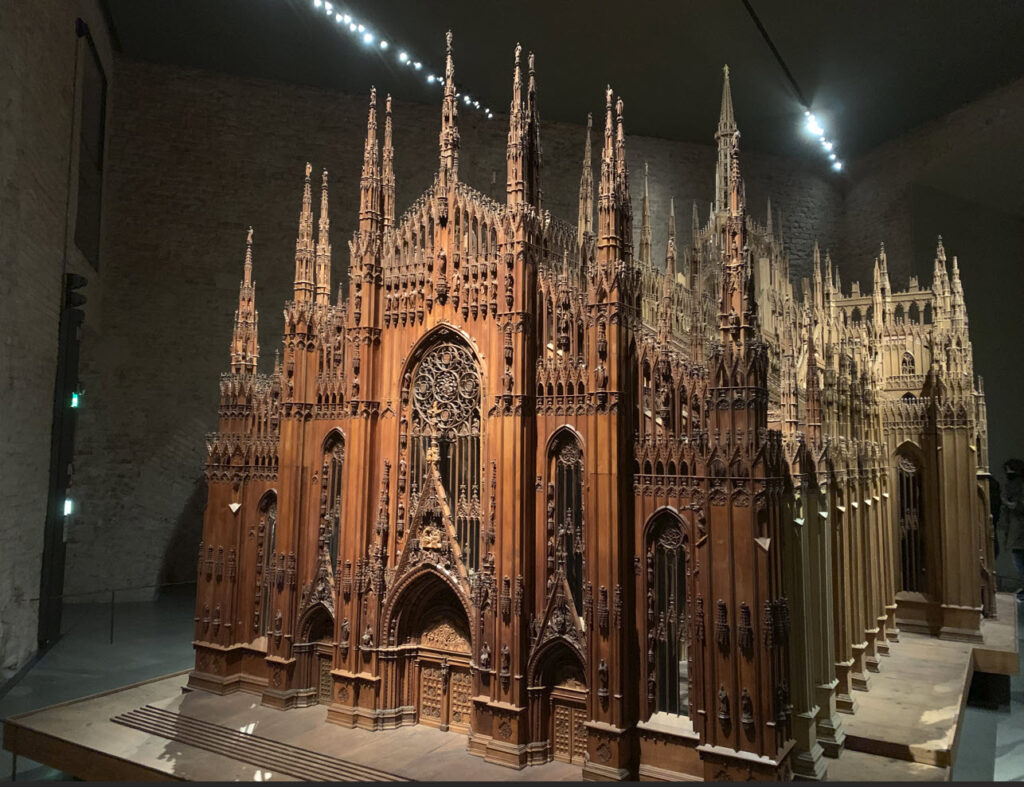
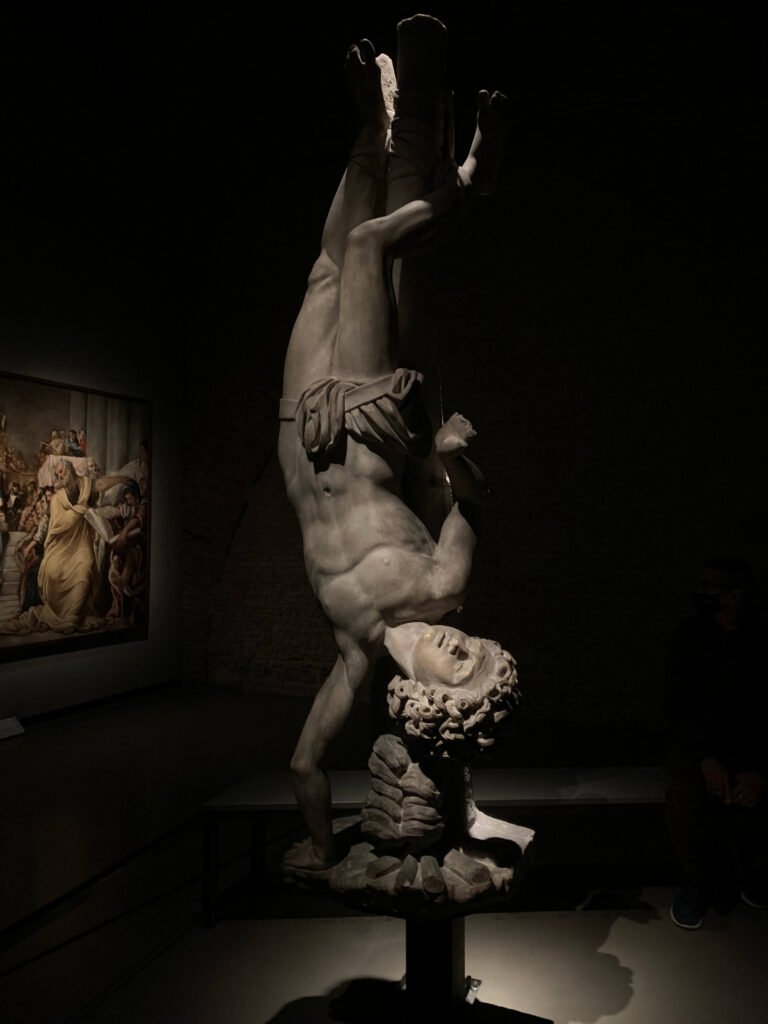
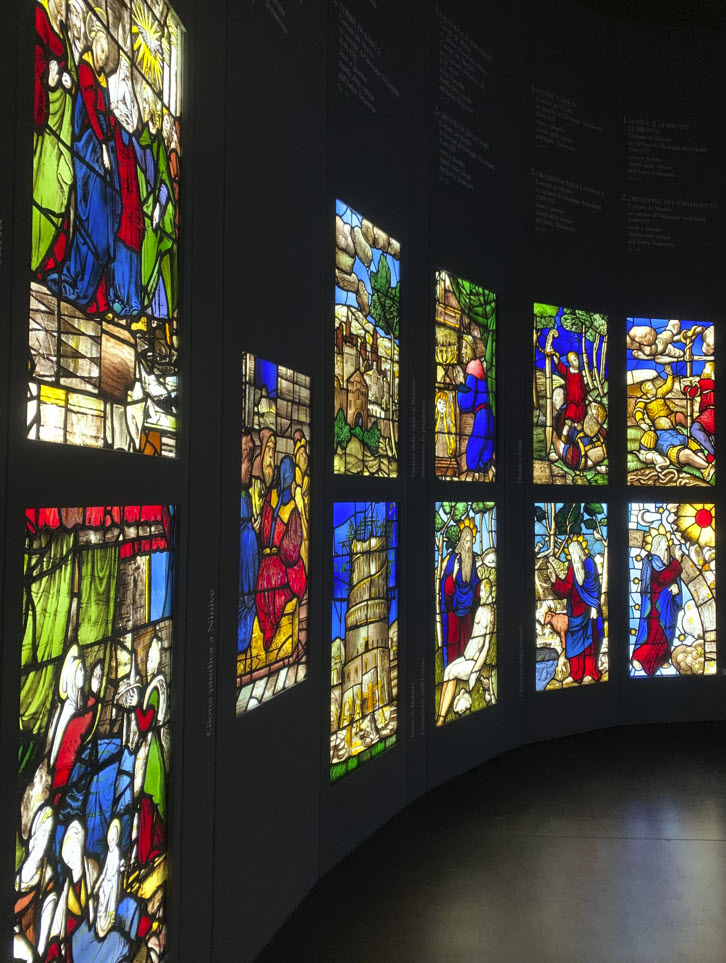
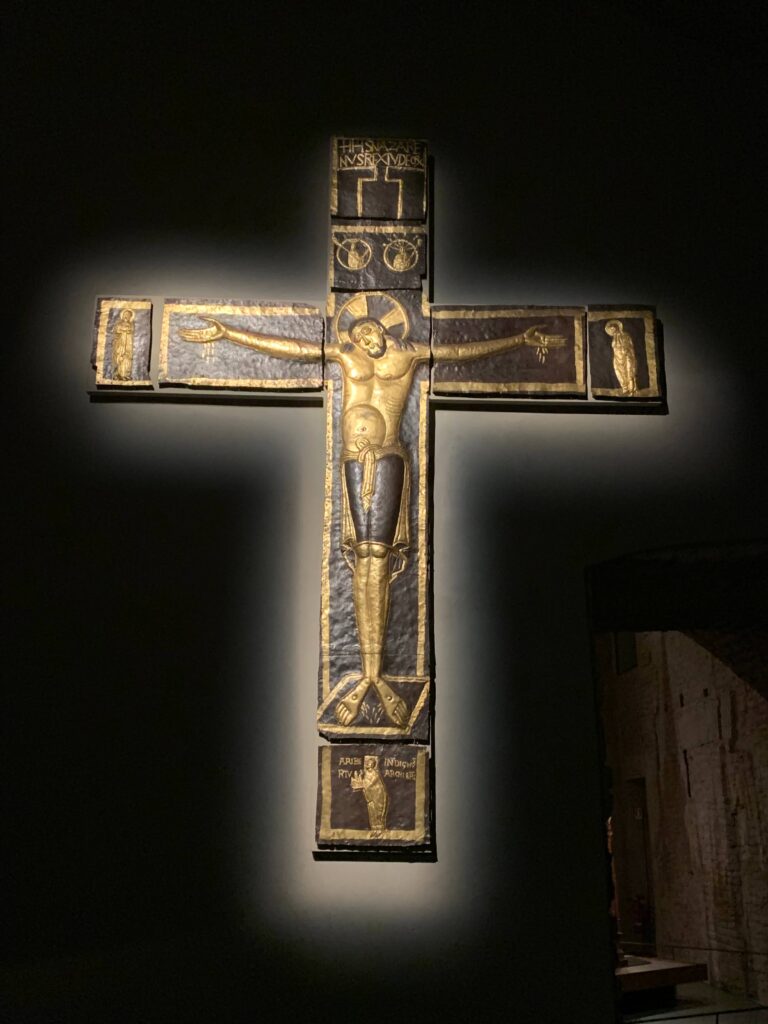
Situated just beside the cathedral, the Duomo Museum offers an in-depth exploration of the Duomo’s history and construction, making it a must-visit for those interested in architectural heritage. For enthusiasts of religious art and artifacts, the museum provides a unique opportunity to closely examine many of the cathedral’s statues and details, allowing visitors to appreciate the craftsmanship in exquisite detail.
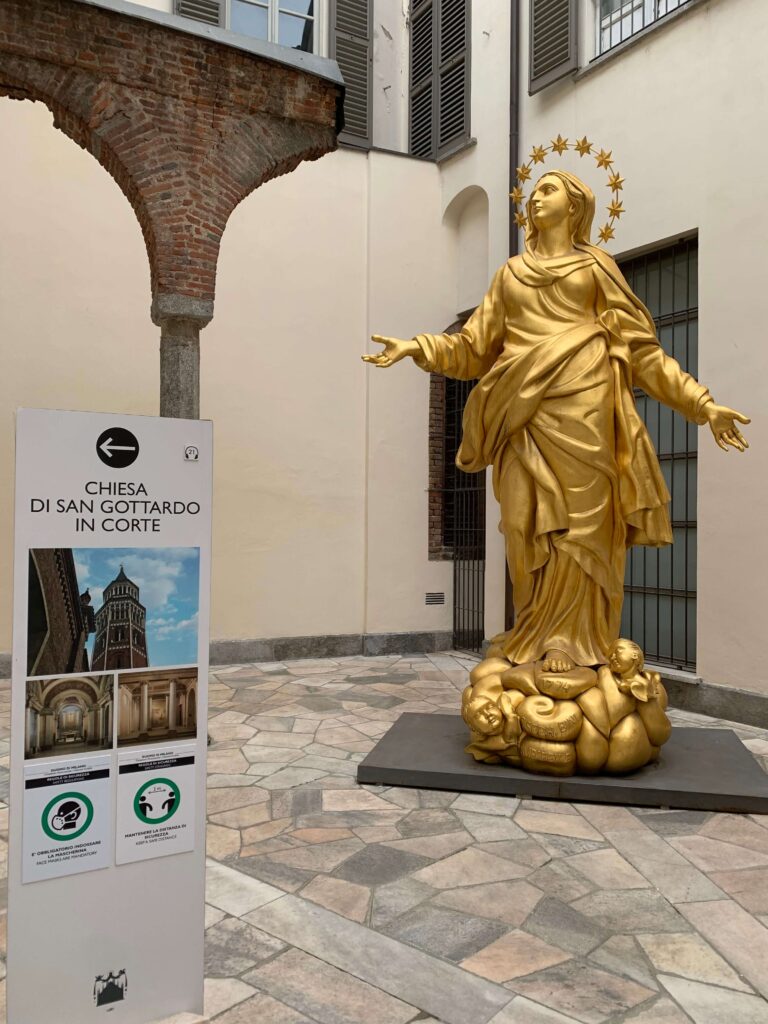
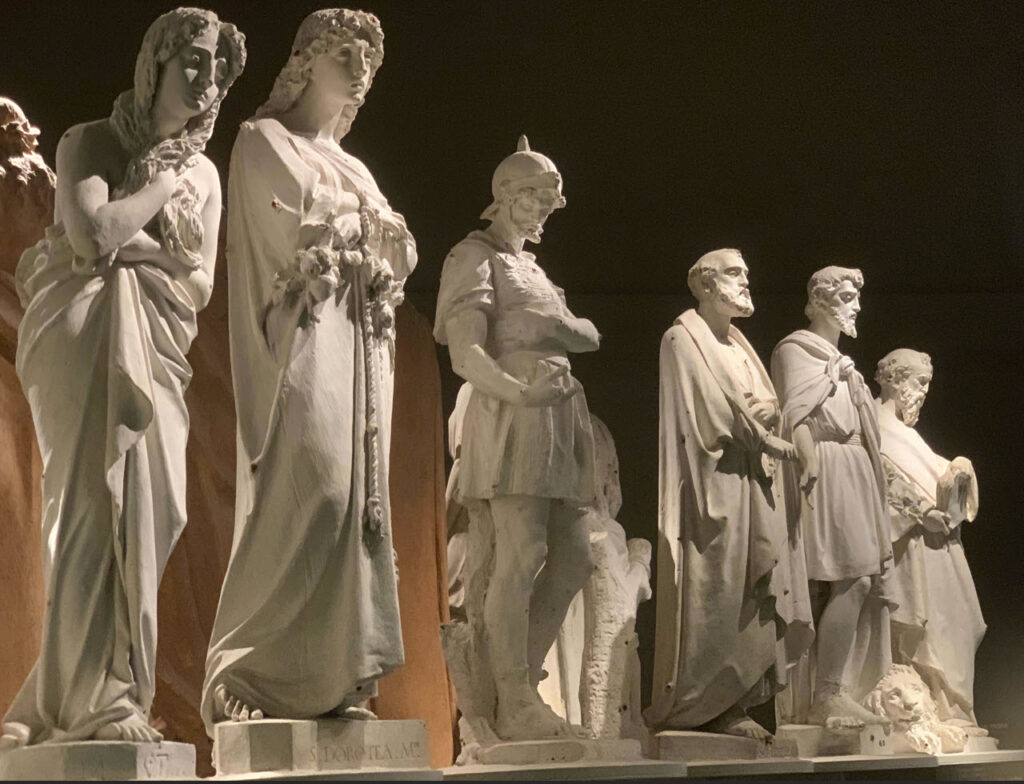
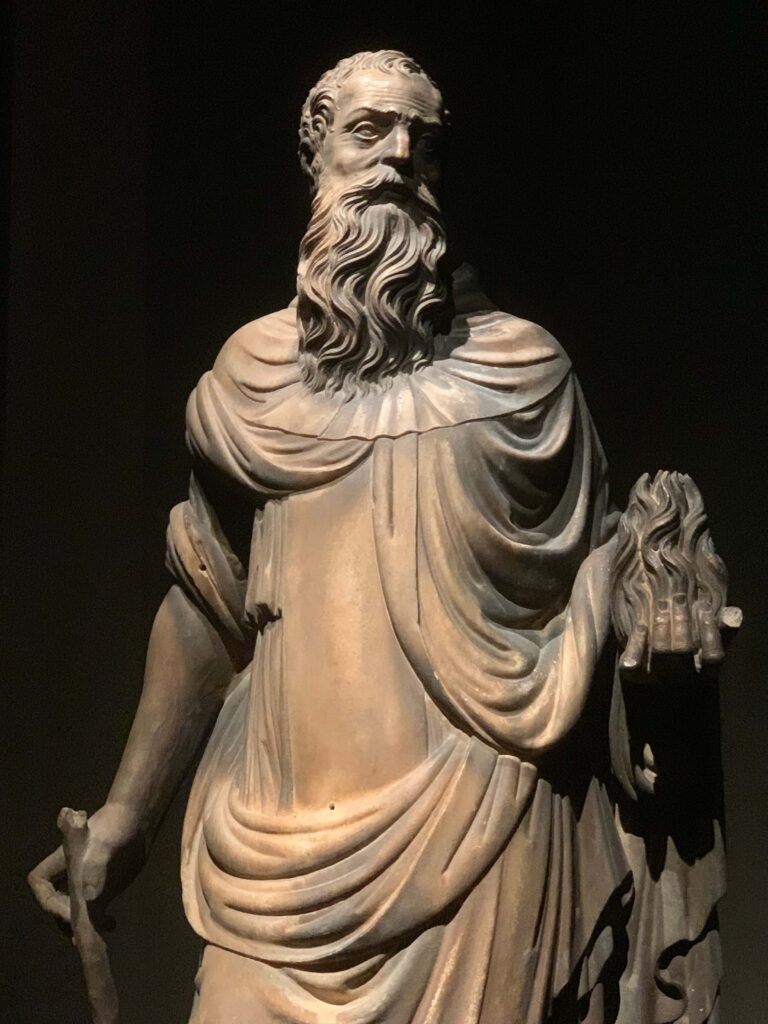
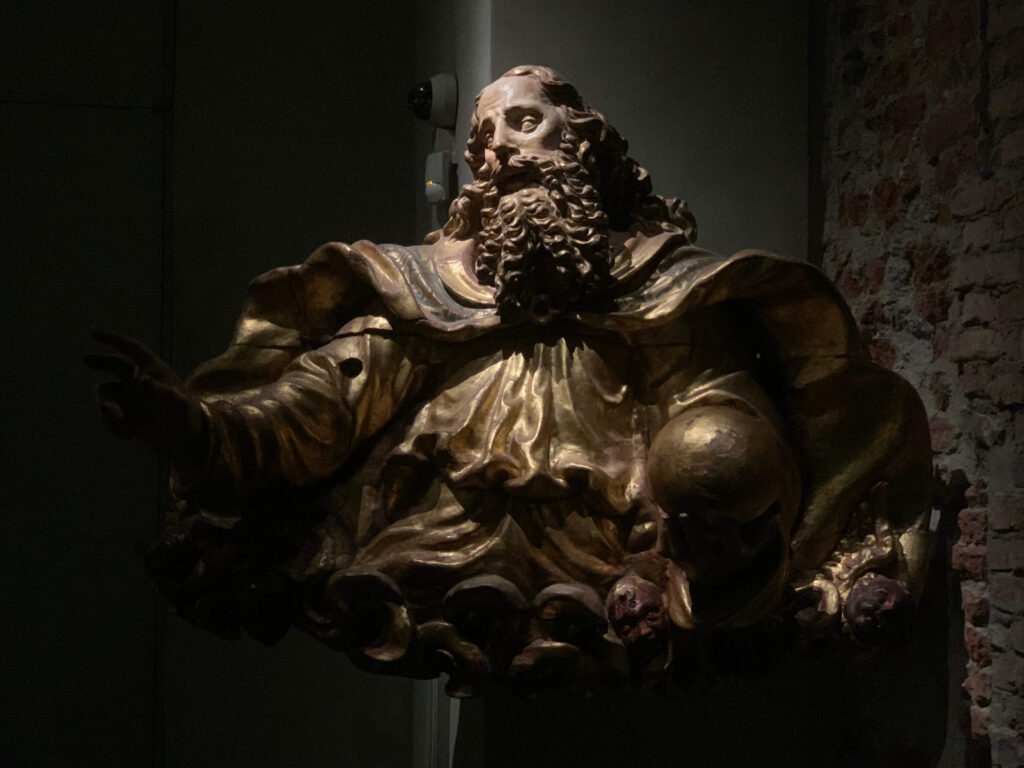
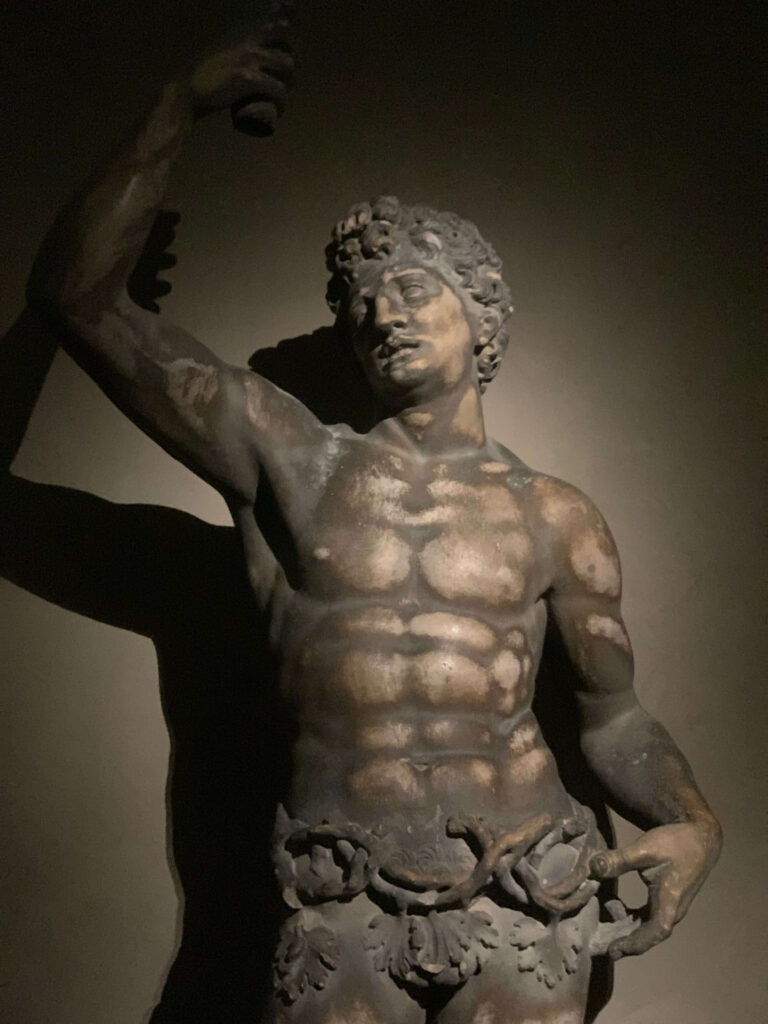
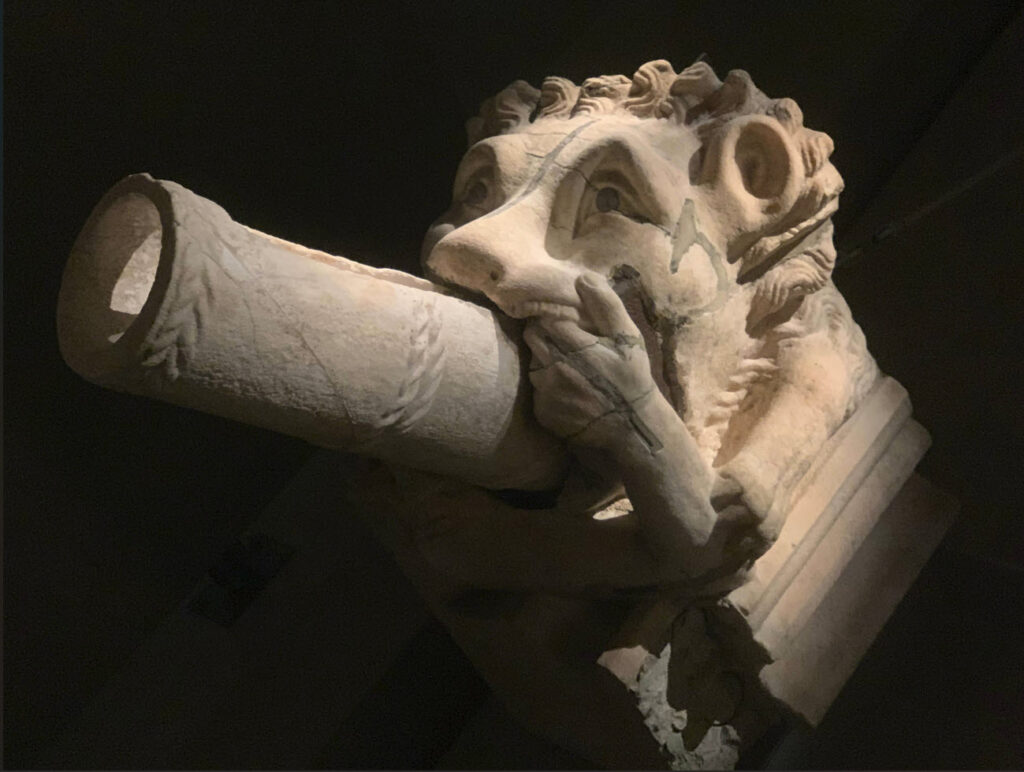
The museum also houses a significant permanent collection of 20th-century Italian art, serving as an invaluable visual archive of Italy’s social and political history, including the rise and fall of Fascism and the impact of two world wars. This rich context makes the Duomo Museum an essential complement to the cathedral experience.
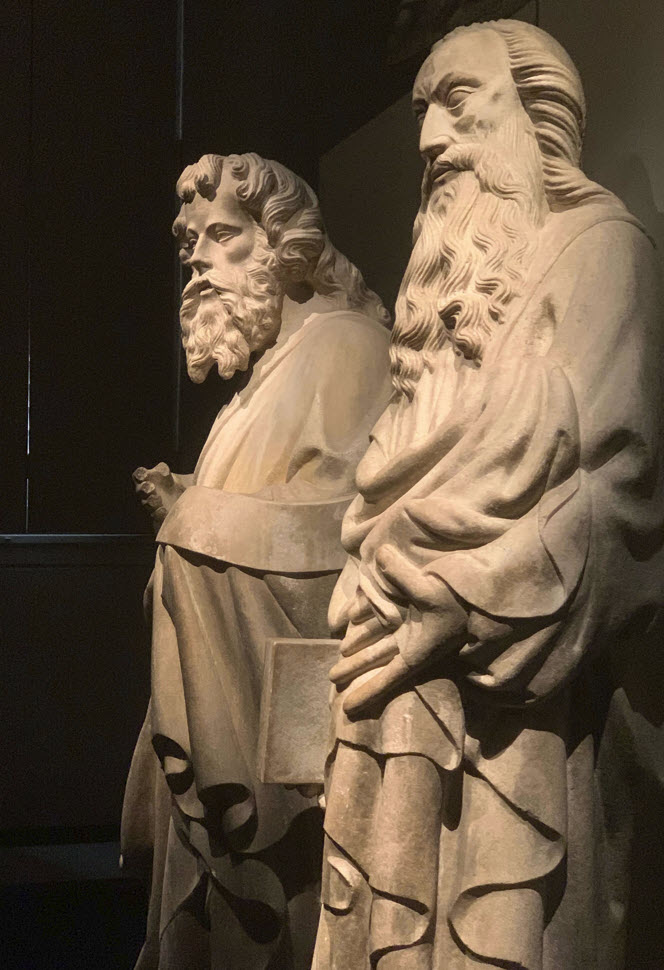
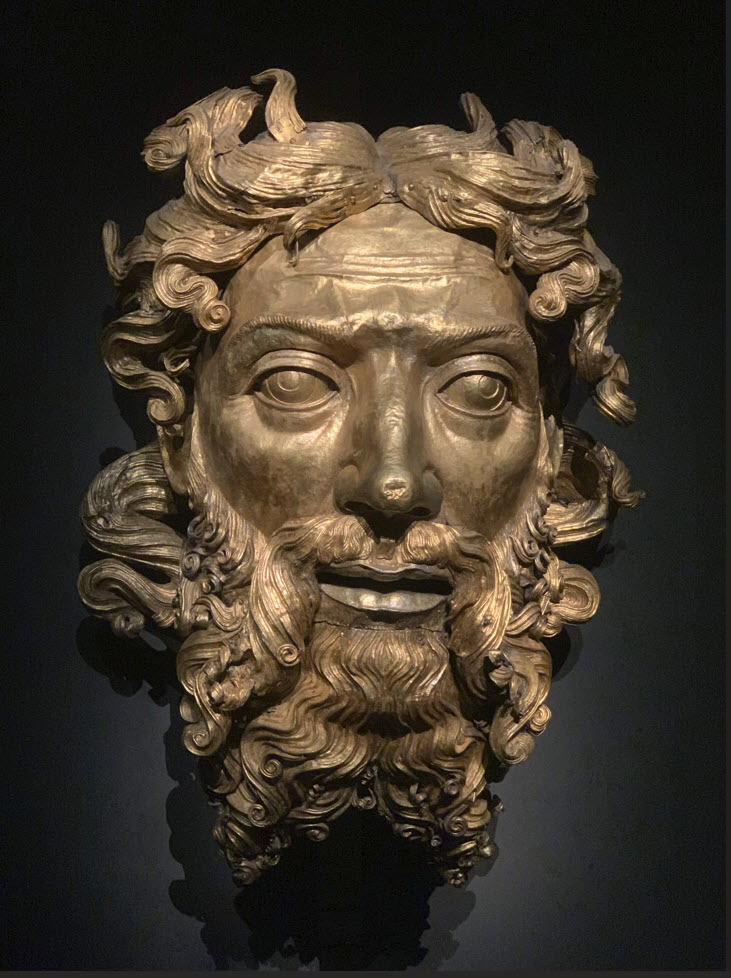
Galleria Vittorio Emanuele II (Italy’s oldest active shopping arcade):
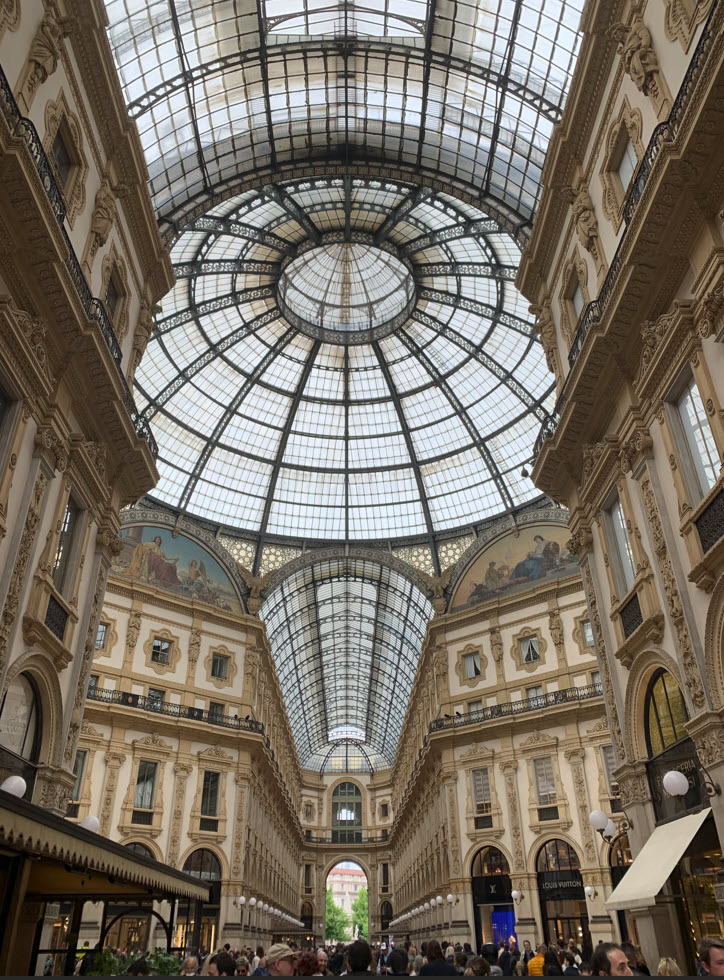
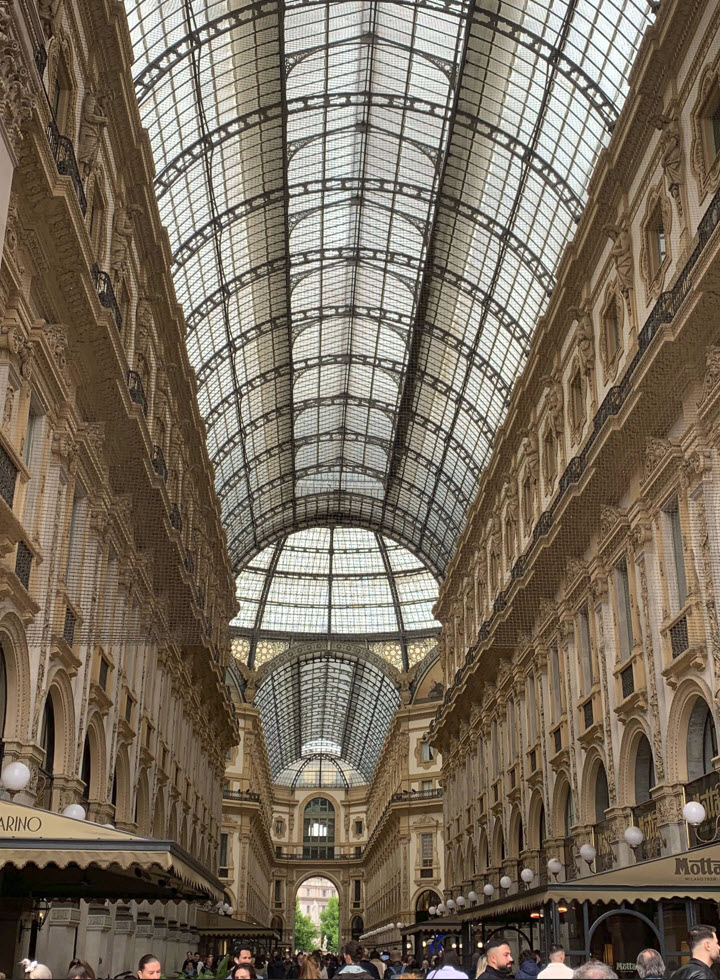
A short walk from the Duomo brings you to the historic Galleria Vittorio Emanuele II, Italy’s oldest shopping center and a true architectural gem. This covered shopping arcade is renowned for its stunning glass roof, creating a bright and elegant atmosphere that many say is open 24/7.
Inside the Galleria, visitors will find a variety of charming cafés and restaurants, some dating back to the gallery’s inception. It is also home to some of the world’s most prestigious fashion boutiques, including flagship stores for brands like Louis Vuitton and Prada, all adhering to the gallery’s signature black and gold signage for a uniform and sophisticated appearance.
Wandering through the Galleria is free, making it an ideal complement to a visit to the Duomo. The space is incredibly photogenic, featuring magnificent arcades and a spectacular glass and iron dome. Notably, the Prada store on the ground floor, established in 1913, is the brand’s very first flagship, and a visit to Marchesi 1824 a charming café located on the second floor above Prada is well worth your time.
A charming tradition here involves the mosaic of a bull on the floor. It is said that placing your heel on the bull’s balls and spinning three times brings good luck, adding a playful element to the elegant surroundings.
Leisurely walk through the streets:
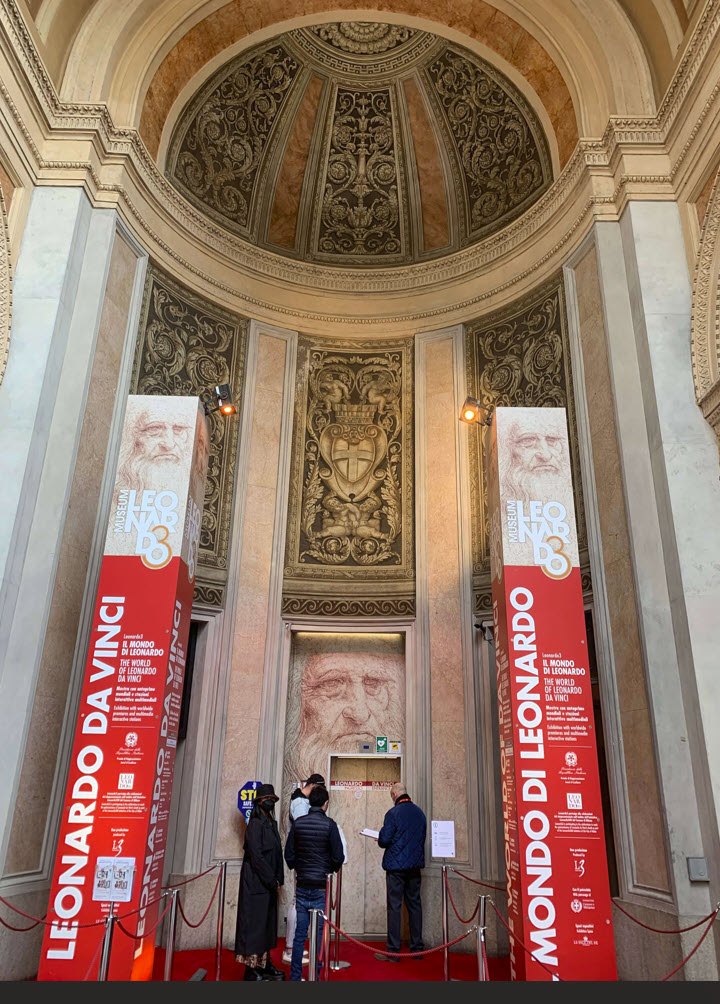
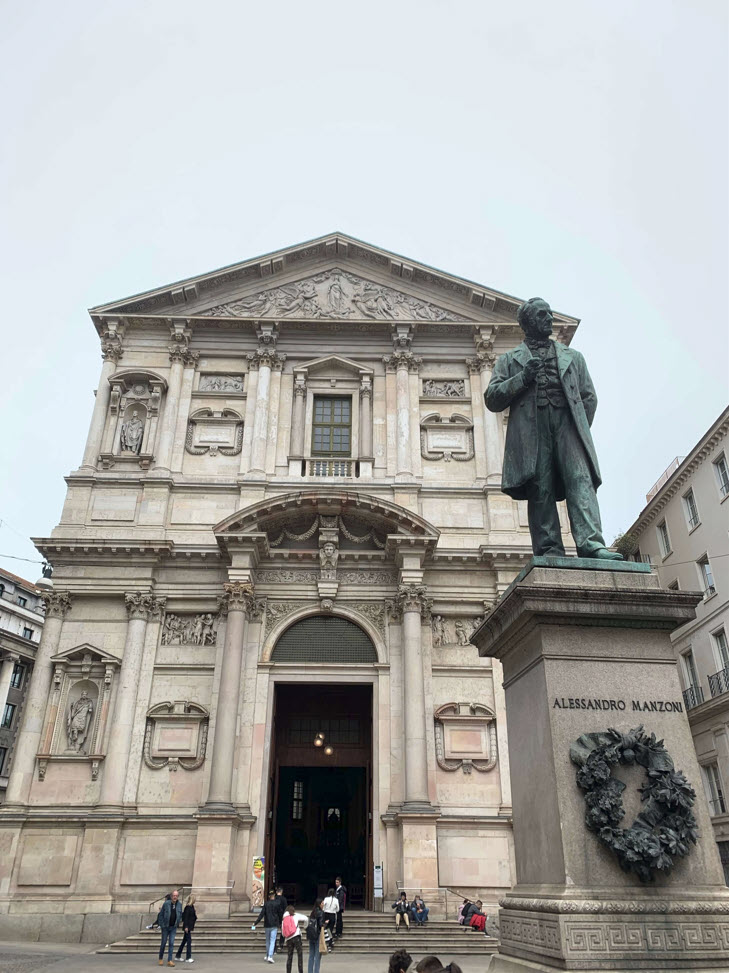
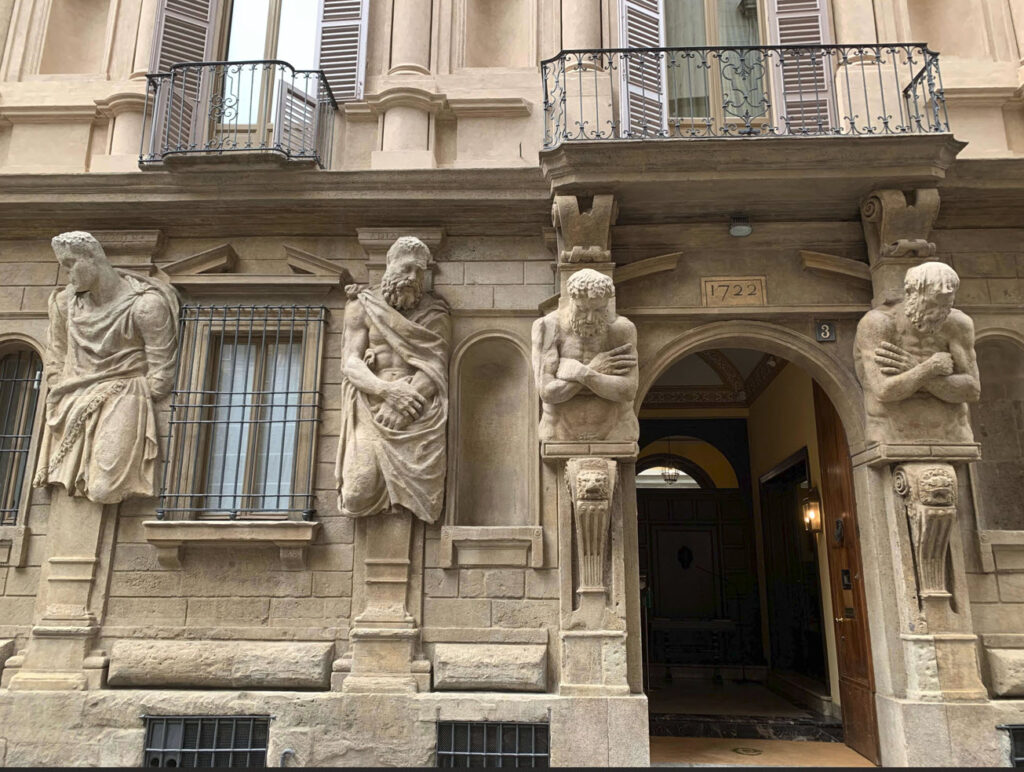
Milan is a meticulously planned and easily navigable city, making it ideal for a relaxed exploration, especially when limited to just one day. The city center is highly walkable, offering visitors the opportunity to take leisurely strolls through its vibrant streets. For those interested, there are several guided walking tours available, providing deeper insights into the city’s rich history and hidden gems.
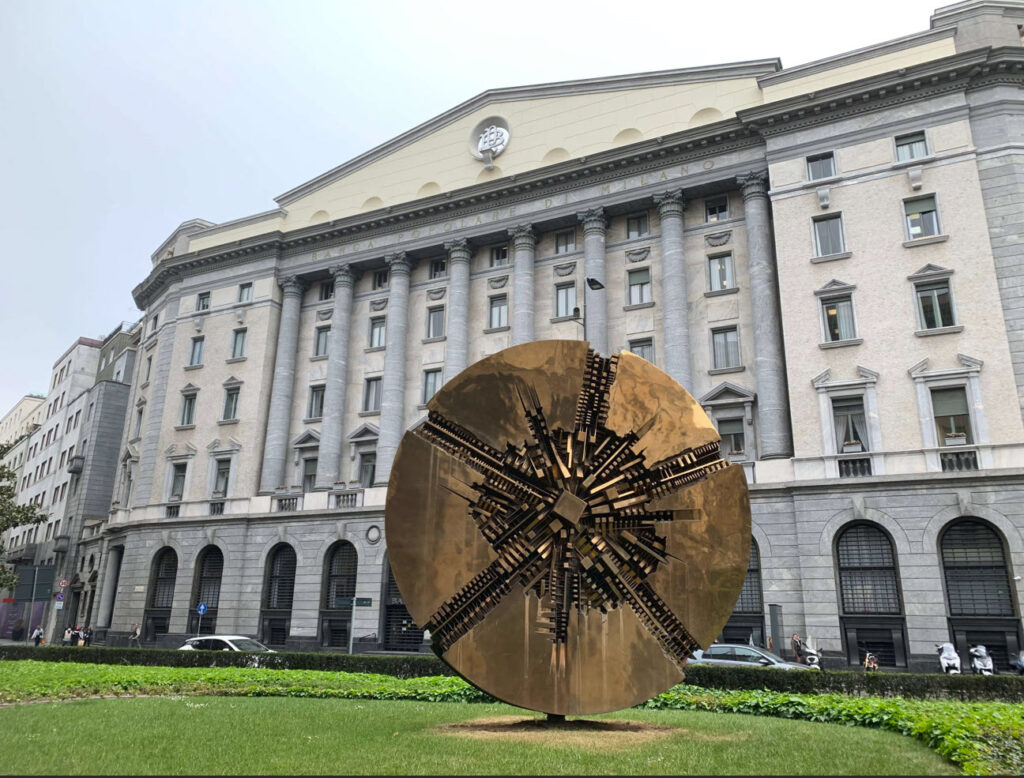
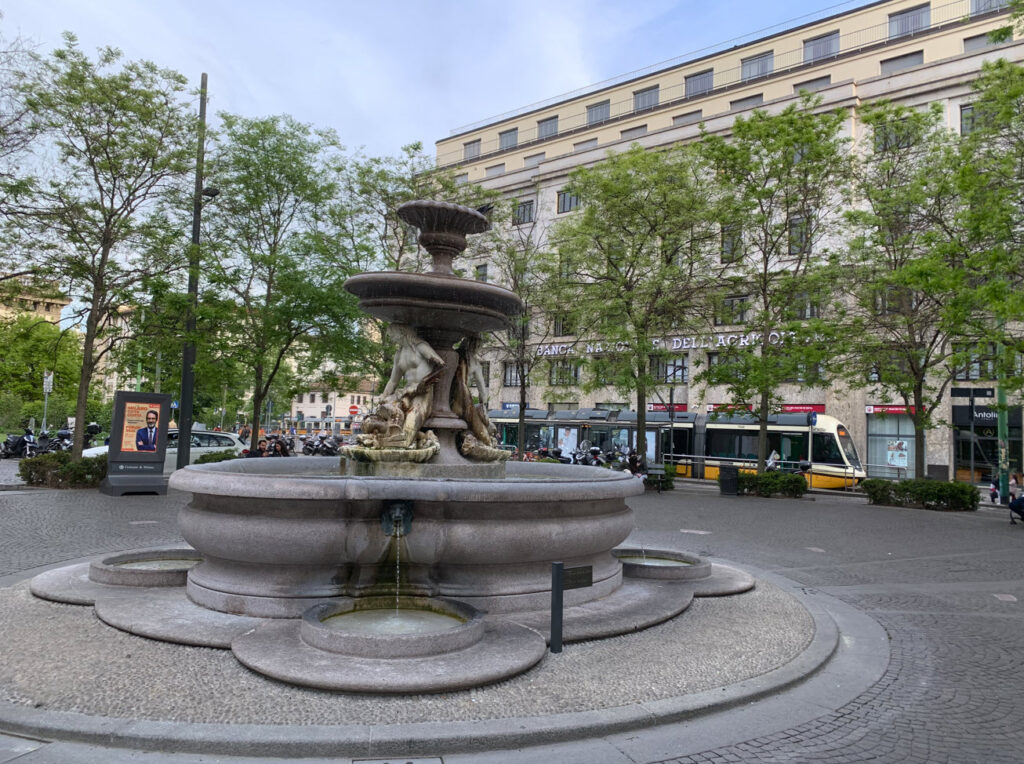
Most of Milan’s iconic landmarks and renowned buildings are conveniently located near the city center, allowing visitors to cover a great deal on foot within a single day. Even viewing these highlights from the outside provides a rewarding experience.
Milan’s dense urban layout enhances its appeal as a walking city, where every street corner reveals quaint cafés, inviting wine bars, stunning architectural details, and outstanding dining options. This blend of culture, cuisine, and charm makes walking through Milan an exceptionally rewarding way to experience the city’s unique character.
Milan Open Tour (Hop on Hop Off):
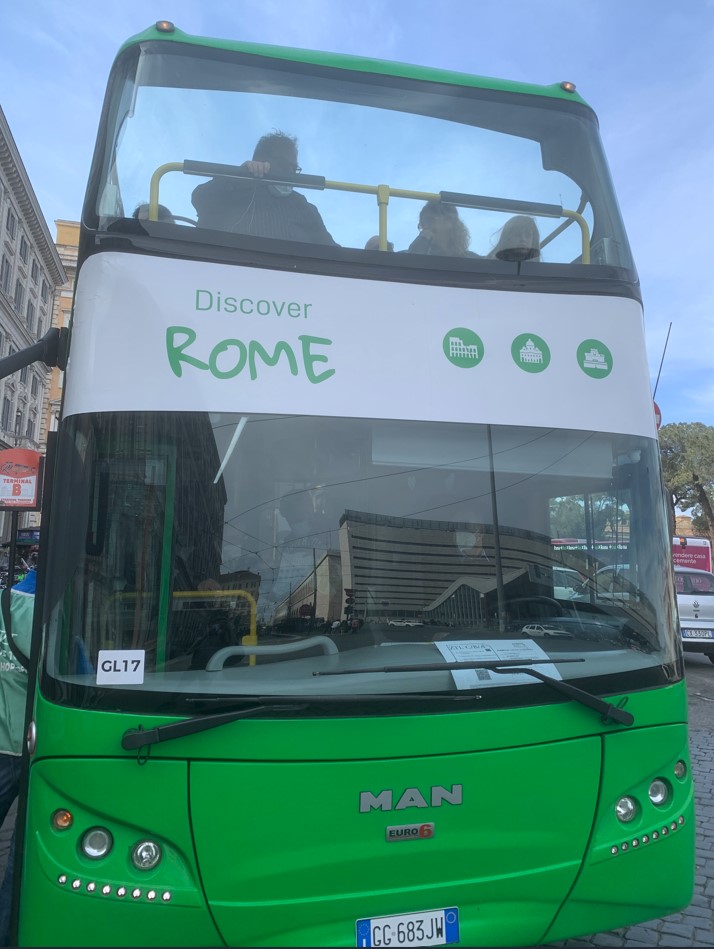
Just outside the cathedral, we boarded the Milan open tour double-decker bus, a convenient way to explore the city’s highlights. Additional information about this tour can be found at Milan Open Tour : https://milanopentour.com/en/
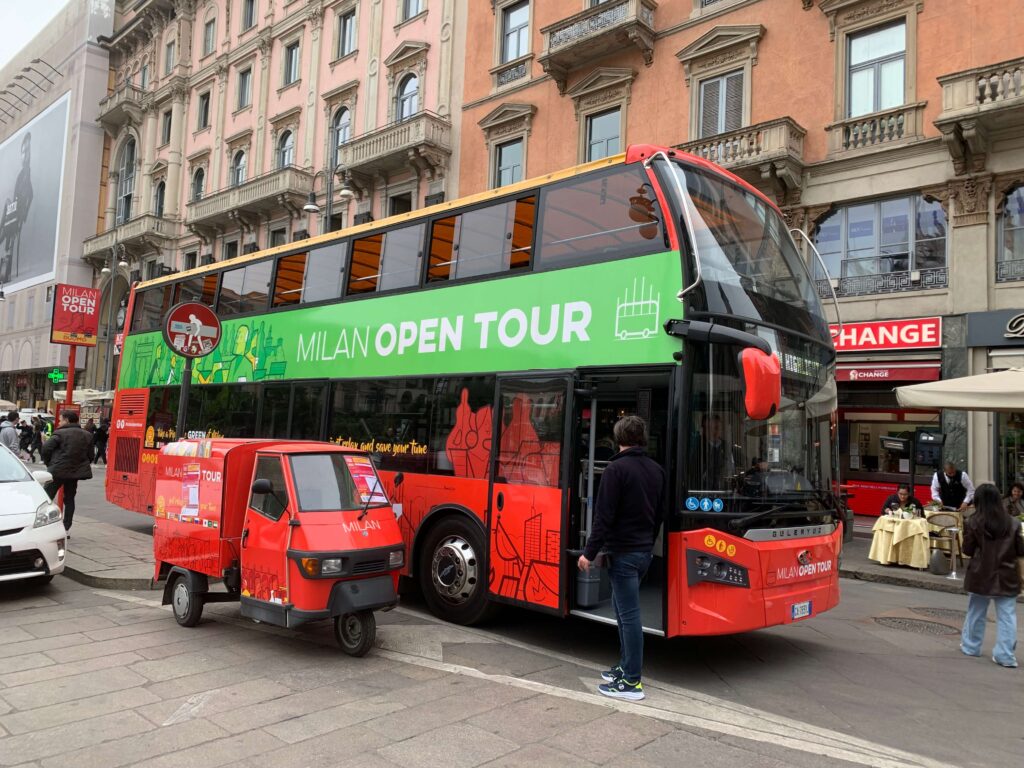
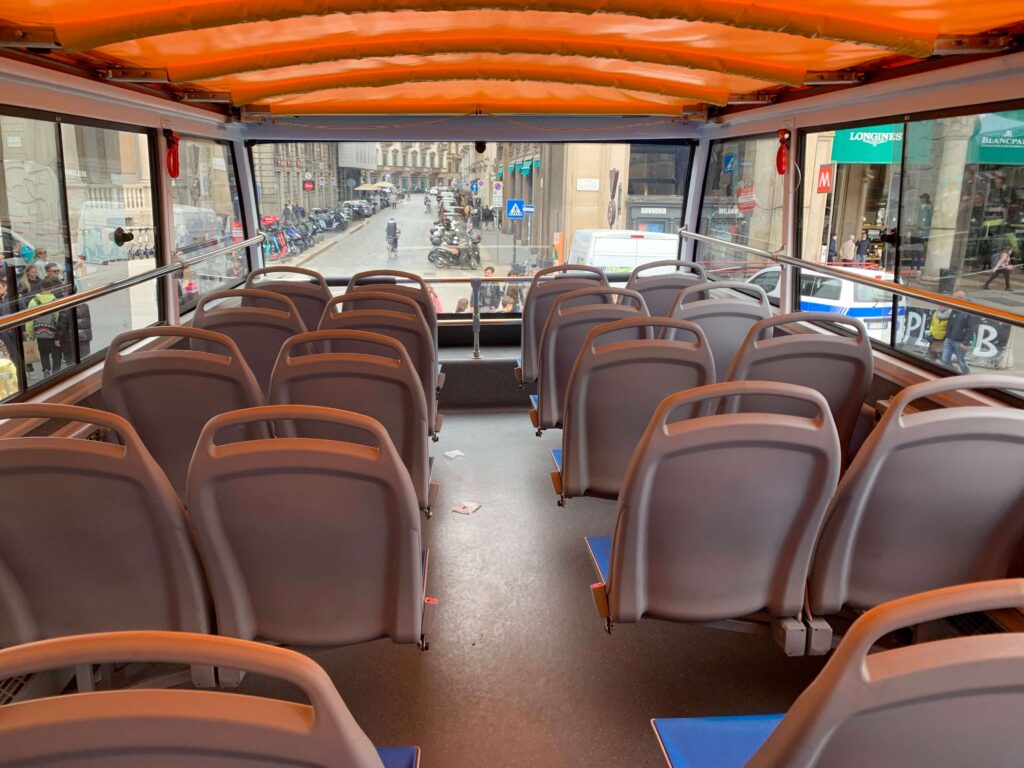
The service offers two main routes:
- Red Line (Fashion, Design & Leisure) – This comprehensive route lasts approximately 2 hours and 15 minutes, covering Milan’s top attractions. We chose this line and opted to remain on the bus for the full circuit without disembarking, enjoying the full experience in one continuous trip.
- Blue Line (Milan Highlights) – A faster, 45-minute route that traverses key streets known for shopping, art, and culture.
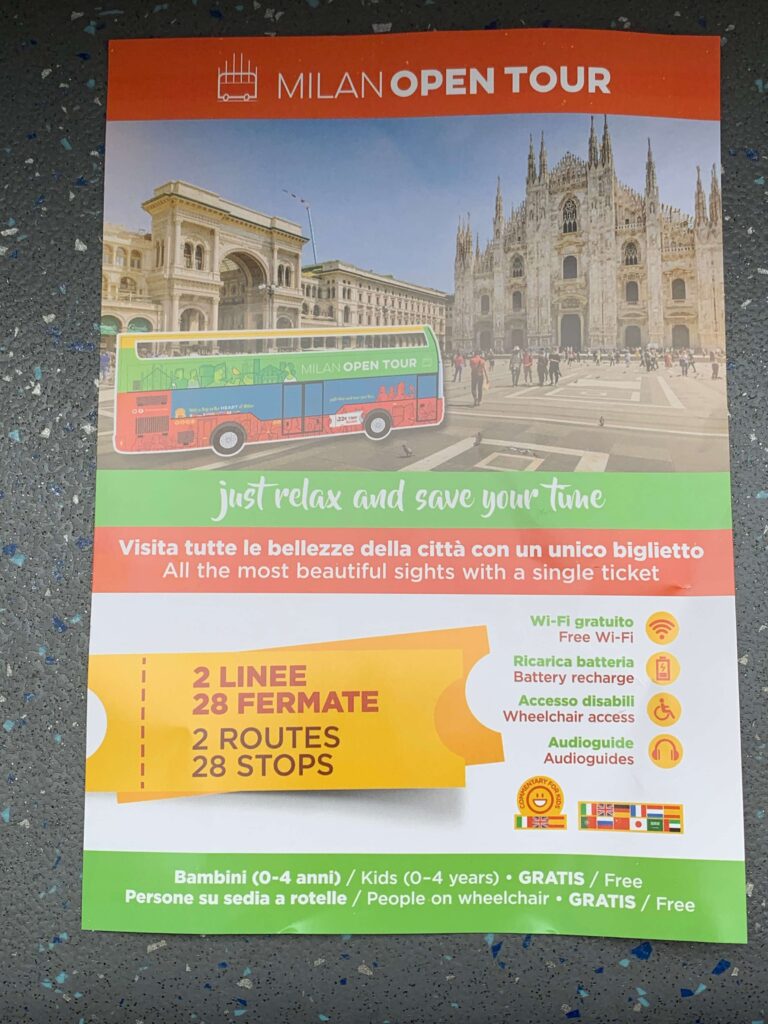
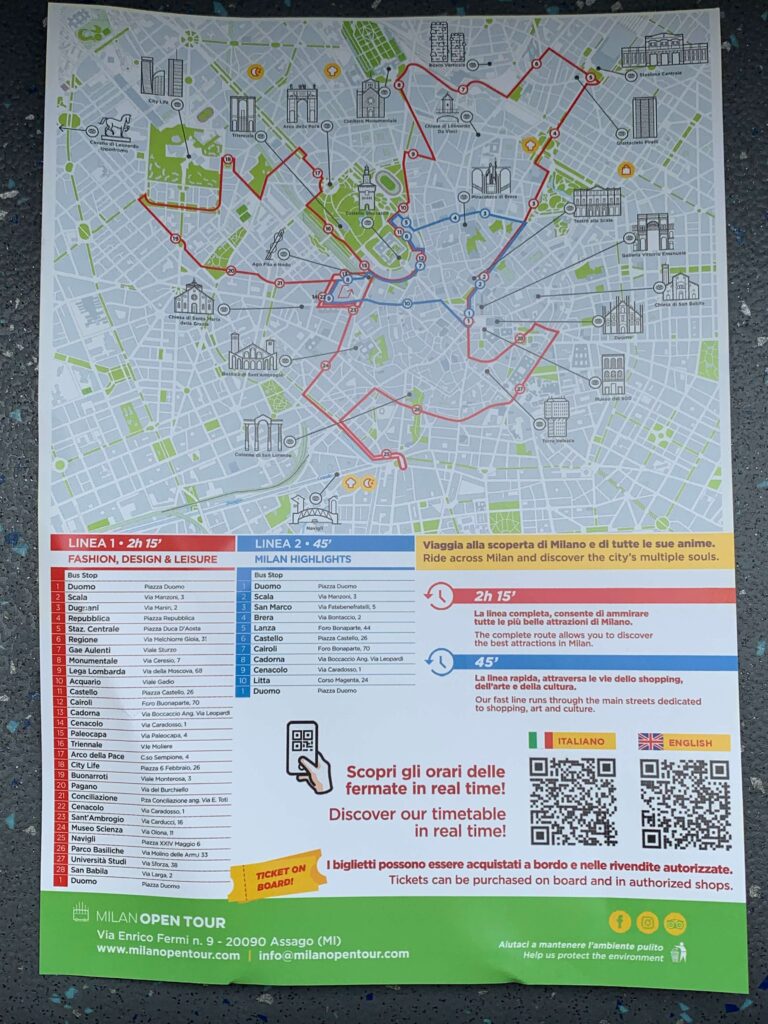
It is said that the same ticket may grant access to both lines, but it is advisable to confirm this detail directly with the tour operator. This hop-on hop-off service provides an excellent, flexible way to discover Milan’s diverse charms with the convenience of guided commentary and panoramic views.
Trams in Milan:
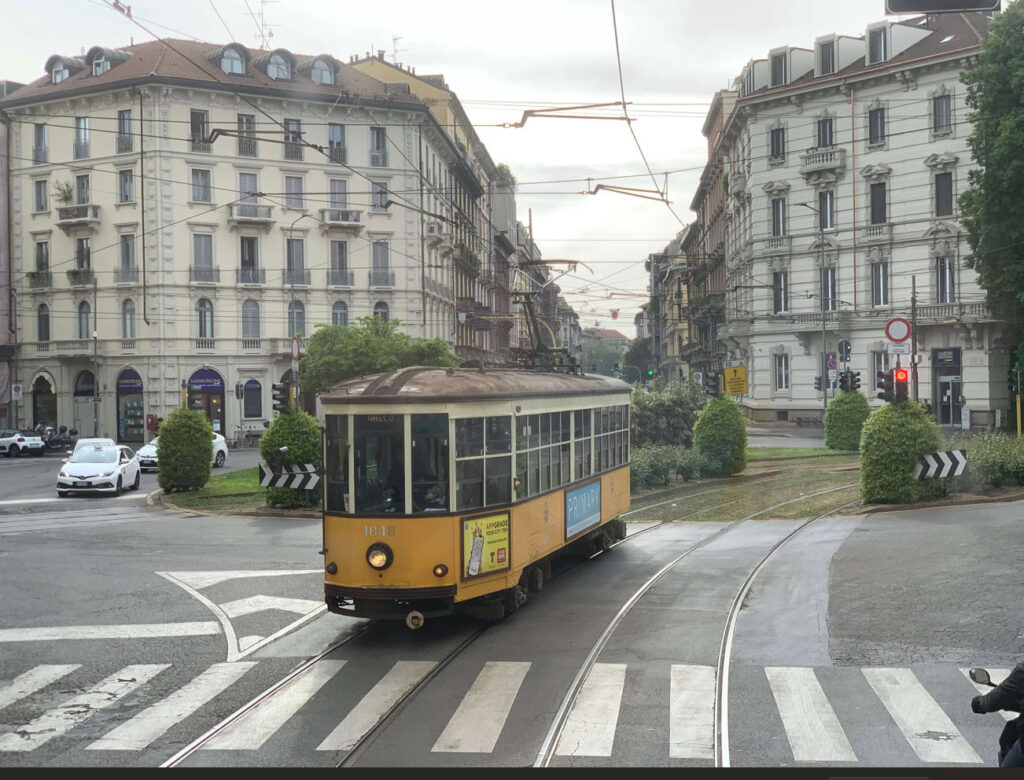
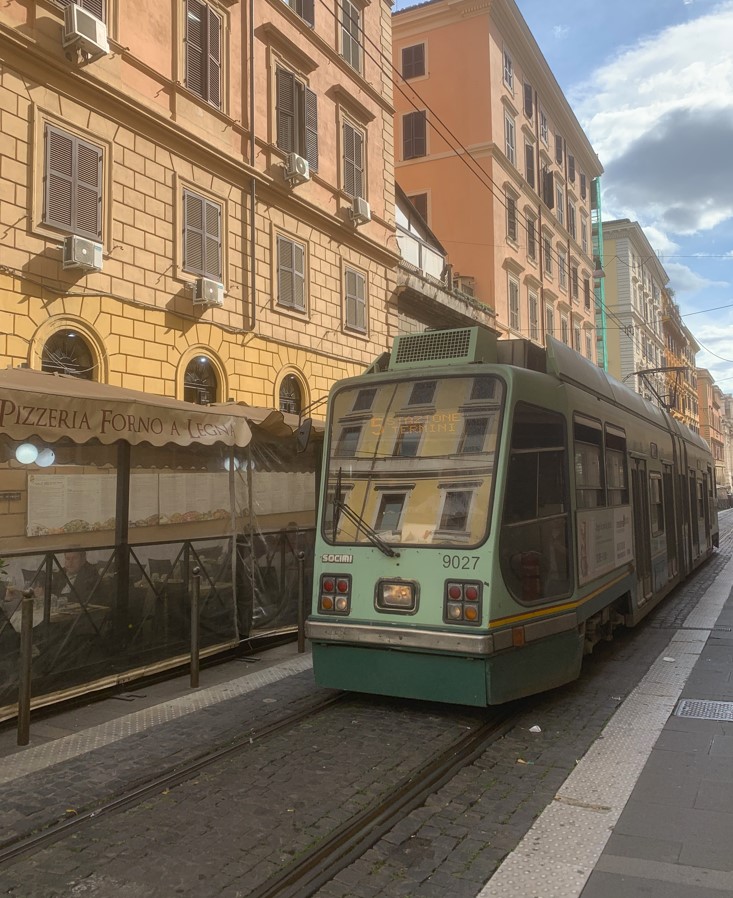
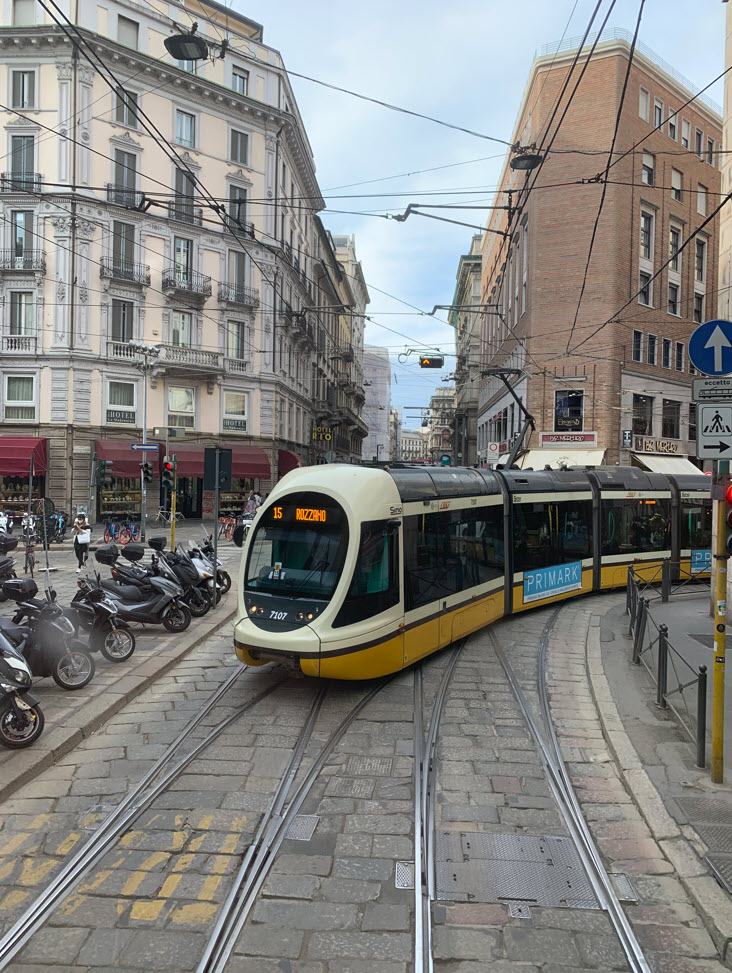
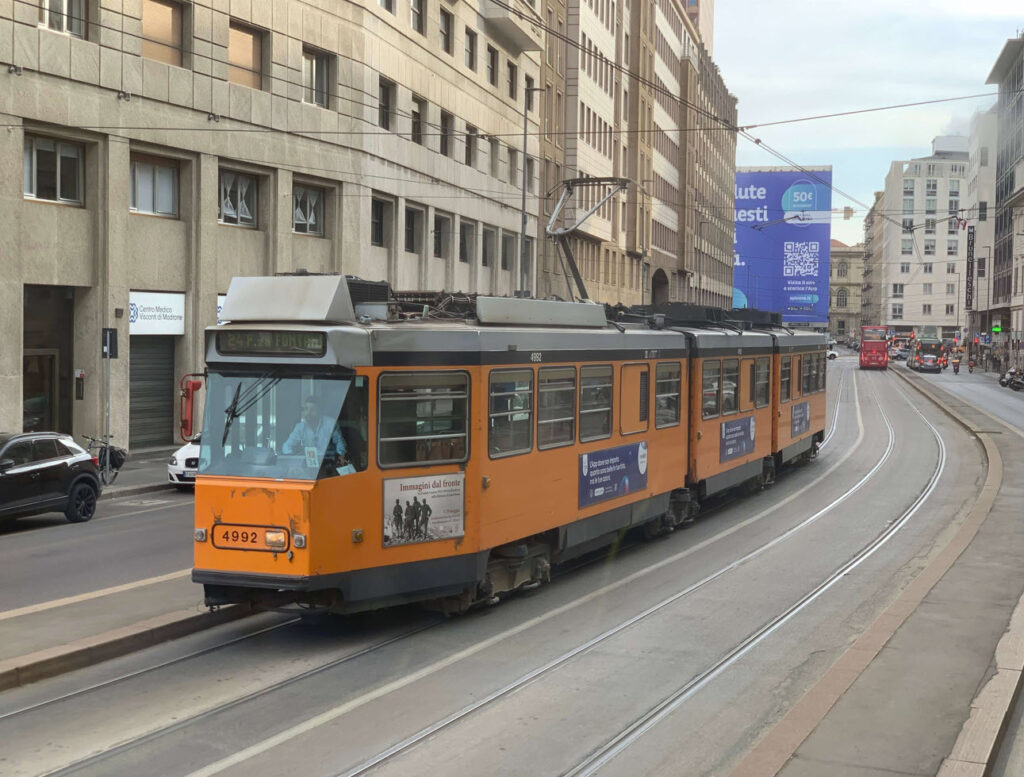
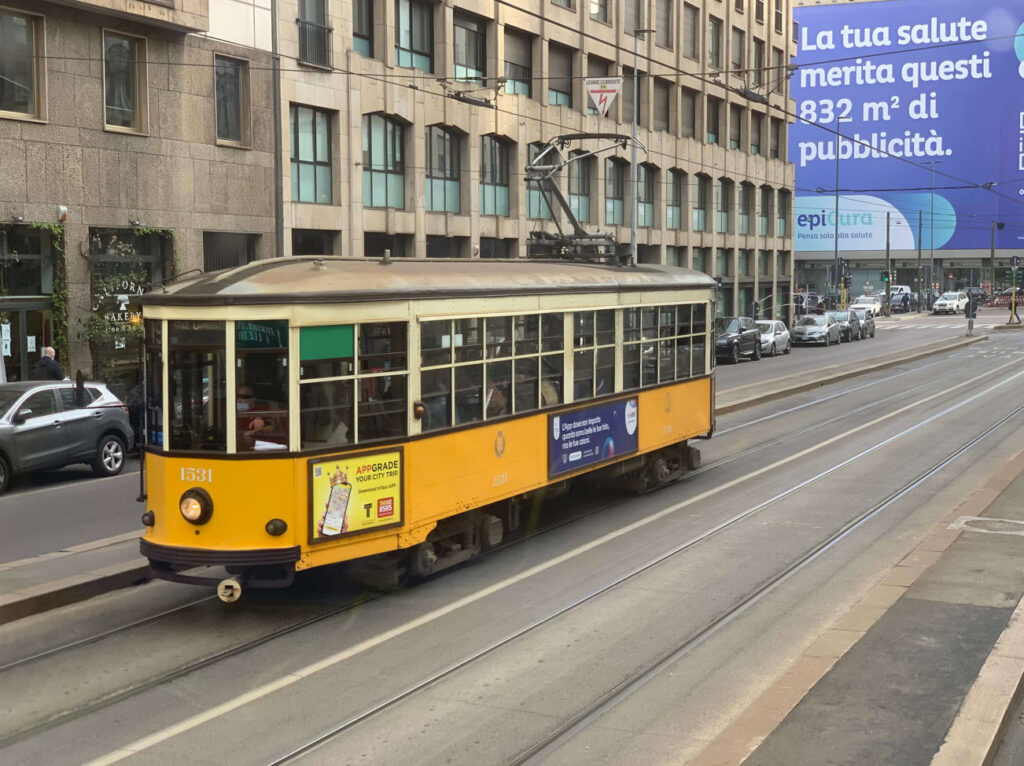
Milan is a paradise for tram enthusiasts, boasting a vibrant and extensive tram network that continuously moves throughout the city and its outskirts. The city’s tram system is one of the largest in the world, with a network spanning over 157 kilometers and comprising 17 urban lines operated by Azienda Trasporti Milanesi (ATM). Milan’s trams offer a charming mix of historic and modern vehicles, making each ride a unique experience.
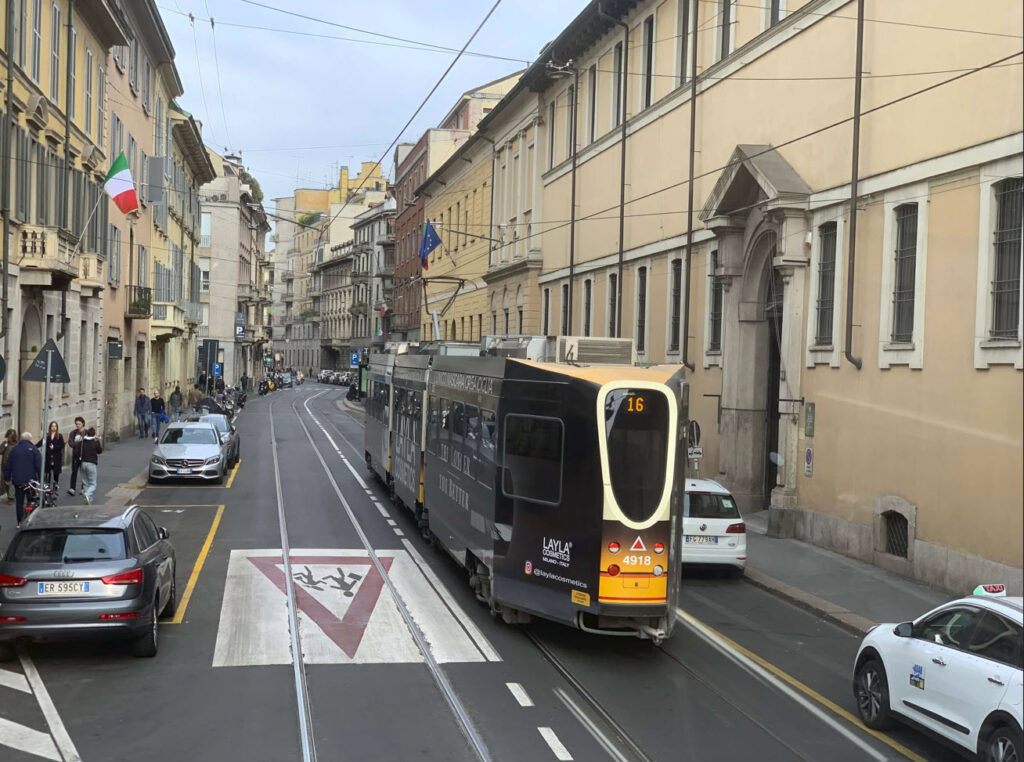
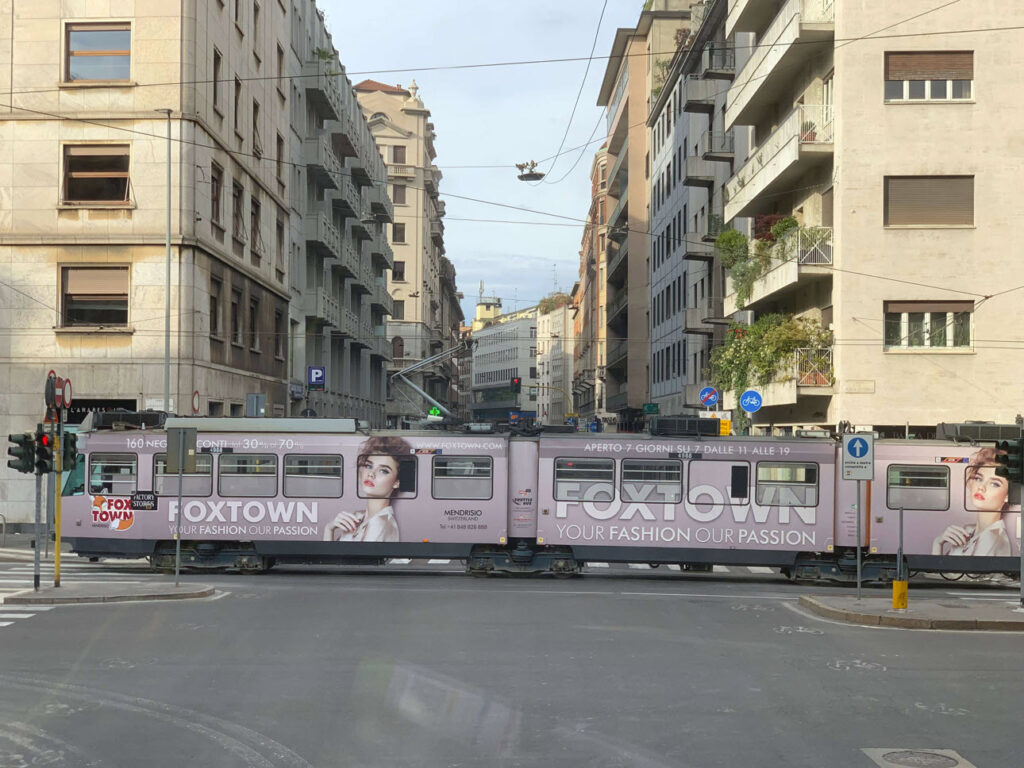
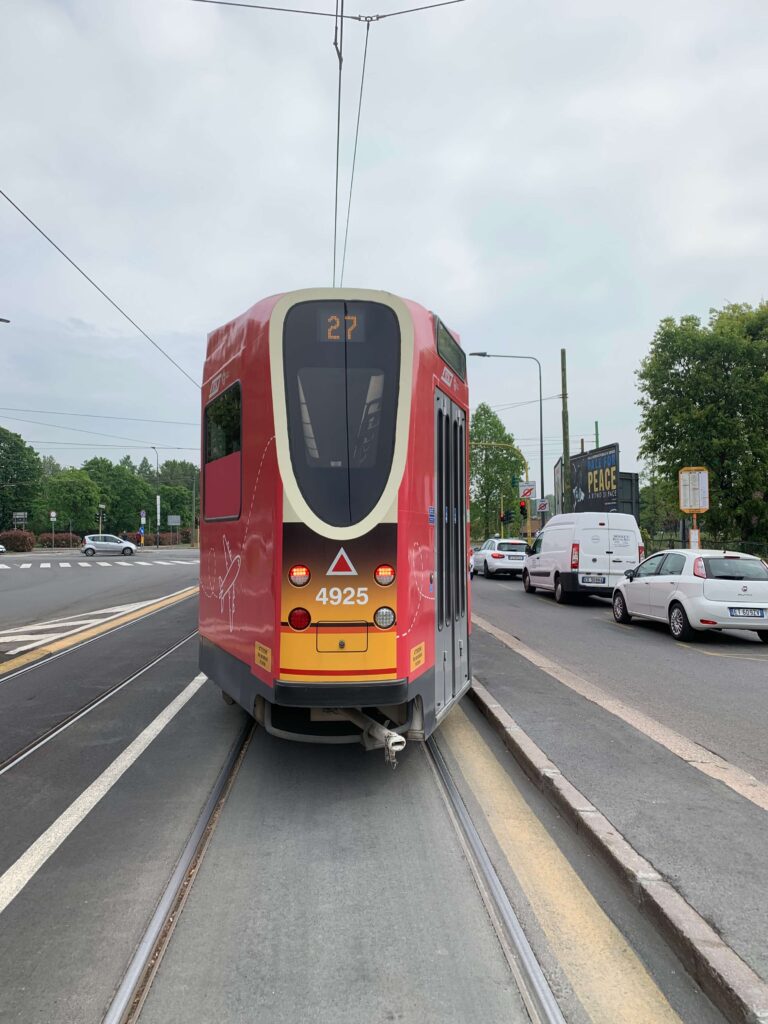
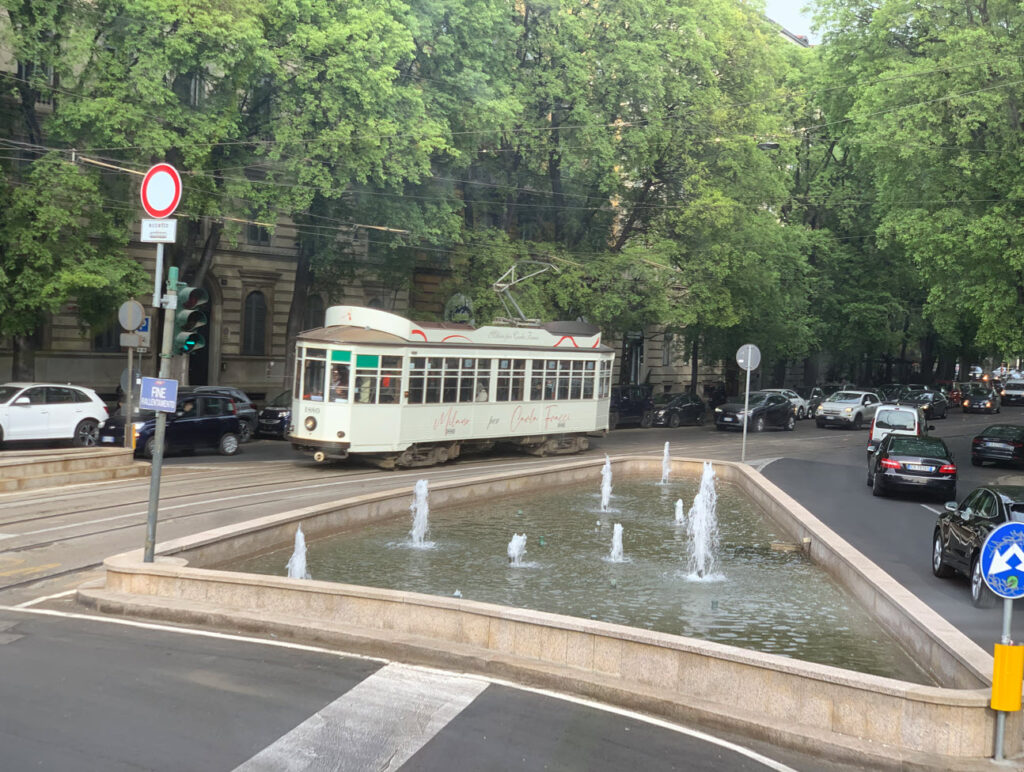
Among the most iconic are the vintage-style trams, affectionately known as “Ventotto,” which have become symbols of Milan and are still in operation today, particularly on lines 1, 5, and 10. Riding these historic trams is not only a practical way to get around but also a delightful way to soak in the city’s nostalgic atmosphere, even for those who aren’t heading to a specific destination.
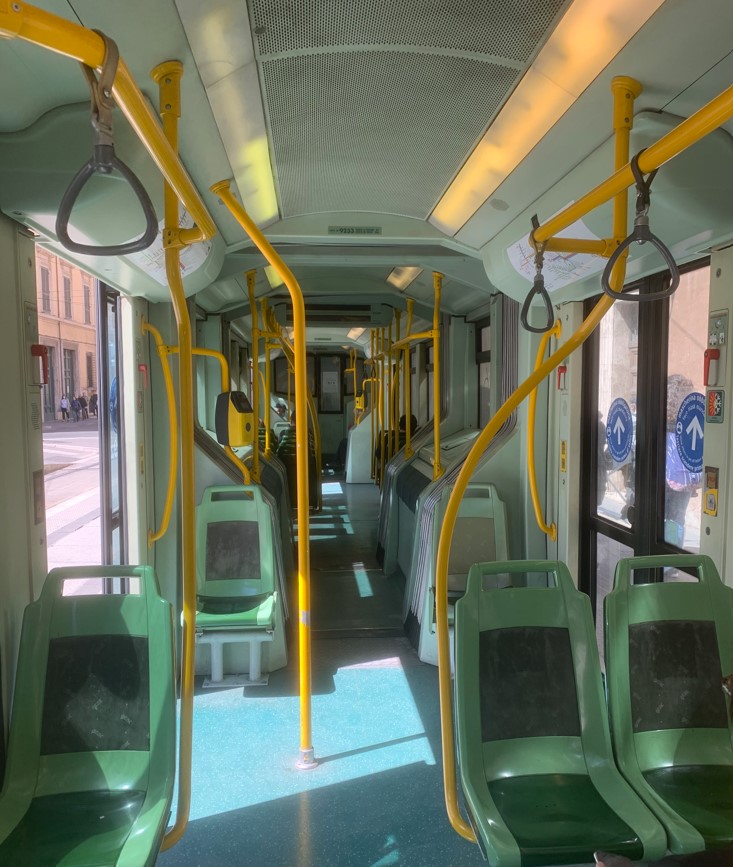
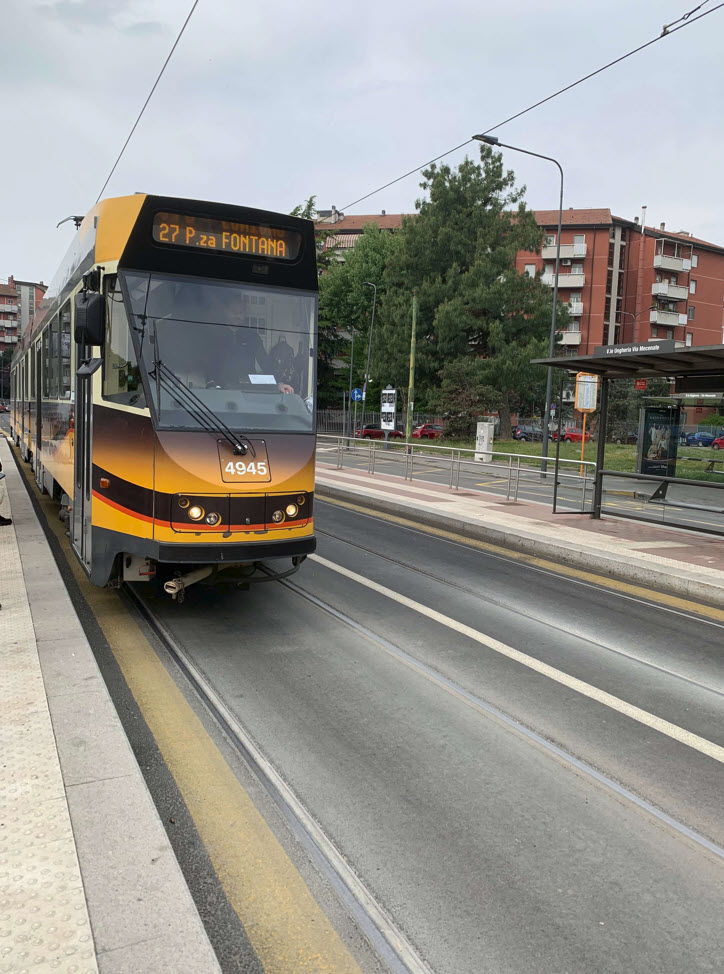
At the same time, Milan is modernizing its fleet, having introduced new low-floor, air-conditioned Tramlink vehicles on several lines, which offer increased accessibility and comfort. Trams run frequently across the city, connecting central areas near landmarks such as Piazza del Duomo with neighborhoods further afield, making tram travel both convenient and scenic.
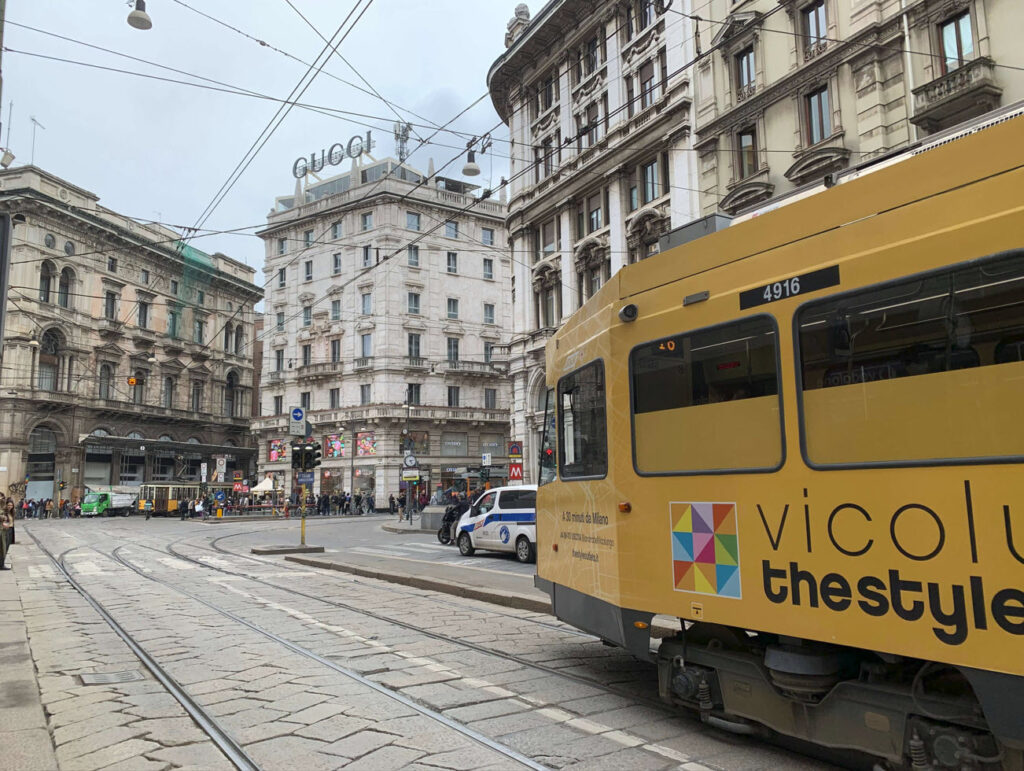
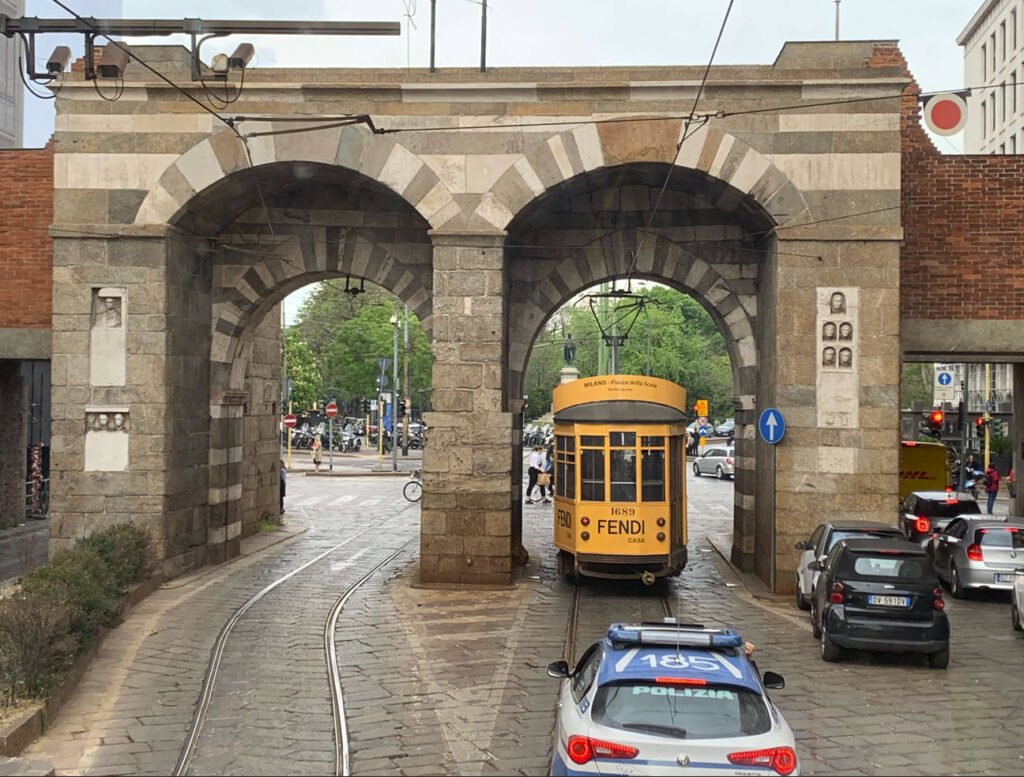
For visitors, hopping on a tram offers a slower, more immersive way to experience Milan’s architecture, neighborhoods, and local life, while appreciating the blend of tradition and innovation that defines the city’s public transport system. Whether you prefer the classic charm of vintage trams or the sleek efficiency of the newest models, Milan’s tram network is an essential part of the city’s character and a must-try experience for travellers.
Additional Tips:
- If you have only one day to explore Milan and if your intention is see maximum places within Milan, it’s wise to prioritize your time carefully. Rather than spending hours in queues at different museums or shopping at some of the most exclusive boutiques, focus on experiencing the city’s key sights and atmosphere.
- Using public transport is a practical and cost-effective way to maximize your time. A 24-hour ticket, costing just a few euros, allowed us to easily access multiple neighborhoods across Milan in a single day.
- As Milan is one of Italy’s busiest tourist destinations, booking tours and tickets well in advance is highly recommended to avoid long waits and secure your spot at popular attractions.
- For those flying in or out of Milan, Milan Linate Airport offers the most convenient option, located only about 7 km from the city center and primarily serving domestic and European routes. Transportation options between Linate and central Milan include public and airport shuttle buses. Alternatively, Malpensa Airport is Milan’s largest international airport, approximately 50 km from the city center, accessible via the fast Malpensa Express train or cost-effective shuttle buses. Bergamo Airport, also around 50 km away, is a popular choice for budget airlines like Ryanair.
- When visiting churches in Italy, including the Milan Duomo, it’s essential to dress modestly with arms and legs covered, as strict dress codes are enforced for entry.
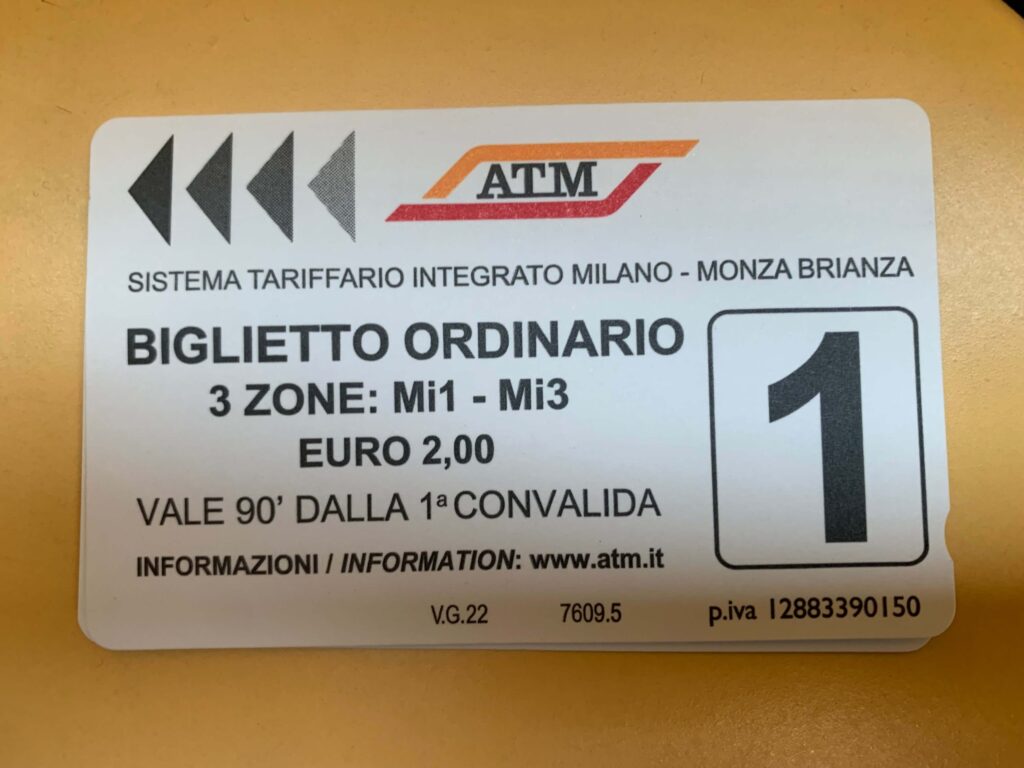
- We used a 3-zone, one-day public transport card, which conveniently covered our journey from the hotel to the city center. Various ticket options are available to suit different needs.
- Key resources for tickets and passes include the official public transport website ATM, as well as city passes like the Milan City Pass and Milano Card. The Milan City Pass offers an all-inclusive experience with free entry to major attractions, tours, and public transportation, while the Milano Card provides access to public transport plus discounts on various services. Some important web sites:
https://www.atm.it/en/ViaggiaConNoi/Pages/default.aspx
https://milancitypass.com/
https://www.milanocard.it/
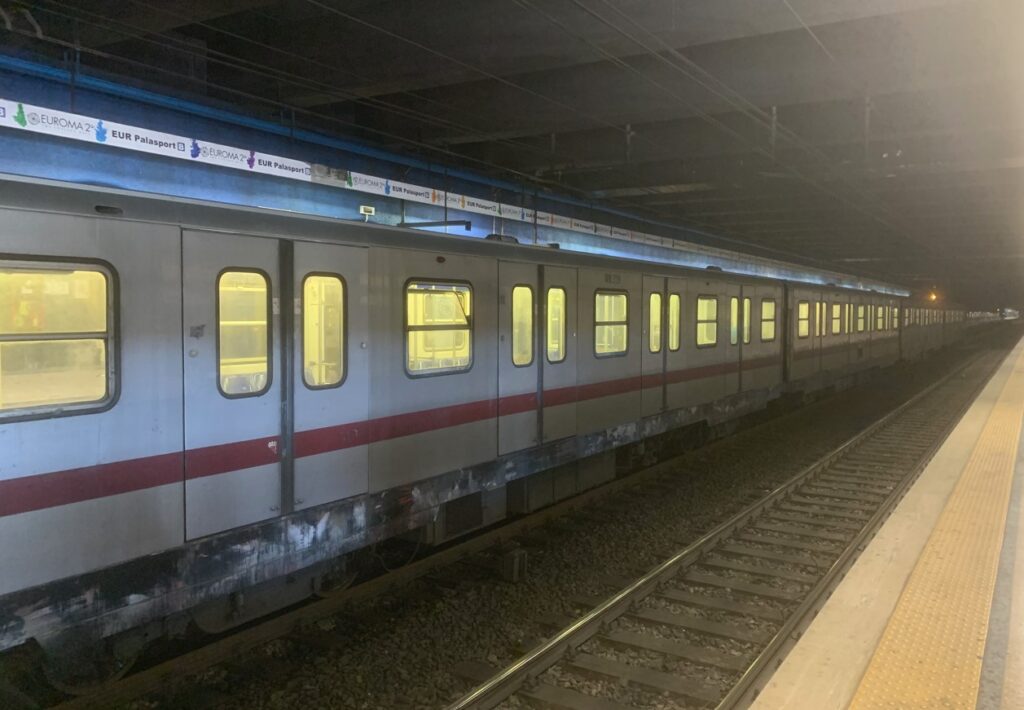
- Getting around Milan is most efficient by metro. The Metro network features four lines and 113 stations, seamlessly connecting visitors to iconic destinations such as the Duomo, Castello Sforzesco, and the Brera District. This makes it an ideal mode of transport for making the most of your time in the city.
- Milan is internationally renowned as the capital of fashion and design, a reputation perfectly embodied by its famous shopping district known as the Quadrilateral of Fashion, or “Quadrilatero della Moda.” This prestigious area is defined by four main streets: Via Montenapoleone, Via della Spiga, Via Sant’Andrea, and Via Manzoni. Each street is lined with boutiques of the greatest Italian designers and global luxury brands, offering a truly exclusive shopping experience. Via Montenapoleone, in particular, is known as one of the most expensive streets in the world and hosts flagship stores for iconic names such as Versace and Gucci. This district is also the epicenter of Milan Fashion Week, attracting the international fashion elite. For those with a more modest budget, The Highline Outlet in the heart of Milan presents an excellent opportunity to shop designer labels at discounted prices, making Milan’s fashion accessible to a wider audience.
- Visitors staying in Milan, even for just one night, should be aware of a mandatory tourist tax, which is collected directly by accommodation providers. The amount varies depending on the type of accommodation and is charged per person per night.
- The Brera district is an excellent choice for accommodation, especially for those who want to stay within walking distance of Milan’s main attractions yet avoid the crowds around Piazza del Duomo and Galleria Vittorio Emanuele II. This charming neighbourhood offers a more relaxed and authentic Milanese atmosphere.
- To navigate the city efficiently, downloading the official ATM Milano app is highly recommended. This app provides real-time route planning and schedules, making public transport easier to use during your visit. The app is available at ATM Milano Official App.(https://www.atm.it/en/ViaggiaConNoi/pagamenti_servizi_digitali/Pages/ATMMobile.aspx)
Different one day trip options from Milan:
Even though we had taken the St. Moritz (Switzerland trip), there are many other one-day trip options available in Milan. Few options below:
- Lake Como
- Turin
- Bergamo
- Verona
- Bologna
- Cinque Terre
- Genova & Portofino Full-Day Tour (might take around 12 hours)
- Florence and Pisa Day Trip (might take around 14 hours)
Other places worth visiting:
- The Last Supper by Da Vinci in the monastery of Santa Maria delle Grazie (Need Prior booking)
- Parco Sempione & Arco della Pace
- Navigli district (Canals)
- La Scala Theater / Opera House
- The Sforzesco Castle and Parco Sempione
- Brera & Braidense National Library (Brera Botanical Garden)
- Pinacoteca di Brera (Art museum)
- Basilica Sant’Ambrogio and San Maurizio al Monastero Maggiore (incredible churches)
- Leonardo da Vinci National Museum of Science and Technology
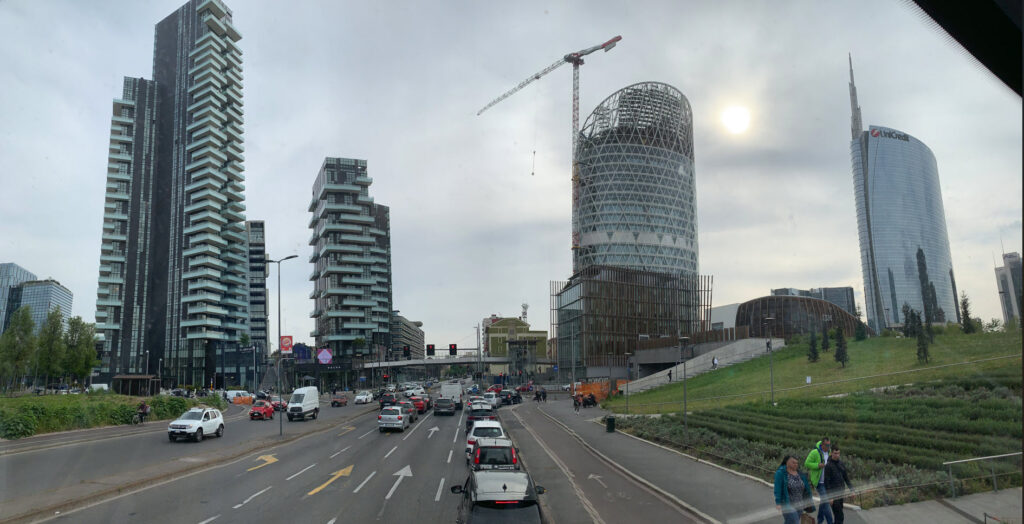
- Bosco Verticale – the most innovative apartment buildings (residential complex)
- Fashion Quadrilateral (home to boutiques & showrooms of the world’s leading fashion houses)
- Fondazione Prada
- Monumental Cemetery of Milan
- San Siro Stadiu
- Branca Tower
- The Royal Palace of Milan
- Milan Chinatown
- Santuario di San Bernardino alle Ossa (Chapel of bones)
Summary:
One day in Milan offers just enough time to scratch the surface and get a true taste of the city’s vibrant energy. The majority of Milan’s major landmarks are conveniently located within the city center, allowing for easy walking access between them.
In my experience, a single day is sufficient to visit all the key attractions and absorb the bustling atmosphere of this dynamic city. I am confident that the itinerary I’ve suggested will give you a solid introduction to Milan, leaving you inspired to return for a longer stay when time permits.
I hope this guide provides helpful ideas for your visit and that you enjoy Milan as much as I did. Please feel free to leave any questions or comments below. Wishing you happy travels!