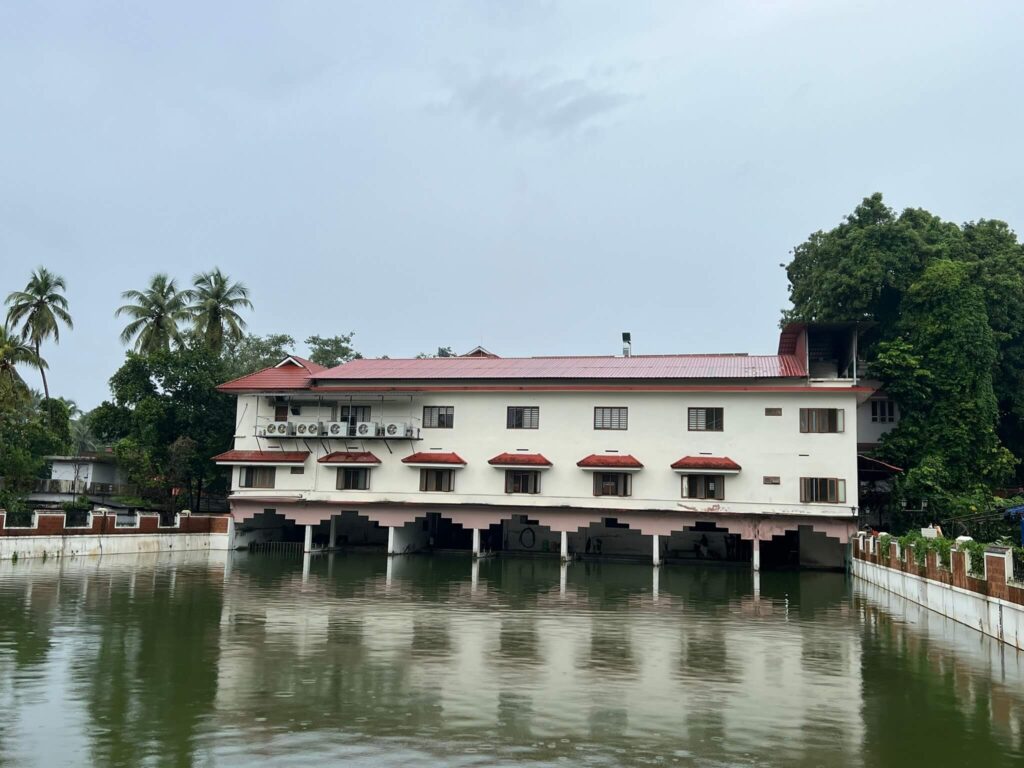
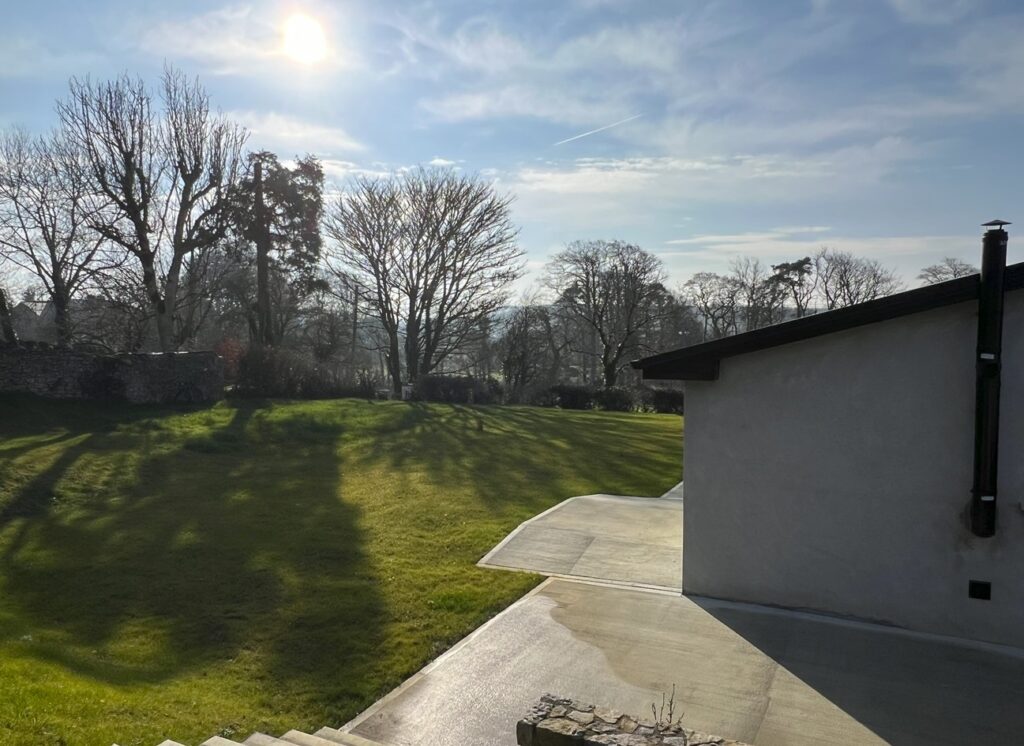
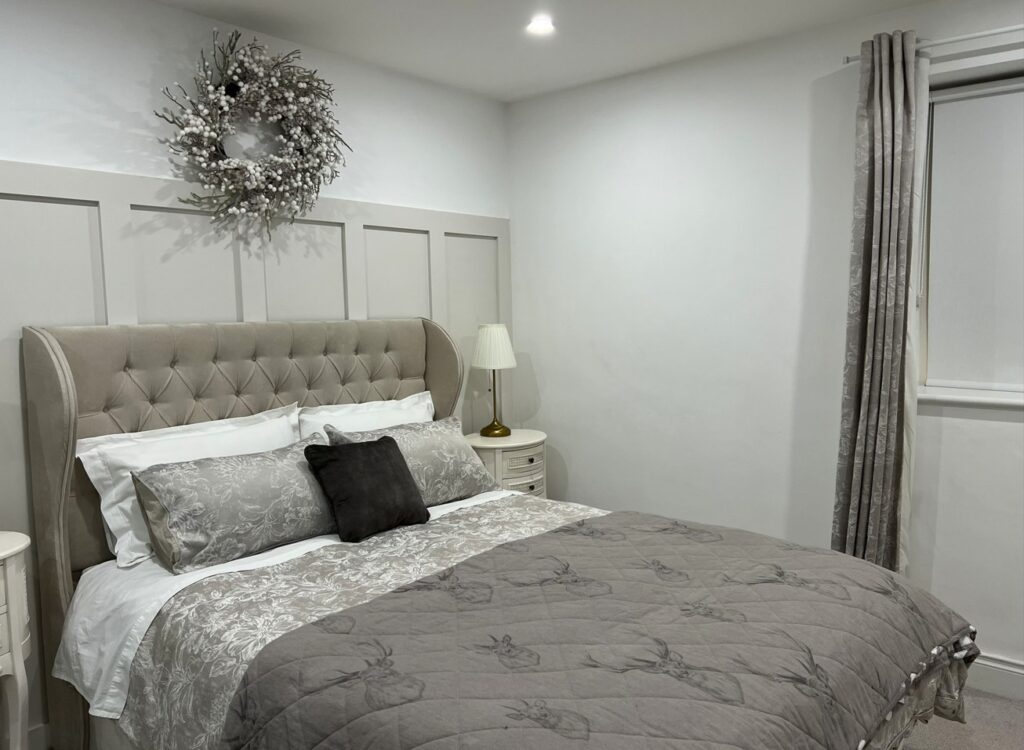
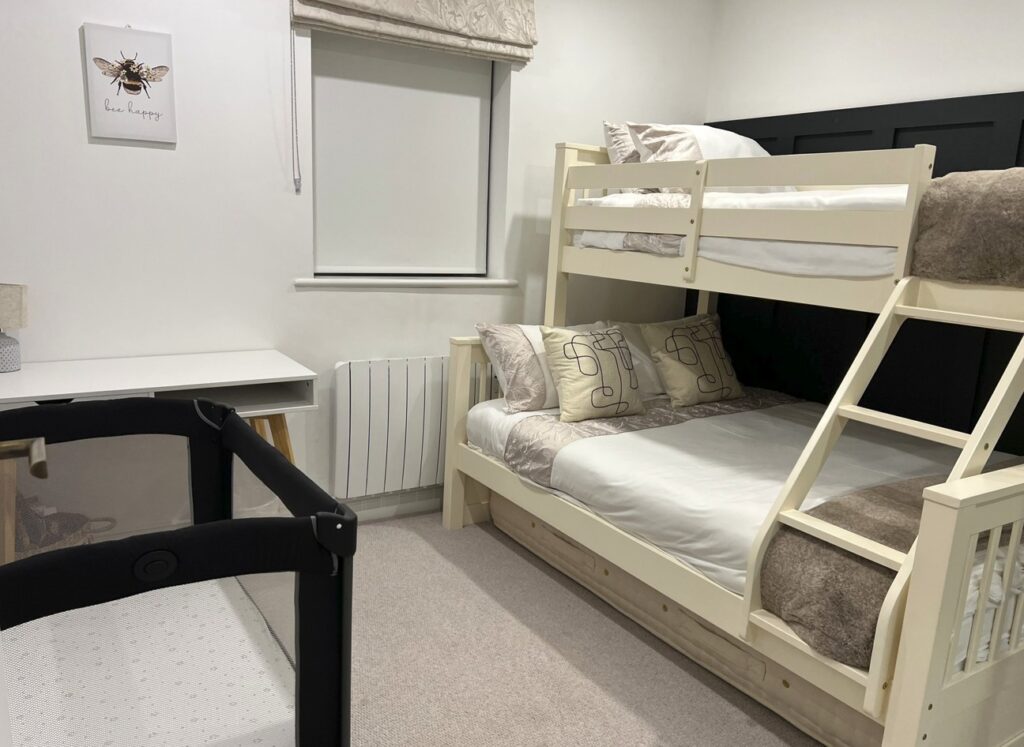
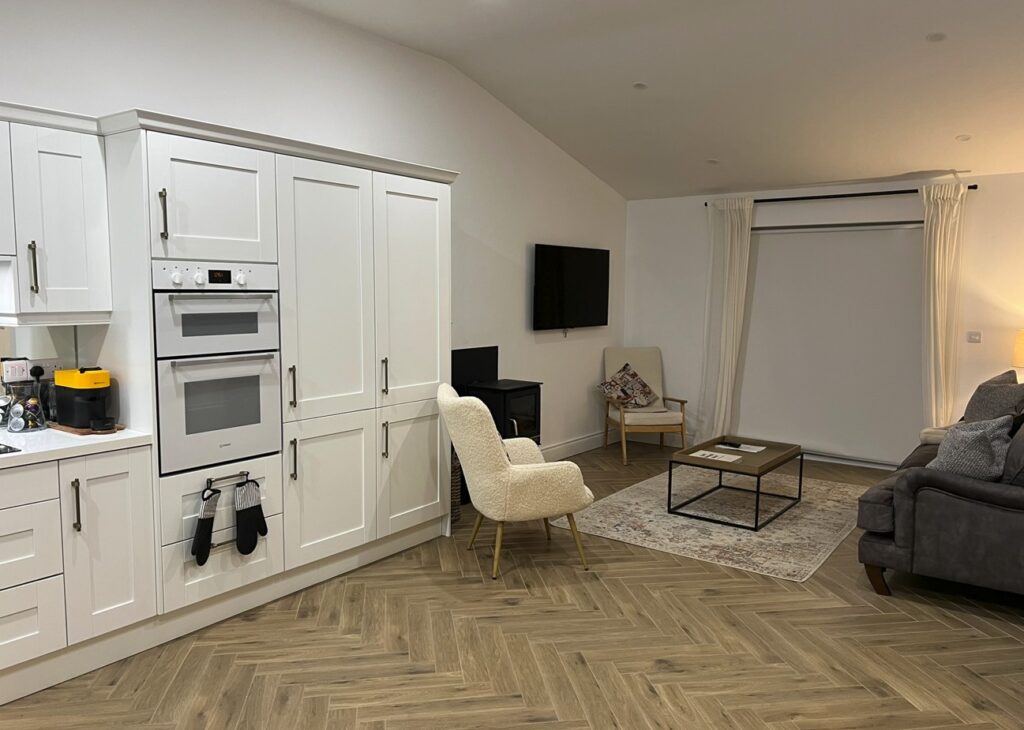
If you are planning a Qatar stopover and looking for a comfortable, modern base outside central Doha, Velero Hotel Doha Lusail is an excellent option to consider. During our June 2025 transit through Doha, we stayed here as part of the official Discover Qatar stopover package, and it worked perfectly for a short but relaxed break between flights.
Booking with Discover Qatar Stopover
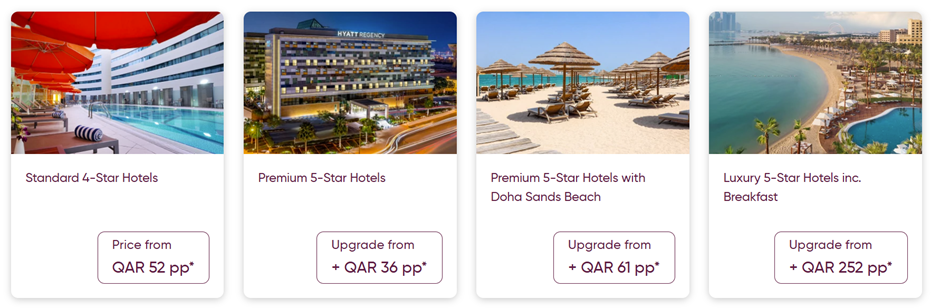
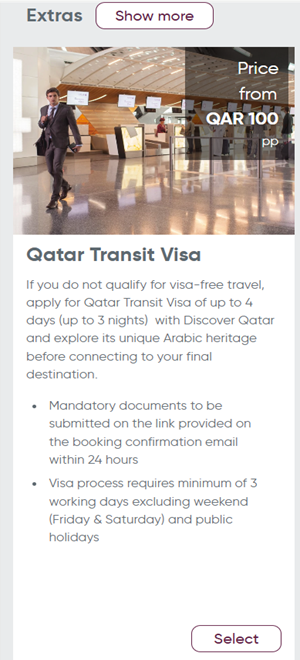
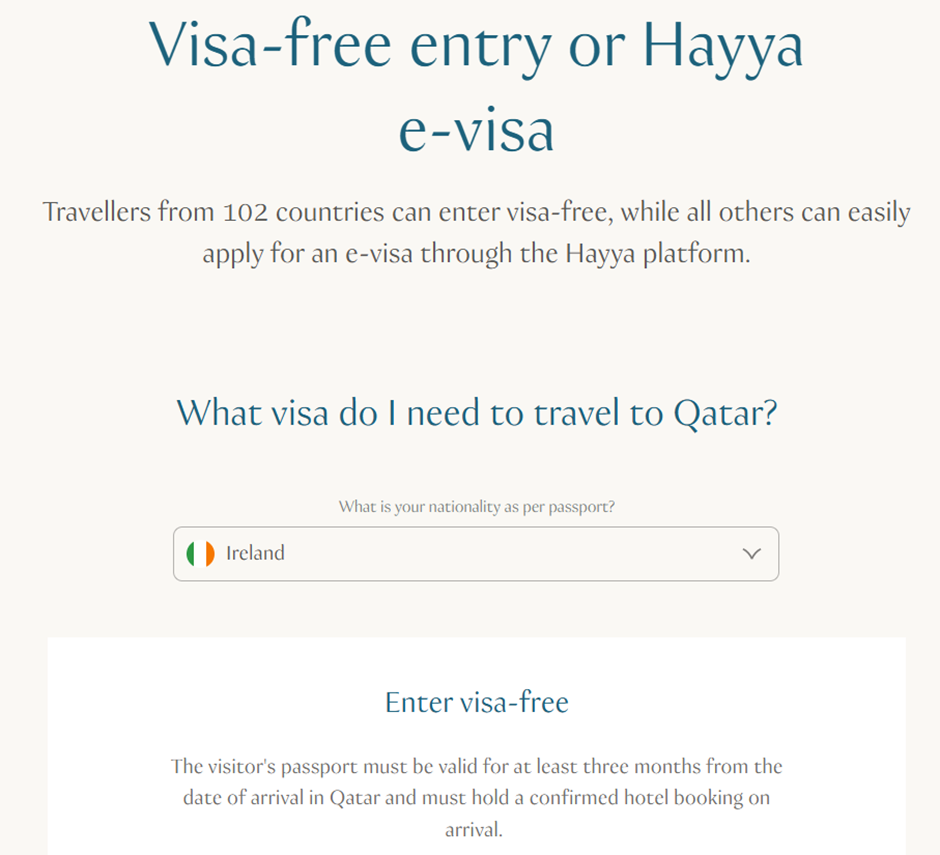
We booked Velero Hotel through the Discover Qatar stopover program, which is the recommended way to arrange both your hotel and transit visa when you have a layover of 12–96 hours in Doha. The offer is open to Qatar Airways (and eligible codeshare/oneworld) passengers with a minimum 12-hour transit time, and packages often include heavily discounted luxury hotels starting from very low nightly rates. For many nationalities, you can also apply for a Qatar Transit Visa (up to 96 hours) through Discover Qatar if you don’t qualify for visa‑free entry.
This setup made our logistics simple: flights, hotel, and visa were all linked, and we also had flexibility around our check-in/check-out times as part of the package.
First Impressions and Architecture
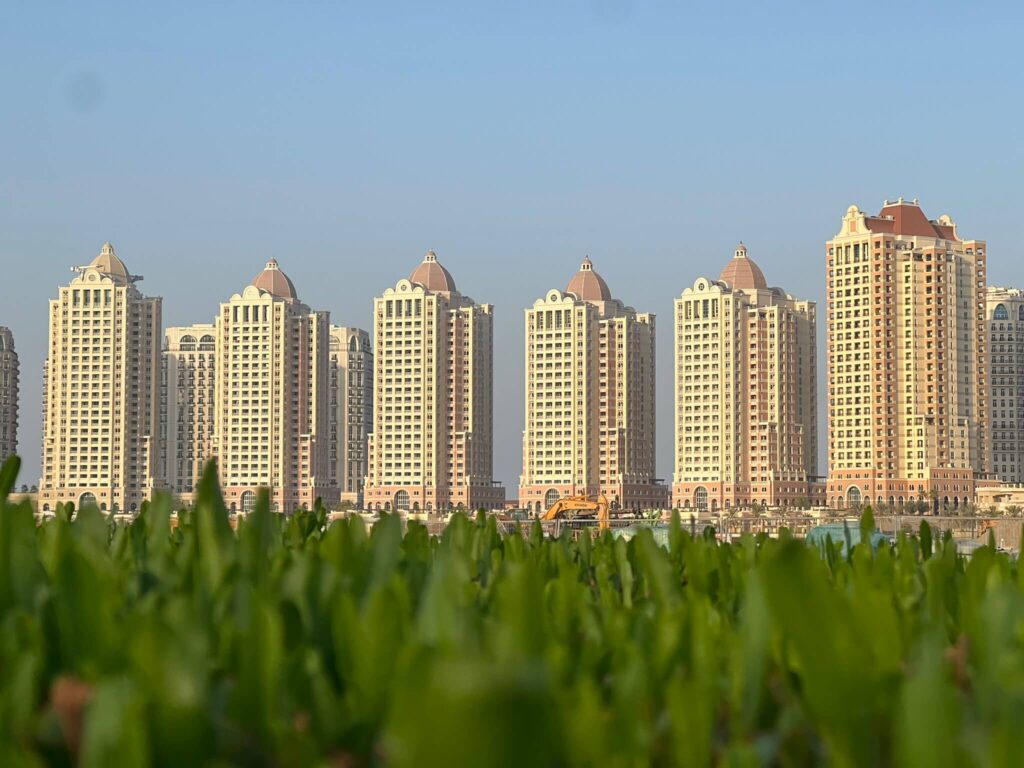
On arrival at Velero Hotel Doha Lusail, we were welcomed with a refreshing drink, which was a small but much‑appreciated touch after a long journey. The property is a relatively new addition to Lusail’s skyline (under five years old) and has previously been associated with a major international hotel group, which shows in its polished design and service standards.
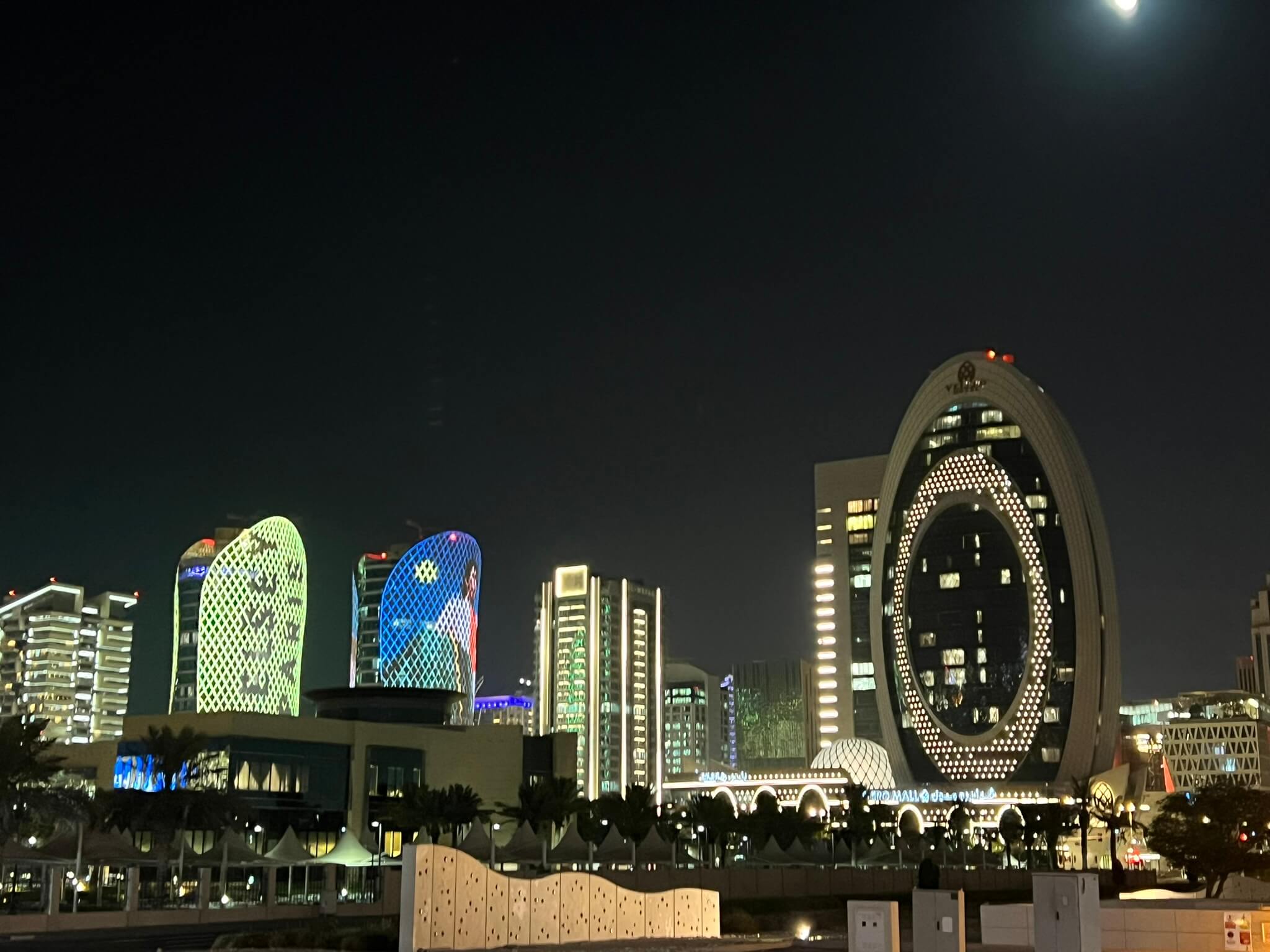
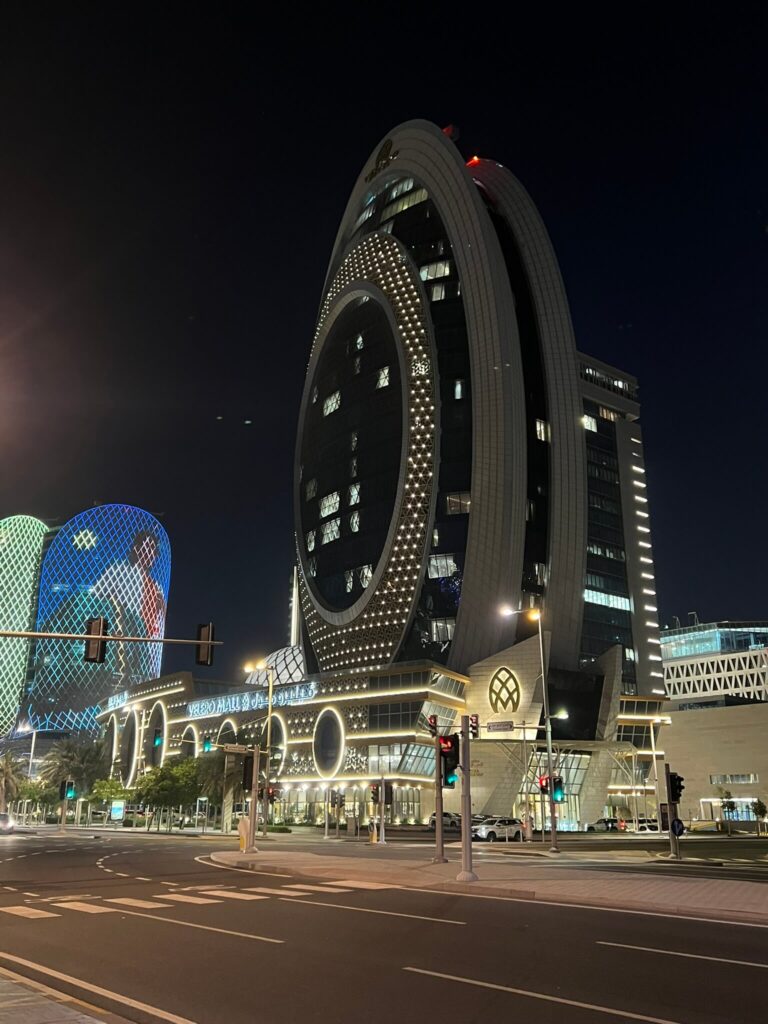
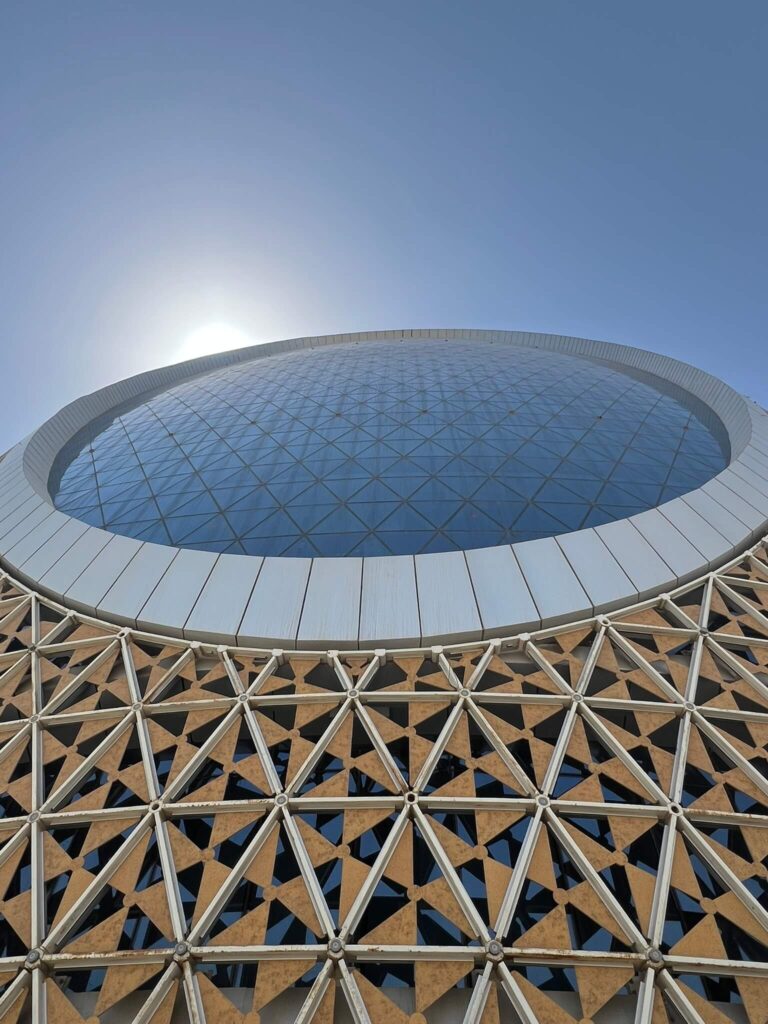
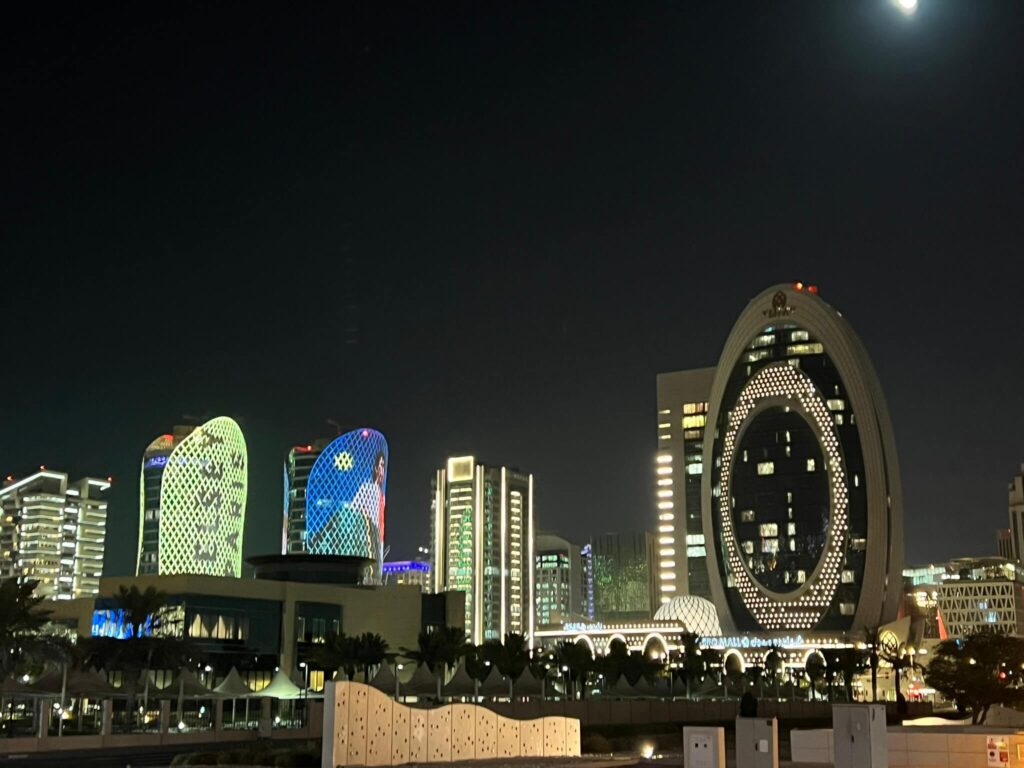
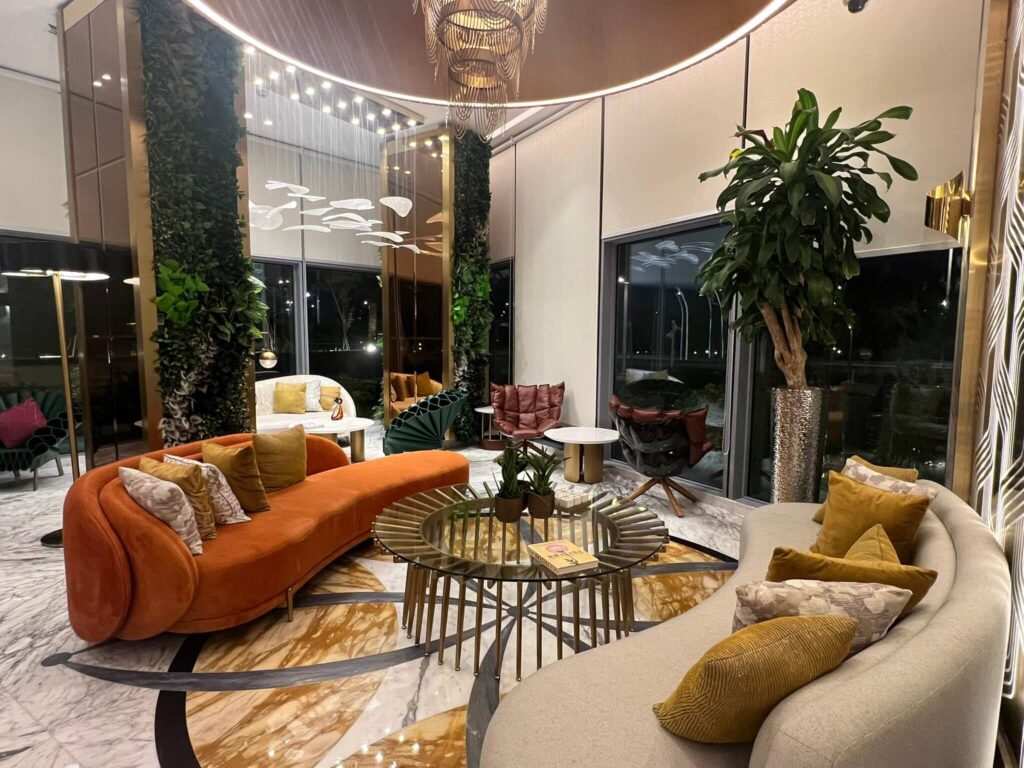
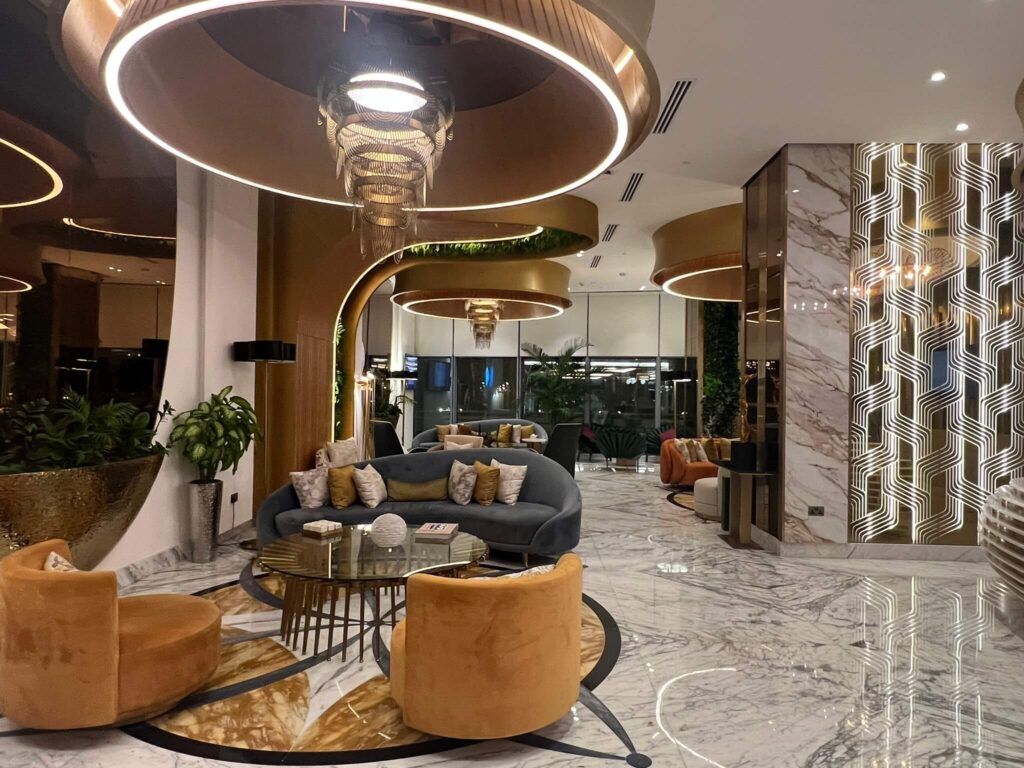
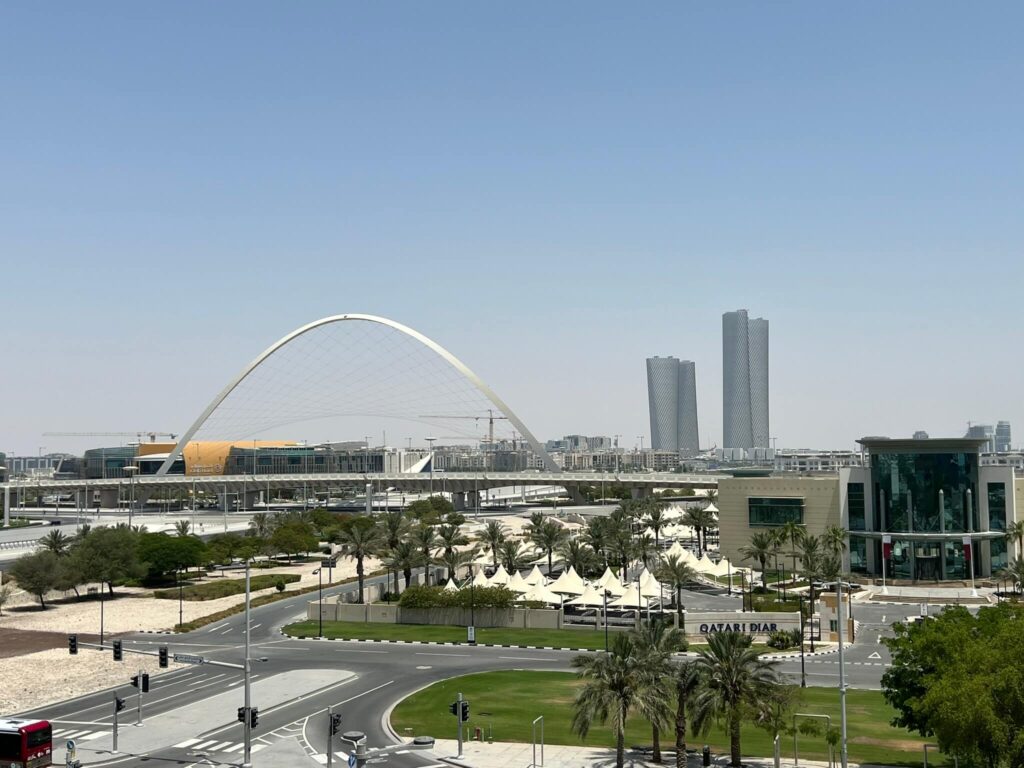
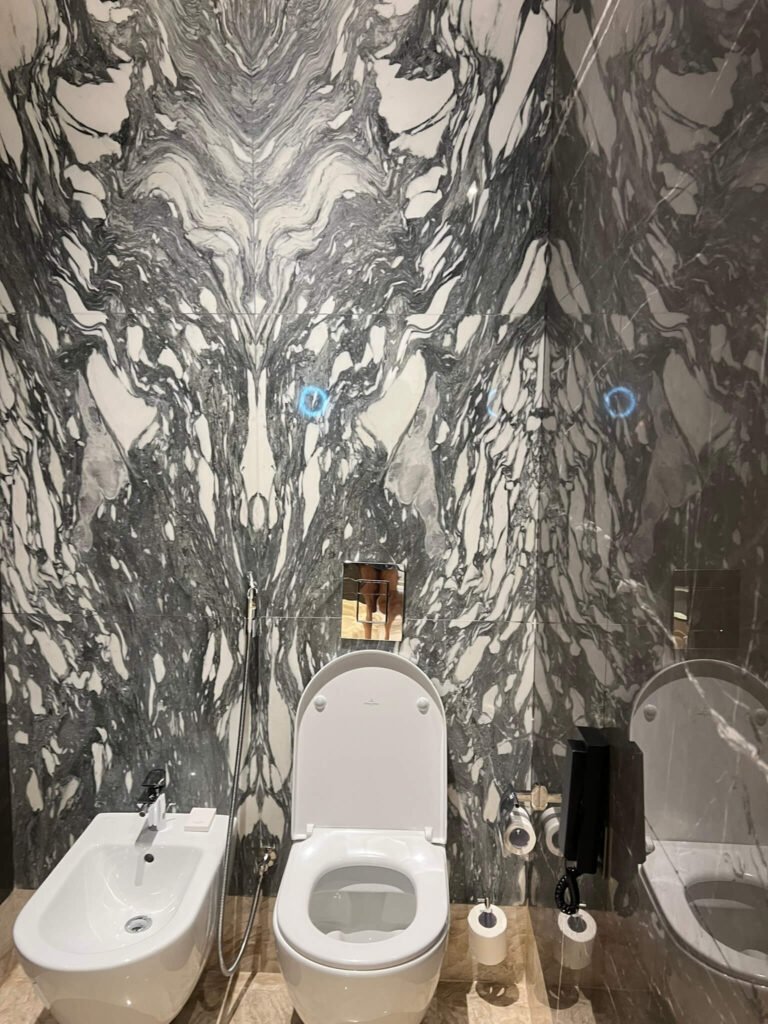
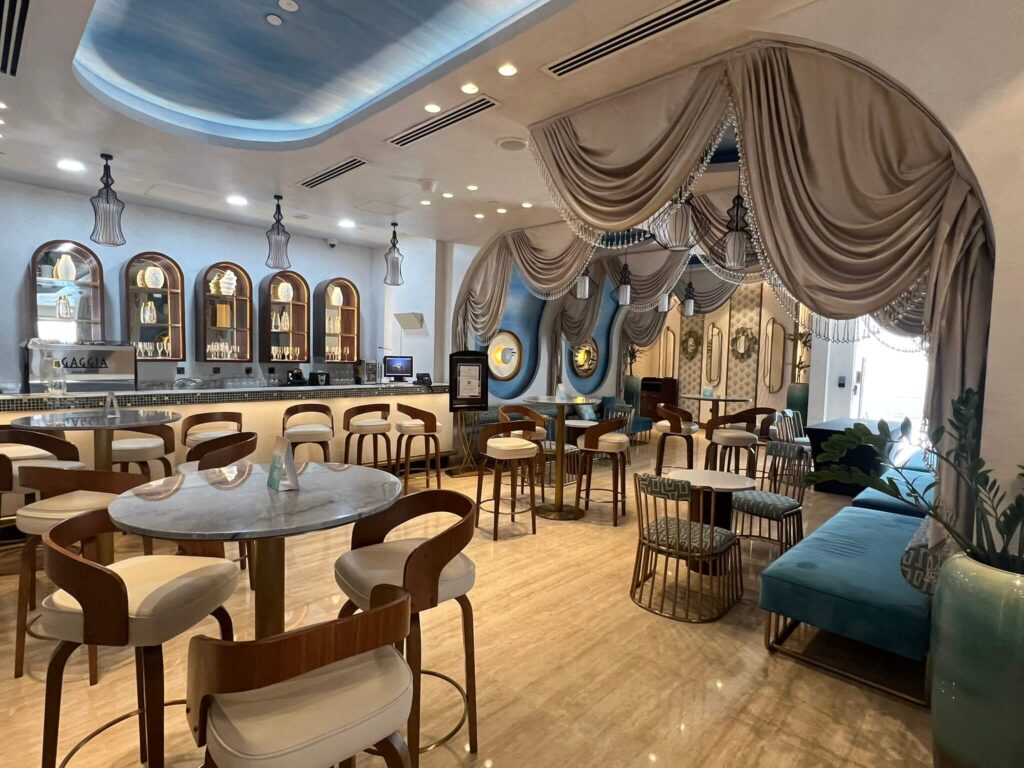
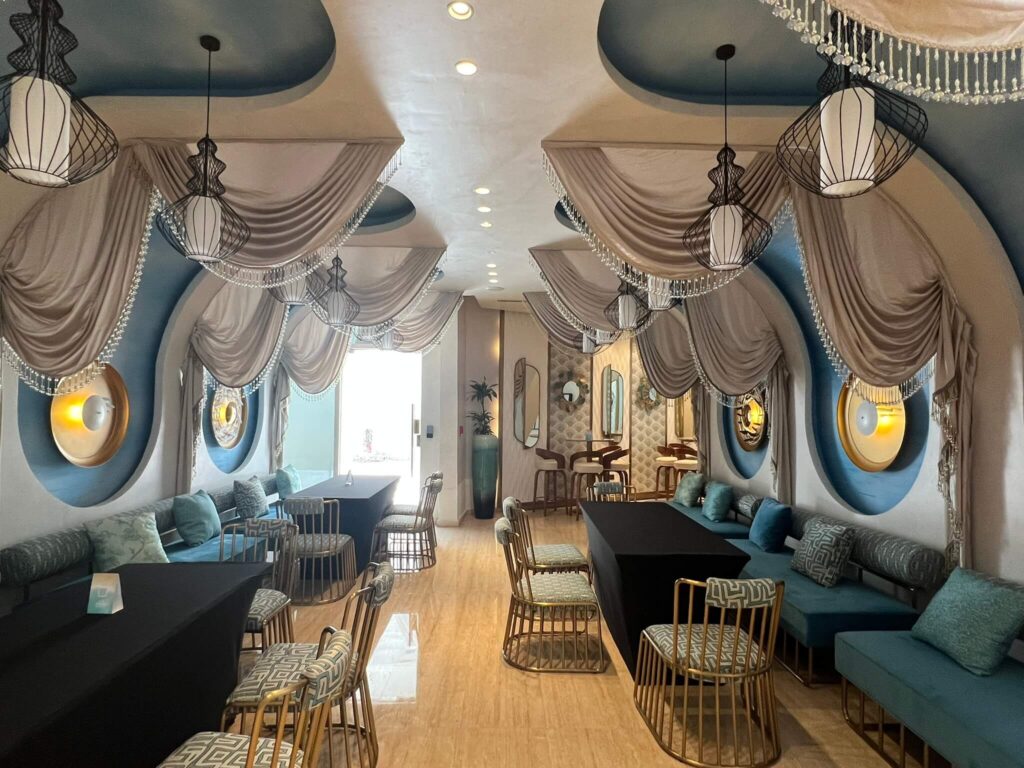
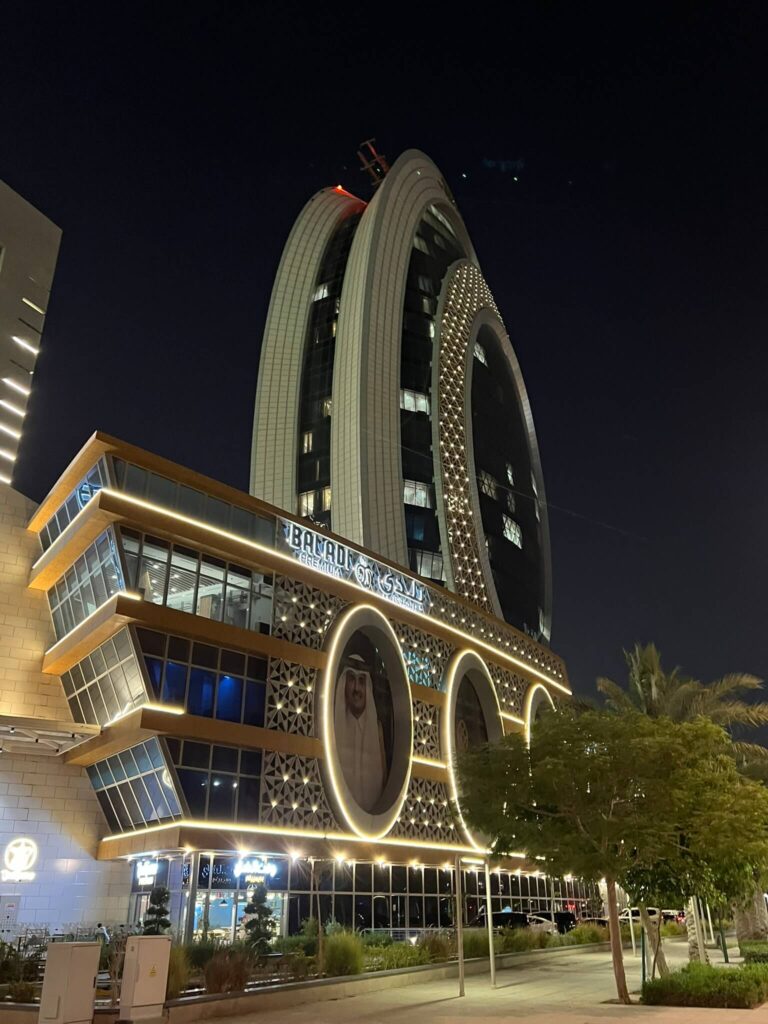
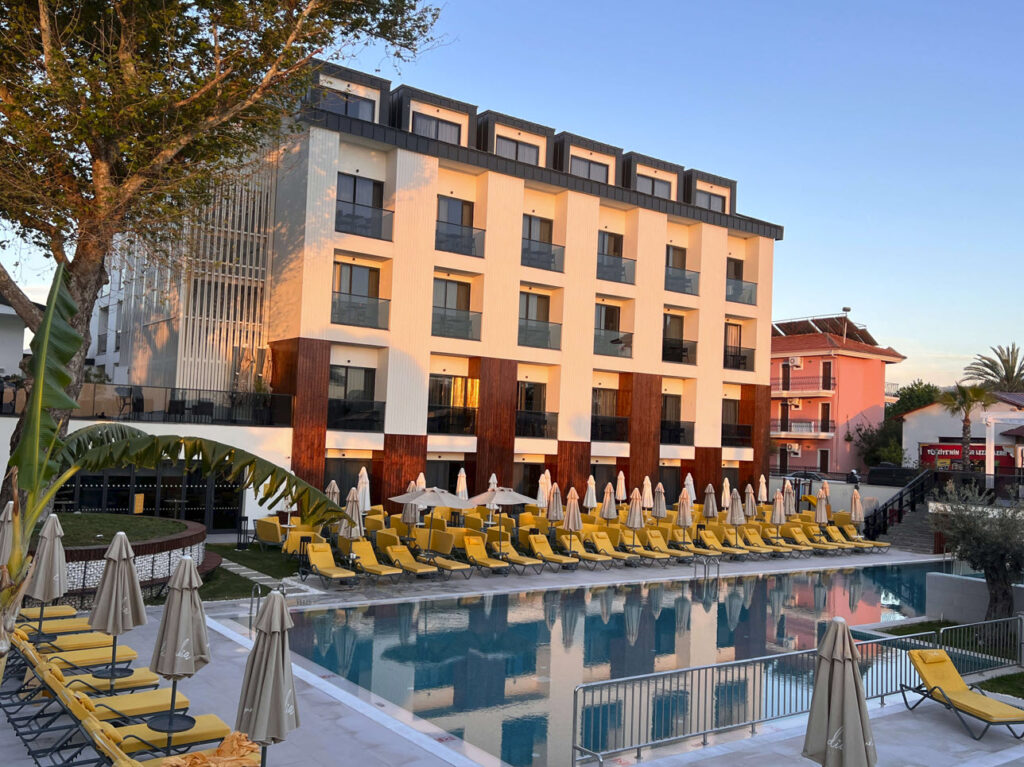
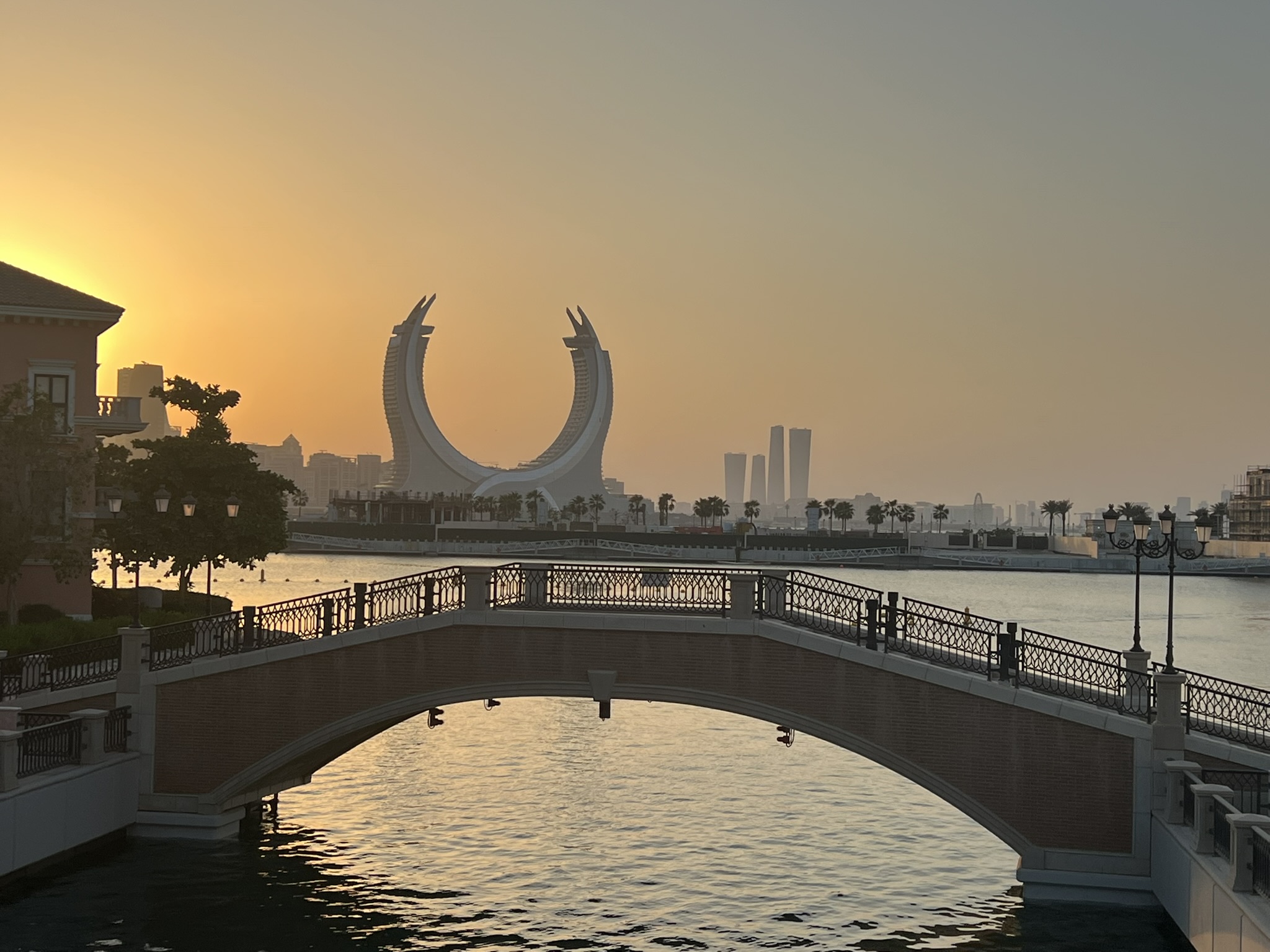
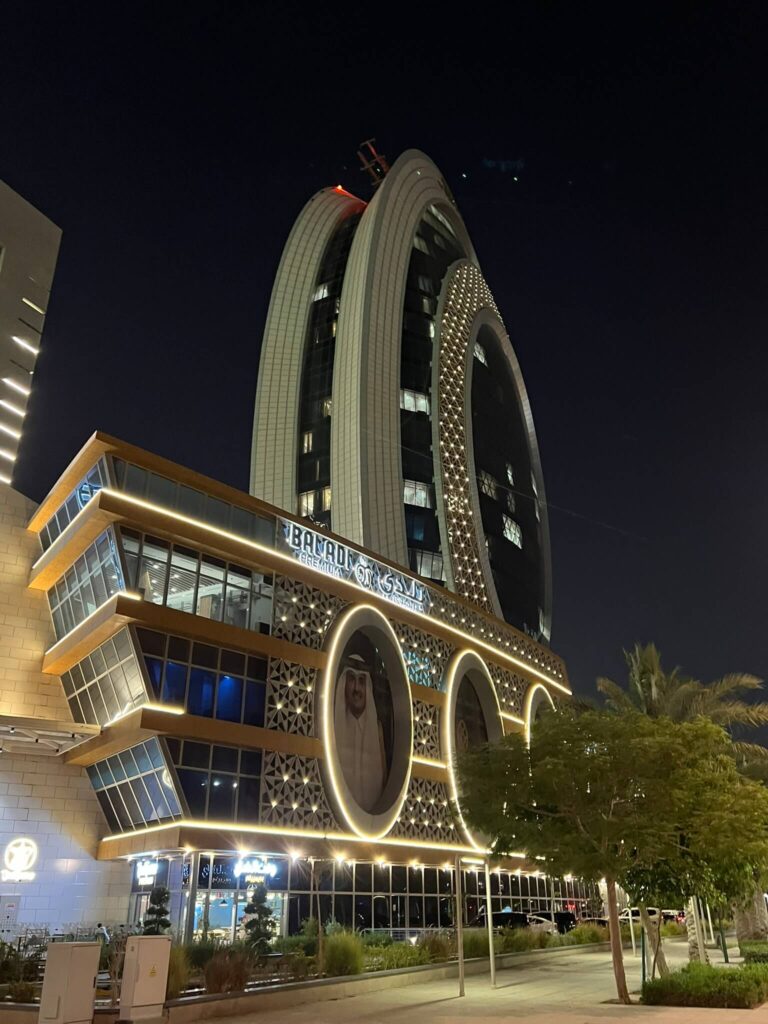
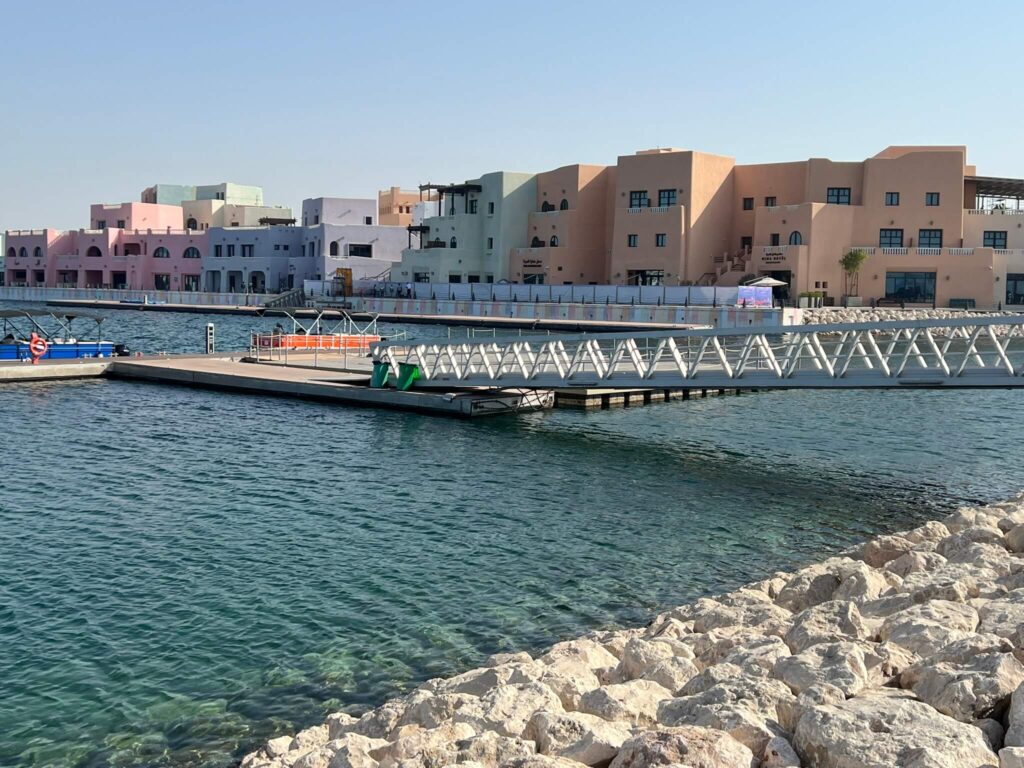
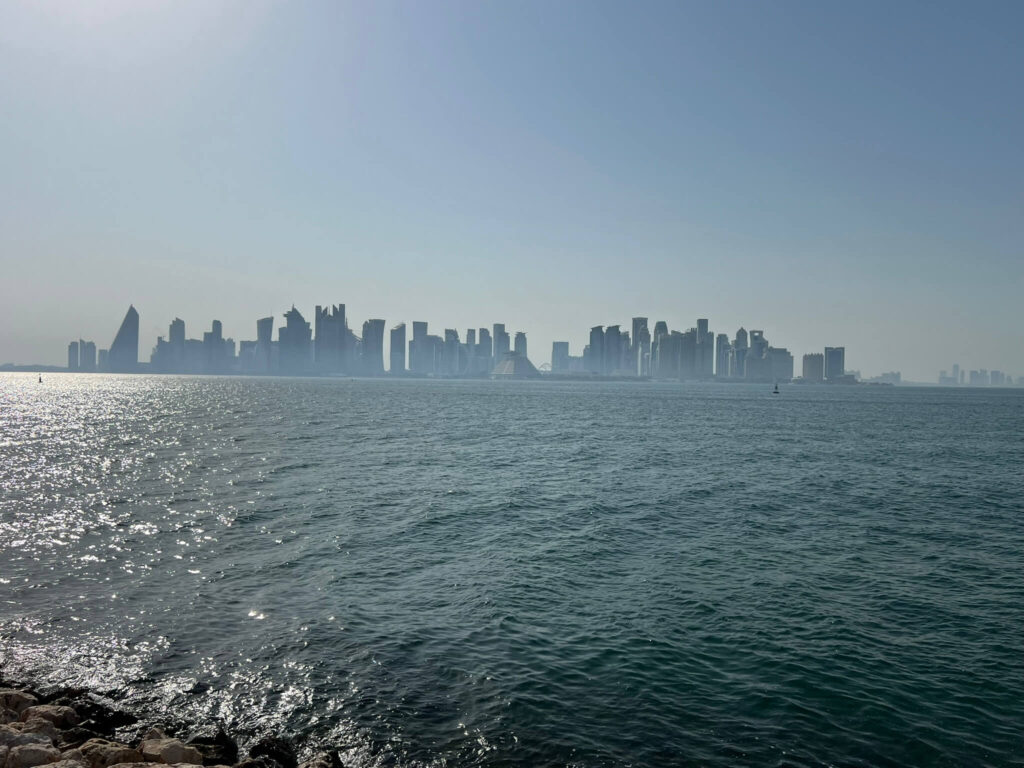
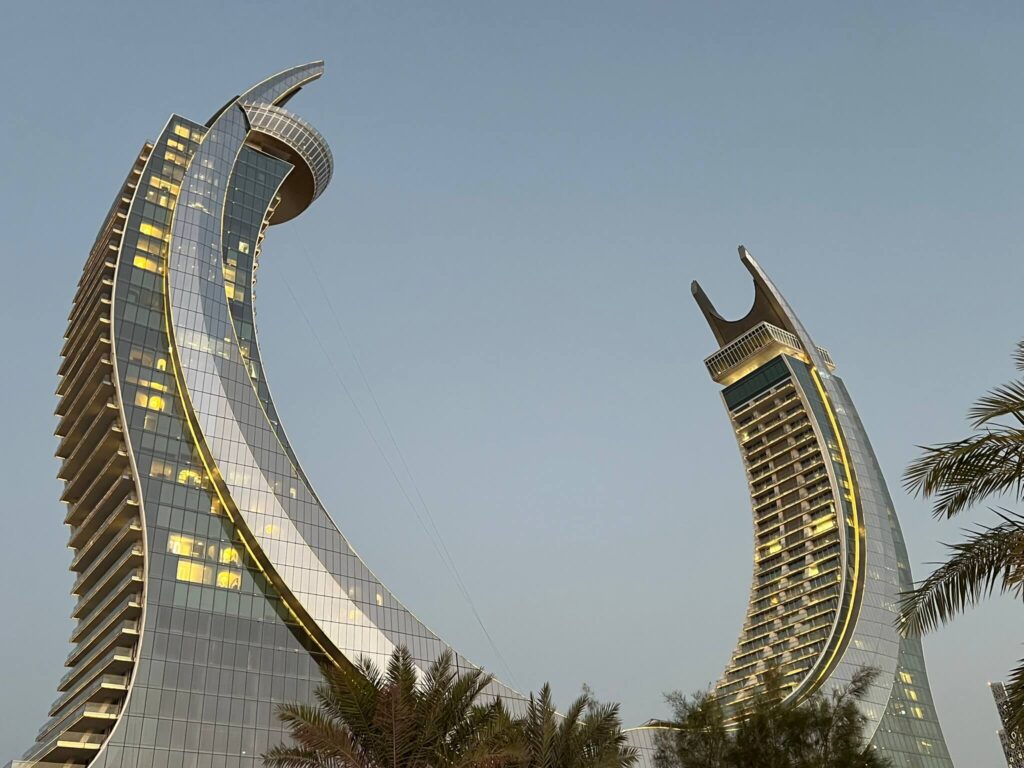
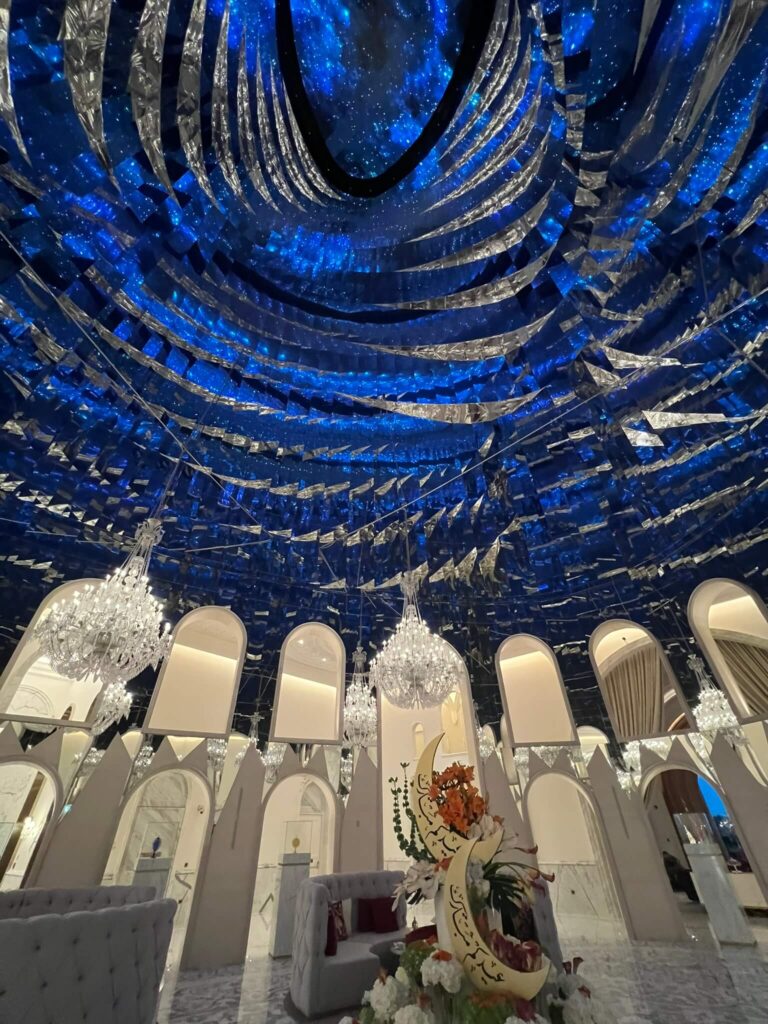
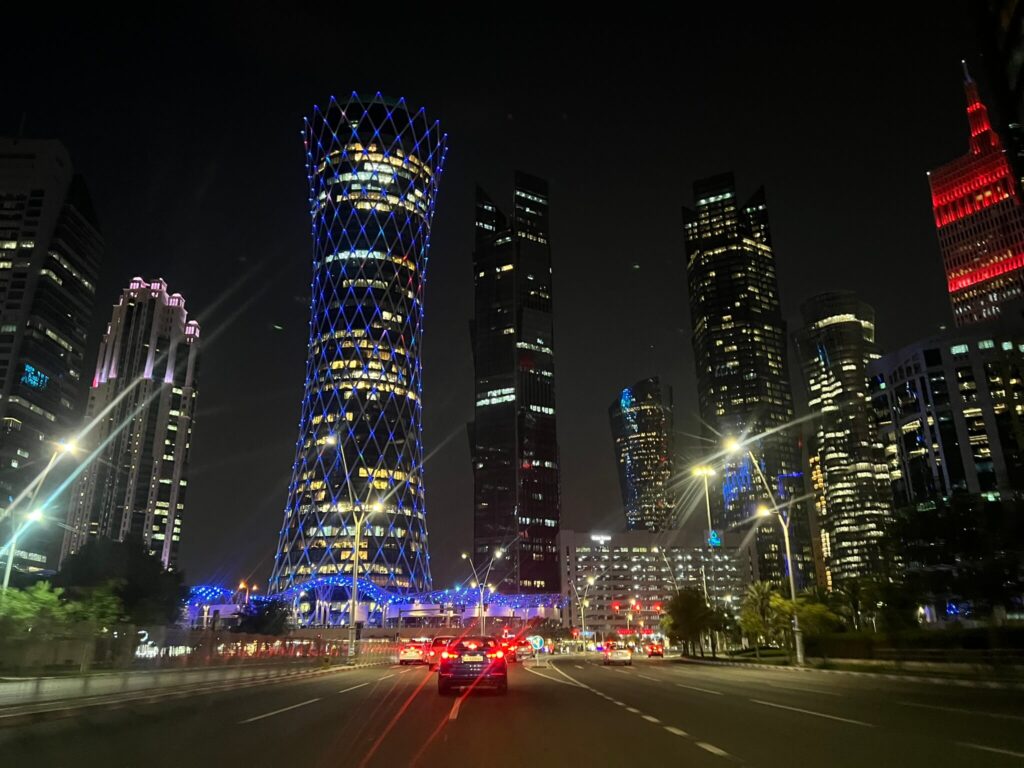
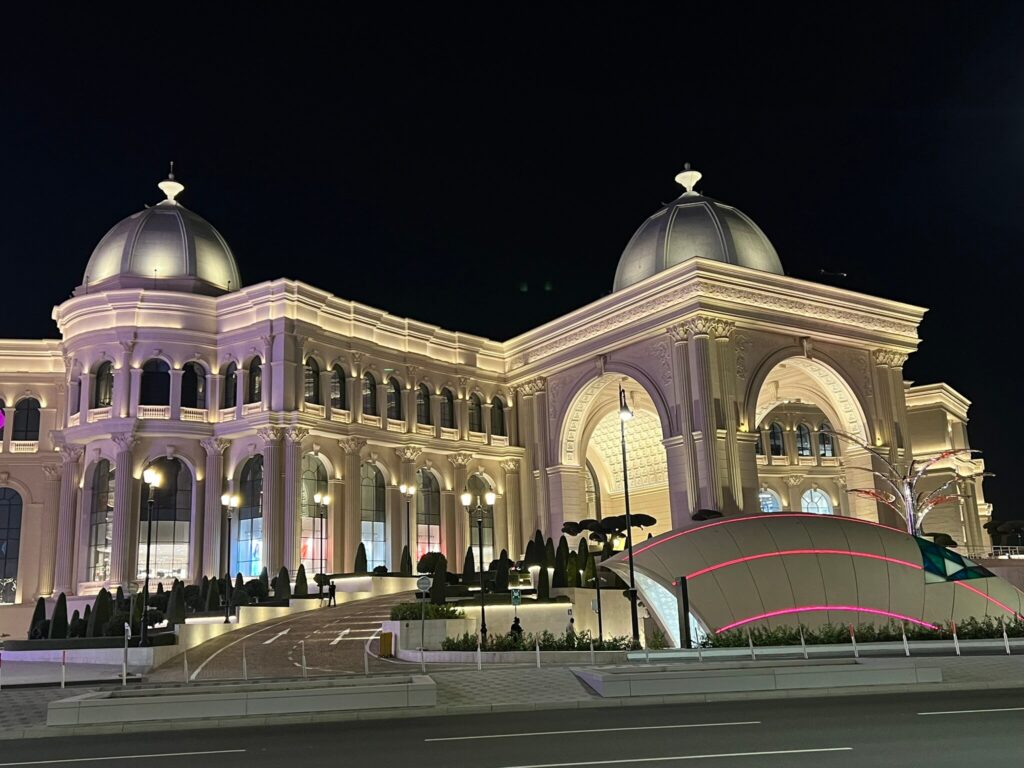
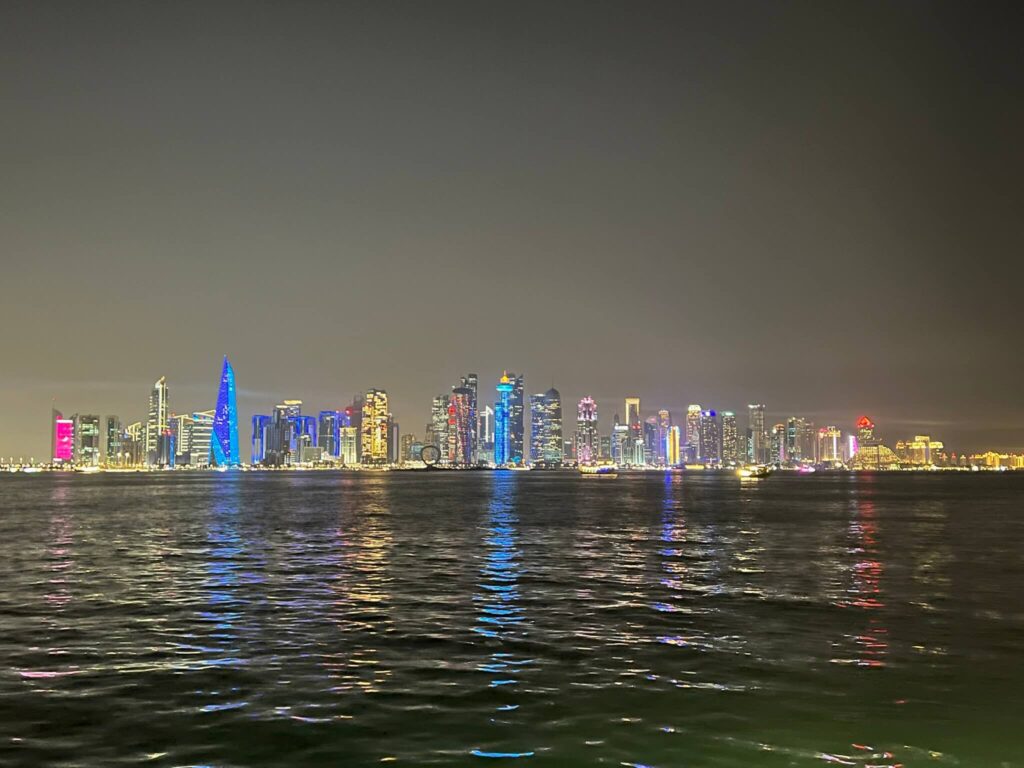
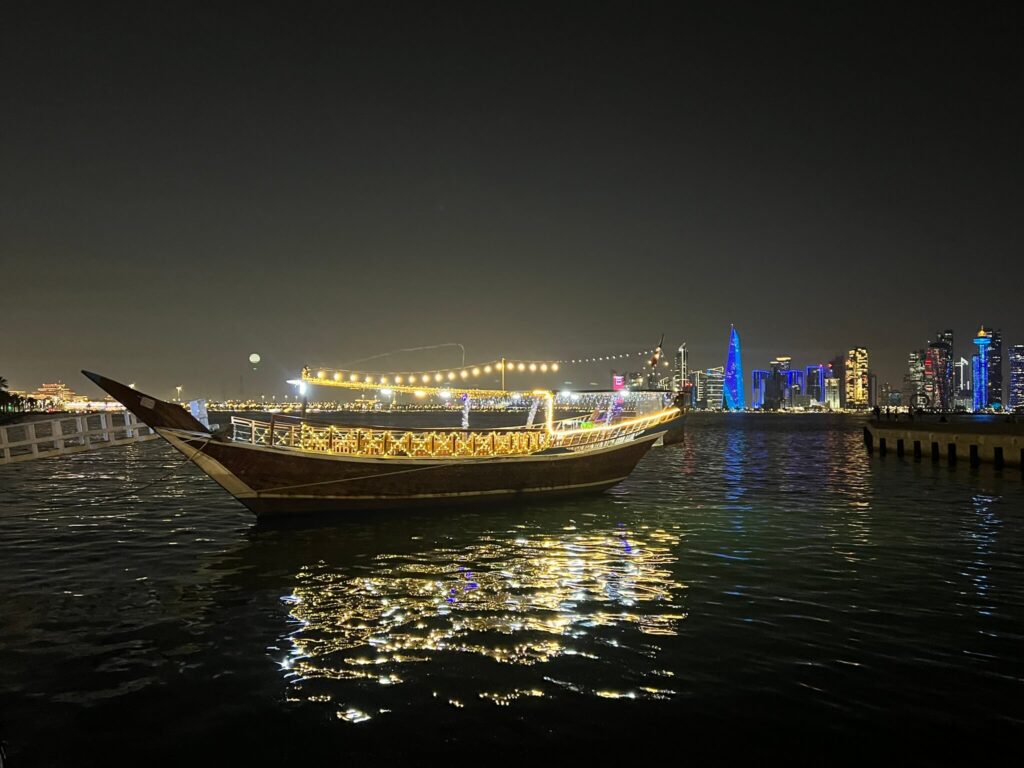
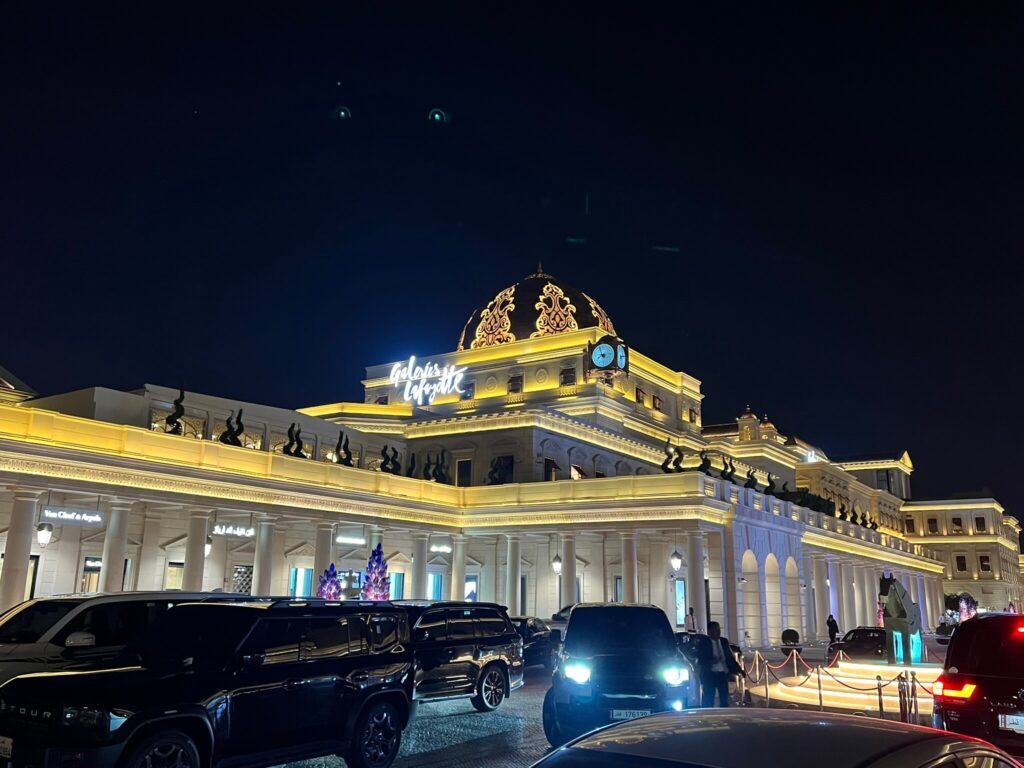
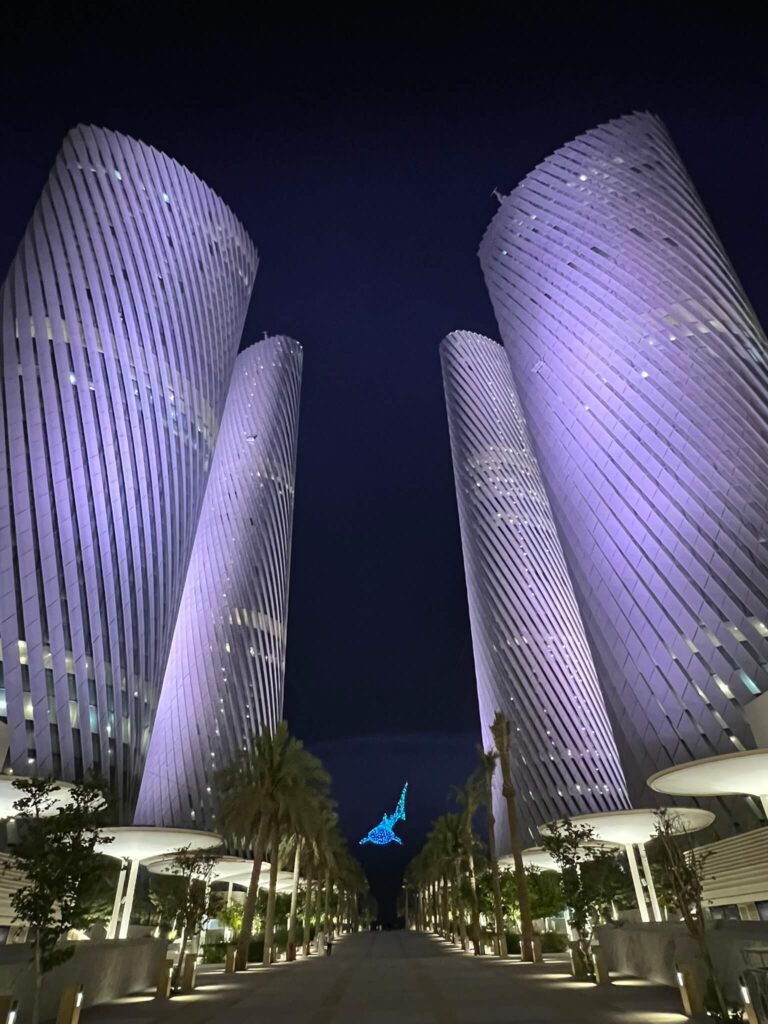
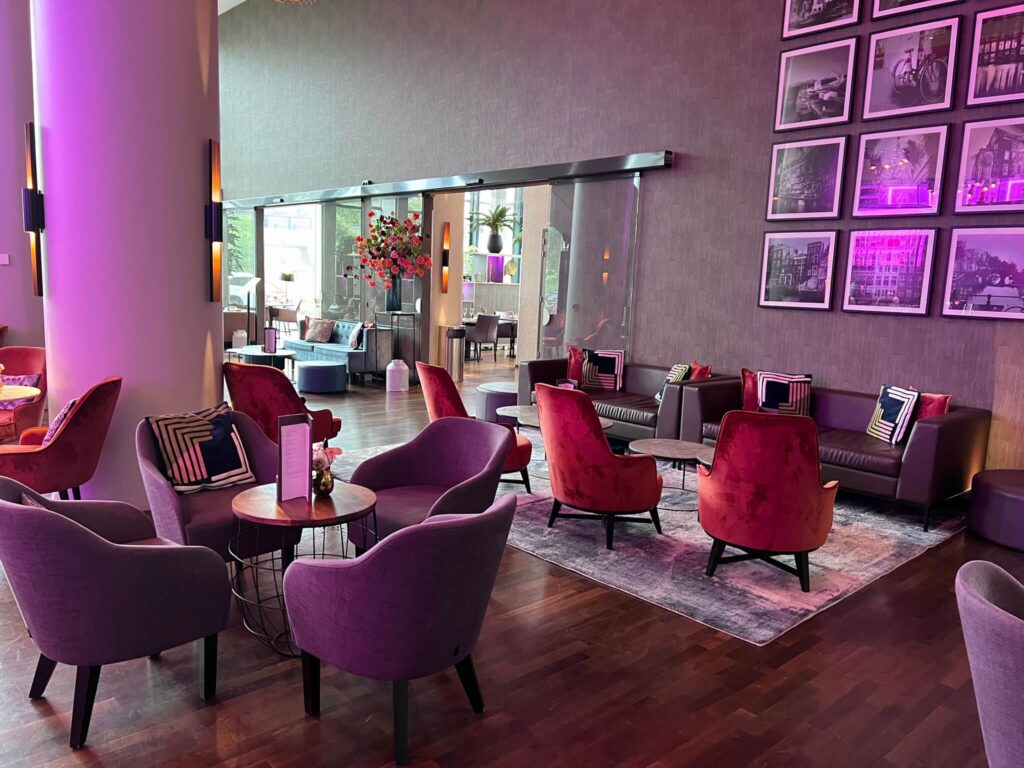
Architecturally, the hotel has a distinctive silhouette and looks especially impressive at night when the façade is beautifully illuminated, adding character to this rapidly developing part of Lusail. The interiors follow the same bright, colourful theme, giving the hotel a contemporary and welcoming feel from the moment you enter the lobby.
Location: In the Heart of Lusail
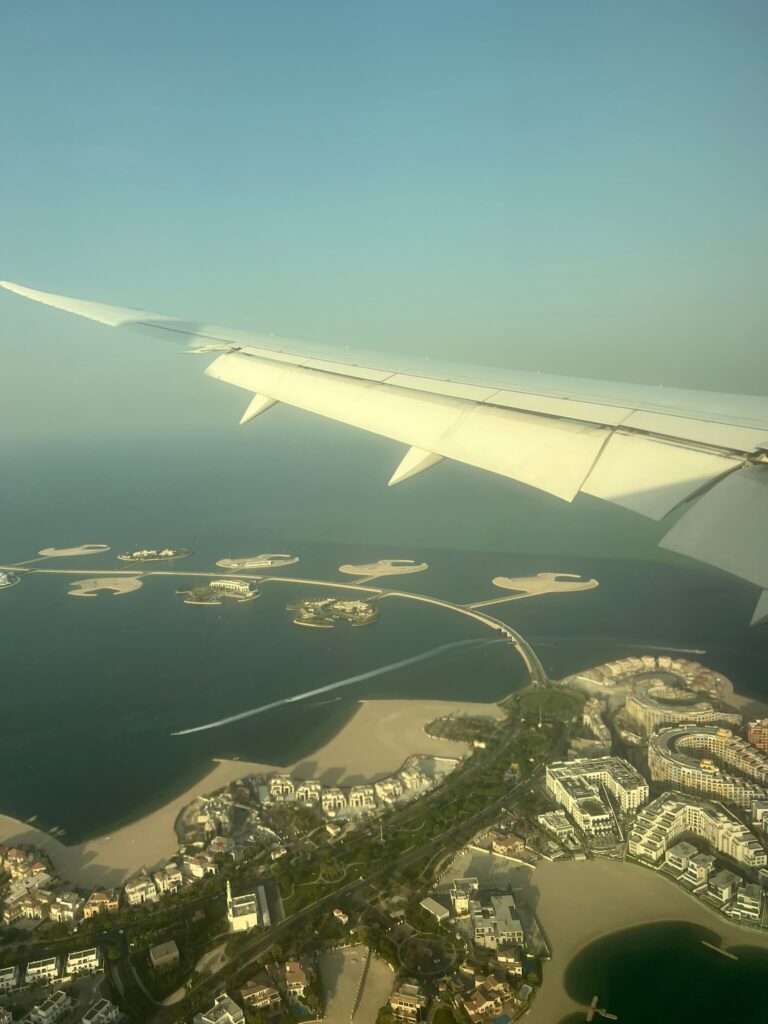
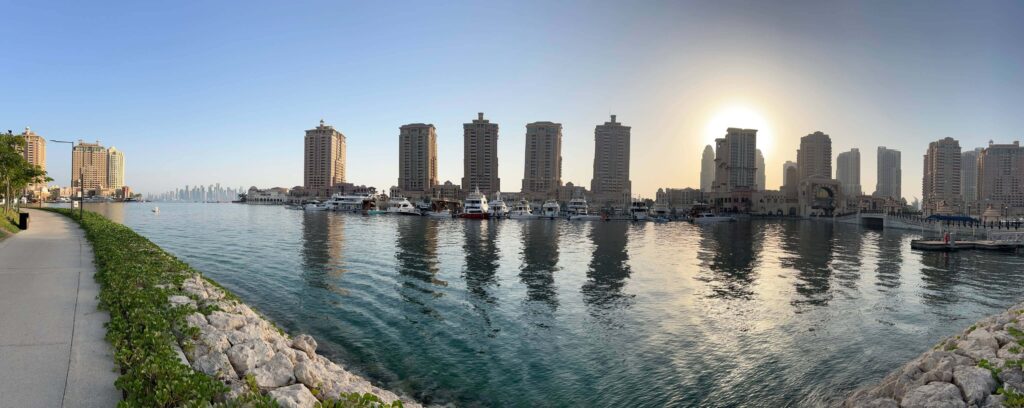
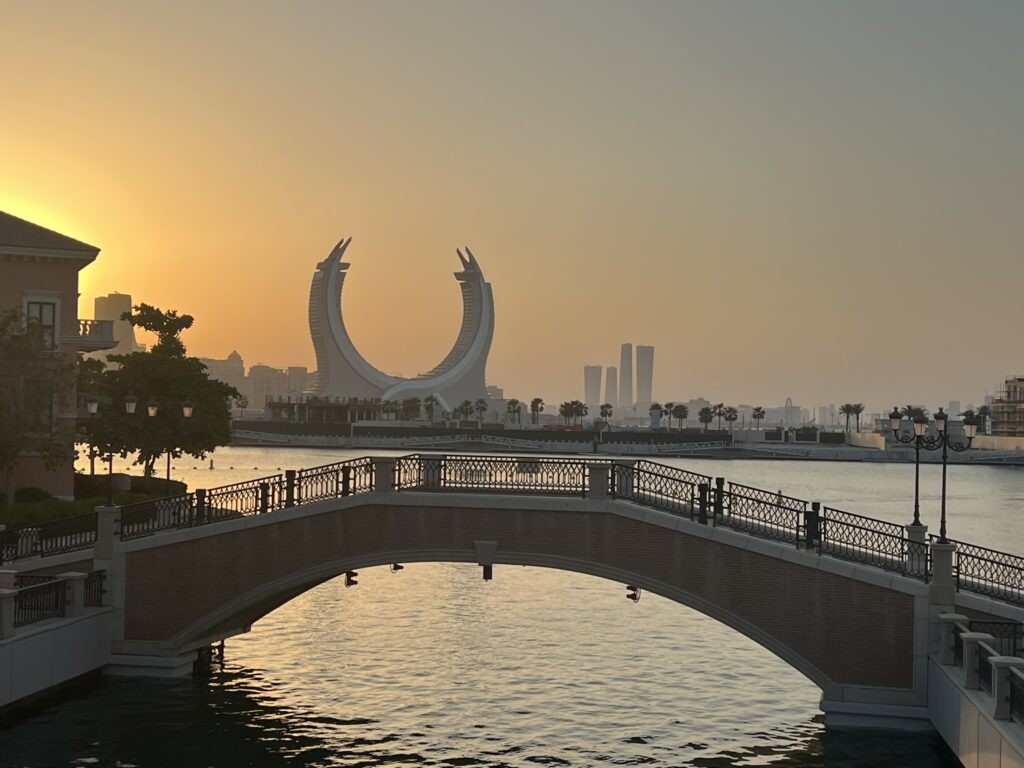
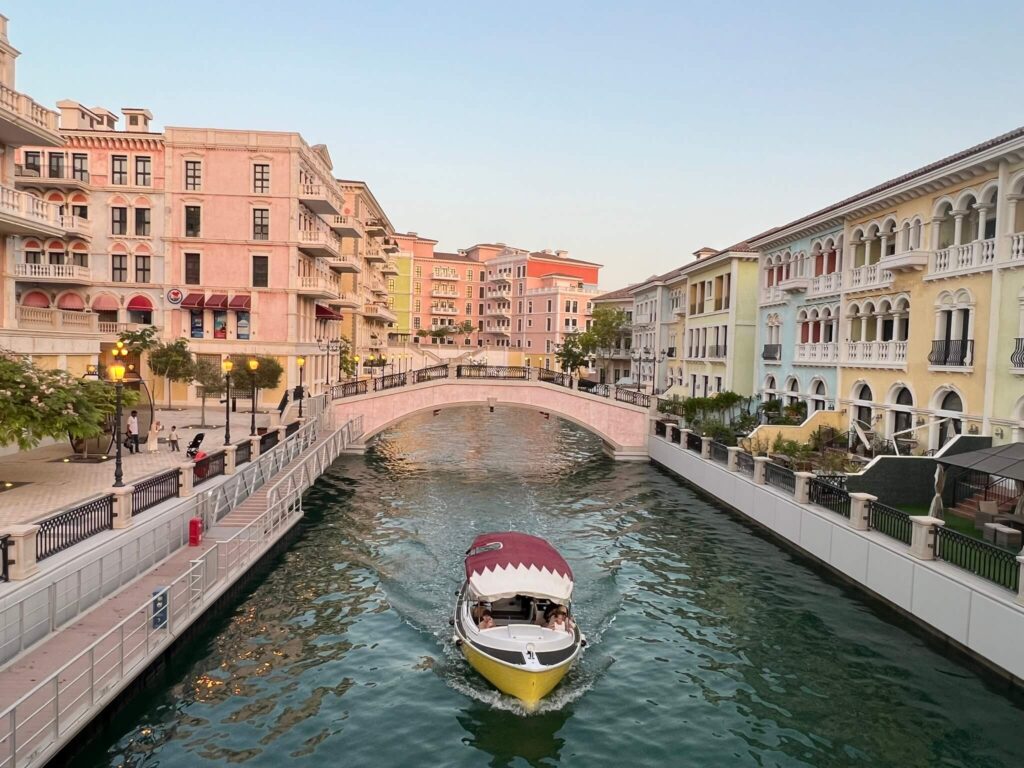
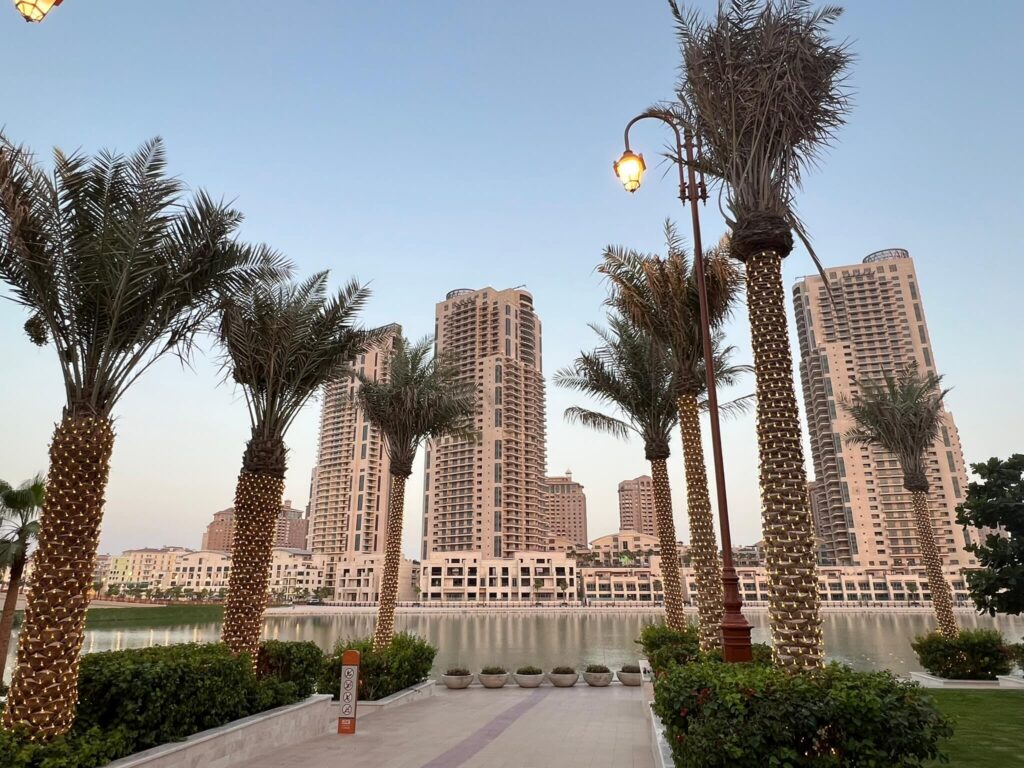
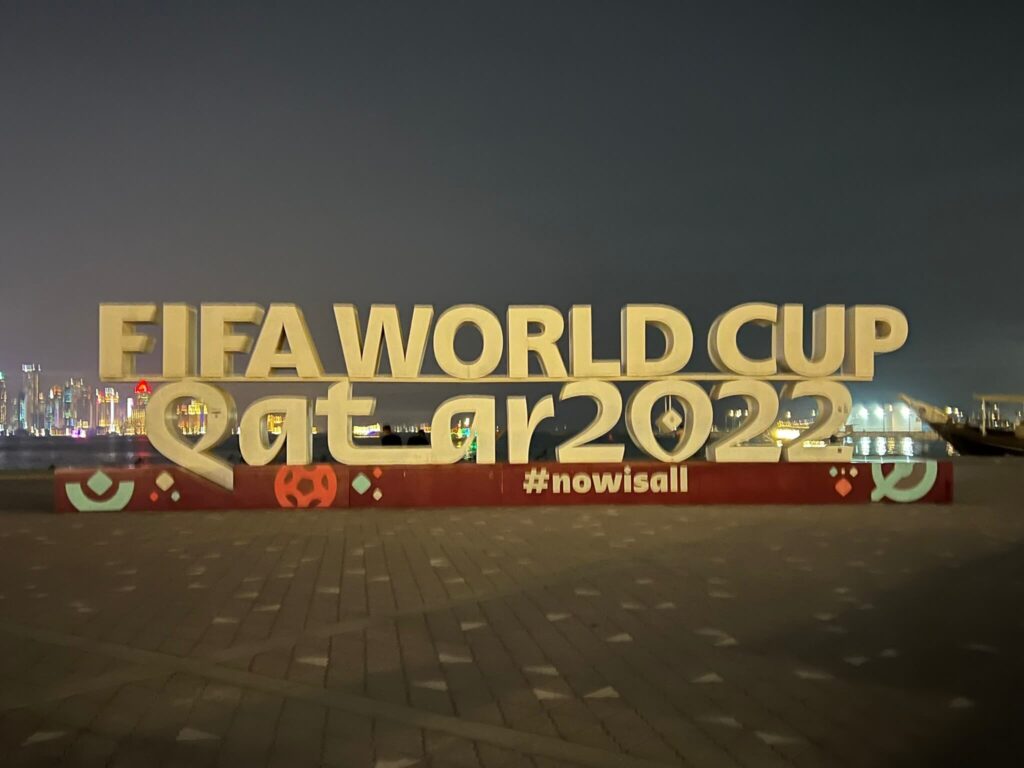
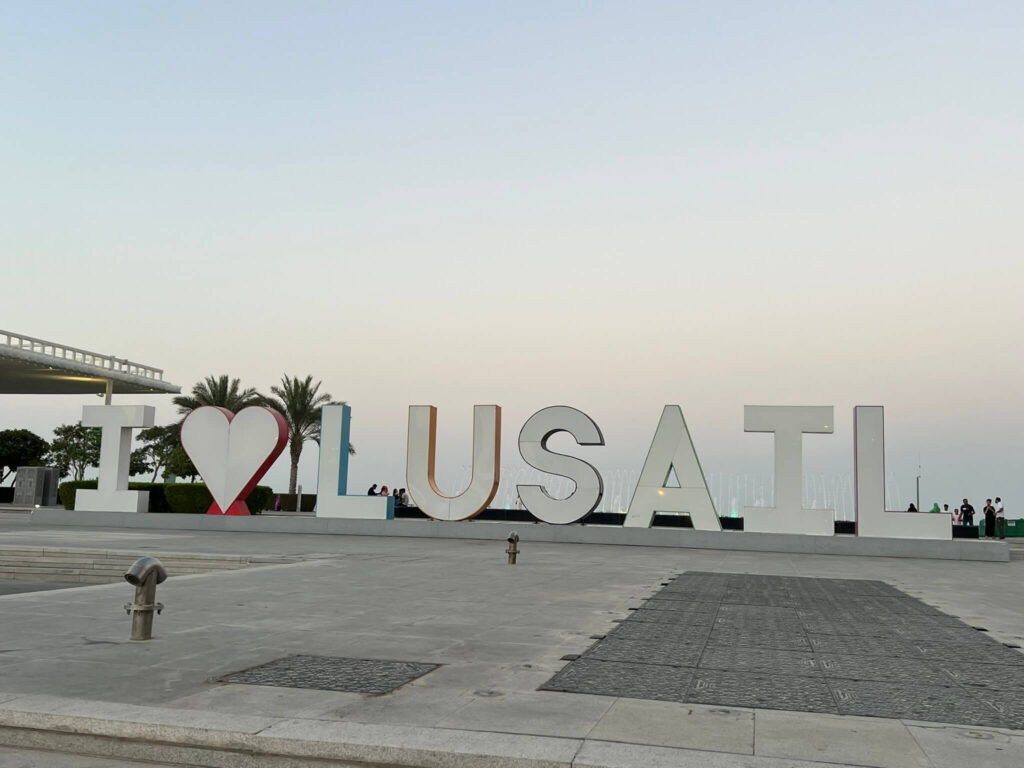
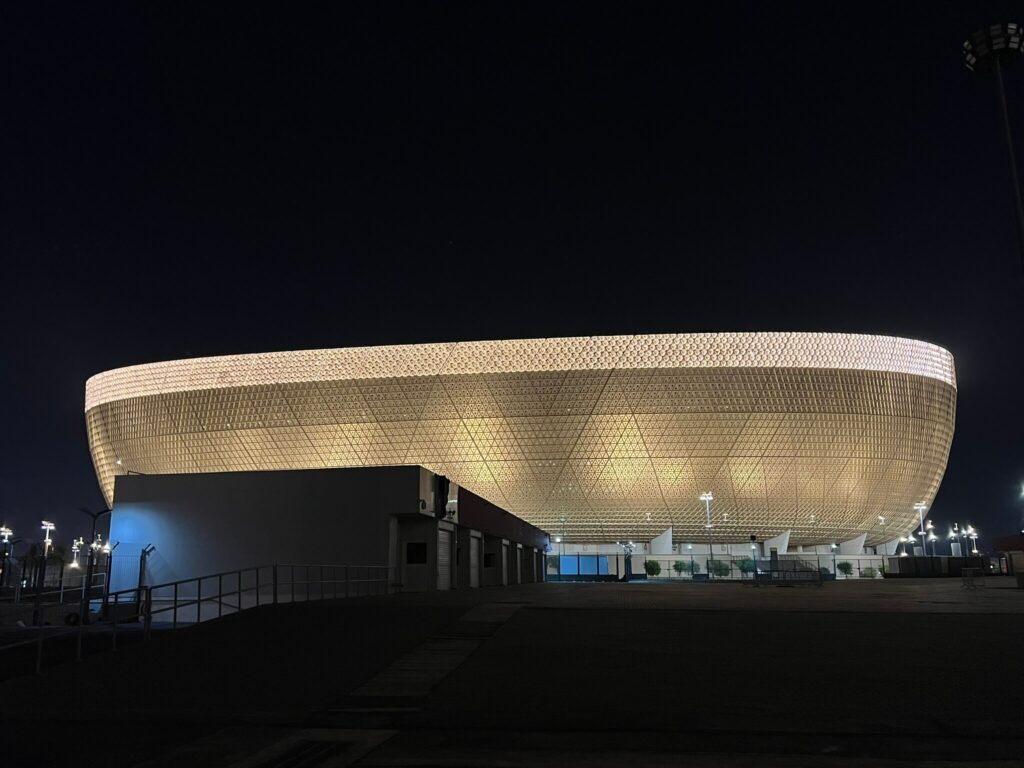
Velero Hotel is located in Lusail, Qatar’s second‑largest city and its designated “city of the future”, which serves as the country’s economic capital on the coast just north of Doha. Lusail is home to major landmarks such as Lusail Stadium, which hosted the FIFA World Cup 2022 final, Lusail Marina Corniche, and the up‑and‑coming Lusail Boulevard.
Approximate distances from the hotel:
Doha International Airport: around 28 km, roughly 25–30 minutes by taxi depending on traffic
Lusail Stadium: about 4 km (≈6 minutes by car)
Place Vendôme Mall: about 1 km (≈3 minutes by car, walkable in cooler months)
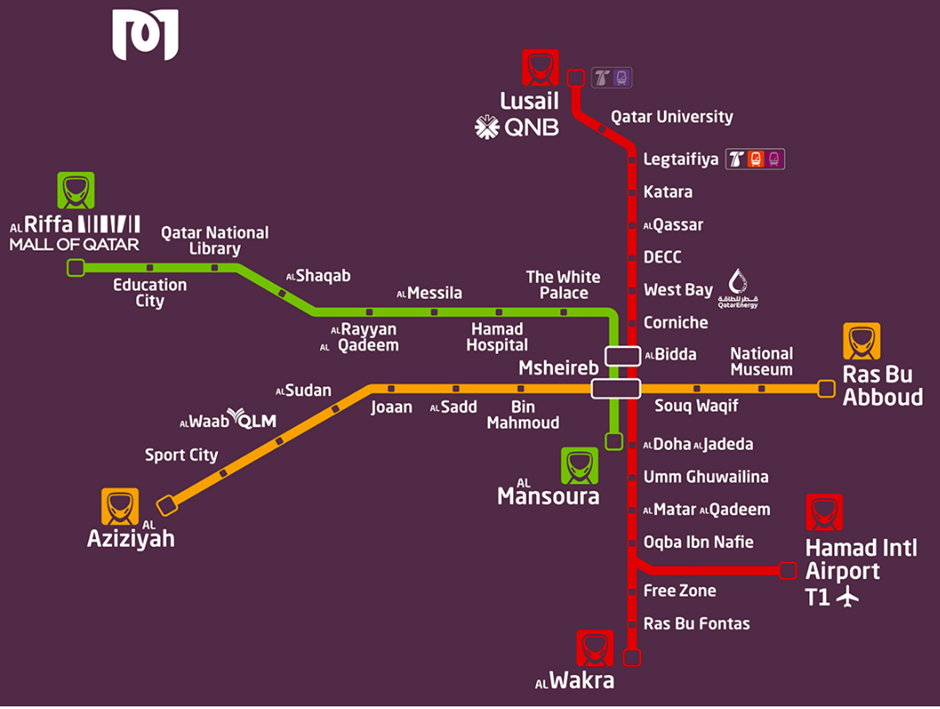
Lusail (metro/transport links around central Lusail): roughly 10 km (≈10 minutes drive)
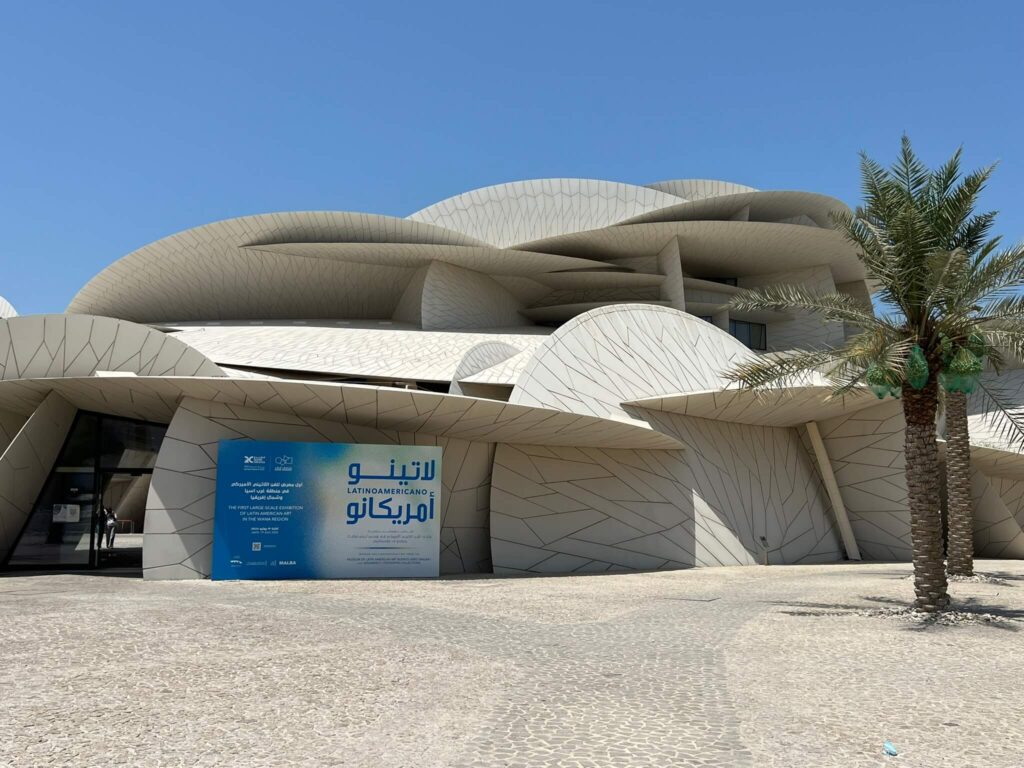
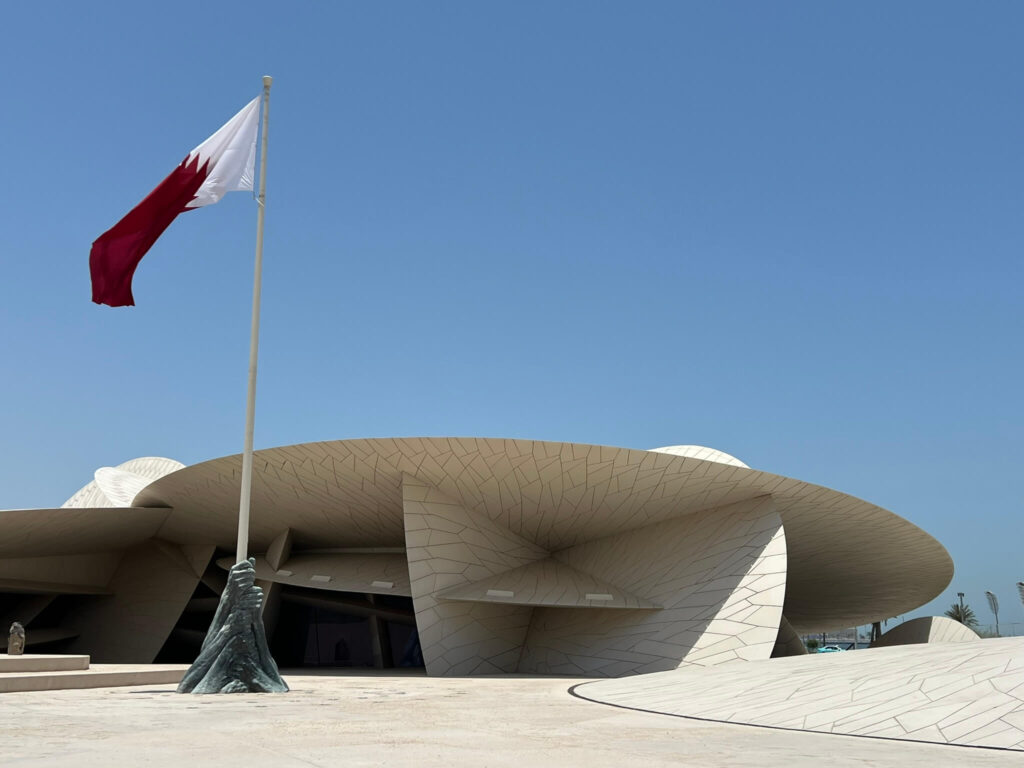
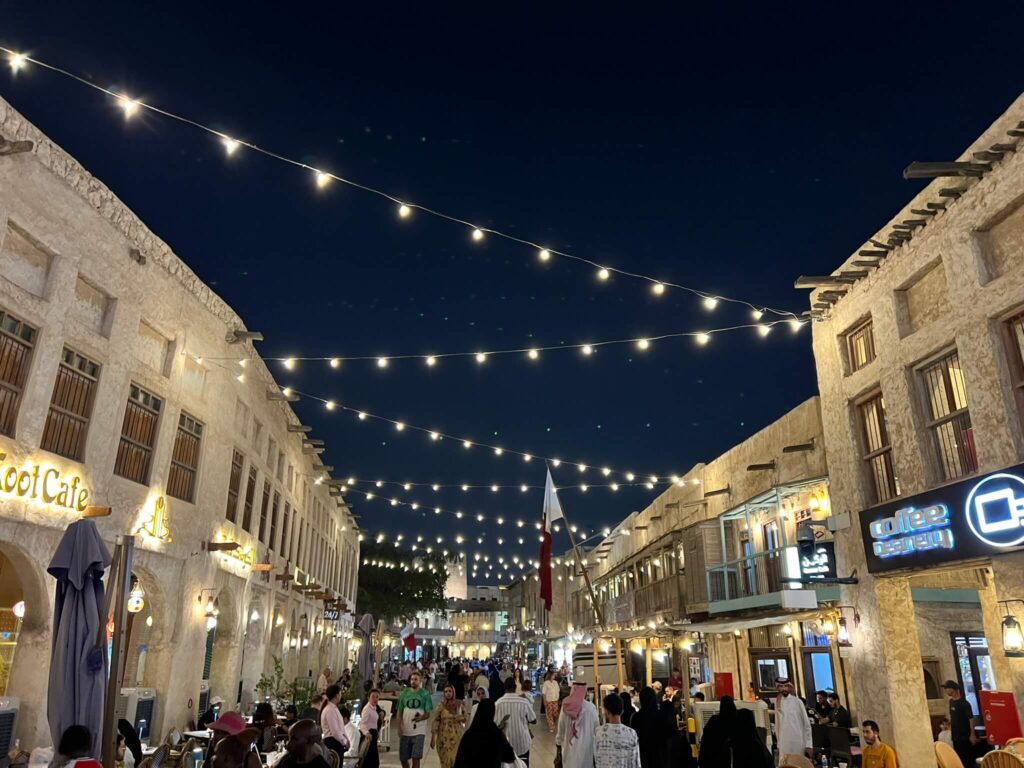
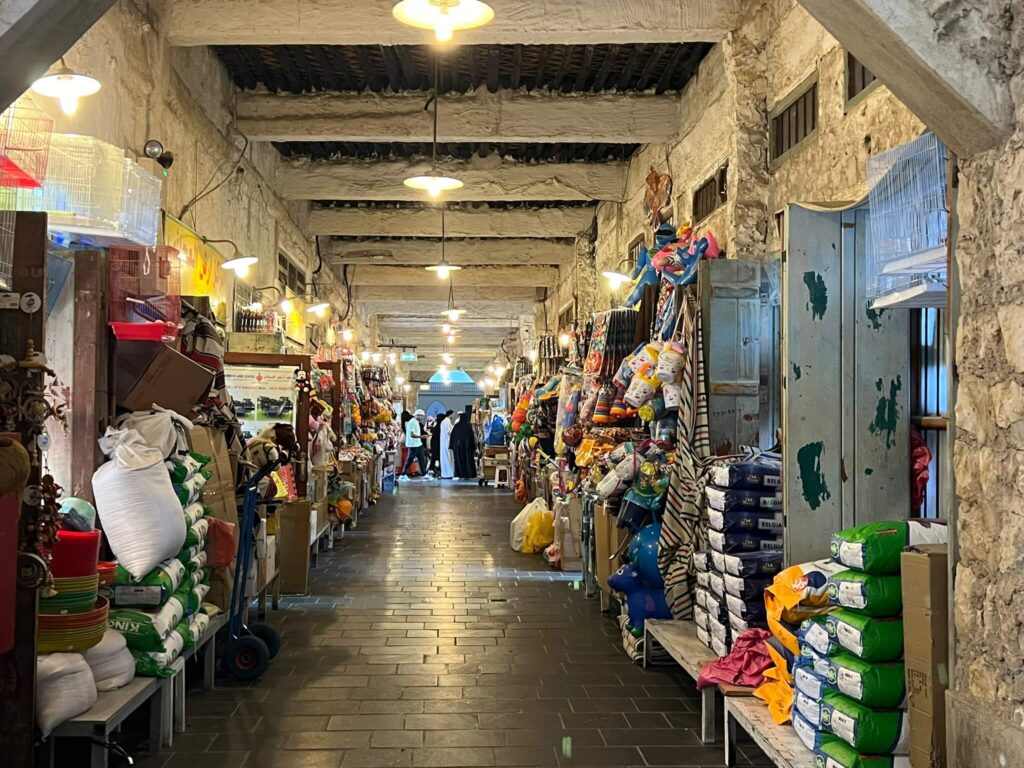
Do note that many of the classic Doha attractions — such as Souq Waqif, the Corniche, the Museum of Islamic Art, National Museum of Qatar, and Katara Cultural Village — are in Doha city, about a 30‑minute drive away. It’s wise to keep a separate budget for taxis or ride‑hailing trips between Lusail and Doha, especially if you plan multiple sightseeing outings.
Nearby Highlights: Place Vendôme & Lusail Boulevard
One of the biggest advantages of staying at Velero is its proximity to key Lusail attractions:
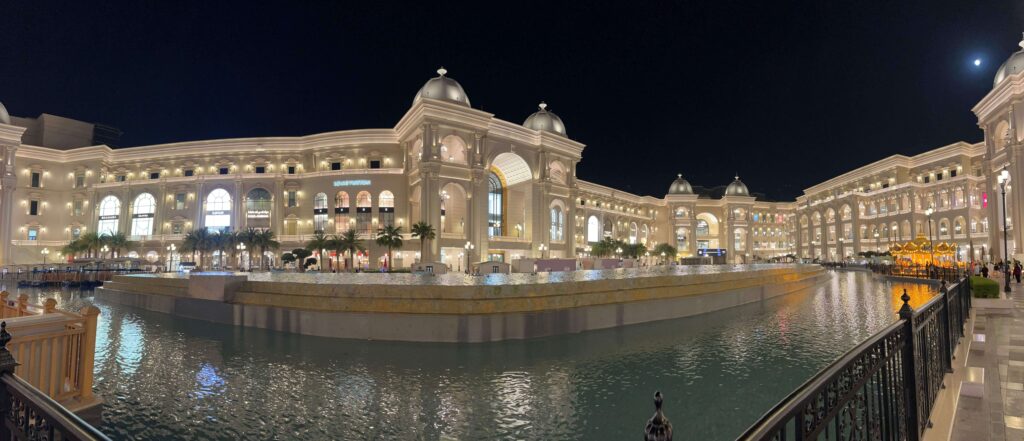
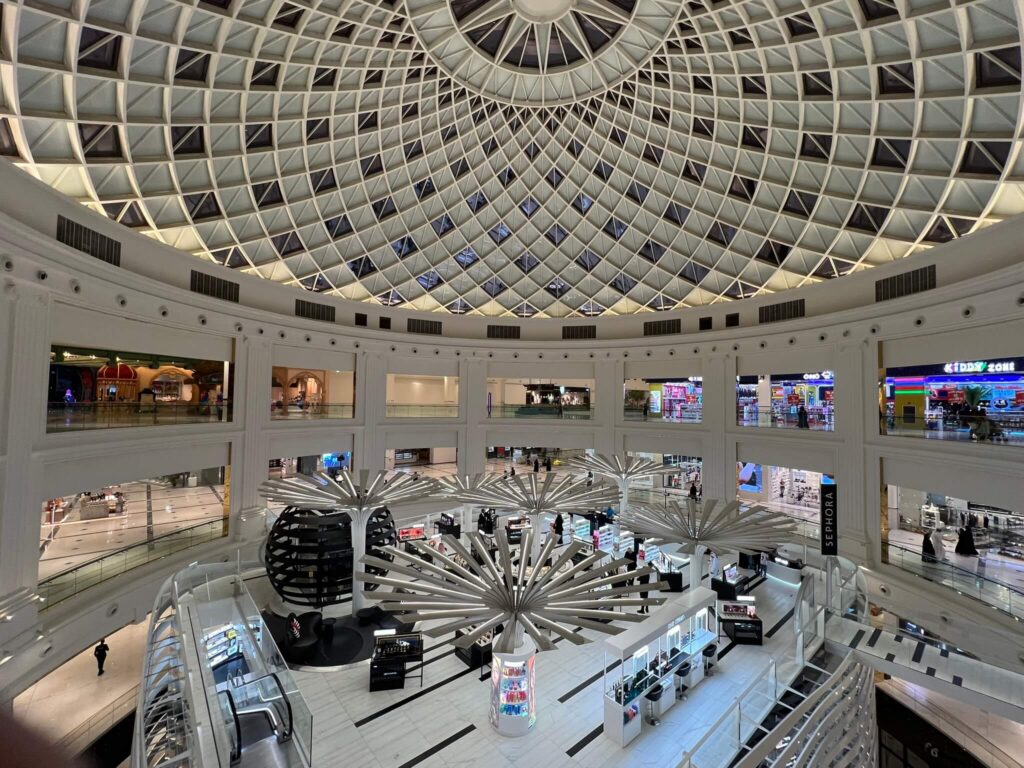
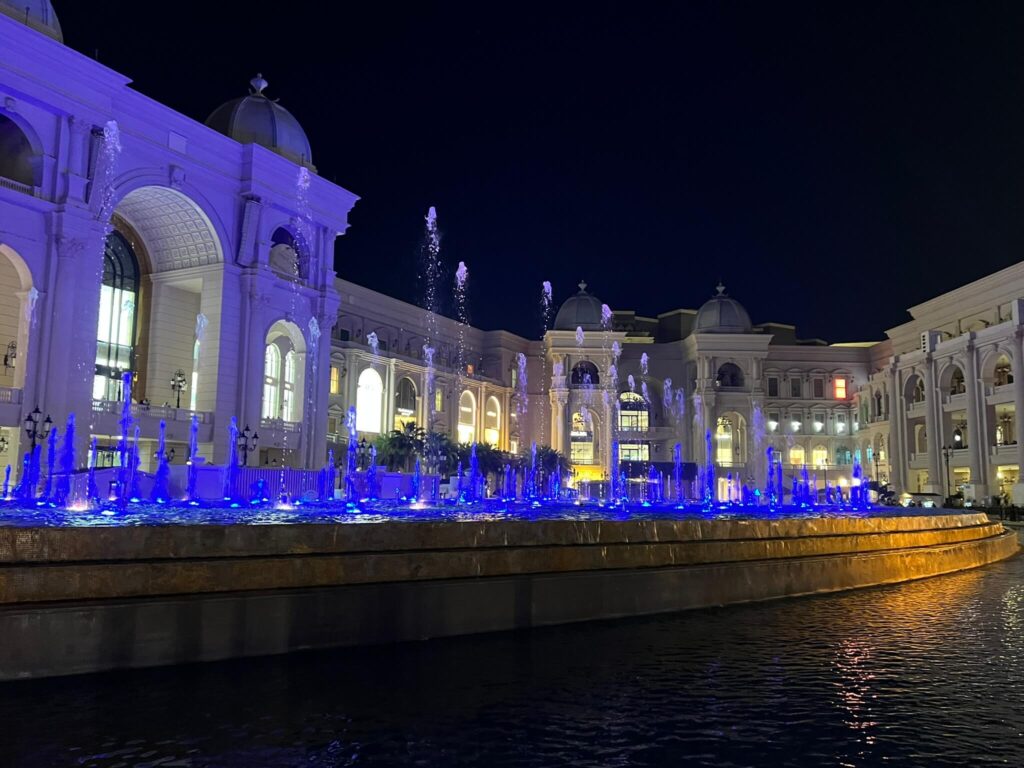
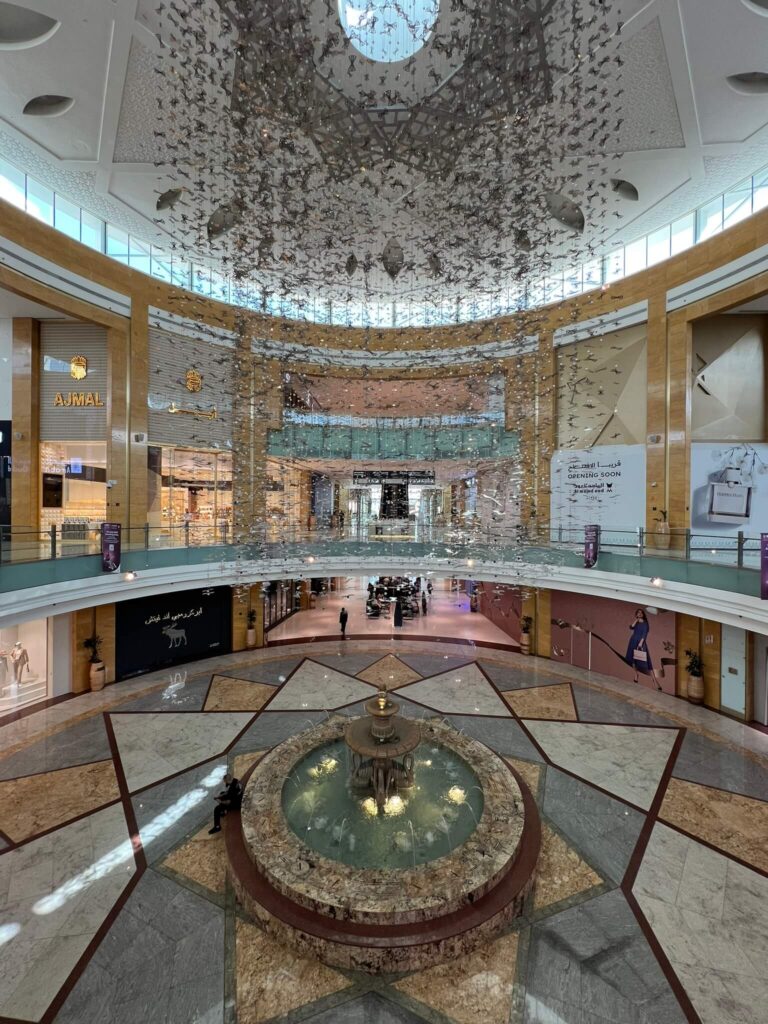
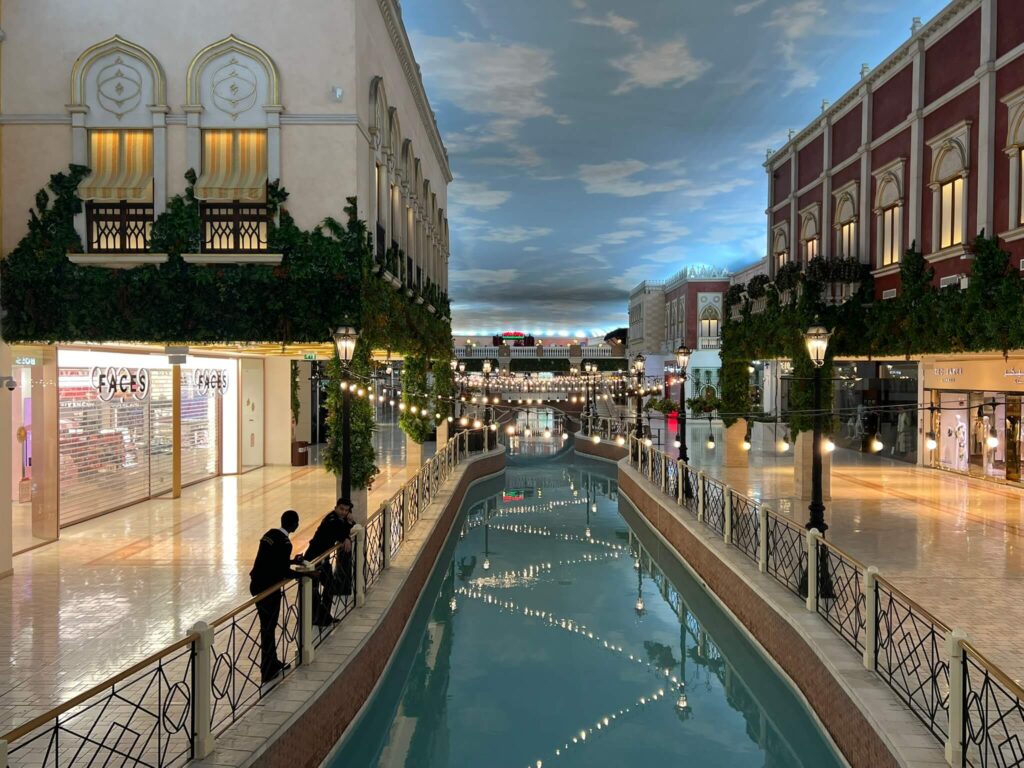
Place Vendôme Mall – A 1.15 million m² luxury shopping and lifestyle complex inspired by Paris’ Place Vendôme, featuring over 580 high‑end and mid‑range stores, a canal running through the mall, and an hourly dancing fountain show with a 3D laser display in the evenings. This is a great spot for shopping, dining, or simply enjoying the evening fountain show from one of the canal-side cafés.
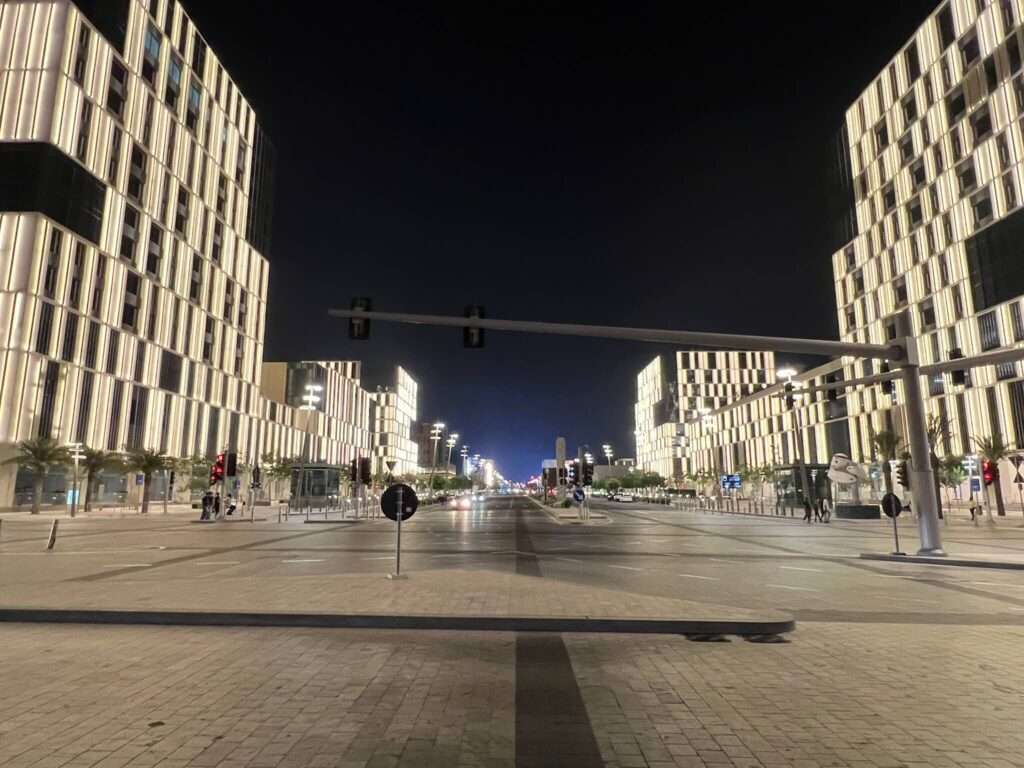
Lusail Boulevard – A modern urban boulevard lined with restaurants, cafés, and retail outlets, designed for pedestrians and cyclists, and located near Lusail Stadium. It often hosts events and creates that “new city” buzz that Lusail is increasingly known for.
Lusail Marina / Al Maha Island – A nearby entertainment and leisure zone with waterfront dining and attractions, often included in city or night tours of Doha and Lusail.
If you’re planning a multi‑day stay, you can easily combine time in Lusail with excursions to Doha’s museums, souqs, and older neighbourhoods to experience both the modern and traditional sides of Qatar.
Rooms: Quiet, Comfortable, and Well‑Equipped
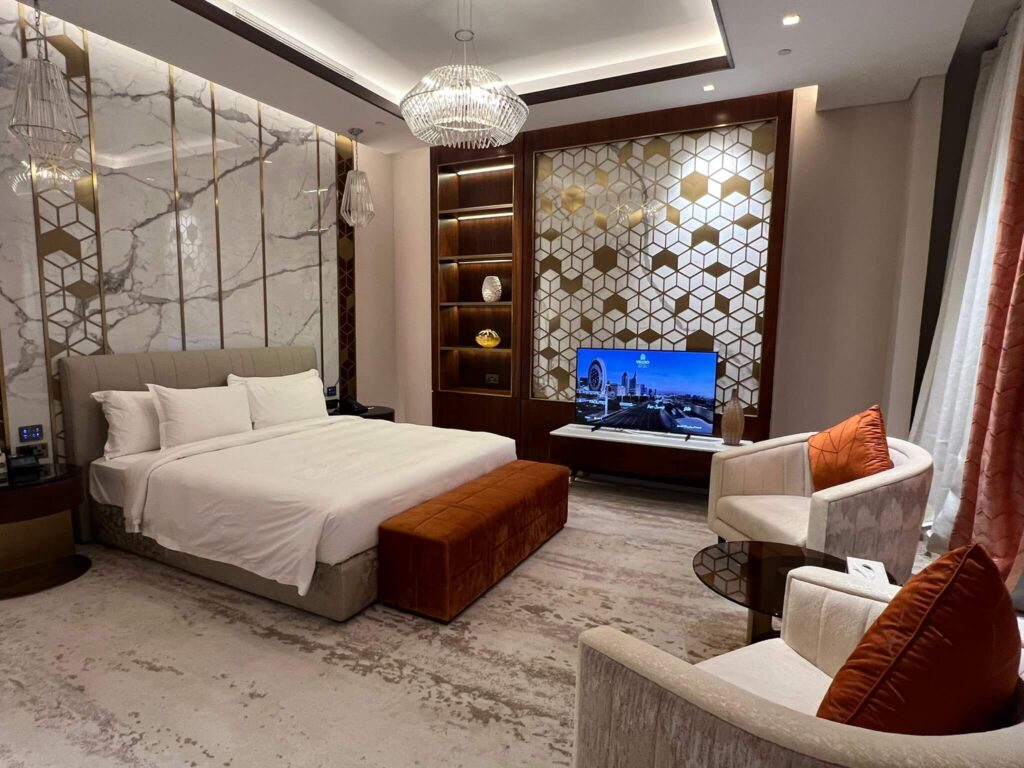
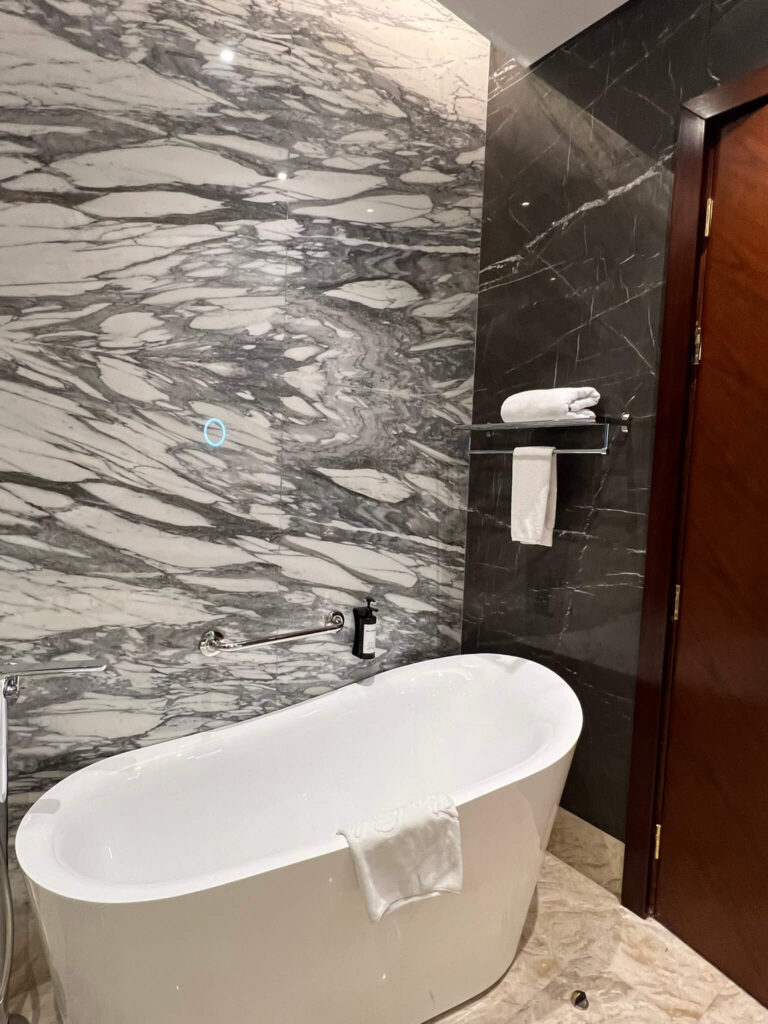
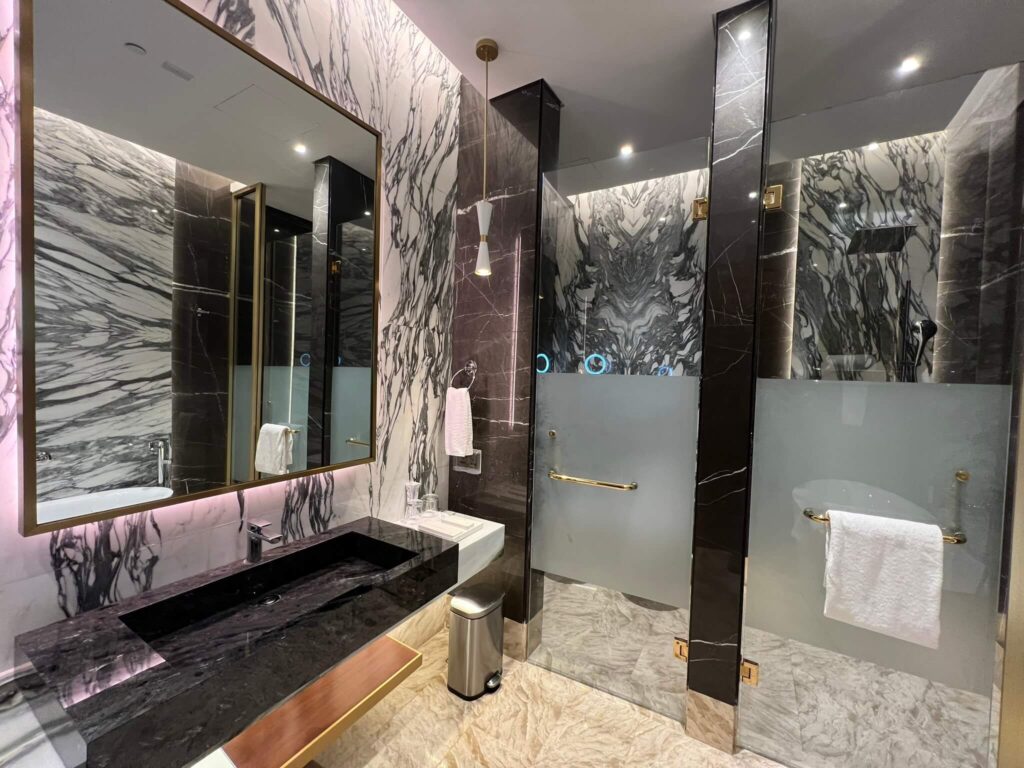
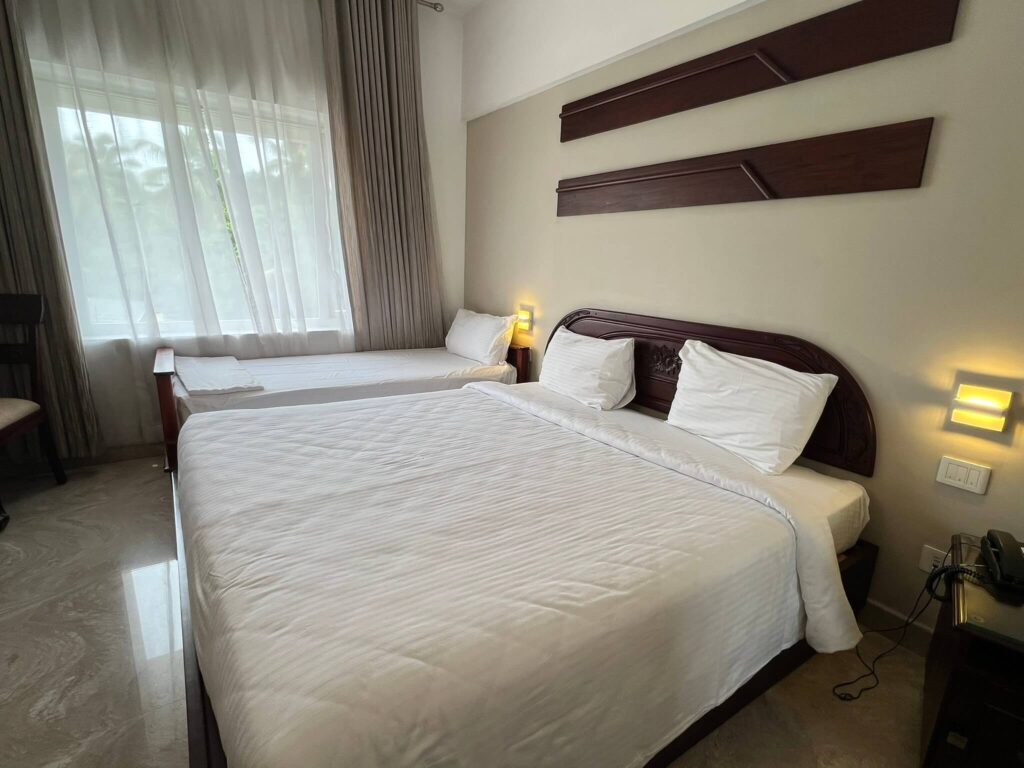
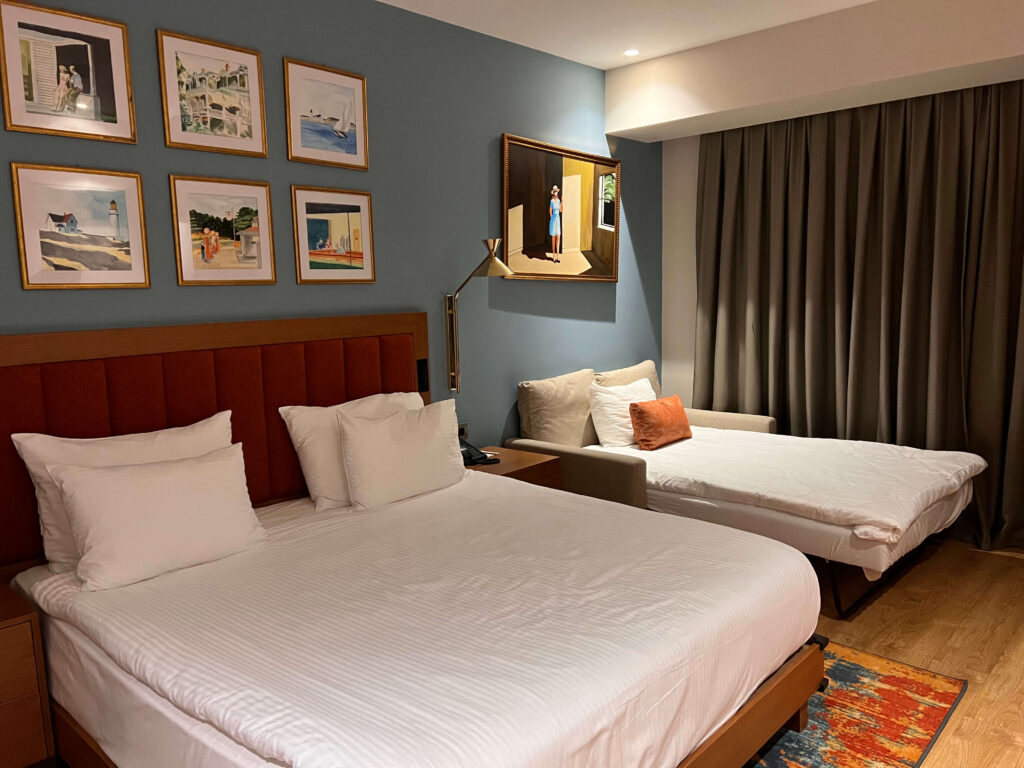
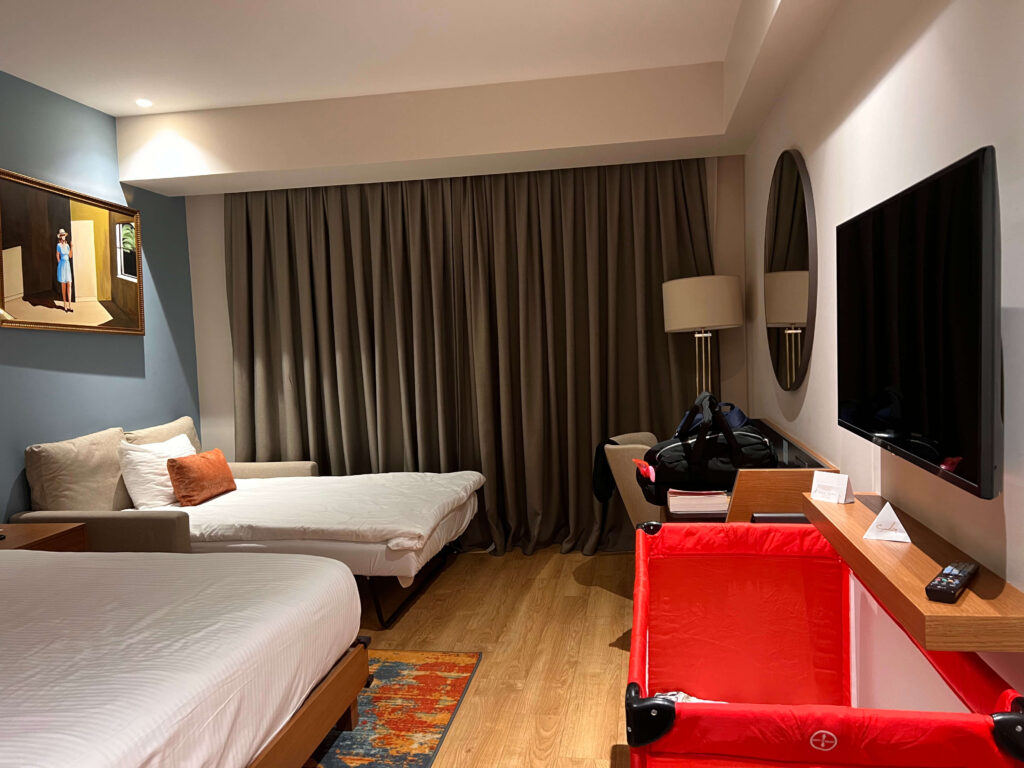
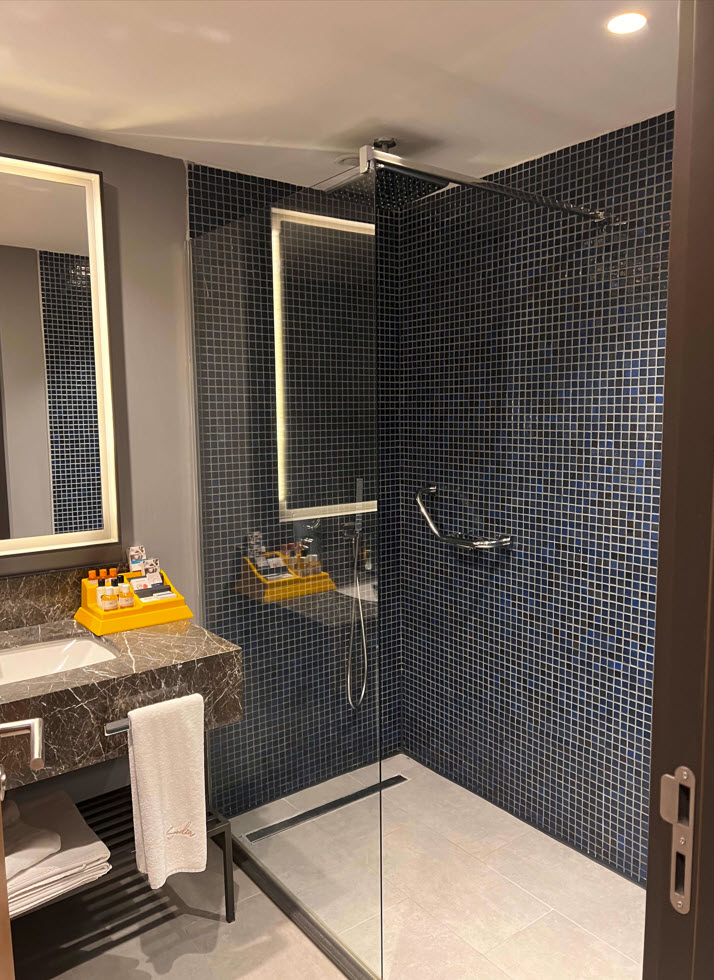
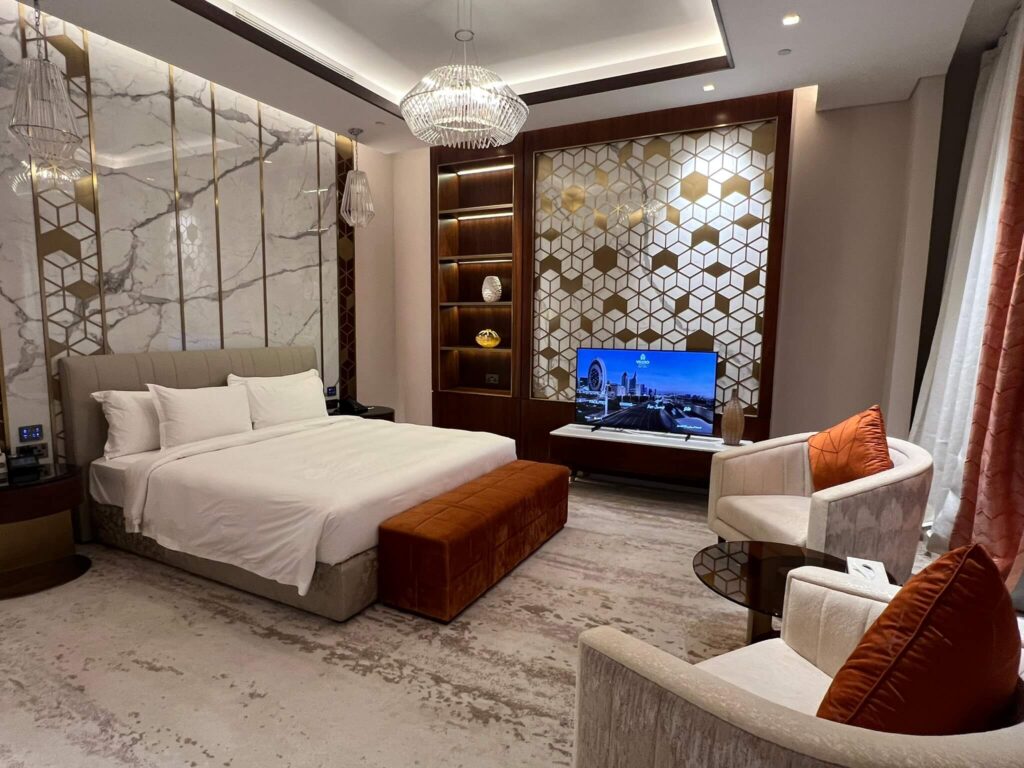
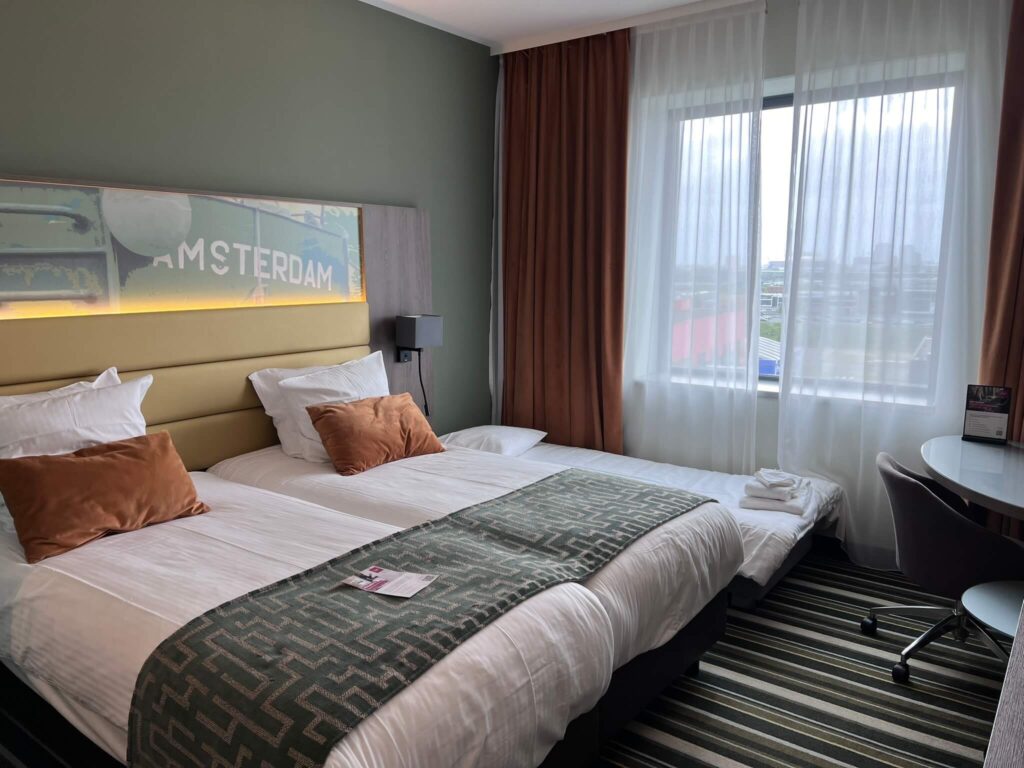
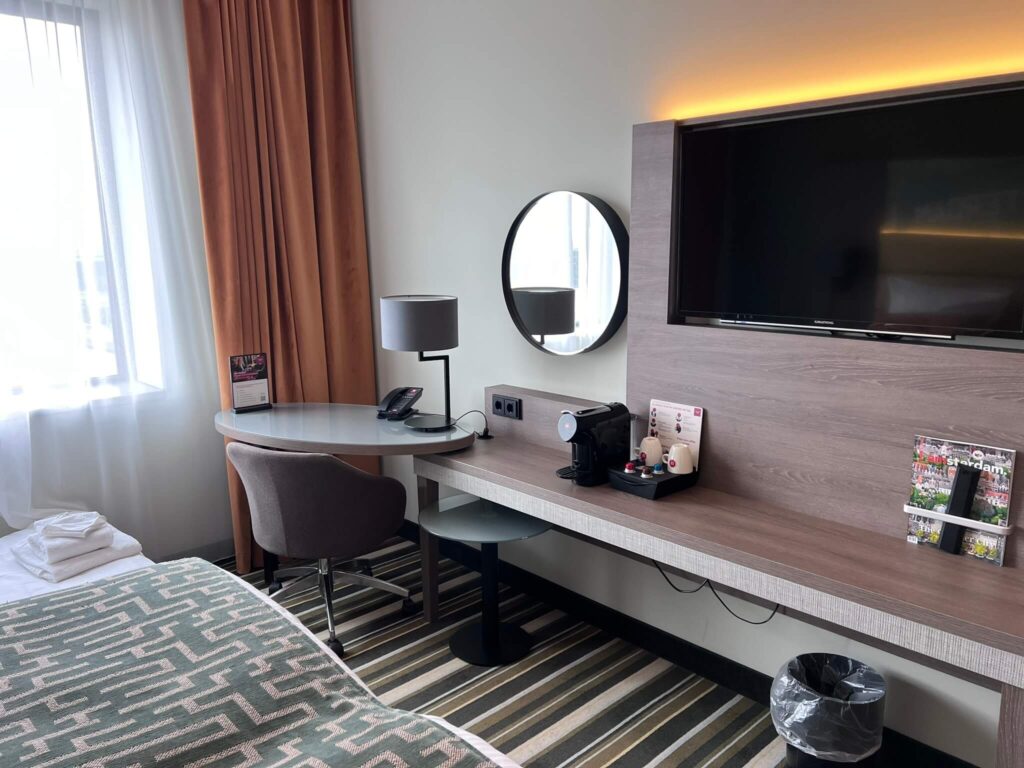
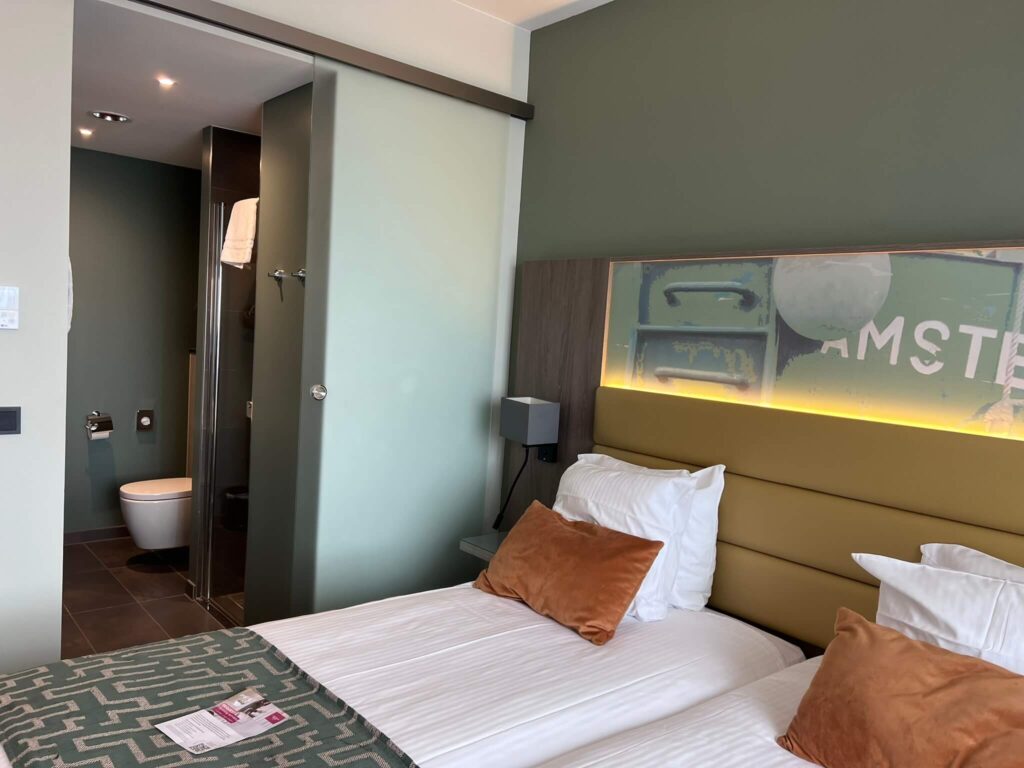
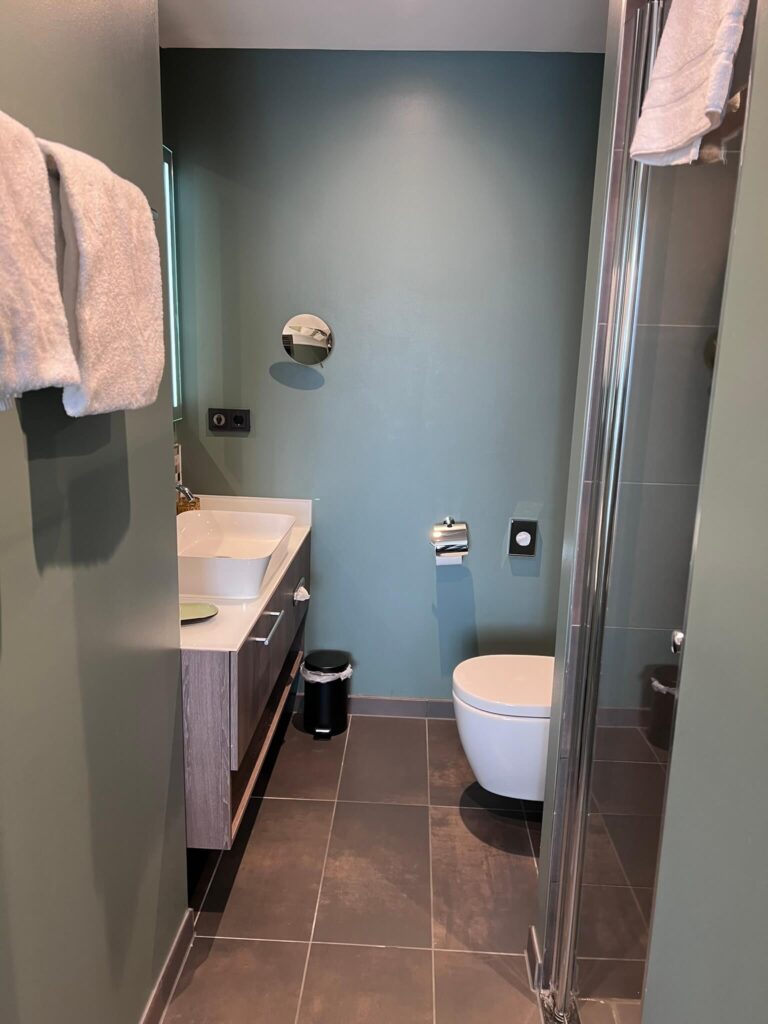
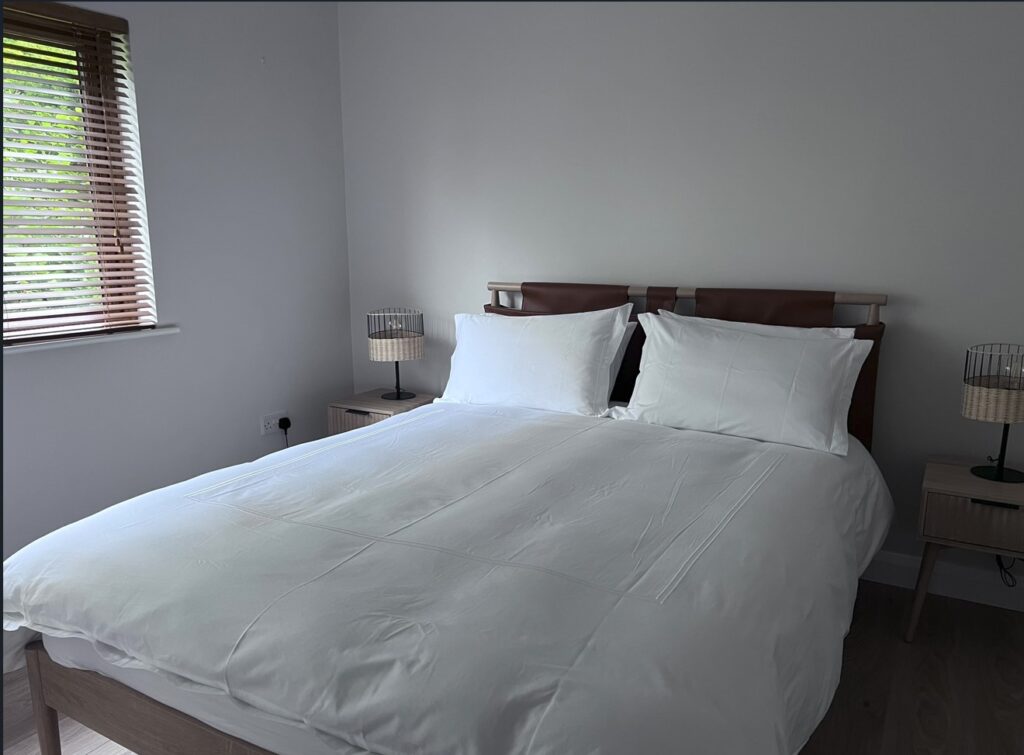
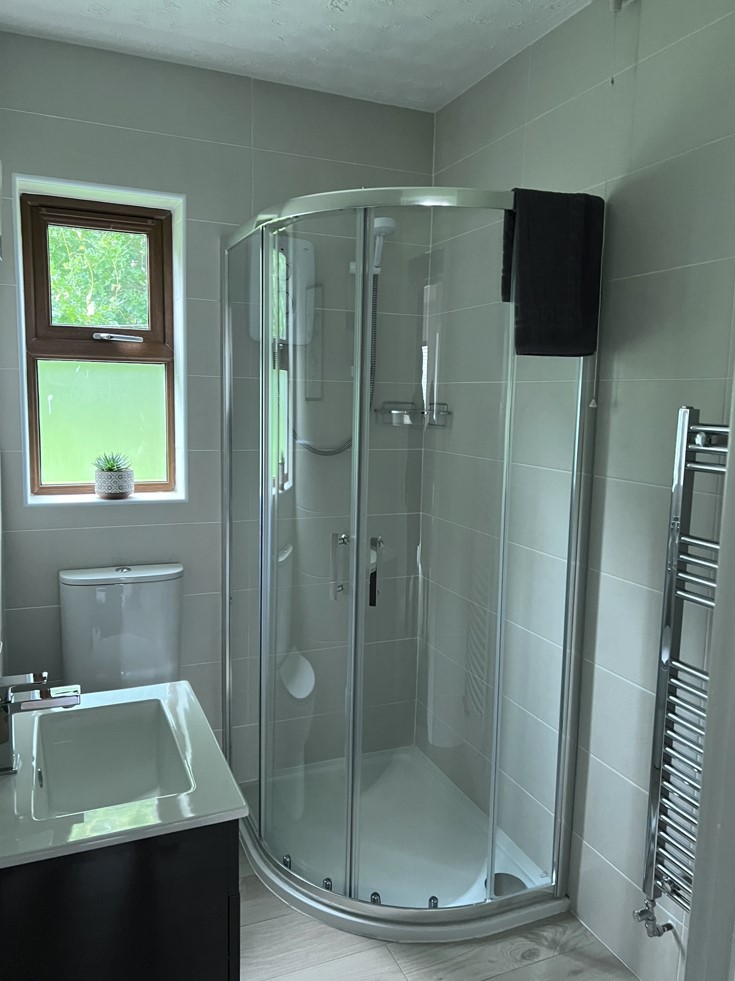
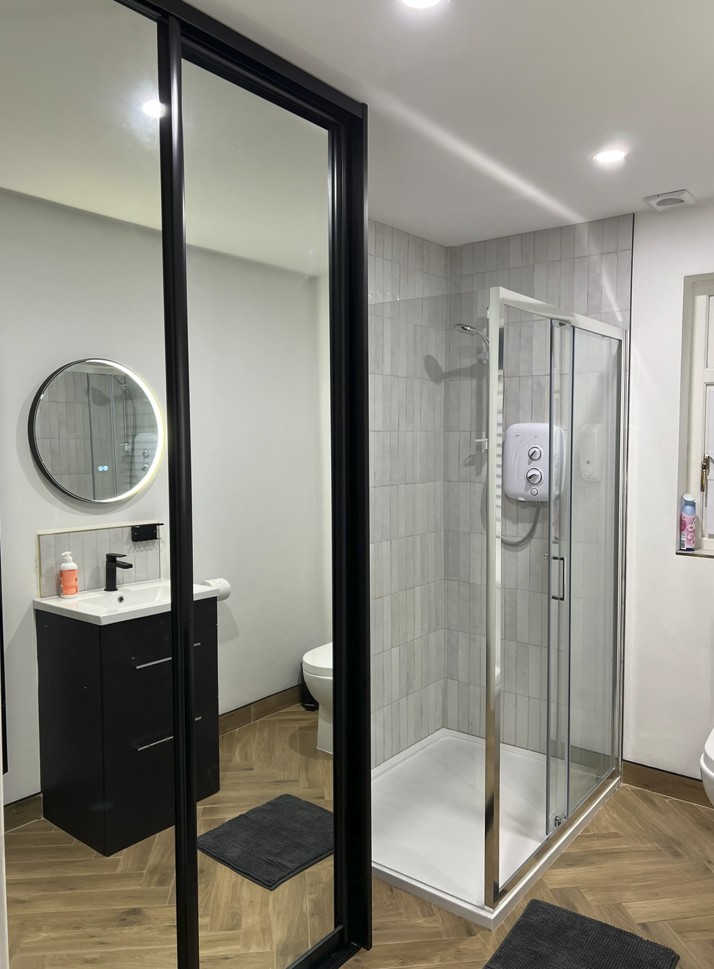
Our room at Velero Hotel was spacious, modern, and finished to a high standard, with quality furnishings and a layout that felt both functional and luxurious. The room featured strong air conditioning (essential in Qatar’s summer heat), a comfortable bed, a work desk, a minibar, tea and coffee facilities, an electronic safe, and a well‑appointed bathroom with complimentary toiletries and a hair dryer.
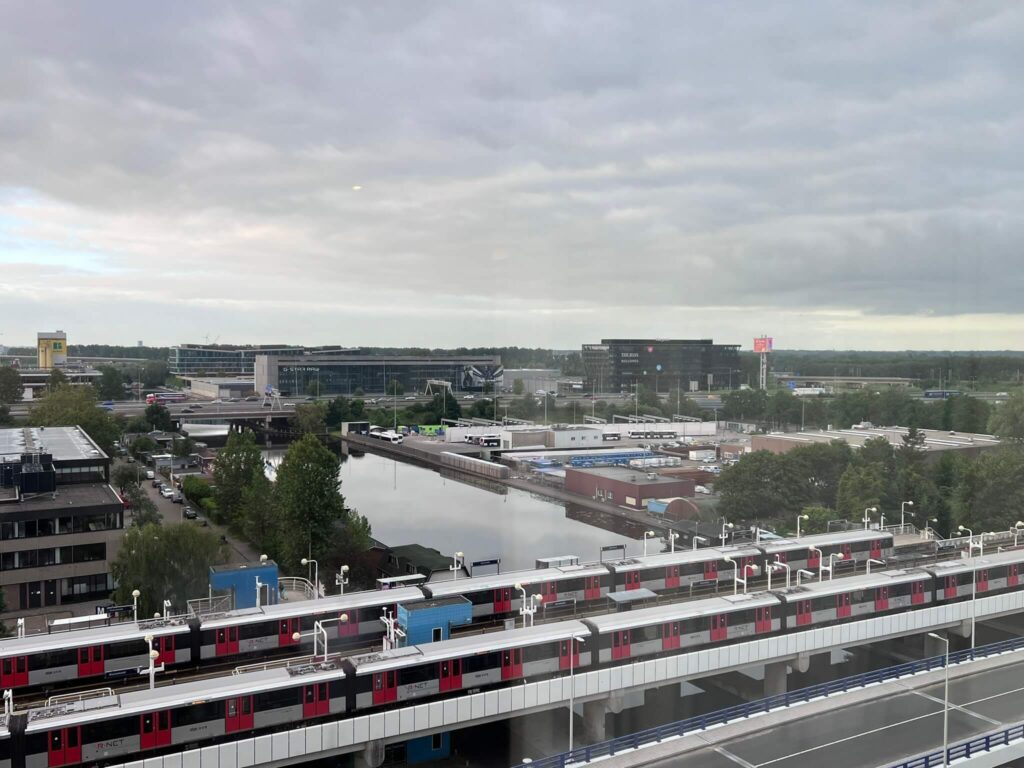
Despite the hotel’s location near a main road, we experienced no noticeable traffic noise, making it an excellent place to rest between flights or after full days of sightseeing. Housekeeping was consistently efficient and kept the room spotless throughout our stay.
The hotel offers a wide variety of room types, including:
Deluxe King and Deluxe Twin
Premium King and Premium Twin (with city or Vendôme views)
One‑Bedroom Suites
Velero Suite, Ambassador Suite, and Penthouse Suite for those seeking more space and upgraded amenities
This range makes the property suitable for solo travelers, couples, families, and even business guests who may require larger suites or connecting rooms.
Dining: From Breakfast Buzz to Poolside Bites
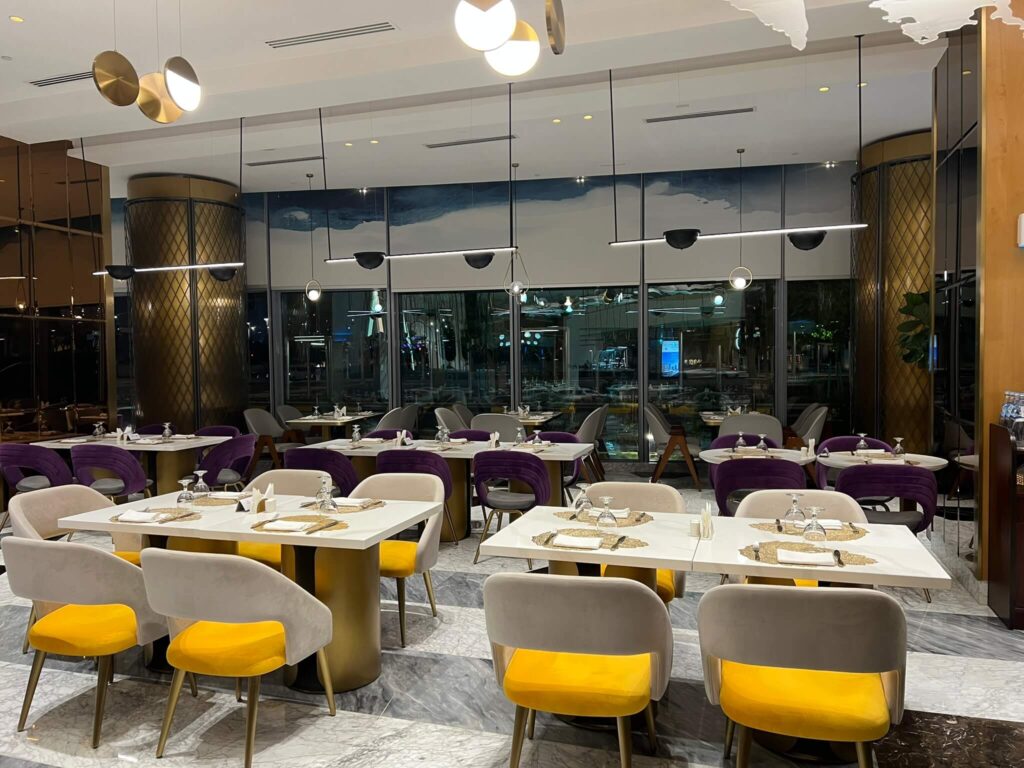
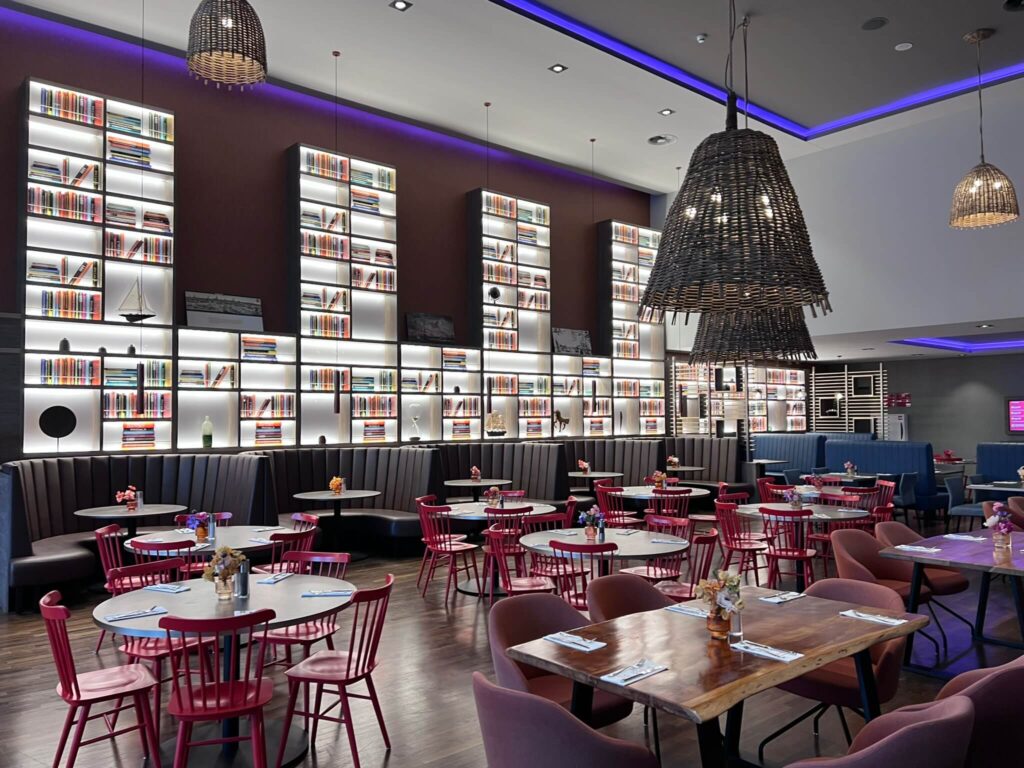
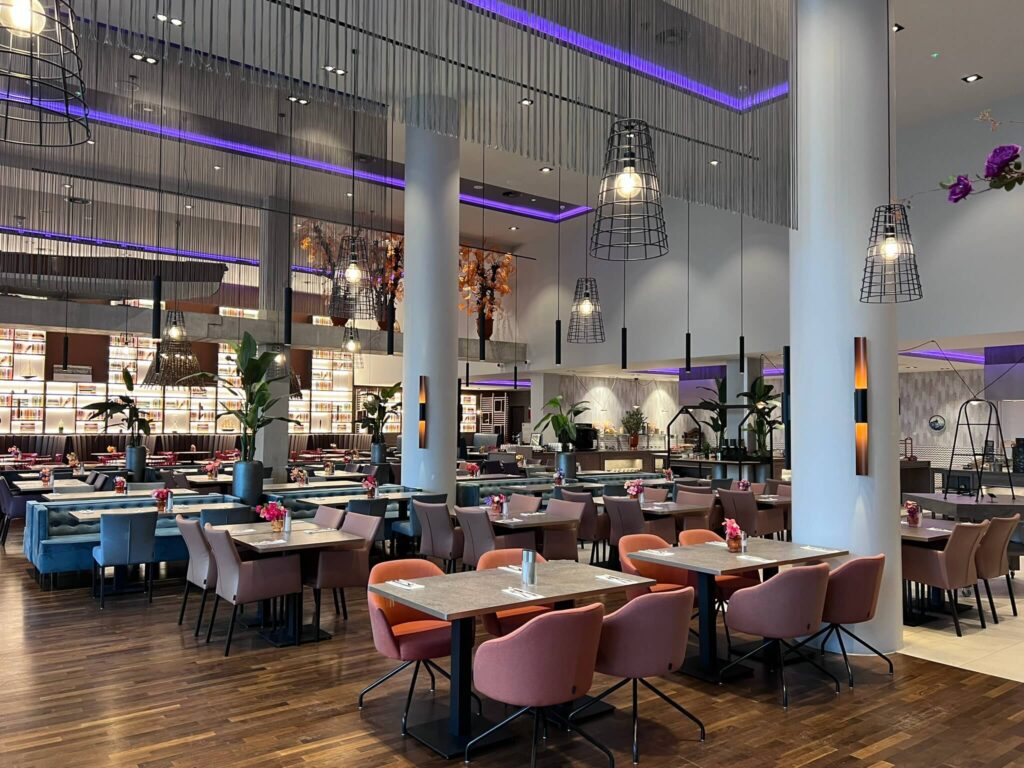
Breakfast is served in the V Lounge on the ground floor, and we generally found the spread varied and enjoyable, with international options alongside lighter choices. The restaurant can become quite busy around 9:00 AM, and service felt a little chaotic at peak times, but every staff member we encountered remained friendly and helpful.
On-site dining options include:
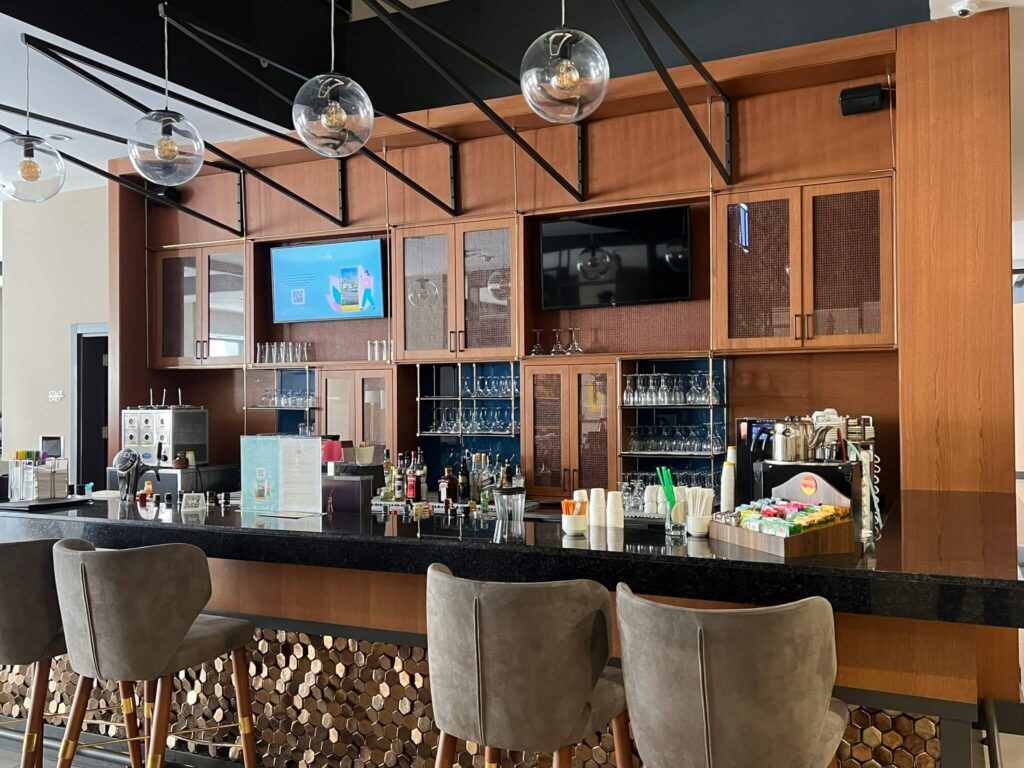
V Lounge – The main restaurant area for breakfast and casual meals.
Q Restaurant – A more formal venue serving international and Arabic cuisine in a refined setting.
Aspasia – A theme restaurant with Mediterranean-inspired dishes and a stylish ambience.
H2O Pool Restaurant – Located on Level 3, offering snacks, light meals, and drinks by the pool.
Facilities and Amenities
Velero Hotel Doha Lusail is designed to cater to both leisure and business travelers, with many facilities conveniently stacked across the lower levels:
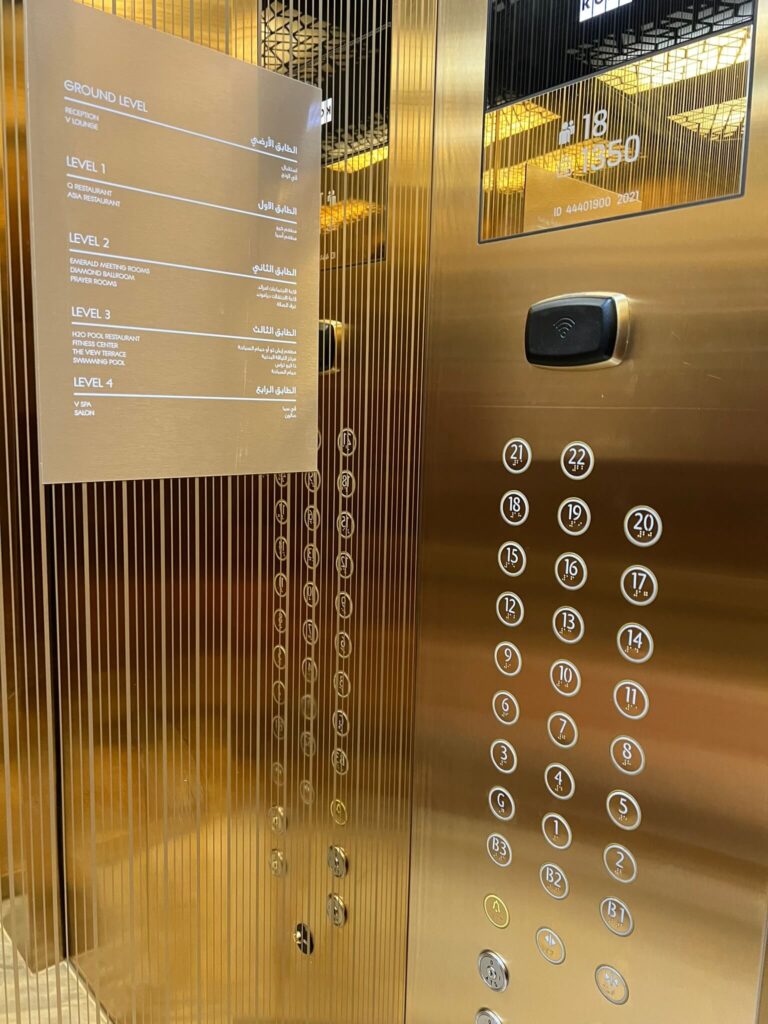
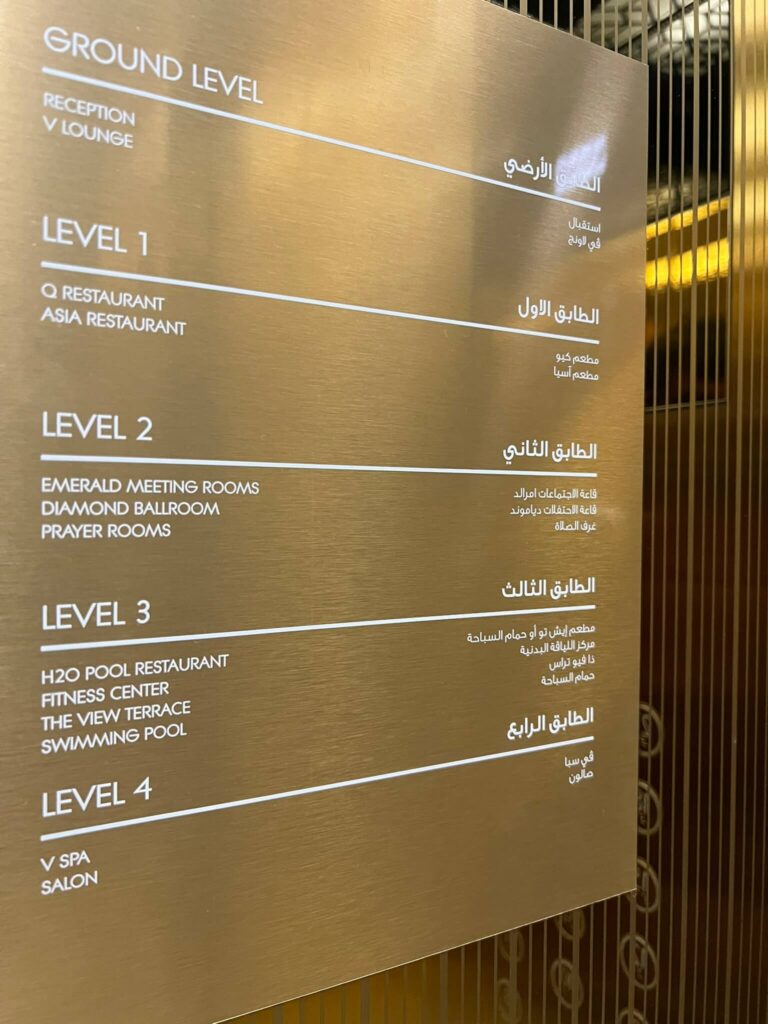
Ground Floor: Reception and V Lounge (breakfast and casual dining).
Level 1: Q Restaurant and Aspasia Restaurant.
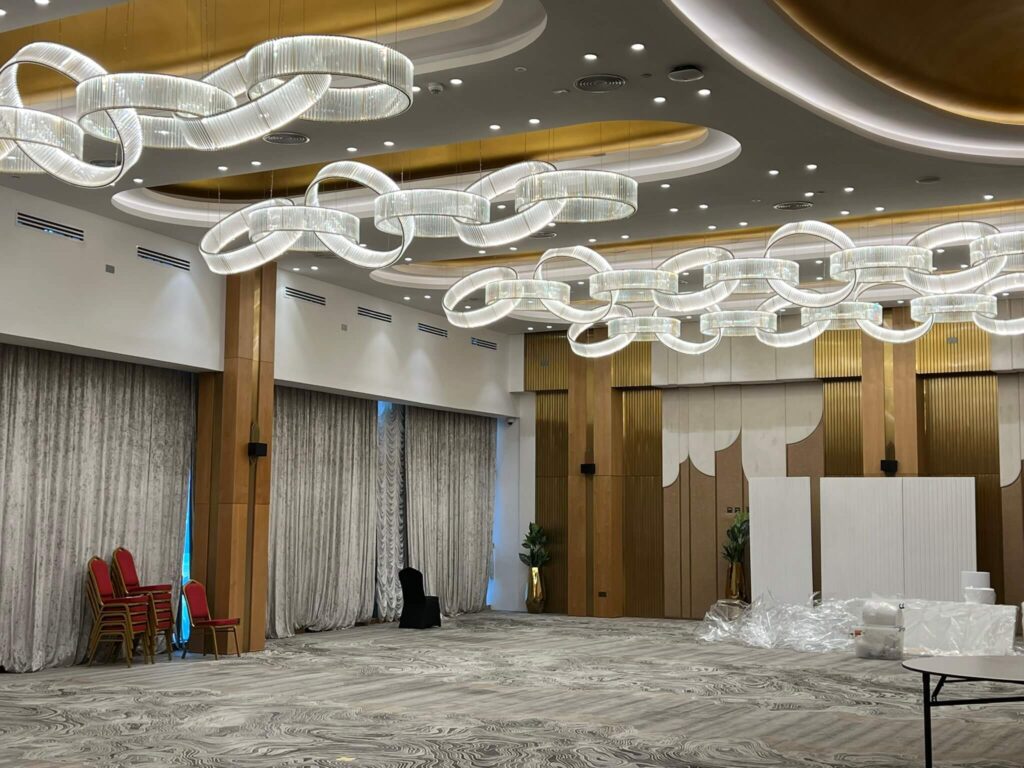
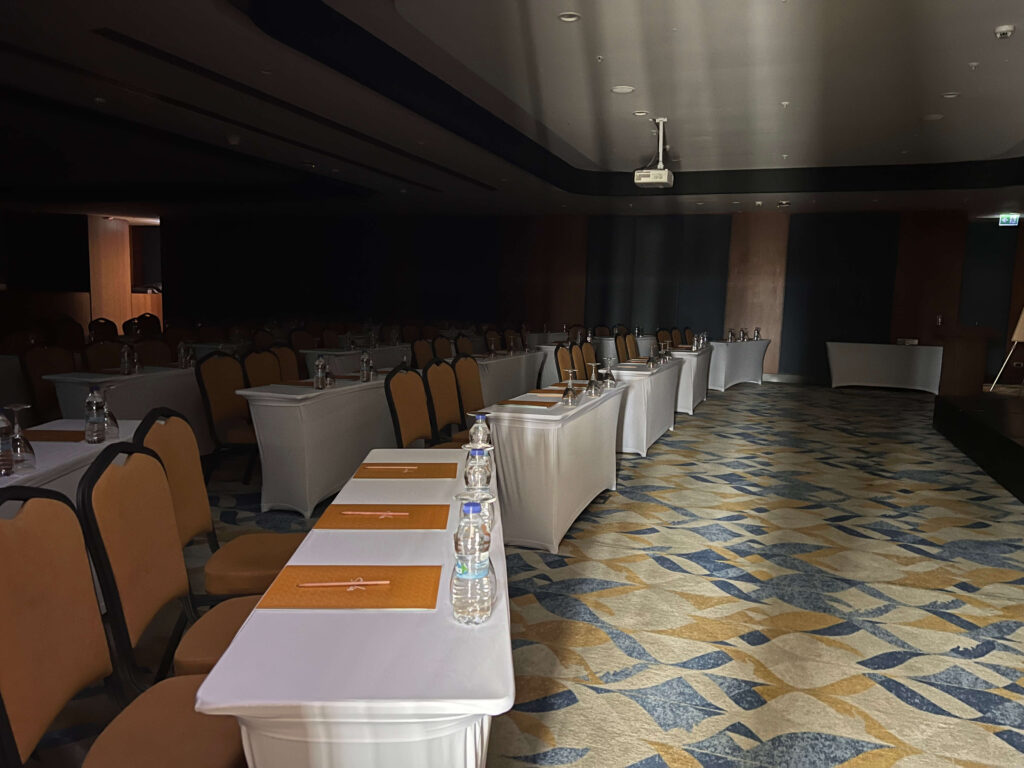
Level 2: Three meeting rooms, a Diamond Ballroom suitable for weddings and events, plus a prayer room.
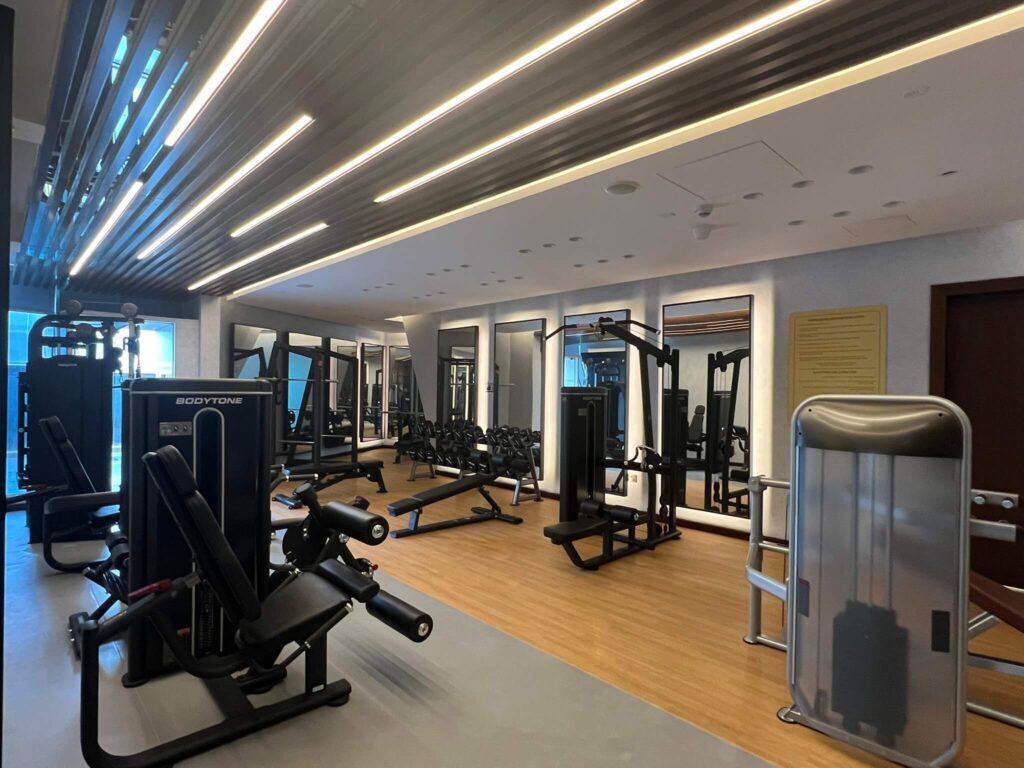
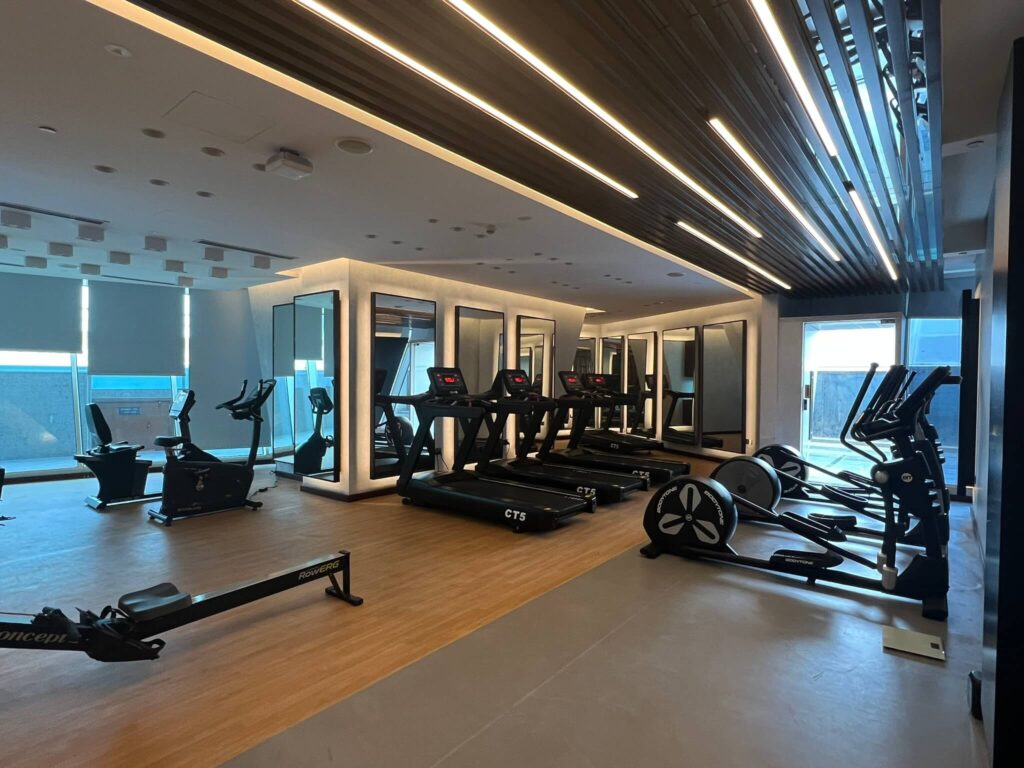
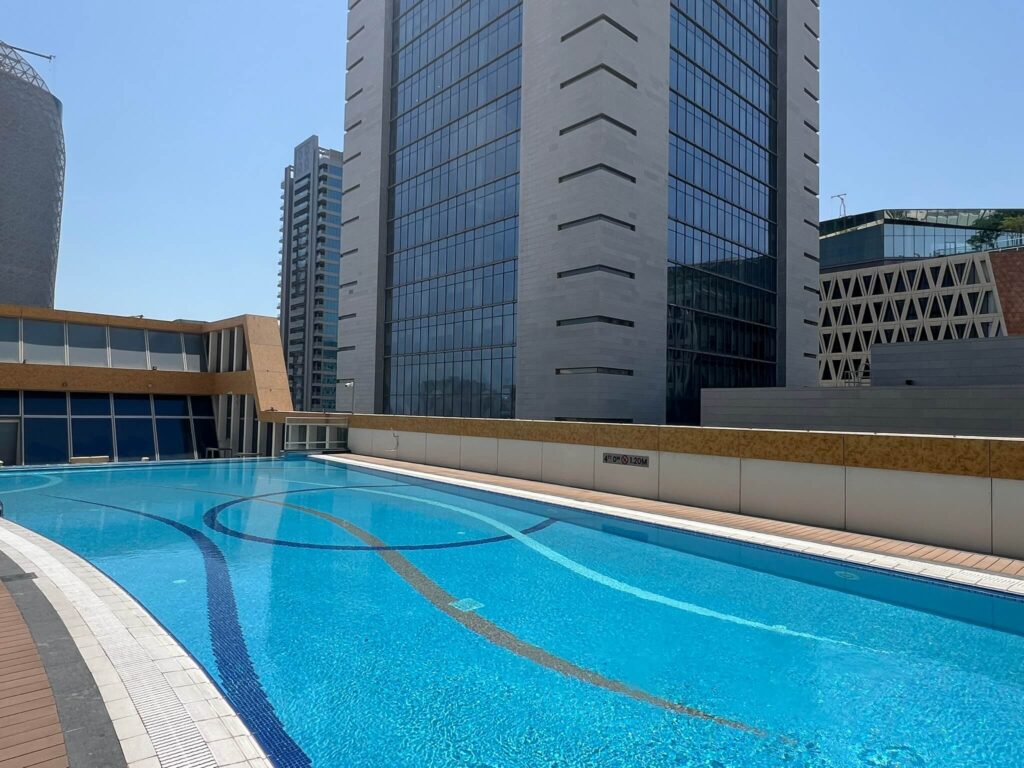
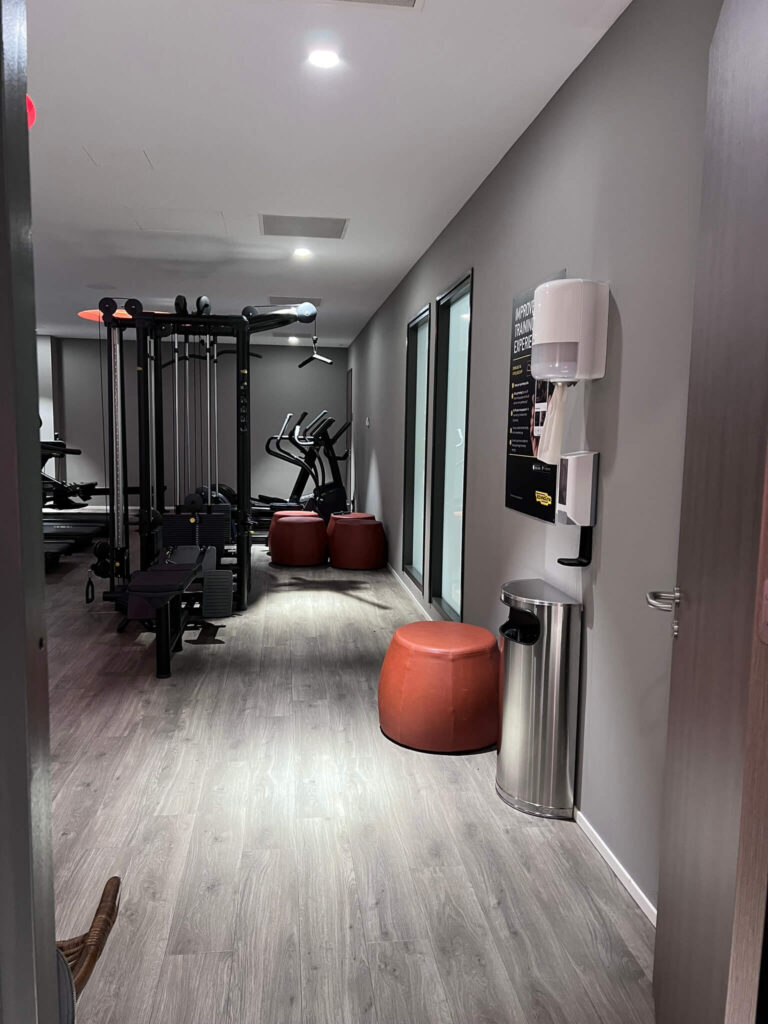
Level 3: Outdoor swimming pool (approximately 8 AM – 8 PM), 24‑hour fitness centre, and H2O pool restaurant.
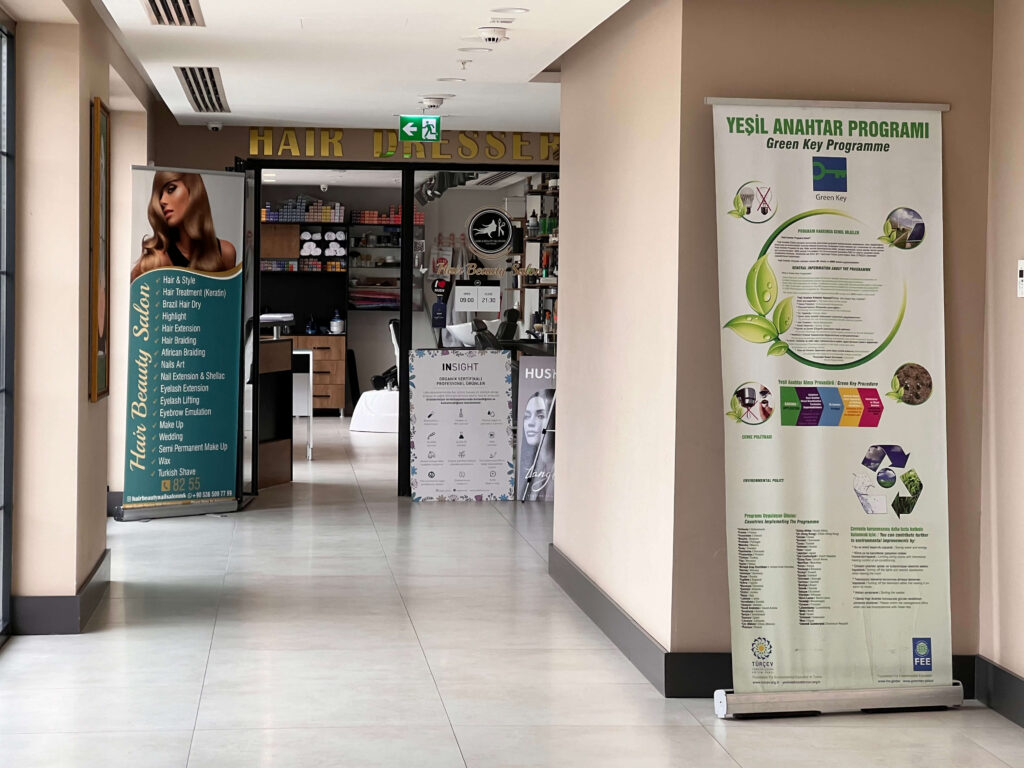
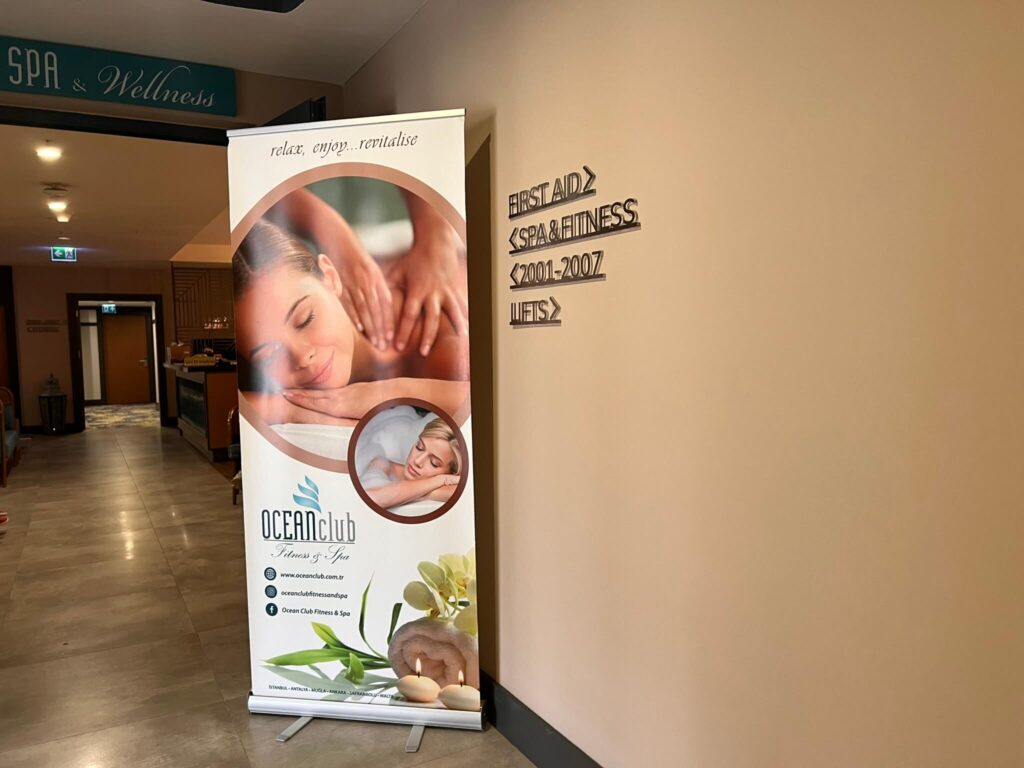
Level 4: Spa (open late into the night) and a salon offering beauty and wellness services.
Additional services and amenities include:
Free Wi‑Fi throughout the property
24‑hour front desk and concierge services
Valet parking
Room service, dry‑cleaning, and laundry facilities
Electronic safety box, minibar, and tea/coffee facilities in rooms
Smoking and non‑smoking rooms available
Families will appreciate the child‑friendly features and pool area, while business travelers can make use of meeting spaces and strong Wi‑Fi connectivity.
Velero Mall and 24‑Hour Hypermarket
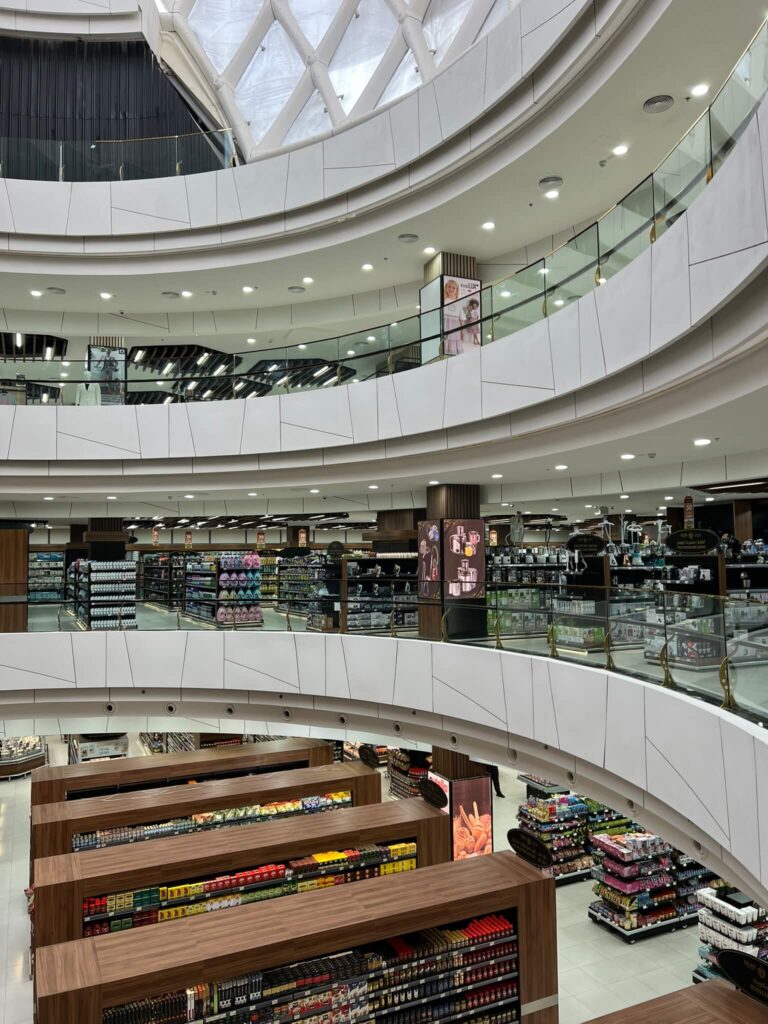
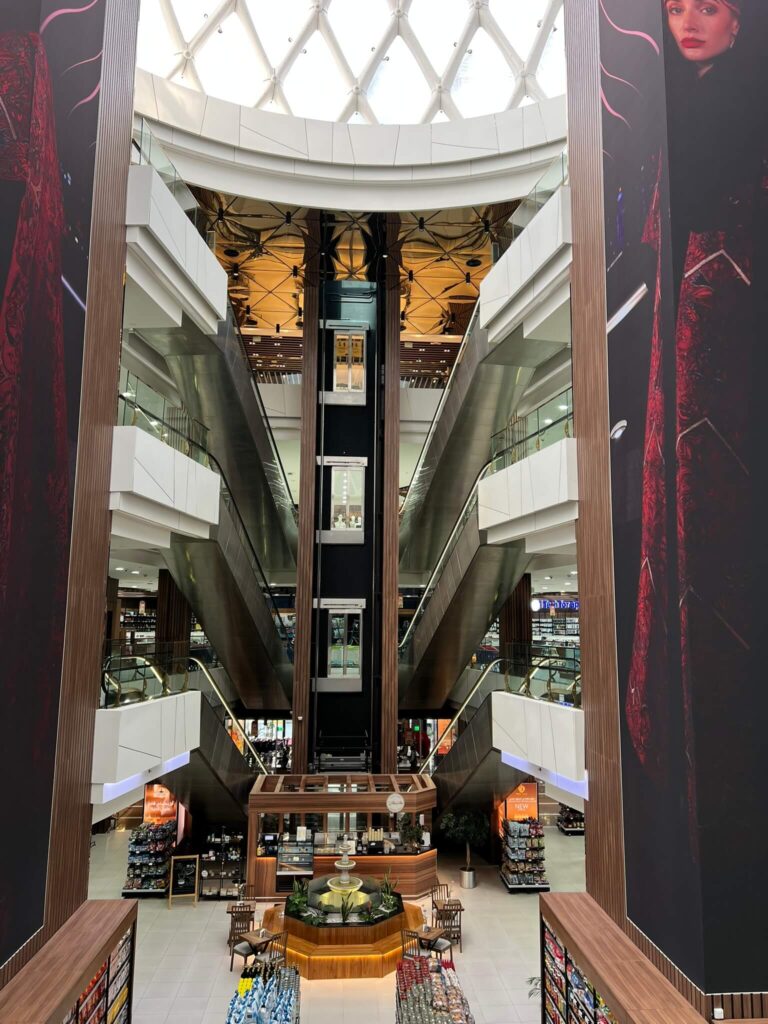
One unique convenience at this hotel is the Velero Mall located directly underneath the property, which includes a large 24‑hour hypermarket. We found this incredibly useful for picking up water, snacks, travel essentials, and quick meals without needing to step outside, especially in the heat of the day or late at night.
The internal door connecting the hotel to the mall means you can move between your room and the hypermarket in just a few minutes, making it ideal for families or anyone on a tight schedule during a short stopover.
Practical Tips for Your Qatar Stopover
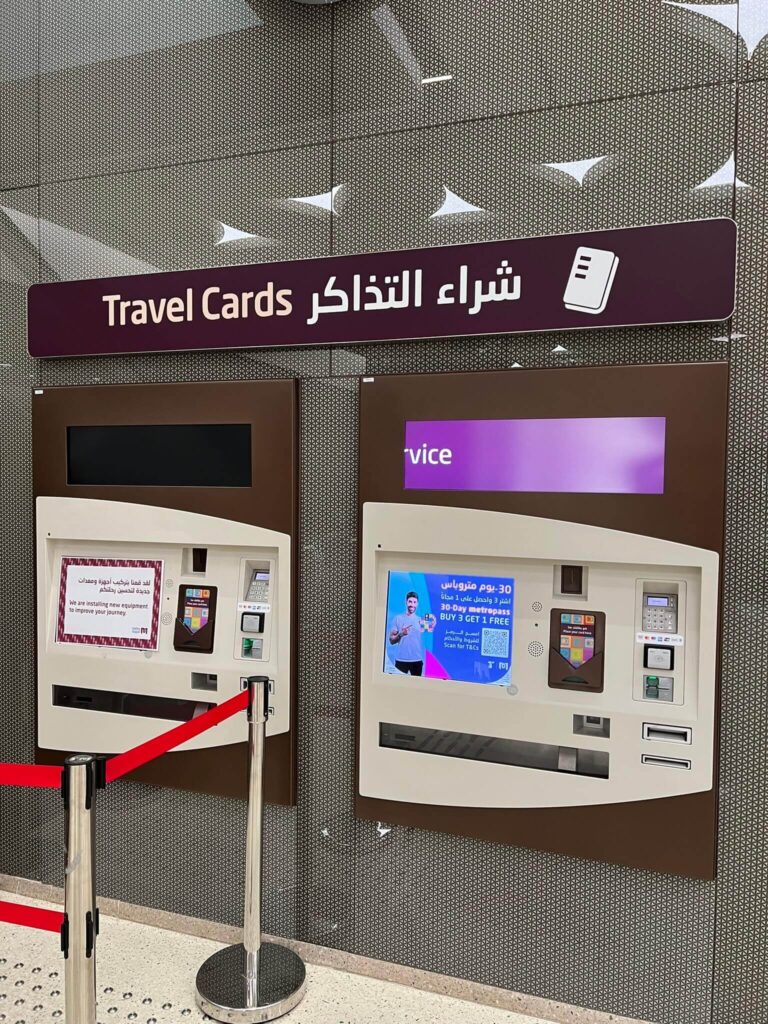
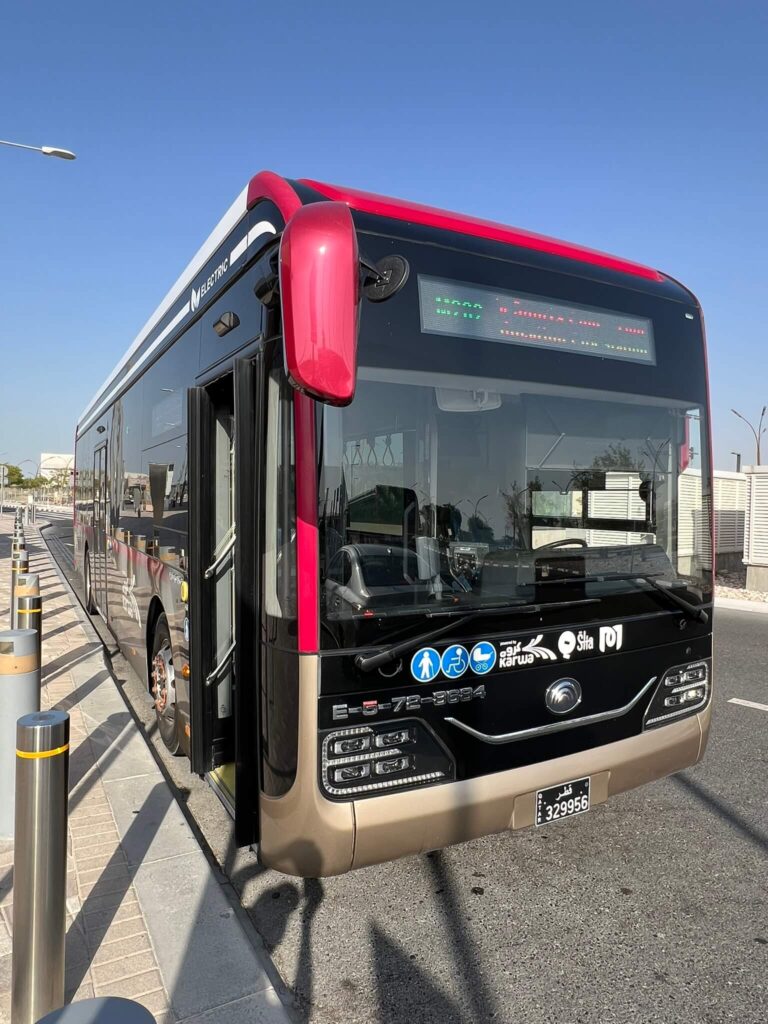
Plan your transfers: Factor in 25–30 minutes each way between Lusail and Hamad International Airport; taxis and ride‑hailing apps are widely available and reasonably priced.
Budget for intra‑city travel: If you plan to visit Souq Waqif, the Corniche, museums, and Katara, expect multiple taxi/metro rides between Lusail and Doha; this is where most of your daily transport budget will go.
Time your mall visit: Try to visit Place Vendôme in the evening (7 PM – 11 PM) to catch the dancing fountain and canal‑side atmosphere at its best.
Use Discover Qatar smartly: Check for updated stopover offers, eligibility rules, and any transit visa requirements before booking, as conditions and prices can change over time.
Final Thoughts: Is Velero Hotel Doha Lusail Worth It?
For travelers using Doha as a stopover hub with Qatar Airways, Velero Hotel Doha Lusail strikes a strong balance between comfort, style, and value — especially when booked as part of a Discover Qatar package. The hotel delivers quiet, well‑equipped rooms, friendly service, and solid facilities, while Lusail itself offers a more futuristic, less crowded alternative to staying in central Doha.
The main trade‑off is the 30‑minute distance from some of Doha’s classic attractions, but with good planning and a small transport budget, this is manageable — and you gain easy access to Place Vendôme Mall, Lusail Boulevard, and the wider Lusail area right on your doorstep.
Hotel Details Velero Hotel Doha Lusail Al Majdami Street, Lusail, Qatar Tel: +974 4448 5333 Website: https://www.velerodoha.com/
We had an unforgettable time exploring the French Riviera in the summer of 2024 (July 27 – July 31st 2024). For those less familiar with the region, the French Riviera—also known as the Côte d’Azur—refers to the stunning stretch of coastline along the Mediterranean Sea, renowned for its vibrant cities, scenic views, and timeless charm.
In this blog, I’ll take you through our 5-days, 4-nights trip based in Nice, covering not just the city itself but some of the most picturesque nearby destinations. Whether you’re visiting for the first time or returning to rediscover the magic, this guide is packed with everything you wish you knew before your trip—perfect for first timers and seasoned travellers alike.
Quick Itinerary Overview
Day 1: Train journey from Paris to Nice
Day 2: Exploring the Heart of Nice
Day 3: Day trip to Monaco
Day 4: Day trip to Cannes
Day 5: Return to Dublin
Note: If you’re a regular reader of my travel blogs, you’ll know that I love meticulously planned, activity-packed itineraries—and this trip is no exception. While some travellers prefer a slower pace, I enjoy making the most of every single day. The best part? This itinerary is entirely public transport-friendly. The Côte d’Azur region is exceptionally well-connected with frequent, affordable trains and buses, making it easy to explore without renting a car.
Nice, France – Good to Know:
Before diving into the details of our itinerary, here are a few quick facts and helpful tips about Nice, one of the most iconic destinations on the French Riviera.
City Profile: Nice is France’s fifth-largest city and the second-largest in the Provence-Alpes-Côte d’Azur region, after Marseille. Often nicknamed “Nice la Belle” (Nice the Beautiful), it truly lives up to its name with its Mediterranean charm and vibrant atmosphere.
UNESCO Recognition: In 2021, Nice was designated a UNESCO World Heritage Site, celebrating its unique architecture, cultural heritage, and seaside scenery.
Historic Charm: Dating back to the 18th century, Nice became a favoured winter retreat for the English aristocracy, attracted by its mild climate and coastal beauty. Even today, it remains one of Europe’s best warm-weather getaways.
Icon of the Côte d’Azur: As the heart of the French Riviera, Nice offers a perfect blend of urban culture, seaside relaxation, and stunning views of the Mediterranean.
Walkable City: The city is highly walkable, with many highlights easily reachable on foot. Strolling along the Promenade des Anglais is an experience in itself.
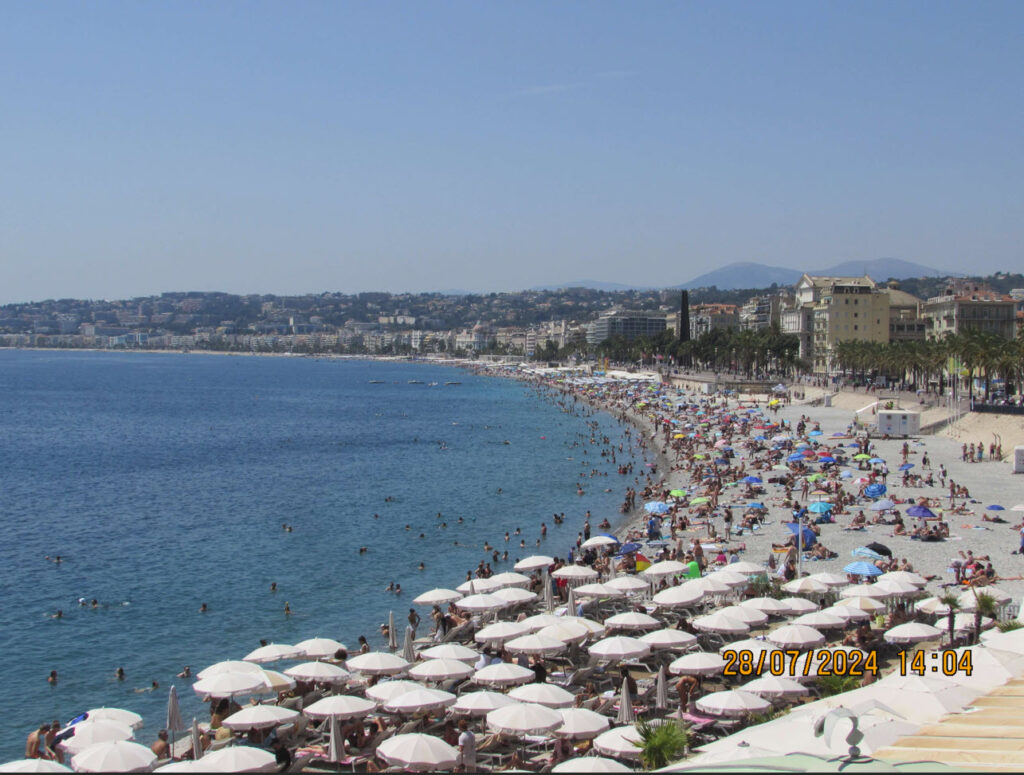
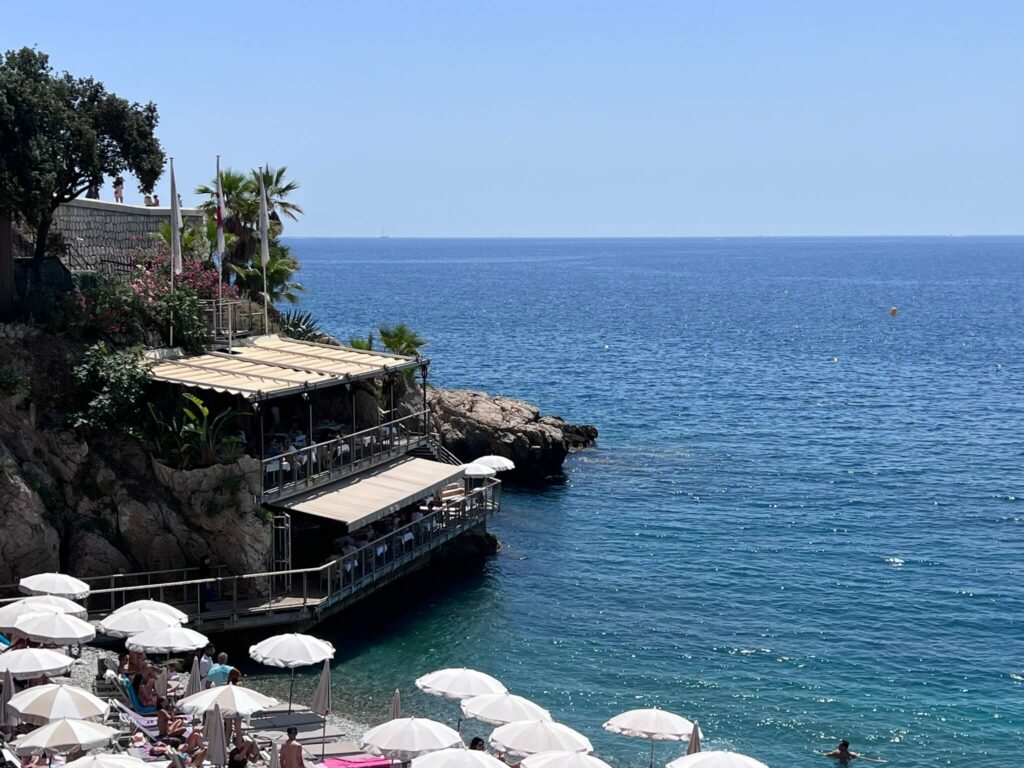
Beaches: A quick tip—Nice’s beaches are pebble beaches rather than sandy ones, so bring water shoes to protect your feet while wading into the sea.
Transportation: The public transit network is excellent, making it simple and affordable to explore nearby gems like Monaco, Cannes, Antibes, and Èze without needing a car.
Language & Currency: The official language is French, though English and Italian are widely understood. The local currency is the Euro (€), and while cards are generally accepted, carrying some cash is helpful for small cafés or market purchases.
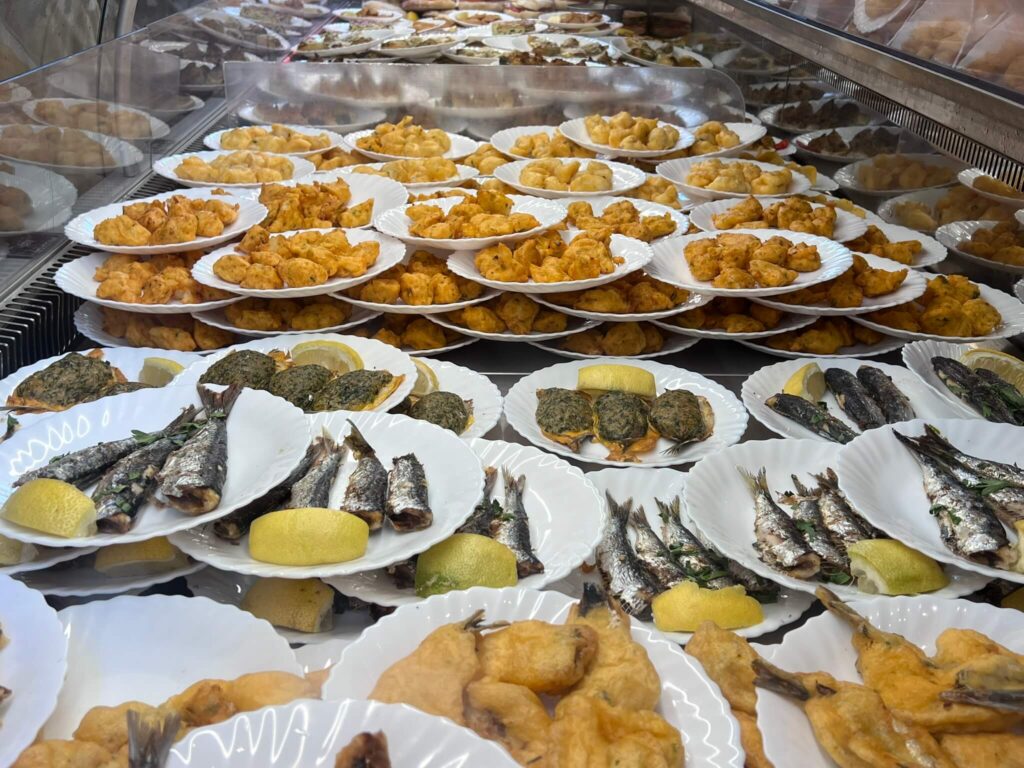
Dining Tips: Nice can be somewhat touristy (& hence costly), but most restaurants display their menus outside, allowing you to choose spots that suit your taste and budget.
Safety & Essentials: The sea is generally safe for swimming, though it’s wise to check local conditions before diving in. And of course—don’t forget your sunglasses!
Day 1 – Train journey from Paris to Nice
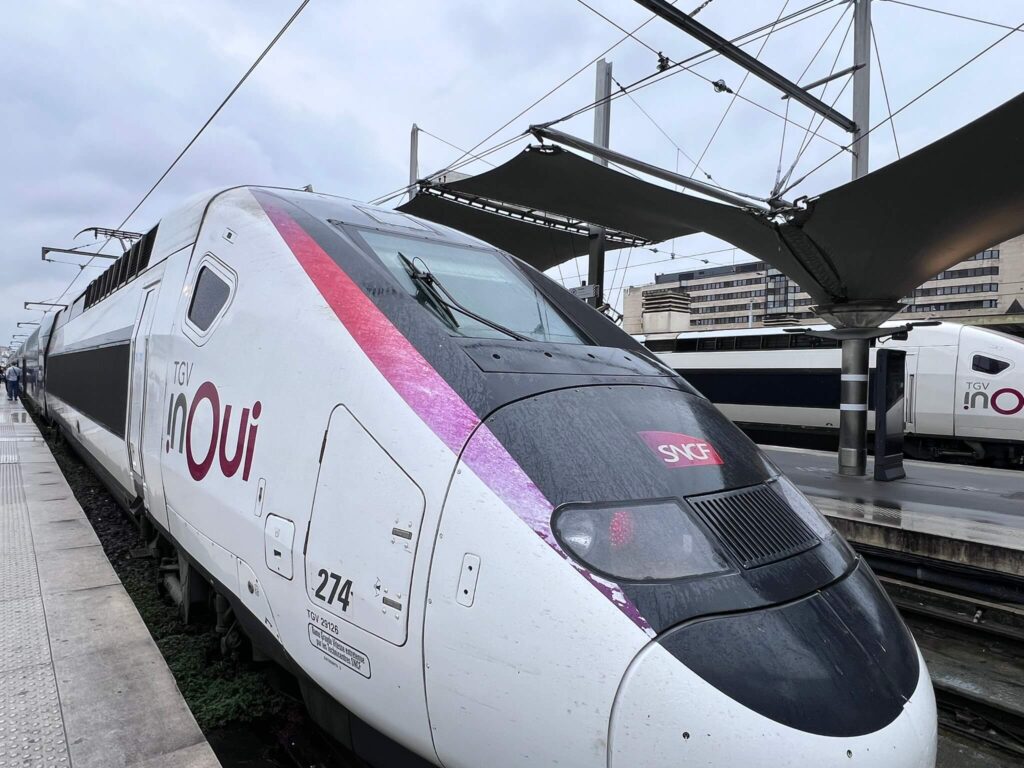
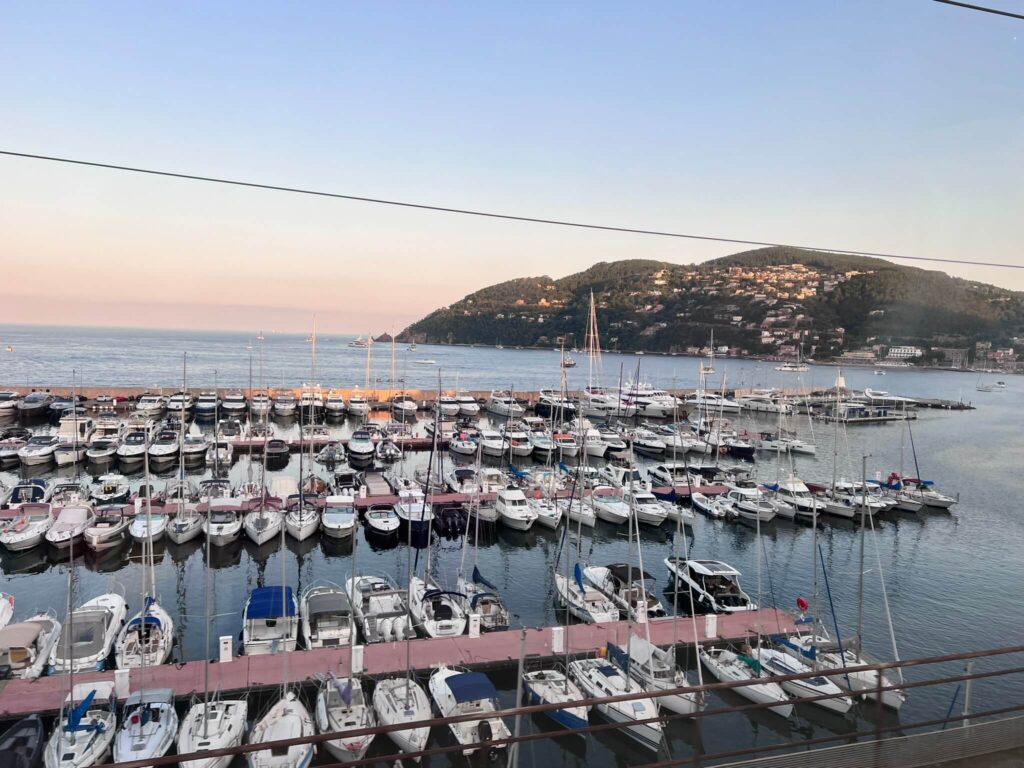
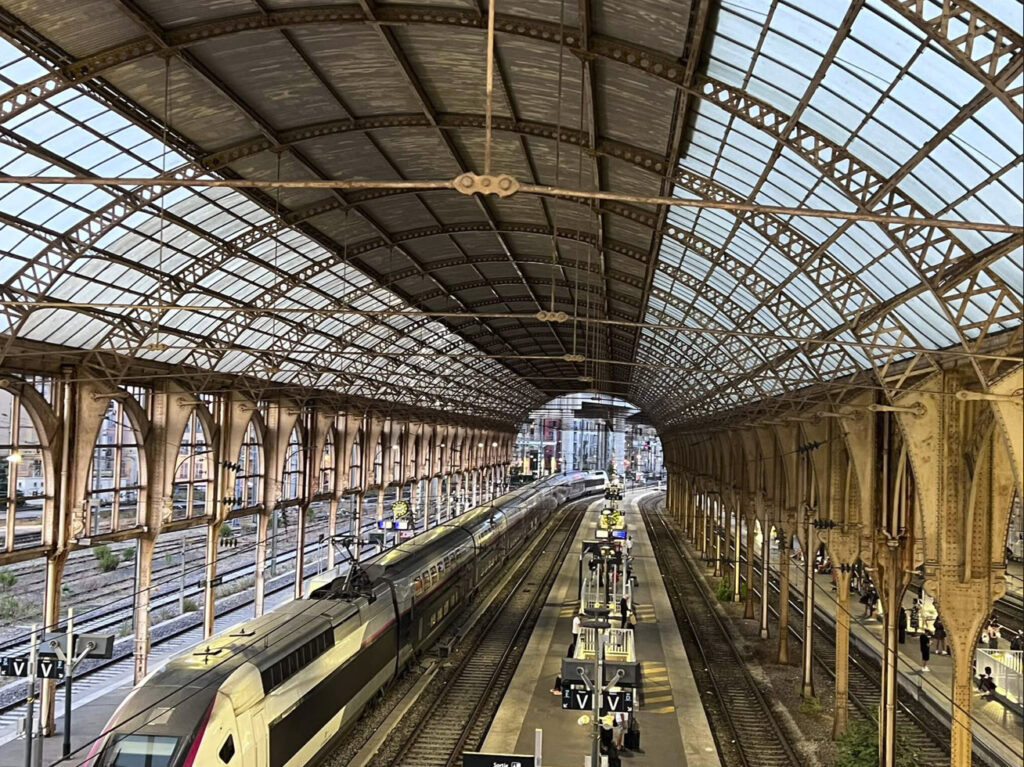
After experiencing the spectacular Olympics Opening Ceremony in Paris, we set off the next morning on a high-speed TGV INOUI train bound for Nice. Our tickets were conveniently booked through Trainline, an easy-to-use platform that makes comparing and booking European train journeys effortless.
The journey took approximately 5 hours and 36 minutes, offering beautiful views of the French countryside along the way. The train itself was modern, comfortable, and well-equipped, featuring spacious seating and an onboard pantry for light snacks and refreshments—making the ride as enjoyable as the destination itself.
The train itself was modern, comfortable, and well-equipped, featuring spacious seating and an onboard pantry for light snacks and refreshments—making the ride as enjoyable as the destination itself.
Day 2 – Exploring the Heart of Nice
On Day 2, we spent the day discovering the many highlights that Nice has to offer. The list of places below isn’t arranged in any particular order—your itinerary may vary depending on where you stay and what interests you most. We based ourselves in the Garibaldi area, conveniently located near Nice’s Old Town (Vieux Nice), which made it easy to explore the city’s main attractions on foot and by public transport.
Exploring Vieux Nice – The Old Town:
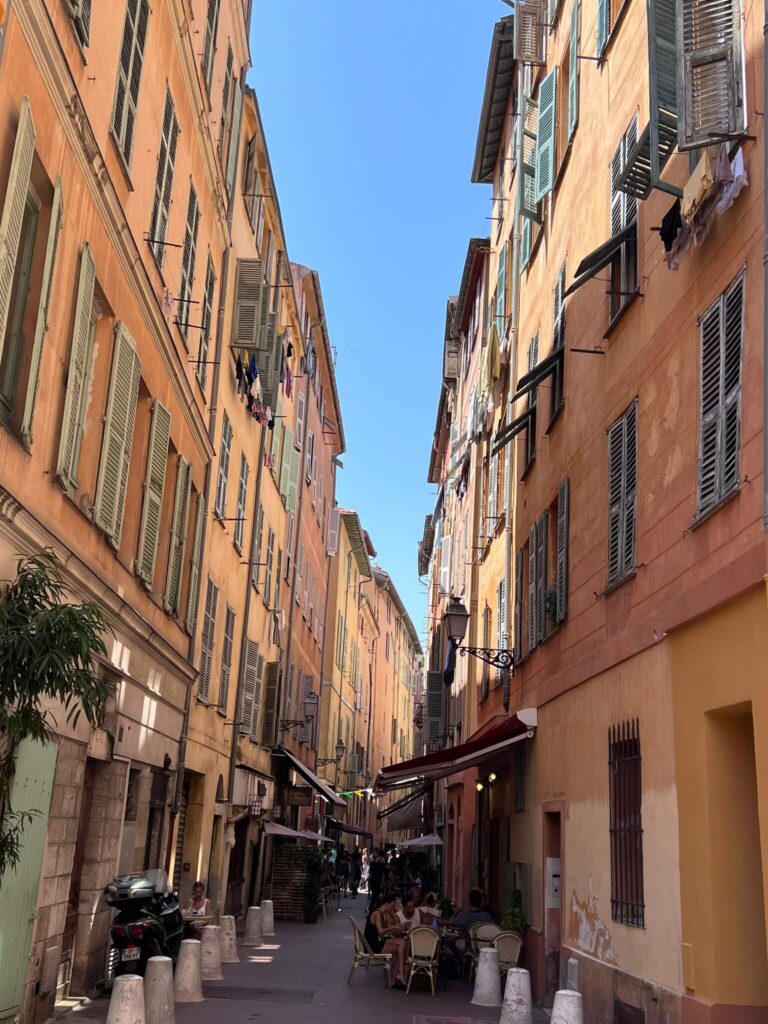
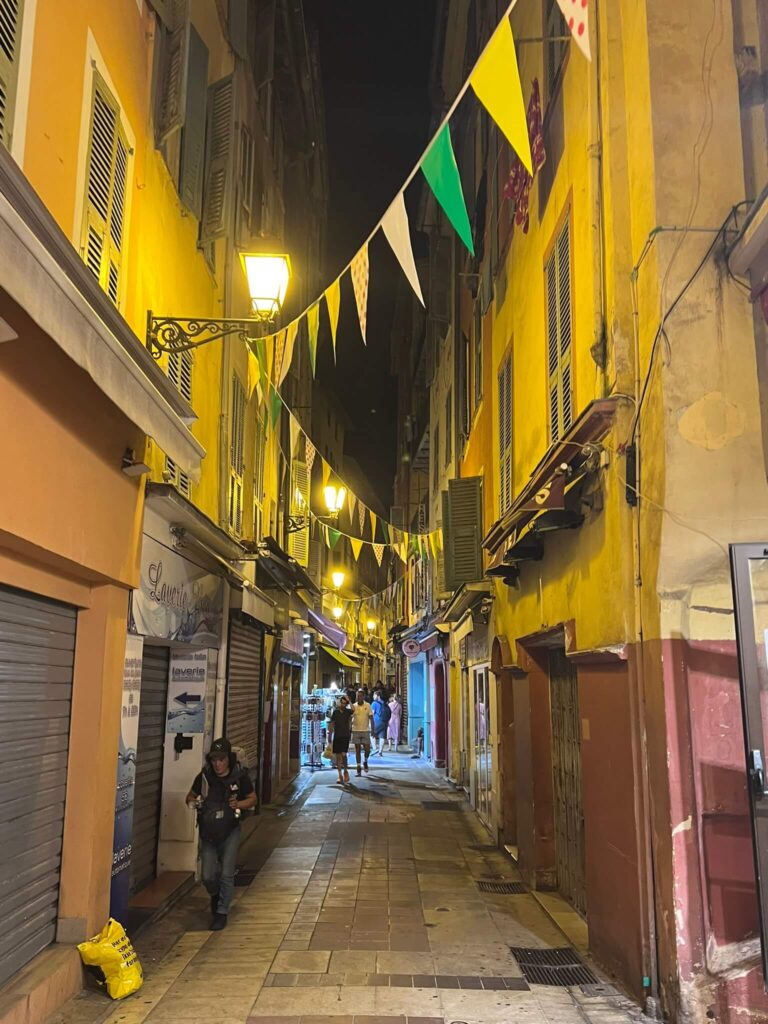
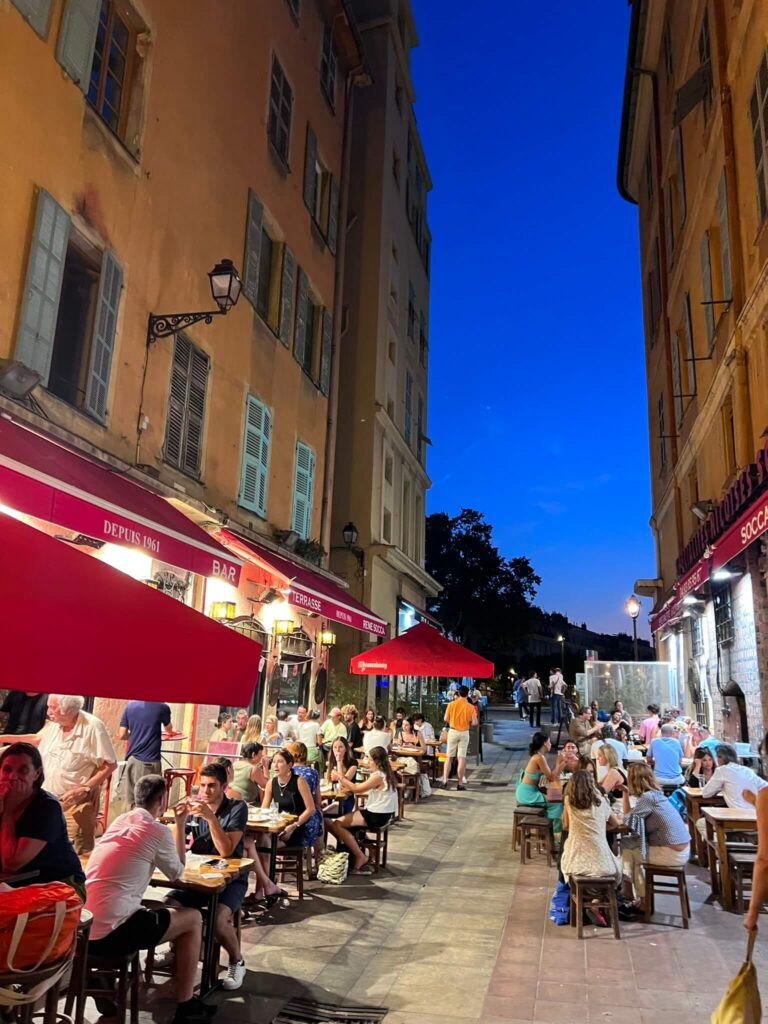
Wandering through the streets of Old Nice (Vieux Nice) feels like stepping back in time. This charming quarter, with its cobbled lanes, vibrant architecture, and Mediterranean flair, perfectly captures the spirit of the French Riviera. The narrow streets are filled with cozy bars, family-run restaurants offering prix fixe menus, and boutique shops selling everything from local crafts to souvenirs—a perfect spot to pick up fridge magnets or keepsakes. Do note that some smaller shops may prefer cash payments.
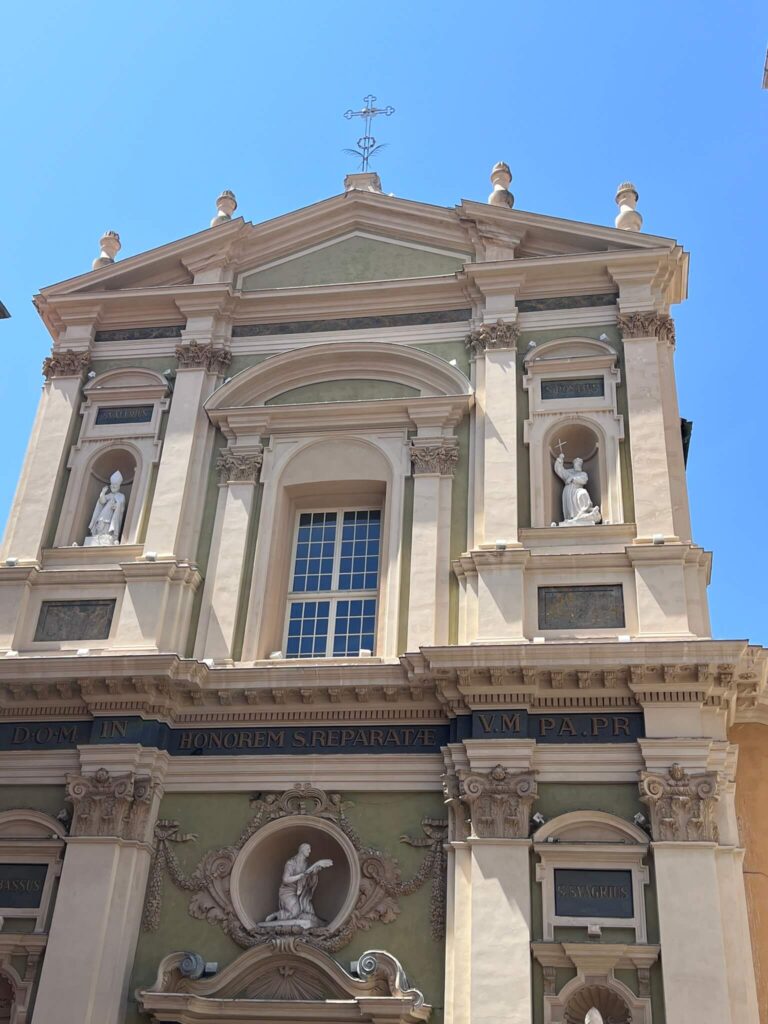
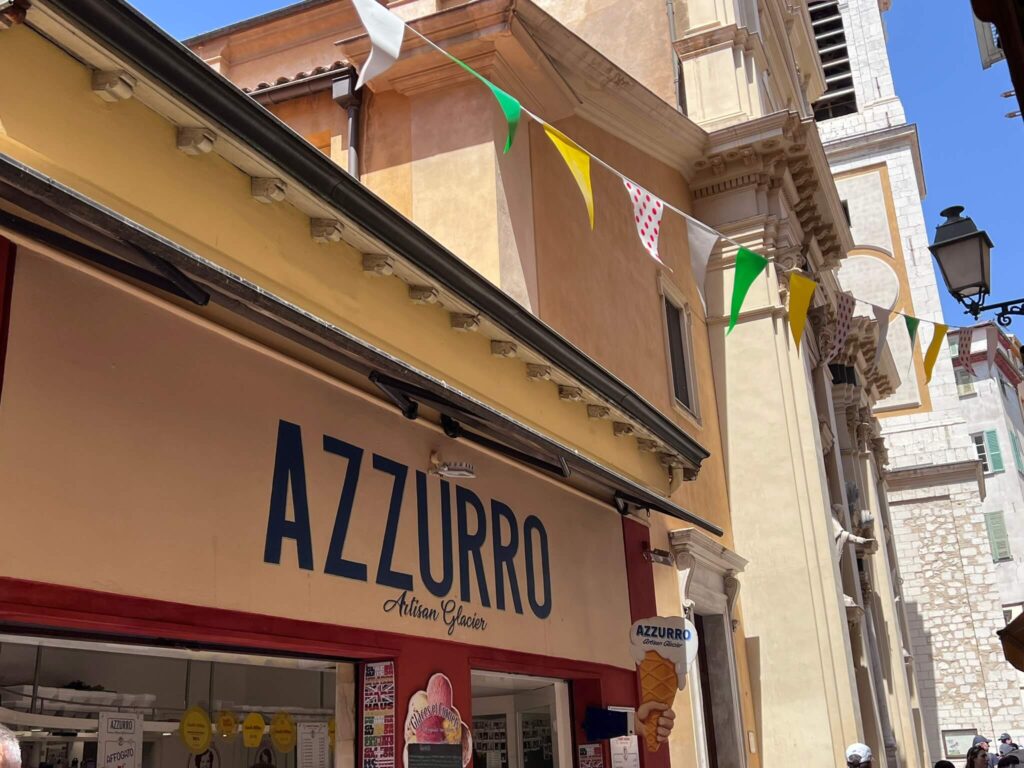
One of the highlights is the Baroque Cathedral of Sainte-Réparate, located in Place Rossetti Square, the beating heart of Old Town. The square is always bustling, and no visit is complete without indulging in a scoop (or two!) of creamy gelato from one of the nearby ice cream parlors.
Exploring Vieux Nice is truly one of the most memorable things to do in the city. Its narrow streets, colorful buildings, and authentic charm evoke the feel of a small Italian town—making it a must-see for anyone visiting Nice or the French Riviera.
Squares & Monuments:
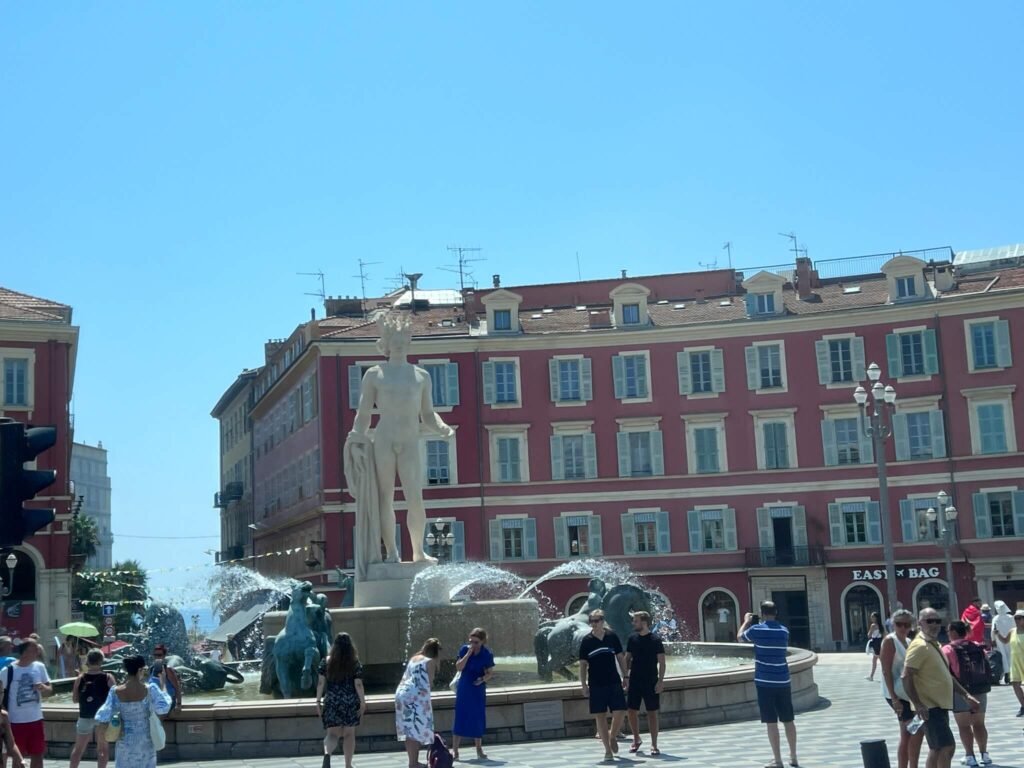
As you explore Nice, you’ll come across numerous historic squares and monuments that beautifully blend culture, history, and modern city life. Among them, Place Masséna stands out as one of the most famous and picturesque landmarks in the city. This grand square serves as a vibrant hub, connecting several of Nice’s main thoroughfares, including the bustling Avenue Jean Médecin. With its striking red façades, geometric paving, and lively atmosphere, Place Masséna perfectly embodies the elegance and energy of Nice.
Local Markets – The Beating Heart of Old Nice:
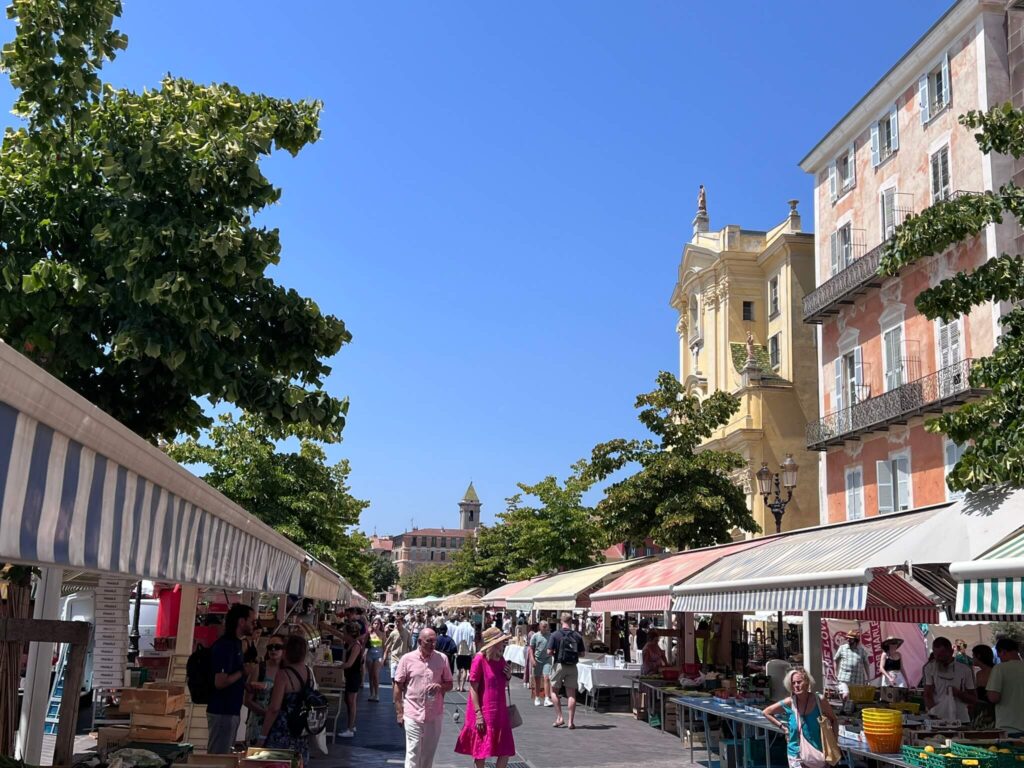
No trip to Nice is complete without experiencing its vibrant local markets, which perfectly capture the city’s Mediterranean charm. Among them, Cours Saleya stands out as the most famous and atmospheric. Located right in the heart of Old Town, this lively market buzzes with energy every morning, offering an irresistible mix of fresh produce, fragrant flowers, local spices, cheeses, and handmade spreads. The colors, scents, and sounds make it a feast for the senses—and a photographer’s delight.
If you happen to visit on a Monday, you’re in for a delightful surprise. The market transforms into a renowned antique bazaar, where dozens of vendors showcase everything from art and vintage jewelry to collectible dishware and designer finds. You might even spot luxury pieces like Chanel clothing or Louboutin heels among the treasures on display.
Even if you’re not in the mood to shop, strolling through Cours Saleya is an experience in itself. It’s a wonderful place to soak in the local atmosphere, chat with friendly vendors, and truly feel the pulse of Nice.
La Promenade des Anglais (The Iconic Seafront of Nice):
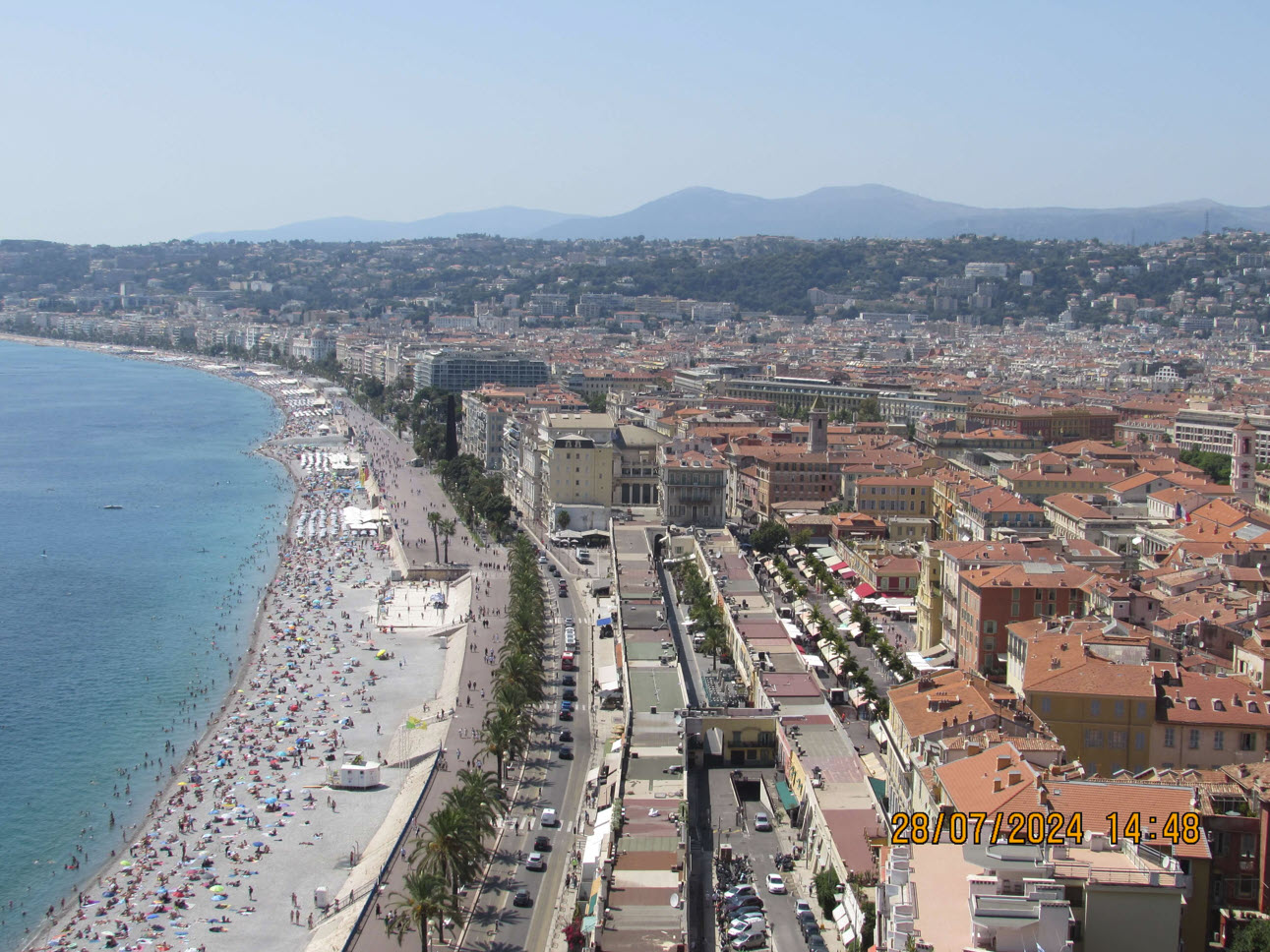
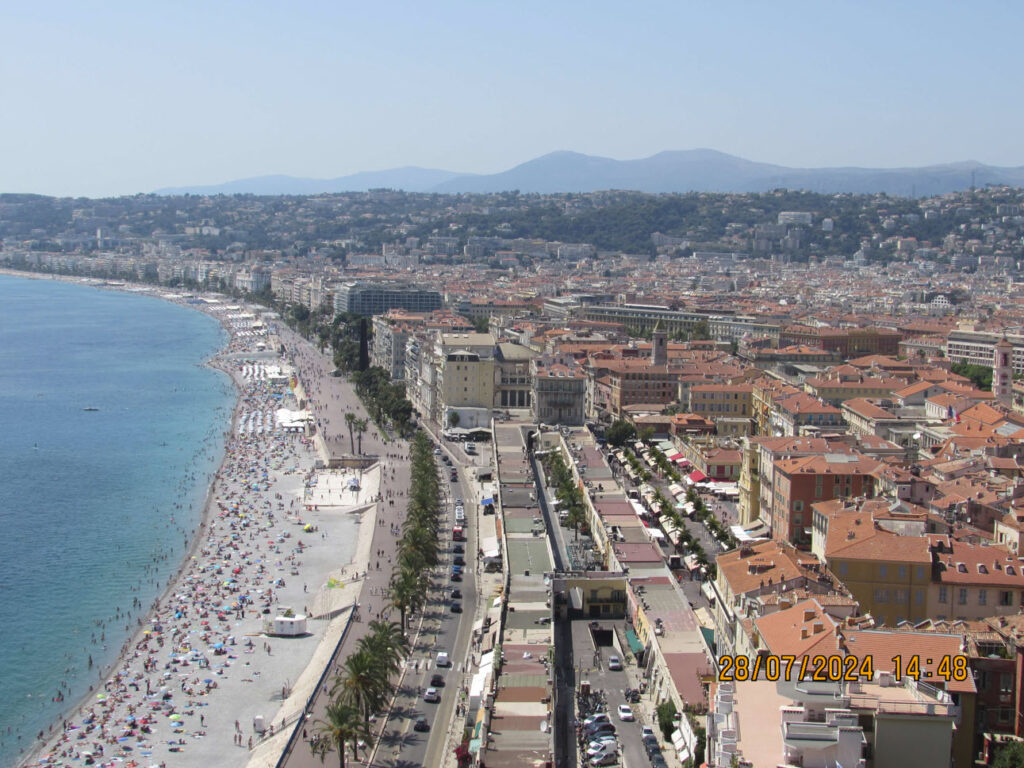
No visit to Nice is complete without a walk along the Promenade des Anglais, the city’s most famous seafront boulevard. Originally built in the 1820s, the promenade owes its name to the English aristocrats who spent their winters in Nice and contributed to its development. Today, it remains a timeless symbol of the city’s elegance and Mediterranean spirit. Stretching for about 7 kilometers along the sparkling Bay of Angels, the Promenade offers breathtaking views of the deep blue Mediterranean Sea on one side and the graceful Belle Époque architecture of Nice on the other. It’s the perfect place for a leisurely stroll, cycling ride, or a moment of quiet by the sea. Lined with graceful palm trees and dotted with benches, it invites you to slow down and take in its relaxed coastal charm.
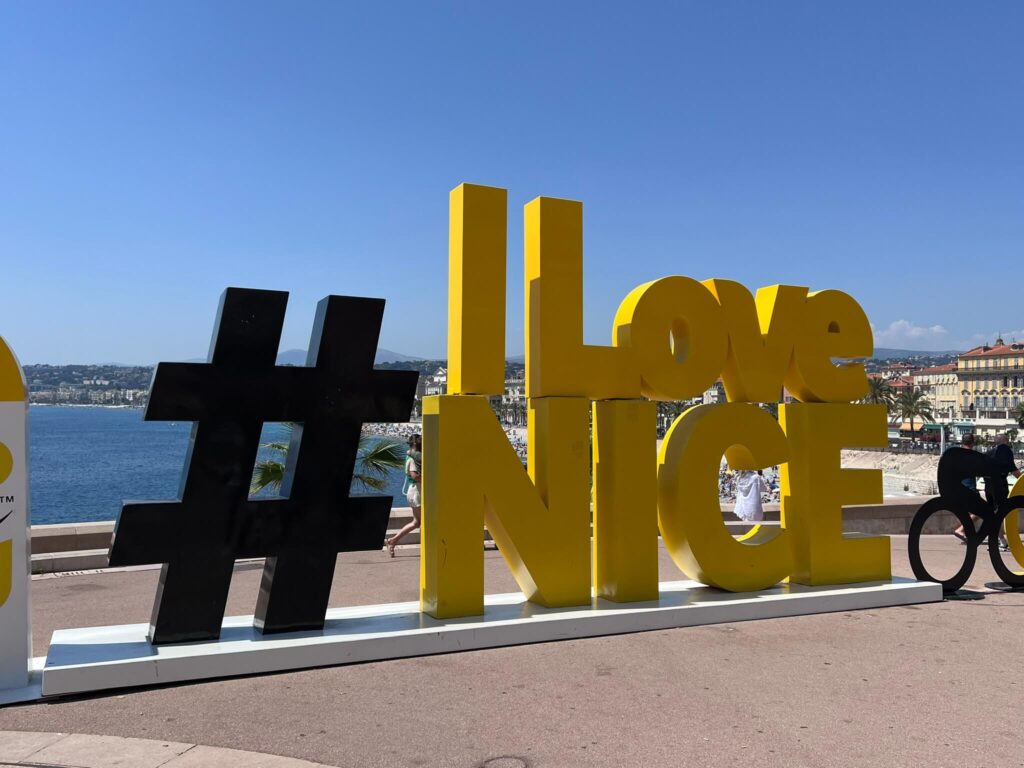
At the eastern end of the promenade, just before the road curves, don’t miss the vibrant **#ILoveNiceign—a must-stop for visitors and a perfect photo opportunity with the sea as your backdrop. You might have to wait your turn, but everyone’s quick, and it’s well worth the snapshot!
Colline du Château / Castle Hill (including Castle Hill Waterfall) – The Best Viewpoint in Nice:
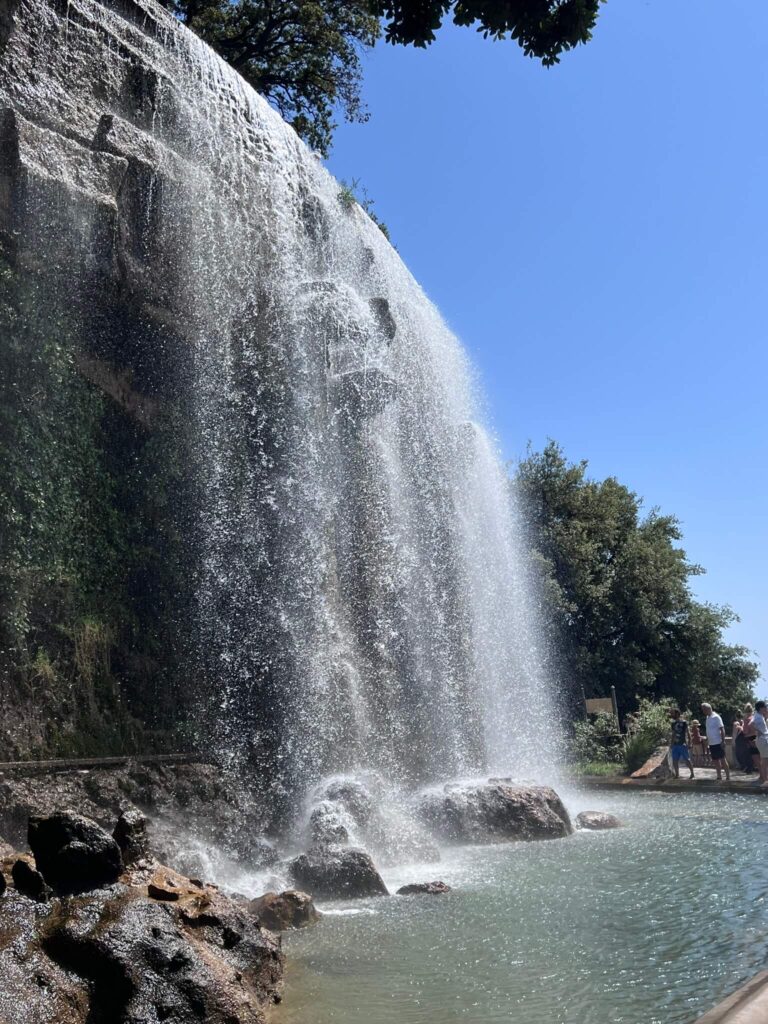
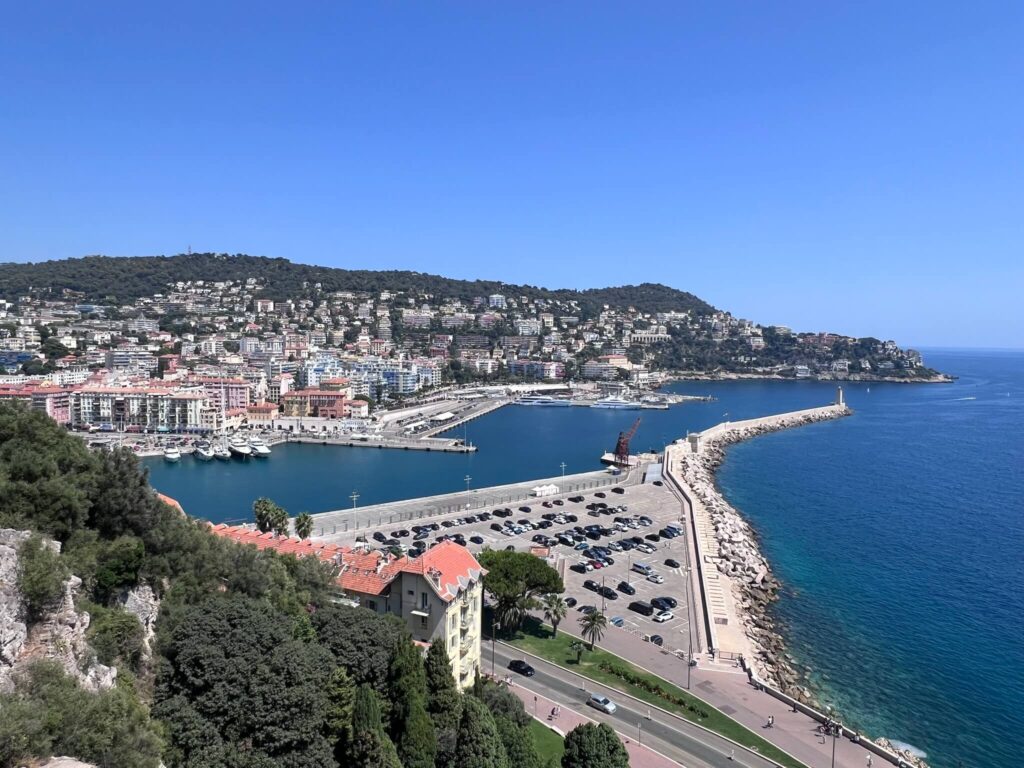
Towering above the city, Colline du Château, or Castle Hill, is one of Nice’s most iconic landmarks and one of the best places to visit for sweeping panoramic views of the city and the Bay of Angels. Rising about 92 meters above sea level, this lush hilltop park offers a tranquil escape from the city below, with green spaces, historic ruins, and stunning lookout points scattered throughout.
Although the original castle was demolished in 1706, the area remains steeped in history. You can still explore the ruins of an 11th-century cathedral, walk amidst ancient fortifications, and admire the 19th-century Cascade du Château, an artificial waterfall that’s become one of the most photographed spots in Nice. My favorite viewpoint here was the “Point de Vue Colline du Château”, which offers an unforgettable perspective of the coastline and terracotta-tiled rooftops below.
Castle Hill can be reached in several ways, depending on your energy level and time:
On Foot: Staircases lead up from both the Old Town (Vieux Nice) and the Promenade des Anglais. The climb takes about 10–15 minutes and rewards you with scenic glimpses along the way.
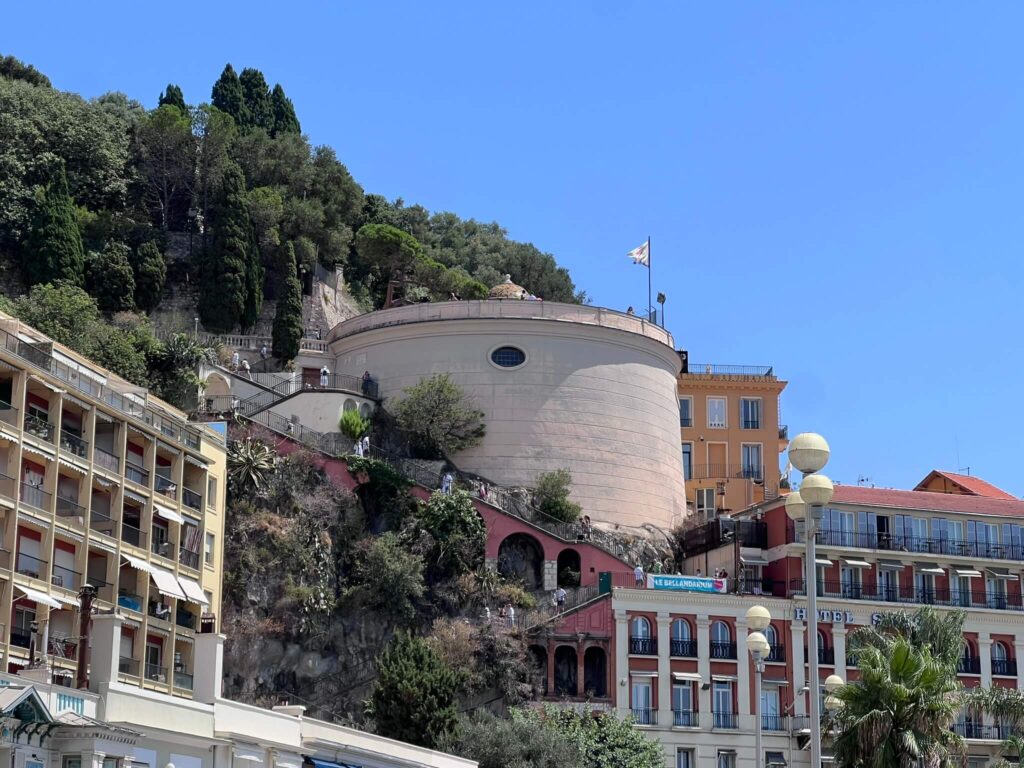
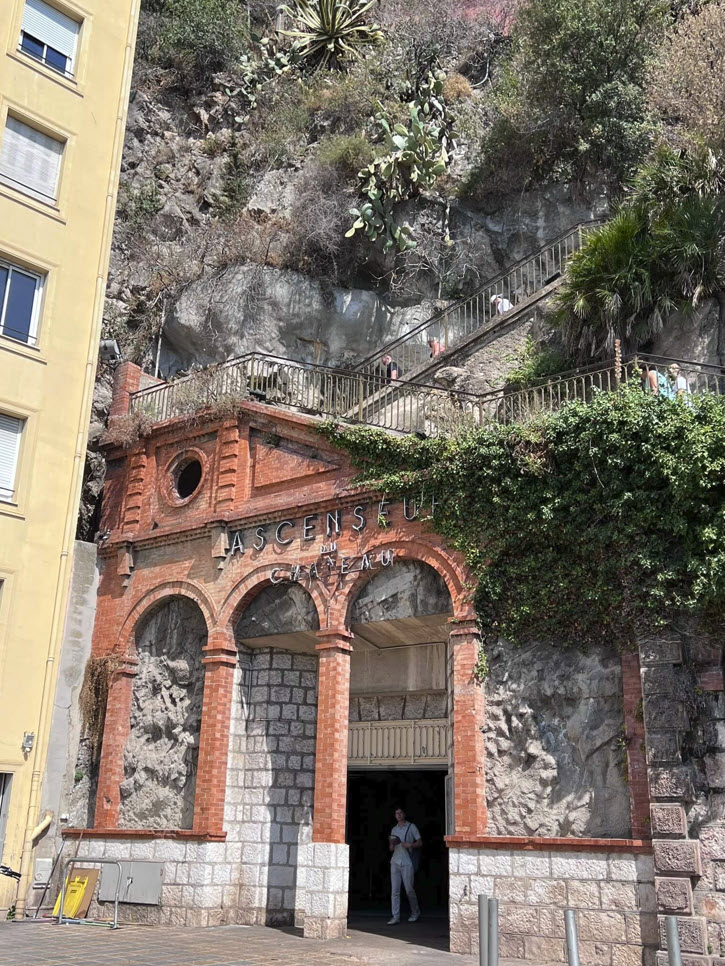
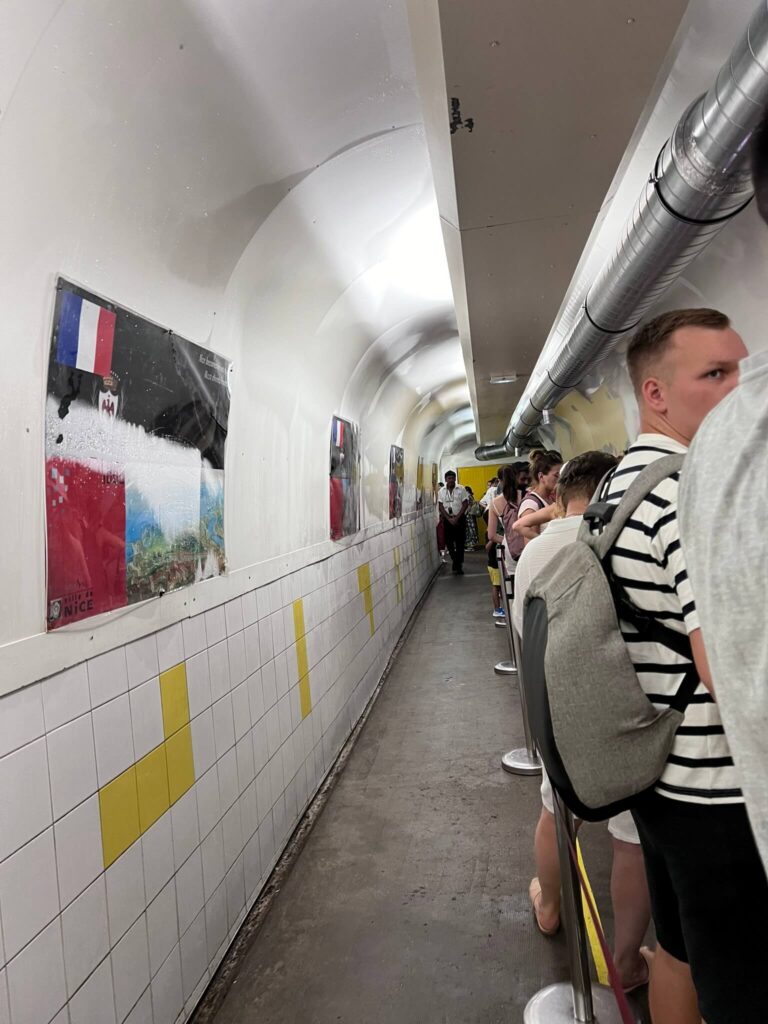
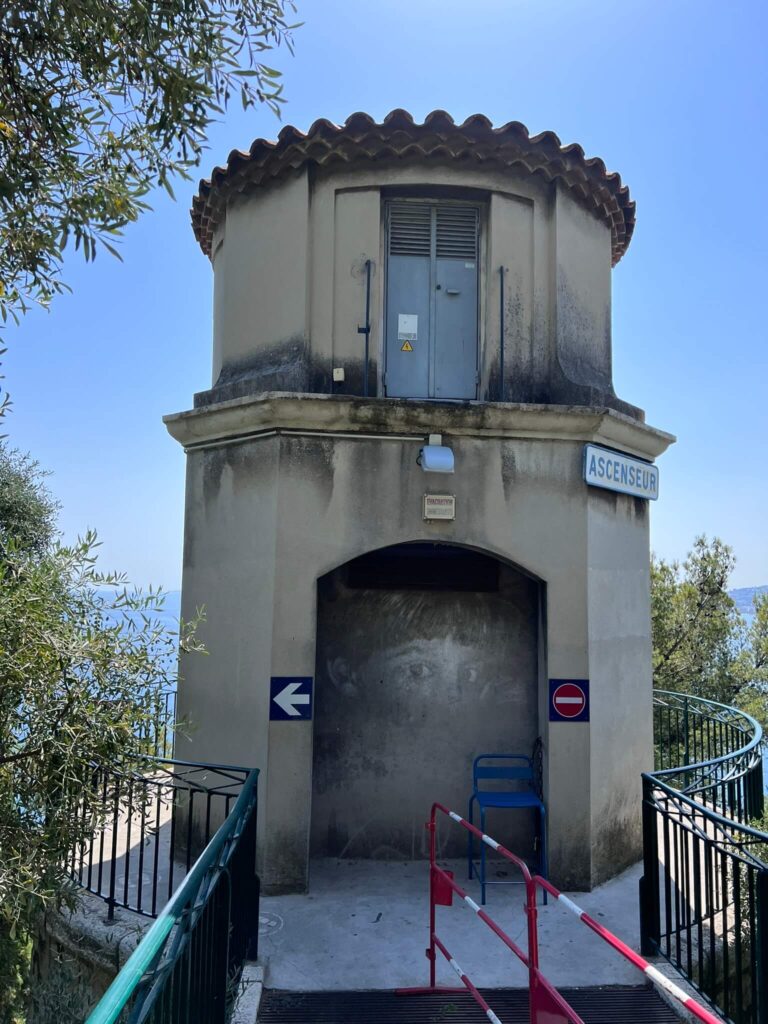
By Elevator (Ascenseur du Château): We took this option—a free public lift near the Bellanda Tower on Quai des États-Unis. It’s convenient, though queues can form during the busy summer months. The elevator typically operates from mid-morning until early evening
By Tourist Train (Petit Train de Nice): A fun and effortless option, the train departs from the Promenade des Anglais and makes a short stop at the top. It’s ideal if you want a quick overview of the area or prefer to avoid the climb, especially in hot weather.
By Car: A small parking area is available at the summit, though spaces are limited.
Once at the top, you’ll find several viewpoints worth exploring, including Bellanda Tower, the Cascade du Château, and the main observation deck. There are also public toilets (paid ones) and refreshment stalls, making it easy to linger and enjoy the scenery.
Of all the spots in Nice, Castle Hill stands out for its breathtaking vistas and peaceful atmosphere. Whether you hike, ride, or glide up by elevator, the views from the top are truly unmissable—making this one of the most memorable experiences in the French Riviera.
Cathédrale Saint-Nicolas de Nice (A Touch of Russia on the Riviera):
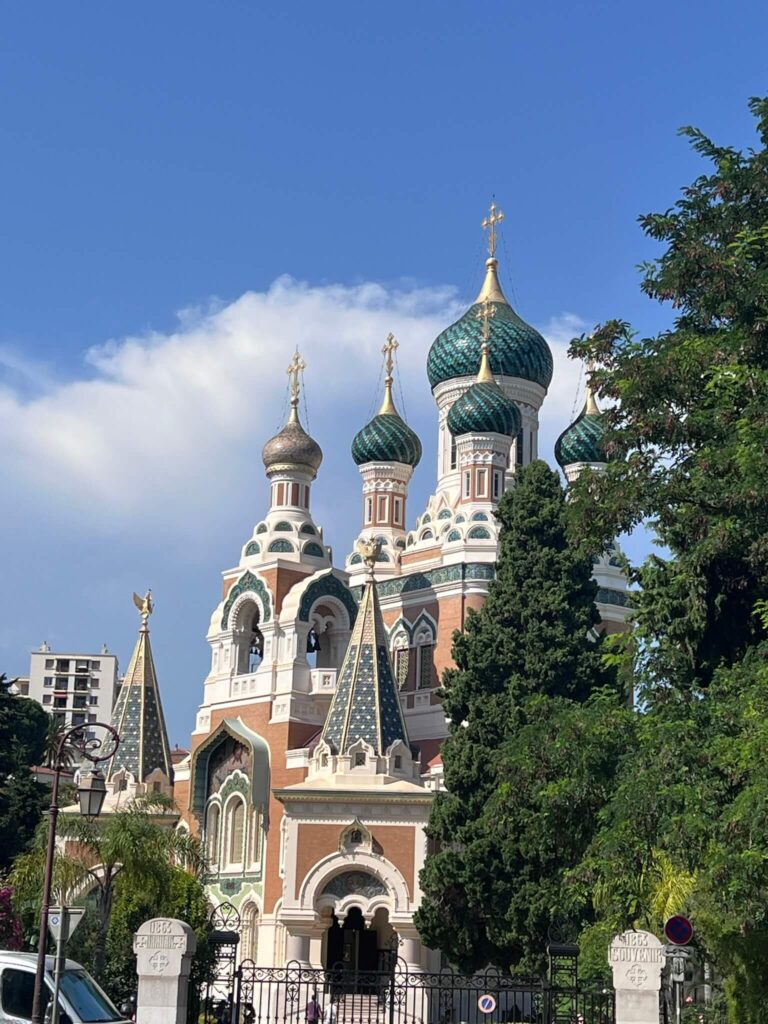
One of the most unexpected and fascinating landmarks in Nice is the Cathédrale Saint-Nicolas de Nice, a magnificent Russian Orthodox cathedral that feels worlds away from the typical Mediterranean aesthetic. Completed in 1912, the cathedral was commissioned by Tsar Nicholas II to serve the spiritual needs of Nice’s growing Russian community and to honor Tsarevich Nicholas Alexandrovich, who passed away in Nice in the mid-19th century.
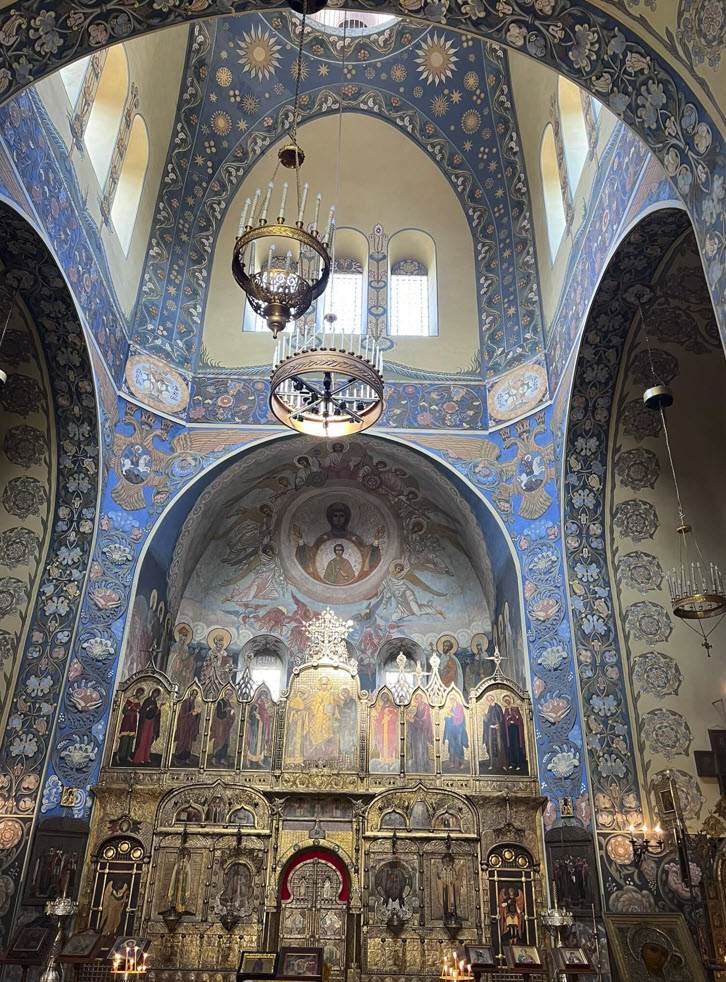
We reached the cathedral easily by bus, and as it came into view, its striking architecture stood in beautiful contrast to the surrounding French buildings. With its teal onion-shaped domes, intricate Byzantine-style detailing, and richly decorated interior filled with murals, icons, and wood carvings, the cathedral is a work of art inside and out.
This site holds the distinction of being the first Russian Orthodox church built in France, and even today, it remains one of the most significant outside Russia. It’s a reminder of the city’s cosmopolitan history and its enduring connection with Russian nobility who once flocked to the French Riviera for its pleasant winters.
When visiting, remember that it’s an active place of worship, so modest attire is expected—avoid sleeveless tops, short shorts, or beachwear. The serene atmosphere and ornate beauty inside make it a worthwhile stop, even if you’re not particularly religious.
Nice Harbor (Port Lympia) The Charming Harbor of Nice:
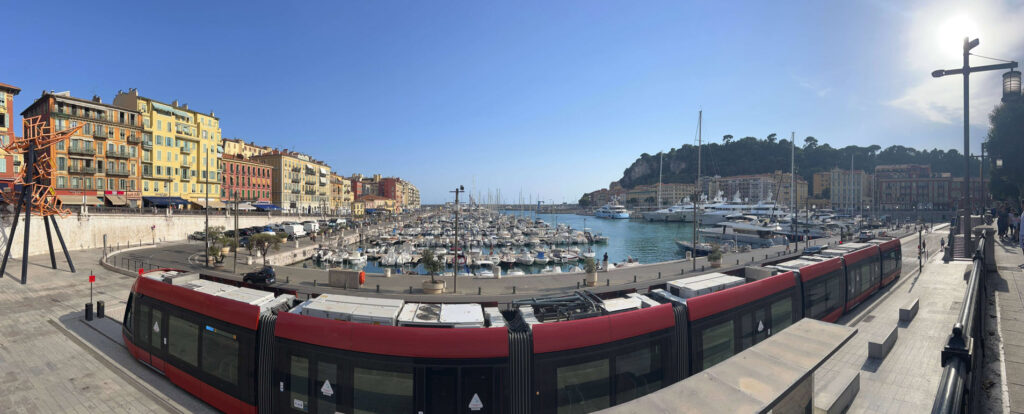
To end the day, we headed to Port Lympia, the beautiful harbor area of Nice, easily reachable by tram. This bustling marina offers a completely different atmosphere from the Old Town—more relaxed, nautical, and effortlessly elegant. It’s where sleek yachts and colorful fishing boats share the same waters, creating a captivating blend of luxury and local charm.
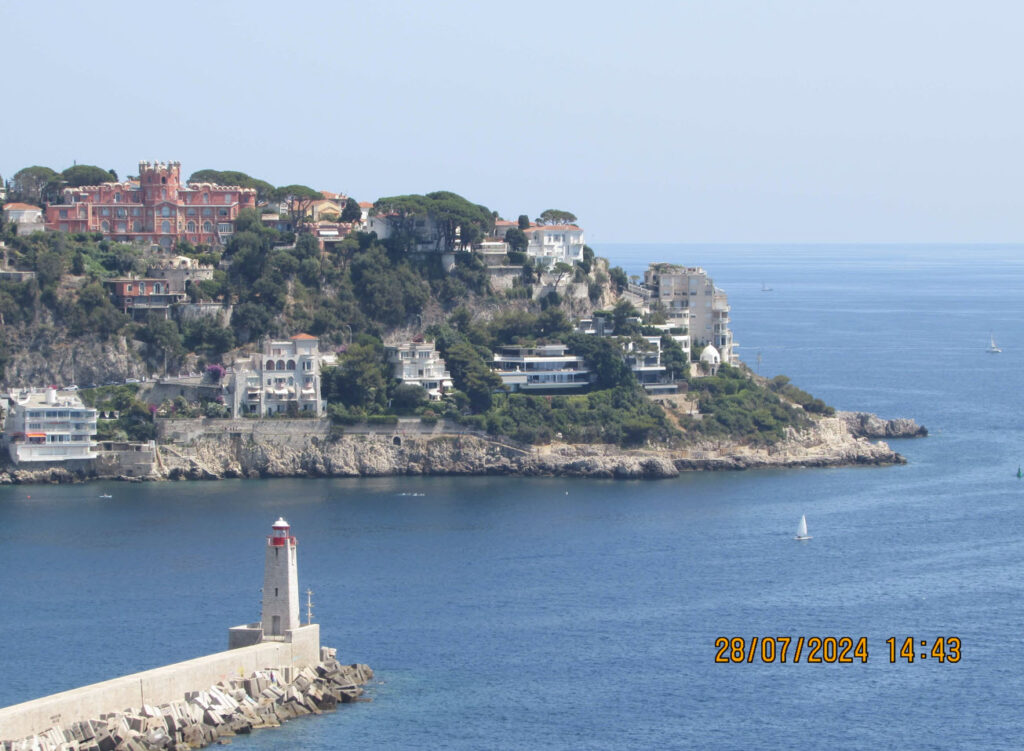
Take some time to wander along the quays, especially the Quai des Deux Emmanuels, where you’ll spot rows of picturesque wooden boats set against the turquoise water and pastel-colored buildings. The harbor is also lined with lively cafés and seafood restaurants, perfect for soaking up the Riviera vibe.
If you have the time, consider joining a one-hour harbor sightseeing cruise for a different perspective of Nice and its coastline. Although we didn’t manage to fit it into our schedule, it’s highly recommended for those wanting to see the city from the sea.
Below are some of the places / activities that we did not try but worth checking if you have more time:
Matisse Museum (closed on Tuesday, I think)
Musée des Beaux-Arts de Nice
Museum of Asian arts
Marc Chagall National Museum (closed on Tuesday, I think)
Renoir museum
Musée d’Art Moderne et d’Art Contemporain (MAMAC – The Museum of Modern and Contemporary Art)
Museum of Photography Charles Nègre
Private Beaches along the Promenade
Ferry Ride
Walking tours with local experts
Various different beaches (Plage des Marinières, Paloma)
The Gorges Du Verdon (2 hours from Nice)
Rothschild Villa
Dining at Le Plongeoir
Gardens of the Promenade du Paillon
Opéra de Nice
Perfume Making Classes
Basilique Notre-Dame de I’Assomption
Av. Jean Médecin (shopping street)
Mont Boron
Nice carnival (in February for 2 weeks)
Food Tour (tonnes of options)
Allianz Stadium
Cimiez Hill and Villefranche-sur-Mer
Pub crawl (night life)
Day 3 – Day trip to Monaco
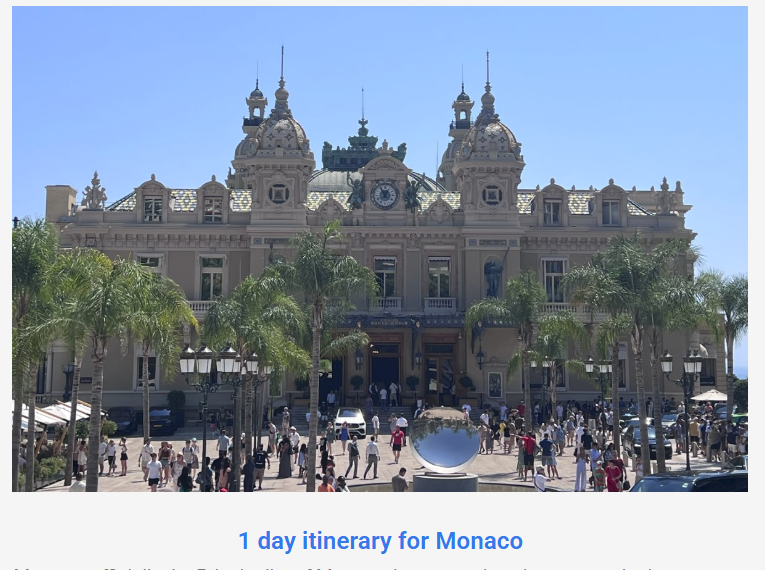
On Day 3, we set out on an exciting day trip to Monaco, the glamorous principality just a short ride from Nice. The full details of our Monaco adventure are available in a separate post, where I’ve shared highlights, travel tips, and must-see spots from this memorable excursion.
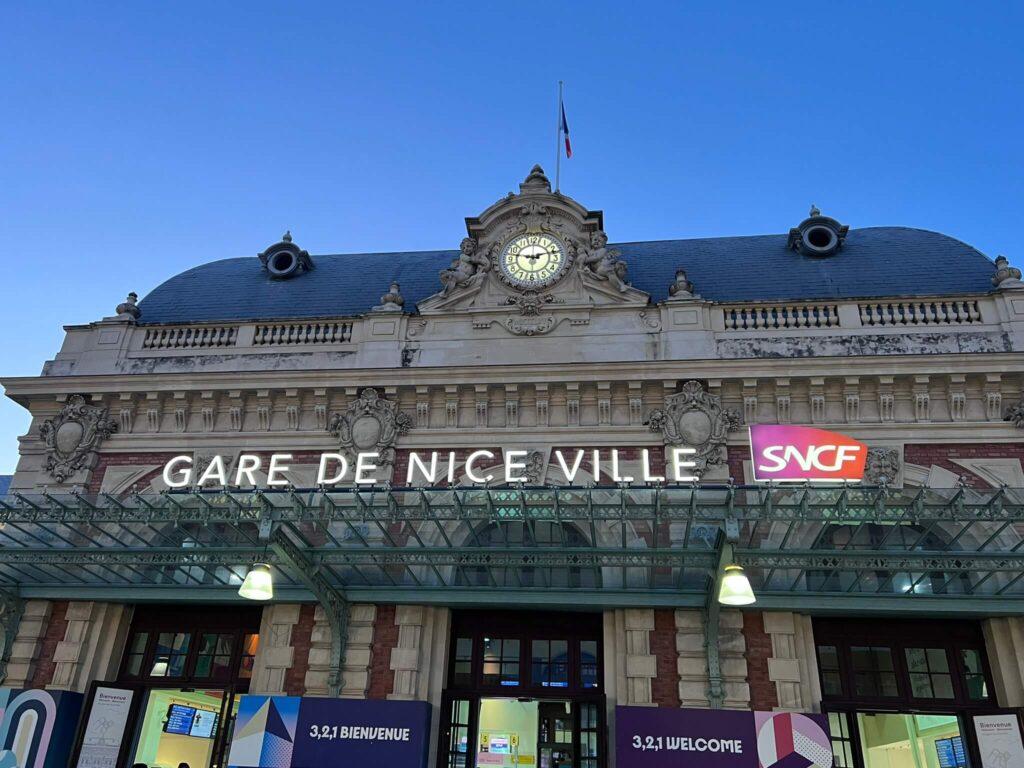
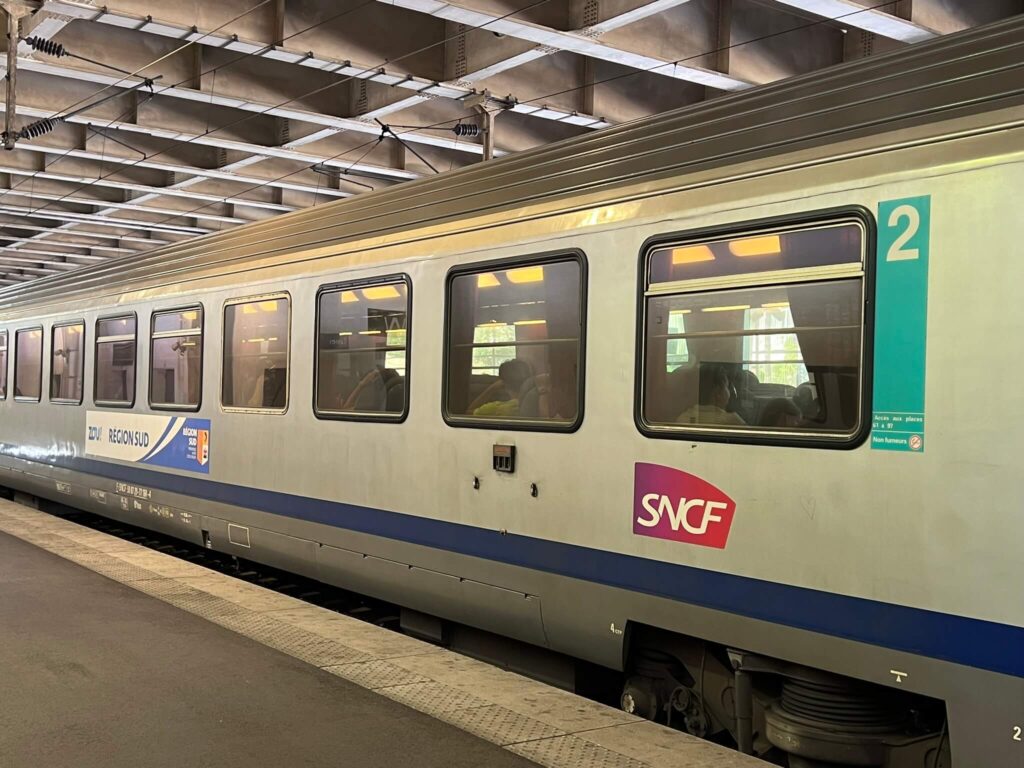
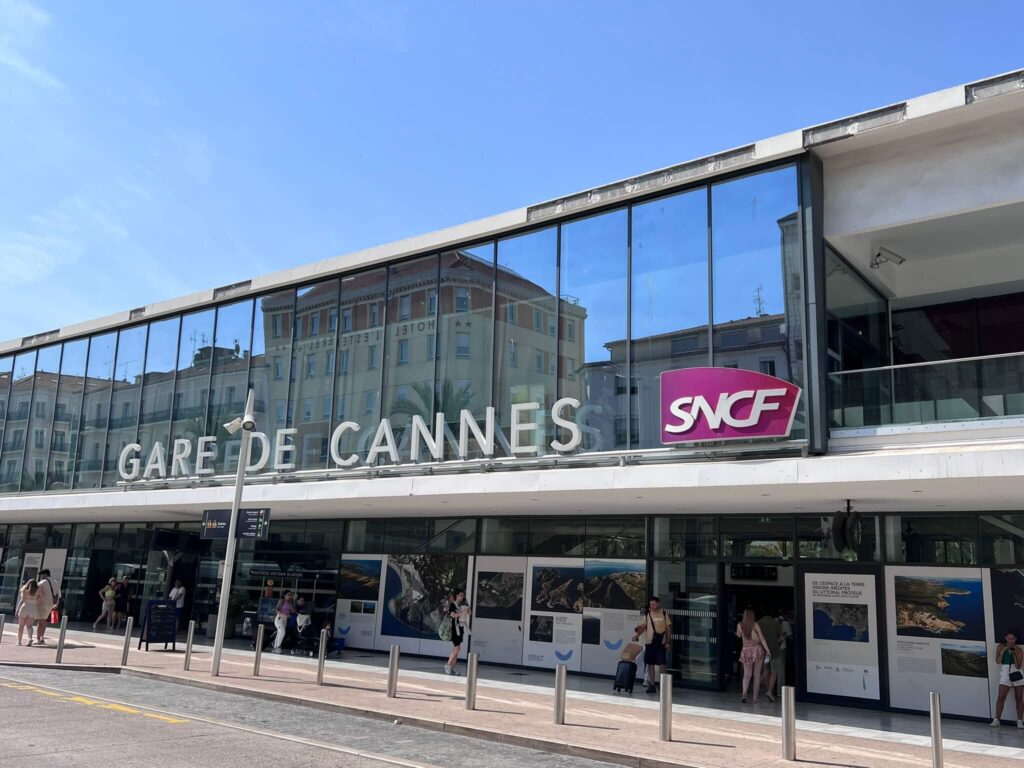
On Day 4, we took a delightful day trip to Cannes, another gem along the French Riviera. We travelled by train from Nice-Ville Station, though trains also depart from Nice-Riquier, with the journey taking no more than 35 minutes. The ride itself offers lovely coastal views, making it a pleasant and easy excursion.
Cannes is absolutely worth visiting, though it’s smaller than many travellers expect, so it helps to set realistic expectations before you go. Today, the city is world-renowned for its glamour, film festival, and luxurious charm, but its origins are far humbler—it began as a simple fishing village hundreds of years before the first Cannes Film Festival put it on the global map.
Located in the southeastern corner of France, Cannes has a population of around 75,000 and is one of the most popular destinations on the French Riviera. We explored as much as we could within five hours, though we’re sure there are still hidden corners we didn’t manage to see this time.
We explored Cannes over the course of about five hours, which meant we may have missed a few hidden gems—but it still gave us a wonderful glimpse into the city’s charm and coastal elegance.
Le Suquet & The Church of Notre-Dame-d’Espérance – Old Town Charm with a View:
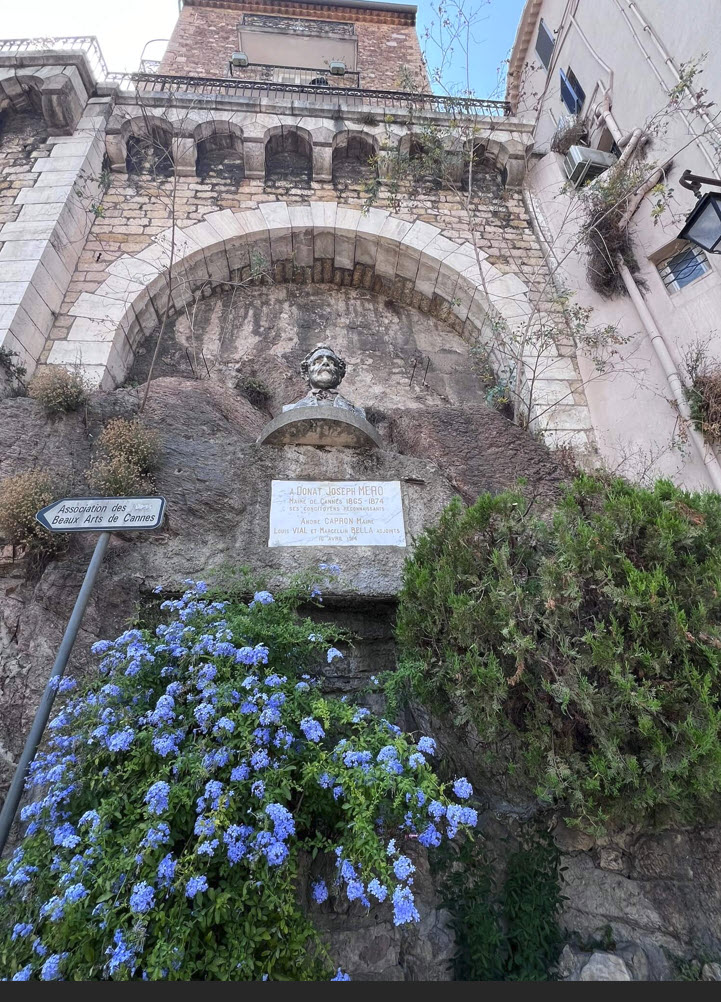
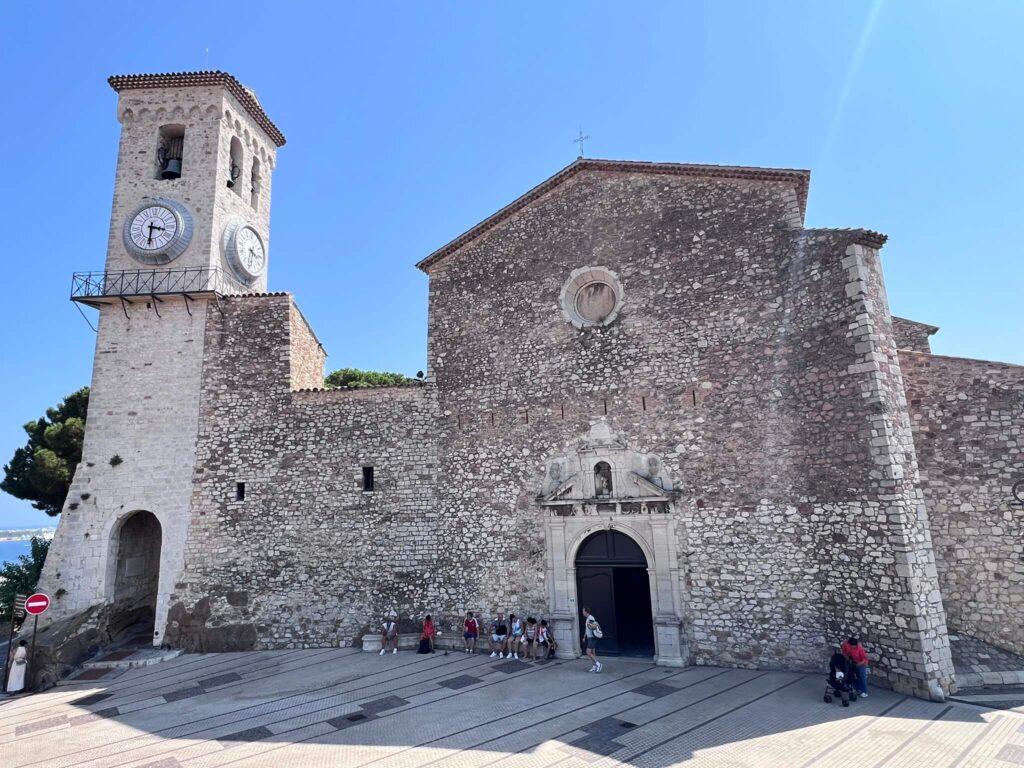
For a different perspective on Cannes, make your way uphill to Le Suquet, the city’s atmospheric Old Town. This historic quarter is a picturesque maze of cobblestone lanes, pastel-colored houses, and flowering balconies, offering a glimpse into Cannes’ humble beginnings long before its glitzy film festival fame.
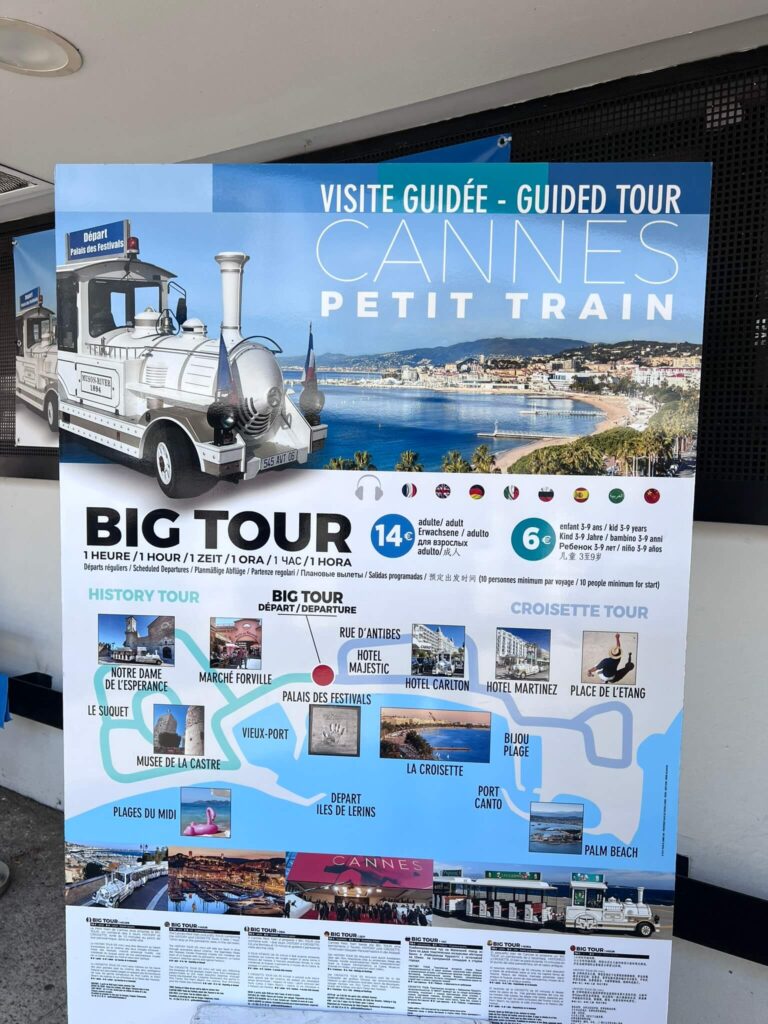
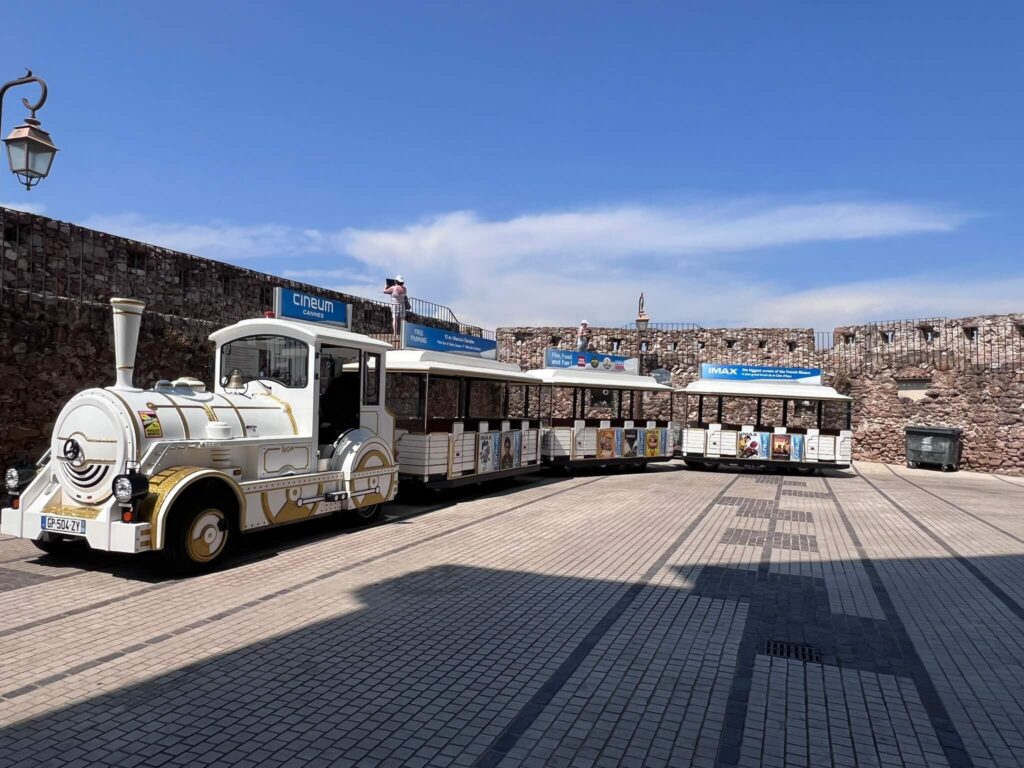
The climb to the top rewards you with breathtaking panoramic views over the harbor, the sea, and the city’s red-tiled rooftops. Whether you choose to walk up the staircases or take the gentler ramps, the journey itself is part of the experience. For those who prefer an easier ascent, there’s even a toy train-style shuttle from the Promenade area, as well as small white and pink transport cars that take visitors to the top.
At the summit stands the beautiful Church of Notre-Dame-d’Espérance, a 16th-century landmark that adds a touch of serenity to the hilltop. The peaceful surroundings and sweeping views make it one of the most memorable spots in Cannes.
And if you’re searching for a few souvenirs, Le Suquet’s quaint shops are the perfect place to pick up fridge magnets or small mementos to remember your visit.
Palais des Festivals et des Congrès – The Icon of the Cannes Film Festival:
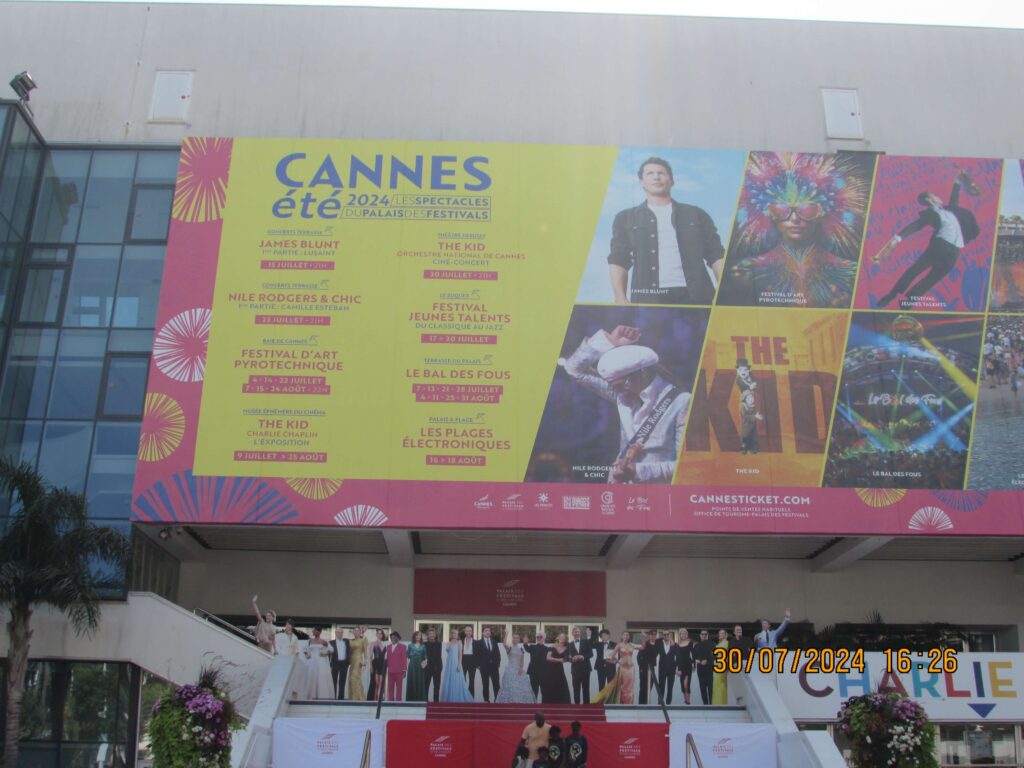
For film enthusiasts, a visit to the Palais des Festivals et des Congrès is an absolute must. This iconic venue is the epicenter of the world-famous Cannes Film Festival, a glamorous 12-day celebration of cinema held every May. It’s where movie stars, directors, and film industry professionals from across the globe gather to premiere their latest works, walk the legendary red carpet, and compete for the coveted Palme d’Or. The entire city comes alive during festival season, buzzing with elegance, energy, and star power.
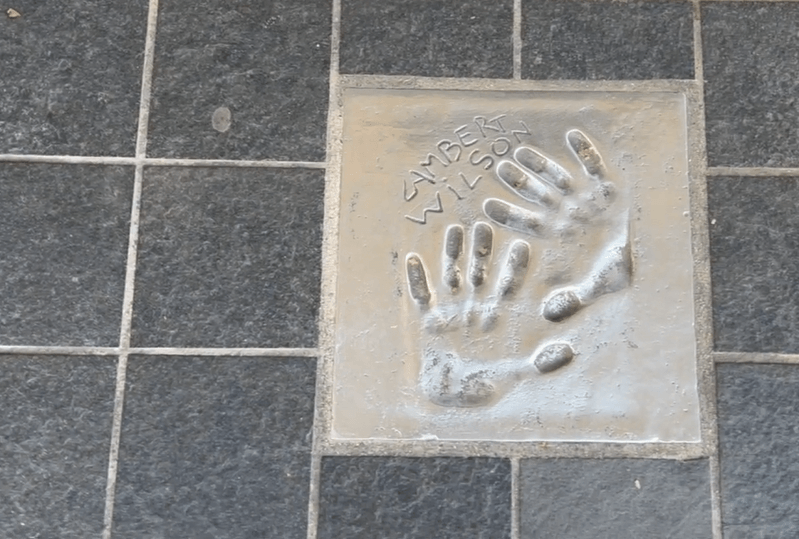
Even if you visit outside the festival period, the Palais remains one of Cannes’ most recognizable landmarks. You can walk up the famous red-carpeted steps—a must-do photo opportunity for every visitor—and explore the surrounding esplanade, which showcases handprints of numerous international film stars embedded into the pavement, much like Hollywood’s Walk of Fame.
Access to the interior of the Palais depends on ongoing events, so it may not always be open to the public. Still, standing on those stairs where countless celebrities have posed for decades offers a small but thrilling taste of Cannes’ cinematic magic.
La Croisette Promenade & Port de Cannes – Where Glamour Meets the Sea:
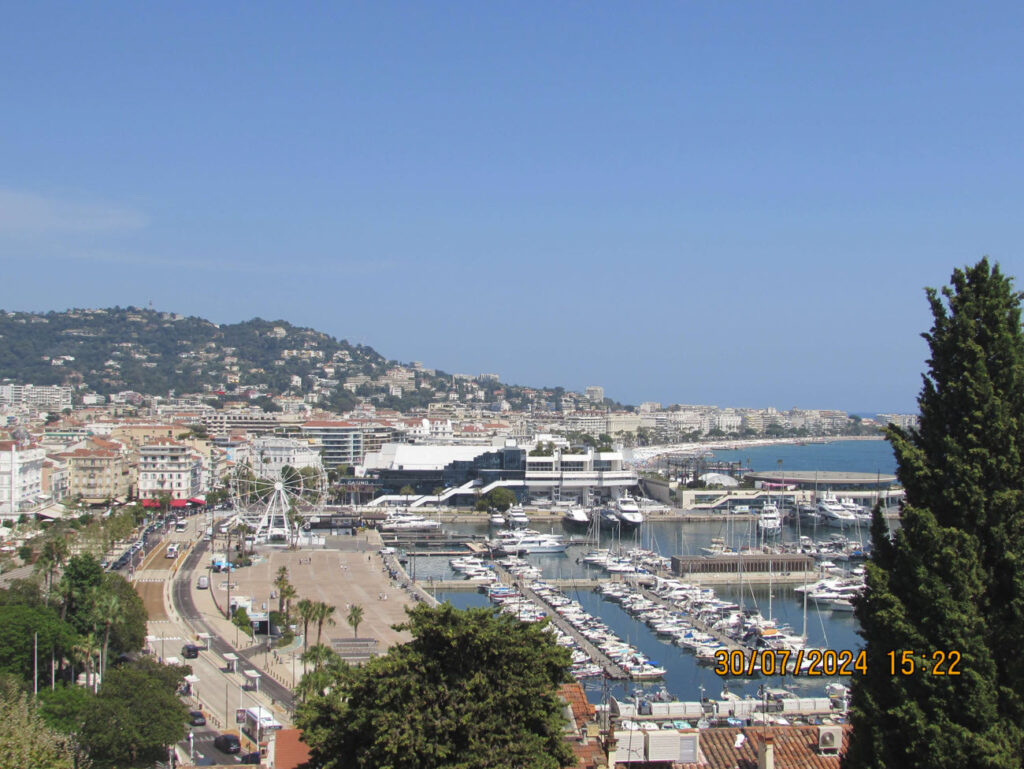
No visit to Cannes is complete without a walk along the Boulevard de la Croisette, the city’s iconic seafront promenade and the very heart of its Riviera glamour. Lined with towering palm trees, designer boutiques, and legendary hotels like the InterContinental Carlton, La Croisette perfectly captures the elegance and leisure that Cannes is known for. It’s the ideal place to enjoy a leisurely stroll, pause for a coffee at a seaside café, or simply take in the sparkling views of the Mediterranean.
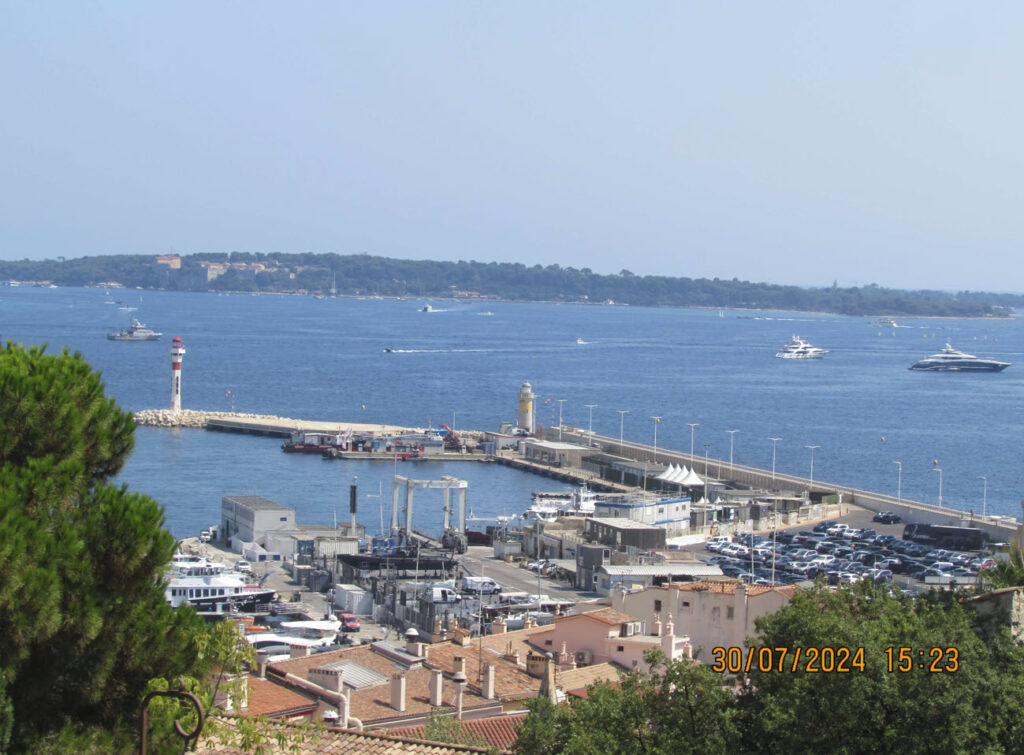
A short walk away lies the Port de Cannes (Vieux-Port), one of the most atmospheric spots in the city. Here, rows of luxury yachts and colorful fishing boats rest side by side, creating a postcard-perfect scene that embodies the allure of the French Riviera. The harbor area is especially beautiful in the late afternoon, when the golden sunlight reflects off the water and the city’s elegance shines at its brightest.
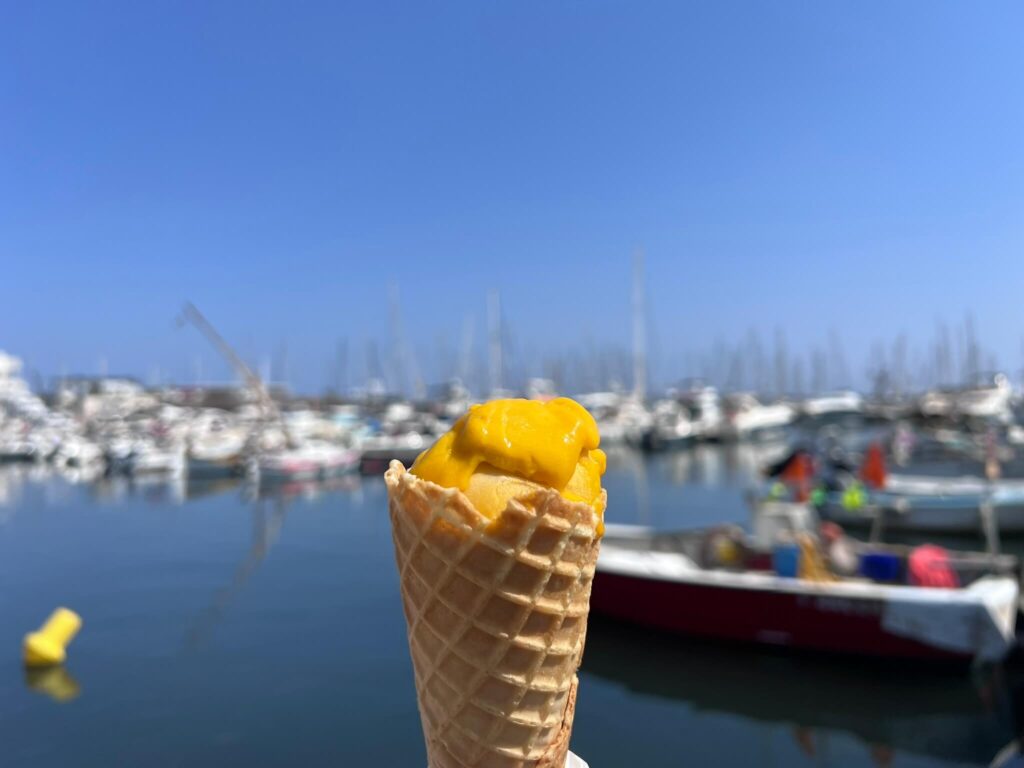
And of course, no promenade walk would be complete without indulging in some delicious gelato—a sweet treat that pairs perfectly with the sea breeze and Riviera views.
Beautiful Beaches – Sun, Sea, and Serenity:
Situated right along the Mediterranean coast, Cannes is blessed with some of the most beautiful beaches on the French Riviera. The deep blue water and pristine coastline make it a paradise for sunseekers. The city offers a mix of public and private beaches, each with its own character and charm.
For a more relaxed, local atmosphere, head to Plage du Midi or Plage de la Bocca, both known for their laid-back vibe and scenic views. If you prefer a livelier setting closer to the city’s energy, Croisette Beach and Palais des Festivals Beach are perfect, offering soft sands, lively cafés, and stunning seaside views just steps away from the glamour of La Croisette.
Designer Boutiques & Shopping in Cannes:
Cannes is also a haven for fashion lovers and shoppers, offering everything from high-end designer stores to charming local boutiques. The best shopping can be found along Boulevard de la Croisette, where luxury labels line the streets amid chic window displays. From world-famous brands to smaller designers, there’s plenty to browse—though the price tags often match the city’s glamorous reputation.
While we didn’t do any shopping during our visit, the variety of stores and stylish ambiance made strolling through the shopping district an experience in itself.
NOTE: There are some museums like Musée de la Castre and Centre d’art La Malmaison. We did not visit any museums.
From Cannes we took a train back to Nice.
Day 5 – Return to Dublin
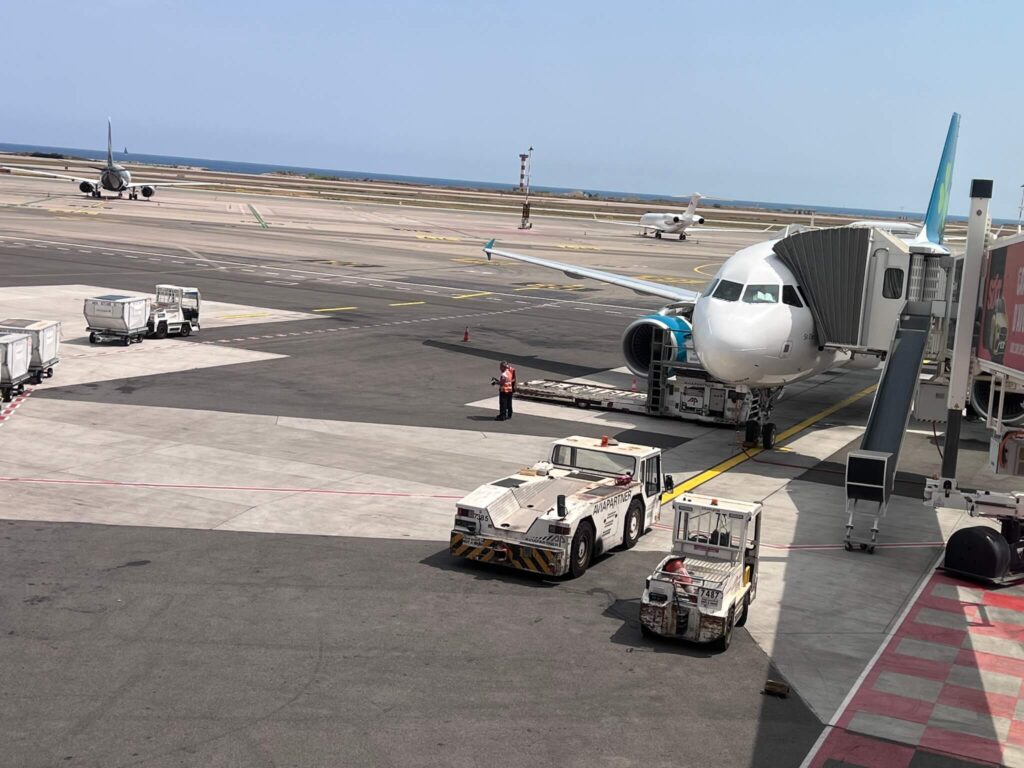
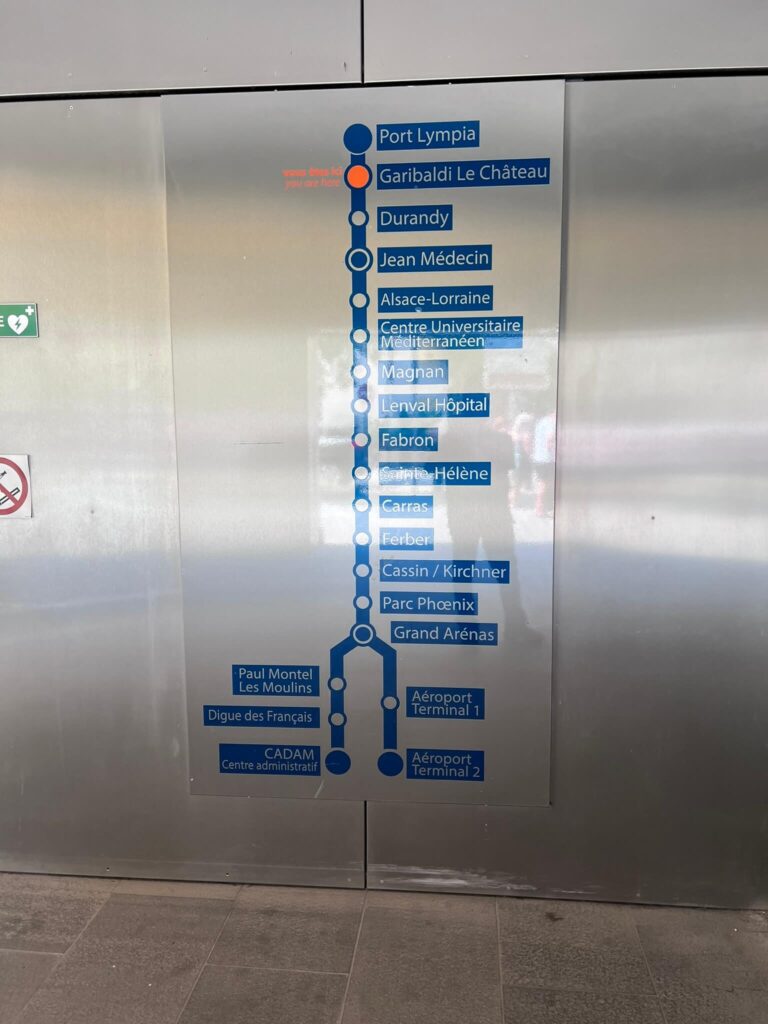
On Day 5, it was time to say goodbye to the French Riviera and head back to Dublin. Nice Côte d’Azur Airport is one of the best-connected airports along the Mediterranean, making departures and onward travel incredibly convenient. Located just a short distance from the city center, the airport is easily accessible by tram, making the journey both quick and hassle-free.
While the airport offers direct flights to many major international destinations, travelers may often find better deals on connecting flights through Paris. Either way, the seamless connection and scenic takeoff views over the coastline make it a fitting end to any trip to Nice.
Our Stay in Nice – Airbnb at Place Garibaldi:
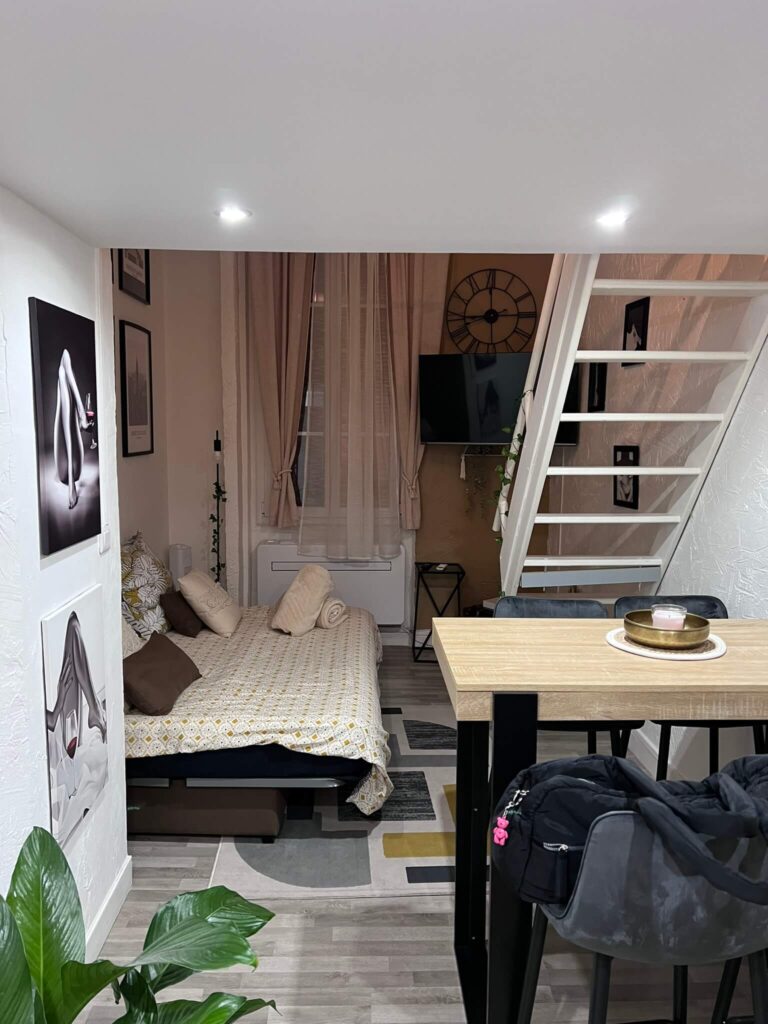
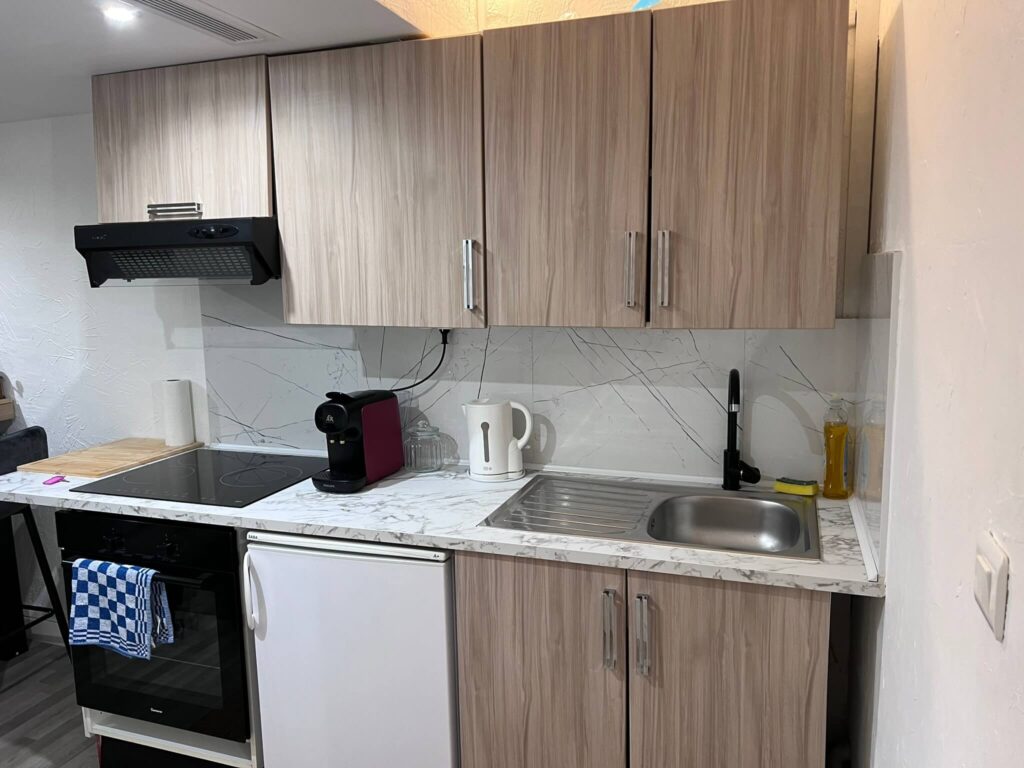
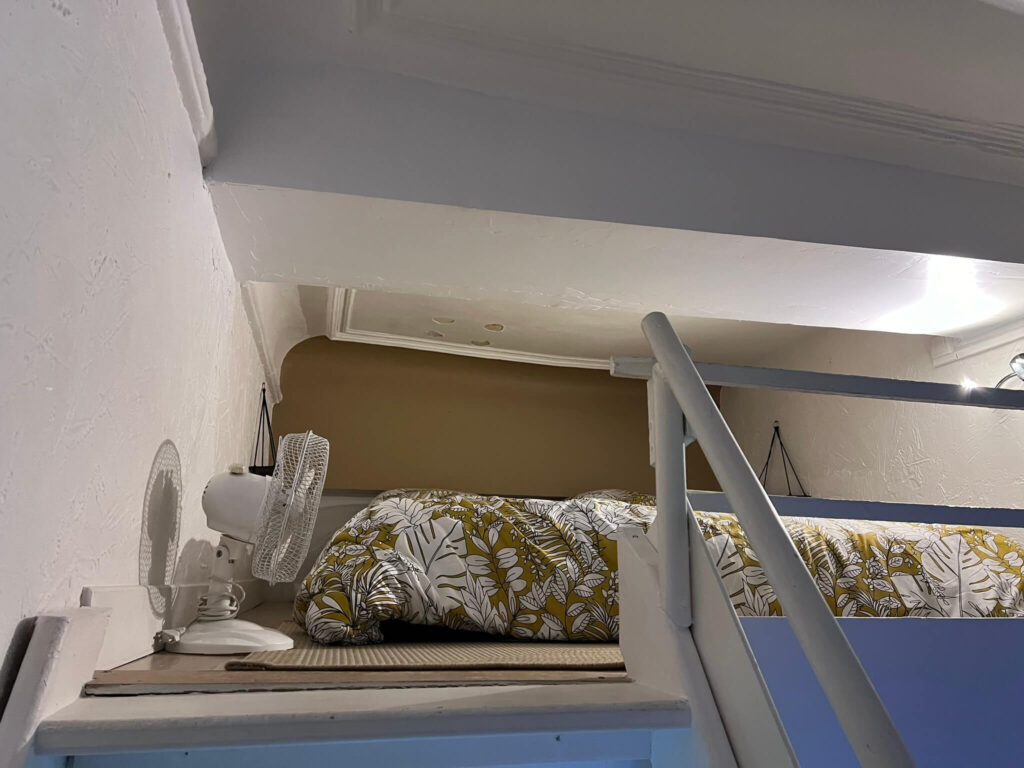
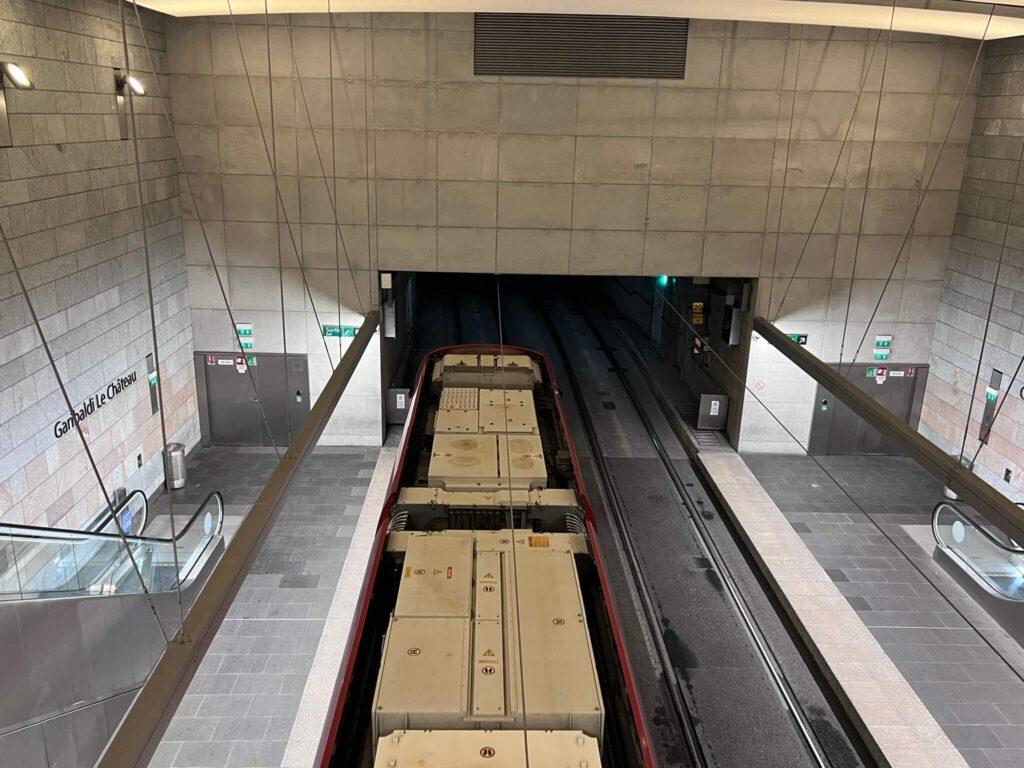
During our time in Nice, we stayed at an Airbnb in Place Garibaldi, a lively and well-connected area situated between the Old Town and New Town. This location turned out to be ideal—tram lines and bus connections were just steps away, including convenient routes to Monaco and other nearby destinations along the Riviera.
For travelers deciding where to stay, both Place Garibaldi and the Promenade des Anglais are excellent options. Garibaldi offers easy access to Vieux Nice and public transport, while the Promenade is perfect if you prefer a seaside atmosphere with direct views of the Mediterranean.
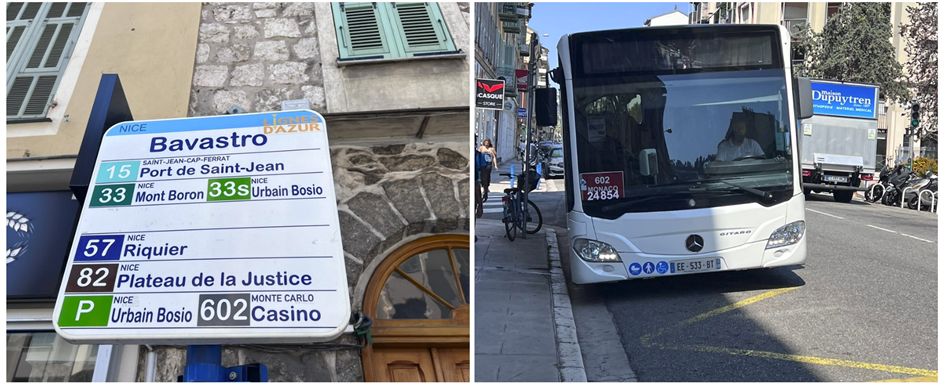
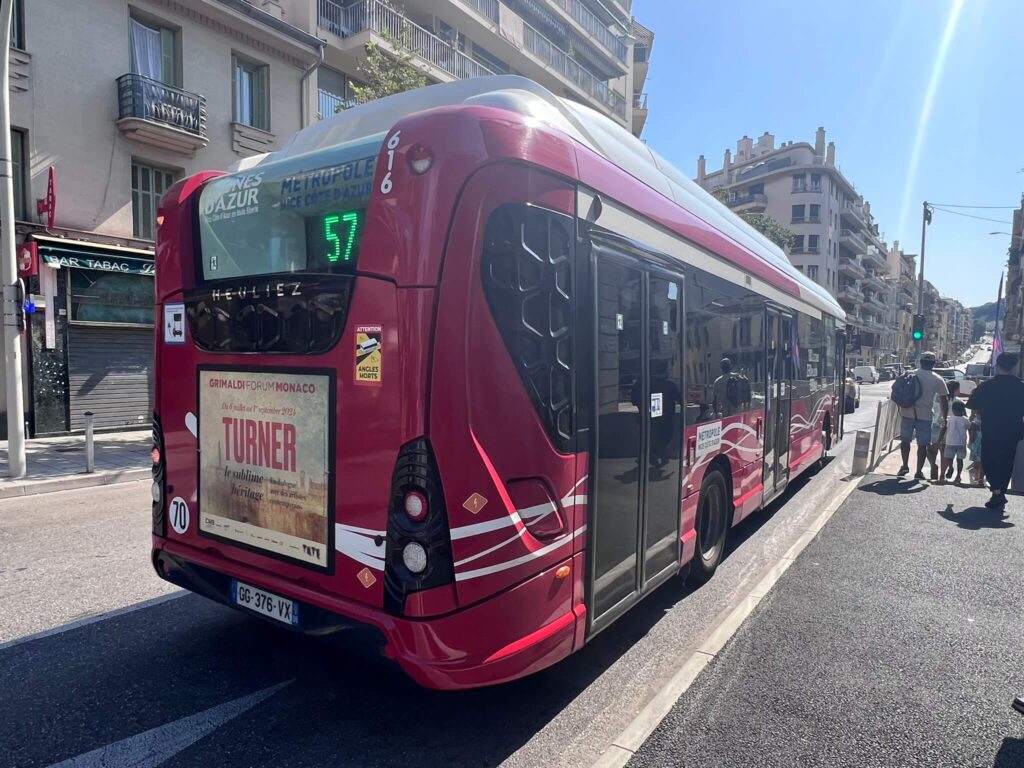
A common question when planning a trip to this region is whether to stay in Nice or Monaco. In our experience, Nice is the better choice—it’s more affordable, centrally located, and well connected. Buses and trains run frequently between the two cities, making Monaco an easy day trip. We took Bus No. 602 to Monte Carlo Casino from the Bavastro bus stop in Nice, and the journey took about an hour at a very reasonable fare of €2.10 per person.
Our Airbnb itself was comfortable and conveniently located, though one thing to note—the building didn’t have a lift, so carrying luggage / pram up the stairs was a bit of a workout. Still, the location and accessibility made it a great stay overall, and we’d happily recommend this area to fellow travellers.
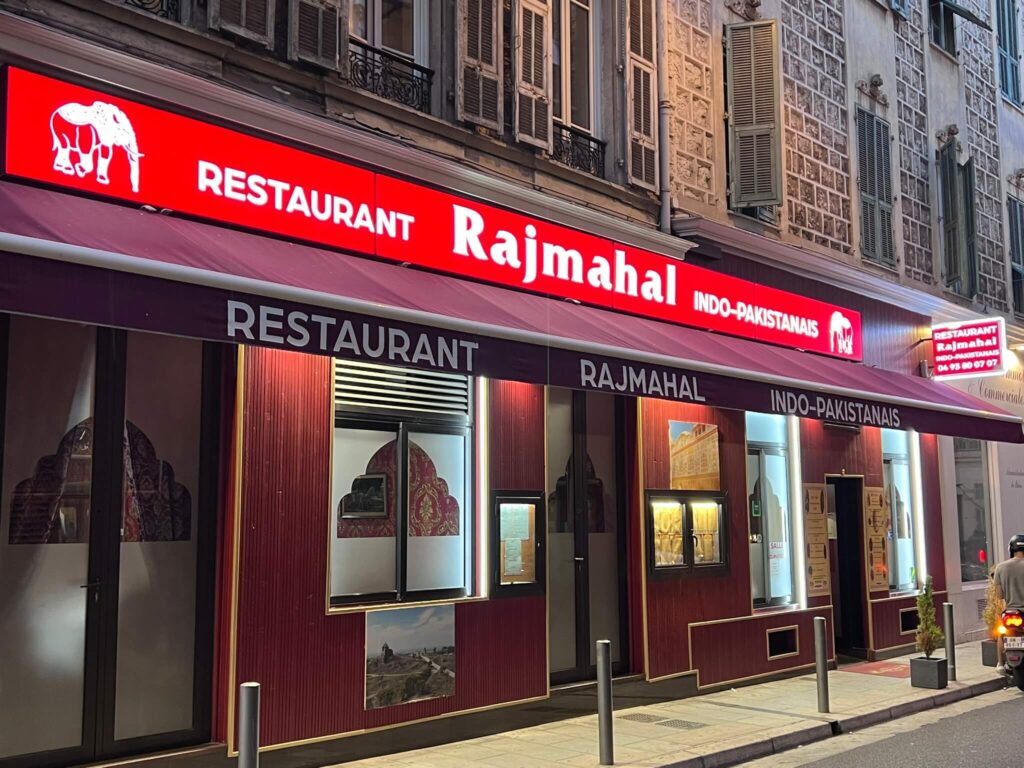
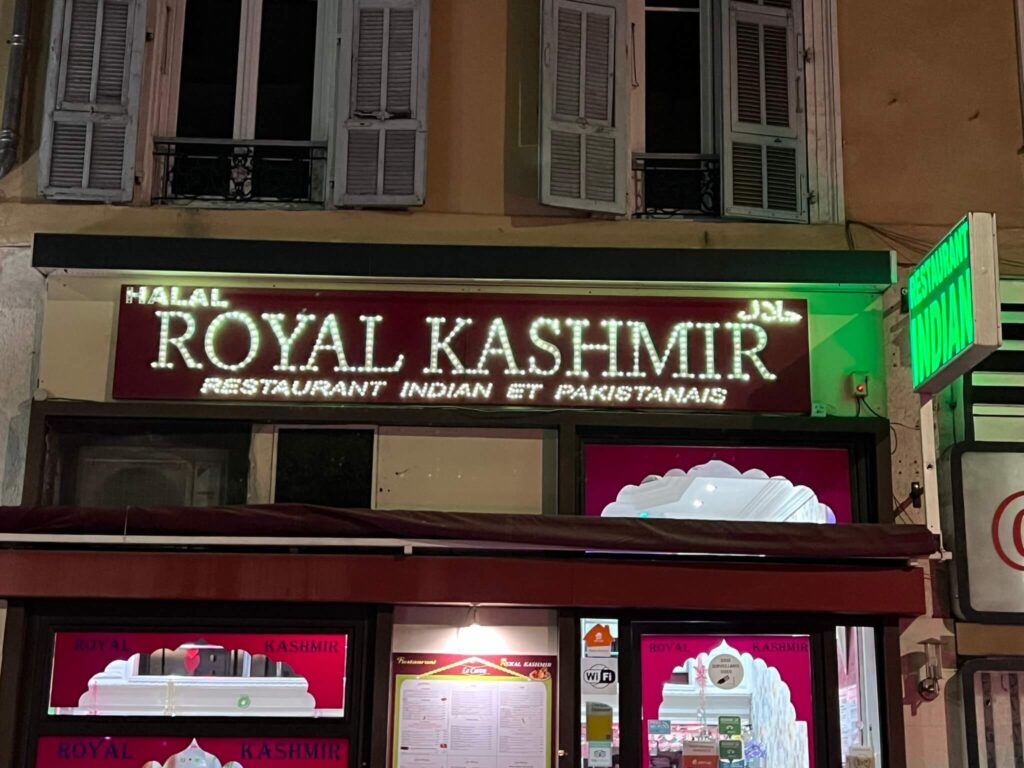
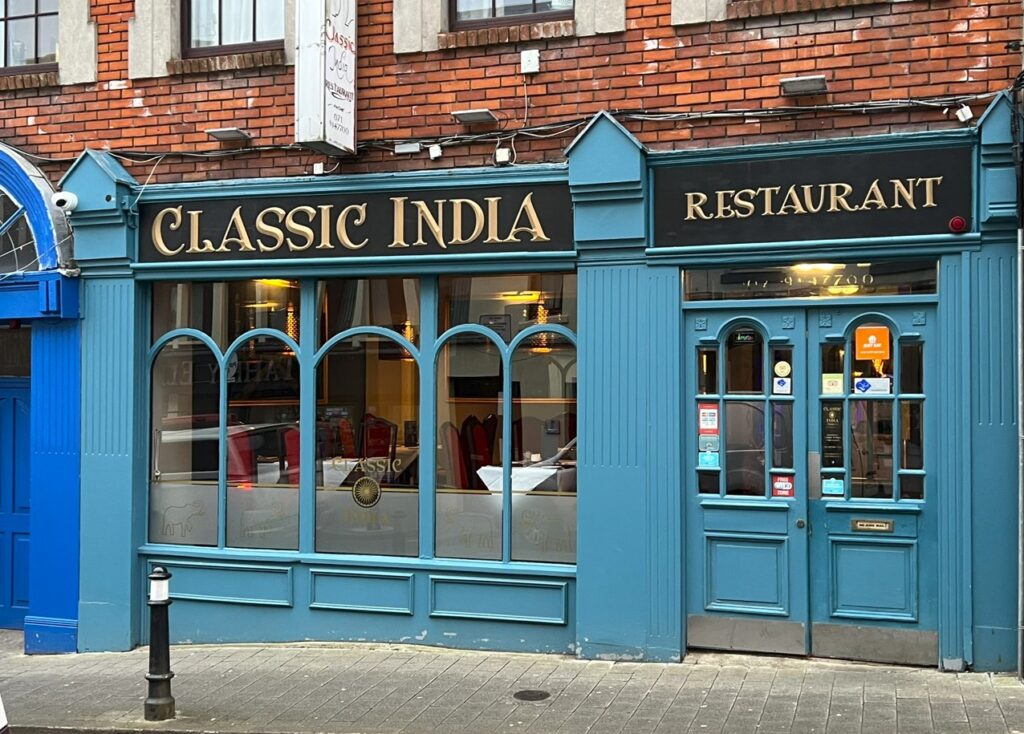
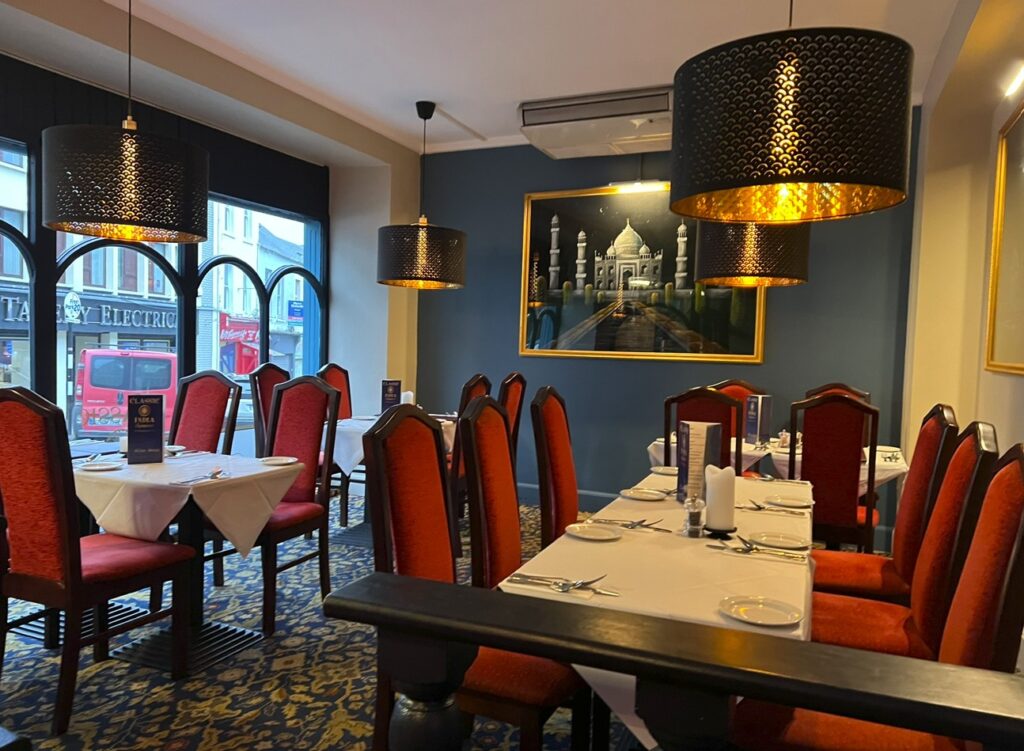
Indian restaurants:
We also tried few Indian restaurants in Nice.
Best Time to Visit the French Riviera:
The French Riviera is a destination that shines year-round, but the best time to visit truly depends on what kind of experience you’re after. For most travelers, the spring months (April to June) are ideal. The weather is pleasantly warm, the skies are bright, and the crowds are still manageable—perfect for sightseeing, seaside strolls, and outdoor dining without the summer rush. If you’re looking for that quintessential Riviera vibe—sun-drenched beaches, buzzing beach clubs, and long summer days—then plan your trip between June and August, when the region is at its most vibrant. Keep in mind, though, that this is also peak tourist season, so accommodation and flight prices will be at their highest. The shoulder seasons of April–May and September–October often offer the best balance of good weather and affordable prices, with warm seas and fewer crowds.
How to Get to Nice:
Getting to Nice is simple and convenient, no matter where you’re coming from. As one of the main gateways to the French Riviera, the city is exceptionally well connected by air, rail, road, and even sea. Here are the most popular ways to reach Nice:
By Plane:
The Nice Côte d’Azur Airport (NCE) is the main international airport serving the region, with numerous direct flights from major cities across Europe and beyond. It’s also one of the busiest airports on the Mediterranean coast—and for good reason. From the airport, you can easily reach the city center by tram, bus, taxi, or airport shuttle. We flew out from this airport on our return to Dublin, and the experience was smooth and efficient.
By Train:
Nice is well-connected by rail, making train travel an easy and scenic option. The city’s main station, Nice-Ville, lies right in the heart of town and offers both domestic and international connections. We arrived in Nice by TGV INOUI from Paris, a comfortable and picturesque journey that took just over five hours.
By Car:
If you prefer the flexibility of driving, Nice is conveniently linked via the A8 autoroute, which connects it to Marseille, Lyon, and Paris. The drive promises beautiful views but can get busy during peak travel seasons, so plan accordingly.
By Bus:
Several long-distance bus services, including FlixBus and Eurolines, connect Nice with major cities across France and Europe. This is often one of the most affordable travel options, and modern buses offer comfortable seating and onboard amenities.
By Boat:
For something different, you can even reach Nice by ferry. Regular services operate between Corsica (Bastia and Ajaccio) and Sardinia (Porto Torres), offering a scenic and relaxing way to arrive on the Riviera.
How Much Time Do You Really Need in Nice:
While Nice is one of the largest cities in southern France, it’s surprisingly easy to explore. The city itself doesn’t have an overwhelming number of landmarks, but its charm lies in its neighbourhoods, seaside promenades, and coastal atmosphere.
For Nice alone, I’d recommend spending at least two full days. This gives you enough time to wander through the Old Town (Vieux Nice), enjoy the Promenade des Anglais, take in views from Castle Hill, and explore local markets such as Cours Saleya at a relaxed pace.
If you plan to include Monaco in your itinerary—as I strongly suggest—then allow for three full days in total. The short, scenic journey from Nice makes Monaco an easy and worthwhile day trip. Its unique glamour, seaside scenery, and cultural highlights make it a must-visit when exploring this part of the world.
Getting Around Nice:
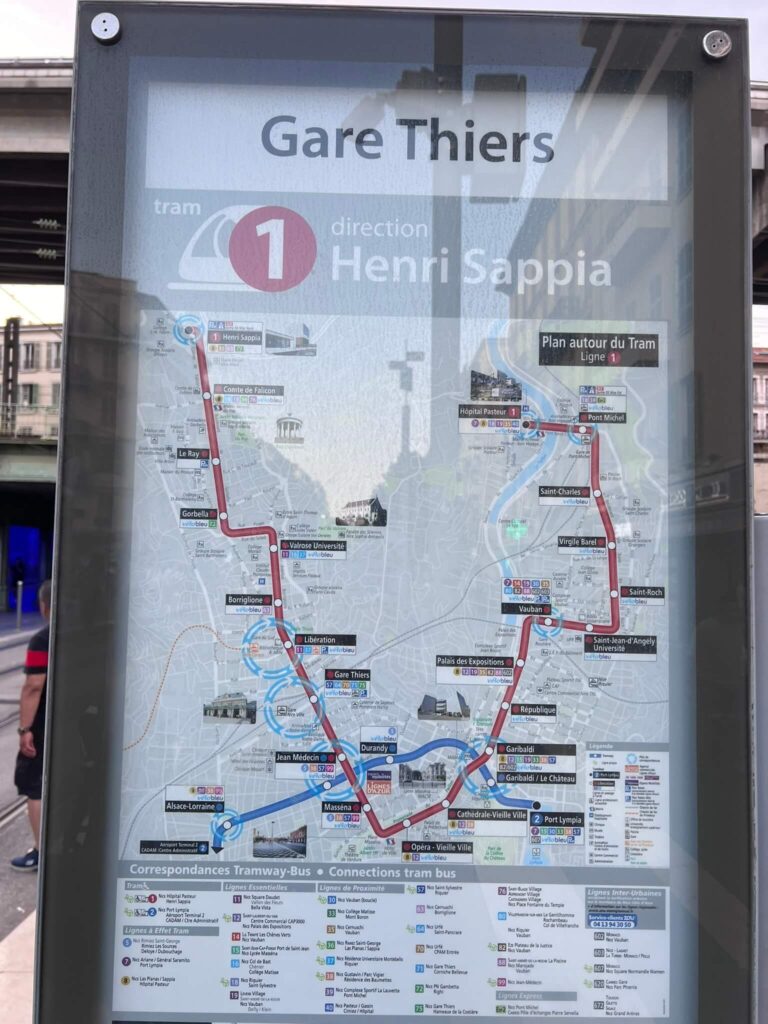
The best way to get around Nice—especially during the summer months—is by foot, tram, or bus. The city is compact and very walkable, and its public transport network is clean, efficient, and affordable.
Driving, on the other hand, is not that recommended. Parking is scarce and expensive, and navigating the narrow city streets can be stressful. Instead, rely on the tram and bus system, which connects all major neighborhoods, tourist attractions, and even the Nice Côte d’Azur Airport.
By Bus
Buses in Nice run frequently—every 10 to 15 minutes between 6 AM and 10 PM. A single ticket costs €1.50, and you can purchase it from the driver (cash only) or at vending machines located at tram stops. Tickets are valid for 74 minutes, allowing free transfers between buses and trams within that window.
Single and double-digit bus numbers serve local routes within Nice.
Triple-digit buses travel to destinations beyond the city, such as Monaco or Èze.
By Tram
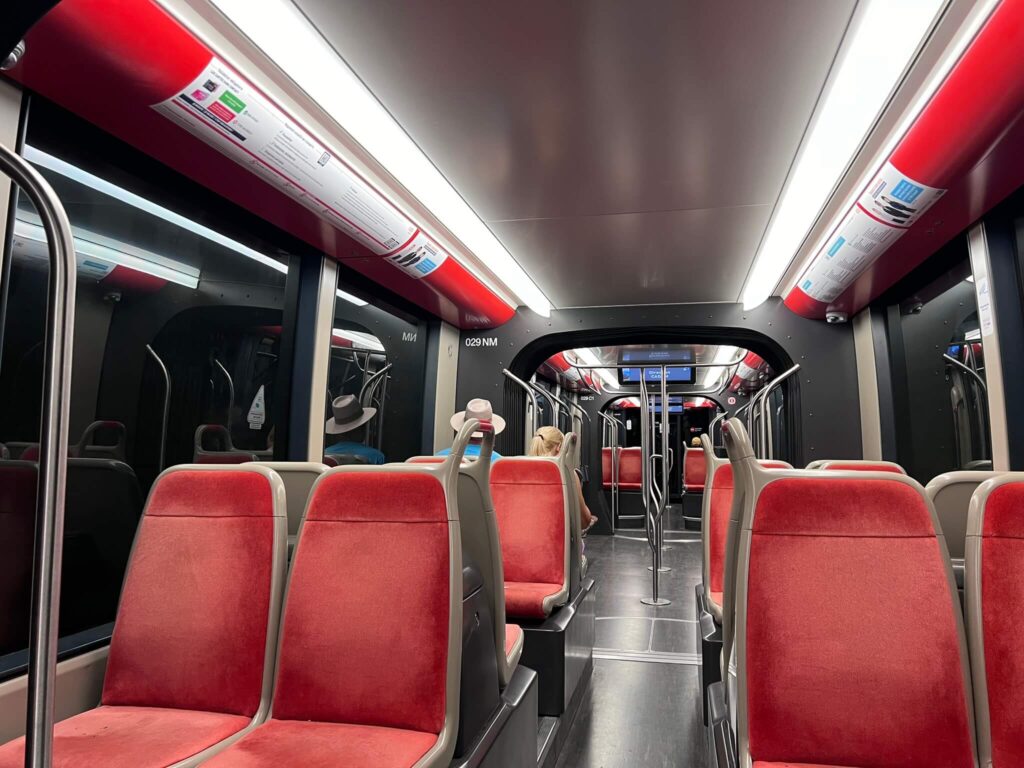
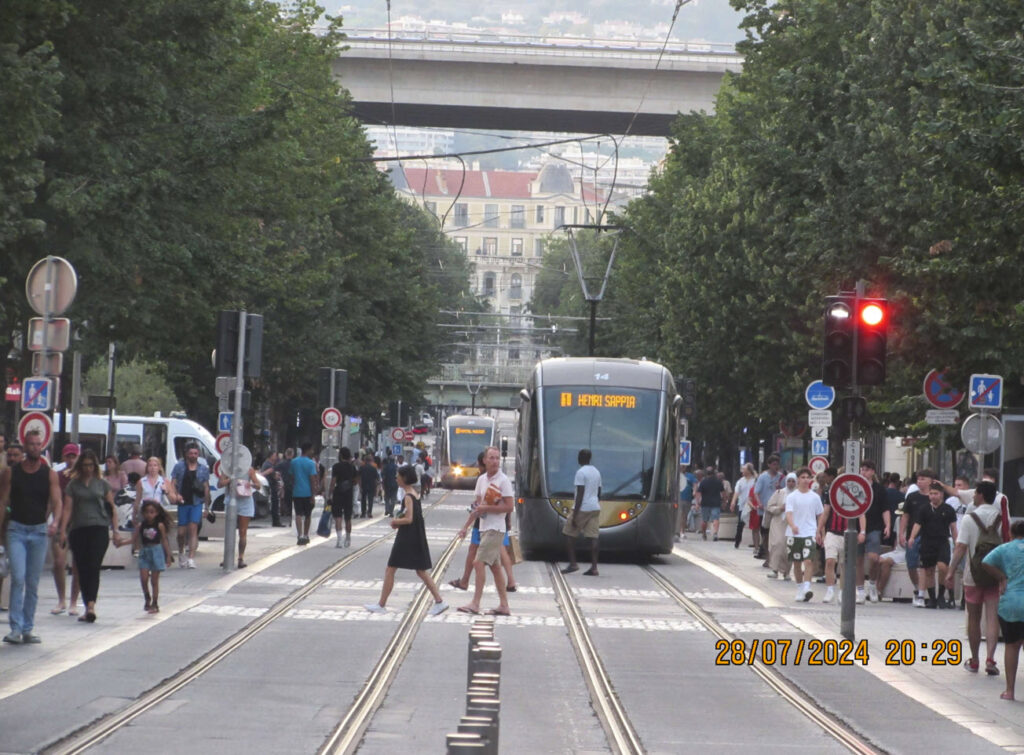
The tram system, operated by the same company as the buses, is another excellent way to get around Nice. There are three tram lines, connecting key areas of the city, including direct routes to and from the airport. Tickets cost the same as bus fares (€1.50) and allow free transfers within 74 minutes.
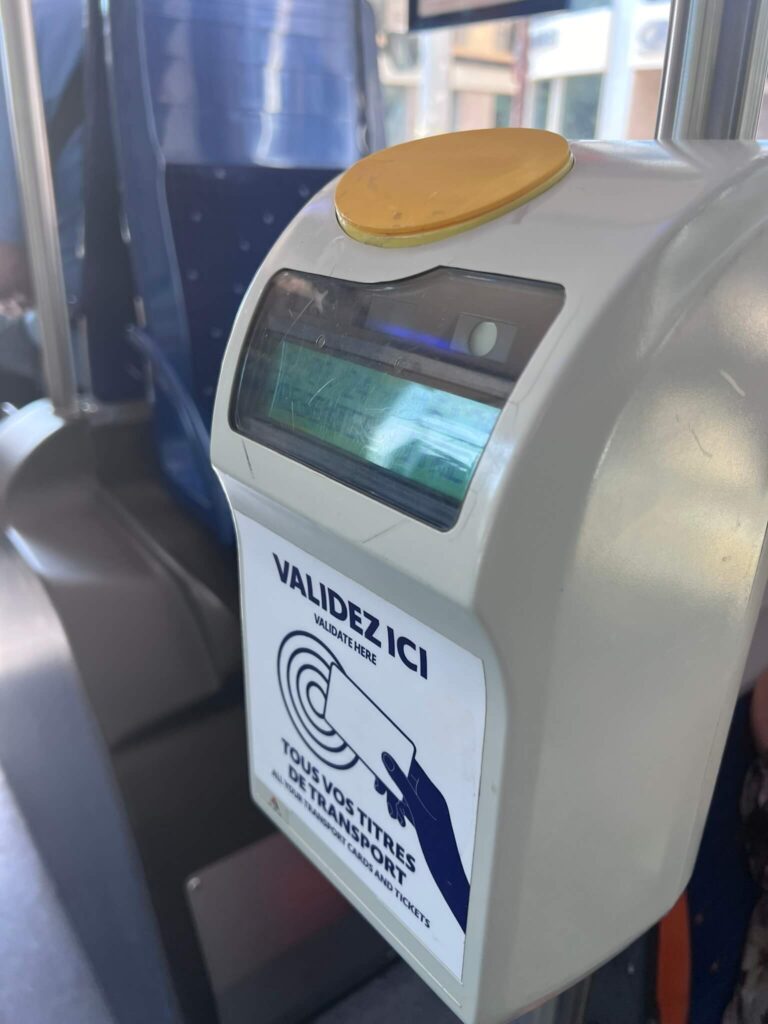
Tickets can be purchased from machines at each tram stop (not from the driver). Be sure to validate your ticket before boarding using the small validation machines available inside the tram.
Using “La Carte”:
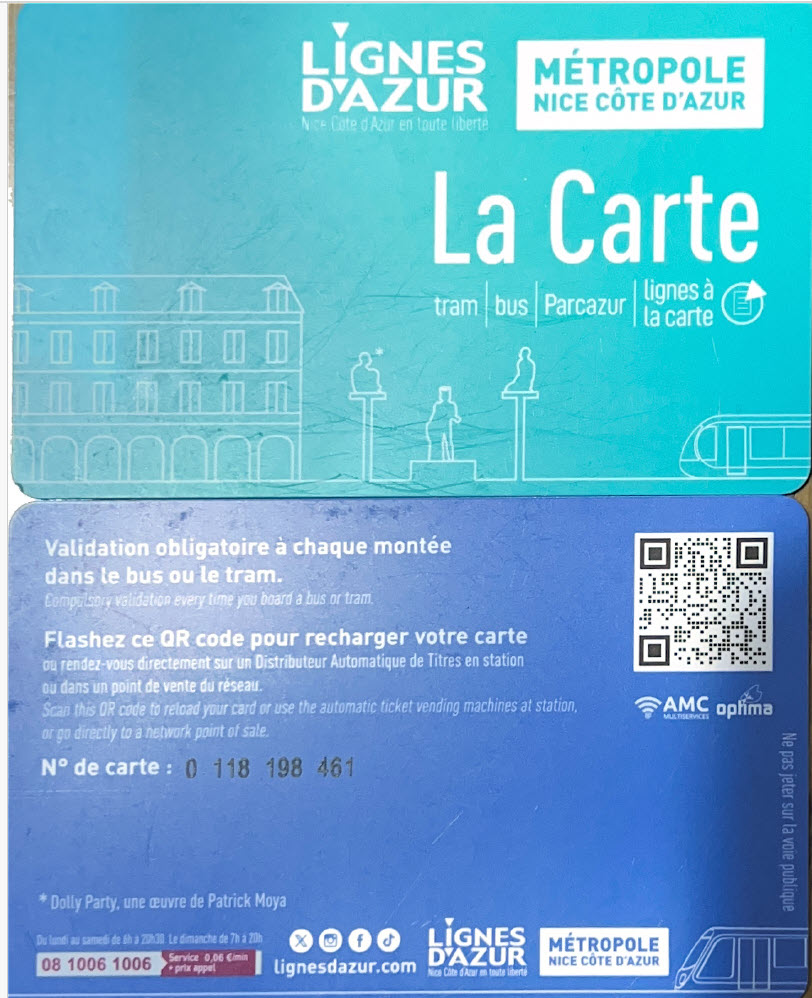
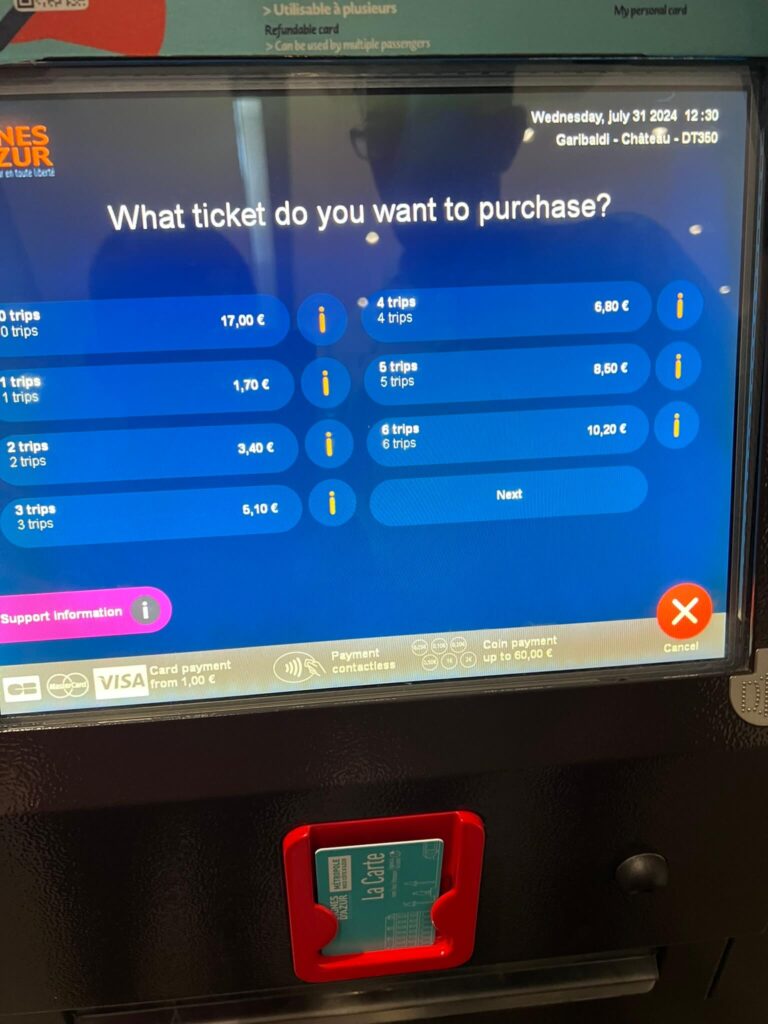
During our stay, we used the La Carte travel card—ideal for occasional travelers. It’s an anonymous, rechargeable card that costs €2 (refundable) and can be topped up with single rides, multi-trip options, or day passes. We purchased ours from a ticket machine near a tram station. Don’t forget to validate your card each time you board.
Train des Merveilles (get the window seat for the best views)
Auron (Ski resort, best in winter)
Cannes and Antibes (we tried this)
Monaco (we tried this, Afterall you get a country added to your list)
Summary – Why ‘NICE’ Truly Lives Up to Its Name:
Nice is so much more than just “nice.” It’s a city that captures both the glamour of the French Riviera and the authentic charm of southern France, offering a perfect mix of seaside beauty, cultural richness, and effortless style.
While it might not be the quietest spot along the Côte d’Azur, Nice has an undeniable sophistication and vibrant energy that instantly draws you in. From the sun-soaked Promenade des Anglais to the colorful streets of Old Town and the scenic views from Castle Hill, every corner has its own distinct character. Though a couple of days only scratch the surface, you truly feel immersed in the life and rhythm of the Mediterranean after exploring this city.
What makes Nice remarkable is its versatility—it offers something for every type of traveler. Whether you’re here to relax on pebble beaches, wander through markets and museums, discover coastal trails, or embark on easy day trips to Monaco, Cannes, or Èze, you’ll find yourself wishing you had a few extra days to savor it all. The public transport network makes exploring the entire Riviera seamless, while the local cuisine—from Niçoise specialties to French-Italian fusion—delights at every meal.
Beyond the warm summer months, Nice also holds a special charm in winter, when Europeans escape the cold to enjoy its mild climate and serene coastal atmosphere. With over 300 days of sunshine each year, pleasant temperatures, and a harmonious balance of city vibrancy and seaside calm, Nice is truly a year-round destination that never fails to inspire.
Whether it’s your first visit or a return trip, you’ll leave with a renewed love for the Mediterranean lifestyle—and plenty of reasons to come back.
We recently got a chance to visit Guruvayur / Guruvayoor (Thrissur, Kerala, India) in July 2025.
Guruvayur, often interpreted as a blend of three Malayalam words – “Guru” for Guru Brihaspati, “Vayu” for the wind god, and “oor” meaning land – is a town where devotion and celebration blend seamlessly throughout the day. Whether you seek a quiet moment of worship or a window into Kerala’s rich cultural and spiritual heritage, Guruvayur offers something meaningful for every visitor.
About this itinerary
This blog shares a firsthand account of a short stay in Guruvayur, designed around both spiritual highlights and relaxed family-friendly activities. It is structured with the assumption that you have one full day in Guruvayur, allowing you to experience the temple town at an unhurried pace while still covering some nearby key experiences. The places that we covered in 1 day were (in order):
Mamiyur Temple
Anathavalam (Punnathur Kotta)
Marine World Public Aquarium
Panchavadi beach
Guruvayur Sri Krishna Temple
Our travel context
In our case, Guruvayur was a key stop on a longer journey from Kozhikode to Thiruvananthapuram, and we chose to spend two nights here to soak in the atmosphere and manage temple visits comfortably. Staying over allowed us to balance early-morning darshan, local exploration, and family time without rushing through the day.
Let’s get into details.
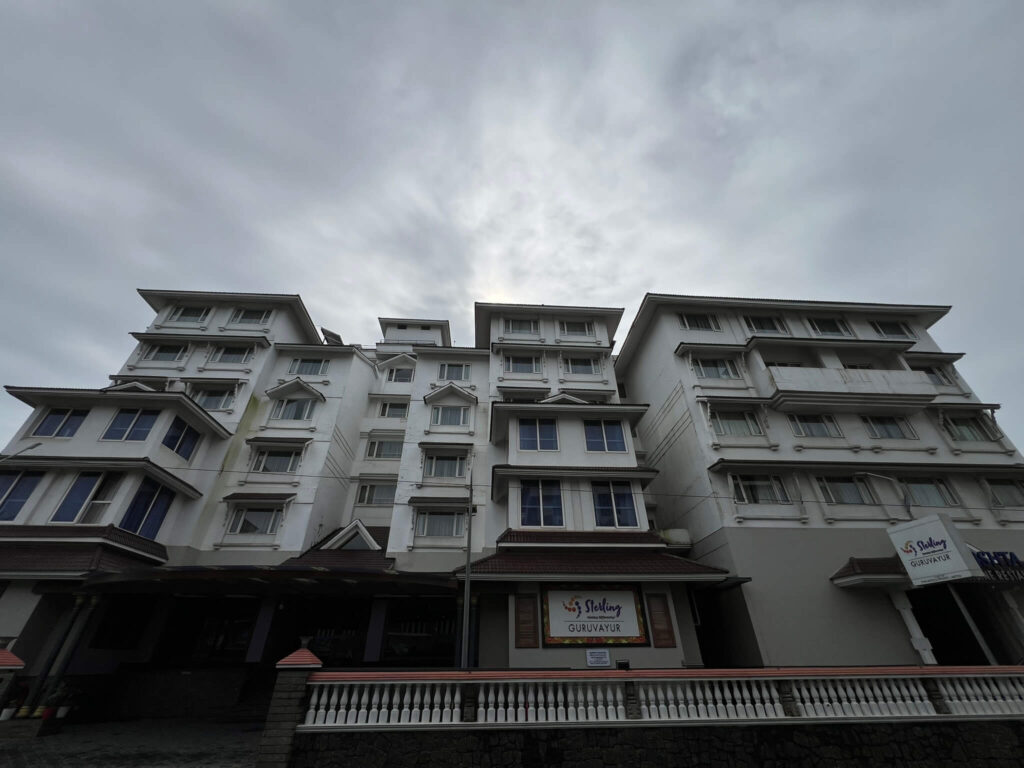
During this visit, we based ourselves in Guruvayur and chose to stay at ‘Sterling Guruvayur’, a convenient and comfortable option for families. The area offers a wide range of accommodation choices across budgets, making it easy for travellers to find a stay that suits their needs. Mamiyur temple was our first place of visit.
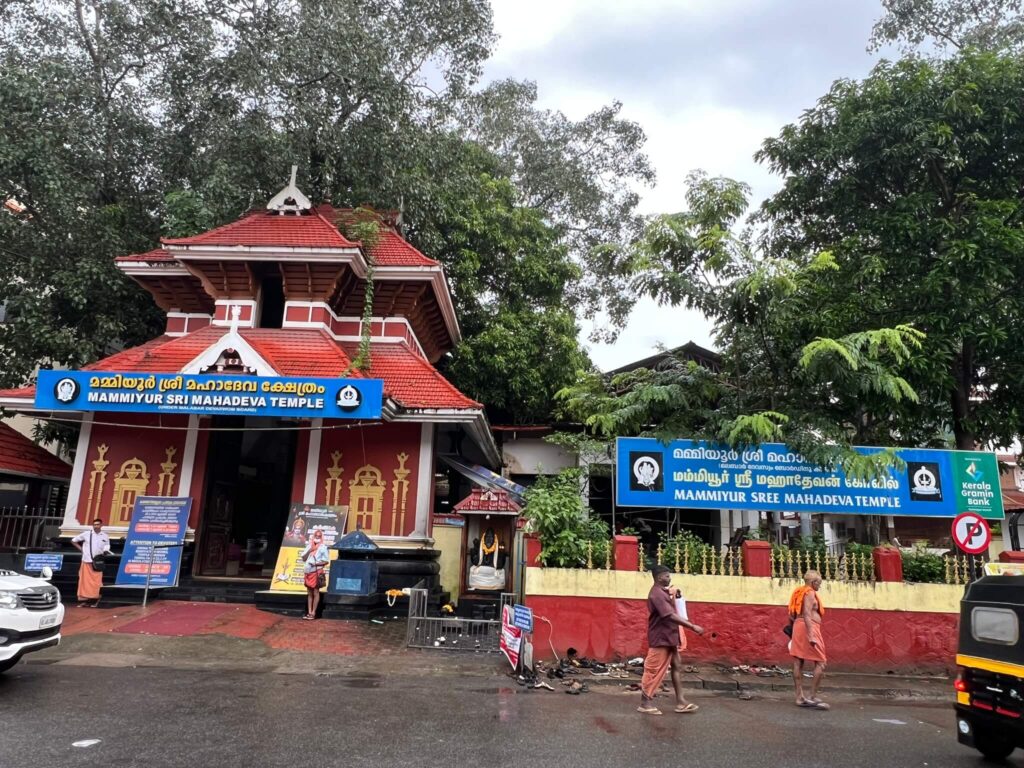
1) Mamiyur Sri Mahadeva Temple (Lord Shiva Temple)
Mamiyur Sri Mahadeva Temple typically opens from 4:00 AM to 12:30 PM and again from 4:30 PM to 8:00 PM, although visitors are advised to reconfirm the exact timings closer to their travel dates, as schedules may vary. After completing the early morning darshan at Mamiyur, we had our breakfast. This area is ideal for breakfast, with several vegetarian restaurants located within short distance.
Local tradition holds that a pilgrimage to Guruvayur is considered especially auspicious when devotees visit both the Guruvayur Sri Krishna Temple and Mamiyur Sri Mahadeva Temple on the same day, seeking blessings from Lord Krishna and Lord Shiva together. Mamiyur Sri Mahadeva Temple is revered as one among the 108 prominent Shiva temples in Kerala, adding to its spiritual importance for visitors and pilgrims alike.
Legends trace its origins to the Dwapara Yuga, when Lord Shiva, in meditation by Rudratheertha, yielded his site to Guru and Vayu for consecrating Krishna’s idol, earning the name Mamiyur from “Mahima” (greatness). Key festivals include Shivaratri, Thrissur Pooram, Onam, and Vishu, drawing crowds for vibrant rituals. Located just 500 meters from Guruvayur Temple, it offers a serene courtyard, clock room, and rest facilities for a peaceful visit.
There is also a beautiful pond nearby the temple. There is also a paid parking facility available at a walkable distance from the temple.
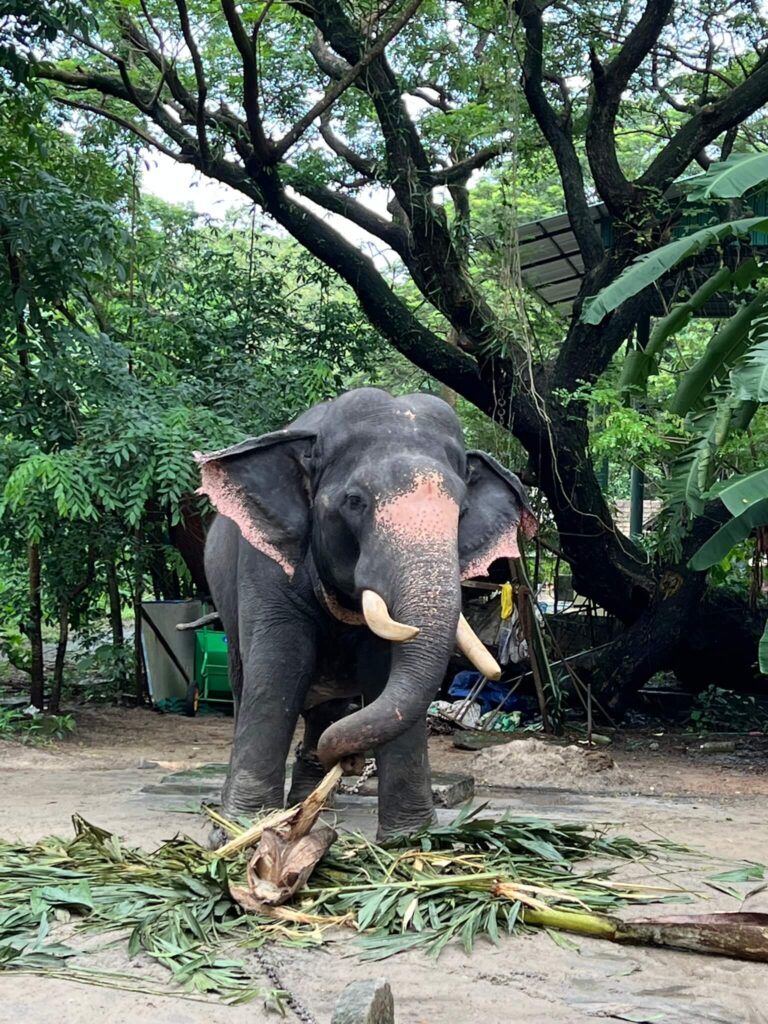
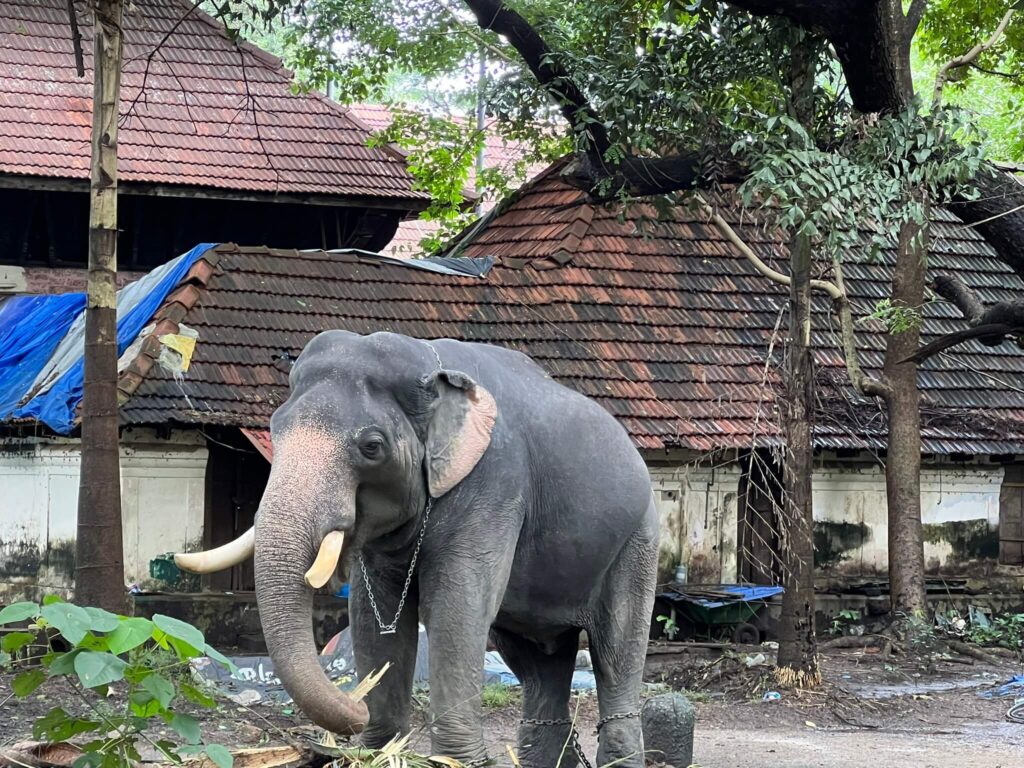
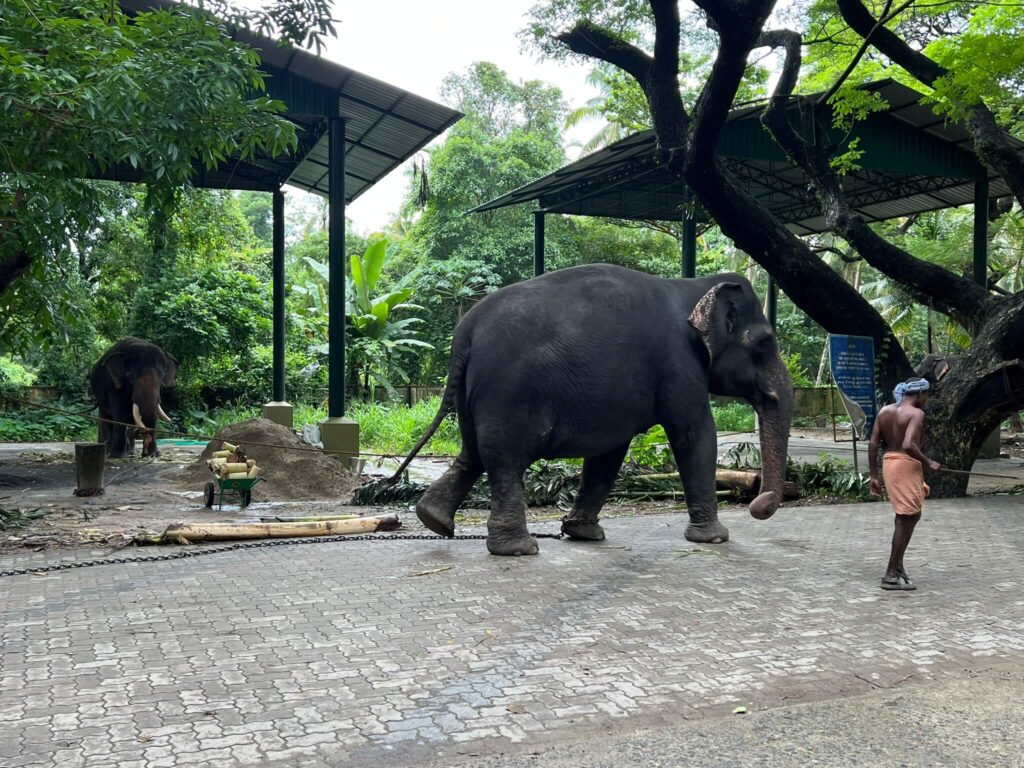
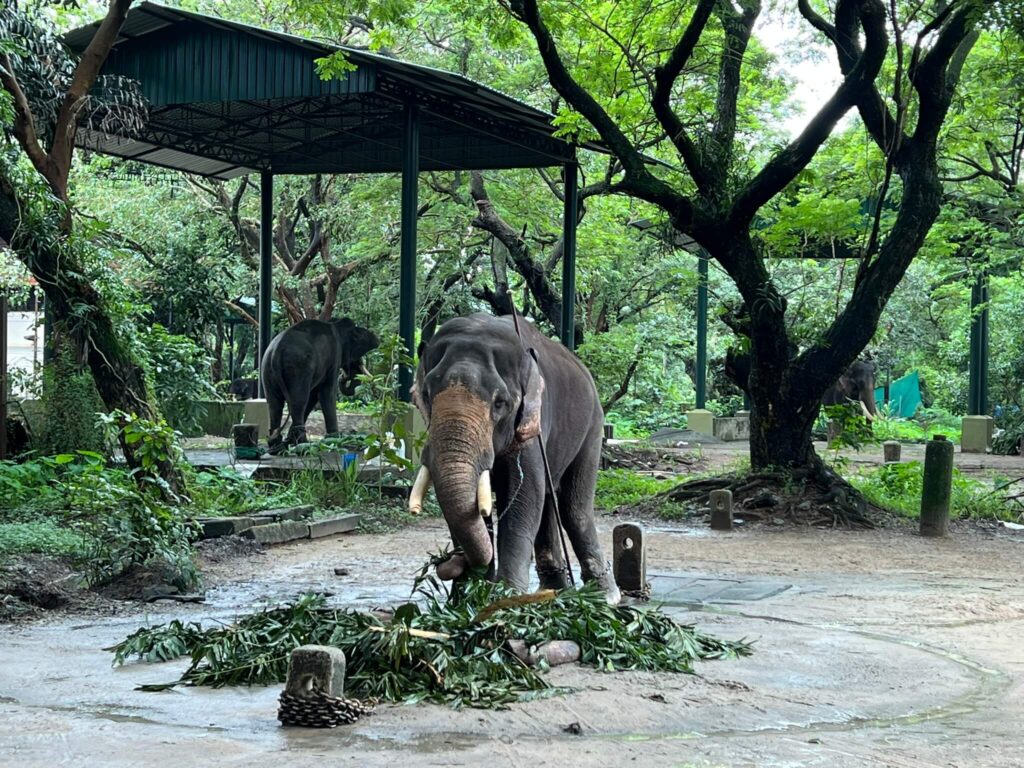
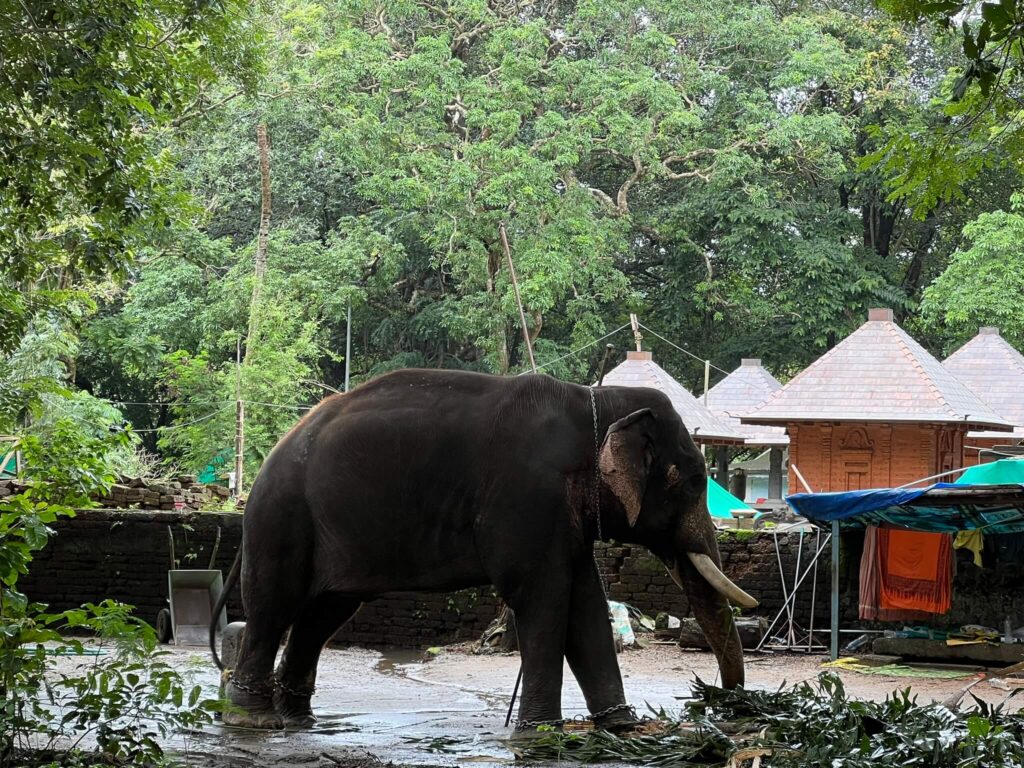
One of the essential must-visit attractions in Guruvayur is the renowned elephant sanctuary located near the temple, commonly known as Anathavalam or Punnathur Kotta (Elephant Camp). Situated just about 2 kilometres from Mamiyur Temple, this sanctuary houses over 35 elephants, most of whom have been donated by devotees to the Guruvayur Temple over the years. This makes it one of the largest temple-dedicated elephant sanctuaries in India.
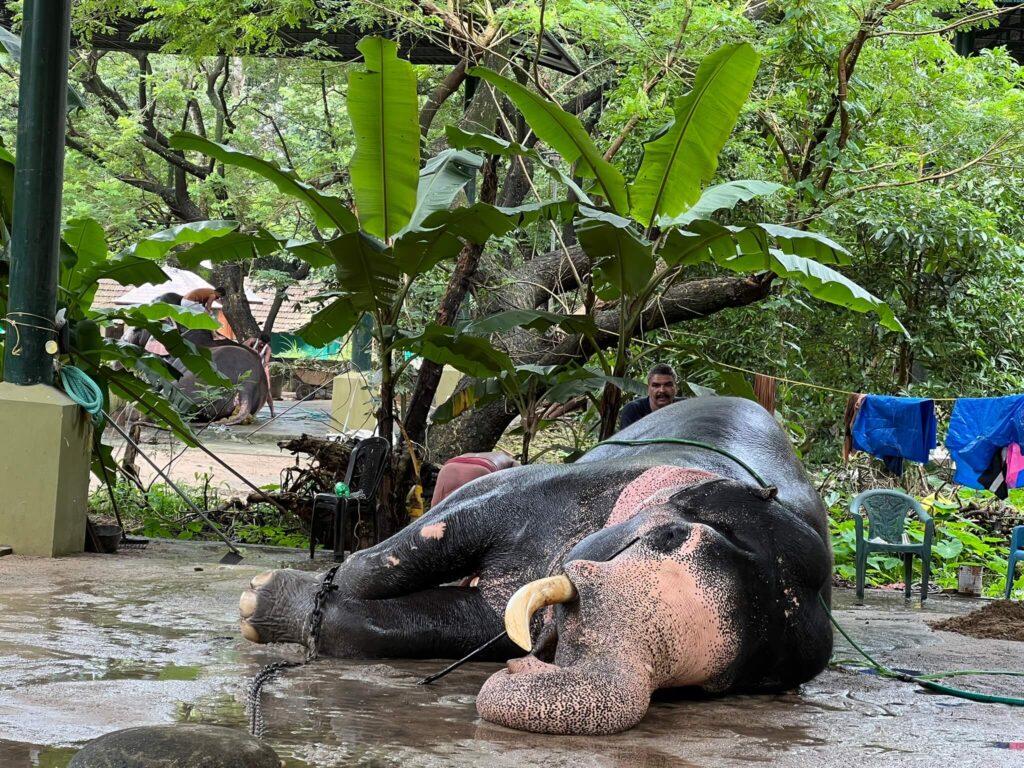
The sanctuary, set within the historic Punnathur Kotta palace—once the residence of a local ruler—now serves as a home and training center for these majestic elephants. It is also referred to as the “Palace for Elephants,” where the elephants are trained for temple rituals and participate in multiple festivals throughout the year, including the famous Thrissur Pooram. Visitors can watch the elephants being bathed, fed, and cared for, which is both a humbling and captivating experience that usually takes about an hour.
Punnathur Kotta is open daily from 9:00 AM to 5:00 PM, with an entry fee of ₹20 per adult. Photography with mobile cameras is allowed without additional charges. There is ample parking available, and tickets do not need to be booked in advance. It’s important for visitors to know that riding the elephants is not permitted; the sanctuary focuses on respectful observation and care.
The sanctuary is known for its lush green surroundings and Ayurvedic treatments provided to the elephants to maintain their health. The site also honors the legendary elephant Guruvayur Kesavan, celebrated for his service at the temple for over five decades. The sanctuary presents a beautiful blend of cultural history, wildlife conservation, and religious traditions, providing travellers a unique and immersive experience near Guruvayur Temple.
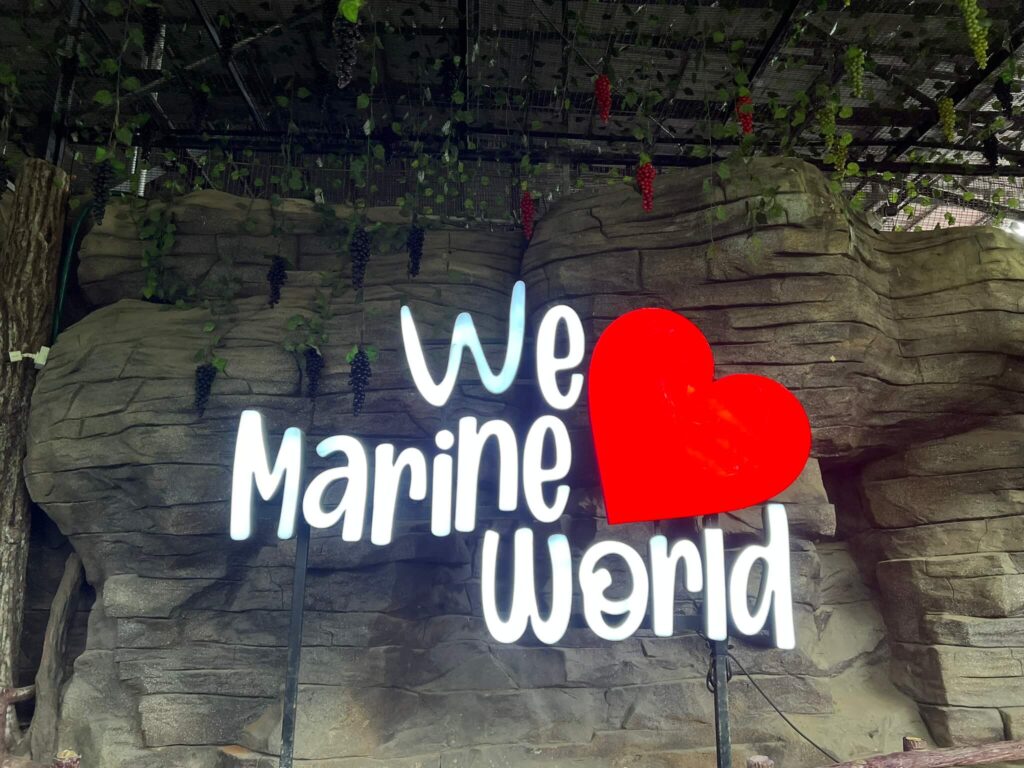
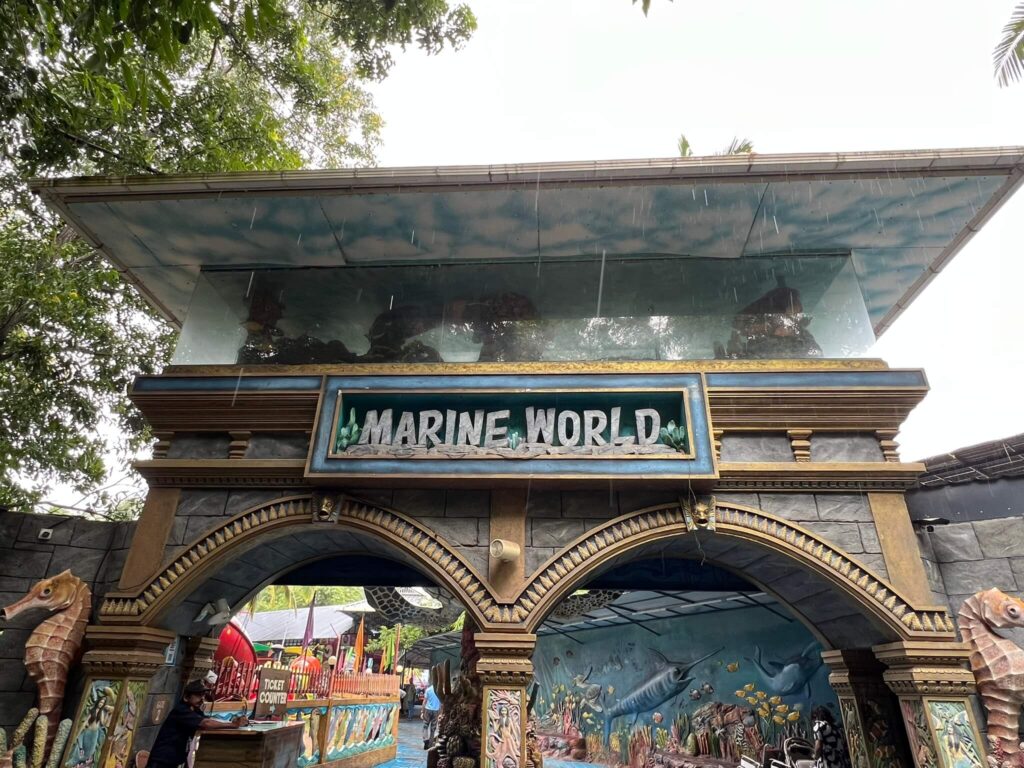
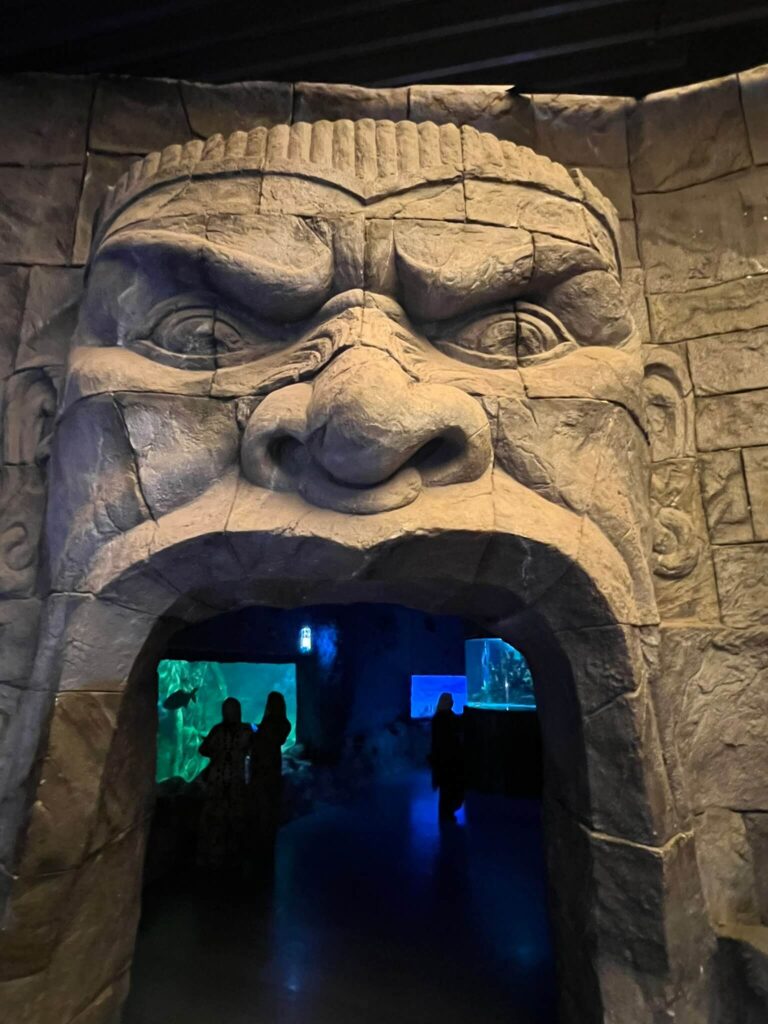
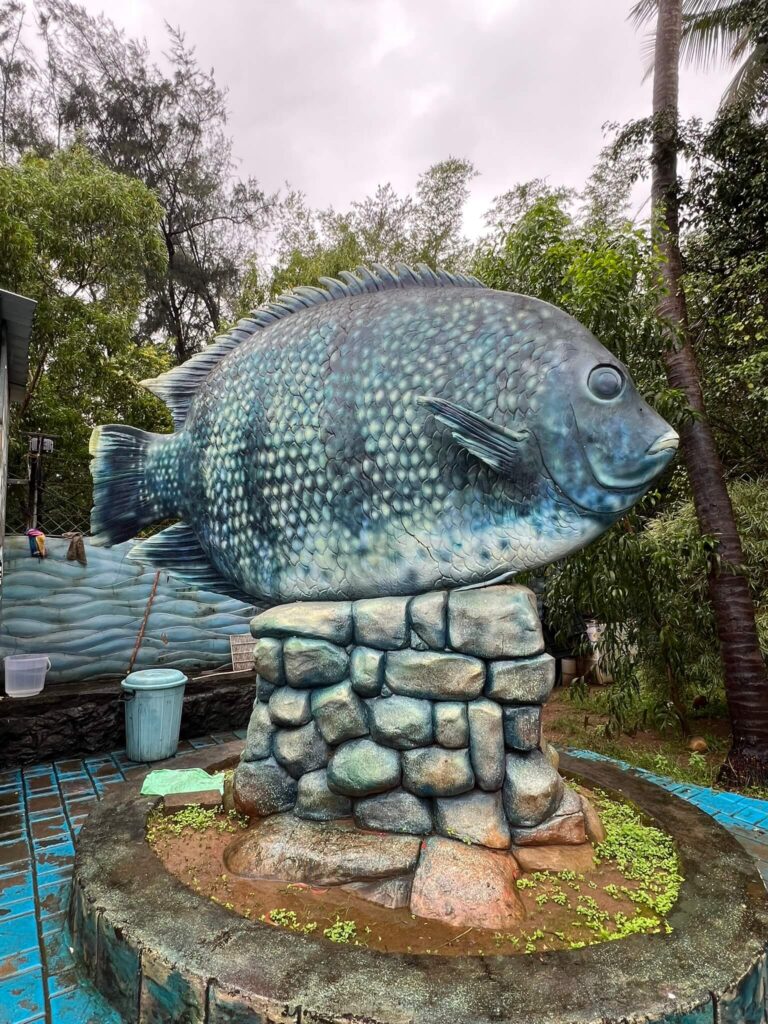
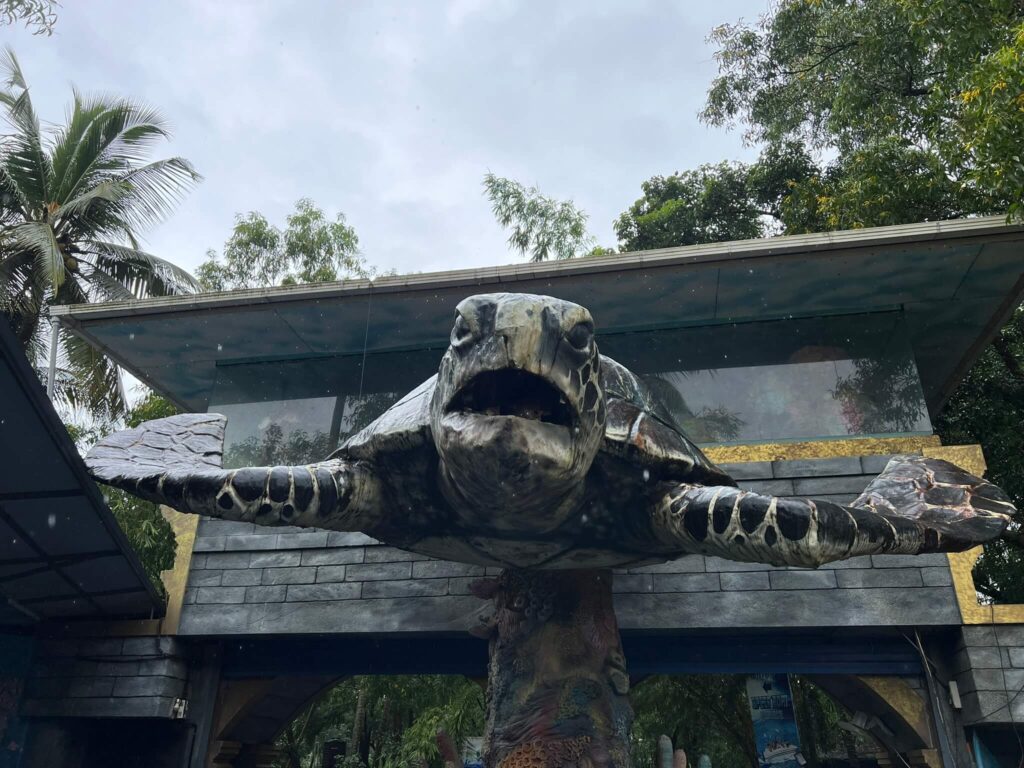
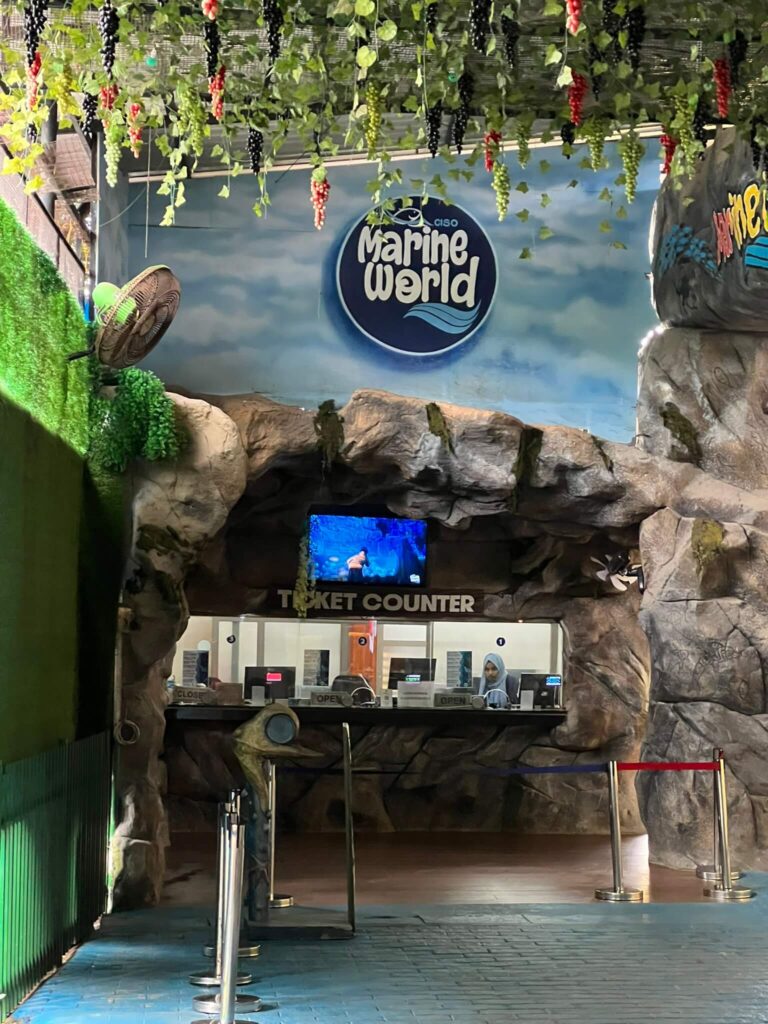
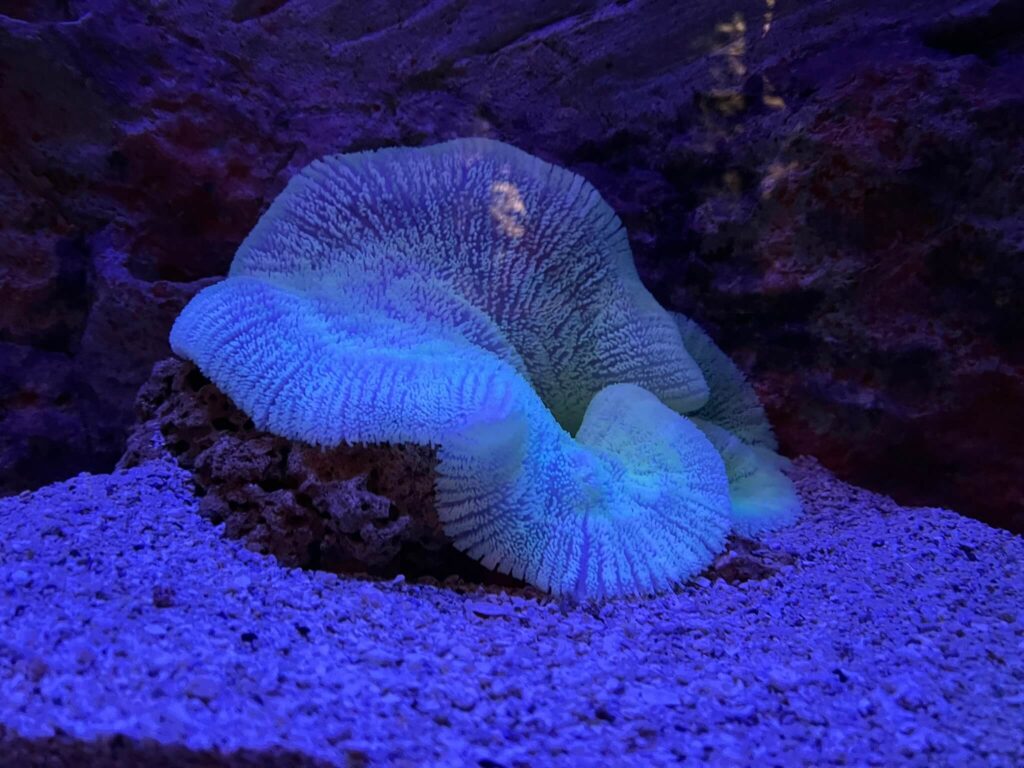
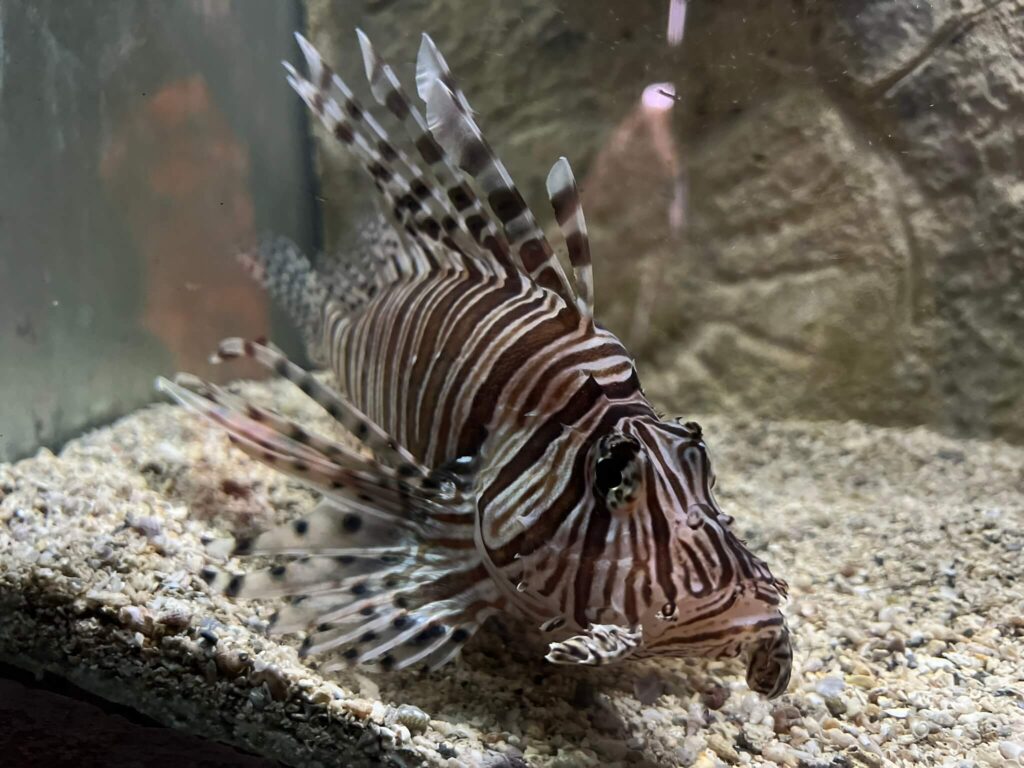
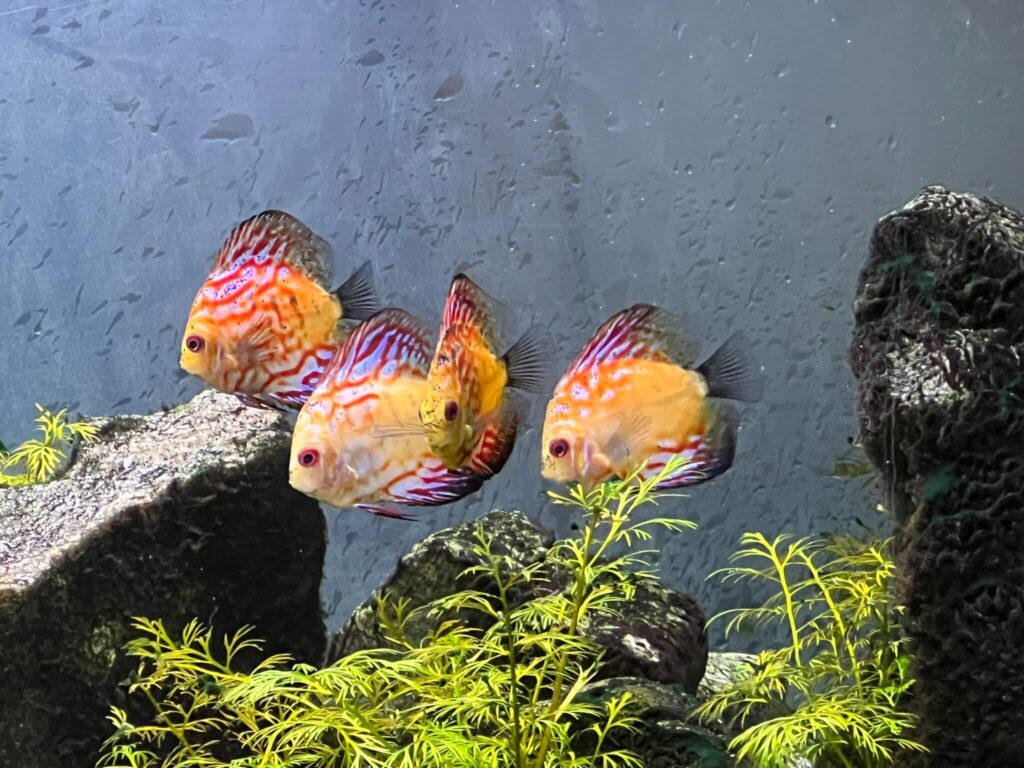
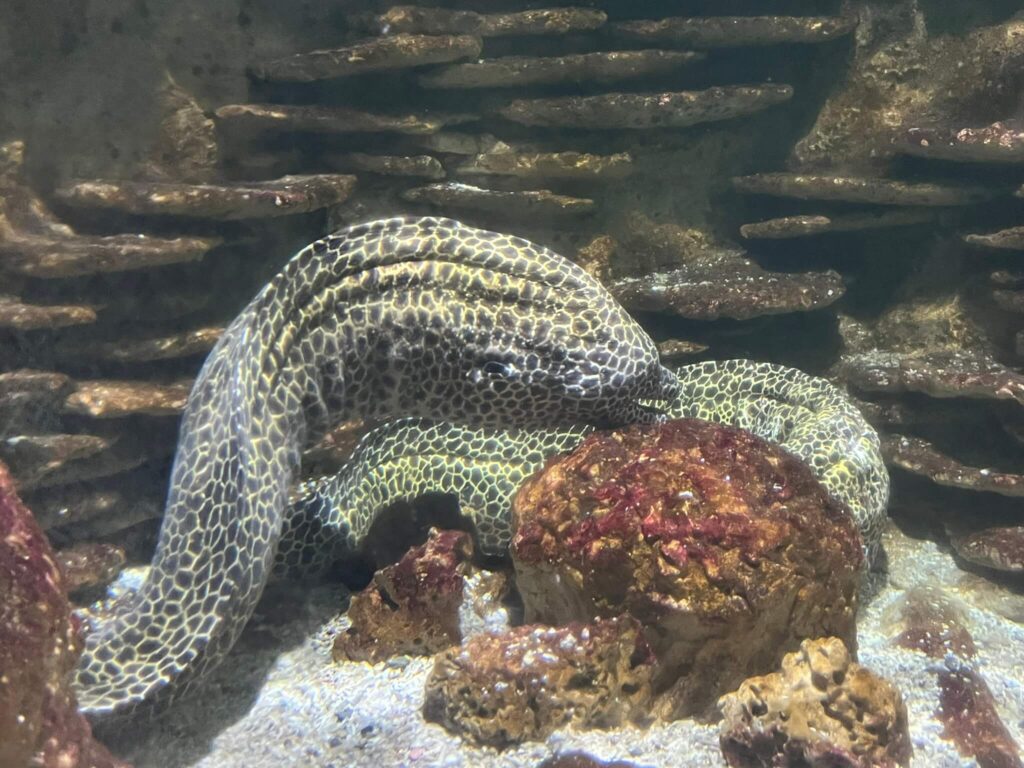
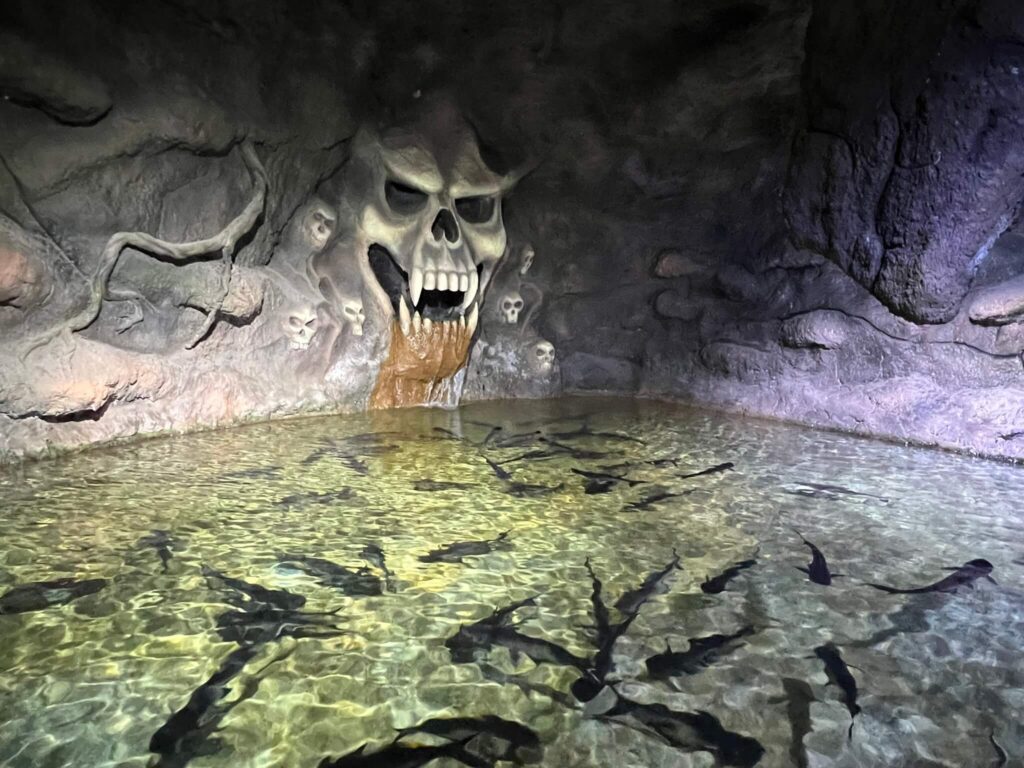
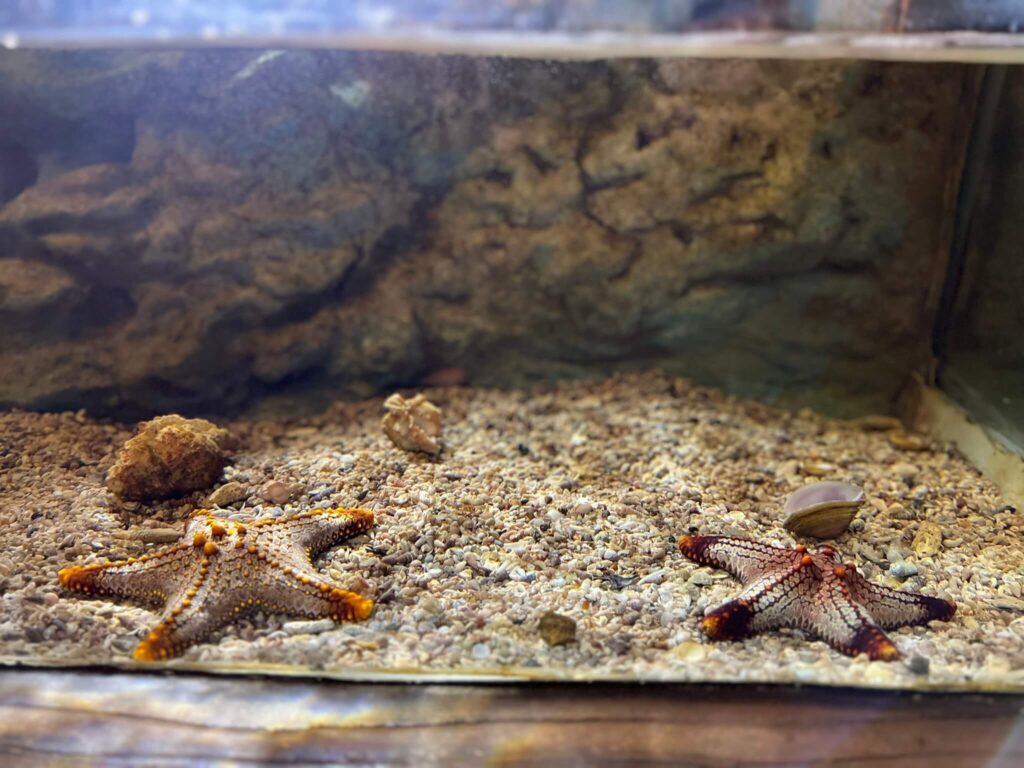
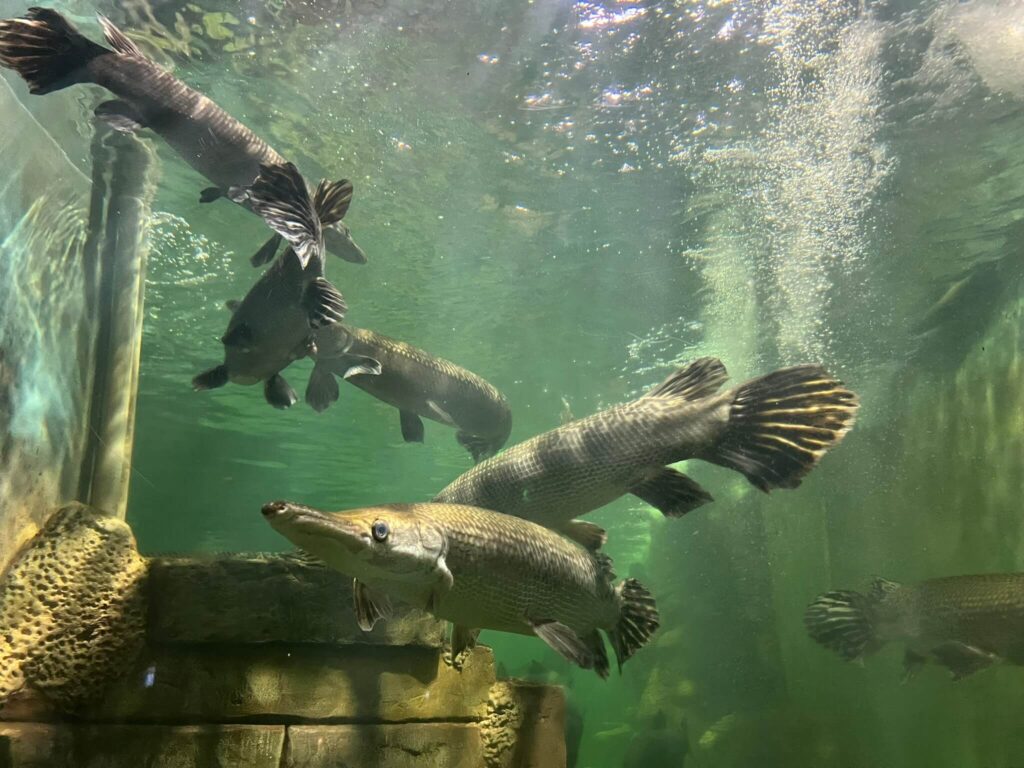
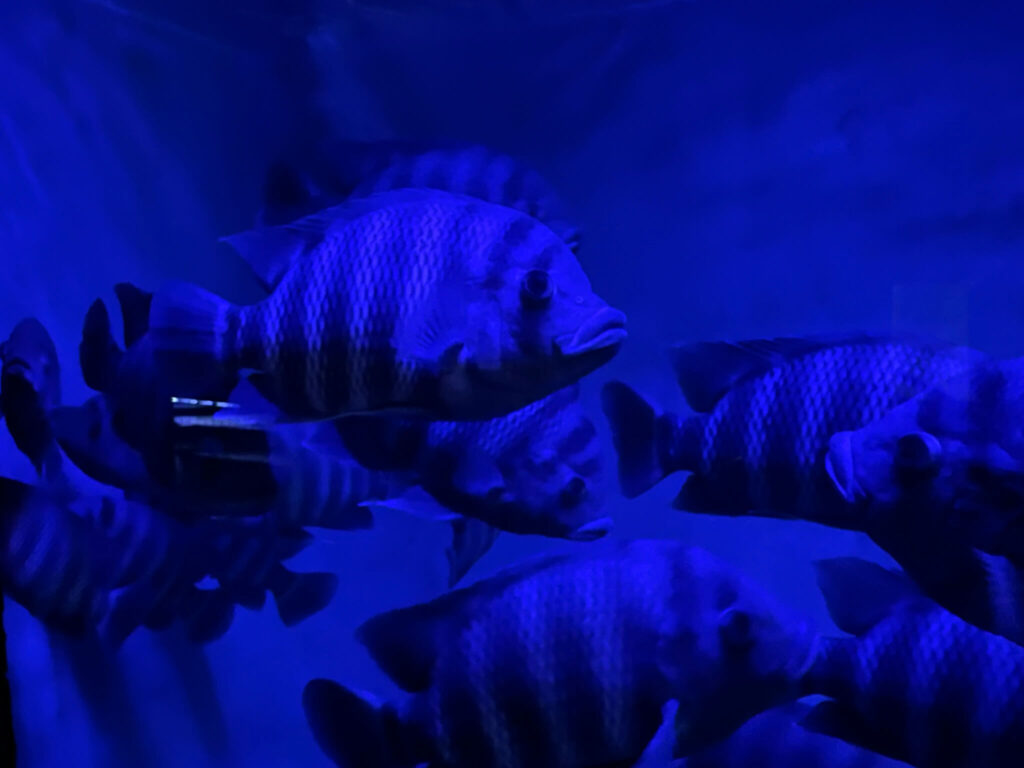
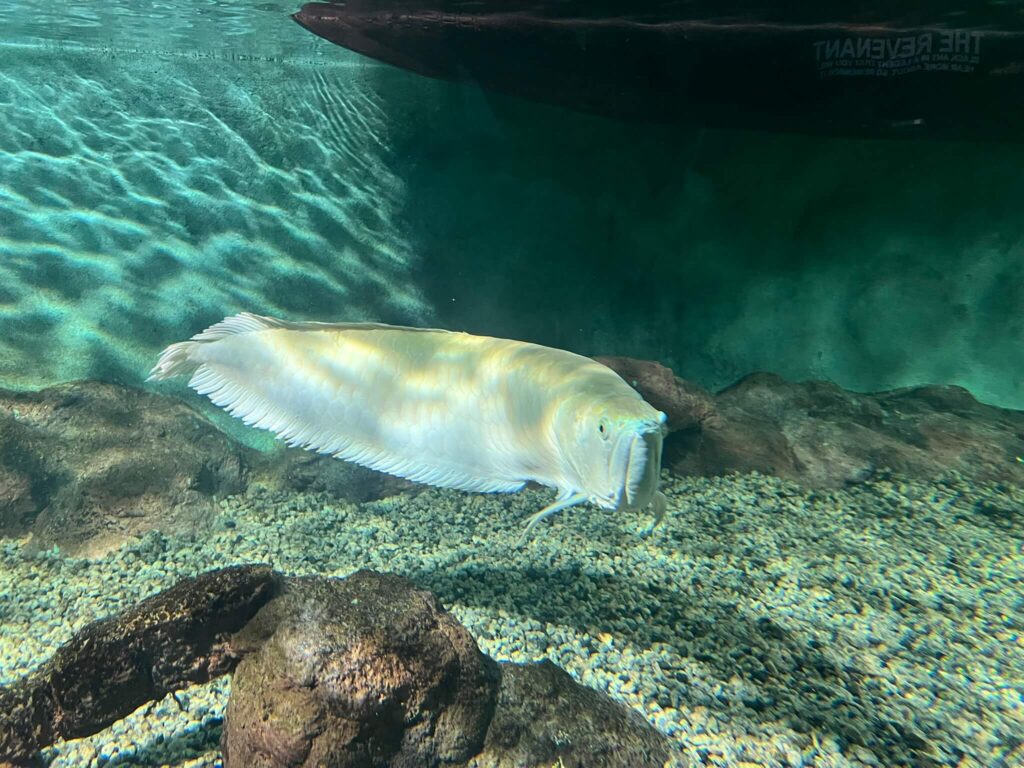
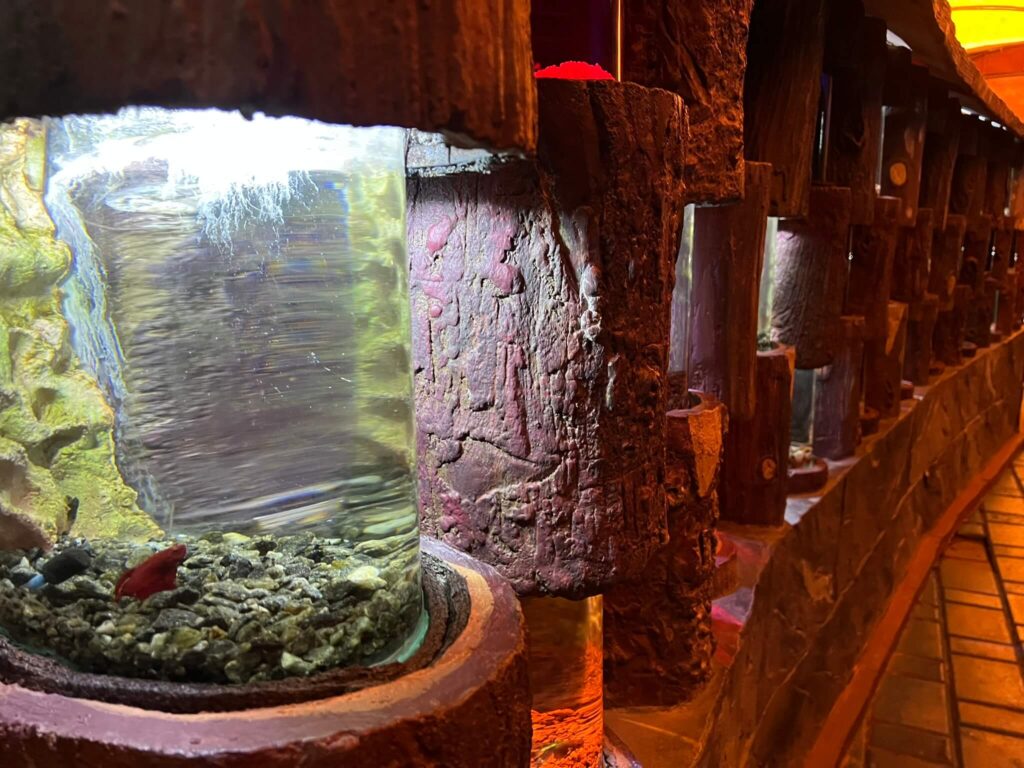
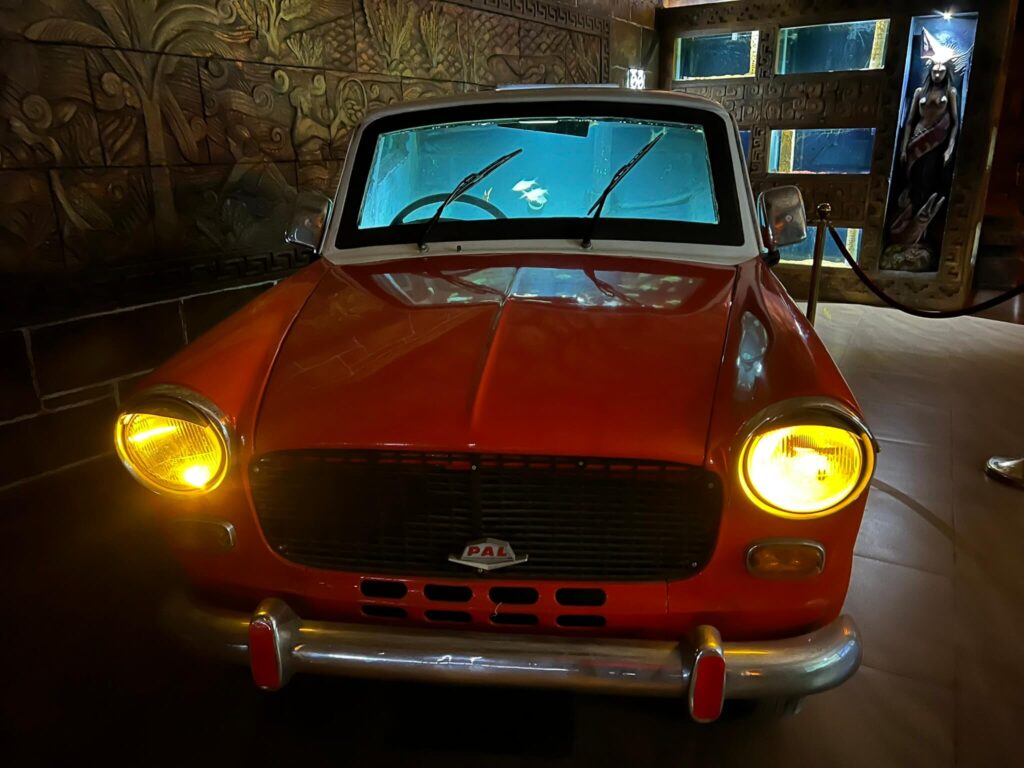
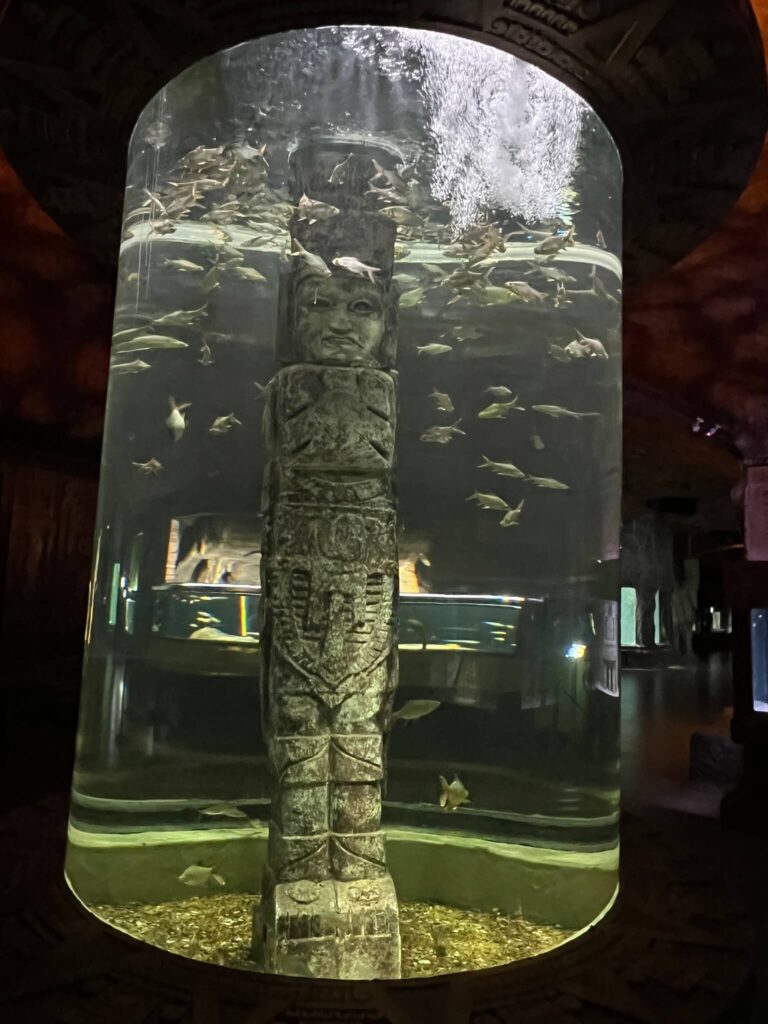
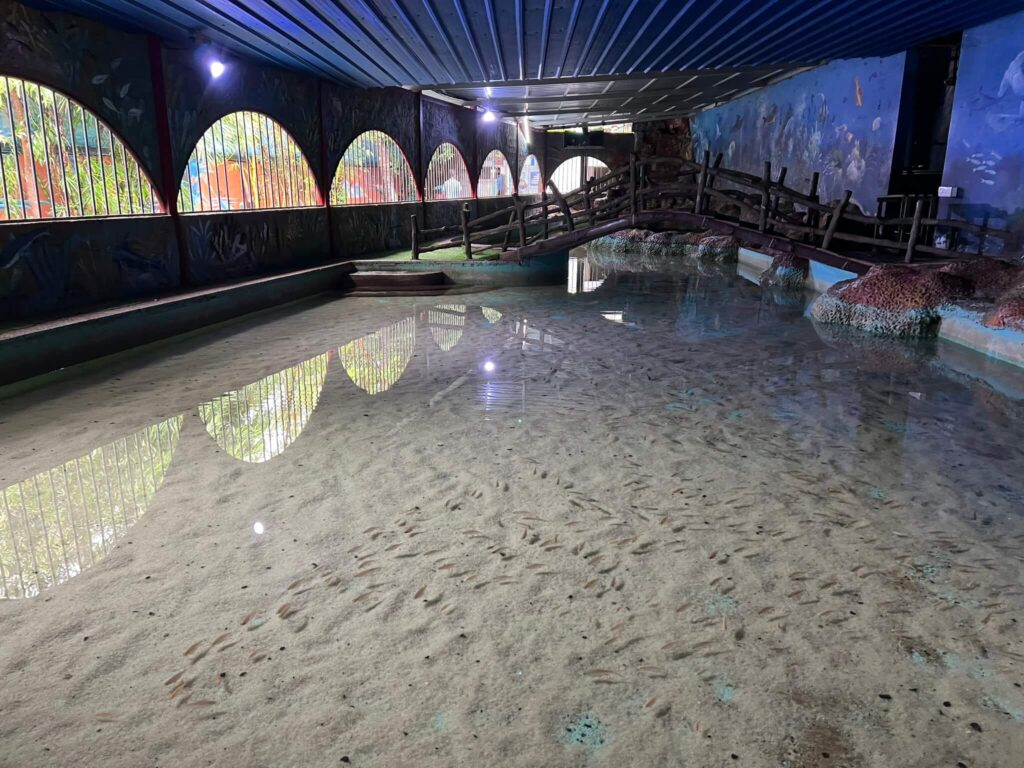
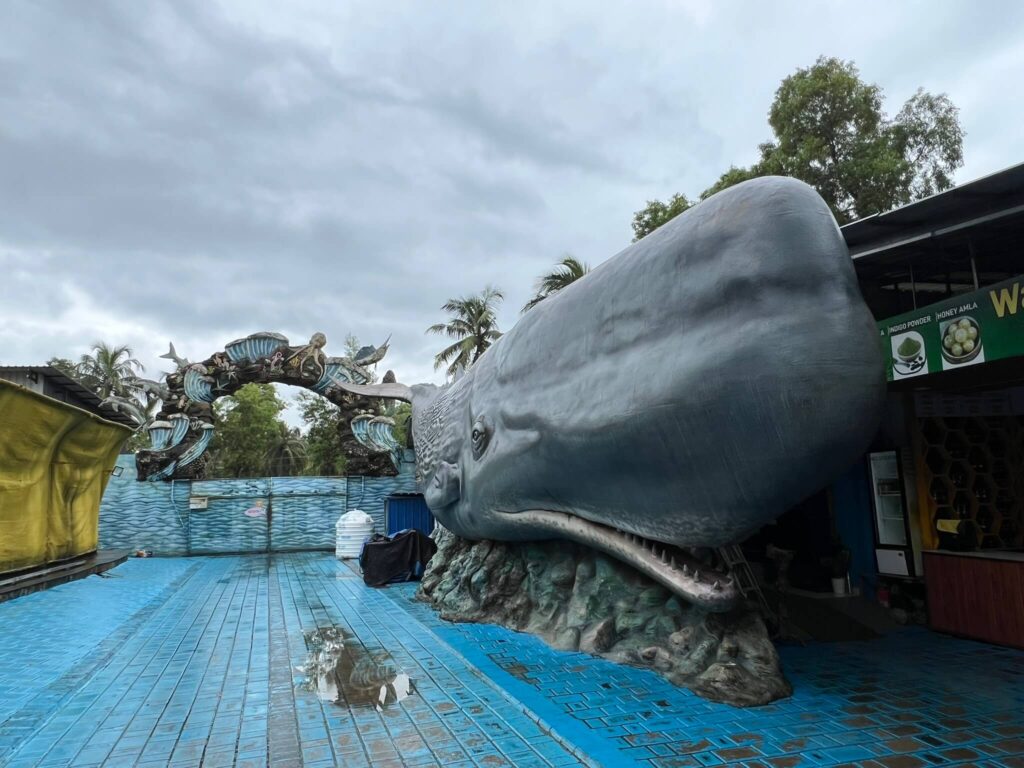
Approximately 7 km from Punnathur Kotta Elephant Sanctuary (and about 10 km from Guruvayur Temple), Marine World stands as India’s largest public aquarium, offering an immersive dive into oceanic wonders. Housed in creatively designed tanks—including underwater tunnels, cylinder aquariums, glass bridges, and a unique car aquarium—this attraction showcases over 300 species and more than 300,000 fish, from sharks and stingrays to arapaima, piranhas, turtles, and electric eels.
Started as a venture by Mr. Faisal R O and Mr. Nowsher Mohamed, Marine World is now under the partnership of many. The research for the institute started in 2000. The CISO Institute of Oceanic Studies Pvt Lmt. was started in 2007 by a team of expat businessmen and engineers, dedicated to the popularisation and awareness creation of the knowledge related to oceans, marine & freshwater animals. After much research and preparation, the Marine World Public Aquarium opened up on January 1, 2021 (Courtesy: Wikipedia).
The thoughtfully crafted exhibits with varied backdrops create a vibrant, non-monotonous experience that stands out among Indian aquariums, making it ideal for 2+ hours of exploration. They also entertain Exclusive school packages and group packages.
Timings: Generally, 10:30 AM to 6:30 PM daily
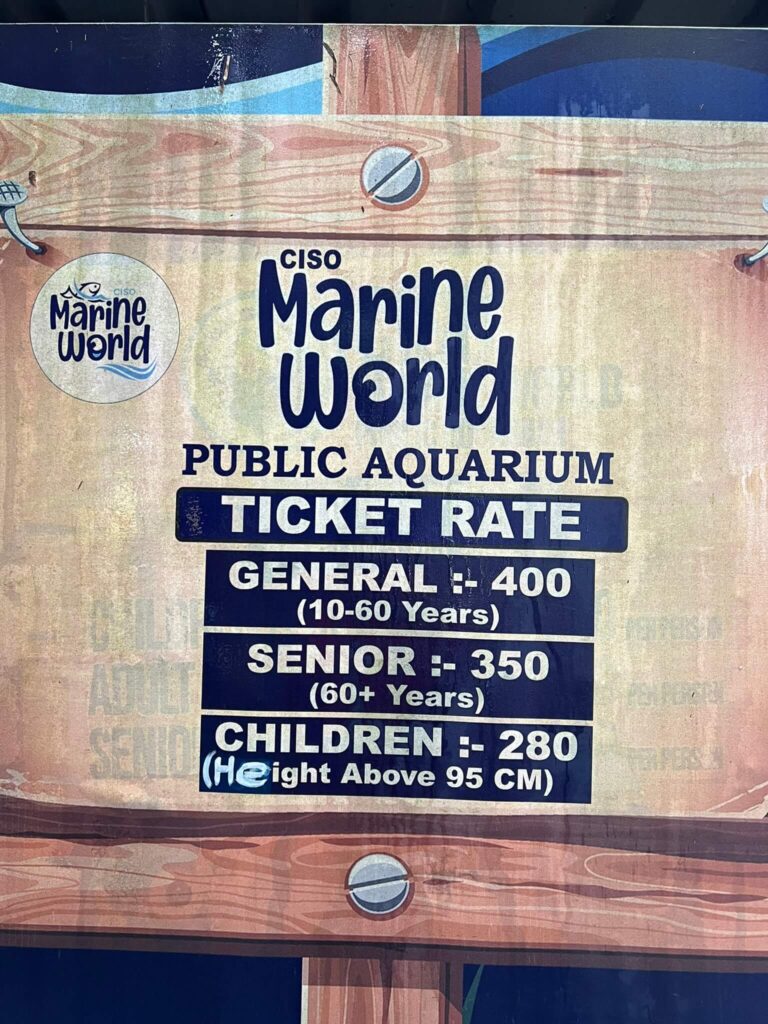
Tickets (counter-only, no online booking): ₹400 (ages 10-60), ₹350 (60+), ₹280 (children above 95 cm height); group/school packages available.
There are different attractions / options available:
Under Water Tunnel
Fish Feeding
Touch Pool
Artificial Rain Forest
Artificial Mangrove Forest
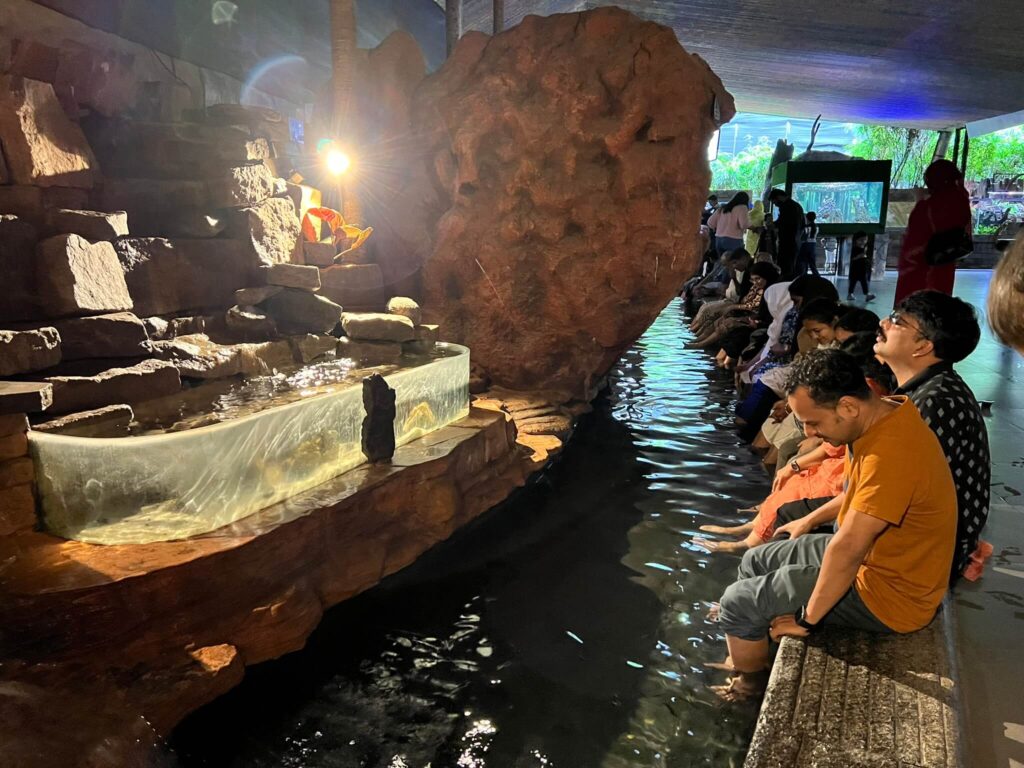
Fish Therapy
Fish spa (surprisingly, this was free of cost and is covered with the ticket cost)
Car Aquarium
Glass Bridge
Cylinder Aquarium
Live Fish Catching
Horror House
16D Cinema
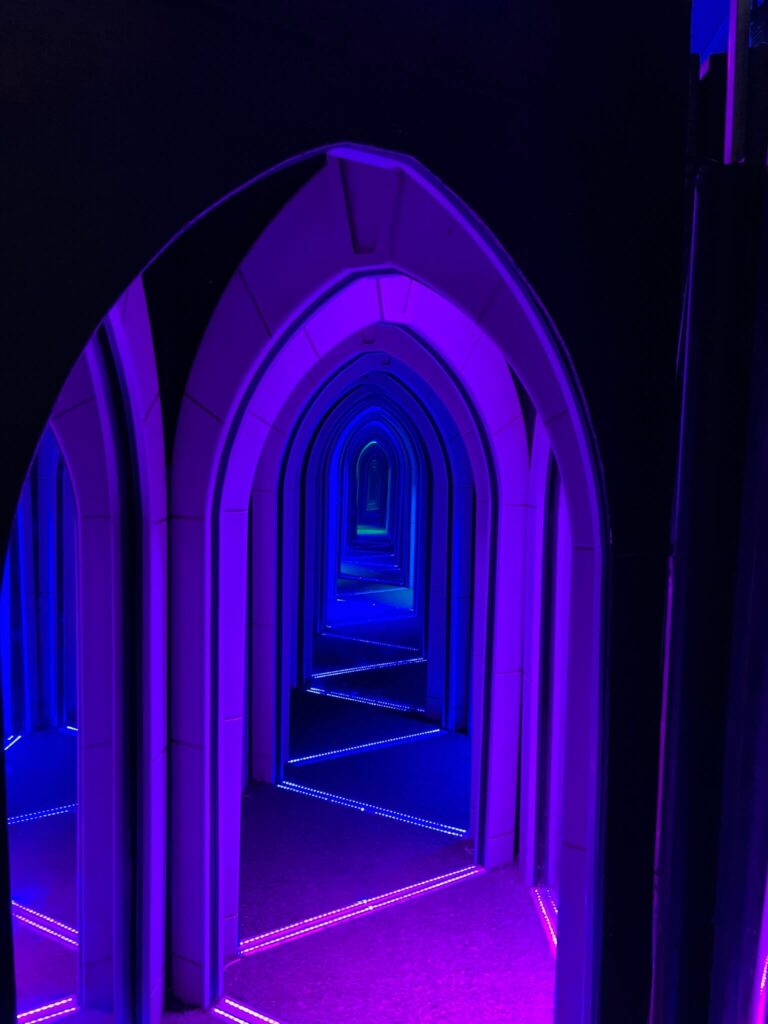
Mirror maze
Souvenir shop
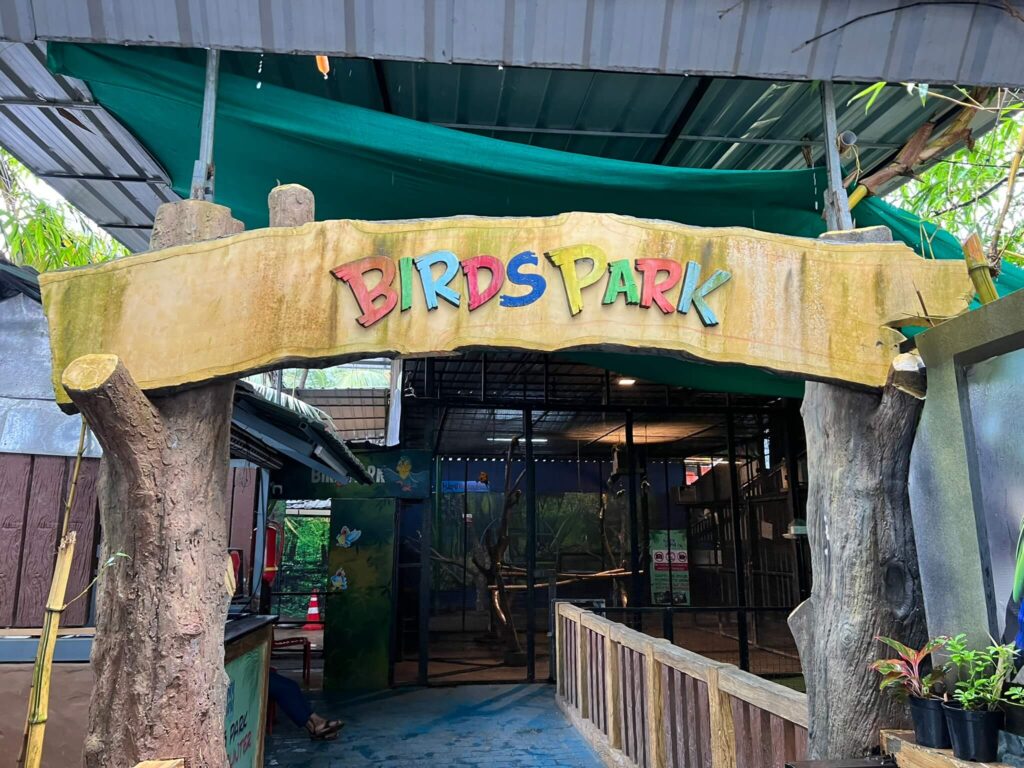
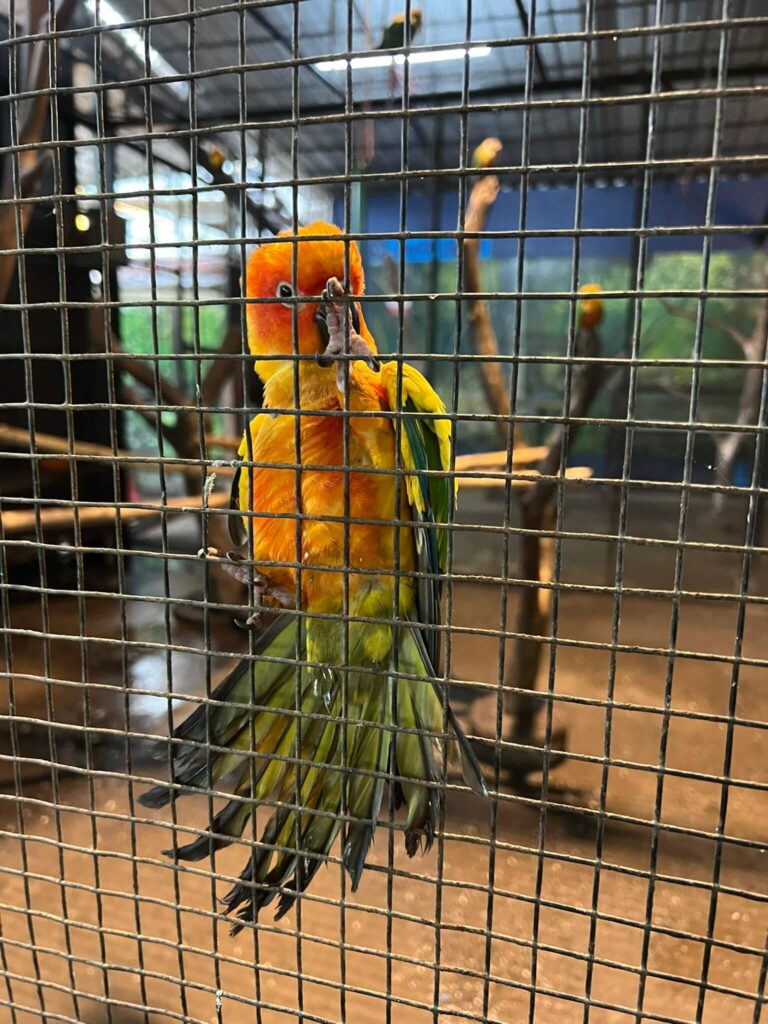
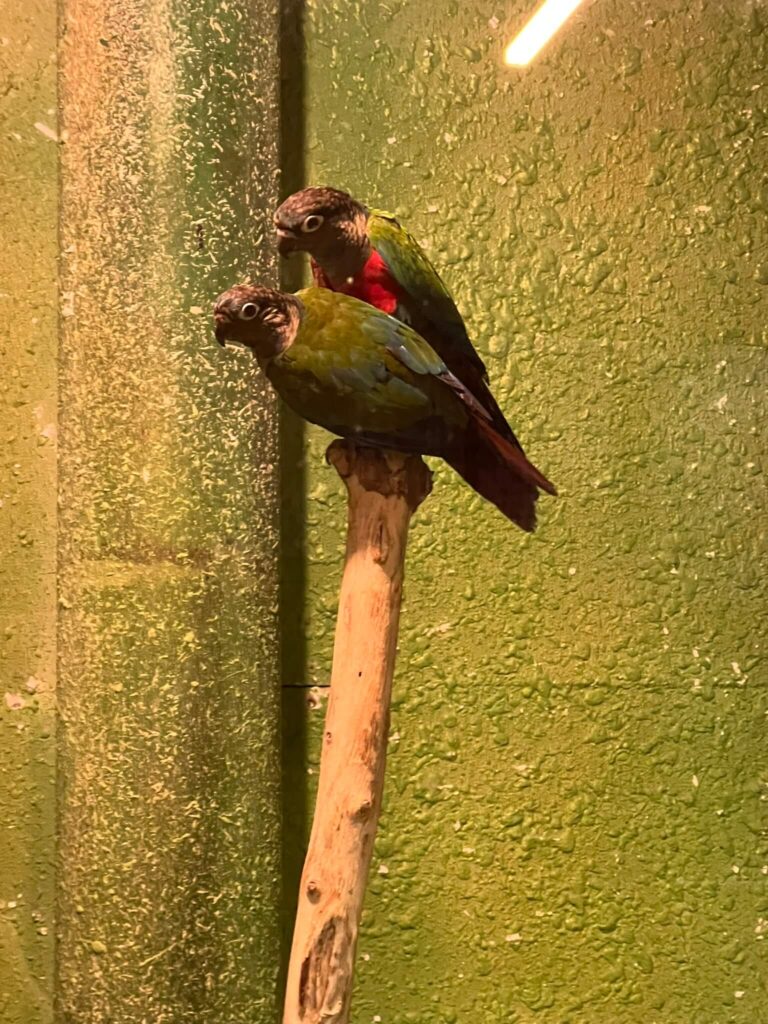
Birds’ Park (You can feed birds here)
Animal’s park
Horror House
16D Cinema
Mirror maze
Souvenir shop
Train
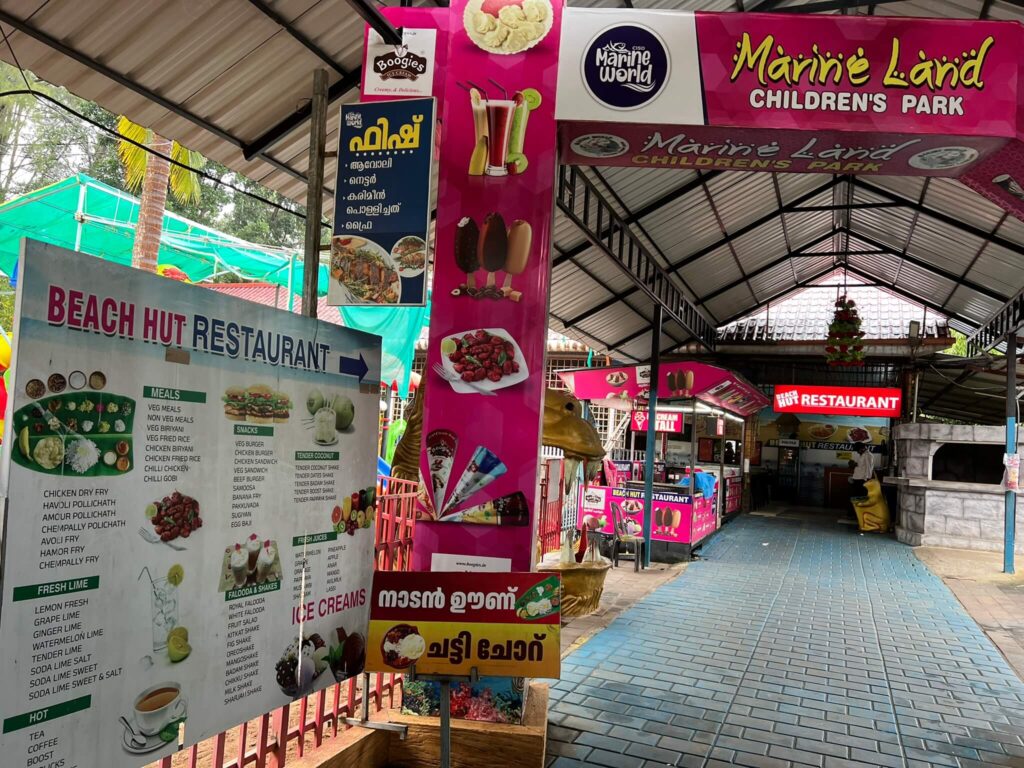
Children’s park
Restaurant
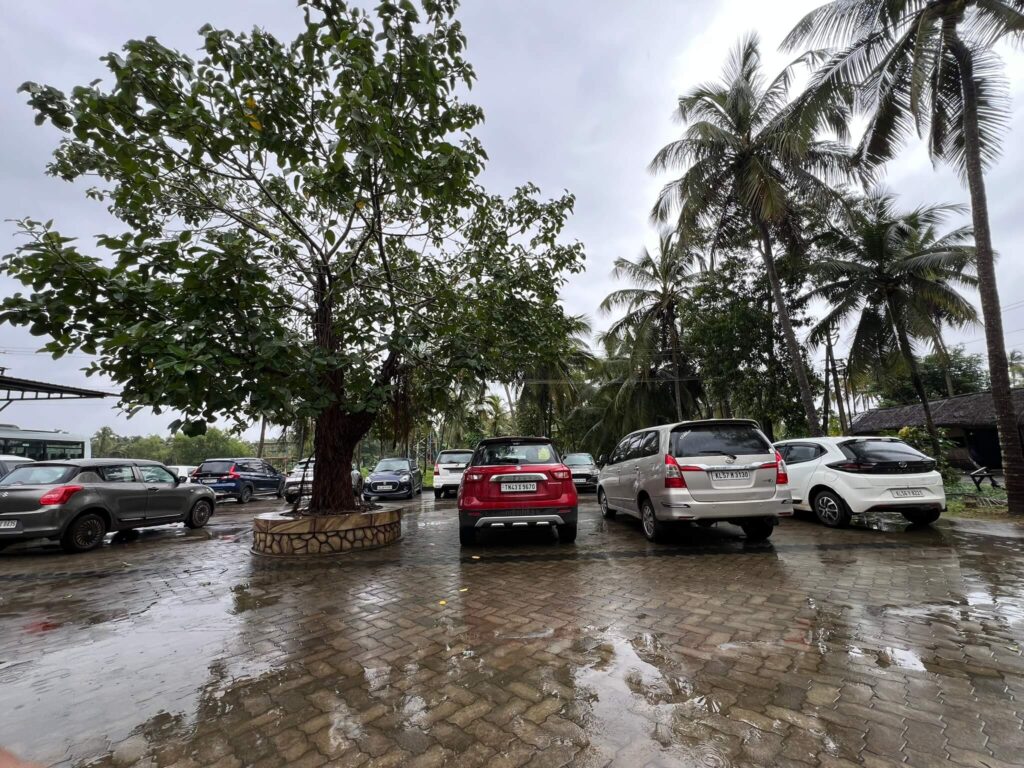
More details can be found in: https://marineworld.in/ There is also plenty of parking available here.
NOTE: Despite the strong word-of-mouth reputation this place enjoys, its presence on social media remains quite limited. For instance, on TripAdvisor, there are barely ten reviews—surprisingly few for a destination of such appeal. The management could benefit from exploring new-age digital and social media marketing strategies to enhance visibility and attract visitors beyond Kerala. With the right online engagement, this hidden gem has the potential to become a must-visit destination for travellers everywhere.
4)Panchavadi beach
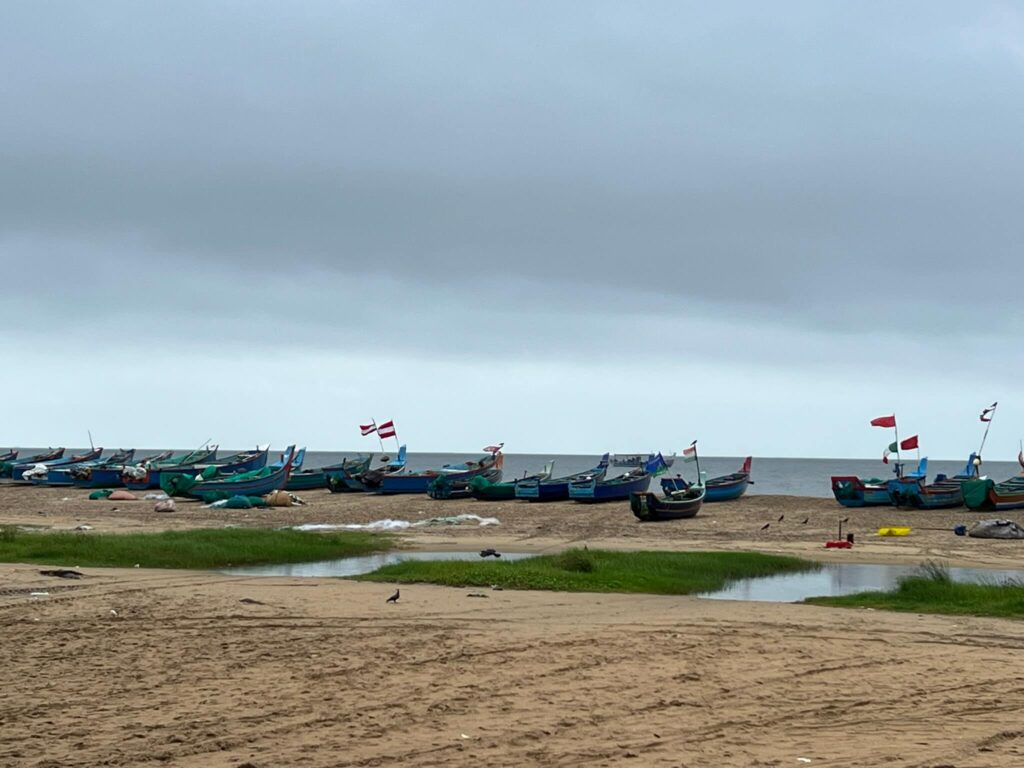
Panchavadi Beach is one of Thrissur’s lesser-known coastal treasures, offering a serene escape from the fast pace of urban life. Tucked away from the crowds, this beach is perfect for travelers seeking peace, natural beauty, and a touch of discovery. Its long stretch of golden sands, framed by swaying coconut palms and lush greenery, creates an inviting setting for a leisurely walk or quiet reflection by the sea.
Located within walking distance from the Marine World Public Aquarium , Panchavadi Beach is easily accessible yet retains its unspoiled charm. Visitors can plan a short stopover after exploring Marine World.
Lunch:
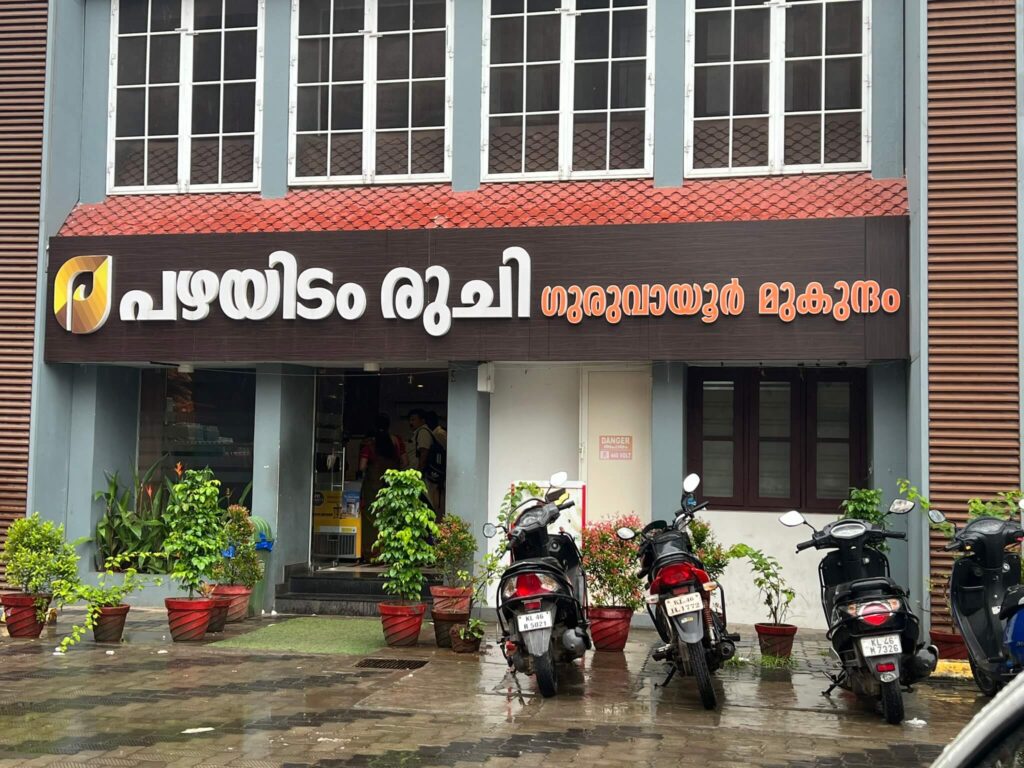
We had our lunch at ‘Pazhayidam Ruchi Guruvayur’.
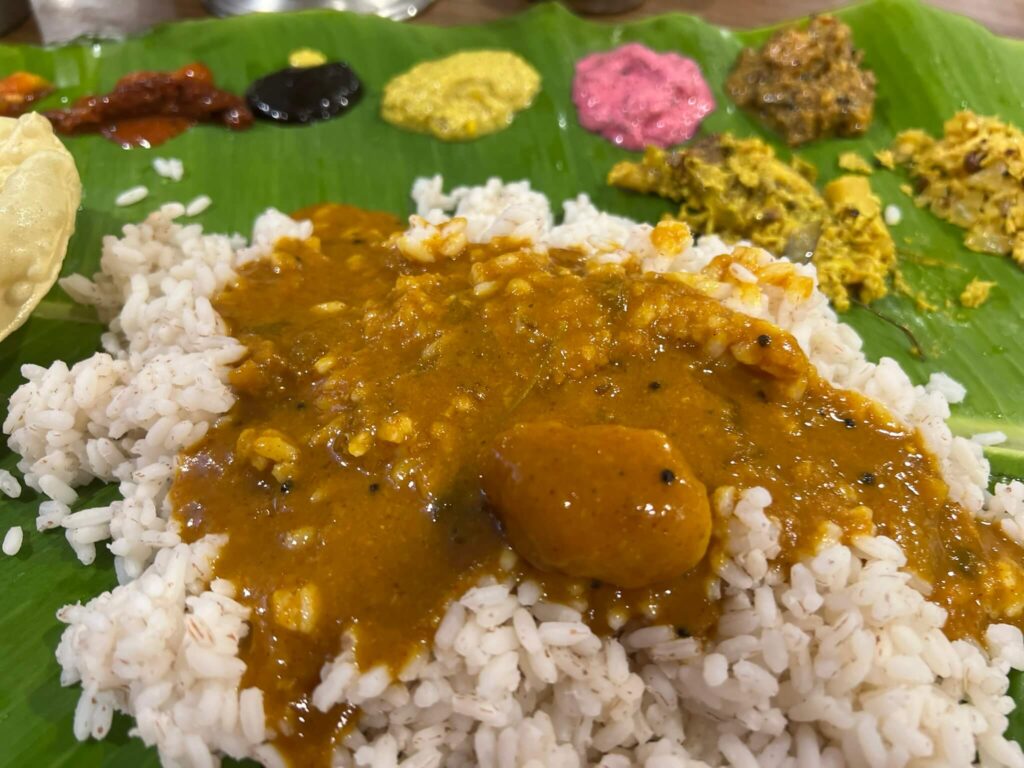
We stopped for lunch at Pazhayidam Ruchi in Guruvayur, a popular spot known for its traditional Kerala cuisine. The highlight here is the authentic Kerala Sadhya, a wholesome vegetarian feast served on a banana leaf that truly captures the essence of local flavors. Each dish is prepared with care, offering the perfect balance of taste, aroma, and presentation.
The restaurant maintains a clean and welcoming ambience, making it a pleasant stop for families and travellers visiting nearby attractions such as the Guruvayur Temple. Service is friendly and efficient, and the food is served fresh, often with seasonal ingredients that enhance the overall experience. For those who enjoy exploring regional cuisine, Pazhayidam Ruchi is a must-try destination to experience the soulful comfort of home-style Kerala cooking.
There are parking facilities nearby the restaurant. There is also a pay and park facility available within a walking distance.
Short break at Sterling Hotel:
After lunch, we returned to Sterling Guruvayur to freshen up and relax. This brief interlude also allowed us to change into attire compliant with the Guruvayur Temple’s strict dress code, which mandates traditional clothing to honour its sacred traditions.
NOTE: In case if you would like to follow up the itinerary, it will be good to book a hotel in Guruvayur.
5) Guruvayur Sri Krishna Temple (Kerala’s Dwarka of the South):
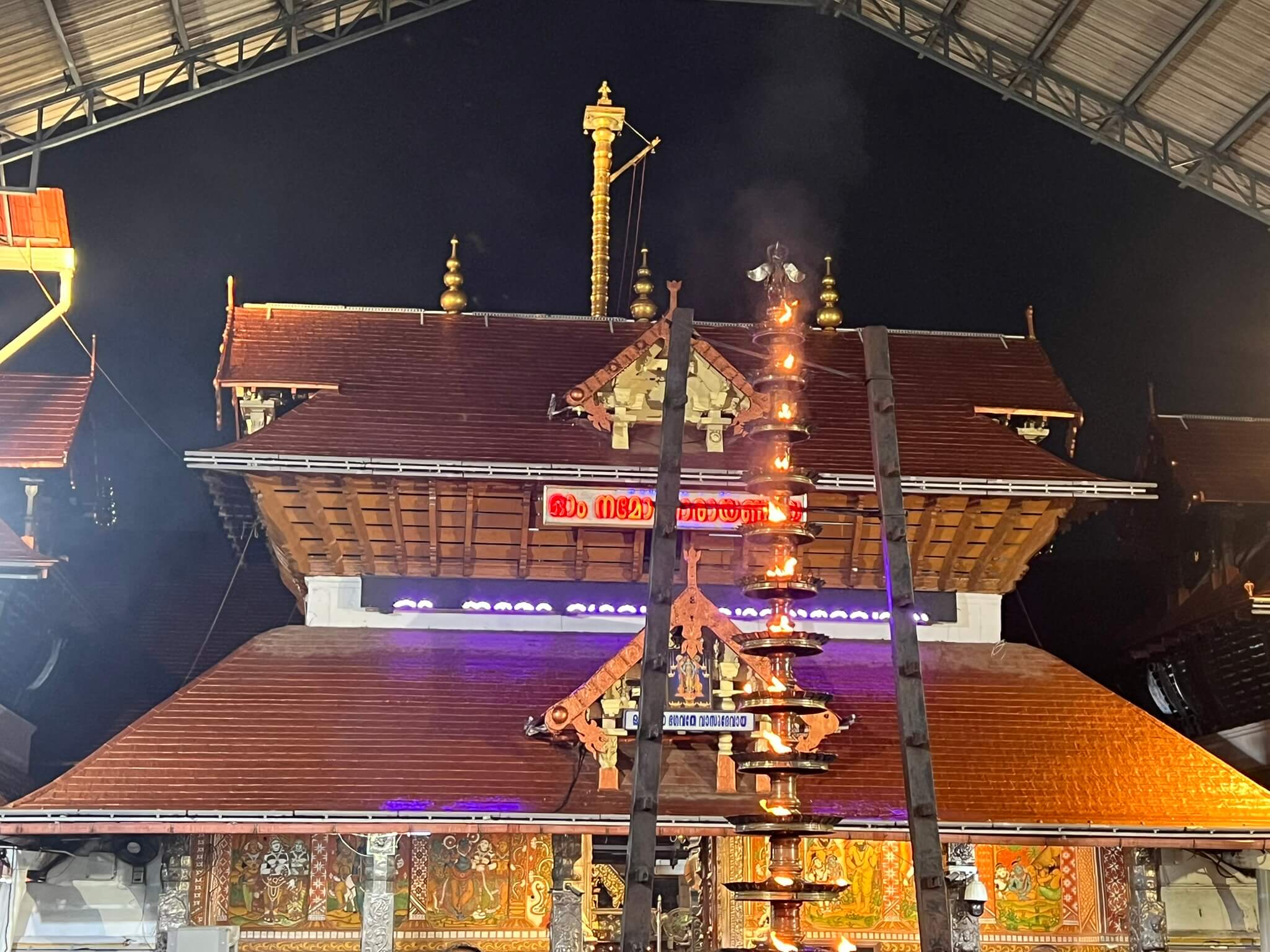
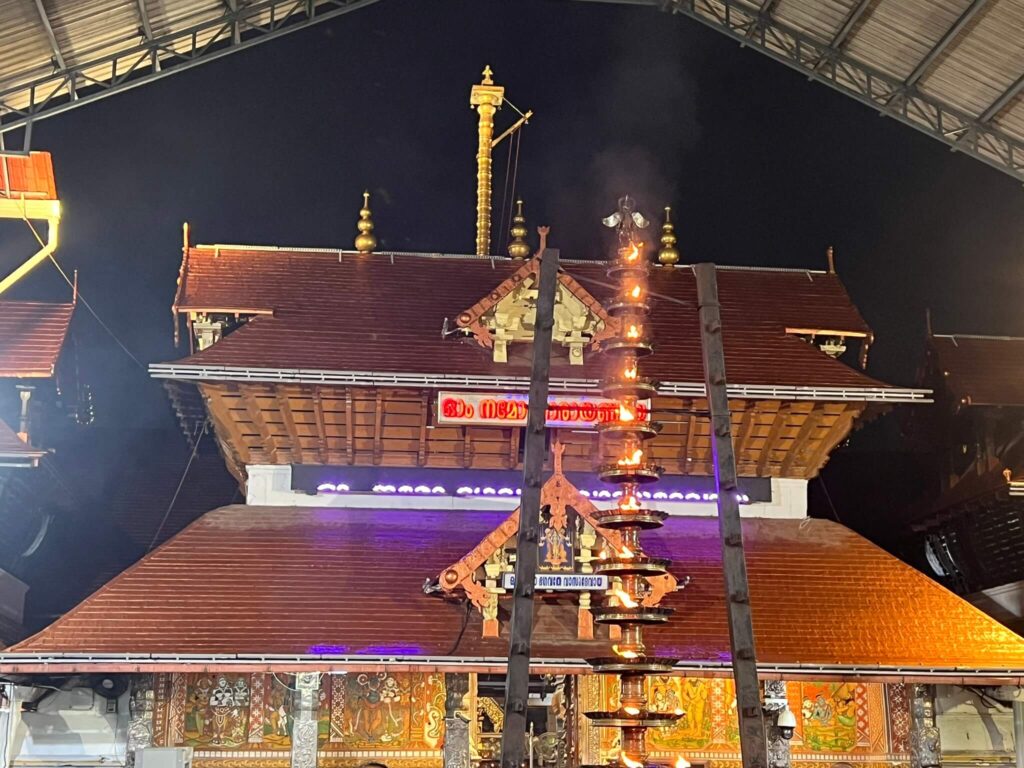
Guruvayur Temple, dedicated to Lord Guruvayurappan (a form of Lord Krishna as baby Vishnu), draws thousands daily for prayers and wish fulfillment, creating a perpetual festival atmosphere. Revered as one of Kerala’s most sacred sites and the “Dwarka of the South,” it houses a 5,000-year-old idol believed to have been worshipped by Krishna in Dwarka before being relocated by Guru and Vayu, hence its name. The temple’s Kerala-style architecture features sloping tiled roofs, carved wooden panels, and a towering gopuram, enveloping visitors in Vedic chants, incense, and spiritual energy.
Essential Timings and Darshan Tips:
The temple opens at 3:00 AM and closes at 9:15-9:30 PM, with a break from 1:30-4:30 PM; confirm exact times via the official site as they vary during festivals. Key events include morning Seeveli (elephant procession) at 6:15-7:00 AM and evening at 4:45-5:00 PM, plus Deeparadhana at 6:00 PM—aim for 4:30 PM darshan per your itinerary to avoid peak crowds. Broad shaded walkways protect from rain and sun; expect long queues for free annadanam (prasadam lunch) from the mega kitchen above the temple pond, serving 5,000 daily.
Guruvayur Temple enforces a strict dress code typical of South Indian temples to uphold sanctity. Men must wear plain white or cream dhoti (mundu) without shirts, optionally covering the upper body with an angavastram; trousers, jeans, or T-shirts are prohibited. Women require sarees, salwar kameez, or long skirts with blouses—leggings, shorts, or modern outfits not allowed; girls under 12 may wear pavada or frocks. Boys under 12 can wear shorts but enter bare-chested; rentals and changing rooms available at entrances.
B. Queue and Accessibility Tips
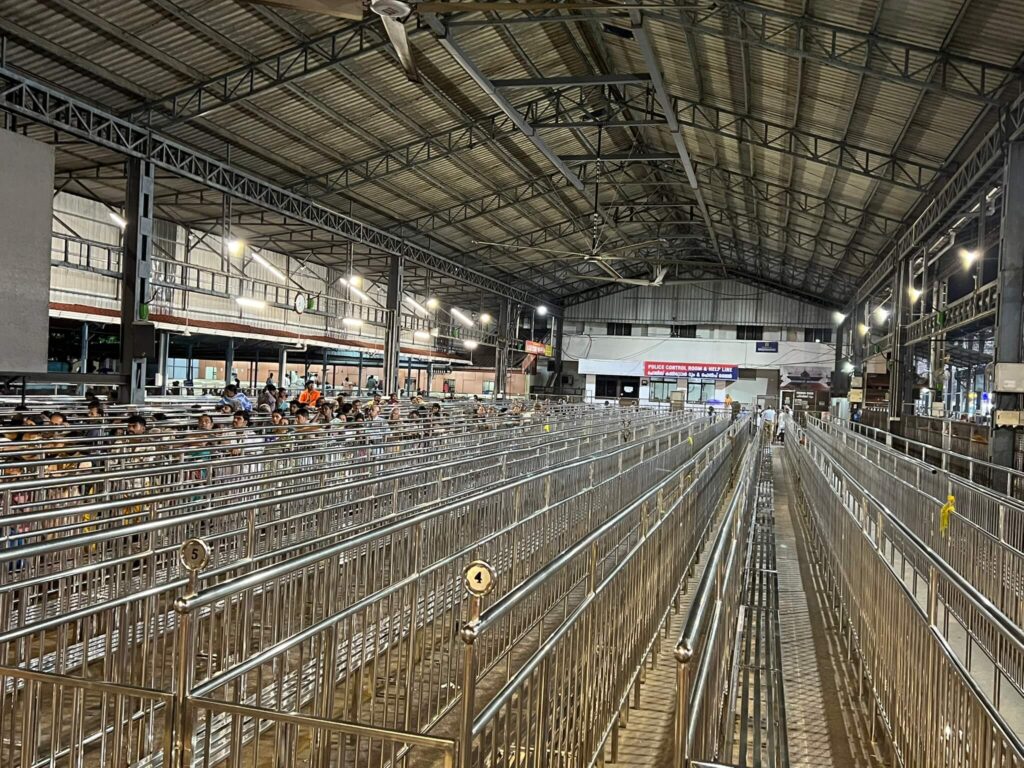
Separate queues exist for senior citizens, reducing wait times during peak hours. Normal darshan queues may take 3+ hours (depends on the day), with benches for resting in some places.
There is also paid darshan available.
If you have some contacts, you could also leverage that for faster darshan. In such cases you will have to get a obtain a written permission slip from the temple secretary’s office, located in a compact setup near the main entrance. Please note that you might have to carry your adhar card when you meet the secretary.
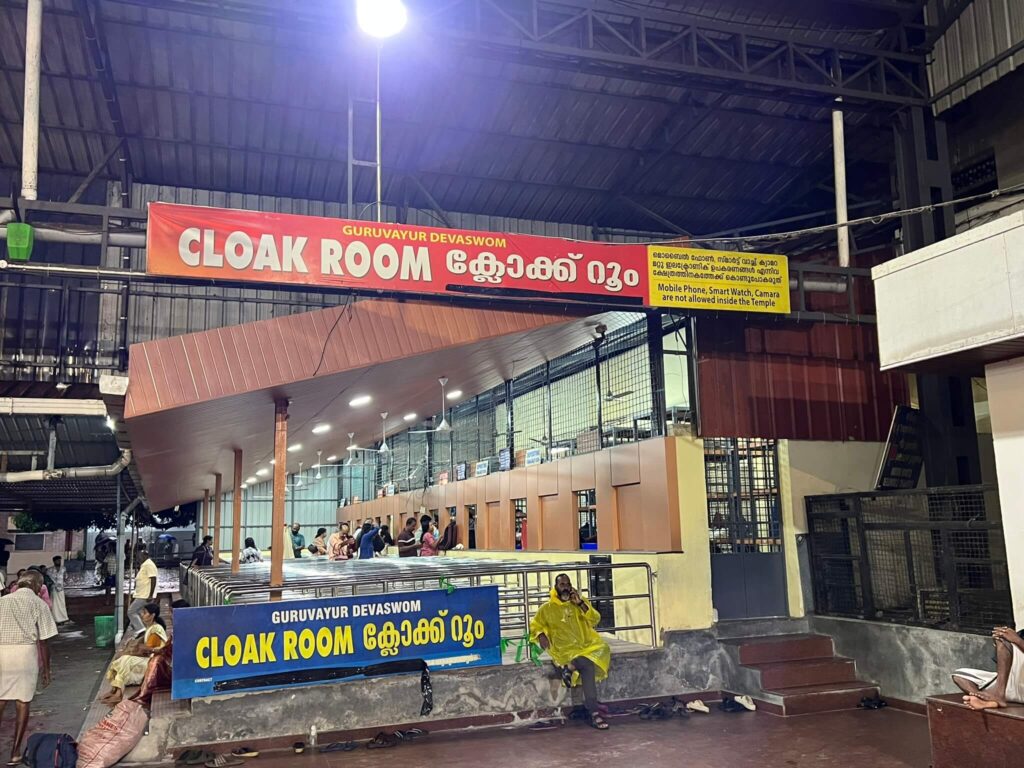
Only Hindus permitted inside; mobile phones, footwear prohibited—use free cloakrooms on campus.
C. Practical Facilities and Surroundings
Donation hundis abound.
For meals or larger contributions, visit the temple office opposite the complex.
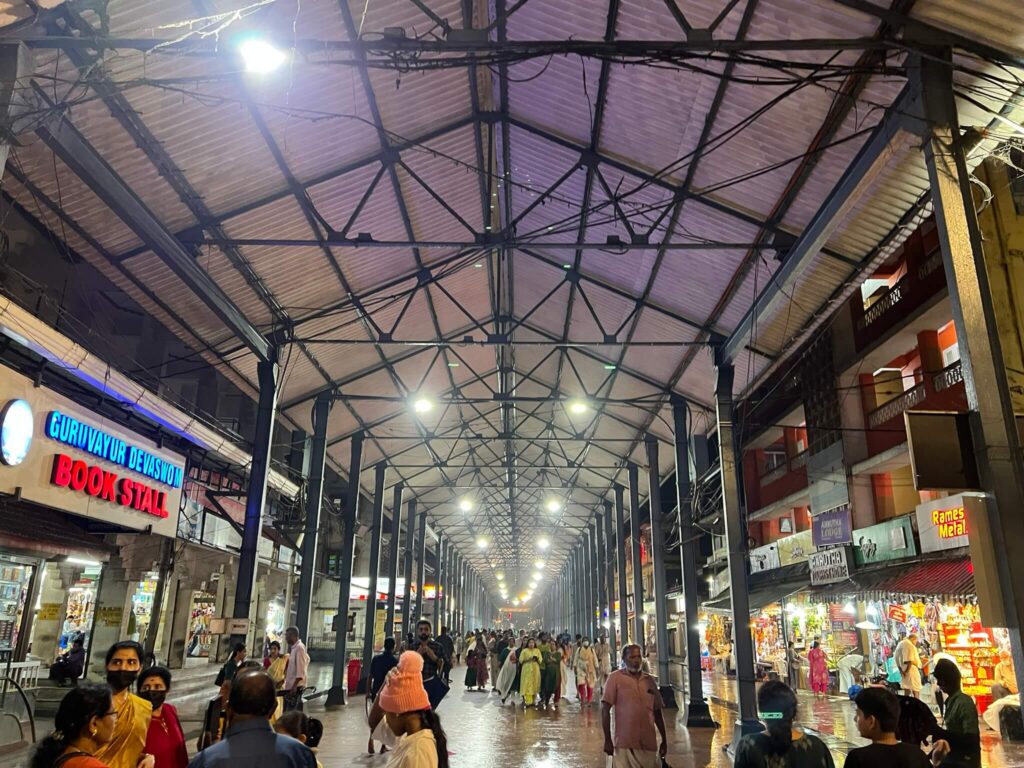
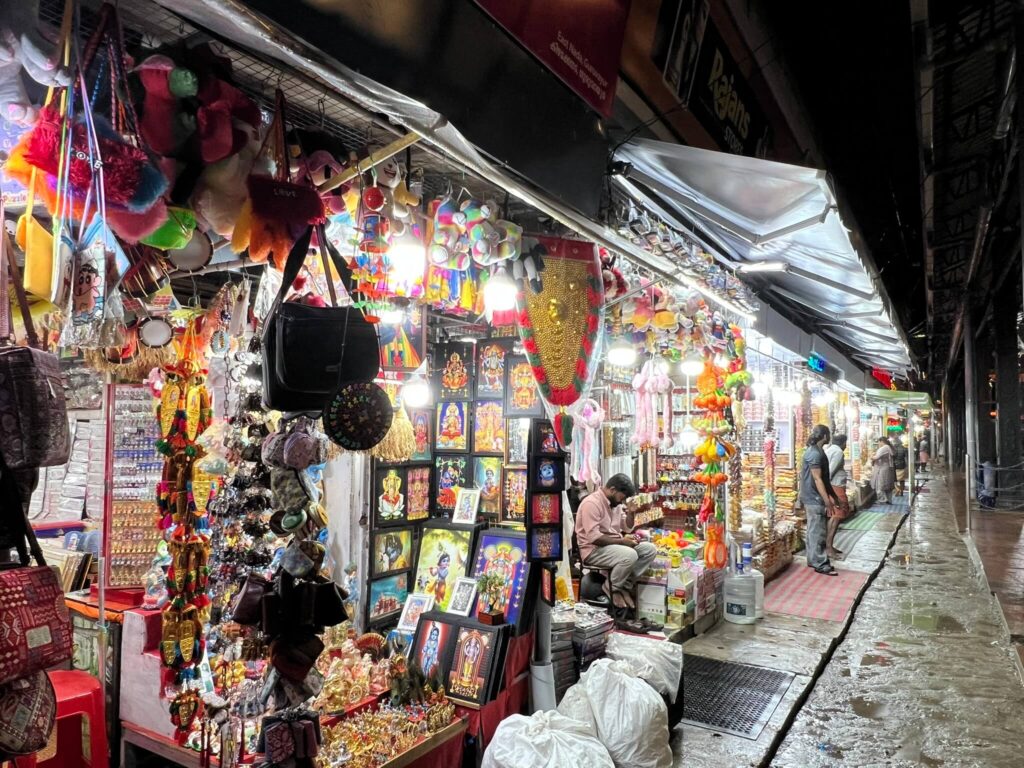
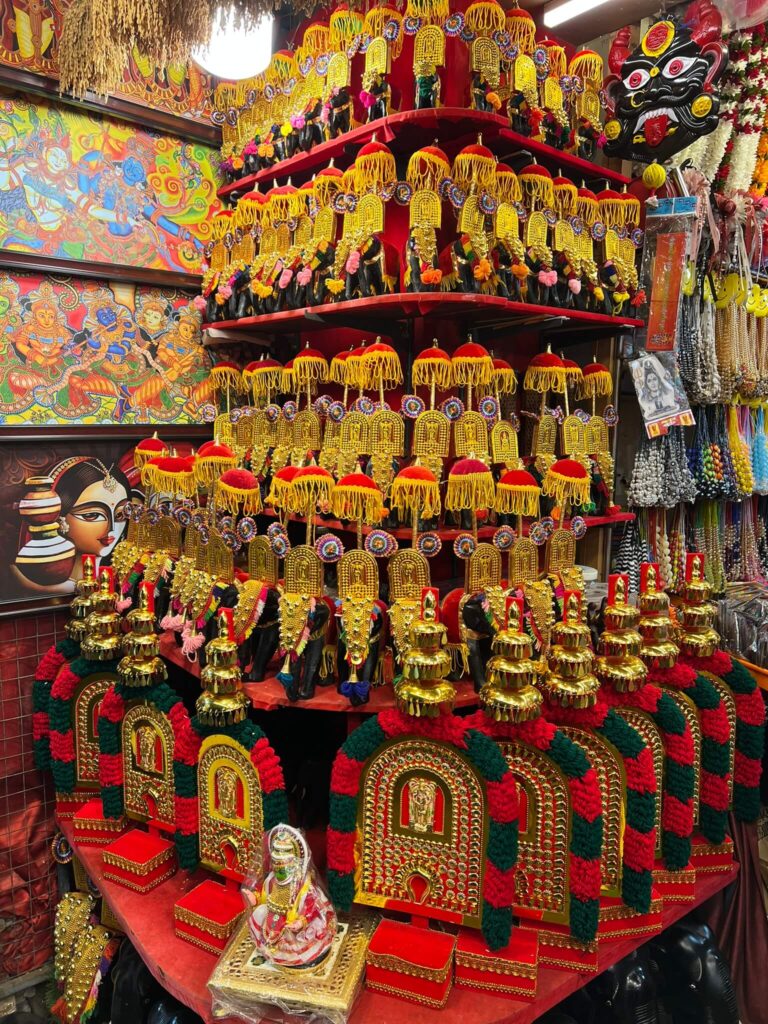
The sanctum relies solely on oil lamps for illumination, enhancing the divine ambiance. East and West gates buzz with 100+ shops for pooja items and souvenirs—carry cash as many eateries shun digital payments; public toilets scattered nearby.
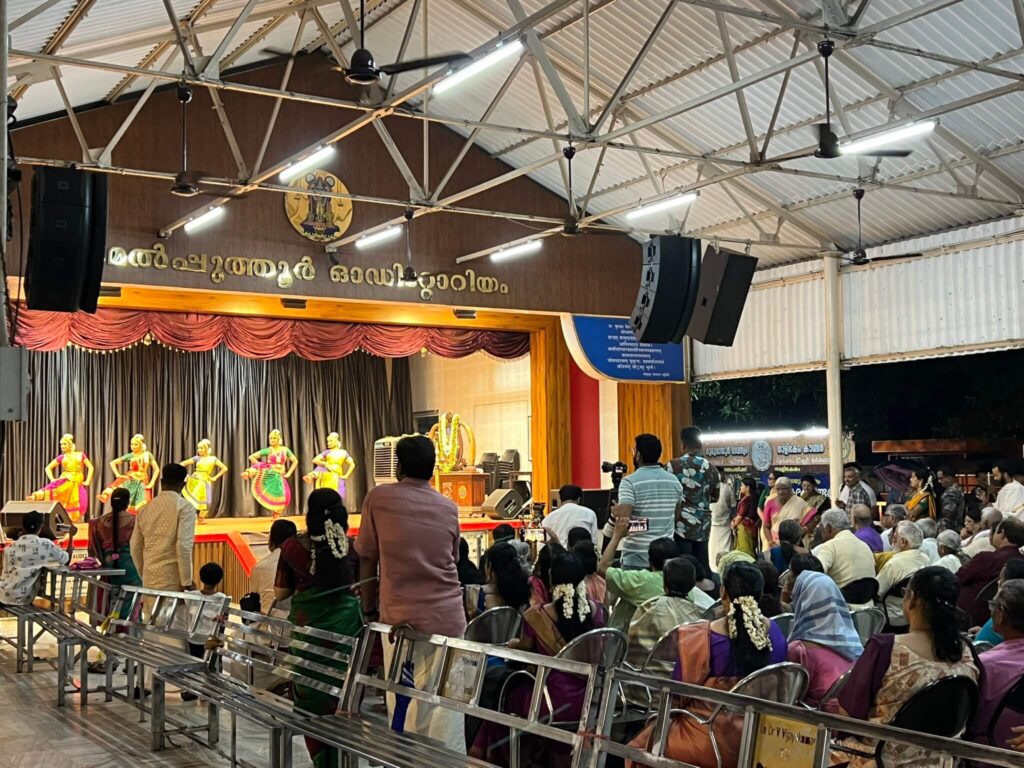
Melpathur Auditorium hosts free classical dance, music, and spiritual discourses for 1,000+ attendees.
D. Cultural Highlights
Famed for celebrity elephants like Guruvayur Keshavan, the temple feels safe amid family crowds. Malayalam dominates, but Kannada, Tamil, Telugu, English, and Hindi widely understood in Guruvayur-Thrissur. Popular for weddings and rituals, it blends devotion with vibrant traditions.
E. Best Time to Visit Guruvayurappan Temple
The temple welcomes visitors year-round, but the winter months between November and February offer the most pleasant weather. The temple can get crowded during festival seasons, especially during Ekadasi, Vishu, and Janmashtami. Several festivals enhance the temple’s charm:
Guruvayur Ekadasi: A grand celebration dedicated to Lord Krishna, featuring elaborate rituals and cultural events.
Ulsavam: The annual temple festival that includes processions, performances, and vibrant displays of devotion.
Vishukkani: The Malayalam New Year, celebrated with traditional offerings and rituals.
How to reach
A. Cochin International Airport
The nearest airport is Cochin airport which is around 76 Kms and it would take around 2-2:30 hours depending on traffic. From the airport, you can hire a cab or take a bus to Thrissur/Guruvayur. Cochin airport is the world’s first airport, which operates on solar power.
B. Gurvayur / Thrissur Railway station
Guruvayoor has its own railway station which is located at a 10 minutes’ walk away from the main temple. You can directly reach Guruvayur Junction via train.
Alternatively, you can also arrive at Thrissur Junction aka Trichur from Mumbai, Delhi, Kolkata, Chennai or Bangalore. This way you can visit Thrissur first and then later make an easy day trip to Guruvayur from Thrissur.
C. Guruyavur (private / KSRTC) Bus station
KSRTC bus services run from various parts of the state and a few interstate locations.
Guruvayur is well connected with other parts by road.
After Guruvayur visit, we went back to Sterling Guruvayur.
Sterling Guruvayur
Our stay at Sterling Guruvayur struck the perfect balance between comfort and spirituality. The hotel is meticulously maintained, offering a calm and serene ambiance that immediately puts guests at ease.
Although the hotel is slightly away from the Guruvayur Temple, it remains conveniently located near key spiritual sites like the Mammiyoor Temple, offering easy access while providing a tranquil retreat from the crowds. The well-appointed rooms are spacious and comfortable, complemented by attentive and friendly staff who ensure a seamless stay.
Summary: While most pilgrims focus solely on Guruvayur Temple’s spiritual serenity, extending your stay transforms a sacred journey into a joyful family adventure blending devotion with discovery. Follow this curated full-day itinerary to explore nearby gems like the Punnathur Kotta Elephant Sanctuary, Marine World Public Aquarium and so on.
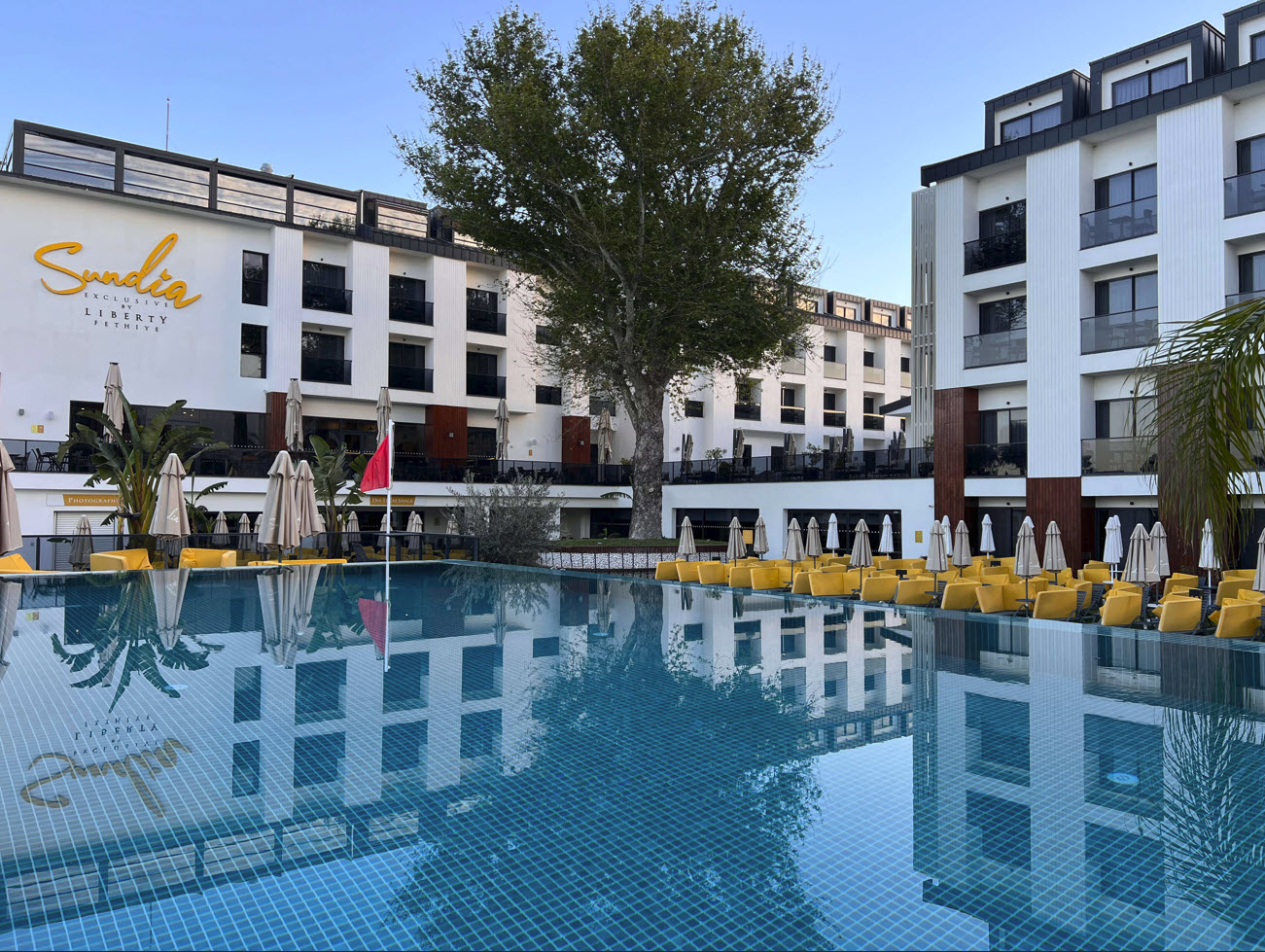
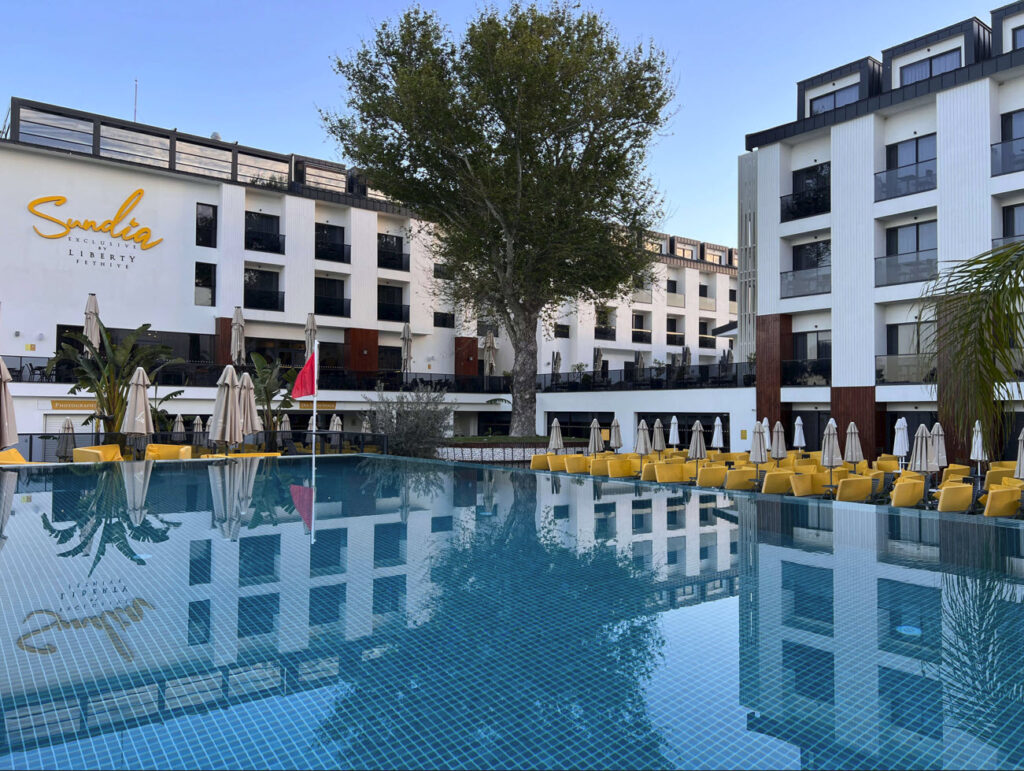
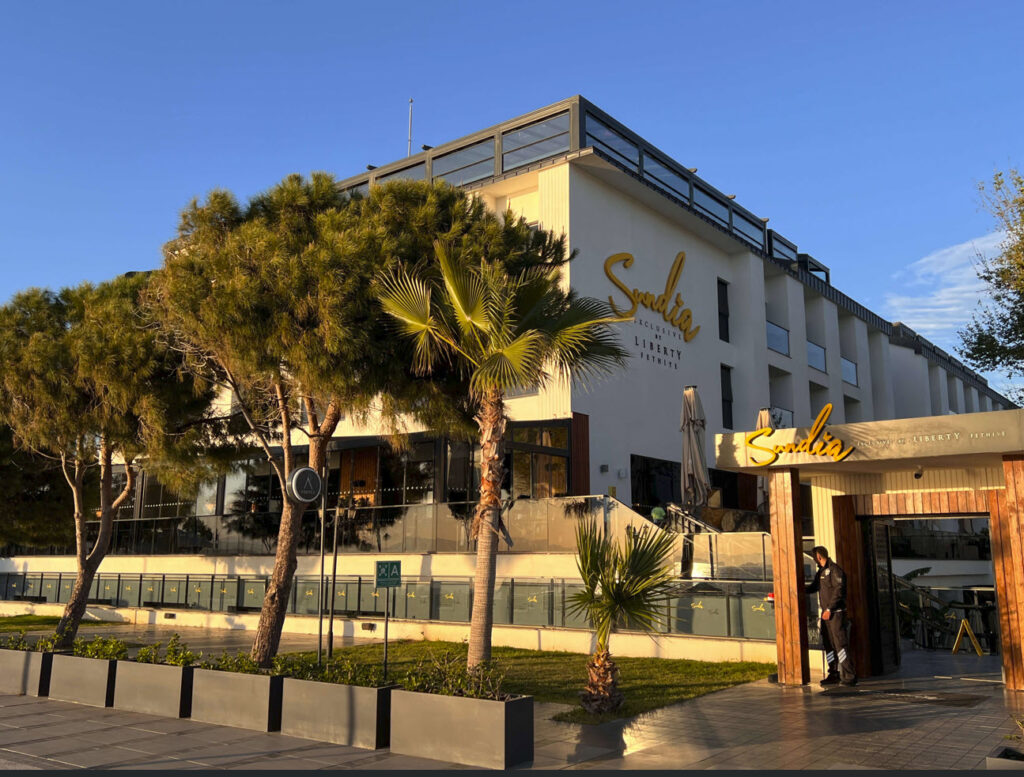
Located just around 1 km from the picturesque Calis Plaji beach, Sundia Exclusive by Liberty Fethiye is a distinguished five-star adults-only (16+) hotel that offers a refined and peaceful retreat in the Turkish Riviera. This is an all-inclusive hotel. Our stay in April 2024 for four nights exposed us to an experience combining comfort, excellent service, and premium all-inclusive dining, making it a perfect choice for travellers desiring both relaxation and local exploration. This property is around 50 minutes in car from the Dalaman Airport.
NOTE: When we visited this property in April 2024, children were allowed. Now they have changed it to an adults-only (16+) hotel.
During our April 2024 trip to Dalaman, we had the pleasure of staying at the ‘Sundia Exclusive by Liberty Fethiye’. If you’re planning a visit and looking for inspiration or guidance, I invite you to explore my detailed post — ‘Dalaman Turkey 4 Days Itinerary‘. It’s packed with practical tips and insights that can help you make the most of your trip.
Location and Accessibility
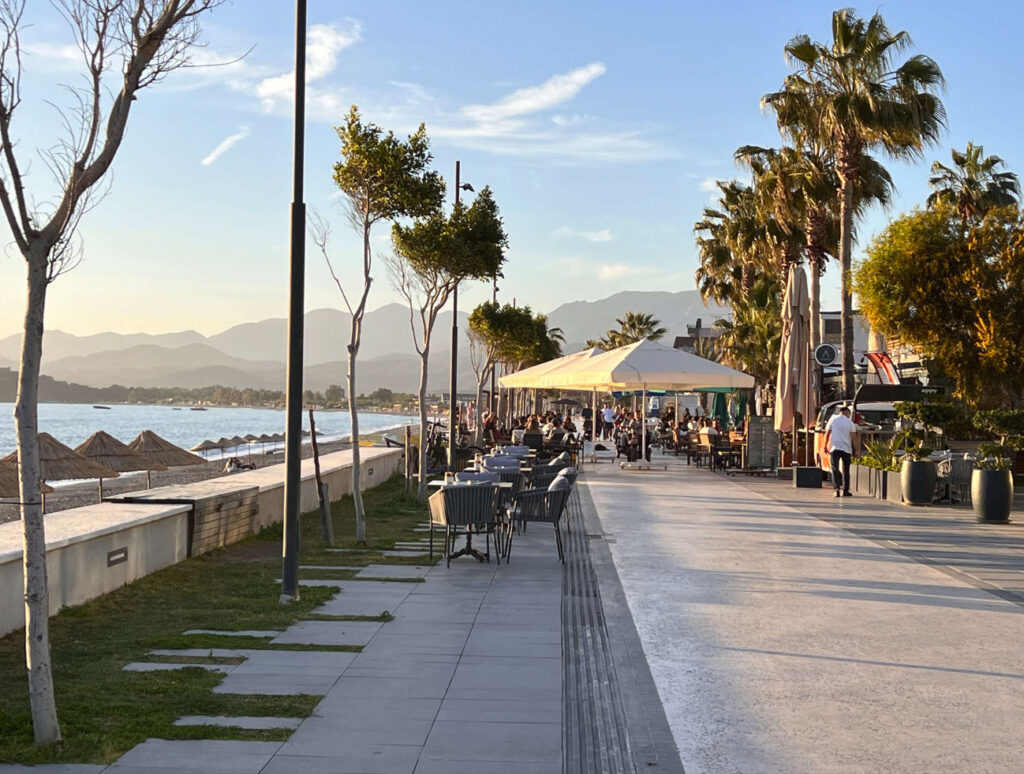
The hotel’s prime location near Calis Plaji ensures guests enjoy the serenity of a boutique resort while being close to the bustling Calis Beach promenade. This lively walkway, approximately 2 km long, is filled with an array of restaurants, bars, and charming shops, ideal for evening strolls or early morning walks. Guests can also enjoy water taxi rides to the nearby town of Fethiye or choose the scenic blue cycle path for an hour-long walk.
Accommodation and Guest Comfort
Sundia Exclusive features contemporary-decorated rooms adorned with modern amenities including air conditioning, flat-screen TVs, WiFi, and spacious private bathrooms. Each room is provided with a safety deposit box and daily housekeeping. For an enhanced stay, guests can opt for sea view rooms (subject to additional charges), offering breathtaking views over the coast. Please note that all rooms are not sea facing. The rooms are thoughtfully designed with spacious beds and comfort-focused bedding and pillows. The bathroom was also big, clean and well maintained.
Facilities and Leisure
Guests have access to a well-maintained swimming pool surrounded by plenty of sun loungers—though it’s wise to note that early morning ‘reservation’ by towels happens occasionally. The pool area features live music in the evenings, adding to the relaxing ambiance. Fitness enthusiasts will appreciate the small yet functional gym equipped with treadmills, ellipticals, bikes, dumbbells, multi-use machines, and weights. Additionally, free access to table tennis, pool tables and other board games adds recreational options at no extra cost. The Wi-Fi throughout the hotel works perfectly.
Bicycle rental is available for exploring the local area. The daily entertainment programme for adults ensures there’s always something engaging happening throughout the stay.
There are also party rooms and a shop within the facility.
Culinary Offerings
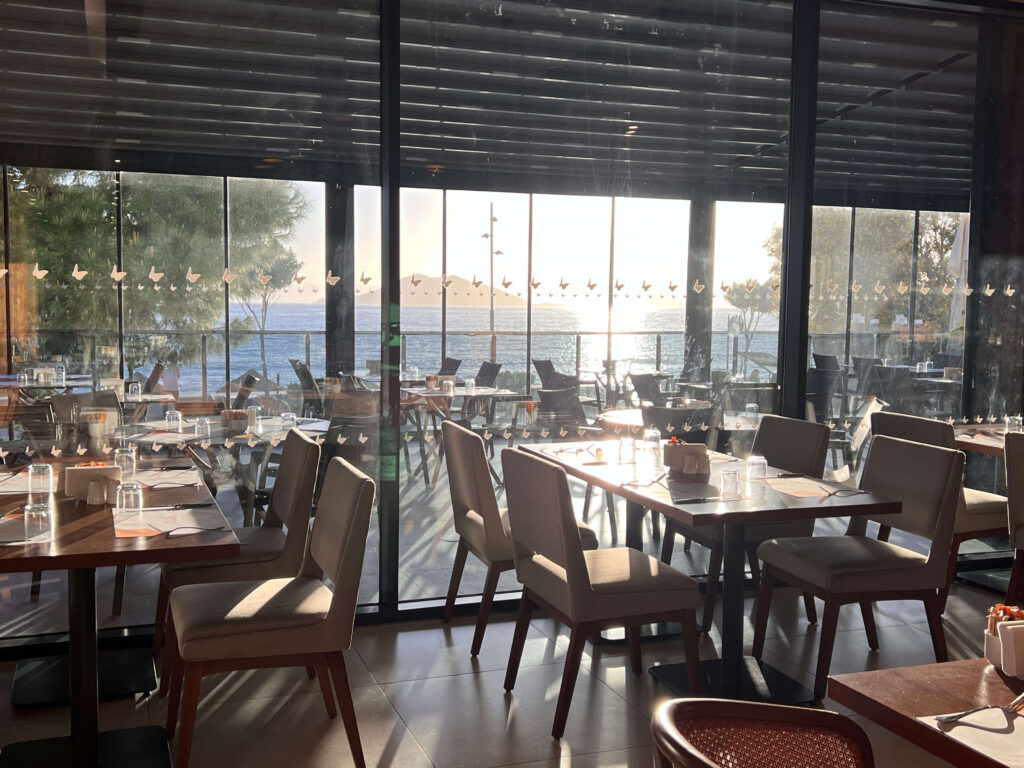
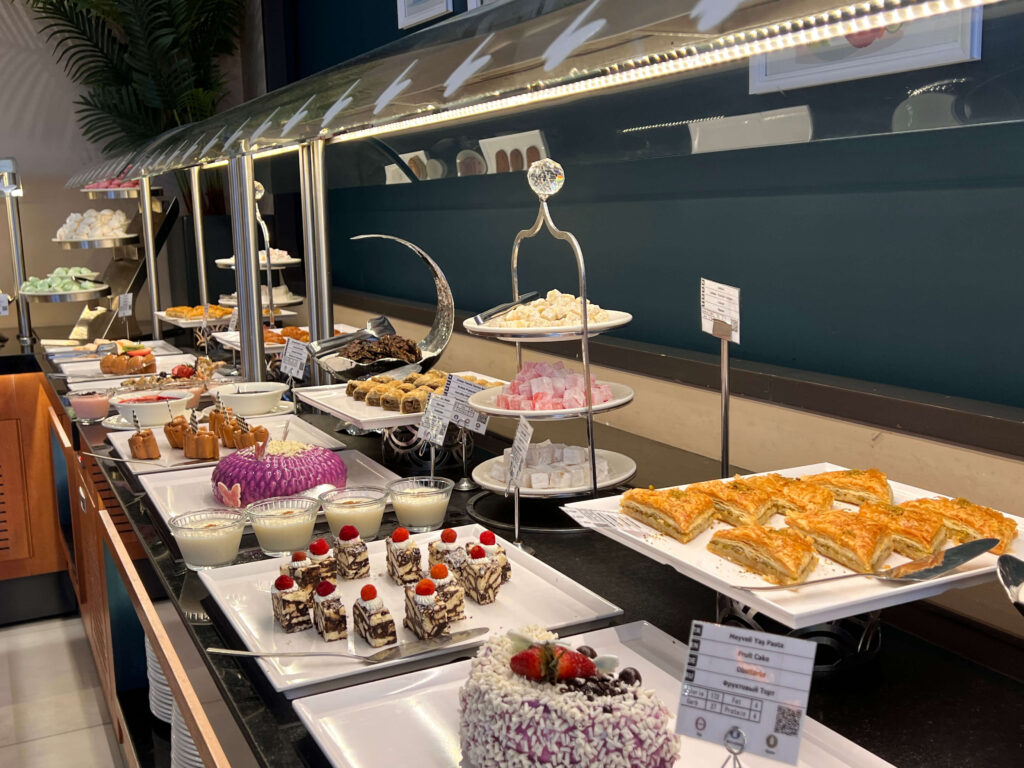
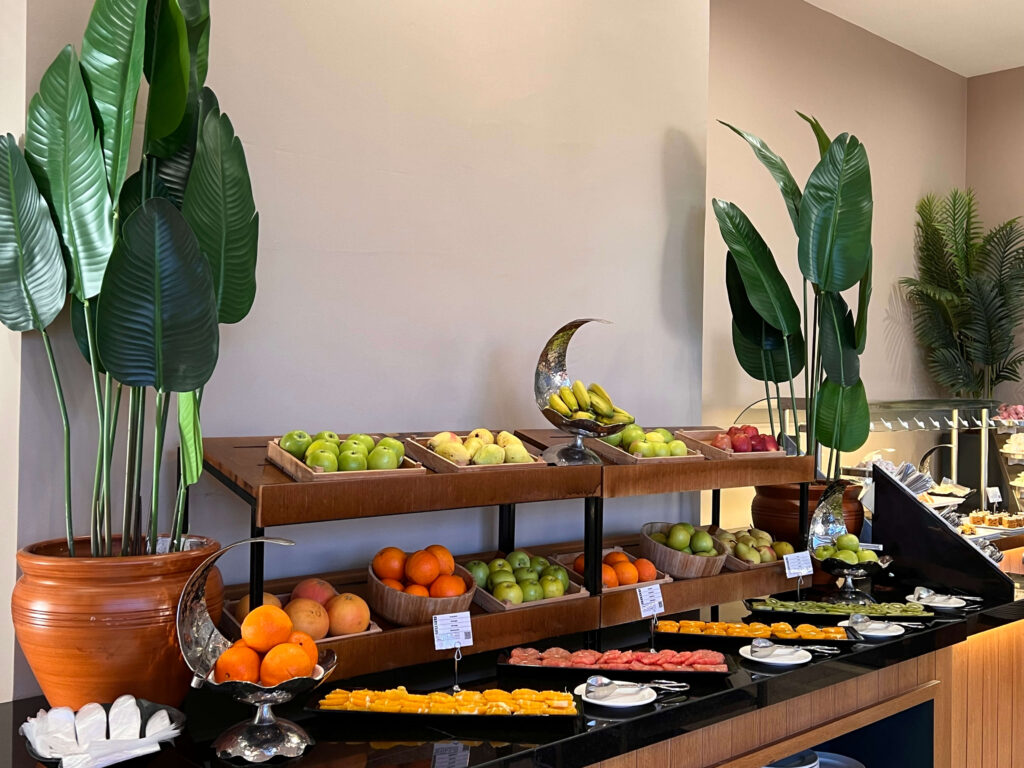
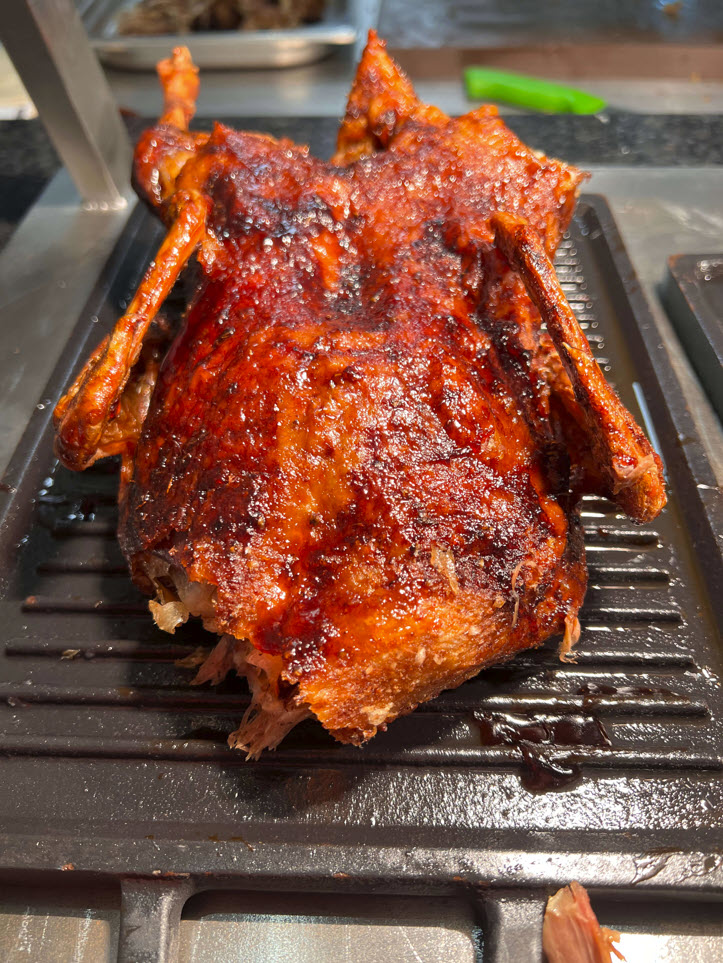
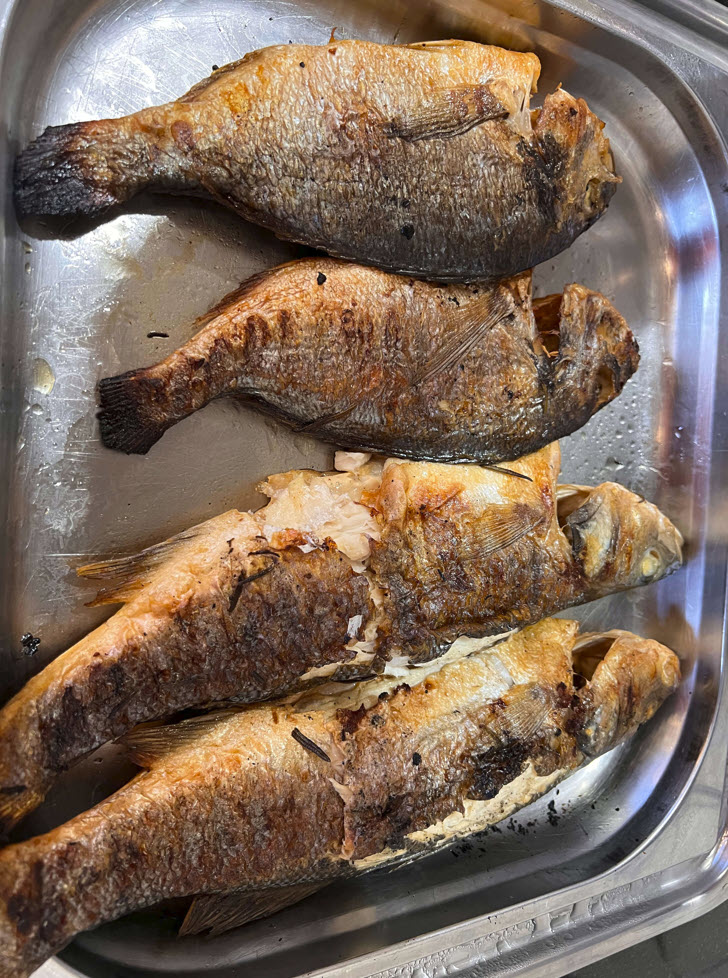
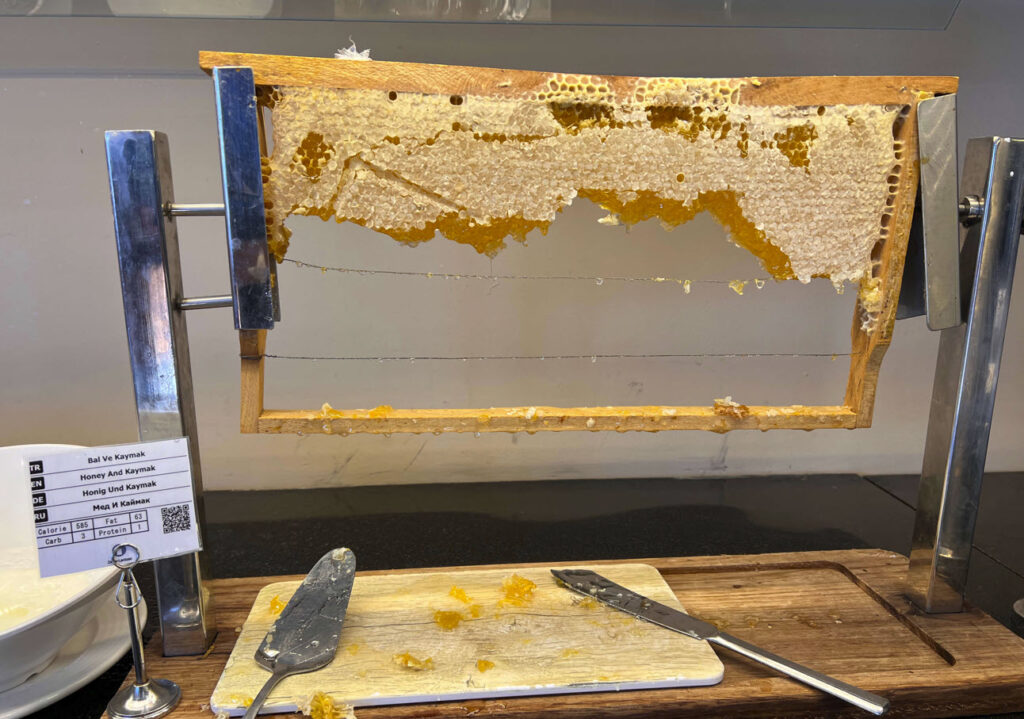
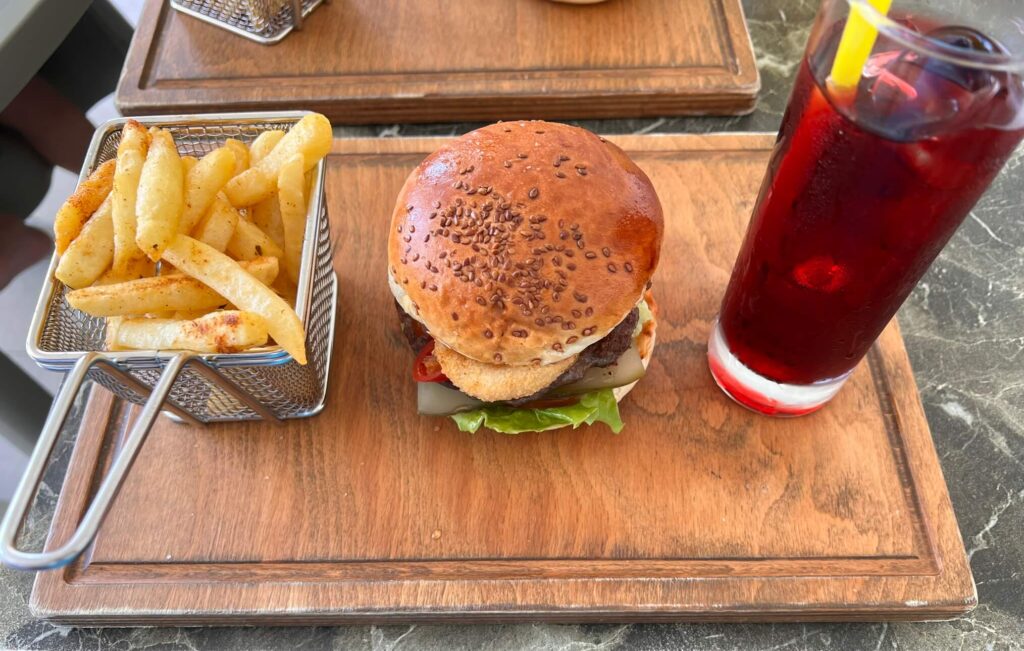
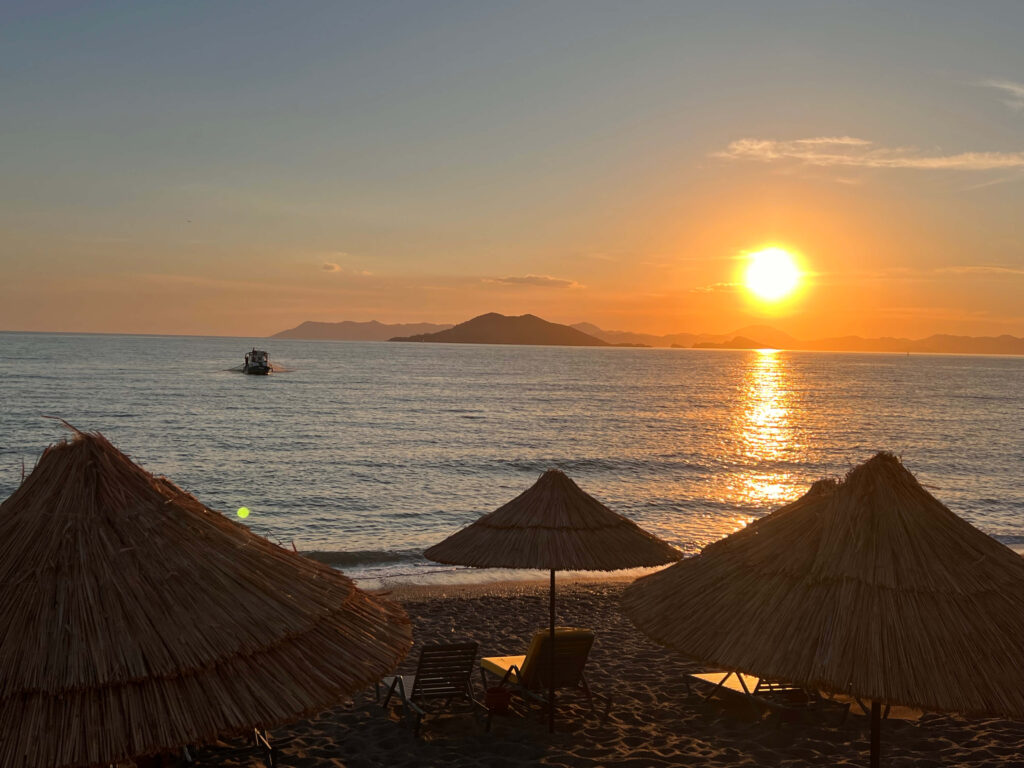
All-inclusive package included an ‘ultra-all-inclusive’ wristband—mandatory to wear—that grants nearly 24-hour access to food and beverages within the hotel. The Blue Restaurant, the hotel’s main dining venue, offers a stunning buffet for breakfast, lunch, and dinner. The spread is varied and continually refreshed, featuring grilled fish and meat dishes, vegetarian selections, a large variety of desserts, and fresh fruits such as bananas, oranges, grapefruit, apples, nectarines, watermelon, and melon. The restaurant boasts ample seating and overlooks the sunset, making it a breathtaking dining setting. Large number of seats are available, so you will get seats without much waiting. The large number of main courses and fruit desserts to choose from allowed us to try something new every day. The buffet food changed every day.
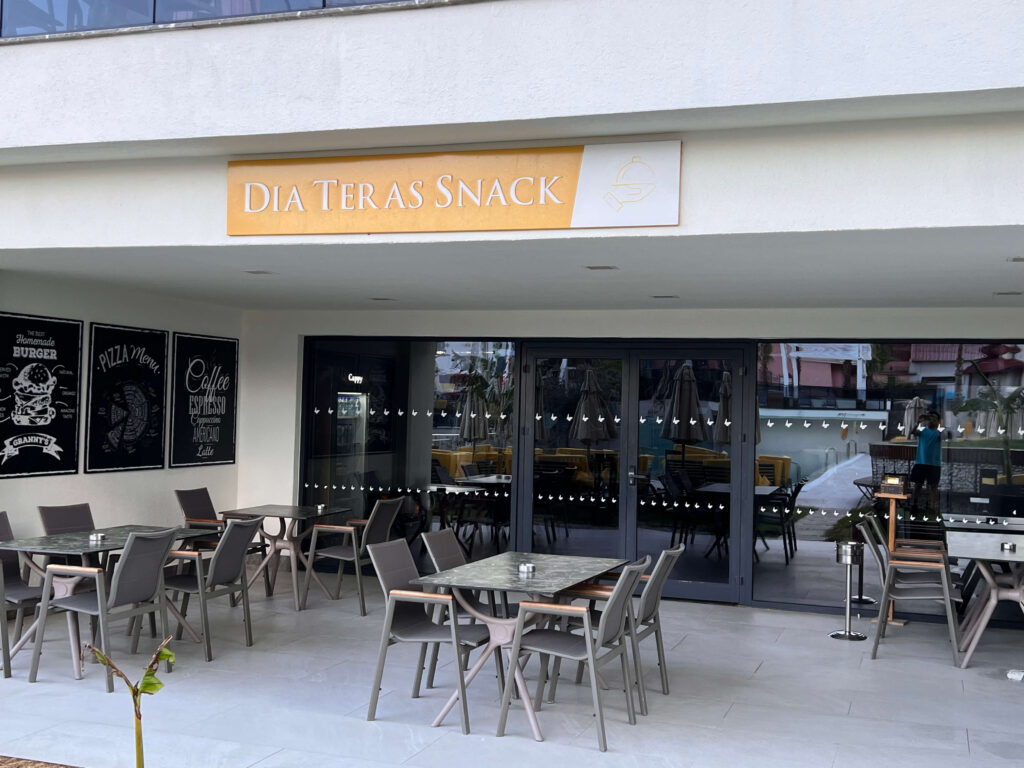
For lighter or off-hour meals, the Dia Snack Restaurant serves snacks including burgers, pizzas, pastas, and soups. Guests seeking a more exclusive dinner experience can visit the two à la carte restaurants: Vertex Lounge for Italian cuisine and Vertex Beach for fish specialties, both operating between 19:30 and 21:30. The property also has several bars, some of which offer paid services.
Service Excellence
A hallmark of Sundia Exclusive is its exceptionally friendly and helpful staff, many of whom speak English proficiently. Communication is smooth, and requests are addressed promptly, with 24/7 assistance available. The housekeeping team is especially commendable for maintaining child-like spotless cleanliness throughout the property.
Practical Information
Check-in is from 14:00, and checkout is by 12:00.
Pool hours run from 08:00 to 18:30.
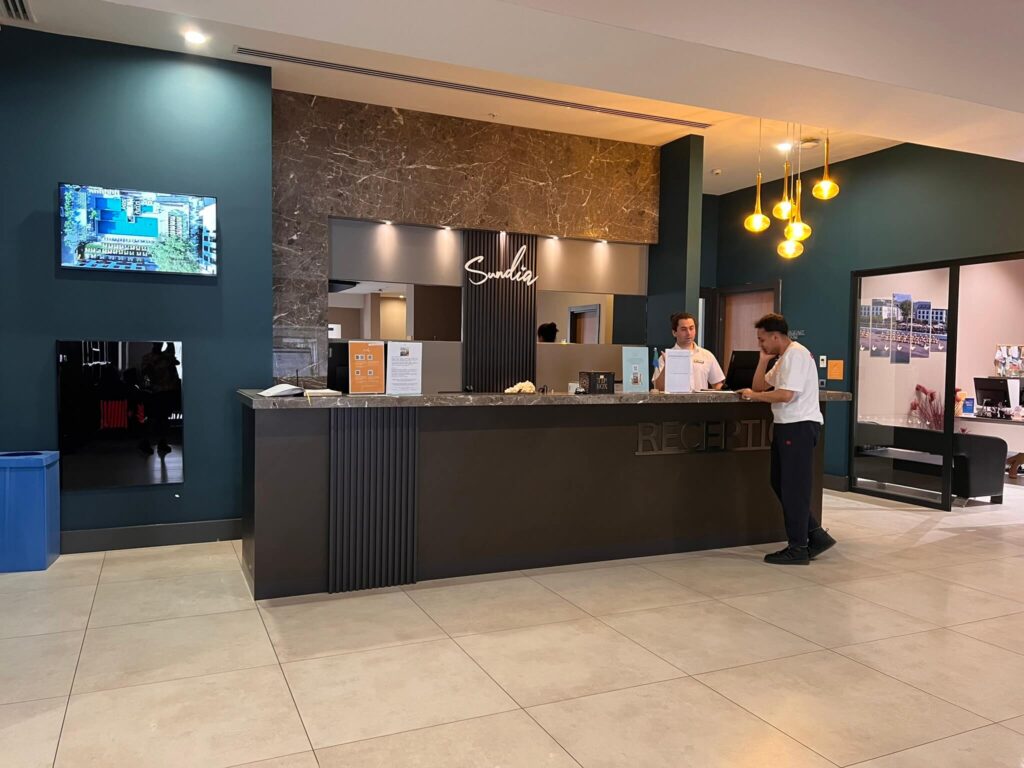
Guests are encouraged to clarify during check-in which services fall outside of the all-inclusive package. Some of them are freshly squeezed fruit juices, bottled wines and spirits, spa treatments, market shop purchases, photography services, doctor visits, and hairdressing.
Beach Access and Surrounding Areas
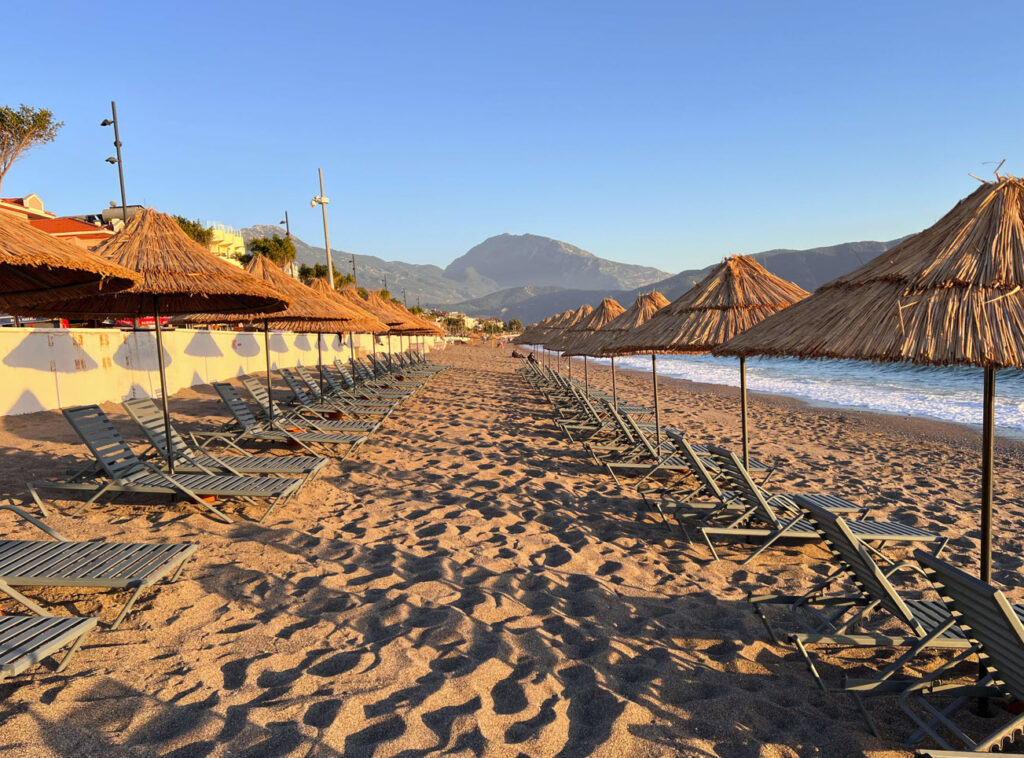
An entry to the nearby beach allows guests to enjoy sea views, though it is important to note that the beach appears to be a public area rather than hotel exclusive. The beach’s sand is coarse, somewhat uneven and inclined, and there were lots of cigarette butts reducing the aesthetic appeal.
The hotel benefits from direct access to the lively promenade, providing a vibrant atmosphere with excellent dining and shopping options. For excursions booked via tour operators, hotel pickup is available, adding convenience for guests.
Minor Considerations
The pool is comparatively smaller, for the number of guests.
Poolside music can sometimes be loud, impacting those seeking tranquillity.
There is an issue with guests reserving sunbeds early in the morning by placing towels, potentially detracting from the experience.
Balcony spaces in rooms are relatively small compared to expectations.
Summary
Sundia Exclusive by Liberty Fethiye offers a rare mix of intimate boutique charm, outstanding cleanliness, and superb culinary variety delivered through an all-inclusive package. Its friendly, attentive staff and convenient location near Calis Beach’s bustling promenade make it an excellent choice for adults looking to unwind in style while enjoying the cultural richness of the region. Whether planning a romantic getaway or a relaxing solo trip, Sundia Exclusive promises a truly enjoyable stay in Turkey’s beautiful coastal town.
Milan, the capital of Lombardy and the second largest city in Italy after Rome, is renowned not only for its vibrant fashion scene but also for its rich cultural heritage, stunning architecture, and exquisite cuisine. This dynamic city perfectly blends modernity with authentic Italian charm, making it an ideal destination for enthusiasts of architecture, culture, tourism, fashion, and design.
As a global fashion hub, Milan hosts the headquarters of iconic designer brands such as Dolce & Gabbana, Versace, Prada, and Valentino, among others, solidifying its reputation as a paradise for fashion lovers.
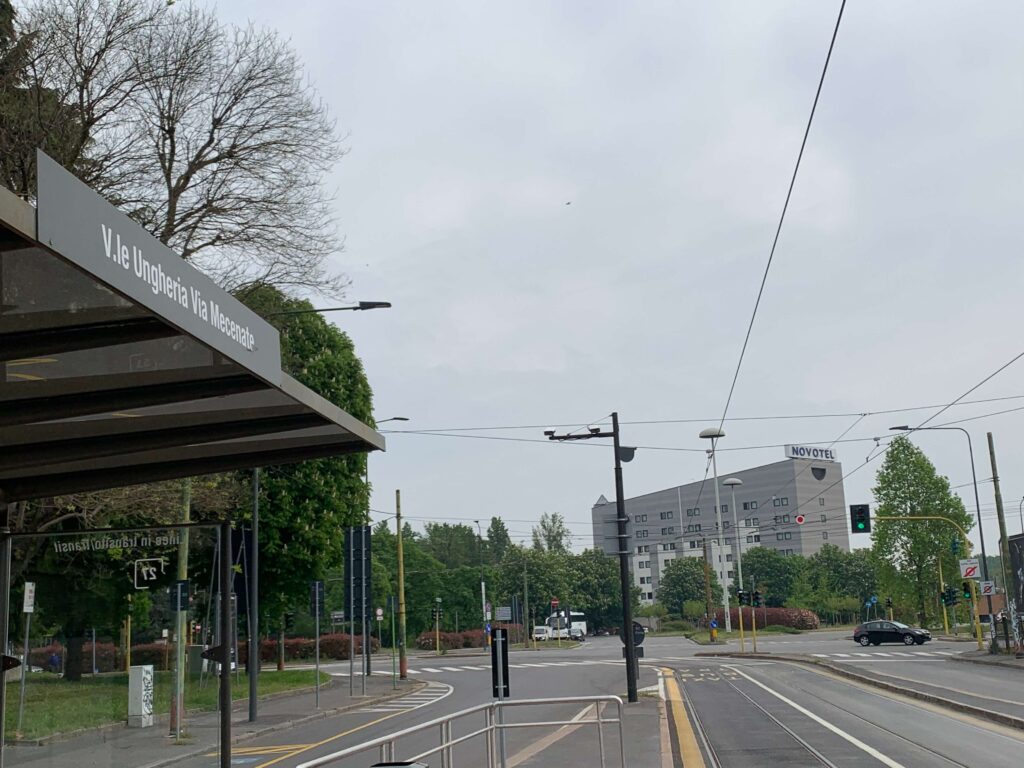
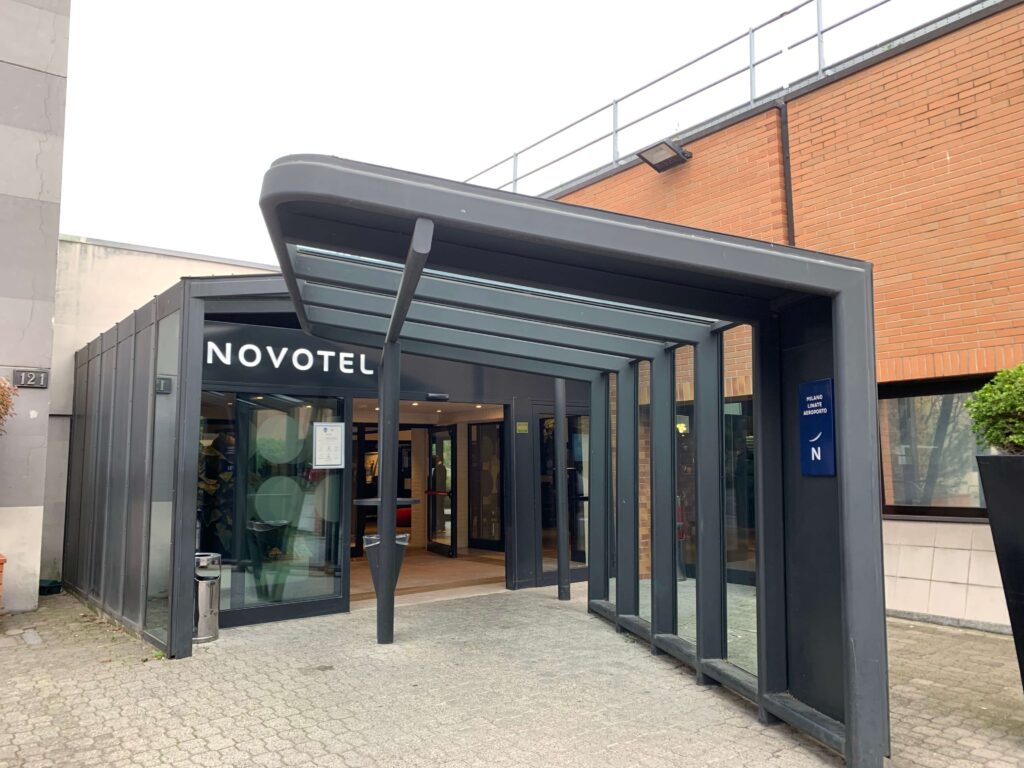
Our accommodation was at the Novotel Milano Linate Aeroporto, which, while comfortable, is situated a bit farther from Milan’s main attractions. For a more convenient and immersive experience, I strongly suggest staying in the city center, ideally close to the iconic Duomo, where visitors can fully enjoy the heart of Milan.
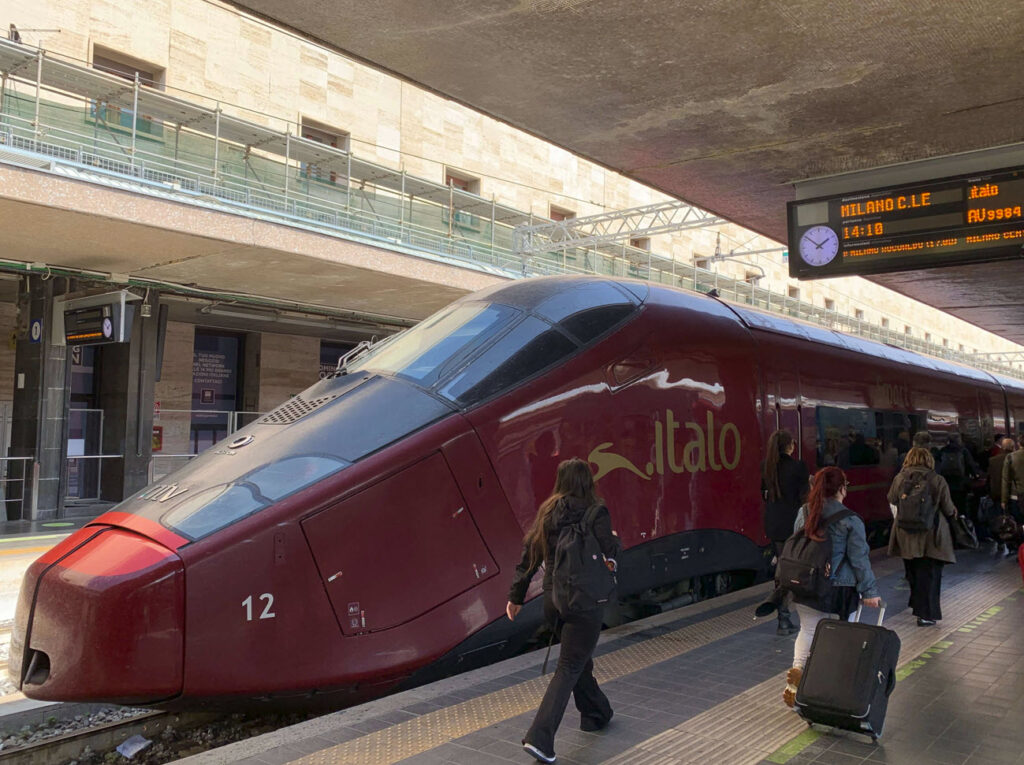
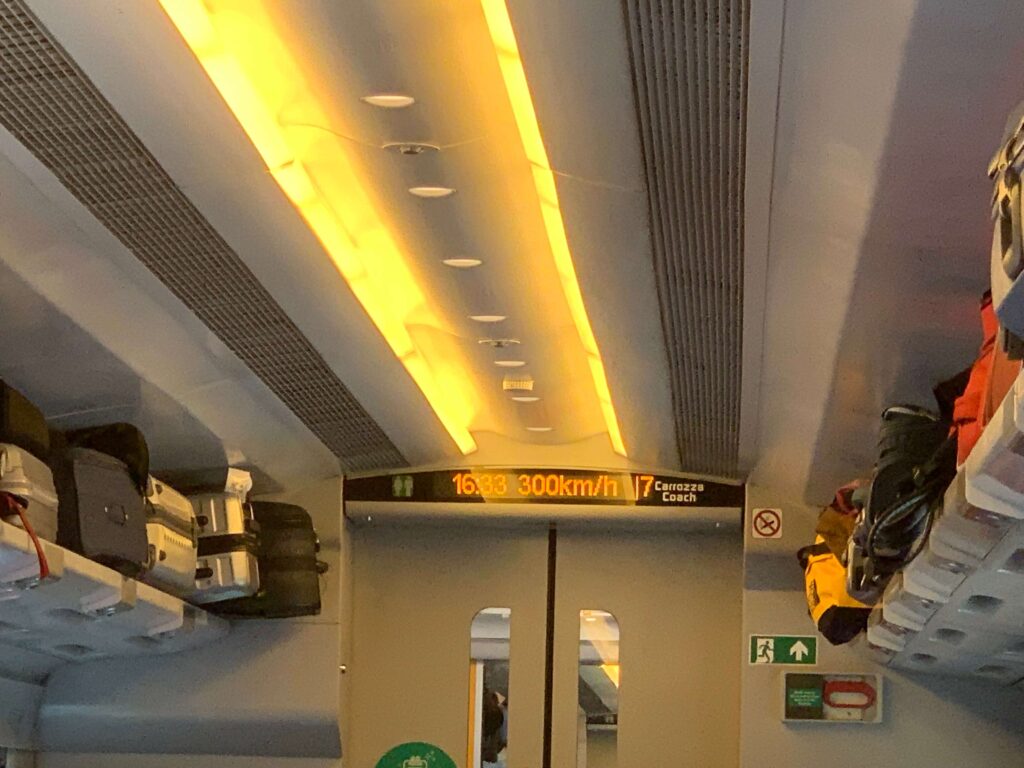
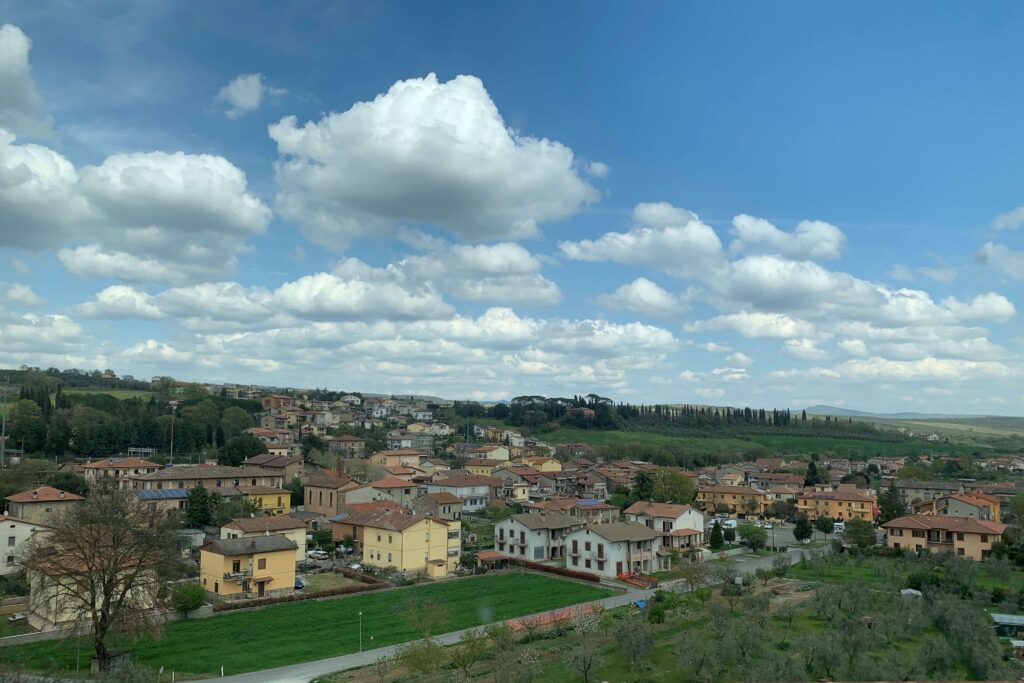
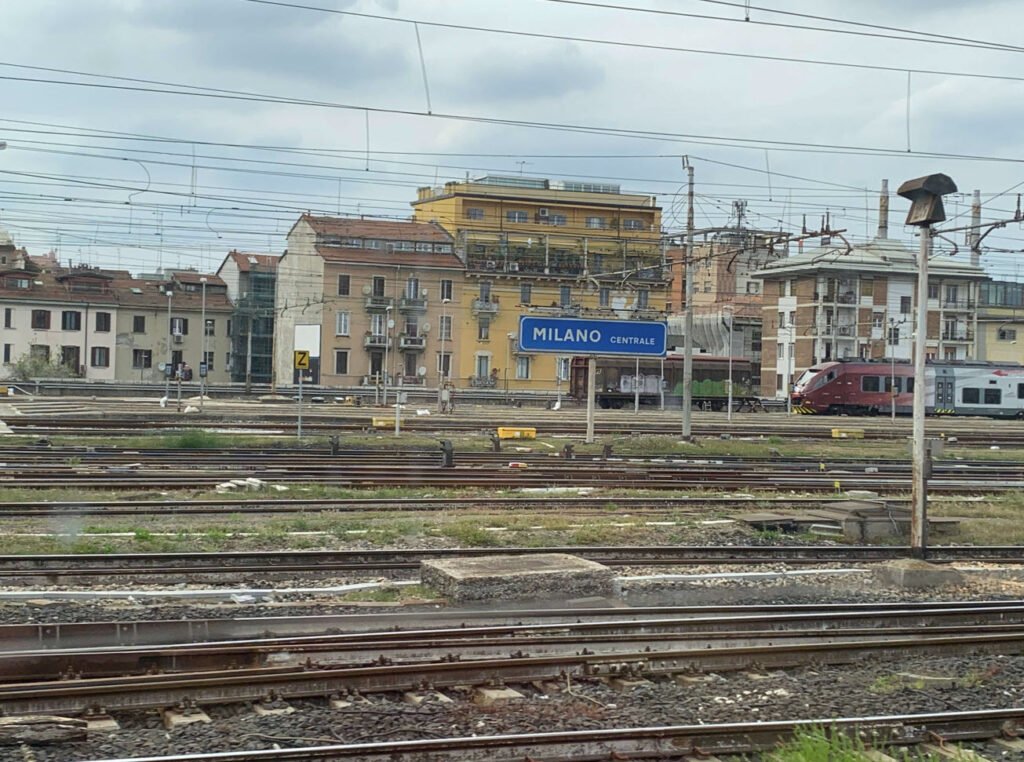
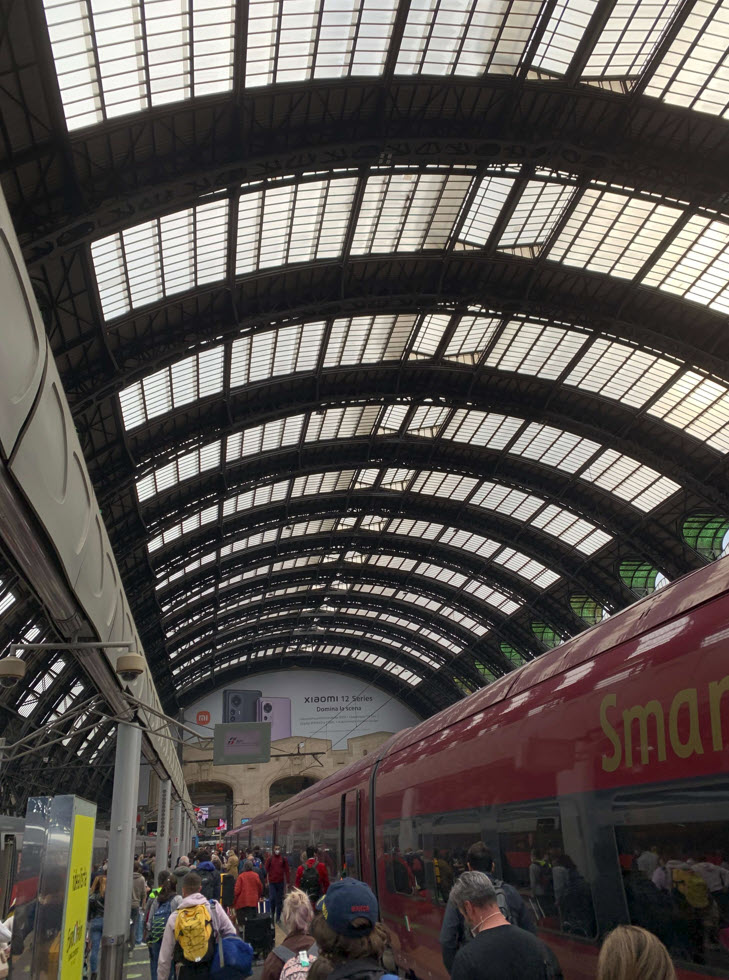
We travelled from Rome to Milan aboard the ITALO high-speed train (was travelling at a speed of 300+ Kms/hour) , departing at 14:10 and arriving in Milan at 17:15. This superfast service provides a comfortable and efficient way to traverse the Italian landscape.
The train arrival point is Milano Centrale, the city’s primary railway station, which itself is a remarkable attraction. Renowned for its impressive architecture, Milano Centrale offers a captivating glimpse into Milan’s history, reflecting the city’s fascist past through its design and grandeur. Exploring the station is certainly one of the most intriguing experiences Milan has to offer.
Piazza del Duomo (Milan Catedral + Terraces):
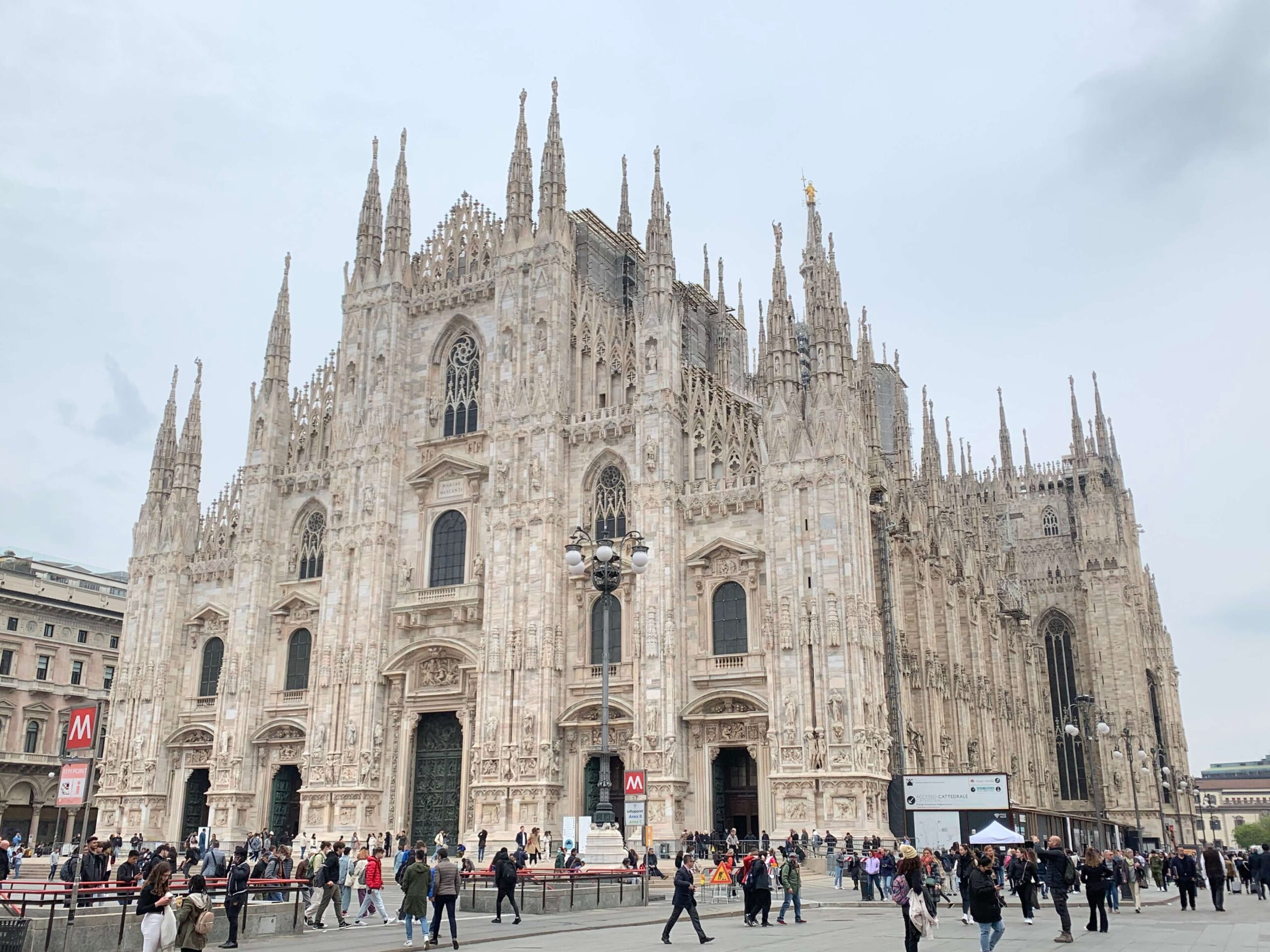
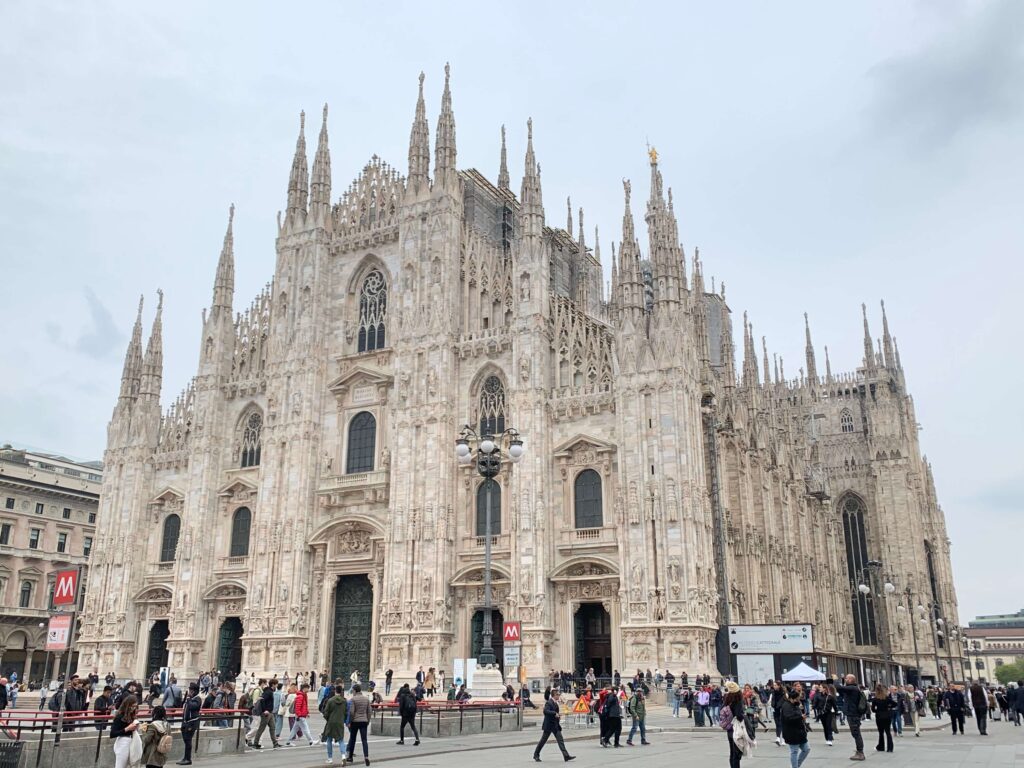
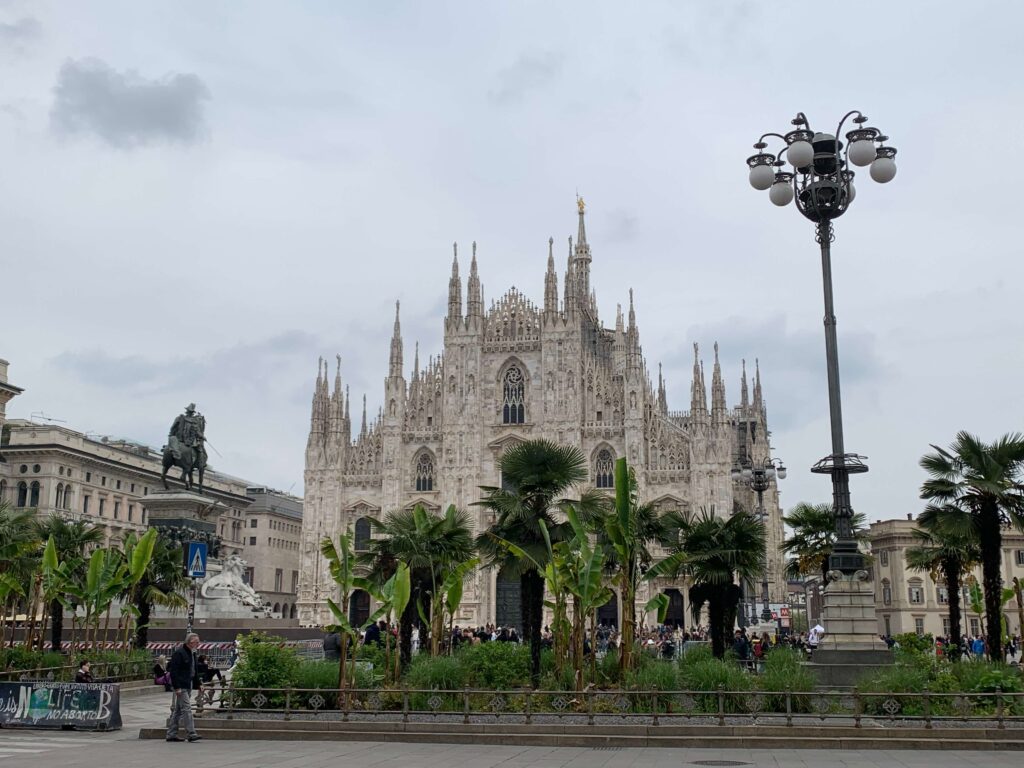
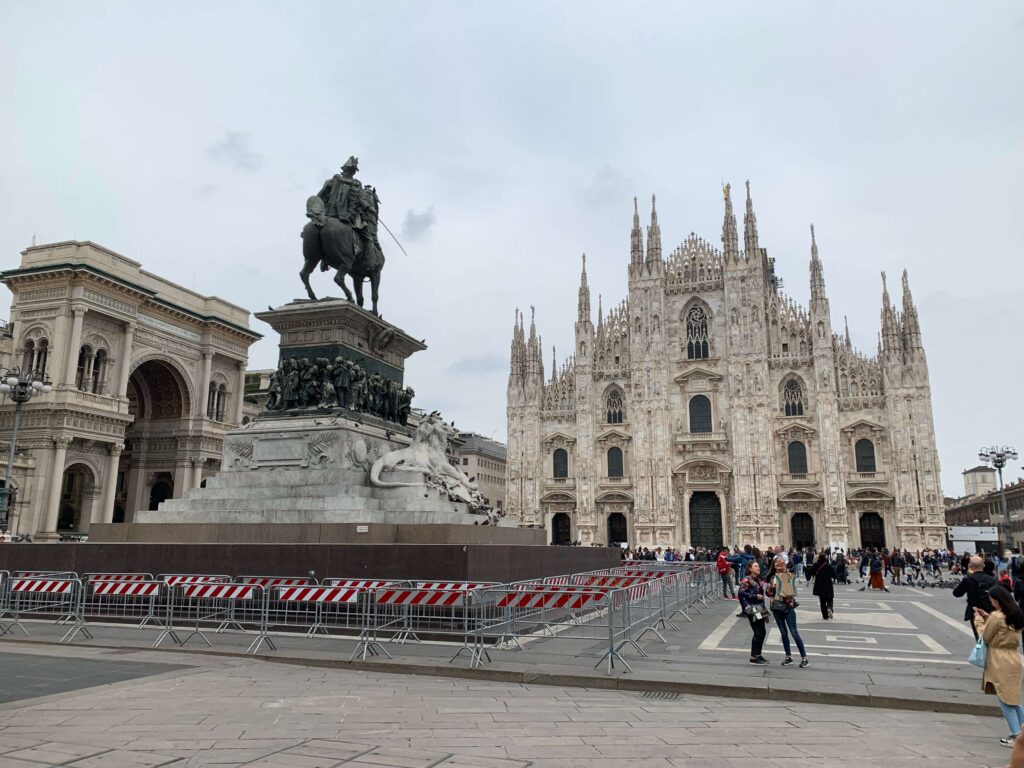
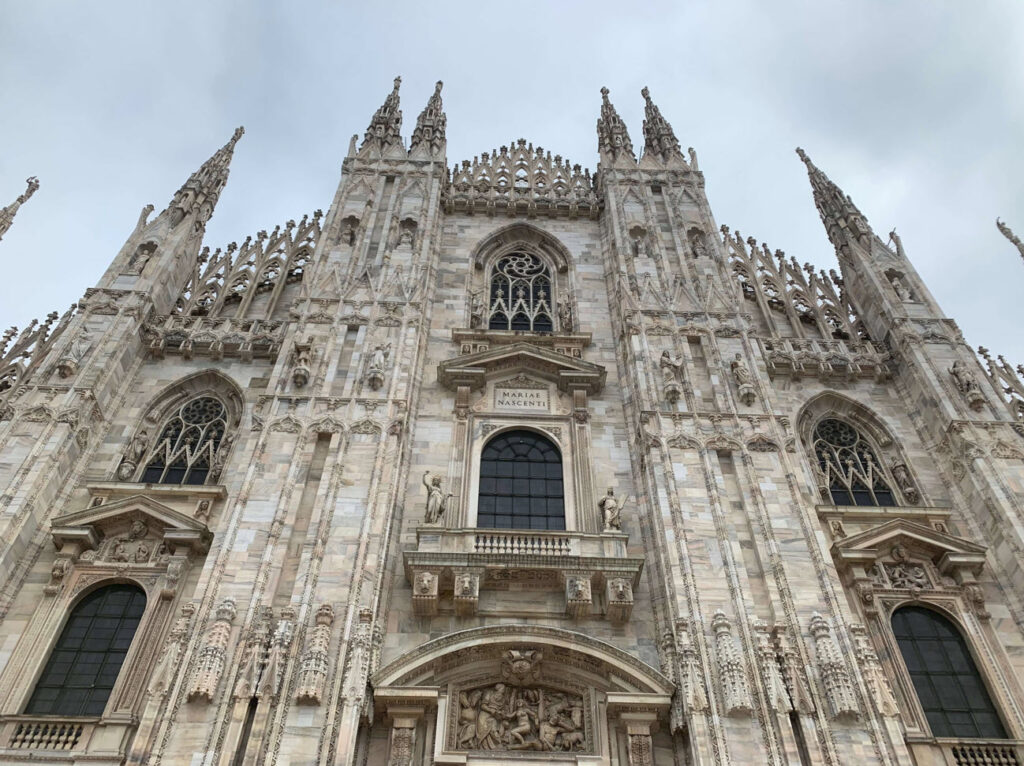
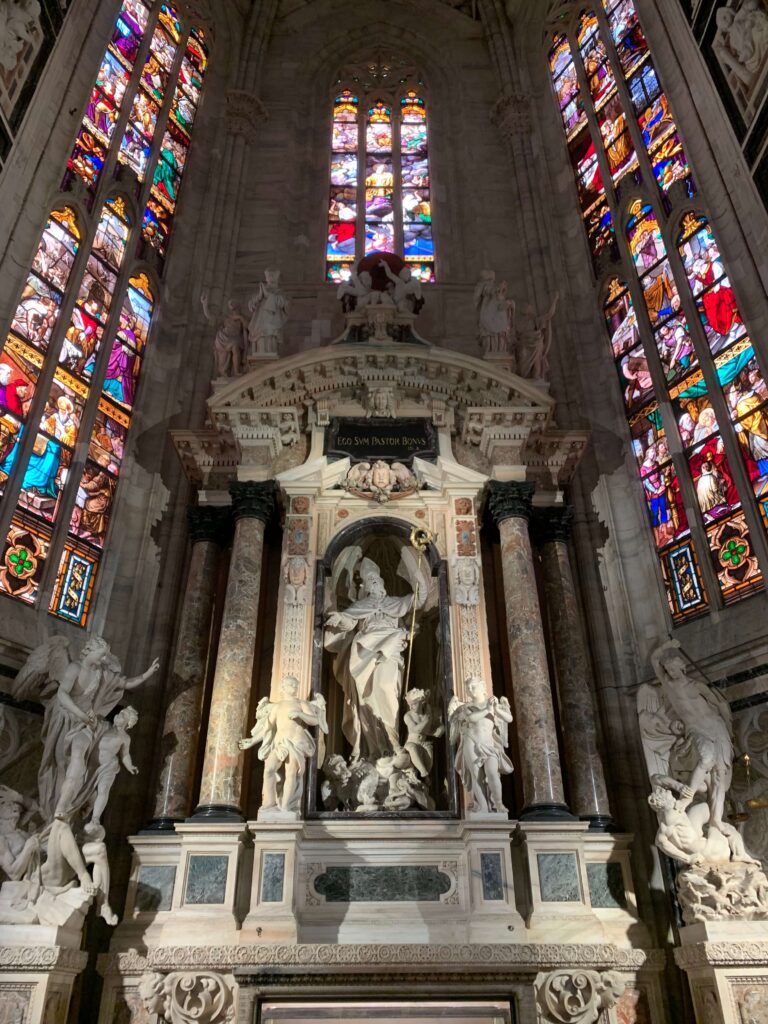
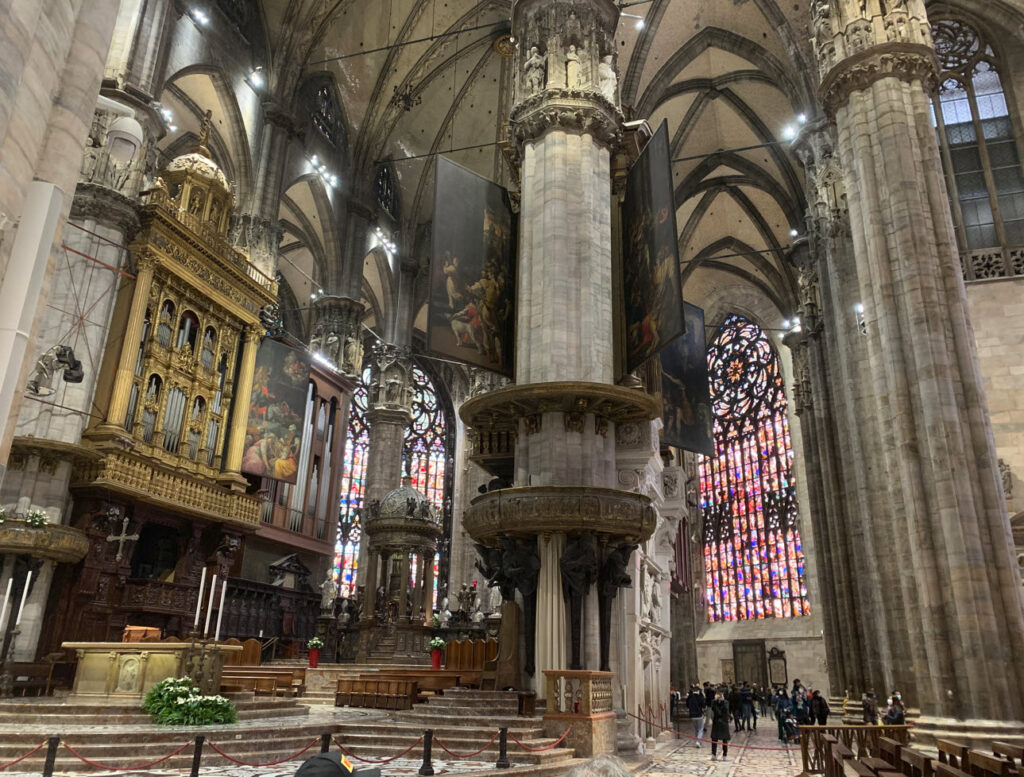
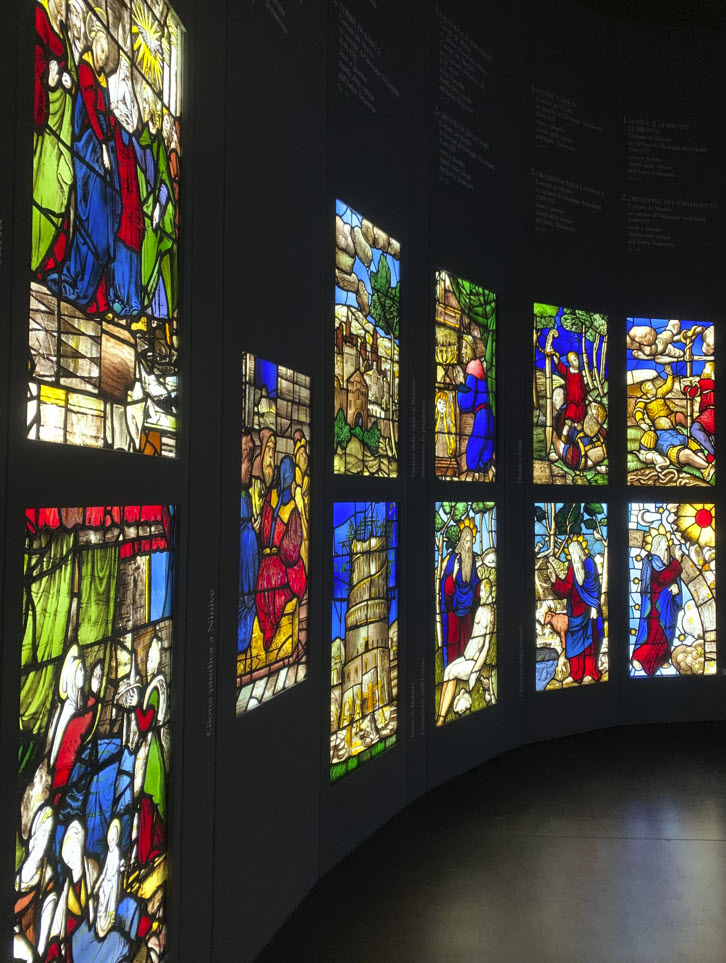
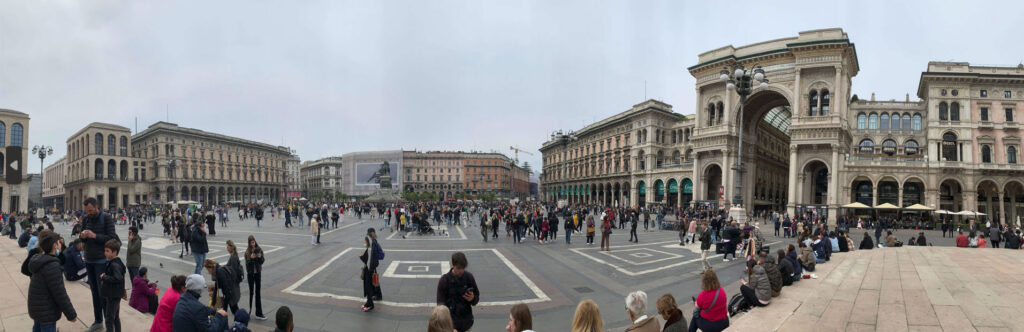
Piazza del Duomo is the beating heart of Milan and home to the iconic Milan Cathedral (Duomo di Milano), one of Northern Italy’s most renowned landmarks. This breathtaking cathedral, blending Gothic and Renaissance architectural styles, took nearly 600 years to complete. Napoleon notably played a key role in accelerating its completion during the 19th century. The Duomo stands as the largest church in Italy and holds the extraordinary distinction of having the most statues on any building worldwide.
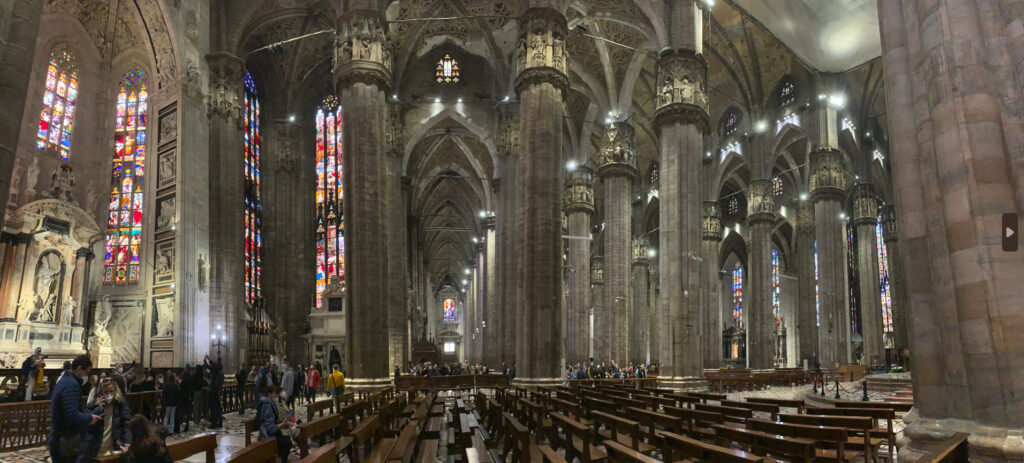
As the third largest cathedral globally following St. Peter’s Basilica in Vatican City and the Cathedral of Seville, the Duomo impresses with its stunning marble façades and exquisite stained glass windows. Its interior is equally captivating, featuring five grand naves and 52 columns, each symbolizing a week of the year. Visitors should note that the Duomo remains an active place of worship, so appropriate attire covering shoulders and knees is required for entry.
For a comprehensive experience, we opted for the Duomo ticket, which includes access to the rooftop lift, cathedral, archaeological area, and museum. Tickets can be booked online (https://ticket.duomomilano.it/en/categoria/biglietti/) with a preassigned date and time, allowing visitors to skip long queues. Booking early morning slots is recommended to avoid crowds, particularly during peak season when the cathedral can become quite busy. While the interior is magnificent, the cathedral’s exterior is equally spectacular.
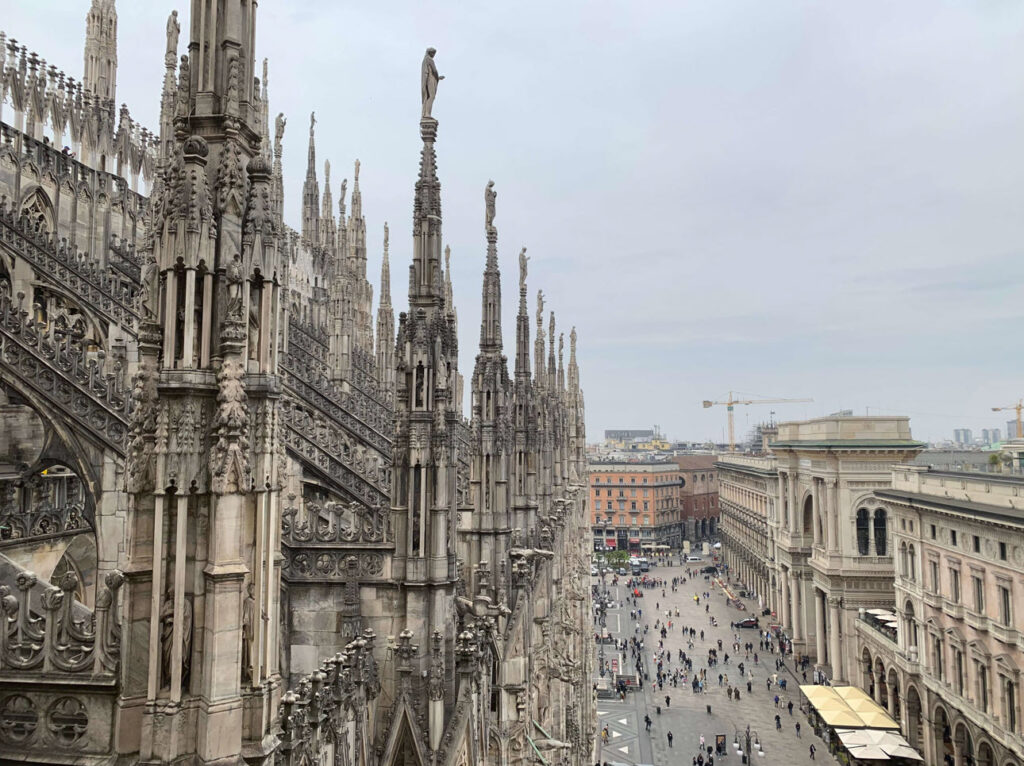
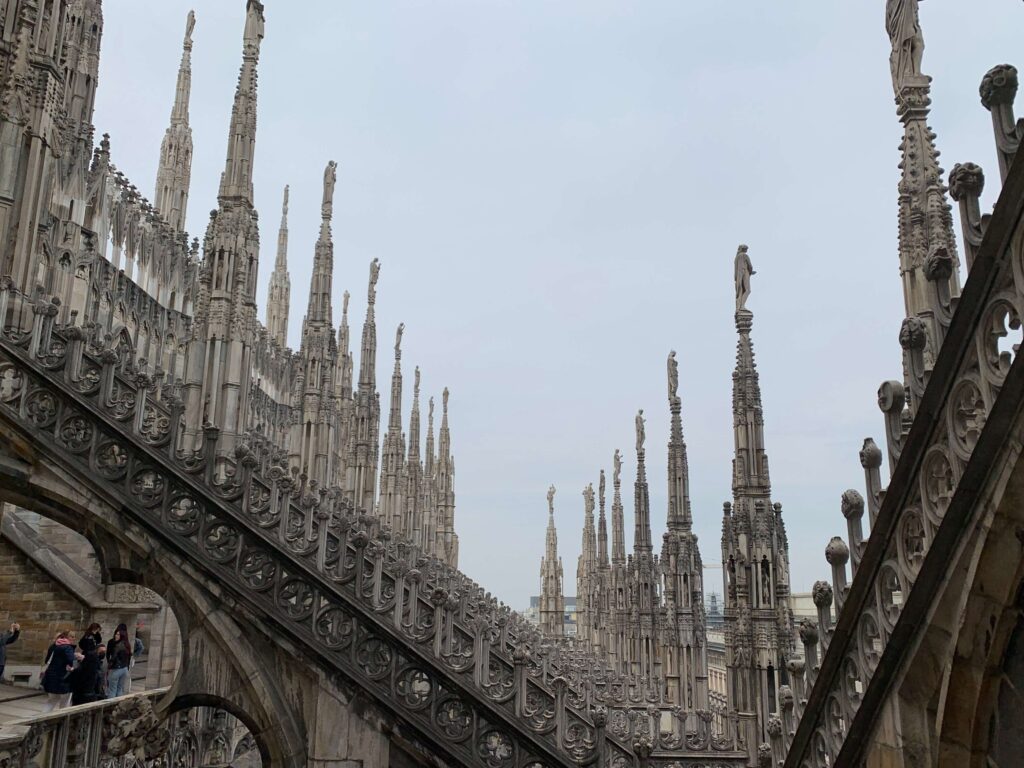
A visit to the Duomo’s terraces is a must. Featuring 135 towers and spires and over 2,000 decorative marble statues, the rooftop offers unparalleled panoramic views of Milan’s skyline. The contrast between the historic cathedral and the city’s modern architecture is truly remarkable. Access to the terraces is available via stairs or lifts, and our ticket included lift access for added convenience.
No trip to Milan is complete without experiencing the Duomo di Milano, a masterpiece of Gothic architecture and arguably the city’s chief attraction. Whether or not visitors tour the interior, Piazza del Duomo remains an essential stop.
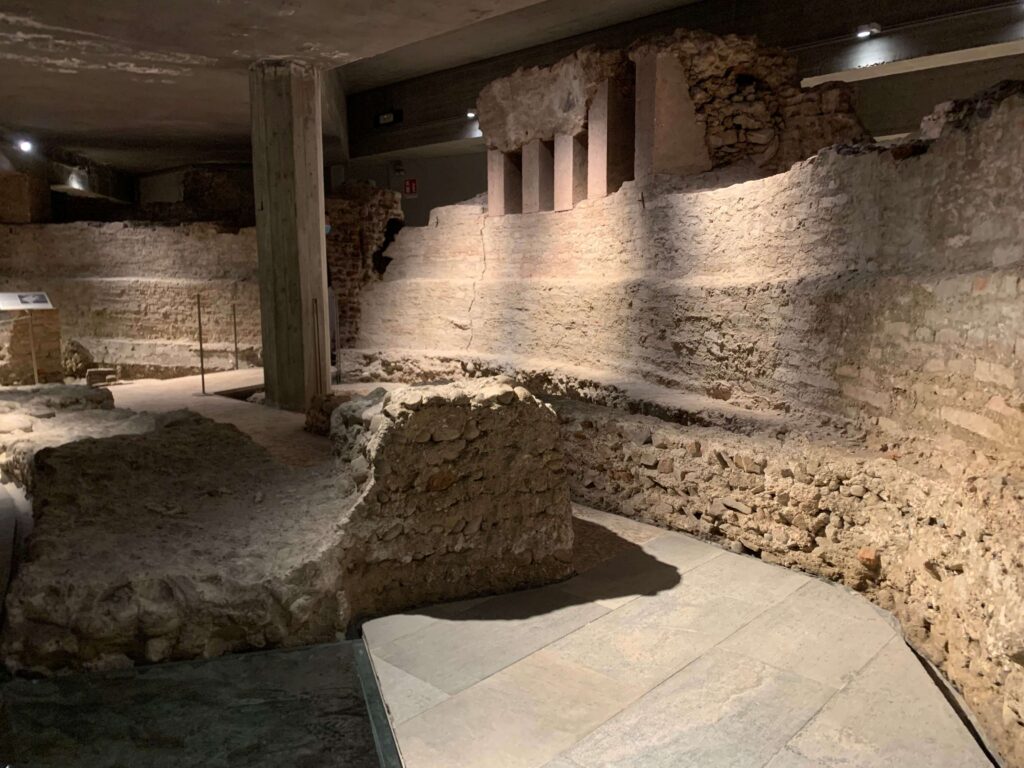
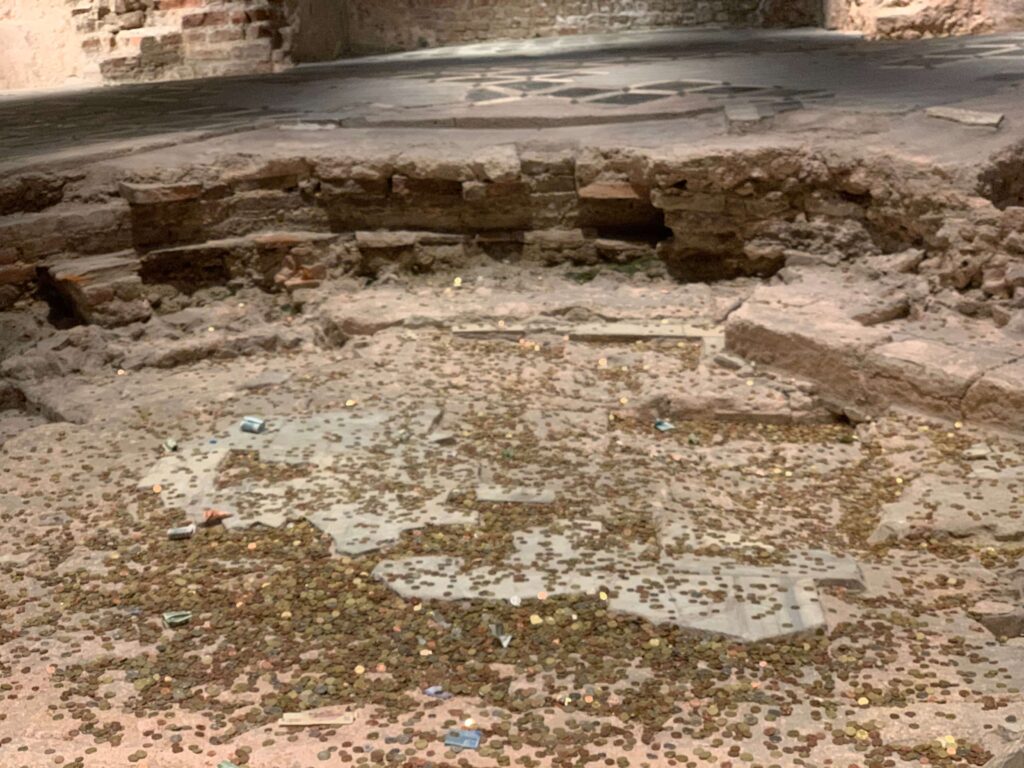
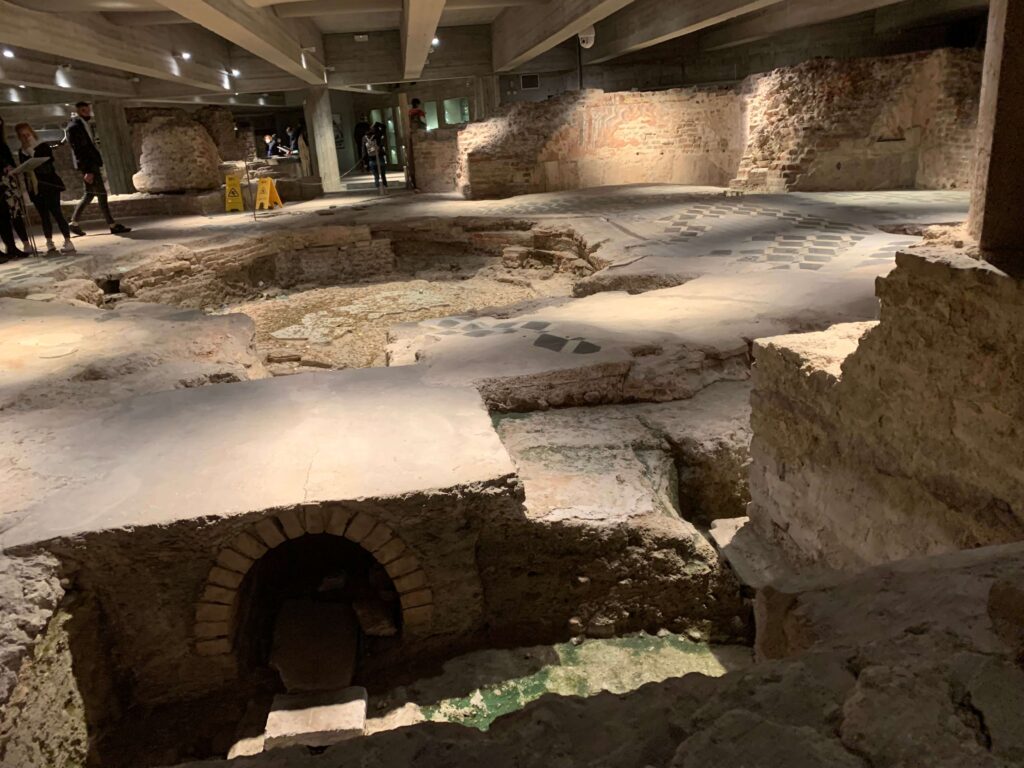
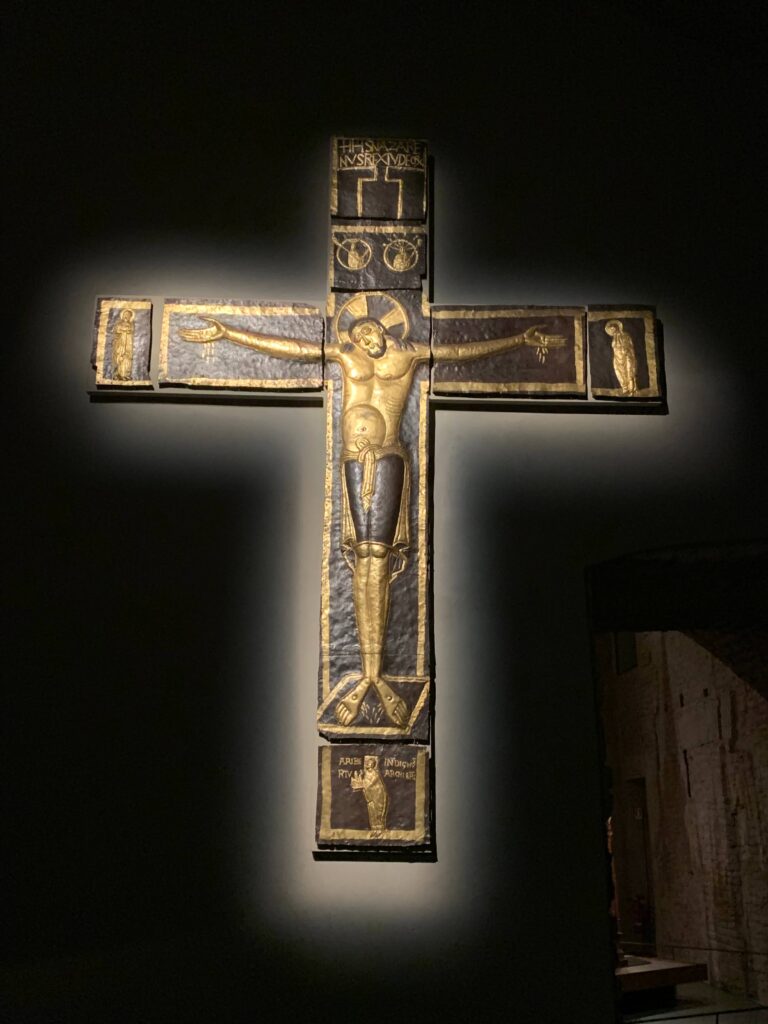
An exceptional highlight of our visit was descending into the cathedral’s underground archaeological area, where St. Charles Borromeo is buried. Beneath the Duomo’s parvis lies an extraordinary archaeological complex that reveals the remains of worship sites dating from the Roman Empire through the Middle Ages. These ruins were uncovered during the cathedral’s construction and offer a unique window into early Christian Milanese heritage. Access to this subterranean area is through a separate entrance and is well worth exploring.
Museo Del Duomo:
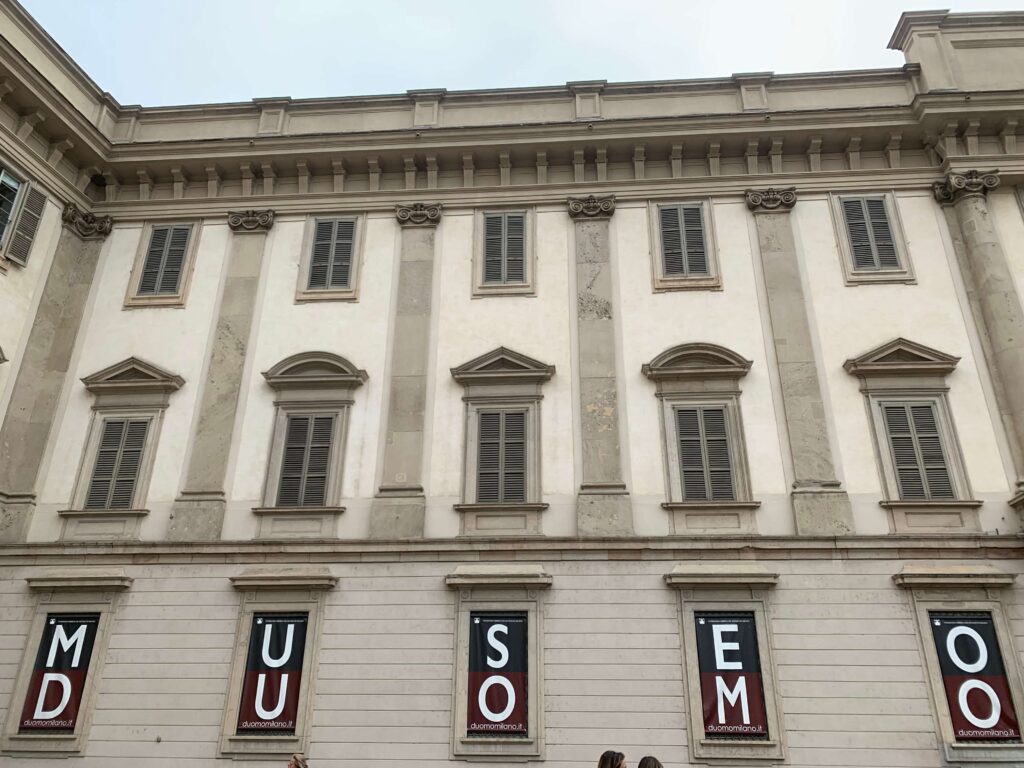
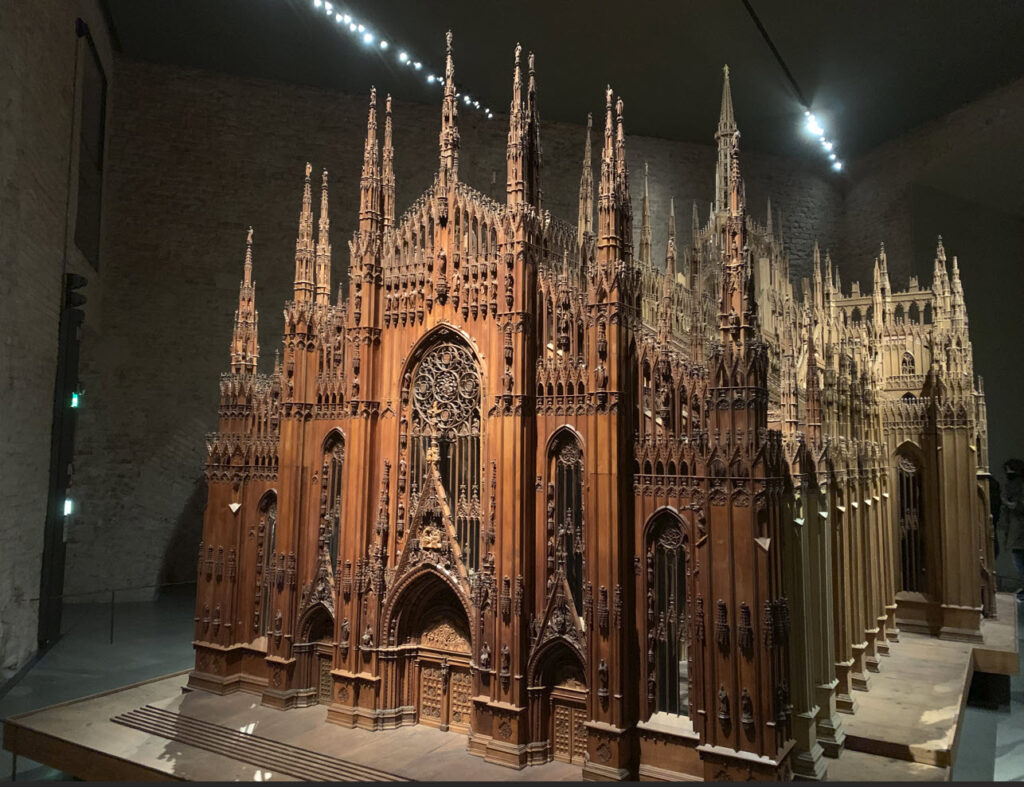
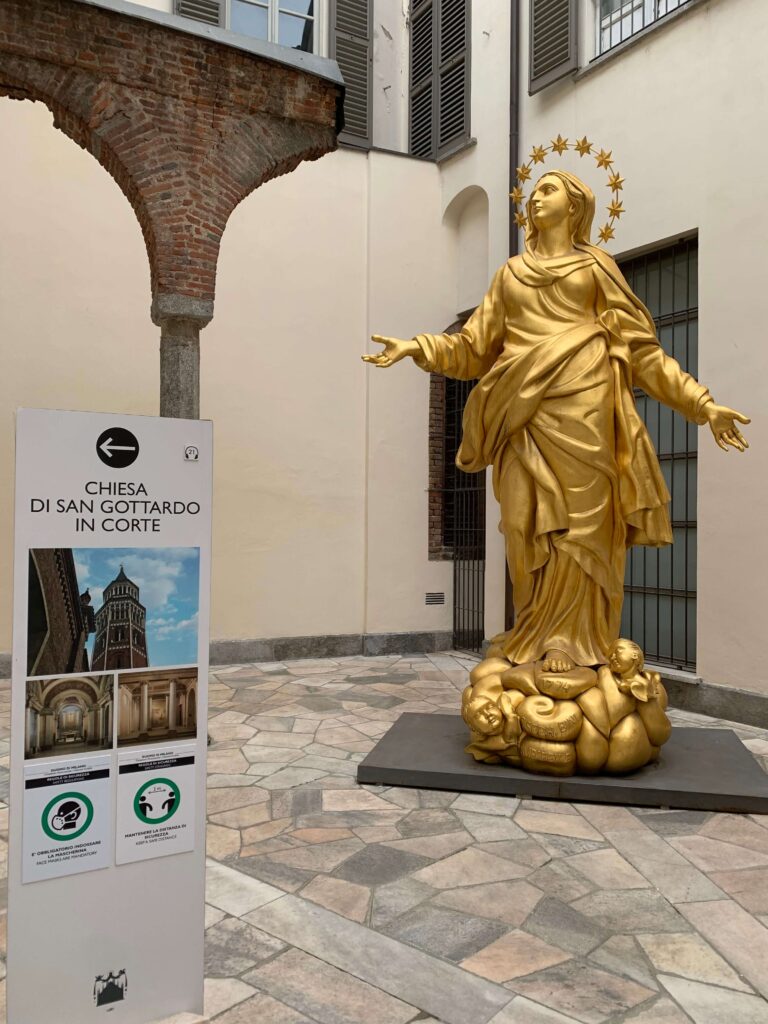
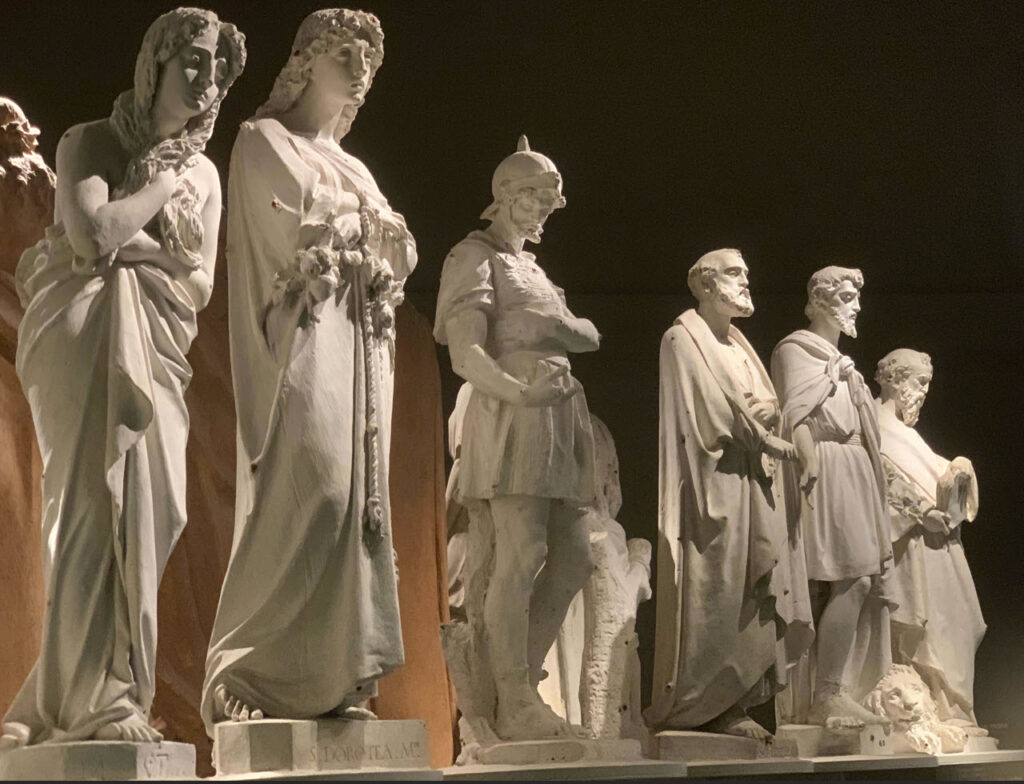
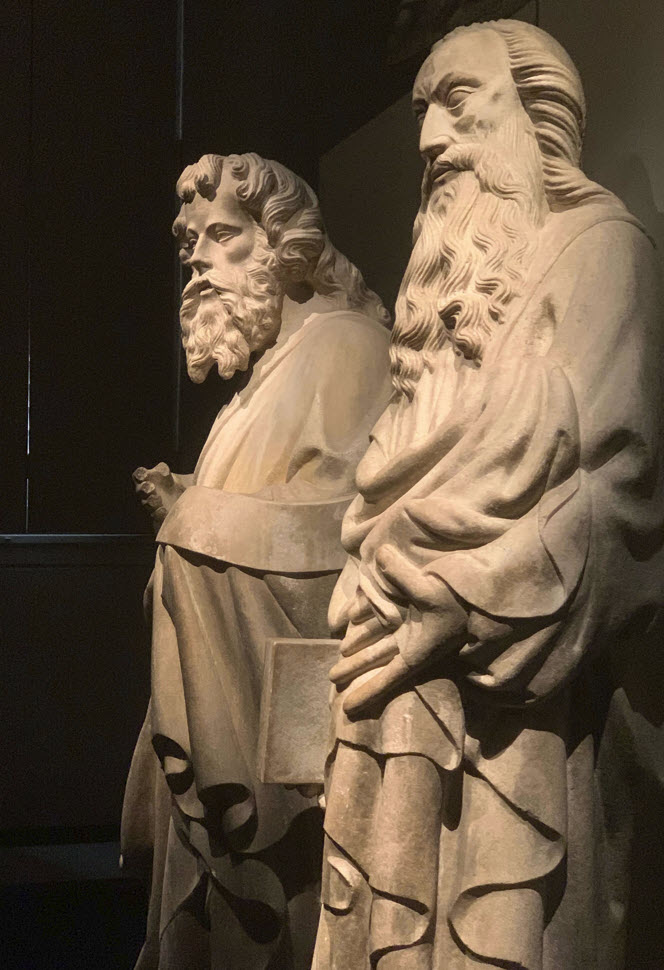
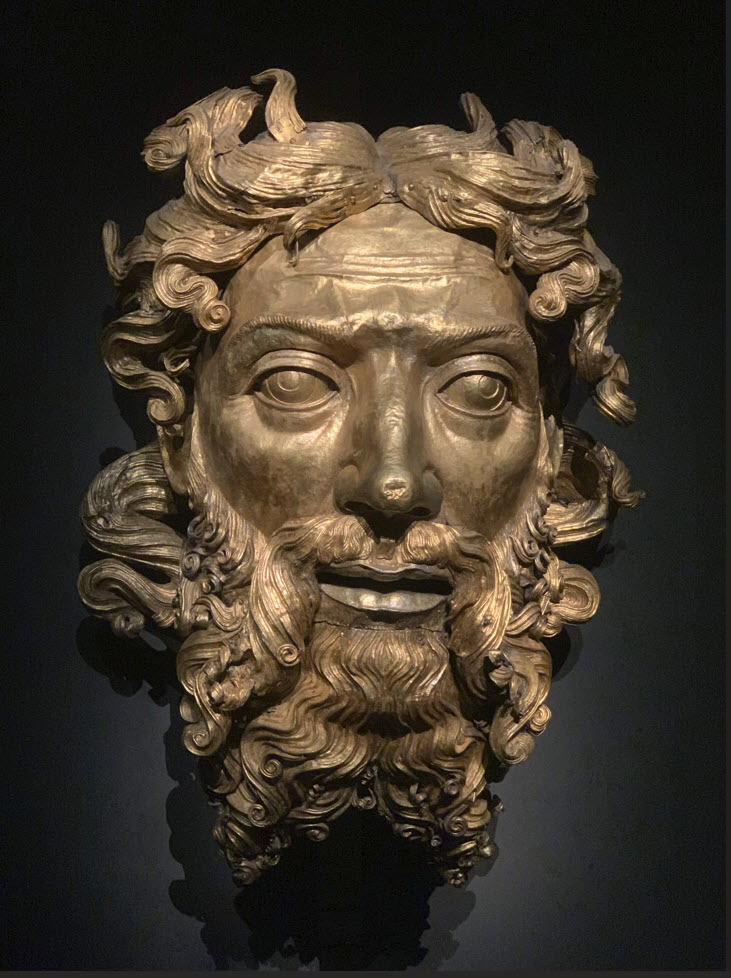
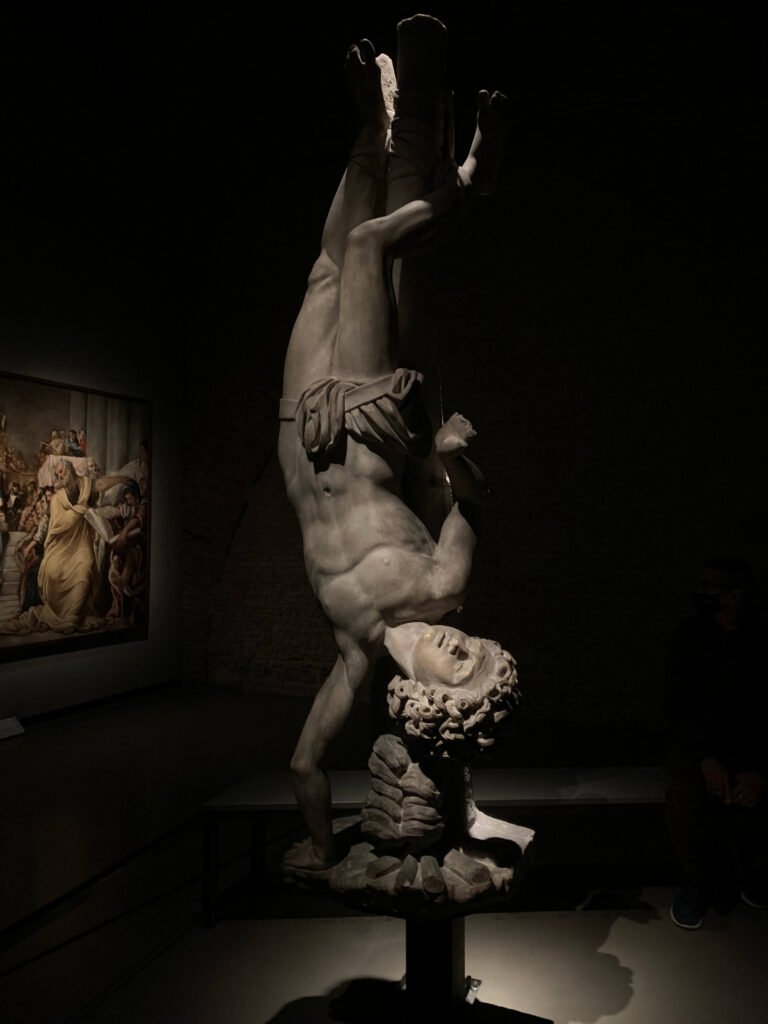
Situated just beside the cathedral, the Duomo Museum offers an in-depth exploration of the Duomo’s history and construction, making it a must-visit for those interested in architectural heritage. For enthusiasts of religious art and artifacts, the museum provides a unique opportunity to closely examine many of the cathedral’s statues and details, allowing visitors to appreciate the craftsmanship in exquisite detail.
The museum also houses a significant permanent collection of 20th-century Italian art, serving as an invaluable visual archive of Italy’s social and political history, including the rise and fall of Fascism and the impact of two world wars. This rich context makes the Duomo Museum an essential complement to the cathedral experience.
Galleria Vittorio Emanuele II (Italy’s oldest active shopping arcade):
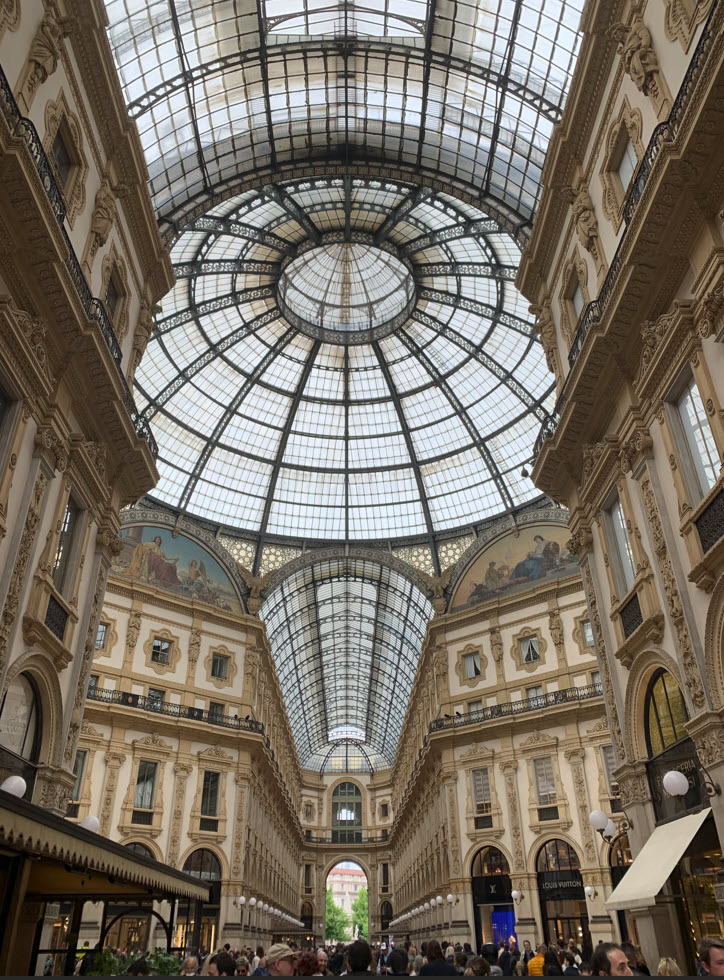
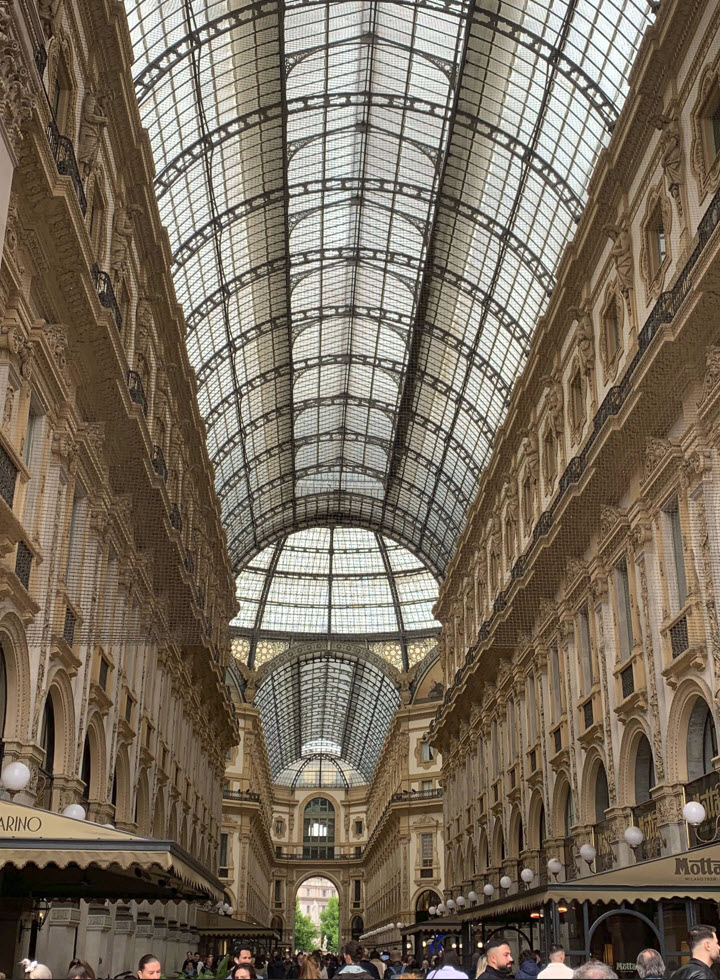
A short walk from the Duomo brings you to the historic Galleria Vittorio Emanuele II, Italy’s oldest shopping center and a true architectural gem. This covered shopping arcade is renowned for its stunning glass roof, creating a bright and elegant atmosphere that many say is open 24/7.
Inside the Galleria, visitors will find a variety of charming cafés and restaurants, some dating back to the gallery’s inception. It is also home to some of the world’s most prestigious fashion boutiques, including flagship stores for brands like Louis Vuitton and Prada, all adhering to the gallery’s signature black and gold signage for a uniform and sophisticated appearance.
Wandering through the Galleria is free, making it an ideal complement to a visit to the Duomo. The space is incredibly photogenic, featuring magnificent arcades and a spectacular glass and iron dome. Notably, the Prada store on the ground floor, established in 1913, is the brand’s very first flagship, and a visit to Marchesi 1824 a charming café located on the second floor above Prada is well worth your time.
A charming tradition here involves the mosaic of a bull on the floor. It is said that placing your heel on the bull’s balls and spinning three times brings good luck, adding a playful element to the elegant surroundings.
Leisurely walk through the streets:
Milan is a meticulously planned and easily navigable city, making it ideal for a relaxed exploration, especially when limited to just one day. The city center is highly walkable, offering visitors the opportunity to take leisurely strolls through its vibrant streets. For those interested, there are several guided walking tours available, providing deeper insights into the city’s rich history and hidden gems.
Most of Milan’s iconic landmarks and renowned buildings are conveniently located near the city center, allowing visitors to cover a great deal on foot within a single day. Even viewing these highlights from the outside provides a rewarding experience.
Milan’s dense urban layout enhances its appeal as a walking city, where every street corner reveals quaint cafés, inviting wine bars, stunning architectural details, and outstanding dining options. This blend of culture, cuisine, and charm makes walking through Milan an exceptionally rewarding way to experience the city’s unique character.
Milan Open Tour (Hop on Hop Off):
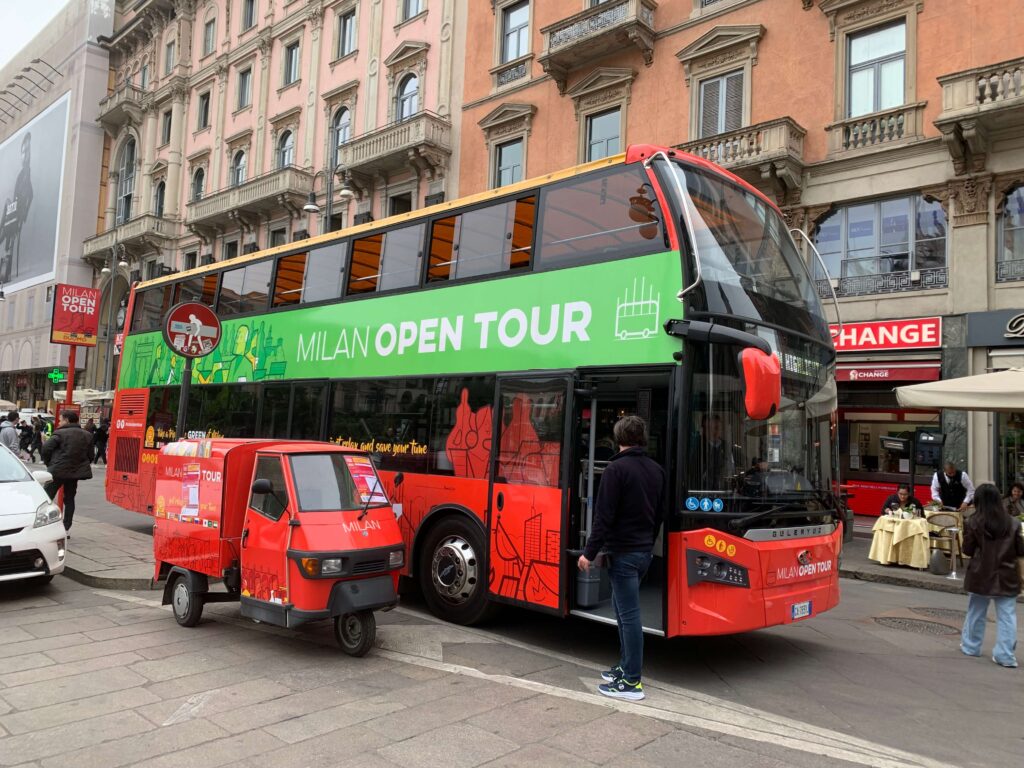
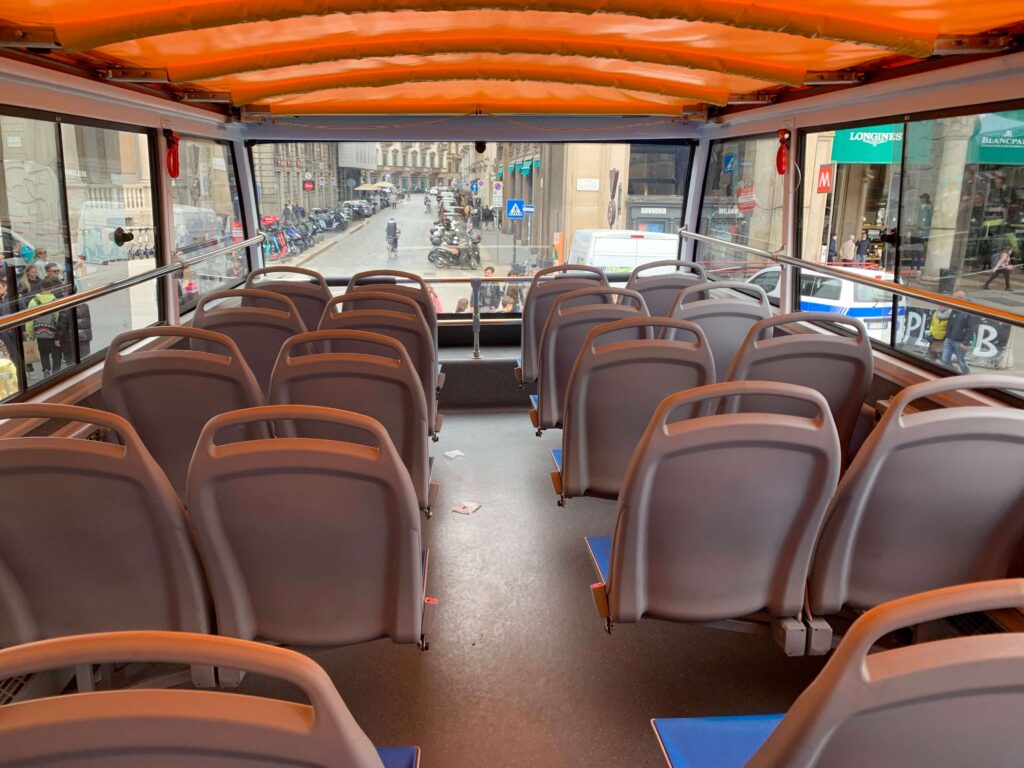
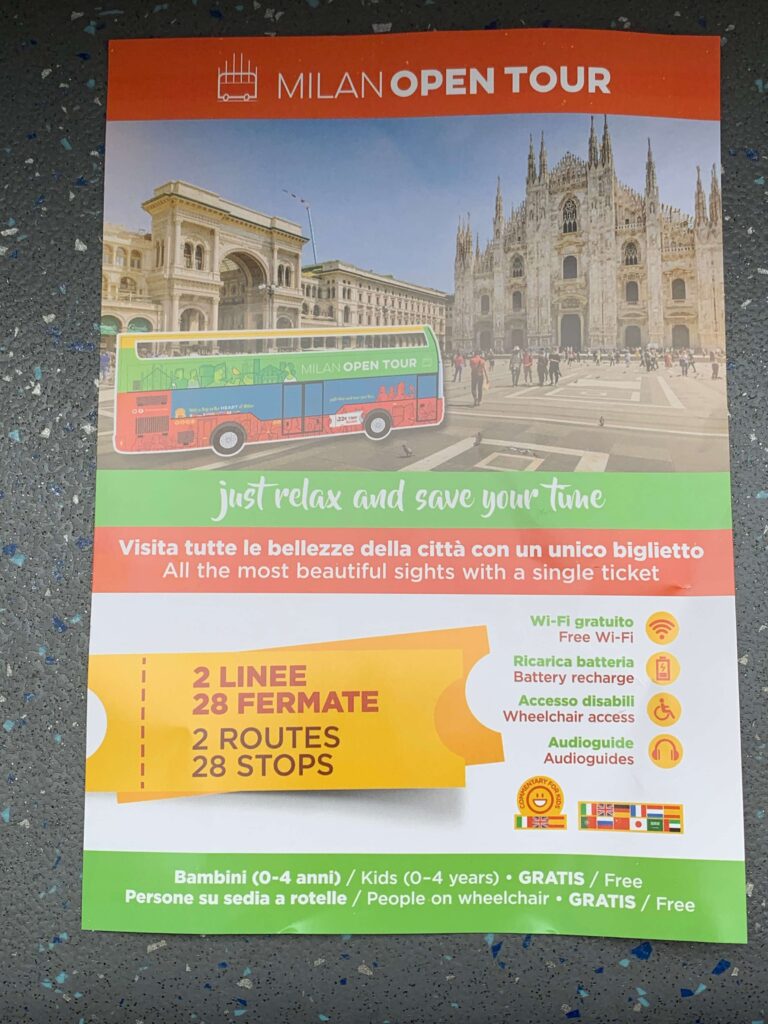
Just outside the cathedral, we boarded the Milan open tour double-decker bus, a convenient way to explore the city’s highlights. Additional information about this tour can be found at Milan Open Tour : https://milanopentour.com/en/
The service offers two main routes:
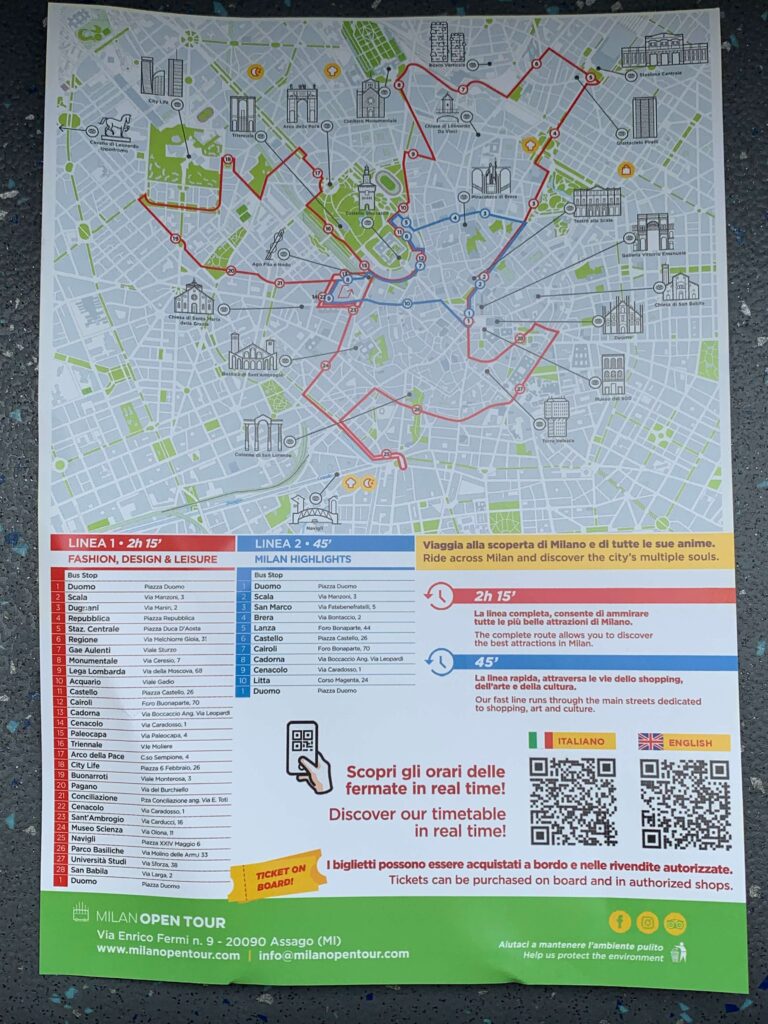
Red Line (Fashion, Design & Leisure) – This comprehensive route lasts approximately 2 hours and 15 minutes, covering Milan’s top attractions. We chose this line and opted to remain on the bus for the full circuit without disembarking, enjoying the full experience in one continuous trip.
Blue Line (Milan Highlights) – A faster, 45-minute route that traverses key streets known for shopping, art, and culture.
It is said that the same ticket may grant access to both lines, but it is advisable to confirm this detail directly with the tour operator. This hop-on hop-off service provides an excellent, flexible way to discover Milan’s diverse charms with the convenience of guided commentary and panoramic views.
Trams in Milan:
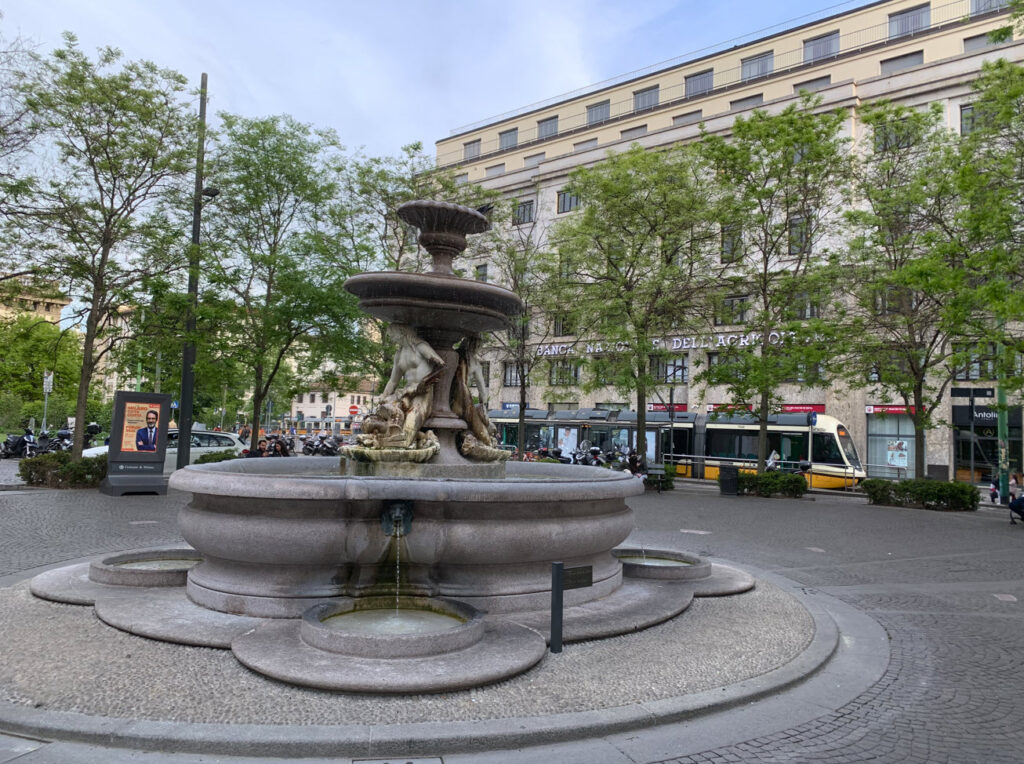
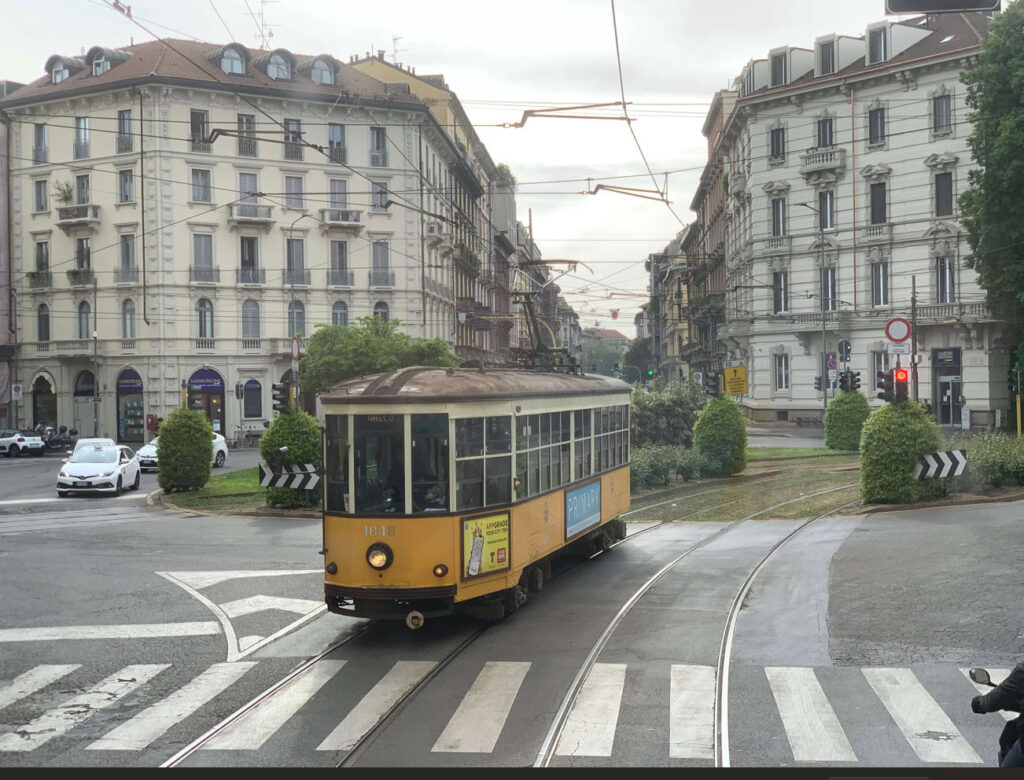
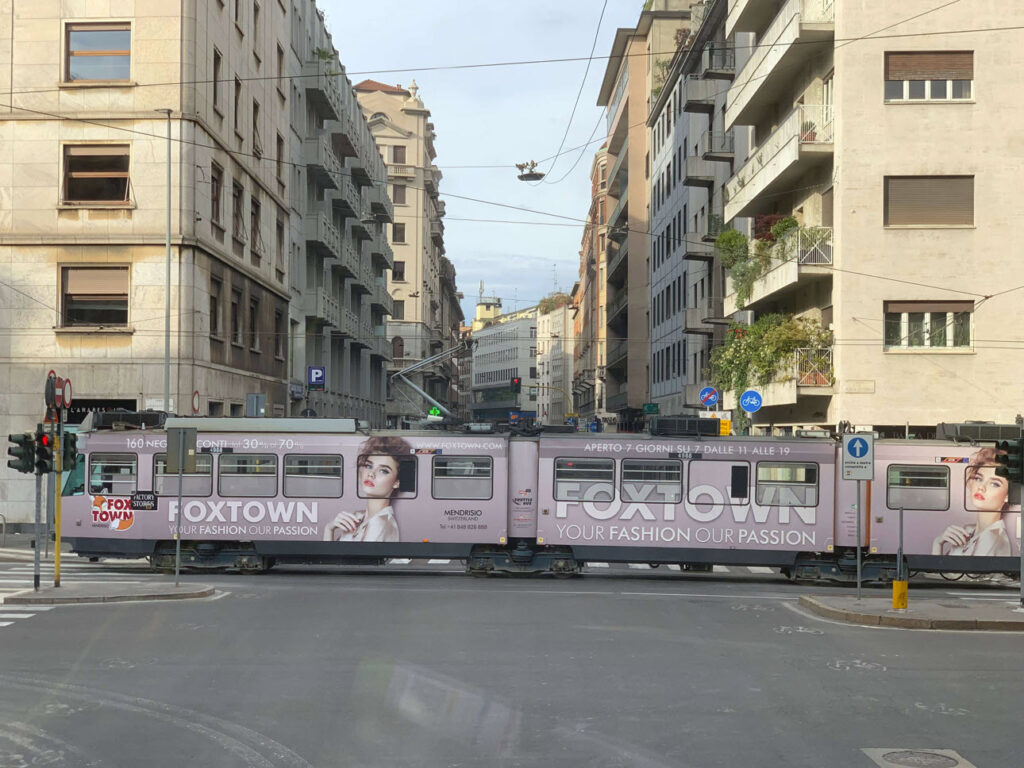
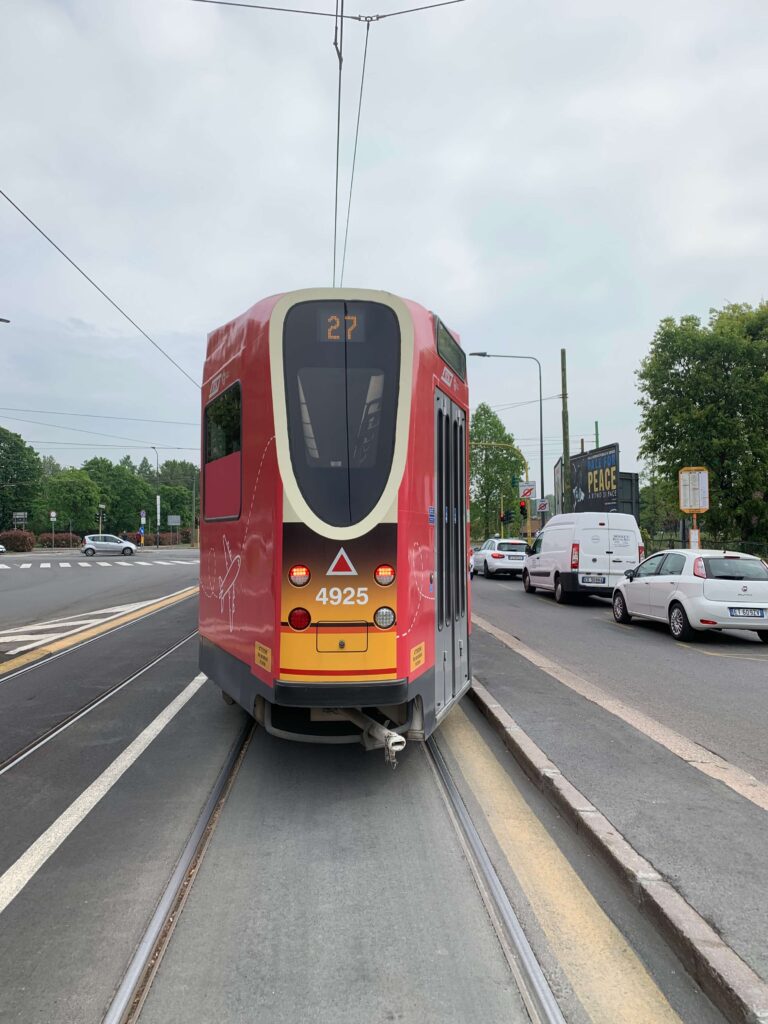
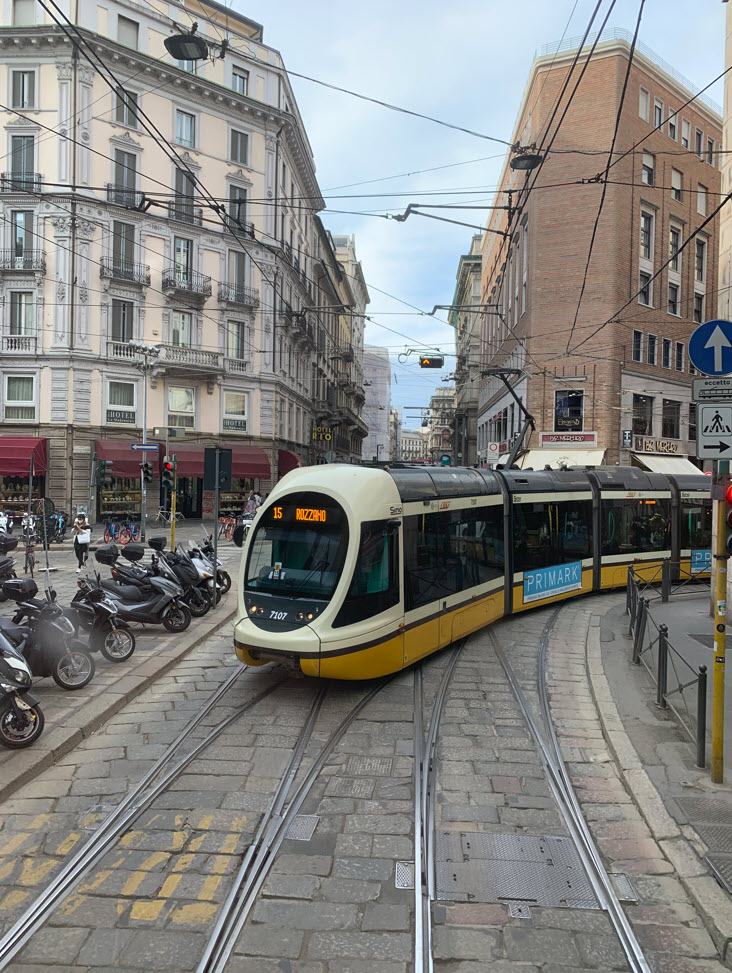
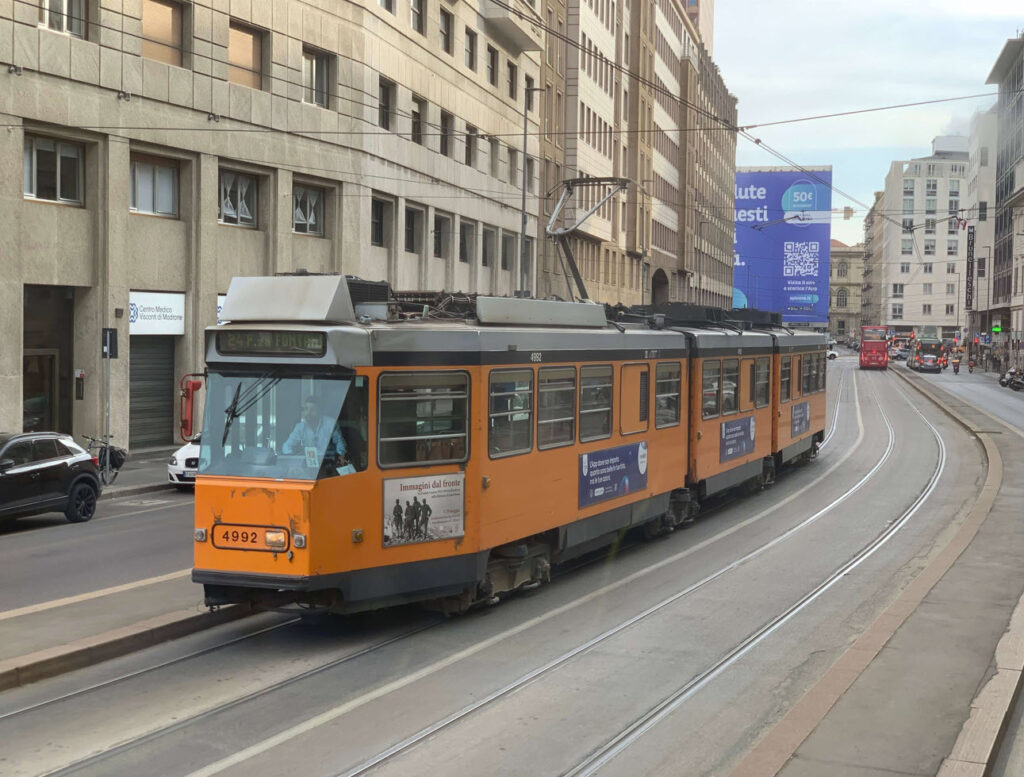
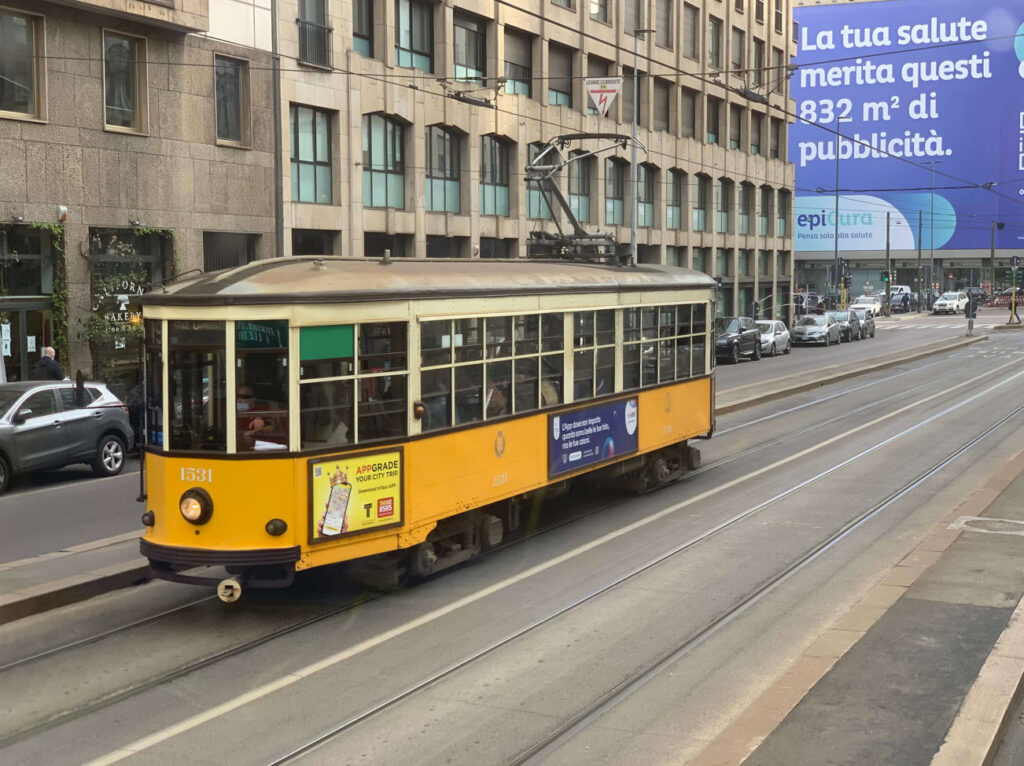
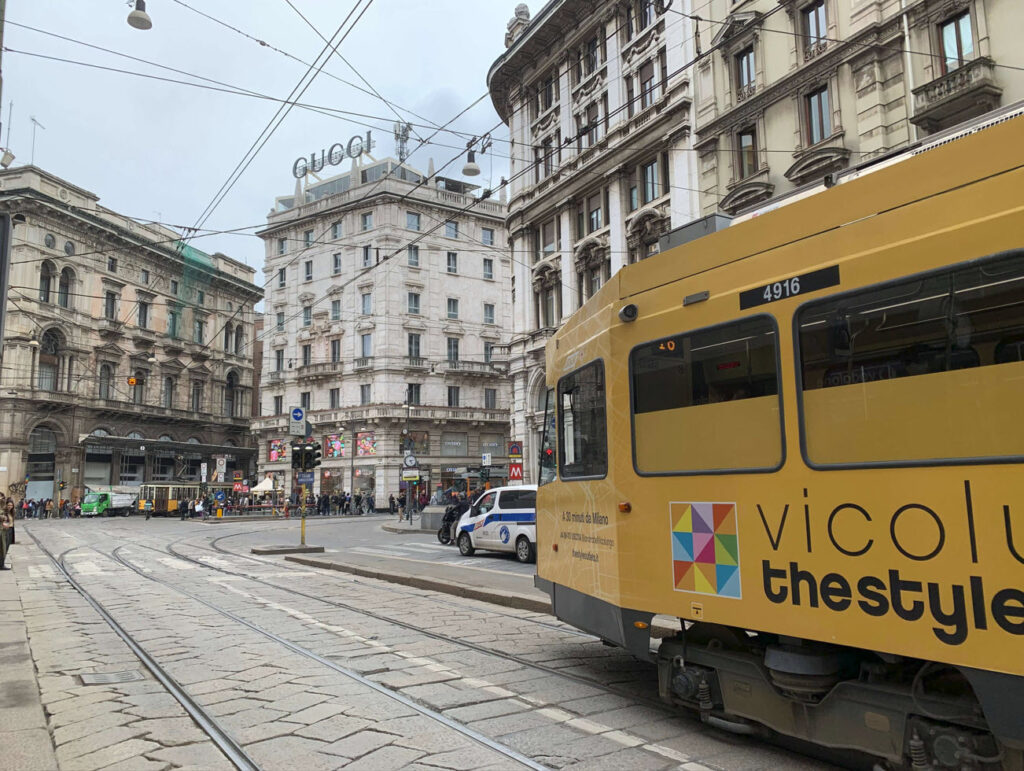
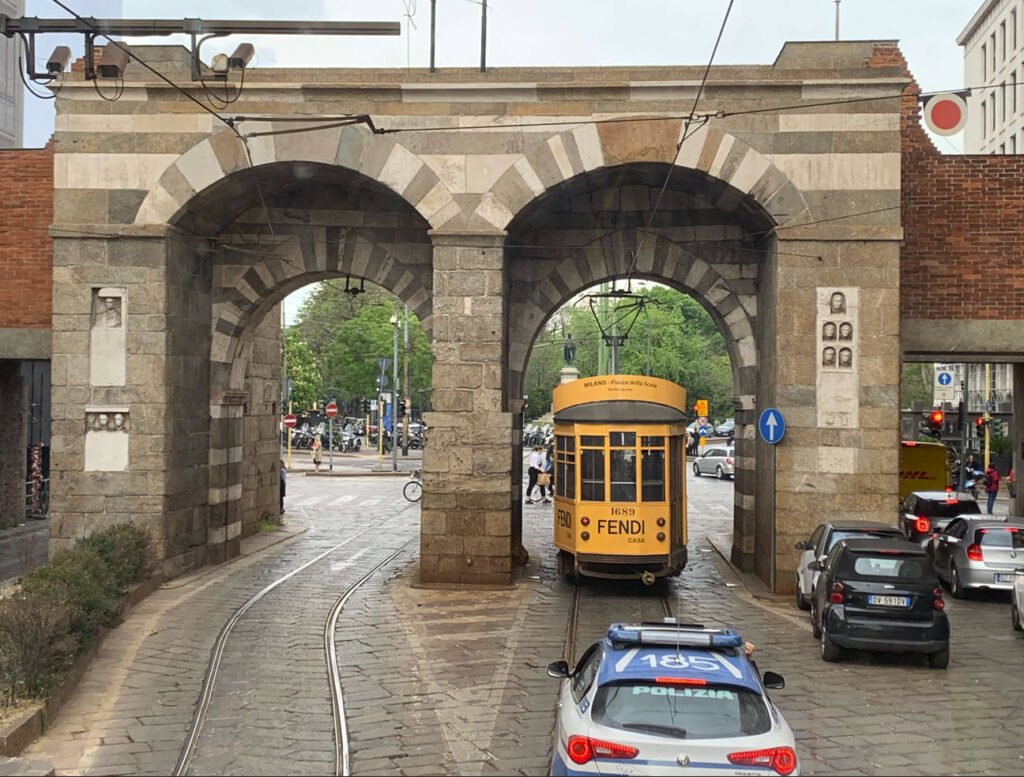
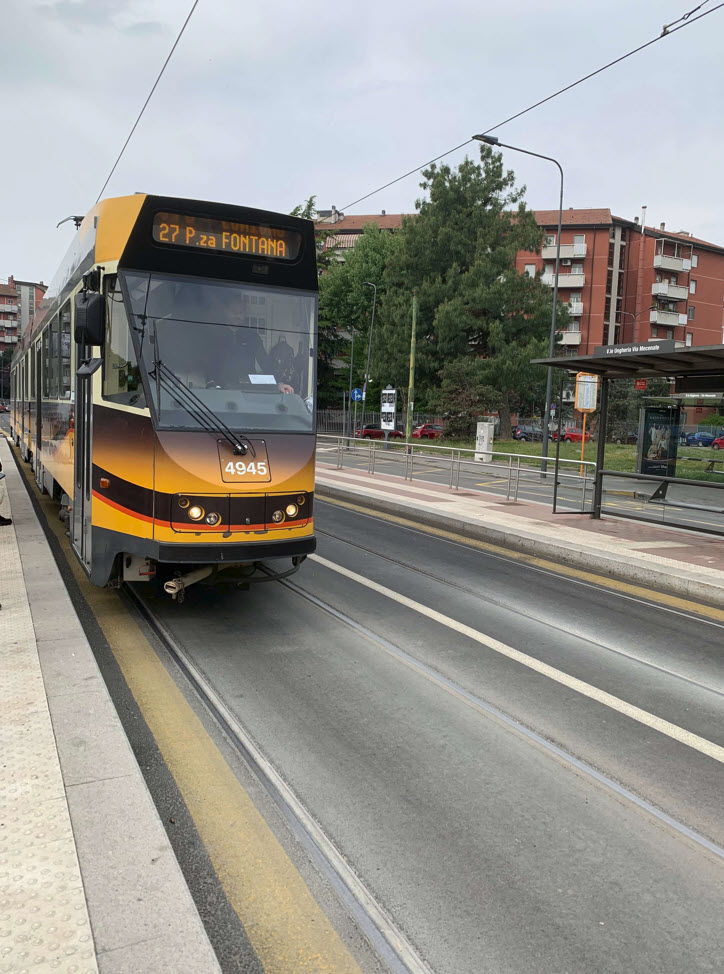
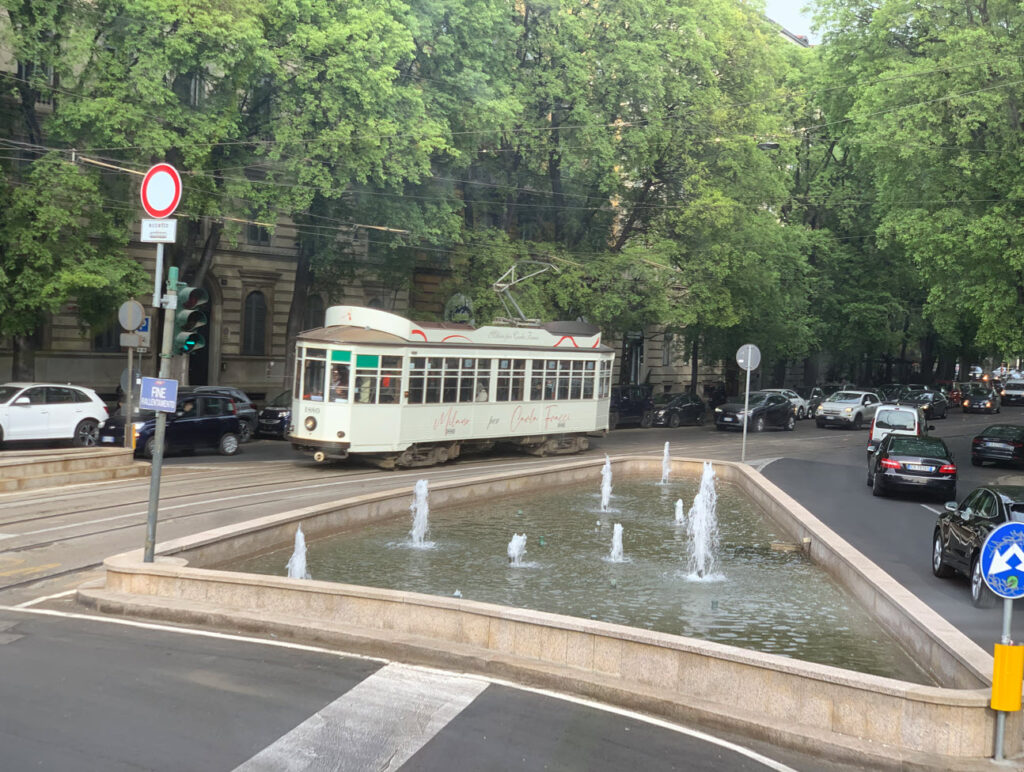
Milan is a paradise for tram enthusiasts, boasting a vibrant and extensive tram network that continuously moves throughout the city and its outskirts. The city’s tram system is one of the largest in the world, with a network spanning over 157 kilometers and comprising 17 urban lines operated by Azienda Trasporti Milanesi (ATM). Milan’s trams offer a charming mix of historic and modern vehicles, making each ride a unique experience.
Among the most iconic are the vintage-style trams, affectionately known as “Ventotto,” which have become symbols of Milan and are still in operation today, particularly on lines 1, 5, and 10. Riding these historic trams is not only a practical way to get around but also a delightful way to soak in the city’s nostalgic atmosphere, even for those who aren’t heading to a specific destination.
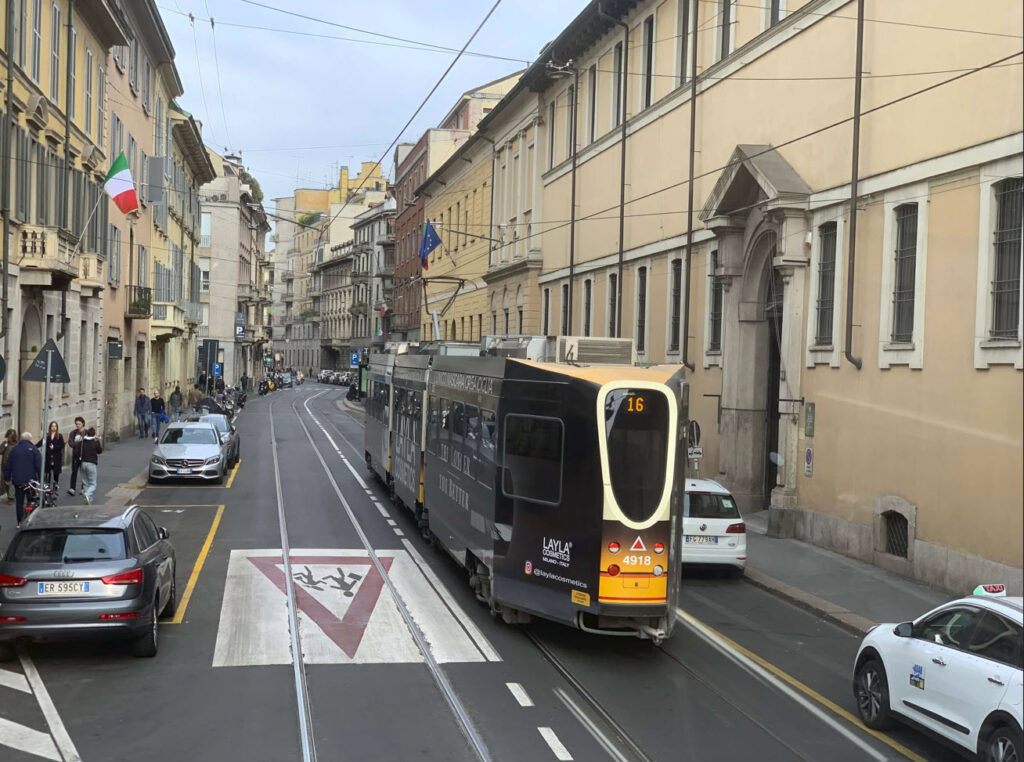
At the same time, Milan is modernizing its fleet, having introduced new low-floor, air-conditioned Tramlink vehicles on several lines, which offer increased accessibility and comfort. Trams run frequently across the city, connecting central areas near landmarks such as Piazza del Duomo with neighborhoods further afield, making tram travel both convenient and scenic.
For visitors, hopping on a tram offers a slower, more immersive way to experience Milan’s architecture, neighborhoods, and local life, while appreciating the blend of tradition and innovation that defines the city’s public transport system. Whether you prefer the classic charm of vintage trams or the sleek efficiency of the newest models, Milan’s tram network is an essential part of the city’s character and a must-try experience for travellers.
Additional Tips:
If you have only one day to explore Milan and if your intention is see maximum places within Milan, it’s wise to prioritize your time carefully. Rather than spending hours in queues at different museums or shopping at some of the most exclusive boutiques, focus on experiencing the city’s key sights and atmosphere.
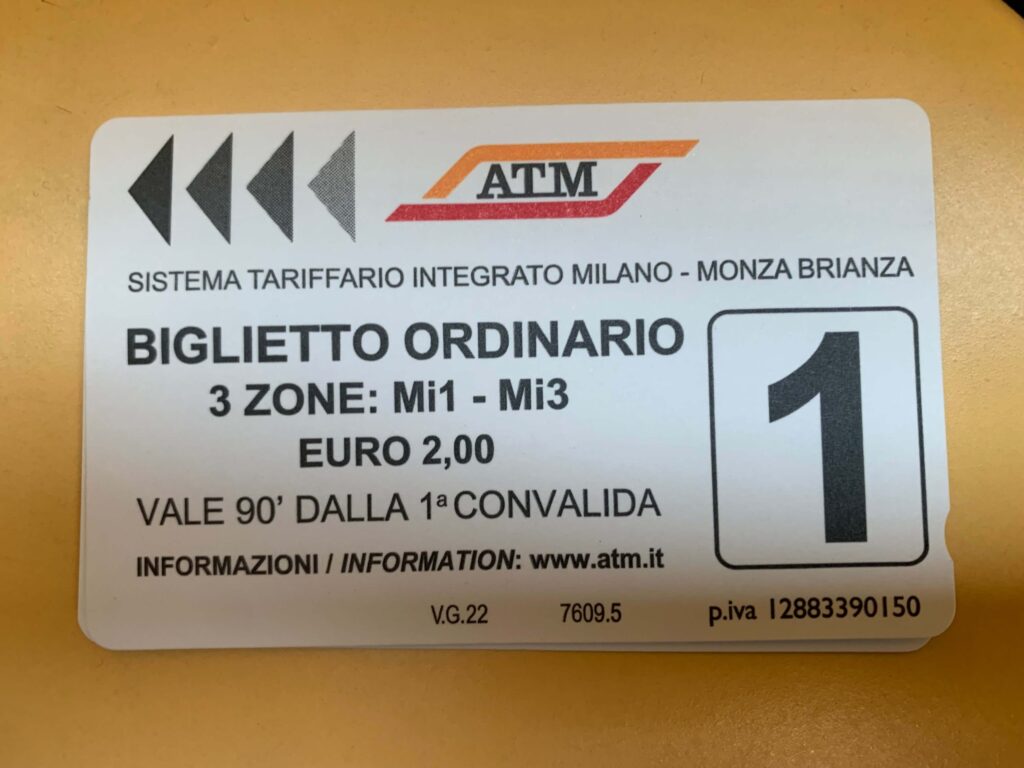
Using public transport is a practical and cost-effective way to maximize your time. A 24-hour ticket, costing just a few euros, allowed us to easily access multiple neighborhoods across Milan in a single day.
As Milan is one of Italy’s busiest tourist destinations, booking tours and tickets well in advance is highly recommended to avoid long waits and secure your spot at popular attractions.
For those flying in or out of Milan, Milan Linate Airport offers the most convenient option, located only about 7 km from the city center and primarily serving domestic and European routes. Transportation options between Linate and central Milan include public and airport shuttle buses. Alternatively, Malpensa Airport is Milan’s largest international airport, approximately 50 km from the city center, accessible via the fast Malpensa Express train or cost-effective shuttle buses. Bergamo Airport, also around 50 km away, is a popular choice for budget airlines like Ryanair.
When visiting churches in Italy, including the Milan Duomo, it’s essential to dress modestly with arms and legs covered, as strict dress codes are enforced for entry.
We used a 3-zone, one-day public transport card, which conveniently covered our journey from the hotel to the city center. Various ticket options are available to suit different needs.
Key resources for tickets and passes include the official public transport website ATM, as well as city passes like the Milan City Pass and Milano Card. The Milan City Pass offers an all-inclusive experience with free entry to major attractions, tours, and public transportation, while the Milano Card provides access to public transport plus discounts on various services. Some important web sites: https://www.atm.it/en/ViaggiaConNoi/Pages/default.aspx https://milancitypass.com/ https://www.milanocard.it/
Getting around Milan is most efficient by metro. The Metro network features four lines and 113 stations, seamlessly connecting visitors to iconic destinations such as the Duomo, Castello Sforzesco, and the Brera District. This makes it an ideal mode of transport for making the most of your time in the city.
Milan is internationally renowned as the capital of fashion and design, a reputation perfectly embodied by its famous shopping district known as the Quadrilateral of Fashion, or “Quadrilatero della Moda.” This prestigious area is defined by four main streets: Via Montenapoleone, Via della Spiga, Via Sant’Andrea, and Via Manzoni. Each street is lined with boutiques of the greatest Italian designers and global luxury brands, offering a truly exclusive shopping experience. Via Montenapoleone, in particular, is known as one of the most expensive streets in the world and hosts flagship stores for iconic names such as Versace and Gucci. This district is also the epicenter of Milan Fashion Week, attracting the international fashion elite. For those with a more modest budget, The Highline Outlet in the heart of Milan presents an excellent opportunity to shop designer labels at discounted prices, making Milan’s fashion accessible to a wider audience.
Visitors staying in Milan, even for just one night, should be aware of a mandatory tourist tax, which is collected directly by accommodation providers. The amount varies depending on the type of accommodation and is charged per person per night.
The Brera district is an excellent choice for accommodation, especially for those who want to stay within walking distance of Milan’s main attractions yet avoid the crowds around Piazza del Duomo and Galleria Vittorio Emanuele II. This charming neighbourhood offers a more relaxed and authentic Milanese atmosphere.
To navigate the city efficiently, downloading the official ATM Milano app is highly recommended. This app provides real-time route planning and schedules, making public transport easier to use during your visit. The app is available at ATM Milano Official App.(https://www.atm.it/en/ViaggiaConNoi/pagamenti_servizi_digitali/Pages/ATMMobile.aspx)
Different one day trip options from Milan:
Even though we had taken the St. Moritz (Switzerland trip), there are many other one-day trip options available in Milan. Few options below:
Lake Como
Turin
Bergamo
Verona
Bologna
Cinque Terre
Genova & Portofino Full-Day Tour (might take around 12 hours)
Florence and Pisa Day Trip (might take around 14 hours)
Other places worth visiting:
The Last Supper by Da Vinci in the monastery of Santa Maria delle Grazie (Need Prior booking)
Parco Sempione & Arco della Pace
Navigli district (Canals)
La Scala Theater / Opera House
The Sforzesco Castle and Parco Sempione
Brera & Braidense National Library (Brera Botanical Garden)
Pinacoteca di Brera (Art museum)
Basilica Sant’Ambrogio and San Maurizio al Monastero Maggiore (incredible churches)
Leonardo da Vinci National Museum of Science and Technology
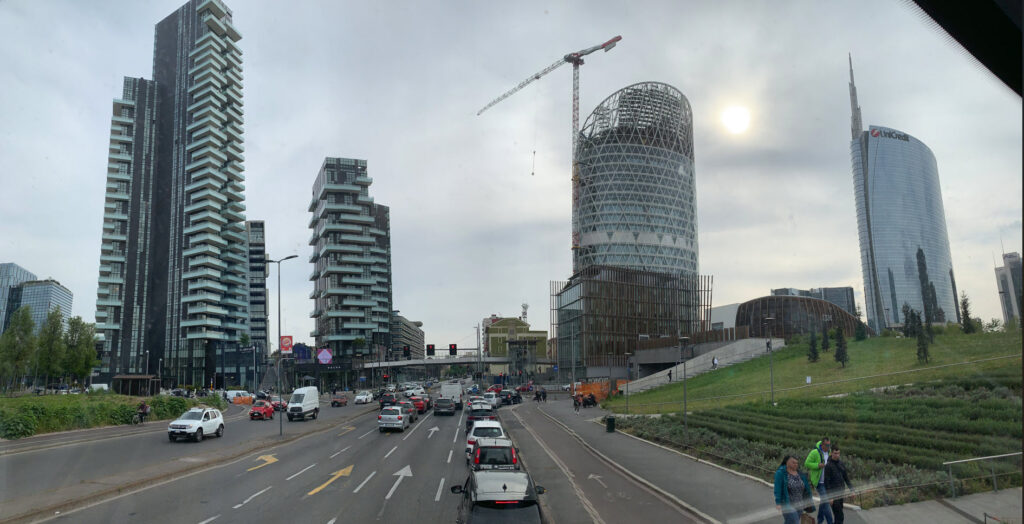
Bosco Verticale – the most innovative apartment buildings (residential complex)
Fashion Quadrilateral (home to boutiques & showrooms of the world’s leading fashion houses)
Fondazione Prada
Monumental Cemetery of Milan
San Siro Stadiu
Branca Tower
The Royal Palace of Milan
Milan Chinatown
Santuario di San Bernardino alle Ossa (Chapel of bones)
Summary:
One day in Milan offers just enough time to scratch the surface and get a true taste of the city’s vibrant energy. The majority of Milan’s major landmarks are conveniently located within the city center, allowing for easy walking access between them.
In my experience, a single day is sufficient to visit all the key attractions and absorb the bustling atmosphere of this dynamic city. I am confident that the itinerary I’ve suggested will give you a solid introduction to Milan, leaving you inspired to return for a longer stay when time permits.
I hope this guide provides helpful ideas for your visit and that you enjoy Milan as much as I did. Please feel free to leave any questions or comments below. Wishing you happy travels!
On our journey from Ireland to India, we had the opportunity to spend three fascinating days in Doha, the vibrant capital of Qatar. Renowned as a major international transit hub, Doha owes much of its popularity to Qatar Airways, the country’s national airline, which offers extensive direct connections across Europe, Asia, Oceania, and the Americas.
Key Facts About Doha and Qatar:
Qatar’s remarkable wealth primarily stems from its abundant oil and natural gas reserves, making it one of the richest countries globally in terms of GDP per capita. This economic prosperity is reflected in Doha’s impressive skyline and world-class infrastructure.
One unique demographic characteristic of Qatar is its exceptionally high male-to-female ratio, the highest worldwide, with significantly more males than females.
Geographically, Qatar is among the lowest-lying countries on earth, with an average elevation of just 28 meters (92 feet) above sea level.
The country’s arid desert climate means it has no natural forests. Situated on a peninsula in the Arabian Gulf, Qatar’s landscape is dominated by sandy terrain and minimal rainfall. However, the nation has embarked on ambitious afforestation projects, creating man-made forests to enhance green spaces and improve environmental sustainability.
Arabic is the official language, but English is widely spoken, especially in business and tourism.
The Qatari riyal is the official currency of the State of Qatar. It is divided into 100 dirhams.
Cultural and Social Insights:
Alcohol consumption in Qatar is strictly regulated rather than entirely prohibited. The legal drinking age is 21, and alcohol is only available to non-Muslims in licensed venues such as selected hotels, bars, and restaurants. Expatriates with permits may purchase alcohol for home consumption through the Qatar Distribution Company (QDC). Public intoxication and alcohol consumption outside licensed premises are illegal and subject to severe penalties, including fines and imprisonment. Importing alcohol into Qatar is also forbidden.
Geographical and Political Overview:
Located on the northeastern coast of the Arabian Peninsula, Qatar shares its sole land border with Saudi Arabia to the south, while the rest of its territory is surrounded by the Persian Gulf. Governed as a hereditary monarchy by the House of Thani, the country is currently led by Emir Tamim bin Hamad Al Thani.
Qatar’s population is approximately 2.6 million, with expatriates and migrant workers constituting the vast majority. Over 80% of the population resides in Doha and its suburbs, making the city the fastest-growing urban center in the country.
Sporting Highlights and Safety:
Doha gained global recognition when it hosted the 2022 FIFA World Cup, showcasing its state-of-the-art stadiums and hospitality. Looking ahead, Qatar is set to host the 2027 FIBA Basketball World Cup from August 27 to September 12, further cementing its status as a premier destination for international sporting events.
Notably, Qatar ranks among the safest countries in the world, offering a secure and welcoming environment for travellers and residents alike.
Visa and Hotel Booking for a Doha Stopover:
For our stopover in Doha, we utilized the convenient transit/stopover package available through the Discover Qatar website (https://www.discoverqatar.qa/stopover/). This official platform is the recommended way to book both your hotel and transit visa for stays between 12 and 96 hours.
Exclusive Hotel Booking:
All stopover hotels must be booked directly via the Discover Qatar website. Bookings made through third-party platforms such as Booking.com are not valid for this offer.
Exceptional Value:
Hotel rates offered through Discover Qatar are significantly lower than standard rates, making it a cost-effective choice for travellers.
Eligibility and Stay Duration:
The stopover package is designed for transit periods ranging from 12 to 96 hours.
Room Occupancy:
The maximum room occupancy is two adults and one child under 11 years, using existing bedding. For families of four (e.g., two adults and two children aged 12 and 6), booking two rooms may be required. However, you may inquire at check-in if the hotel can accommodate your family in a larger single room (with no additional cost).
Flexible Check-in/Check-out:
The package offers a 24-hour check-in and check-out policy. For example, if you check in at 7 PM, your check-out time will also be 7 PM the following day.
Adding a Transit Visa:
Once you have finalized your hotel booking, you can add the “Qatar Transit Visa” as an extra option.
Visa Validity:
The transit visa is valid for a single entry within 14 days from the date of issue. If you apply early, your application may be processed closer to your travel date to fit this window.
Required Documents:
You will need a passport photo and a scanned copy of your passport to complete the visa application.
Visa Processing:
The transit visa is typically issued via email within two days. It is advisable to carry a printed copy of your visa when you travel.
Terms and Conditions:
For complete details, refer to the Stopover Terms and Conditions.
Arrival and Immigration at Hamad International Airport:
Upon arrival at Hamad International Airport, clear signage will guide you to the appropriate immigration lines to complete your entry formalities. During our visit, we encountered relatively long queues, so it’s advisable to allow some extra time for this process.
Currency Exchange and ATM Options:
The airport offers several currency exchange counters; however, the exchange rates tend to be less favourable. In our experience, converting currency at the airport resulted in a loss of approximately 100 Qatari Riyals (QAR) compared to rates available outside the airport (just for testing, we converted the same amount of Euros both within the airport and from a mall).
A more cost-effective alternative is to withdraw cash directly from an ATM within the airport. Typically, your bank will provide better exchange rates for foreign currency withdrawals, making this a convenient and economical option.
Transportation from the Airport:
Signage within the airport clearly directs passengers to Taxi and Uber pickup points. If you choose to take a taxi, be prepared for potentially long waiting lines, especially during peak arrival times.
For a faster and efficient option, the Metro Red Line connects directly to Hamad International Airport, providing seamless access to Doha’s city center and beyond.
Hotel:
During our stay in Doha, we chose the Velero Hotel Doha Lusail, located approximately 30 minutes by car from Hamad International Airport. For our transfer, an XL size taxi cost us round 70 Qatari Riyals (QAR).
Doha, with its compact size and modern infrastructure, is a delight to navigate and explore. Whether you’re visiting for a stopover or a short city break, you can easily tailor your plans to suit your interests. Here’s a detailed account of our four-day itinerary in Doha, packed with highlights, practical tips, and must-see attractions.
Day 1 – Arrival and Relaxation:
We arrived at Hamad International Airport around 5:30 PM and reached our hotel by 7:30 PM. After a long journey, we opted to relax and unwind at the hotel. For dinner, we made use of convenient local food delivery apps such as Talabat and Snoonu, which offer a wide range of cuisines delivered straight to the accommodation.
Day 2 – Culture, Heritage, and City Sights:
We had made this trip in June 2025. It was extremely hot (around 40-45 Degree Celsius). As the weather conditions were not favourable, we had to plan our trip in a way that we don’t get exposed to direct sunlight for a long time. We used ‘UBER’ and other ‘Private Hires’ throughout day 2. We took a UBER from Hotel to the National Museum.
National Museum of Qatar (NMoQ):
A visit to the National Museum of Qatar offers an exceptional opportunity to delve into the nation’s rich and dynamic history. The museum features a wide array of exhibits that chronicle Qatar’s remarkable evolution, illustrating how the country has transformed over the years into its present-day form.
The current museum building, which opened to the public on March 28, 2019, replaced the original structure from 1975. Designed by renowned French architect Jean Nouvel, the building draws inspiration from the desert rose crystal native to Qatar, resulting in a truly stunning and distinctive exterior. The architecture is a masterpiece in itself, making the museum a landmark worth visiting even for its design alone.
Inside, the museum brings Qatar’s heritage and rapid development to life through immersive exhibits and interactive displays. Highlights include galleries dedicated to the Bedouin way of life, maritime traditions, and the country’s natural history, all enhanced by engaging audiovisual installations that make the storytelling vivid and memorable.
For those short on time, it is possible to access the museum’s courtyard free of charge, providing excellent views of the building’s unique architecture. Entry to the museum’s collections requires a ticket. Additionally, visitors will find a small collection of vintage cars on display in one of the buildings.
Note: Just outside the exit of one of the museum halls, there is a ‘Cave of Wonders’ – a small cave that may appeal to children. However, it may not be suitable for visitors with strollers or mobility issues, as reaching the exit involves climbing a few stones.
Admission to the National Museum of Qatar is 50 QAR per person. If you plan to visit multiple museums during your stay, consider purchasing the ‘Discover One Pass’ (https://www.discoverqatar.qa/discover-one-pass/overview), which grants access to four major museums – the Museum of Islamic Art, National Museum of Qatar, 3-2-1 Qatar Olympic and Sports Museum, and MATHAF: Arab Museum of Modern Art – for just 70 QAR. This pass offers unlimited access to all four museums and any available exhibitions for five days from the date of first use.
Later, we took a uber from National Museum of Qatar to a Indian restaurant named ‘Zaitoon’.
We had some Kerala (a state in India) menu items like ‘Chattichoru’ from ‘Zaitoon’.
We opted for a private taxi hire to visit the remaining attractions. Typical rates we encountered ranged from 50 to 70 QAR per hour. We hired a taxi for approximately five hours, which proved to be an economical and efficient choice. This arrangement allowed us to cover a wide range of sites within that timeframe while minimizing our exposure to the intense midday heat.
We went to following places:
Museum of Islamic Art:
The Museum of Islamic Art is renowned as the final masterpiece of legendary architect I.M. Pei. This geometric structure rises from its own artificial island, seamlessly blending modern design with traditional Islamic architectural elements. The five-story building features a central domed atrium and elegant limestone walls. Across four levels, the museum displays an exceptional collection of metalwork, ceramics, jewelry, woodwork, textiles, coins, and glassware, representing the craftsmanship of emperors, caliphs, princes, and everyday people from the Middle East and beyond.
Note: Due to time constraints, we were unable to tour the museum’s interior and instead captured photographs of its impressive exterior.
Imam Muhammad bin Abdul Wahhab Mosque (Qatar Grand Mosque):
The Grand Mosque, inaugurated in 2011, stands as one of the largest and most impressive mosques in Qatar. Its striking architecture is remarkable both inside and out, and the mosque offers stunning views of the Doha city skyline. Visitors are welcome to take photographs and videos of the mosque’s exterior and interior using mobile cameras.
Inside, the mosque features a centrally air-conditioned main hall with beautifully crafted carpets, accommodating up to 11,000 men for prayers. An adjacent, spacious enclosure provides room for 1,200 women. The mosque is easily accessible, with three main entrances and 17 side entrances.
Upon arrival, guests are greeted at a reception area located on the ground floor near the parking facility. We were warmly welcomed by a guide who escorted us through the mosque. The reception area also includes a changing room, where visitors can try on traditional attire provided free of charge. Men are expected to dress themselves, while female visitors receive assistance from a dedicated staff member.
Note: Wearing traditional dress, such as abayas for women, is optional when entering the mosque. However, women are required to cover their heads with scarves, which are provided on site. After your visit, the traditional garments should be returned to a designated bin for cleaning /dry washing.
Box Park:
Box Park is one of the most vibrant and trendy destinations in Qatar. Shipping containers are repurposed into colourful shopping and food outlets, making Box Park a photogenic and Instagram-friendly location. Box Park features vibrantly-coloured, reimagined shipping containers that have somehow become an inspiring destination for explorers of the city.
Chabrat Al Mina Fish Market:
Chabrat Al Mina Fish Market, located in the Mina District at the Old Doha Port, is a popular destination for fresh seafood in Doha. It features a beautiful indoor market with a restaurant, known for its cleanliness and stunning architecture. The market offers a wide selection of both local and imported fish, and the restaurant allows customers to choose their seafood and have it prepared to their liking.
Mina District / Old Port Area:
Mina District is the most colourful neighbourhood in Doha. All houses are painted in pastel colors and a good number of them have murals painted on them. There are also plenty of restaurants and cafes if you want to grab a bite. The neighbourhood is by the water and there are places where you can get amazing views of the water and of Doha. This is one of the most photogenic places in Doha.
From here, you can also see the long-range view of stadium 974.
Stadium 974 (previously known as Ras Abu Aboud Stadium) is a football stadium in Ras Abu Aboud, Doha, Qatar, about 10km east of Doha. Officially opened on 30 November 2021, Stadium 974 was the first planned temporary venue in FIFA World Cup history. Constructed on a 450,000 square-metre (111-acre) waterfront site, it has a modular design and incorporates 974 recycled shipping containers in homage to the site’s strategic location, industrial history and the international dialing code for Qatar (+974).
Doha Port – Grand Cruise Terminal:
In line with the Qatar National Vision 2030 and its emphasis on expanding the island nation’s tourism sector, the Grand Cruise Terminal in Doha Port is a new maritime gateway to Doha and a key, world-class attraction for cruise enthusiasts and passengers, both in the region and globally. Doha’s Grand Cruise Terminal was opened in November 2022, welcoming the MSC Europa – the ship operated by MSC Cruises, with a guest capacity of 6,774 passengers. The terminal also have a small aquarium where entry is free.
Viewpoints in the Old Doha Port area:
Qatar’s skyline is a spectacle that rivals some of the most famous skylines in the world. Doha’s West Bay is home to stunning skyscrapers, such as the Tornado Tower and Al Bidda Tower, which showcase futuristic designs. There are some nice viewpoints like East Mound-Skyline View Point in this part of old Doha.
Pearl Island / Pearl Qatar:
Just offshore from Doha’s prestigious West Bay District lies The Pearl-Qatar, a visionary man-made island that has redefined luxury living and leisure in the region. Spanning nearly four square kilometers, this exclusive enclave is celebrated for its Mediterranean-inspired marinas, elegant residential towers, opulent villas, and world-class hotels.
The Pearl-Qatar offers a sophisticated shopping experience, featuring high-end designer boutiques and exclusive showrooms from iconic brands such as Rolls-Royce and Ferrari. The island’s pedestrian-friendly squares, landscaped gardens, and vibrant plazas create a welcoming environment for residents and visitors alike. By day, the area exudes tranquility, while evenings see it come alive with people dining at contemporary restaurants or simply strolling along the waterfront.
The island is divided into ten architecturally unique districts, each drawing inspiration from Mediterranean and European design traditions. Among these, Qanat Quartier stands out with its Venetian-style canals, boutique shopping, and picturesque waterfront lifestyle – making it a favorite spot for sunset views and leisurely walks. Other notable districts include Porto Arabia, with its circular marina lined with luxury yachts, and Medina Centrale, the bustling heart of retail and entertainment.
The Pearl-Qatar is home to a diverse international community, with many expatriates – particularly Western professionals – choosing to reside in its upscale apartments and villas. The island’s design and amenities cater to both families and individuals seeking a cosmopolitan yet relaxed lifestyle.
One of the core ambitions behind The Pearl-Qatar’s creation was to diversify Qatar’s economy, positioning the country as a leader in luxury travel and real estate. The project also made history as the first in Qatar to offer freehold ownership to foreign nationals, further enhancing its appeal to global investors and residents.
Gewan Island:
Situated next to the renowned Pearl Island, Gewan Island is an emerging real estate development set to become a hub for luxurious living. Spanning 400,000 square meters, the island will accommodate 3,500 residents.
The Crystal Walkway:
At the center of Gewan Island lies the Crystal Walkway, a groundbreaking, fully air-conditioned outdoor promenade that sets a new standard for luxury retail and leisure experiences in Qatar. Spanning 450 meters, this vibrant walkway is lined with high-end retail units, all-day dining venues, specialty restaurants, and entertainment facilities, creating a dynamic destination for both residents and visitors. Enhanced by illuminated crystal displays, lush landscaping, and a comfortable climate-controlled environment, the Crystal Walkway has quickly become one of the most sought-after attractions on Gewan Island.
Fairmont Doha:
Perched above the Arabian Gulf in the iconic towers, Fairmont Doha offers breathtaking views of the Doha waterfront and the ultra-modern Lusail city. This premier destination hotel features 362 luxurious rooms and suites, complemented by an impressive and elegant lobby that sets the tone for a sophisticated stay.
You might also visit the Lusail Marina Promenade, where you can enjoy a relaxing walk and capture stunning photos of the Fairmont Doha.
Night drive back to Doha Downtown, to see Doha Evening buzz:
A night drive back to Doha offered an excellent opportunity to immerse ourself in the city’s lively and dynamic evening ambiance.
We were dropped at Souq Waqif, where we spend an hour.
Souq Waqif (The Cultural Heart of Doha):
Souq Waqif, located in the historic district of Doha, is a vibrant traditional market that offers an authentic glimpse into Qatari culture and heritage. This bustling souq is renowned for its labyrinth of narrow alleys lined with shops selling a diverse range of goods, including traditional clothing, spices, perfumes, and handcrafted souvenirs. It is the ideal place to find unique keepsakes such as fridge magnets and other souvenirs, which are rarely available elsewhere in the city.
The market is also a culinary hotspot, featuring numerous restaurants where visitors can savor traditional Qatari dishes alongside a variety of international cuisines. Dining here offers a chance to experience local flavors in an atmospheric setting that comes alive especially in the evening.
With its blend of historic architecture, lively commerce, cultural attractions, and dining options, Souq Waqif remains one of Doha’s most atmospheric and essential destinations for both residents and tourists seeking to immerse themselves in the spirit of Qatar.
There are multiple toilet facilities available for men and women.
Souq Waqif is more than just a marketplace; it is a cultural hub. Visitors can explore the Falcon Souq, where the ancient sport of falconry is celebrated with opportunities to see these majestic birds up close. Nearby, the Gold Souq caters to enthusiasts of fine jewelry and precious metals. A notable landmark within the souq is the Golden Thumb sculpture, commemorating Qatar’s football club’s victory in the Asian Cup.
For those interested in local traditions, it is common to see camels near the souq, particularly along the road opposite the Doha Corniche. While camel rides are not offered outside the souq, observing these iconic animals adds to the authentic experience of the area.
Sheikh Abdulla Bin Zaid Al Mahmoud Islamic Cultural Center (Al Fanar Mosque):
Located near Souq Waqif and the Corniche, the distinctive wedding cake-shaped building with its spiral minaret stands as one of Doha’s most recognizable landmarks. This striking architectural icon is especially prominent at night when illuminated, highlighting its unique design. While it continues to function as an active mosque, the center also hosts a variety of social, educational, and religious programs, welcoming visitors to engage with Islamic culture and traditions.
Later we took a KARWA taxi to Place Vendome mall.
Place Vendome Mall:
For those seeking to witness the pinnacle of opulence in Qatari shopping destinations, Place Vendôme Mall in Lusail is a must-visit. Opened in April 2022, this expansive mall boasts an impressive array of luxury boutiques, fine dining restaurants, and captivating entertainment features, including its renowned singing and dancing fountains.
Architecturally, Place Vendôme stands out with its unique design that draws inspiration from classical French styles, thoughtfully adapted to complement the Arabian Gulf’s cultural and environmental context. This exceptional blend of elegance and innovation earned the mall the prestigious title of “World’s Most Beautiful Shopping Mall” at the 2023 World Prix Versailles architecture awards.
Place Vendôme Mall exemplifies the fusion of luxury, culture, and entertainment, making it a premier destination for both residents and tourists exploring Qatar’s evolving retail landscape.
A highlight of the mall is its enchanting fountain show, which takes place along a canal running through the complex. The five-minute performance combines water choreography, vibrant lighting, and music, creating a mesmerizing spectacle. The show runs hourly from 5:00 PM to 11:00 PM Sunday through Wednesday, and from 3:00 PM to 11:00 PM Thursday through Saturday (please check the timings of the dancing fountains when you visit). Visitors can also enjoy an electric boat ride along the canal, adding a unique perspective to the experience. For optimal viewing, the first floor offers the best vantage points over the fountain display.
We had our dinner in the food court of the mall. After having dinner, we walked back to Velero Hotel Lusail.
Day 3 – Culture, Heritage, and City Sights:
Due to the intense heat outside, we opted to begin our day a little later. Eager to experience the convenience of the Doha Metro, we took an Uber from the Velero Hotel to Legtaifiya Metro Station to start our journey.
Metro Map:
Lusail Tram Map:
When using the Doha Metro, all passengers aged five and above are required to purchase a ticket. You can get the tickets from the ticket counters in the stations, kiosks / vending machines or from licensed retailers like Al Meera, Carrefour, and Lulu Hypermarket. We opted for the Standard Day Pass (took it from ticket counters in the Legtaifiya metro station), which is an economical choice at just QR 6 and allows unlimited travel within a single day on both the Metro and Lusail Tram. Please note, however, that Metro tickets are not valid for use on Mowasalat/Karwa buses – a unified ticketing system for both Metro and buses would be a welcome improvement in the future.
The Doha Metro is an efficient and cost-effective way to get around the city. For added convenience, Metrolink buses offer a free feeder service within a 2–5 kilometre radius of Metro stations, providing a seamless “last mile” connection for passengers. Most of the Metro network runs underground, and the system is recognized for its advanced engineering, having set a world record for the largest number of tunnel boring machines operating simultaneously during construction.
For our journey, we travelled from Legtaifiya Metro Station on the Red Line to Al Bidda, where we transferred to the Green Line, which took us directly to Al Riffa/Mall of Qatar. From the station, a covered walkway leads straight into the mall, ensuring a comfortable and convenient arrival regardless of the weather.
Mall of Qatar:
Located adjacent to Al Rayyan Stadium, the Mall of Qatar is a premier shopping destination featuring over 475+ retail outlets, dining venues, and cafés. Officially opened on December 10, 2016, the mall combines expansive retail space with unique architectural elements, including a striking central atrium known as the ‘Oasis.’ This 30-meter-high landscaped space is surrounded by numerous restaurants and cafés and hosts MOQ Live, a professional theater offering live entertainment on a 360-degree rotating stage with water fountain displays.
We had our lunch at Mall of Qatar.
With our day pass in hand, we boarded the Green Line Metro from the Mall of Qatar to Education City. Upon arrival at Education City station, we hired a private taxi for a one-hour tour at a cost of 50 QAR, allowing us to explore several key attractions in this dynamic Doha neighbourhood
Education City is renowned for its concentration of top universities, innovative architecture, and green spaces. Our first stop was the striking Education City Mosque.
Education City Mosque :
Mosque was designed by Iraqi architect and calligrapher Taha al-Hiti. The mosque’s minarets feature elegant vertical calligraphy, drawing the eye upward in a powerful visual representation of faith. Supported by five pillars, each symbolizing one of Islam’s five pillars, the mosque accommodates up to 1,800 worshippers in its main hall and an additional 1,000 in its courtyard, serving both the local community and visitors. Entry was smooth, and photography and videography were permitted inside, with footwear left in the designated area. The mosque has received international acclaim, including the 2015 Best Religious Building prize at the World Architecture Festival and several sustainability awards.
Education City Stadium:
Next, we visited Education City Stadium, an impressive venue built to IAAF and FIFA standards and a host of the 2022 FIFA World Cup quarter-finals. While entry inside the stadium is not permitted, the exterior offers excellent photo opportunities.
Sidra Medical and Research Centre (The Miraculous Journey):
Our final stop was the Sidra Medical and Research Centre, home to Damien Hirst’s “The Miraculous Journey” – a remarkable series of 14 bronze sculptures illustrating the stages of fetal development, culminating in a towering 46-foot statue of a newborn. The hospital itself is dedicated to women’s and children’s healthcare.
We were dropped at National Library entrance.
National Library:
Opened in 2018, the Qatar National Library (QNL) is an architectural marvel, showcasing a sleek and modern design that captivates visitors. Inside, it houses an extensive collection of books, manuscripts, and a wide range of other materials. Operated as a non-profit organization under the Qatar Foundation, QNL serves a unique triple role: functioning as the nation’s primary library, a research-level university library, and a central metropolitan public library fully equipped for the digital era.
After exploring the library, we took a short five-minute walk to the nearby National Library Metro Station to continue our journey. From there, we took Green Line Metro to Msheireb metro station.
If you have time, certainly spend time at Msheireb downtown. Msheireb Downtown Doha is a planned city in Doha, Qatar being constructed in place of the current district of Mushayrib. It is promoted as being the world’s first sustainable downtown regeneration project and one of the smartest cities on earth, strategically located in the heart of Doha.
You can also try Msheireb Tram. Msheireb Tram is a transport network in Msheireb Downtown of Doha. The Tram network is a single 2 km, closed-loop track system that includes nine stops, making it easier for visitors to access all parts of the city district. The network uses three hydrogen vehicles. The Msheireb Tram interconnects the entirety of Msheireb Downtown Doha, and roughly takes 18 minutes to complete. The tram is a complimentary service for visitors and residents of Msheireb Downtown Doha.
NOTE: Unfortunately, we were unable to experience the Msheireb Tram as we were running slightly behind schedule.
After reaching Msheireb, we took a 3-hour private ride and covered the following places:
Doha Corniche:
The Doha Corniche is a stunning 7-kilometer waterfront promenade that gracefully curves along Doha Bay, offering breathtaking views of the city’s futuristic skyline. Sunrise is a particularly magical time, as the first light reflects off the gleaming towers, creating a captivating scene.
Tip: Join the locals for an evening stroll when temperatures are cooler and the city lights illuminate the skyline, transforming the Corniche into a vibrant nighttime spectacle.
A visit to the Doha Corniche is essential for anyone exploring the city. Whether by day or night, the promenade provides spectacular views of the skyscrapers and a lively atmosphere. It’s a popular spot for walking, jogging, cycling, and roller skating, where you’ll find many people enjoying the fresh air and scenic surroundings.
2022 World cup monuments:
Along the Corniche, several sculptures and monuments were installed to commemorate the 2022 FIFA World Cup.
Katara cultural village:
Katara Cultural Village is a vibrant hub featuring a diverse collection of museums, art galleries, and outdoor installations. The village is home to two mosques – the Katara Mosque and the Golden Mosque – along with an amphitheatre and a bustling street lined with numerous shops. Visitors can also enjoy swimming at Katara Beach or simply take a leisurely stroll around the area to soak in its cultural atmosphere and scenic surroundings.
Pigeon towers (Katara Village):
The Pigeon Towers are among the most distinctive and iconic features of the area. These structures, found throughout the Middle East, were introduced by Indian and Persian immigrants who brought the tradition of pigeon-raising with them. Historically, pigeons were kept not only for their meat and feathers – used for making pillows – but also for their droppings, which served as valuable fertilizer for crops in Qatar and neighboring countries. The impressive cylindrical towers are constructed from materials such as wood, mud, lime plaster, and gypsum.
Katara Mosque (Katara Village):
Designed by Turkish architect Zeynep Fadıllıoğlu – the first female architect specializing in mosque design – the Katara Mosque showcases exquisite Persian and Turkish mosaic tiles, enamel work, inscriptions, and 24-karat gold calligraphic panels. Its elegant and intricate design creates a striking contrast with the neighboring Pigeon Towers.
Galeries Lafayette:
At this location, you’ll often see a procession of luxury cars pulling up to drop off shoppers at the renowned French department store, Galeries Lafayette.
Children’s mall // Gift Box Mall:
The Children’s Mall offers a unique shopping experience tailored specifically to children’s needs, encompassing clothing, entertainment, and educational activities. Its distinctive gift box-shaped design adds an engaging and visually captivating element that visitors will truly enjoy.
Lusail Boulevard:
Situated along the coast, Lusail serves as Qatar’s economic hub and is the country’s second-largest city after Doha. This rapidly expanding metropolis spans 38,000 square kilometers (15,000 square miles) and boasts a 28-kilometer (17-mile) beachfront along the shoreline.
At the heart of Lusail lies Lusail Boulevard, a vibrant 1.3-kilometer stretch that features a blend of upscale retail spaces, office buildings, and luxury residential units. Each element of the boulevard is thoughtfully designed and constructed to meet world-class standards, reflecting meticulous attention to detail and quality.
“Al Nehem” Whale Shark Installation (Lusail):
A standout attraction in Lusail is “Al Nehem,” a striking 20-ton, 30-meter-long stainless steel whale shark sculpture suspended 20 meters above Lusail Plaza between the city’s four towers. Created by designer Marco Balich, this installation pays tribute to Qatar’s endangered marine species and symbolizes the nation’s commitment to environmental preservation. The whale shark quickly gained widespread attention on social media and became an iconic emblem of the 2022 FIFA World Cup held in Qatar.
Lusail stadium:
Lusail Stadium is the largest stadium in both Qatar and the Middle East by capacity, accommodating up to 80,000 spectators. As one of eight venues constructed for the 2022 FIFA World Cup, it stands out for its distinctive architectural design. This iconic stadium hosted 10 matches during the tournament, including the highly anticipated final. In a dramatic conclusion, Argentina triumphed over France in a penalty shootout (4-3) after a 3-3 draw in extra time, with Lionel Messi leading his team to World Cup victory. The event marked an unforgettable moment for football fans around the globe, solidifying Lusail Stadium’s place in sporting history.
We had our food from Tea World Lusail and walked back to Velero hotel.
Day 4 – Mall, Museum and Airport:
In the morning, we took an Uber to Villagio Mall.
Doha Torch (Aspire Tower):
Located just outside the entrance to Villagio Mall is the iconic ‘Doha Torch,’ one of Qatar’s most recognizable landmarks. Since 2007, this striking structure has stood among the tallest in the country, renowned for its unique flame-inspired design. Rising to 984 feet, The Torch is a luxury hotel featuring 163 upscale rooms across 51 floors. Guests can enjoy fine dining, swimming pools, and sweeping panoramic views of the neighboring Aspire Park.
Villagio Mall:
Villagio Mall, spanning over 40 acres, is a shopping destination designed to evoke the charm of Venice. The mall features an indoor canal where visitors can enjoy gondola rides, as well as bridges reminiscent of those in Venice. Decorative elements and light projections throughout the space further enhance the Italian ambiance.
The mall is expansive, offering a wide variety of shops ranging from popular brands to luxury labels. Numerous cafés and restaurants are available, providing plenty of options for dining and relaxation.
After exploring Villagio Mall, we headed to Gate Mall to visit the Museum of Illusions.
Musuem of illusions:
The Museum of Illusions in Doha features a range of exhibits designed to challenge your senses and offer an engaging, educational experience. Highlights include optical illusions, interactive installations, and perspective-altering rooms such as the Ames Room, Rotated Room, and Infinity Room.
Admission is priced at 80 QAR for adults (16+), 60 QAR for children (ages 3–15), and there’s a family ticket available for 220 QAR (covering two adults and two children under 15). Plan to spend about an hour exploring the museum. If you haven’t visited a museum like this before, it’s a particularly intriguing stop – especially for families with children.
Our flight to India was scheduled for 7:30 PM, so we chose to arrive at the airport early in order to explore Hamad International Airport.
Falcon by Tom Claassen (outside the departure entrance):
“Falcon” is a well-known public artwork located outside the departures hall of Hamad International Airport. Created by Dutch sculptor Tom Claassen and installed in Qatar in July 2021, this sculpture abstractly represents Qatar’s national bird, symbolizing the importance of nature and wildlife.
Large Bear Statue / Lamp Bear:
The “Large Bear Statue” at Hamad International Airport in Doha is officially titled “Untitled (Lamp/Bear)” and was created by Swiss artist Urs Fischer. This monumental sculpture features a 23-foot-tall canary yellow teddy bear sitting beneath a lamp. Crafted from bronze, it has become a well-known landmark and a favourite photo spot for travellers.
Orchard:
Nestled at the heart of Hamad International Airport, The Orchard spans 6,000 square meters and features over 65 of the airport’s 180 renowned retail and dining outlets, all set within a lush, green environment. This garden offers a tranquil oasis where visitors can walk, relax on benches, or even sit on the lawns.
To reach The Orchard, head towards the North Plaza, which connects to the South Plaza where the main terminal is located. You can get there by taking the passenger train – a quick 90second ride or using travelators or buggies or simply walking. The Orchard is situated at the end of Terminal C; just follow the signs for “C” and then look for directions to the “Garden Lounge” or “Orchard.”
Must-Try Food and Drinks in Qatar:
Exploring Qatar isn’t just about its stunning architecture and vibrant culture – it’s also a journey for your taste buds. Here are two local favourites you shouldn’t miss:
Karak Tea:
A staple in Qatari daily life, Karak tea is a strong, spiced beverage made from black tea, milk, sugar, and cardamom. Sometimes, it’s enhanced with additional aromatic spices such as cinnamon or saffron. The result is a rich, creamy texture with a perfectly balanced sweetness and a warming, comforting flavor. Whether you’re starting your morning or winding down in the evening, Karak tea is beloved by locals and visitors alike.
Kunafa:
For those with a sweet tooth, Kunafa (also spelled Knafeh or Kunafeh) is a must-try dessert. This traditional Middle Eastern treat features delicate, noodle-like pastry (kataifi) soaked in sweet syrup and layered with soft cheese. Often infused with rosewater or orange blossom and finished with a sprinkling of pistachios, Kunafa offers a delightful combination of textures and flavors that make it a favorite across the region.
Pro Tip: Enjoy Karak tea with a slice of warm Kunafa for an authentic taste of Qatari hospitality!
If you have extra time, consider exploring additional attractions and options such as:
Palace Guard Camels at Amiri Diwan
Doha Mountains by Ugo Rondinone
Stay at Mondrian Doha if you have budget, have heard a lot about this place
Torba Farms
Traditional dhow cruise
Azure beach club
Doha Mountains by Ugo Rondinone
Banana Island Resort Doha by Anantara
One Day trip to Al Khor, Al Thakhira, and Al Zubarah (including fort)
Pearl Monument
Doha Fort
Desert Safari and quad biking
Different beaches
Public parks and green areas
Purple island
Best Time to Visit Doha:
During our visit in June, temperatures soared between 40 to 45 degrees Celsius, making it a challenging time to explore the city comfortably. For a more pleasant experience, the ideal period to visit Doha is between November and March. During these months, the weather is milder and more enjoyable, with temperatures typically ranging around the low to mid-20s Celsius. Planning your trip within this window allows you to fully appreciate Doha’s cultural sites, outdoor attractions, and vibrant atmosphere without the extreme heat.
Key Takeaways from Visiting Doha:
Affordable and Convenient Transportation: Taxi services in Doha, including Uber and the local Karwa taxis (recognizable by their turquoise color), are both safe and budget-friendly. You can book a Karwa taxi via phone, their app, or simply hail one on the street. Most rides within the city should cost no more than 30–40 Qatari rials, with many fares typically under 20 rials. Payment by credit card is widely accepted in taxis.
Payment and Currency Tips: Credit and debit cards are accepted almost everywhere in Doha. However, it’s wise to carry some cash for small purchases or in case you encounter a place that doesn’t accept cards. Note that American Express is not universally accepted, so bring a Visa or Mastercard as backup.
Itinerary Planning: Three days is generally sufficient to experience Doha’s main attractions, as the city is compact and easy to navigate.
Safety and Dress Code: Doha is a very safe destination. When visiting cultural sites, opt for modest clothing, and choose smart casual attire for hotels and upscale venues.
Friday Closures: If your visit falls on a Friday, be aware that most shops and attractions remain closed until 1–2 pm.
Cityscape and Photography: Doha’s skyline is truly spectacular, especially at night. The illuminated skyscrapers offer fantastic opportunities for futuristic cityscape photography.
Accommodation Location: For convenience, consider staying near the downtown Msheireb area or West Bay. While Lusail is a vibrant district, it is slightly farther from the city center.
Shopping at Souq Waqif: Bargaining is often suggested at Souq Waqif, but in practice, many shopkeepers are firm on their prices. Your experience may vary, and successful bargaining might require some skill.
Modern Architecture: Doha is home to an impressive array of modern buildings, blending innovative design with cultural influences1.
These insights will help you make the most of your time in Doha, ensuring a smooth, enjoyable, and culturally enriching visit.
Doha seamlessly blends tradition and innovation, offering travellers a captivating mix of cultural heritage and modern luxury. From world-class museums and vibrant souqs to architectural marvels and upscale hotels, the city invites exploration at every turn.
Whether you’re passionate about culture, eager for adventure, or seeking luxury, Qatar delivers a remarkable array of experiences. With its deep-rooted heritage, vibrant arts scene, and cutting-edge attractions, this Gulf nation has quickly become a premier destination for travellers worldwide.
We had the pleasure of staying at the Leonardo Royal Hotel Amsterdam during our trip to the Netherlands. Located at Paul van Vlissingenstraat 24, Oost, 1096 BK Amsterdam, this 4-star property offers a comfortable and convenient base for exploring the city.
First Impressions:
The Leonardo Royal Hotel Amsterdam is a large, modern hotel with 18 floors and 490 rooms. The hotel is located just outside the Overamstel metro stop (about a 2-minute walk, or 50 meters away). The hotel’s location makes it easy to get to Amsterdam’s main attractions, including the Amsterdam RAI Exhibition and Conference Centre and Schiphol Airport. The lobby makes a great first impression. The towering ceilings of the lobby greet you with abundant natural daylight, and the on-trend artworks and furnishing.
Getting There:
The hotel is conveniently located approximately 16 km from Schiphol Airport.
The Overamstel metro stop is a short walk from the hotel’s front door. From there, it takes about 18 minutes to reach Amsterdam Central Station via Metro M51. Tickets can be purchased from the vending machine near the station entrance. Keep in mind that there are quite a few steps to navigate between the hotel and the metro, which may be challenging with large luggage or strollers.
NOTE: There is also another line M50, which also passes through Overamstel station.
The Rooms:
The room was well-appointed, featuring air-conditioning, a private bathroom, a work desk and modern amenities such as free WiFi and a flat-screen TV. We had a great view from our large window.
Check-in/Check-out:
Check-in time at the Leonardo Royal Hotel Amsterdam is from 15:00, and check-out is until 12:00.
Dining:
The hotel features one large restaurant where all meals are served (Dining LEO’s International Flavors – Restaurant and Bar).
Pros:
Convenient Location: The hotel’s proximity to the Overamstel metro station makes it easy to explore Amsterdam.
Excellent Breakfast: The breakfast buffet (included in our stay) was outstanding, with a wide variety of options including pastries, omelettes, smoothies, various teas and coffees, cereals, sausage, bacon, eggs, yogurts, donuts, and fresh fruits.
Well-Equipped Rooms: The room was nicely decorated with a large window and a great view.
Friendly Service: The service at the reception and restaurant was very friendly.
Welcome Gift: During check-in, the hotel gave a complimentary doll to our kids, which made them very happy.
Spacious Bathroom: The bathroom was of decent size and had a lovely shower.
Additional Amenities: The hotel offers bicycle rental, a sauna, a fitness centre, and a spa.
Luggage Storage: The hotel provides a luggage room for storing luggage.
Water Filling Station: There’s a water filling station downstairs by the elevators, eliminating the need to buy bottled water.
Cons:
Slightly Away from City Centre: The hotel is a bit outside the city centre, but the metro provides easy access.
Limited Nearby Dining: There aren’t many eating places within walking distance.
Paid Parking: The hotel has parking in the building, but it comes at an additional cost.
Taxi Costs: A taxi to Amsterdam Central can be expensive (around 40-50 euros).
Final Thoughts:
Overall, our stay at the Leonardo Royal Hotel Amsterdam was enjoyable. The location is convenient for accessing the city’s attractions via the metro, and the hotel itself offers comfortable rooms and excellent amenities.
We would recommend this hotel to travellers looking for a modern and well-equipped base for their Amsterdam adventure.
Wexford (The Sunny South East) is a county in Ireland. In this blog, I would like to cover a one-day trip that we did to County Wexford, few months ago.
We started our journey from Saggart, Dublin Ireland around 8:30 AM and returned by around 7:30 PM. We took the following route. Its approximately 5.5 hour’s drive and 425 Kms. [NOTE: Apart from the driving time, you would also need time for sightseeing, refreshments and so on. So, you should certainly consider around 10-11 hours for the entire journey].
Now let’s get into more details about the various stop overs:
1) Duncannon Fort:
Duncannon Fort is situated in the village of Duncannon on the Hook Peninsula, County Wexford. This is a historic structure with over 450+ years history. The fort is one of only three bastioned forts built in County Wexford and the only one which is accessible to public.
If you would like to make a tour inside the fort, it is recommended to book the tickets well in advance. Th tour might last for approximately 1 hour and authorities suggest to reach the fort 10 minutes before the actual tour time. Seems the Fort is not open for tours during winter.
Duncannon fort lies near the ‘Norman way’ walking trail. The Norman Way is a heritage trail that runs along the south coast of County Wexford and is approximately 22 Kms long. Along this Wexford Trail, you will discover authentic medieval sites.
There is a pretty village and a nice beach near to the Duncannon fort.
NOTE: We were not aware of this pre booking arrangement and couldn’t manage to get a ticket by the time we reached the fort. It would be always good to plan your itinerary with Duncannon fort as the first destination. That will help you to plan your start time from your home/hotel.
2) Hook Lighthouse:
Hook Lighthouse was built in the early 13th century to help ships safely navigate the treacherous Wexford coastline. It has been guarding the Maritime gate way to Irelands Ancient East for over 800+ years. It is one of the oldest lighthouses in the world and the second oldest operating lighthouse in the world, after the Tower of Hercules in Spain. It is 35m tall with 2 black bands on a white background being its day time marker and 1 flash every 3 second being its night time marker.
When the lighthouse at Hook became fully automated in 1996, there was no longer any need for resident keepers. It was decided then to open it up to the public. The former keeper’s houses now play host to the visitor centre (visitor center has gift shops, exhibits, coffee shop and so on).
You can also climb the balcony (around 110 steps) from where you might be able to a spectacular view of the sea (comes with a charge, I guess).
The Lighthouse hosts a range of festivals and family events all year round, including the New Year Sunrise Tour, the Imbolc Festival in February, as well as Valentine’s Day, St. Patrick’s Day and Mother’s Day event.
Kilmore Quay is a small fishing village (with limited population) in county Wexford with whitewashed cottages and thatched roofs. There is also a nice marine here. The Saltee Islands lie off the coast near Kilmore Quay (around 5 miles), and boat trips to these islands are available from the village.
The two islands, Great Saltee and Little Saltee, are known for being Ireland’s largest bird sanctuary. Arguably best-known for their puffin colony, the islands are bird sanctuary and more than 220 species of birds have been recorded here. A colony of grey seals also gathers here every year.
NOTE: We dint go to Saltee islands during this trip. Online Booking details HERE.
The ferry from Kilmore Quay takes 20 minutes, tickets are €30 for an adult and €15 for children.
This would be a ideal loaction for your lunch, there are multiple restaurants avaiable here. We went to the ‘Saltee Chipper’, which is famous for its Fish and Chips. In fact, it was awarded the 2019 Tripadvisor Certificate of Excellence and the 2019 Best Fish and Chips – Ireland award. More details can be found HERE.
4) Tacumshane thatched windmill:
Designated a national monument in 1952, Tacumshane Windmill is the only surviving complete windmill of its kind in the Republic of Ireland. Built in 1846, it features a rare revolving straw thatch cap to catch the wind for its sails. There were 13 wind-driven corn mills at work along the south Wexford coast in 1891 but this is the only one that remains.
Entry to the windmill is free. For a peek inside, the key can be obtained from the adjacent Meyler’s Millhouse Bar & Restaurant. There is enough parking space available near the windmill. NOTE: Am not sure if this option is still avaialble as we couldn’t get inside the windmill.
5) Rosslare Harbour:
Rosslare Harbour was first developed in 1906 by the Great western railway to accommodate steamferry traffic between Great Britain and Ireland.
Rosslare town to the north has a long sandy beach and was a holiday resort from the late 19th century: it became known as Rosslare Strand once the harbour was established.
Rosslare Europort has ferries from Fishguard and Pembroke in south Wales, from Cherbourg and Roscoff in France, and from Bilbao in Spain. Few popular ferries operating from here are Stena Line, Irish Ferries, Brittany Ferries and so on. This is one of the largest and busiest ports in Ireland.
Five trains (a day) run from Dublin Connolly, taking 3 hours via Dún Laoghaire, Bray, Wicklow Town, Rathdrum, Arklow, Gorey, Enniscorthy and Wexford to Rosslare Strand (for the beach) and Rosslare Europort (for the ferry terminal). More details can be found HERE.
6) Wexford Lavender Farm:
Lavender is one of the best known and loved of all herbs and you will find it here in abundance. This seems to be Ireland’s only commerical lavender farm. It was opened in 2014. It is a family run business set in the heart of the beautiful Wexford countryside. They are normally closed during the winter season and reopens during Easter time.
Its spread across 4 acres of land with 5000+ plants / multiple varities. There is also a café, gift shop and a children playground here. Enough parking spaces are also available but they charge a parking fee which varies based on season (obviously high duing the peak season / July-September). More details can be found HERE.
Summary:
Within a two-hour drive / scenic train ride from Dublin, Wexford boasts over 100 miles of coastline with gorgeous sandy beaches and stunning locations for nature walks.
Due to it’s numerous coastal towns, rivers and beaches Wexford has, over the years, become a haven for people with an interest in water sports. The summer months see an influx of visitors to the coastal regions taking to the sea for a swim or a spot of fishing.
Wexford has so much to offer, but only with public transport you wont be able the all the best tourist attractions. So a Taxi / Rented Vehicle / Own transportation is a must to get a feel of this beautiful Irish County. I absolutely loved my time exploring the Wexford coast.
Other Places / Options to explore in Wexford (not in any specific order):
Dollar Bay
Curracloe Beach
Raven Point / Raven Wood Nature Reserve
Irish National Heritage Park
National Opera House
Kennedy Homestead
Enniscorthy Town / Castle
Vinegar Hill
Johnstown Castle & Gardens
Baginbun Beach
Ballinoulart Beach
Ballycross Apple Farm
Kia Ora Mini Farm
Dunbrody Famine Ship – New Ross Town
Greens Berry Farm (Strawberry Picking)
Carrigbyrne Hill
Redmond Park
Wexford Wildlife / Wildfowl Reserve
Ardcavan Beach
Wexford Harbour
Wexford Town
Blackwater Open Farm
Lady’s Island Lake
Tintern Abbey
Dubrody Abbey
Mount Leinster (Hiking)
Secret Valley Wildlife Park
Tara Hill (Walking)
Bannow Bay
Courtown Beach
Rosslare Beach
Grange Beach
Patrick’s Bay
Colclough Walled Gardens
Loftus Hall
Seal Rescue Ireland
Sea cave kayaking
Ferns Castle
Hope you enjoyed reading my blog. Please try out this itinerary and let me know your comments!
We did a one-day trip (packaged tour) from Amsterdam to Marken, Edam, Voldendam and Zaanse Schans (in June 2024). The whole trip was around 8 hours. In this blog, I would like to share my experience with that one-day trip.
During our trip to Amsterdam, we stayed in Leonardo Royal Hotel. To reach the starting point of this day trip, we took a metro from Overamstel station to Amsterdam central station. The metro journey was round 15 minutes. From Amsterdam central station, we walked towards the meeting point ‘De Ruijterkade 151, 1011 AC Amsterdam’ (it’s a 20 minutes’ walk, around 1.3 Kms)
NOTE: It’s not worth taking a Taxi from Amsterdam Central station to the meeting point as the taxi has to cross through some busy roads which has multiple traffic signals.
We had booked this one-day trip in VIATOR. You will receive a confirmation mail at time of booking. You can cancel up to 24 hours in advance of the experience for a full refund. Please note that there is a SPANISH tour at 8:30 AM and ENGLISH tour at 9:30 AM. We had opted for the English tour. The Bus and the Guide were ready at the pickup point. There will many buses ready for departure. So please ensure that you are onboarding the correct bus. This tour guide will be dressed in green (jacket) and will have a green umbrella with them.
Please note that bus will start on time and so please ensure that you reach at the right time. Also ensure to have your breakfast before you board the bus as there is no stops in between for the breakfast.
1) Marken:
The first destination was Marken. It’s around 30+ minutes journey from Amsterdam central. After reaching Marken, the guide will take you for walking tour to explore various neighbourhoods. This picturesque fishing village (with less than 2000 residents) is home to beautiful and brightly coloured traditional wooden houses.
The main attractions of this village are its typical colourful houses, gardens, farm animals, small port, canals, wooden bridges, and a church. You might also get a chance to see some residents wearing the traditional costumes. The guide will share all the details and history, while exploring this beautiful village.
You might spend around 1 hour at Marken.
2) Henri Willig Cheese Factory:
After completing the walking tour, you will be onboarding the bus. The next destination in this trip was Henri Willig Cheese Factory. In this factory, staff wearing traditional cheese maker costumes will tell you all about the different types of Dutch cheese as well as demonstrate the cheese making process, and of course, lots of tasting options aswell!
Its an interesting experience, if you are visiting such a factory for the first time. There are also very neat toilet facilities available here. The ticket price for cheese factory visit is already a part of this itinerary.
You might spend around 1 hour at this cheese factory.
3) Edam:
After the cheese factory, you will onboard the bus again and next destination will be Edam.
Here also, you be doing a walking tour. This tour will take you through the centre of the historic city of Edam visiting its most well-known monuments and corners. The guide will share all the details and history during this walking tour. Approximately 7000 people live in Edam. This town is lined by canals, traditional Dutch houses and old-fashioned Dutch bridges.
You will also get a chance to see St. Nicolas Church. It is one of the largest 3-ridged churches in Europe. Please note that Edam Museum is not part of this itinerary.
Edam is famous as the original source of the cheese with the same name. The cheese market was the primary resource of the economy of Edam in the 16th century. Even today, Edam cheese has a large fan base across the globe and Edam cheese stands out for its strong and robust flavours.
The old town centre, within the borders of the old city walls, is nowadays protected by the government. A number of notable buildings survive in good condition.
It was once an industrious shipyard and port, a much smaller version than the Rotterdam port.
Seems like Edam’s Wednesday morning market is held year-round, but is best in July and August, when farmers bring their cheese by boat and horse to the center of town.
You might spend around 1.5 hours at Edam.
4) Voldendam:
You will onboard the bus and the next destination in this itinerary was guided walking tour of the old town and port of Volendam.
Here you will have lot of free time to explore the places, and this is where you will be having your lunch. There are lots of restaurants (lot of Fish restaurants aswell) available in this place. We had our lunch from a ‘Fish and Chips Restaurant’ and it was really nice and worth the money.
Also don’t forget to try some pastries. There are lot of such shops available here.
Volendam, also known as “The Pearl of the Zuiderzee” was a fishing village founded in the fourteenth century, located 20km northeast of Amsterdam. It has become one of the most popular tourist destinations in the Netherlands, and this small town depends on both fishing and tourism.
The best things to do is to walk along its promenade, discover its quaint shops and city centre. For years, Volendam was a small fishing village. However now it is a town that is gaining more and more visitors and eventually become a very important tourist destination. Please note that Volendam Museum is not part of this itinerary. From Volendam it is easy to reach the cosy town of Marken via a beautiful ferry crossing. Ferry trip is also not part of the itinerary.
The town is also famous for its beautiful lighthouse at the easternmost tip of this strip of land on a small sandy beach.
You might spend around 2 hours at this place.
5) Zaanse Schans:
After onboarding the bus, you will continue the trip to the next (and the final) destination ‘Zaanse Schans’.
Zaanse Schans is a neighbourhood of the town of Zaandam. It is a unique part of the Netherlands, full of monumental houses, mills, barns and workshops where people practise traditional crafts.
On arrival you will immediately be greeted with stunning views over the river Zaan. Despite the fact that visitors from all over the world visit this neighbourhood every day, it is good to know that people still live here. The site receives more than a million visitors each year and it’s easy to see why; the neighbourhood is picturesque and gives visitors a taste of traditional Dutch country life away from the hustle and bustle of the major cities.
By the mid-17th century, around 500+ windmills existed in the sides of the river, some of them are still preserved in the Zaanse Schans. The existing windmills here are well preserved and is still working. You have options to enter a windmill and experience its working/functions (comes with an entry ticket). Few of the windmills have interesting names like ‘De Kat (The Cat)’, ‘De Zoeker (The Seeker)’, ‘De Bonte Hen (The Spotted hen)’ and so on.
If you plan to get inside a windmill, I recommend De Kat (the cat) because you can climb up and go outside on the balcony, and it seems to be the highest balcony of all the windmills that have them here. Be warned, the stairs are very very steep (more like a ladder) so you need to be mobile enough to climb up and then climb down again; this is not an easily accessible windmill.
Dutch started building windmills as early as 1,200 A.D for grinding grains. In the 19th century, there were more than 9,000 windmills in the country.
As a part of the itinerary, you will also get a chance to visit a wooden Clog factory / museum. The ticket price for wooden clog factory visit is already a part of this itinerary. In this museum you can learn about the clogs (Dutch traditional footwear). Watch a demonstration of how clogs are made, read about the history of clogs and clogs that are made for special occasions and even buy yourself some clogs in the gift shop if you want.
The clog artisan community at Zaanse Schans has been around since many centuries. The clog is a Dutch icon popular worldwide. Although, not commonly worn by the locals, it is still possible to spot the odd person sporting the clogs, particularly in rural districts.
Don’t forget to take advantage of the great photo opportunities outside as well!
Please note that Zaans Museum and Bakery Museum are not part of this itinerary. There is also a water cruise option available in Zaan River and it is also not a part of this itinerary.
You might spend around 1.5 hours at this place.
You will now be returning back to Amsterdam central which is around 30 minutes from here.
Overall this day tour will take around 8 hours. You will be back in City Center by around 5:30 PM. Please keep in mind that you will be doing a lot of walking in this trip. Be prepared for the same.
As per operator, this tour is not recommended for:
Travellers with back problems
Pregnant women
People with walking disabilities
People with heart problems or other serious medical conditions
Even though we had booked the trip through VIATOR, it is operated by a company named ‘CAMALEON TOURS’. The tour guide (Angela) and driver were exceptional and friendly. This is a highly recommended tour if you are looking for a one-day trip option from Amsterdam.
Sligo is the perfect destination for an Irish road trip. Nestled between Donegal and Galway, it’s the second largest city in western Ireland. With that been said, this place is not overcrowded by tourists. Surrounded by mountains and picturesque countryside, the drive to Sligo guarantees some stunning scenery.
If you’re looking for an exciting itinerary to spend 2 days in Sligo, you are at the right place. In this blog, I have tried to share my experience from a 2 days trip that we did to Sligo recently.
Please note that we had done this day trip from Dublin. If you are planning a trip from Dublin, I would strongly suggest keeping minimum 2 days in your plan.
Places covered on Day 1 (You can decide the route based on your place of stay):
Mullaghmore (Harbour/Beach)
Streedagh Beach
Benbulbin Mountain
Benwisken Mountain
Gleniff Horseshoe
Devil’s Chimney
Glencar Waterfall
Places covered on Day 2 (You can decide the route based on your place of stay):
Sligo Town (including Sligo Abbey)
Rossess Point
Coney Island
Strandhill Beach
Knocknarea
Carrowmore Megalithic Cemetery
Dunmoran Strand
Aughris Head
Places covered on Day 1 (in detail):
1) Mullaghmore (Harbour/Beach):
Mullaghmore is a picturesque destination on Ireland’s northwest coast. It has both incredible coastal views and interesting history. It is a pretty fishing village that is well worth a visit.
On your first stop on Mullaghmore Head, don’t miss the stops to view Classiebawn Castle. It was built by Lord Palmerston in the 18th century and is famous for being the holiday home of Louis Mountbatten (who was killed by a bomb blast on his boat planted by the IRA in 1979 off the coast of Mullaghmore). Unfortunately, it’s not possible to visit Classiebawn Castle, but it can be seen from several areas on the Peninsula, with the coastal road being the most popular because you can see and photograph the castle with Benbulbin’s dramatic aspect in the background.
The waves at Mullaghmore Head can be highly unpredictable. The waves here normally always get a position in the Top 10 list of places with largest waves in the world.
2) Streedagh Beach:
You’ll find Streedagh Beach in a 15-minute drive from Mullaghmore. This beach is absolutely stunning; one of the best beaches in Sligo. It is 2-3kms long. With the Atlantic on one side and the lush green mountains on the other, this is a beautiful beach to relax, take a long walk or have a fun with the kids.
There’s a decent car park with plenty of space near the beach and as an added bonus, you’ll get views of Benbulben Mountain. Streedagh Strand is more popular with surfers because it is an exposed beach with reef breaks. Swimming at Streedagh is recommended for experienced swimmers, due to strong tides and undercurrents.
3) Benbulbin Mountain:
Sligo’s table mountain, Benbulben, towers over the town. It is part of the Dartry Mountain range and stands at 526 meters (about 1,700 feet) above sea level. Its unusual shape was most likely formed after the last Ice Age. It is no exaggeration to say that it was Benbulbin who made Sligo famous.
Benbulbin Mountain (Benbulben Mountain) is mentioned as Sligo’s Table Mountain because of its flat-top shape. It’s only one of a handful of table top mountains in the world and the only one in Ireland – so it really is a must-do on your list of things to do in Sligo, Ireland. It’s important to say you can also climb Benbulbin and it’s one of the more popular activities in Sligo, but with moderate difficulty rating and standing over 500m tall, it will take around 4-5 hours depending on conditions.
The Benbulben Loop Trail, on the forest road, takes you to a striking waterfall where you can enjoy panoramic views of Sligo Bay and on a clear day, Donegal in the distance.
4) Benwisken Mountain:
The beautiful and dramatic mountain of Benwisken is a part of the Dartry Mountain range. The peak of Benwisken is 514 meters above sea level. The tip of the mountain looks like the edge of a knife. The cliffs to the north side of Benwisken are amazingly steep and jagged.
5) Gleniff Horseshoe:
The Gleniff horseshoe is a nice 10kms loop along quiet roads with spectacular views and dramatic and wild Dartry Mountains. The walk also provides dramatic views of the Donegal Bay and the Ulster County beyond. Arguably this is one of the best things to do in Sligo, you can explore it in a couple of ways:
The walk: 9.1km/3-hour trail
The drive: It takes 30 – 45 minutes (try to drive in the clockwise direction)
Gleniff Horseshoe is a pretty remote area of Sligo, but it can be easily accessed from the main N15 Sligo to Bundoran Road.
Driving tips:
The valley is very rural therefore be cautious of sheep that are often wandering on roads. If the animals don’t move, beep your horn lightly.
The road is small and windy, so make sure you act accordingly – pay attention, drive slowly, especially before curves and watch for other cars and walkers coming your way.
You can also see 2 caves (Diarmaid and Grinnes caves) on the top and please note that its not an easy climb to reach those caves.
Photos don’t do it justice, and words can’t capture how we felt being there. It’s truly magnificent, very much worth the drive on the narrow roads leading there. If it’s raining heavily, you might miss some spectacular views.
6) Devil’s Chimney:
The Devil’s Chimney is Ireland’s highest waterfall with a height of 150 meters. It sits on the border of County Sligo and County Leitrim, situated in the Dartry Mountains in the west of Ireland. It takes about 50 minutes to walk there from the parking lot. Devil’s Chimney isn’t too far from the Glencar Waterfall, so it’s easy to see both in the same day. NOTE: We did not go near the Devil’s Chimney
Devil’s Chimney Waterfall – in Irish, ‘Sruth in Aghaidh An Aird’ – lies on the Sligo/Leitrim border in the Glencar valley, close to its more famous neighbour Glencar waterfall which we will also visit. Its name in Irish means stream against the height and reflects the observed phenomena that during certain weather conditions (when the wind blows from the South) the waterfall is blown upward and back over the cliff from which it falls. Due to this it has become known as the devil’s chimney.
The waterfall does not flow during periods of dry weather; but it is particularly spectacular during or after periods of heavy rainfall. So a perfect off-season location to visit.
7) Glencar Waterfall:
It is a beautiful 50 foot tall waterfall with a great viewing platform. Take a short walk through the forest on a nature trail to reach the falls. It’s one of the best free things to do in County Sligo. You can also embark on the 7km Glencar Hill Walk from the same car park. This waterfall is over the county border and is located in County Leitrim, but it’s really nearby and easily accessible waterfall and a great one to keep in your list of things to cover in Sligo.
There is enough markings from the car parking area. After parking you car, you might have to cross the road from and follow the short path and you will reach the waterfall within 5 minutes. Glencar Waterfall is situated near Glencar Lake. It is particularly impressive after rain and can be viewed from a lovely, wooded walk. It is famous for being an inspiration to Ireland’s greatest poet William Butler Yeats and features in his poem ‘The Stolen Child’. The facilities on site include a car park, picnic area, public toilets, playground, tearoom and Tourist Information Point.
Places covered on Day 2 (in detail):
1) Sligo Town (Including Sligo Abbey):
Sligo Town is on the banks of the Garavogue River. It is a typical Irish market town bustling with life, boasting a collection of traditional old pubs, a number of Neolithic sites nearby and is famed for its connections with the poet W.B. Yeats
Take a leisurely stroll (walking tours are also available) through the local streets where you can observe historic buildings like the Sligo Cathedral, shop at boutique stores, and enjoy the lively atmosphere that defines Sligo. You can also walk along the river that winds through the town and wander around the streets. You’ll see adorable houses, several decorated bridges, and colorful buildings.
Perhaps the most well-known of Sligo town attractions is The Abbey, the only medieval structure still standing in the town. It is a burial place of kings and princes, including the King of Briefne, who died in 1418, and successive chiefs of the ruling O’Conor clan. There is a small admission fee (around 5 Euros, I guess). NOTE: We were slightly running out of time and hence had to skip the Abbey visit but still managed to take some snaps from the road.
2) Rossess Point (Harbour/Village/Beach):
Rosses Point is a peninsula in County Sligo, Ireland, located at the entrance to Sligo Harbour. It is a delightful little town to head to just 10-minutes away from Sligo Town. Drop by the harbour and admire the picturesque backdrop of Sligo Bay and the Dartry Mountains.
It’s the perfect destination for a quick weekend getaway, with two kilometres of Blue Flag beaches to enjoy. There are plenty of good restaurants and accommodation in town, which give the place a lively vibe, especially in summer. Oyster Island lies off the coast from town, while Coney Island is just a bit further out.
3) Coney Island:
Coney Island (In Gaelic the name means “the island of rabbits”) is the largest and the most famous of the three islands off the northern coast of the Coolera peninsula.
The island lies in Sligo Bay between Rosses Point and Benbulben in the north, and Strandhill and Knocknarea to the south. The island which is 1½ miles long by ¾ mile across (around 400 acres) is accessible by boat from the pier at Rosses Point, but the most popular route is by way of Cummeen Strand when the tide is out. This strand is exposed at low tide and is marked by 14 stone pillars for a distance of 5km leading to the island. We took a boat from Rosses Point to Coney island.
It’s actually a fun way of getting to Coney Island, known for its many rabbits! Unfortunately, we did not see atleast a single rabbit. So pity, isn’t it?
In 1862 the island had a population of 124 people, with 45 children attending the local school. The island now has only one family of permanent inhabitants, who can trace their history on the island back to the 1750s. The island is a haven of beauty and solitude. It’s a must if you’re in the area. You can explore old dwellings and imagine the island when it was more heavily populated.
4) Strandhill Beach:
Strandhill Beach in County Sligo is a popular surf beach featuring several schools catering for both beginners and experienced surfers. This place is renowned as one of Europe’s best and most consistent surfing breaks. Located 8km west of Sligo town, Strandhill Beach offers panoramic views of Knocknarea and Benbulben.
Strandhill Beach is one of Ireland’s most beautiful beaches. It is forbidden to swim here, due to the strong currents. Parking is free on the seafront; however, it can be difficult to find a spot (especially at the weekends or on fine sunny days).
5) Knocknarea:
Knocknarea is a large prominent hill west of Sligo town in County Sligo, Ireland, with a height of 327 metres. There is 6-8 kms loop trail reaching a height of 327m at Knocknarea’s summit. The walk to the summit of the mountain takes an average of 1 hour and is considered as a moderately challenging route.
The route is now known as Queen Maeve’s Trail; named after the legend that the huge cairn and tomb on the summit of the hill is her resting place. We did not take that walking trail.
County Sligo is home to the largest and oldest collection of neolithic stone circles and dolmens found in Ireland. The Carrowmore Megalithic Cemetery is in a captivating part of Sligo, overlooking the Atlantic Ocean and Benbulben. It is situated at the centre of the Cuil Irra peninsula in County Sligo, is the second largest cemetery of megalithic tombs in Europe and is among Ireland’s oldest Carrowmore is managed by the Office of Public Works, a government body responsible for the care of national monuments.
A small visitor centre, which is subject to an entry fee, carpark and public toilets give access to about fourteen of the remaining monuments. Unfortunately, this place was closed for some renovation work when we visited.
7) Dunmoran Strand Beach:
Dunmoran Strand is surrounded by dunes and lies in a quite, rural region. A hiking trail leads along the beach and all the way to Aughris Head, 2,5 kilometres away. It was less crowded, compared to other beaches that we had visited in this trip.
Throughout the year the beach is frequented by walkers and surfers. Despite its obvious natural charms Dunmoran never gets busy and always retains its wild side. This unspoilt character extends to a complete lack of facilities – so bring everything you need with you, and take it home afterwards.
8) Aughris Head / Beach / Trail:
Aughris Head is located in a rural area in southern Silgo Bay. The ideal starting point for an exploration is the parking space at the Beach Bar, a traditional Irish pub. It is accessible via a narrow road not suitable for coaches. The newly redeveloped and extended Aughris Coastal Walk is one of the best coastal walks on the west coast of Ireland.
Place of Stay:
There are lots of options available for short stays in Sligo. You can book a hotel room or a AirBNB property.
It is a spacious 2 bedroomed apartment in the picturesque village of Grange along the Wild Atlantic Way.
It’s just 5 minutes walk from Grange village. There is a regular bus service to Sligo and Ballyshannon (the bus stop is in walkable distance from the apartment)
Langs Bar and Restaurant, Morans Bar and takeaway and Supervalu are all within walking distance from the apartment.
The apartment is located behind the House owner’s house which has parking directly outside the door. It has an outdoor dining area with picnic bench and garden for use.
It comes fully equipped with all essential items.
Our reviews:
Rebecca was a great host, now wonder she is ranked as a Superhost in AirBNB.
Rebecca was so communicative and had great recommendations for us.
The house was so welcoming, spotlessly clean, had everything we needed, and we all loved it.
Its nicely furbished and decorated.
There were lot of toys and books made available in the house for children.
A dedicated parking slot (with roof) was available.
This is a perfect family-friendly place to stay. This house and hosts house were in the same compound.
Major attractions like Streedagh Beach, Belbulbin mountain and Gleniff horseshoe are quite nearby.
Supervalu nearby is relatively a bigger store.
Host had kept a bottle of milk and a pack of butter in the kitchen for us.
Even though public transport options are available nearby, it will be good to have a car if you are planning to stay here.
Sligo city center is around 20minutes in car.
Would definitely recommend this AirBNB property.
Other Places / Options to explore in Sligo:
The Caves of Keash (enroute Sligo from Dublin)
Boat Trip to Lough Gill (1 Hour)
Sligo Dark Tales Tour (2 Hours)
Sligo County Museum
The Glen
Seaweed Baths in Enniscrone
Union Wood
The Sligo County Museum
Sligo Food Tour
Hazelwood Forest
Classiebawn Castle
Ox Mountain (Lough Easkey)
Dolly’s Cottage (10 minutes from Knocknarea)
Lissadell House
Spanish Armada Shipwreck at Streedagh Beach
Bishop’s Pool Wild Swimming Spot
Enniscrone Village / Beach (Enniscrone Boat Tours)
Shopping centres – Quayside Shopping Centre, Johnston Court Shopping Centre
We got a chance to visit Sligo again in March 2025, for participating in a competition held at ‘Sligo Park Hotel’. We had stayed in an Airbnb property ‘Wild Deer Cottage’ (EIR Code: F91VF84). Wild Deer Cottage is situated close to Ballygawley village in the beautiful quiet countryside.
The house has one double room & one room with bunk-bed & one bathroom.
There is also another cottage near to this. Owner (Hilary and family) is staying elsewhere.
Pros:
Hilary is a great host, very friendly and welcoming.
Fully equipped open kitchen with dining area and living area with TV.
Beautiful decor throughout.
This property is very clean and newly refurbished / built (July 2024) and the entire home is finished to a really high standard.
The internet (free wifi) had decent speed.
Few toys were kept in the property for children to play with.
There is a washing machine / Free dryer.
Hilary was kind enough to offer us a extended check-out.
Cons:
Not much shops nearby.
Concise on ‘Wild Deer Cottage’
It was a great stay at ‘Wild Deer Cottage’. Would definitely recommend. Hilary was extremely helpful and responsive and she went above & beyond to make sure our stay was perfect.
If you are planning to visit various attractions mentioned in the blog, I would suggest checking the distance / time from this property and plan accordingly.
Classic India Restaurant, Sligo (F91WNH7)
We tried some Indian food from Classic India Restaurant. Its located in Abbeyquarter (Sligo city centre).
Food was tasty and quantity was decent.
The ambience was good.
Parking was a bit difficult as its located in the city centre.
Staff was attentive and friendly.
Summary:
Sligo is a charming county located on the northwest coast of Ireland. It is an underrated Irish county which is often missed by tourists when they plan their trip to Ireland. It is known for its stunning natural beauty, vibrant arts scene, and rich history. The vast majority of Sligo Ireland’s sights are far from town and you will need to use public transport or have a car.
This itinerary is filled with beaches, hikes and scenic drives and I believe this blog post will give you an inspiration to visit this beautiful Irish county.
We use cookies to ensure that we give you the best experience on our website. If you continue to use this site we will assume that you are happy with it.